REVIEW · CHIANG MAI
Chiang Mai: Museum of Broken Relationships Entry Ticket
Book on GetYourGuide →Operated by Museum of Broken Relationships Chiang Mai · Bookable on GetYourGuide
Love ends; objects speak. The Museum of Broken Relationships in Chiang Mai turns the messy end of romance into an anonymous walk-through, and I love that you’re getting real emotional weight for about $6. One thing to consider: the stories can feel intense, and the captions are only in Thai and English.
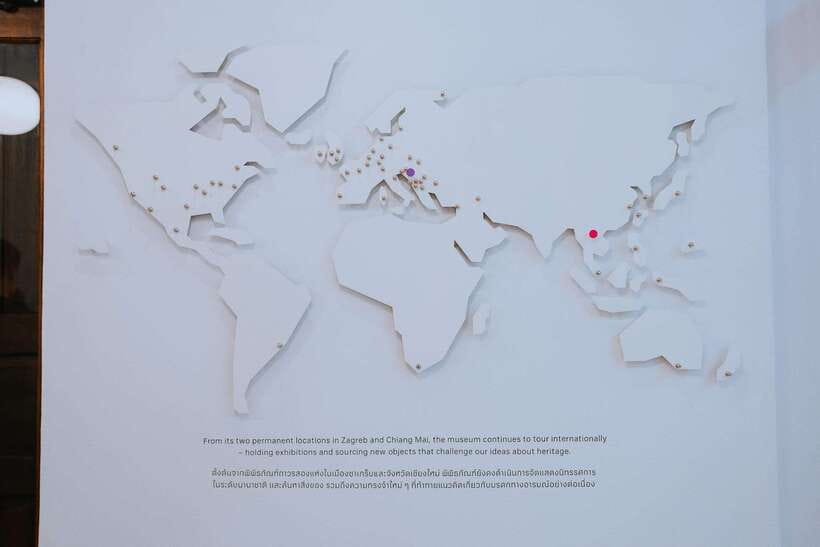
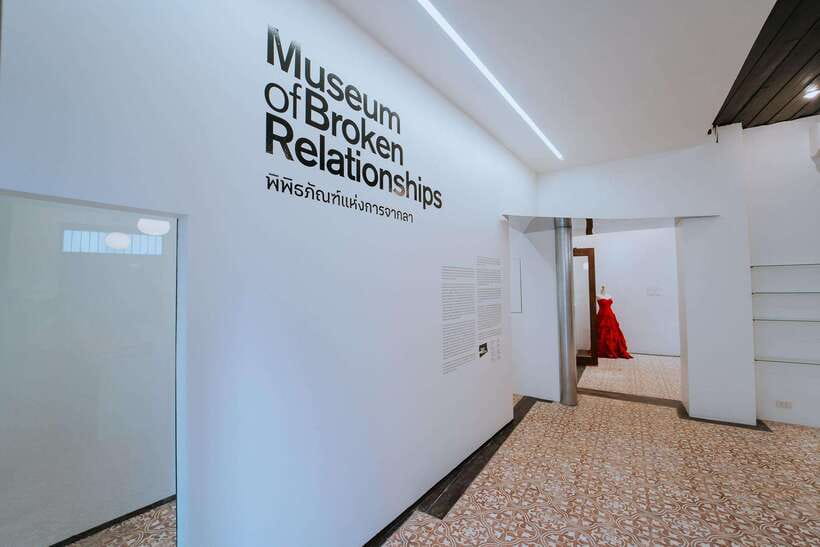
This museum is an ever-evolving collection of objects donated after relationships ended, displayed without names. The idea began in 2006 with two artists from Zagreb, Croatia, and it’s grown into more than sixty traveling exhibitions worldwide. In Chiang Mai, it lives in the historical Yong Chiang Building, so you get both the atmosphere of a real old structure and a modern, uncomfortable kind of honesty.
Plan your timing before you go. Hours run every day from 10:00 am to 10:00 pm, with the last entry at 9:30 pm, and the museum isn’t for wheelchair users. Also, there’s no guided tour included, and food, drinks, and flashlights aren’t allowed inside.
In This Review
- Key things you’ll notice right away
- Museum of Broken Relationships ticket: what you’re really paying for
- Where to meet and how to find the right building
- Opening hours in Chiang Mai: last entry is the real deadline
- What you’ll see: a museum made from objects after the end
- How to move through the museum without feeling overwhelmed
- Captions in Thai and English: why that matters
- Rules inside: what to leave out so you don’t get stopped
- Accessibility note: not suitable for wheelchair users
- Value for money in Chiang Mai: $6 for a self-paced emotional experience
- Who should book this entry ticket
- Should you book? My practical take
- FAQ
- Where is the meeting point for the Chiang Mai Museum of Broken Relationships ticket?
- How much does the entry ticket cost?
- What’s included with the ticket?
- Is a guided tour included?
- What are the museum opening hours and last entry time?
- What dates is the museum closed?
- Are food and drinks allowed inside the museum?
- Are flashlights allowed inside?
- Is the museum suitable for wheelchair users?
- Can I cancel and get a refund?
Key things you’ll notice right away
- Anonymous displays: objects are shown without names, with story text doing the emotional heavy lifting
- A museum built from endings: every item marks the close of a relationship, not a highlight reel
- Ever-changing collection: donated pieces and rotating exhibitions keep the experience from feeling fixed
- Skip-the-line entry: you spend time reading, not waiting
- English + Thai captions: you can follow the stories without needing a guide
- Simple rules for the space: no food/drinks and no flashlight, which keeps the dim mood intact
Museum of Broken Relationships ticket: what you’re really paying for
This entry ticket is $6 per person, and what it buys is straightforward: access to the museum. There’s no food, no drinks, no transportation, and no guided tour included. That sounds basic until you realize what makes this museum work: you’re meant to slow down, read, and react privately.
I like the value here because you’re not paying for a performance. You’re paying to stand in front of objects tied to real heartbreak and to let the museum’s text carry the meaning. Some museums try to entertain you with explanations; this one trusts you to feel the tension in the story.
Also, the ticket is described as valid for 1 day, with starting times based on availability. That matters because you’ll want to pick a time when you can actually linger. Even though it’s only an entry ticket, the museum is the kind of place where rushing makes it less effective.
A few more Chiang Mai tours and experiences worth a look



Where to meet and how to find the right building
Your meeting point is listed as 2-4 Wichayanon Road, Chang Moi Sub-district, Mueang Chiang Mai District, Chiang Mai Province 50300. Use that address as your anchor in maps. The museum is in the Yong Chiang Building, and the building itself is described as an unavoidable sight while exploring Chiang Mai—which is a nice way of saying you shouldn’t struggle to locate it once you’re in the area.
Practical tip: since this is a ticketed entry with skip-the-ticket-line, arrive early enough that you’re not stressing at the door. When you’re about to read sensitive stories, you’ll feel better if you get in calmly and settle before you start.
Opening hours in Chiang Mai: last entry is the real deadline
The museum is open every day from 10:00 am to 10:00 pm, and last entry is at 9:30 pm. That’s an unusually long window, which is helpful if your day in Chiang Mai is packed with temple visits and markets. You can also come later when the city is cooler and you want a quieter, indoor kind of reset.
A big heads-up from the rules: the museum is closed on New Year’s Day and during Songkran Festival, including substitution for Songkran Festival. Chiang Mai plans can get tricky around Songkran, so check dates ahead of time and don’t assume normal hours.
What you’ll see: a museum made from objects after the end
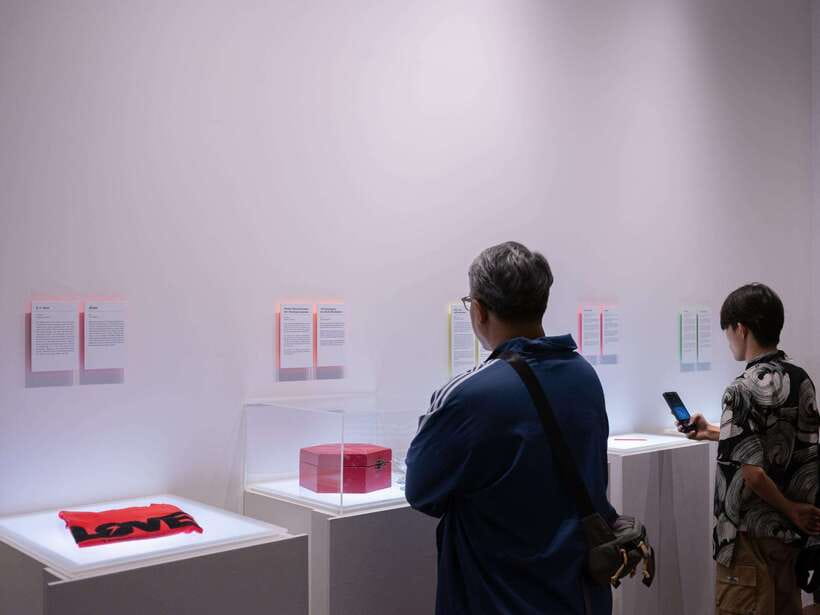
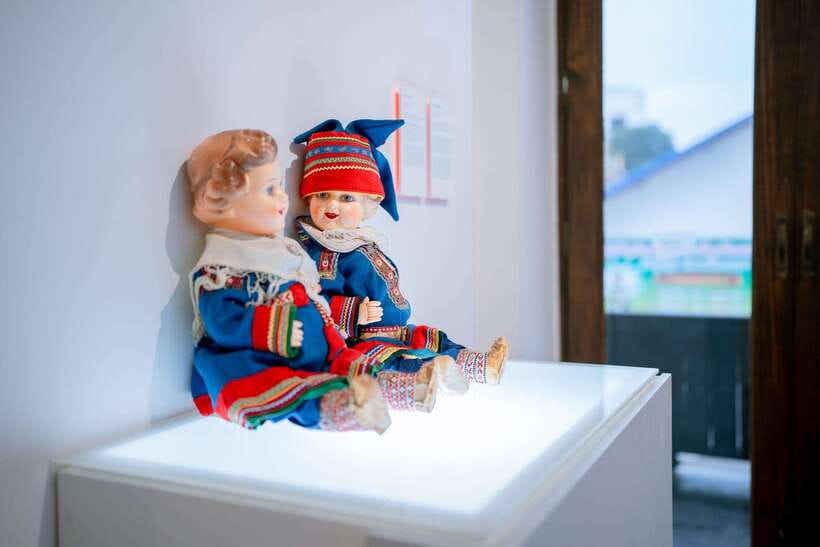
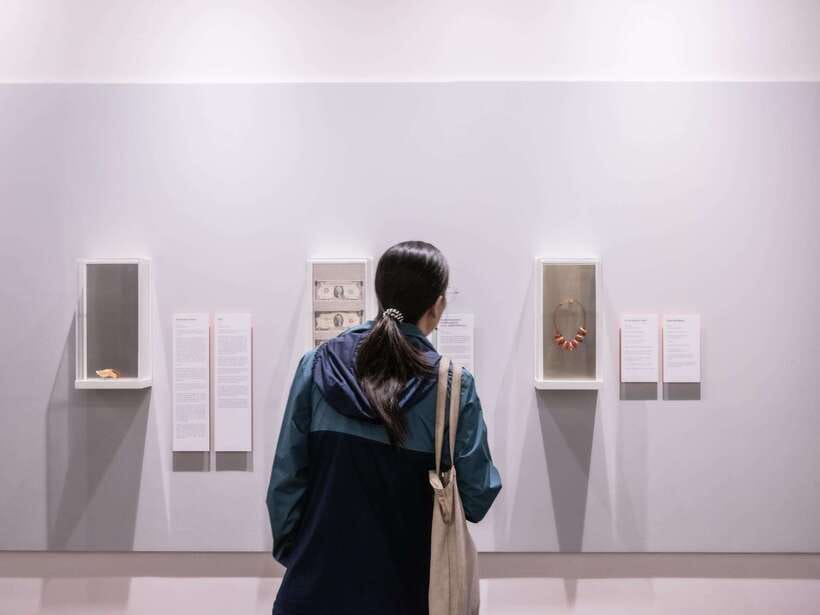
The core format is simple and powerful. This museum is an ever-evolving collection of mementos donated by people around the world. Every item symbolizes the end of a relationship. You won’t get a neat timeline of romance. Instead, you get an emotional scatterplot of how love ends, how it’s remembered, and what’s left behind.
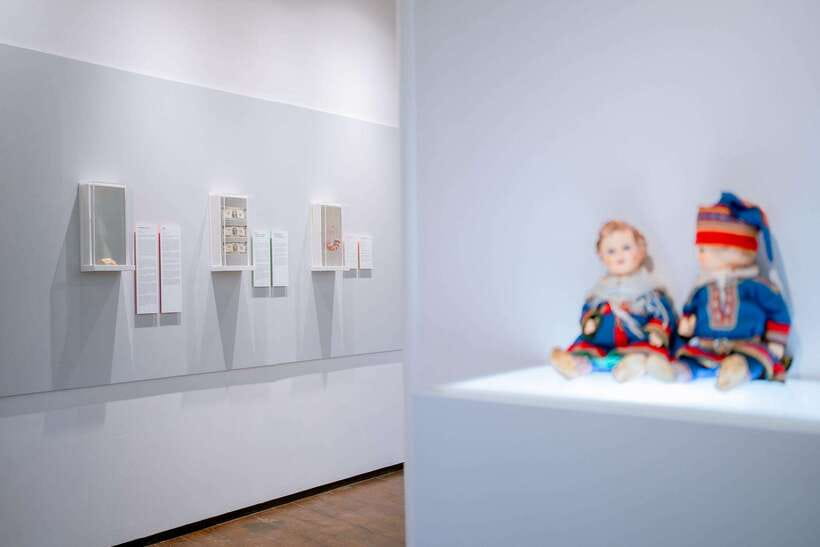
All displays are anonymous. That anonymity is key. It removes the distraction of who the person is and forces you to focus on what happened and how it feels. The only text you’ll see is the personal narrative tied to the object, and the museum uses those narratives as the real explanation—not labels like you’d see in a history museum.
It also helps to know the museum’s origin story. Started in 2006 by two artists in Zagreb, the project was meant to commemorate a relationship even after it ended. Over time, it expanded into more than sixty traveling exhibitions, which is why the museum in Chiang Mai feels connected to something bigger than one city.
And since this is an Asian branch housed in a historical building, the setting adds extra contrast: old walls, modern emotional honesty.
How to move through the museum without feeling overwhelmed
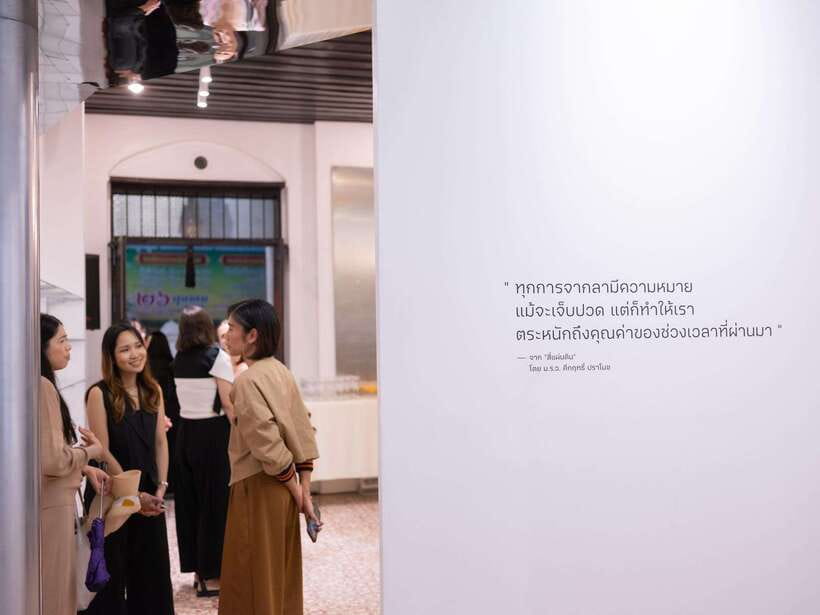
Because you’re on your own here, your pacing is your plan. I’d treat the visit like reading a series of short letters. Start with a few items that interest you or disturb you (in a good way), then pause and let that emotional tone sink in before you keep going.
The museum’s strength is that it doesn’t try to tell you what to think. It presents endings through objects and their accompanying narratives. After a while, you’ll start noticing patterns: regret, relief, anger, grief, and the strange quiet that can come after closure. Even if you don’t know the person, you understand the shape of what they’re describing.
Practical reading tip: the museum captions are in Thai and English. If your Thai is basic, don’t try to read everything at once. Lean on English captions first. Then, if you notice Thai text alongside, you can let it be a helpful layer rather than homework.
And remember: this is emotional content. If you feel yourself getting heavy, it’s okay to switch to lighter reading for a bit or to step back and take a breath between exhibits. You’re allowed to control the pace.
You can also read our reviews of more museum experiences in Chiang Mai





Captions in Thai and English: why that matters
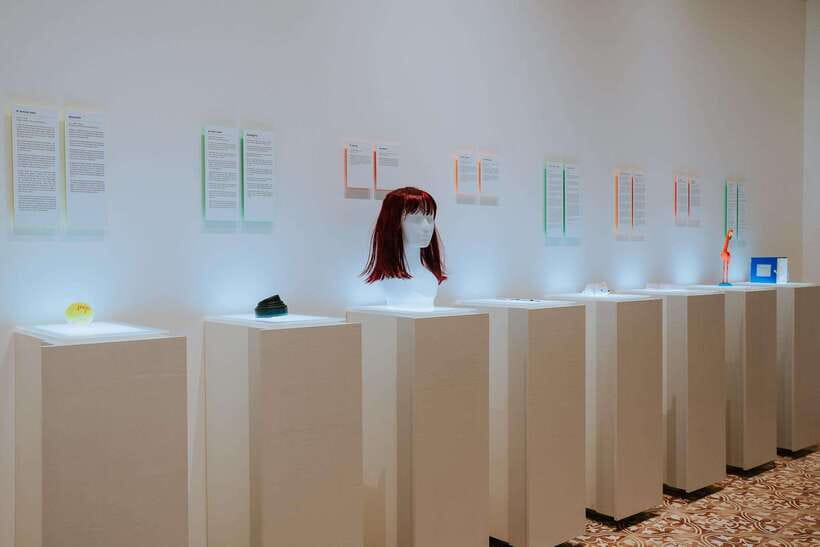
A small detail with big impact: museum captions are in Thai and English. That means you don’t need a guided tour to get the meaning behind each object. You’re free to read the narrative at your own speed, and you can return to a display if you want to reread a specific line.
Language support also shapes how you interpret the anonymity. When you can understand the full narrative, it hits closer. You’re not guessing. You’re absorbing the person’s own words, translated or written for you, paired with their physical memento.
If you rely on English, plan on spending enough time to read comfortably. When a museum tells intimate stories, speed ruins the effect.
Rules inside: what to leave out so you don’t get stopped
The museum rules say the following are not allowed:
- Food and drinks
- Flashlight
That’s not just for convenience. It helps keep the environment controlled and respectful. Since it’s a place built around personal narratives, the quiet and low distraction likely matter to how the exhibits are experienced.
So when you’re planning your day in Chiang Mai, eat before you arrive. Don’t plan on grabbing a snack in the museum. And if you’re the type who always checks in with a flashlight or extra light, leave that habit behind. The exhibits are meant to be read within the museum’s own lighting.
Accessibility note: not suitable for wheelchair users
This museum is not suitable for wheelchair users. If accessibility is part of your planning, treat that as a firm constraint. It’s better to adjust your itinerary early than to find out on arrival.
If you have mobility concerns, choose a different attraction that fits your needs. This isn’t a gentle space—it’s a personal storytelling format, and the rules and layout can be more restrictive than a typical museum.
Value for money in Chiang Mai: $6 for a self-paced emotional experience
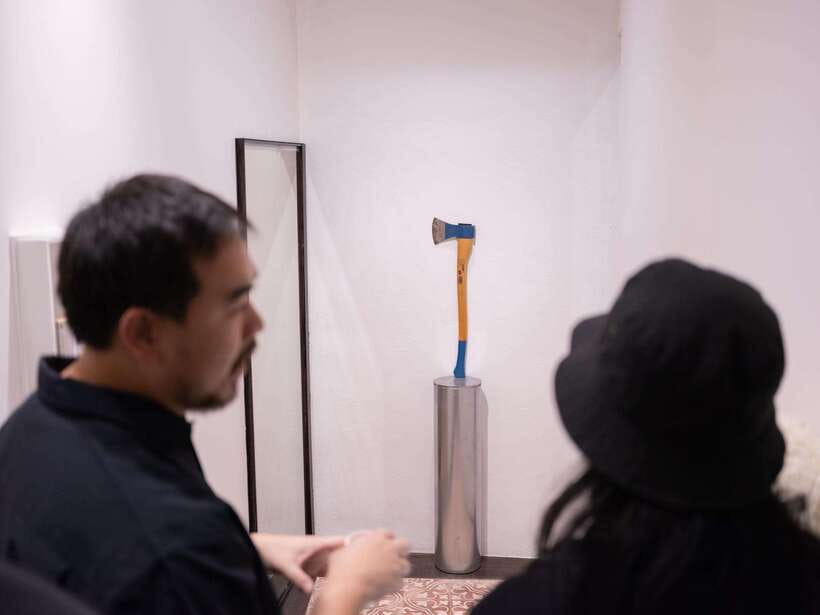
At $6 per person, this ticket is priced like a casual add-on. But the content isn’t casual. The museum’s entire premise is that endings leave traces, and people donate those traces so others can understand loss in their own way.
What makes it feel like good value:
- Skip-the-ticket-line means less wasted time
- You’re not paying for a guide, so the focus is on the museum itself
- Captions in Thai and English mean you can understand without special help
- The collection is ever-evolving, which makes repeat visits more plausible (at least in concept)
One consideration: since guided tours aren’t included, you only get what you bring. If you like quiet, reflective spaces and reading-driven experiences, you’ll get a lot out of it. If you want a structured walk with commentary, you might find the experience too self-directed.
Who should book this entry ticket
I think this ticket is a strong match if you:
- Like museums that tell human stories instead of only explaining facts
- Prefer self-paced experiences where you can slow down
- Want an unusual, memorable stop that’s different from the usual Chiang Mai checklist
It’s less ideal if you:
- Need wheelchair-friendly access
- Don’t handle heavy emotional content well
- Want a guided tour with narration and group context
Also, because there are no food/drinks allowed, plan your day so you’re not hungry at the wrong time. That small logistics choice makes a big difference in how comfortable you feel while reading intimate narratives.
Should you book? My practical take
Book it if you’re curious about how people process the end of relationships, and if you’re comfortable reading anonymous stories in Thai and English at your own pace. The $6 entry price feels like a fair deal for a museum that’s built on real objects and real emotional meaning, not on a polished script.
Skip it if accessibility matters for you, or if you’re currently not in the mood for serious, personal heartbreak themes. And if you’re short on time, remember last entry is 9:30 pm—so pick a time that gives you breathing room.
If your goal is a Chiang Mai experience that’s truly different, this is one of those stops that sticks with you long after you walk out.
FAQ
Where is the meeting point for the Chiang Mai Museum of Broken Relationships ticket?
The meeting point is 2-4 Wichayanon Road, Chang Moi Sub-district, Mueang Chiang Mai District, Chiang Mai Province 50300.
How much does the entry ticket cost?
The price is $6 per person.
What’s included with the ticket?
The ticket includes entry to the Museum of Broken Relationships.
Is a guided tour included?
No. Guided tours are not included.
What are the museum opening hours and last entry time?
The museum is open every day from 10:00 am to 10:00 pm, and the last entry is at 9:30 pm.
What dates is the museum closed?
It is closed on New Year’s Day, Songkran Festival, and Substitution for Songkran Festival.
Are food and drinks allowed inside the museum?
No. Food and drinks are not allowed.
Are flashlights allowed inside?
No. Flashlight is not allowed.
Is the museum suitable for wheelchair users?
No. The museum is not suitable for wheelchair users.
Can I cancel and get a refund?
Yes. Free cancellation is available up to 24 hours in advance for a full refund.