REVIEW · CHIANG MAI
Chiang Mai Authentic Trekking
Book on GetYourGuide →Operated by Thai Eco Trek Adventures · Bookable on GetYourGuide
One day in the mountains beats half a day anywhere. This Chiang Mai Authentic Trekking outing mixes a real hill-tribe community visit with a medium hike through rice fields and forest, plus big viewpoints around Phalai Mountain. I especially like the focus on responsible, local support and the hands-on way your guide points out edible plants and everyday farming. The main catch: it is steep in spots and you’re looking at 10–12 km of mountain terrain in about 4–5 hours.
The day runs with a clear rhythm: pickup, a market stop for lunch basics, a Karen community morning, then a steady trek to mountain views and forest lunch before you head back with time to cool off at a waterfall. I also like that it’s small (up to 8 people), so you can actually hear the guide and move at a human pace through quieter paths. If you want flat walking or zero sweat, this won’t feel like that kind of tour.
In This Review
- Key things I’d pin to my map before you go
- Chiang Mai Authentic Trekking: what this day is really about
- Morning logistics: pickup, the local market, and getting your bearings
- Khun Poi Village and the school stop: seeing culture through daily rhythm
- The mountain and forest trek: rice fields, medicinal plants, and a real workout
- Phalai Mountain Peak: the payoff view (and what to manage on the climb)
- Forest lunch: healthy fuel in a quiet mountain setting
- After lunch: hill-tribe farms and crops you might recognize
- Waterfall refresh and return to Chiang Mai: cool down, then decompress
- Price and value: why $57 can feel like a bargain here
- Who this trek is best for (and who should skip it)
- What to bring so the day feels easier
- Season check: when to go for better comfort
- Should you book Chiang Mai Authentic Trekking?
- FAQ
- How long is the Chiang Mai trek, and how hard is it?
- What’s included in the price?
- What should I bring for the day?
- Is there time to swim?
- How big is the group?
- Who should not join this trek?
Key things I’d pin to my map before you go
- Small-group hiking with a limit of 8 participants, so the trail doesn’t feel crowded
- Karen hill-tribe culture at Khun Poi Village, plus a school stop that adds real context
- Plant-and-farm learning during the trek, including how locals use plants for food and daily life
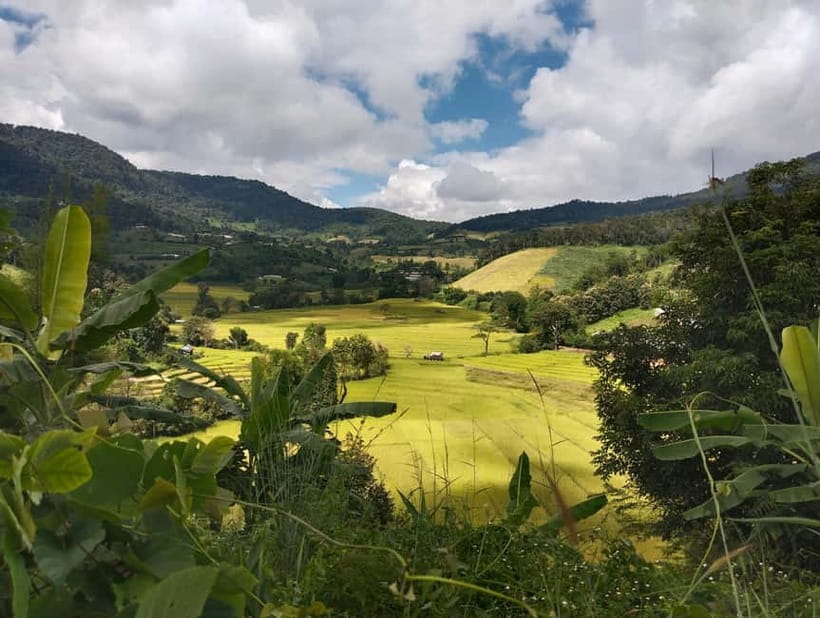
- Phalai Mountain viewpoint effort, with valley, village, and mountain views when conditions are clear
- Forest lunch and a hidden-waterfall swim option, so the day isn’t just walking
- Medium difficulty on uneven ground, often steep and potentially slippery after rain
Chiang Mai Authentic Trekking: what this day is really about
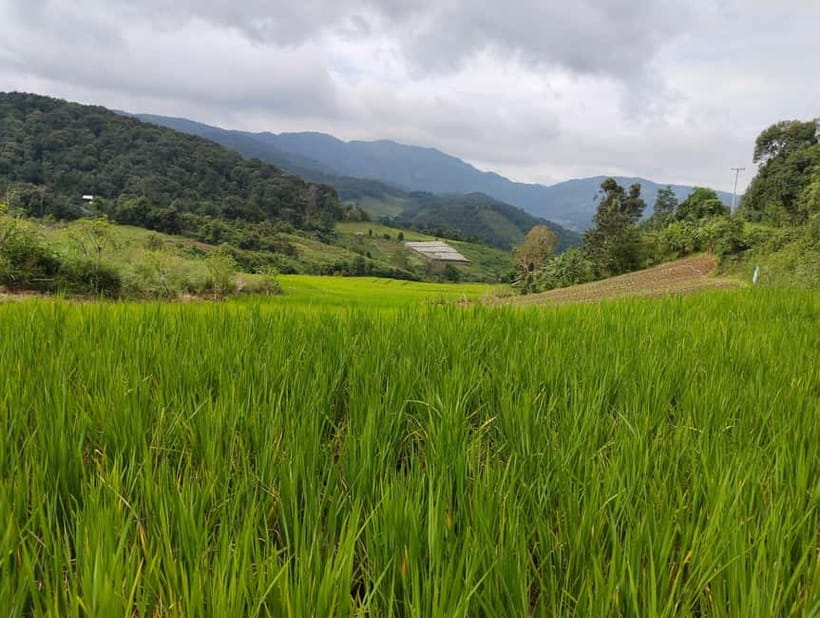
This trek is built for people who like their Thailand a little less staged. You’re not just going to look at scenery from a roadside. You’re moving through the countryside—rice fields, evergreen forest paths, and hill-tribe farms—while you learn what those places mean to the people who live there.
The whole “authentic” angle here isn’t marketing fluff. The day includes real community touchpoints: Khun Poi Village (a Karen hill-tribe community) and a stop at the village school. You also spend time learning how agriculture works around you, not as a concept, but as daily life—coffee, passion fruit, cape gooseberry, tomatoes, zucchini, taro, and more.
Value-wise, the price is hard to beat for a full day that includes hotel pickup/drop-off, transportation, English-speaking guide, a local assistant, accident insurance, and lunch plus drinking water. At $57 per person, it’s positioned as a serious walking day without the price tag of a more exclusive private guide.
You can also read our reviews of more hiking tours in Chiang Mai
Morning logistics: pickup, the local market, and getting your bearings
Your day starts early. You’ll get picked up from your hotel around 7:45–8:00 AM, then ride south of Chiang Mai toward the countryside. The drive time is about an hour, and it matters because it lets you start the trek before the hottest part of the day.
One of the more useful early stops is a traditional Thai market visit. Your guide helps you buy lunch items and drinking water there. This is more than a convenience stop. It gives you a window into everyday ingredients and snacks, and it sets up the lunch later—so you’re not just guessing what you’ll eat during a hike.
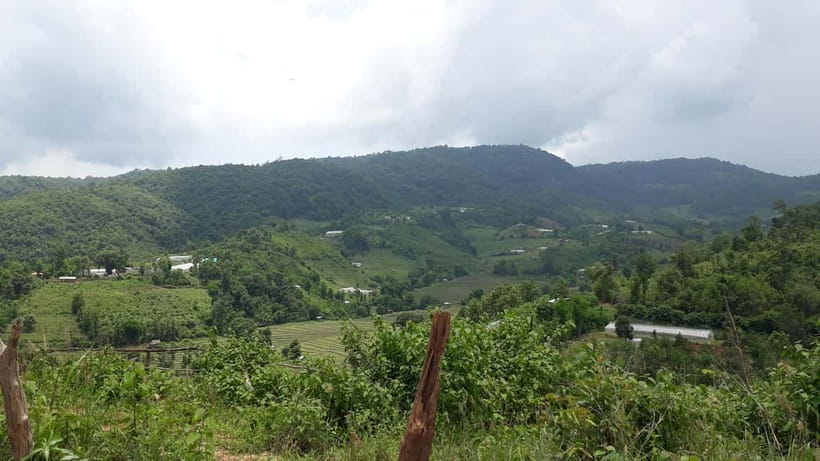
You’ll also pause at scenic viewpoints along the way to Khun Poi Village. Think photo time plus valley views, not a long museum-style stop. It’s a good moment to check your gear: water bottle secured, shoes tied, sunscreen on.
Practical tip: if you’re prone to sore feet, you’ll want hiking shoes rather than flexible sneakers, since you’ll hit uneven terrain and some slick sections.
Khun Poi Village and the school stop: seeing culture through daily rhythm
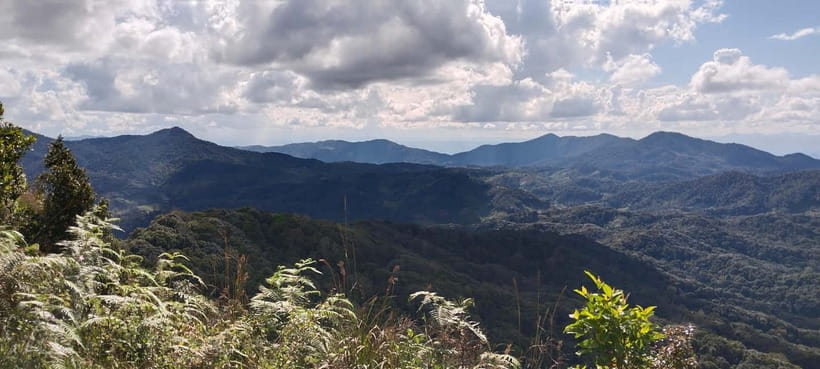
Arriving at Khun Poi Village is the emotional shift in the itinerary. This Karen hill-tribe community sits in lush mountain surroundings with farmland all around. Instead of treating culture like a one-hour show, the plan is built around learning how people live—agriculture, work rhythms, and community routines.
The trek begins at the village school. Watching kids during their school time is a small moment, but it lands. You get a human anchor for the rest of the day, and you’ll understand why the land and the farming practices are so important to their lives.
This section is also where your “responsible tourism” values become real. You’re not there to hunt for photos. You’re there to learn and observe respectfully, and you move forward with the rest of the trek understanding that you’re walking through someone’s home territory.
The mountain and forest trek: rice fields, medicinal plants, and a real workout
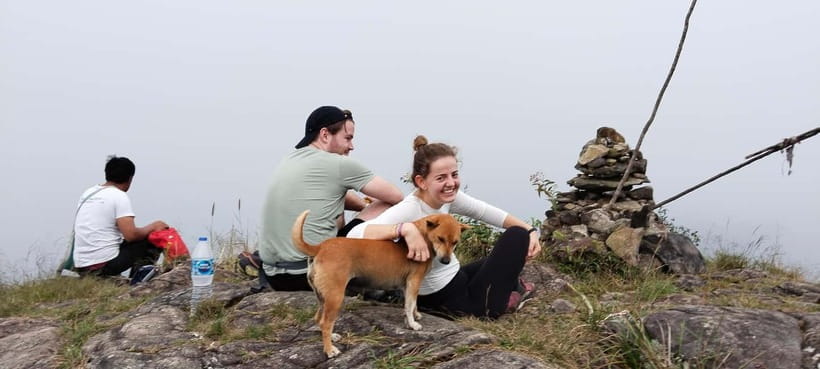
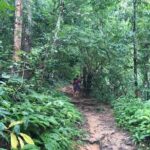
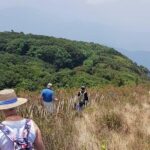
Now comes the main event: a mountain trail through rice fields, evergreen forest, and natural paths. Total trekking distance is around 12 km, and the walk time is typically about 4–5 hours. The difficulty is listed as medium, but medium in Thailand mountain terms often means: expect hills, and expect your balance to be tested.
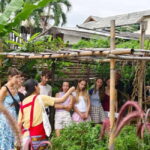
This is also where the guide’s role becomes more than route instructions. During the hike, your guide points out plants used for food, medicine, and everyday life. In guide profiles you might encounter someone like Pan, who’s described as strong with English and plant knowledge, including explaining edible plants and even letting you taste some. Even if your guide isn’t Pan, the focus stays the same: you’re learning while you walk.
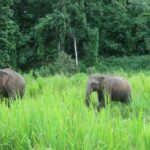
Wildlife is possible in this kind of terrain, and the area can be home to wild boar, gibbons, barking deer, and various bird species. You should not count on a guaranteed animal sighting, but the setting is the right kind of place for it.
One more thing that makes this trek feel different: you’ll be walking through areas that locals use. That matters because it changes the pace. Fewer staged moments. More real soundscape: birds, wind in the trees, steps on dirt and roots.
Phalai Mountain Peak: the payoff view (and what to manage on the climb)
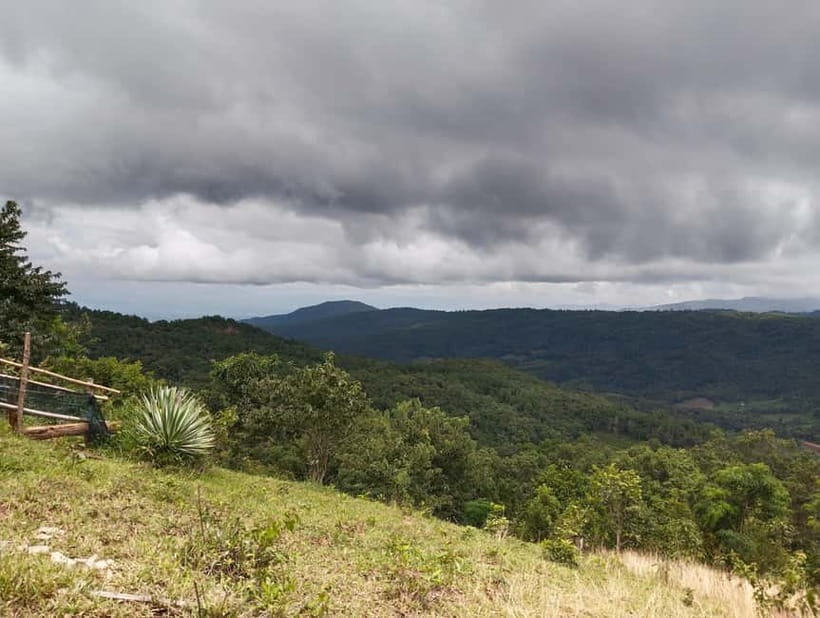
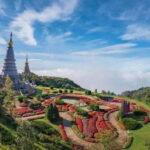
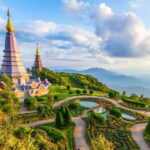
The trek culminates at Phalai Mountain peak, positioned between Chom Thong and Mae Wang districts and connected to the broader Doi Inthanon National Park area. Reaching the top is the moment where the effort becomes visible.
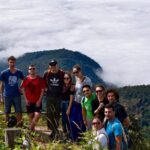
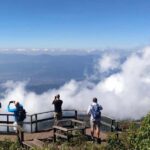
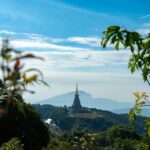
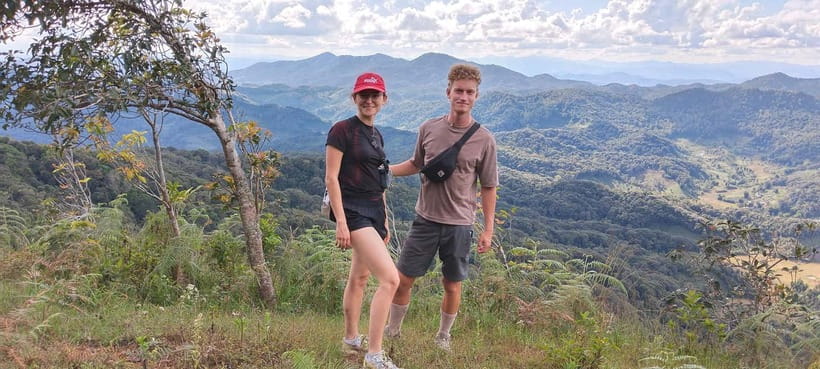
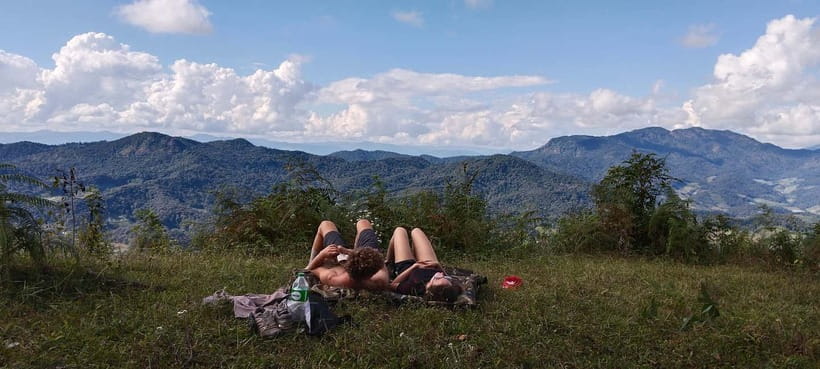
From the peak, you get valley views, village views, and surrounding mountain scenery. It’s the kind of viewpoint where you want your camera ready, but also the kind where you’ll pause and just look—because the view helps you understand what you walked through.
The climb can be demanding. Expect segments that feel steep, and some parts may be slippery, especially if the weather has been wet. This is where comfortable shoes, a steady stride, and a calm pace pay off.
If you’re sensitive to heights or uncertain footing, take your time on switchbacks and avoid rushing down tricky sections. You’ll have a forest lunch after this, so you’ll want your energy.

Forest lunch: healthy fuel in a quiet mountain setting
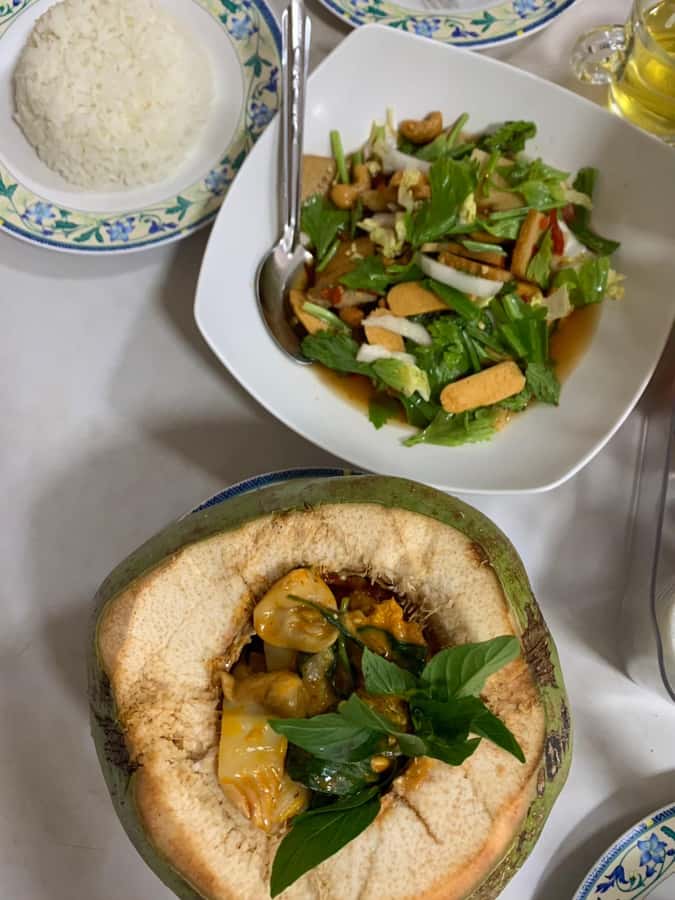
Lunch happens in the forest with fresh air and calm surroundings. The idea is simple: you eat, you reset, and you keep going. Lunch is included, and you’ll also have drinking water provided.
There’s a thoughtful element here too. You already stop at a market earlier, so you’re eating in a way that matches the day—food that fits the countryside and the trek, not a random tourist restaurant.
If you’re the kind of person who gets “hangry” on hikes, pack a small snack anyway. Lunch is included, but the pace can make you hungry before the planned break.
After lunch: hill-tribe farms and crops you might recognize
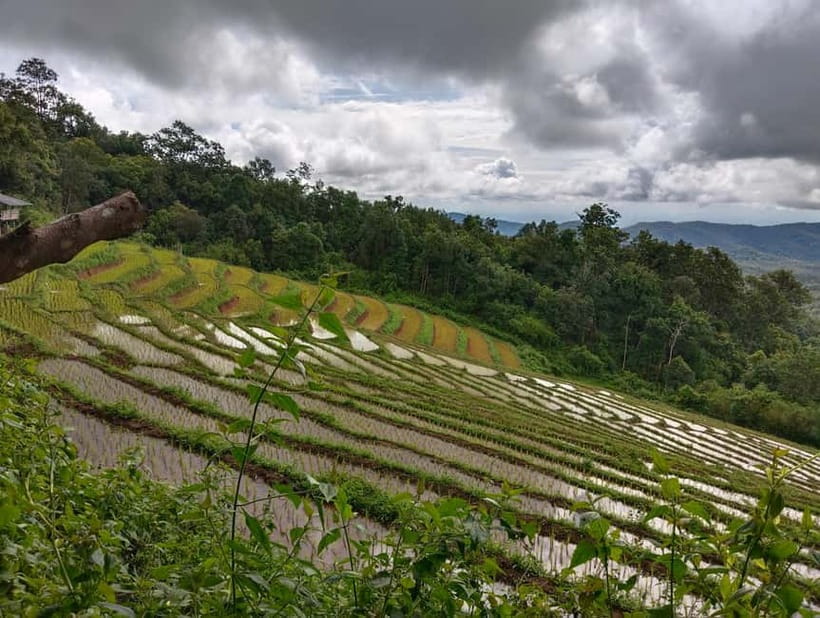
After lunch, the trek continues along mountain paths through hill-tribe farms. You’ll pass different local crops, including coffee, passion fruit, cape gooseberry, tomatoes, zucchini, taro, and more. The point isn’t to memorize a farm catalog. It’s to connect what you see with what you learned earlier about daily agricultural life.
This portion is also where the day slows just enough for observation. If you want to understand how people live “in harmony with nature,” this is the practical layer of that idea: the land is actively used, not treated like a theme park.
Waterfall refresh and return to Chiang Mai: cool down, then decompress
After the trek, you head to a secluded waterfall area where you can swim, relax, and take photos. Swimming is optional, but the opportunity to cool off is a smart reward after several hours of walking.
Finally, you drive back to Chiang Mai and return to your hotel around 5:00–6:00 PM. It’s late enough that you’ll feel you did a full day, but not so late that it kills your evening plans.
Price and value: why $57 can feel like a bargain here
At $57 per person, this trip is priced like an outdoors-focused cultural trek, not a luxury experience. What you get for the money is the real value story.
Included basics that matter on a day like this:
- Hotel pickup and drop-off around the city
- Transportation to and from the trekking area
- English-speaking guide plus a local assistant
- Lunch and drinking water
- Accident insurance
You do pay extra for some personal spending like souvenirs, soft drinks, and snacks. Still, the fact that your lunch and water are part of the plan removes a lot of uncertainty.
The small-group limit (8 participants) also improves value because you get more attention from the guide and less crowd friction on narrow paths.
Who this trek is best for (and who should skip it)
This is a great match for hikers who want a cultural element, not just a viewpoint hop. You’ll enjoy it most if you’re comfortable with a steady hike and you like learning from your guide along the way.
It is not suitable for:
- pregnant women
- people with mobility impairments or wheelchair users
- people with heart problems
- babies under 1 year
- people over 95 years
- people over 70 years
So if your health limits stairs, uneven ground, or extended uphill walking, choose a different Chiang Mai activity with less physical strain.
What to bring so the day feels easier
You’re going to be outside for a chunk of the day, and conditions can shift. Bring the basics that actually change comfort level.
Essentials from the recommended list:
- comfortable shoes or hiking shoes
- sun hat and sunscreen
- insect repellent
- daypack
- water bottle if you prefer (you’ll get drinking water, but personal bottles help)
- comfortable clothes for warm weather
- swimwear, towel (because the waterfall stop includes swimming)
- comfortable spare layer if you get chilly in the forest
- camera
- personal medication
- cash
Also: don’t forget your passport if requested by the operator on the day of activity. It’s listed as something you should bring.
Season check: when to go for better comfort
Timing matters here because you’re walking through forest and mountain terrain.
- Summer season: mid-February to mid-May
- Rainy season: mid-May to mid-October
- Winter season: mid-October to mid-February
In rainy months, expect slick trail sections and plan for slower footing. In cooler winter months, you may get more comfortable walking conditions, though mornings can still feel brisk before you warm up.
Should you book Chiang Mai Authentic Trekking?
If you want a 1-day experience that blends hill-tribe culture, hands-on plant learning, and a real mountain walk with viewpoints and a waterfall, this is a strong choice. The small group size, English-speaking guide, and included lunch make it feel well-organized for people who want more than a drive-and-photo tour.
Skip it if you need flat routes, if steep uneven ground is a problem for your body, or if you want a very gentle pace. And if you’re traveling in rain season, bring extra patience for muddy, slippery trail segments.
If your ideal day in Chiang Mai includes walking into the countryside, meeting people where they live, and earning your views with your legs, then this is exactly the kind of trek that fits.
FAQ
How long is the Chiang Mai trek, and how hard is it?
The trekking part is about 4–5 hours and covers roughly 10–12 km of mountain terrain. The difficulty is listed as medium.
What’s included in the price?
Hotel pickup and drop-off (around the city), transportation, accident insurance, an English-speaking tour guide, a local assistant, lunch, and drinking water are included.
What should I bring for the day?
Bring comfortable shoes (or hiking shoes), sun hat, sunscreen, insect repellent, swimwear and a towel, a daypack, cash, weather-appropriate clothing, a camera, and any personal medication.
Is there time to swim?
Yes. After the trek, you stop at a waterfall where you can swim, relax, and take photos.
How big is the group?
It’s a small group limited to 8 participants.
Who should not join this trek?
It’s not suitable for pregnant women, people with mobility impairments, wheelchair users, people with heart problems, babies under 1 year, people over 95 years, or people over 70 years.