REVIEW · KHAO LAK
4-Hour Traditional Thai Cooking Class in Khaolak
Book on GetYourGuide →Operated by Bigcountry Andaman · Bookable on GetYourGuide
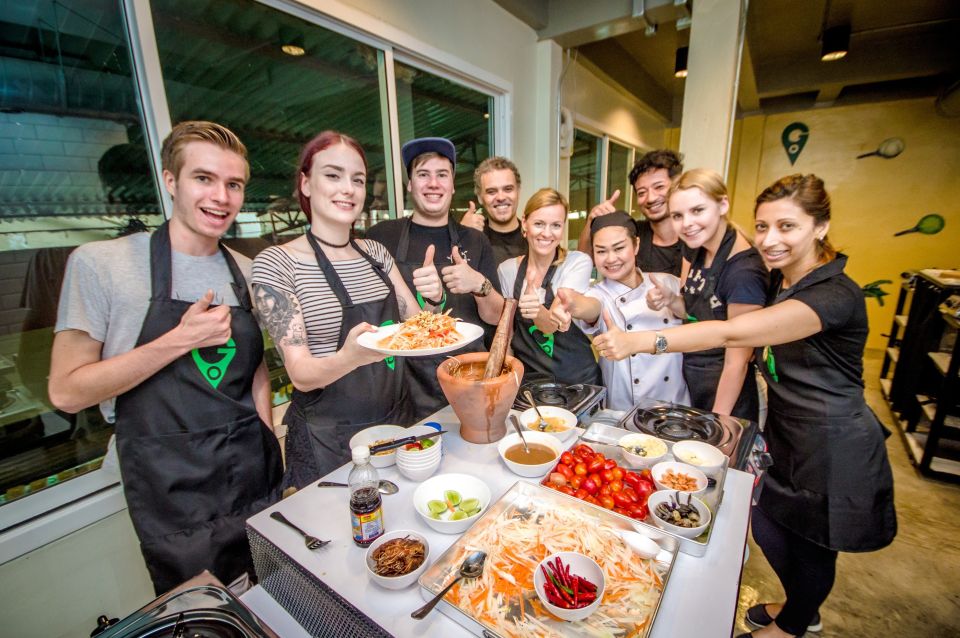
Thai cooking starts at the market. This 4-hour class in Khaolak is built around hands-on flavor—fresh ingredients, a real small-group kitchen, and a chef who keeps things moving. You’ll shop first, cook your own Thai dishes, then sit down with everyone to eat what you made, including standout classics like pad thai and mango sticky rice. One thing to think about: it’s an active, cooking-heavy morning, so wear comfortable clothes and expect to get a little busy.
What I really like is the market-first approach. You’re not just handed ingredients; you learn what spices and produce actually do, with help from chefs like Apple (who keeps the workflow smooth) and guides like Da (who can make Thai food make sense fast).
My second favorite part is the small-group coaching. With a group limited to no more than 8 (and capped at 9), you get enough attention to follow along—even if you’re cooking for the first time. The one possible drawback is that you’ll choose from a menu of 32 dishes, so you may not end up tasting every single Thai specialty option in one class.
Key highlights you’ll care about
- Local market shopping before cooking so flavors make sense while you cook
- Small group (up to 8, limited to 9) for real face-time with the chef
- Menu of 32 dishes to choose what you’ll cook
- Tuk-tuk ride to a tropical garden kitchen—fun, practical, and quick
- Eat what you cook with your group after the lesson
- Cooking certificate after class, plus soft drinks included
In This Review
- Market Shopping First: the fastest way to understand Thai flavor
- Hotel pickup, a short ride, then the kitchen move by tuk-tuk
- Choosing from 32 dishes: how the menu affects your results
- Chef-led cooking that stays practical (and actually teaches)
- The cooking kitchen: hands-on work in a tropical garden setting
- Eating together: what you make is what you taste
- What you get for $79: value that comes from shopping and cooking
- Who this class fits best (and who might not)
- Simple tips to make your class easier
- Should you book the 4-Hour Traditional Thai Cooking Class in Khaolak?
- FAQ
- How long is the cooking class?
- Does the price include hotel pickup and drop-off?
- Do we visit a market to buy ingredients?
- How big are the groups?
- What language is the class taught in?
- Can I reserve without paying right away, and how much notice is needed to cancel?
Market Shopping First: the fastest way to understand Thai flavor
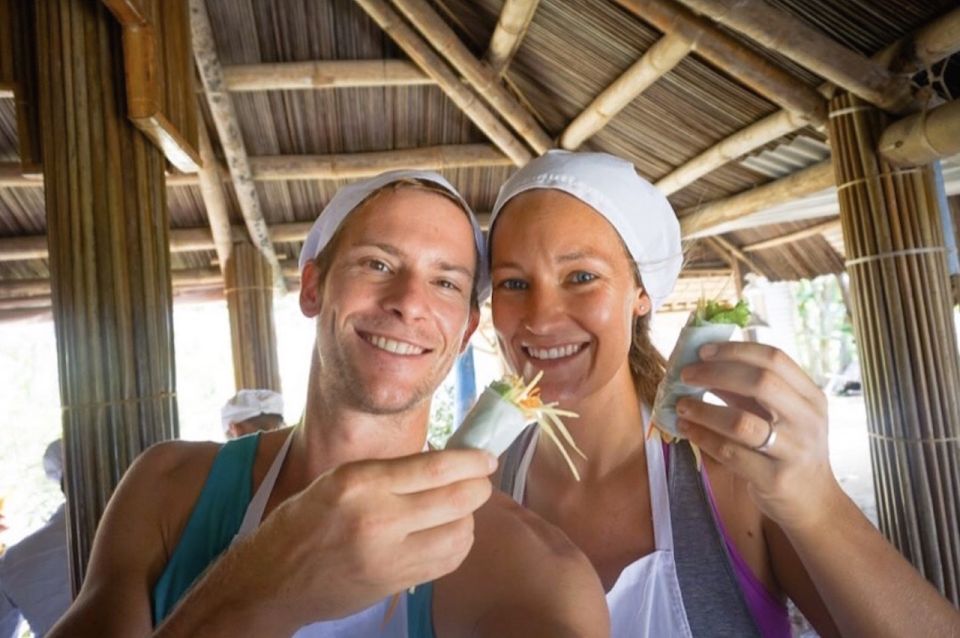
A Thai cooking class works best when the flavors start outside the kitchen. Here, you begin by heading to a local market to shop for fresh ingredients. It sets the tone. Thai cooking is about balance, and the market walk is where you see that balance in real ingredients: herbs, aromatics, and produce that smell like you’re already halfway to dinner.
You’ll get guidance from a professional, English-speaking guide as you browse. In the process, you’ll also get practical context for what you’re buying. One of the smartest parts of this start is that it turns cooking instructions into something you can remember. When you later hear a chef talk about why something is added early versus late, you’ll have the ingredient right in your mind from the market.
This is also where the class feels more like Thai food culture than a tourist demo. Market ingredients are seasonal, and the market approach helps you cook in a way that’s less like copying a recipe and more like understanding why Thai food tastes the way it does.
A small practical note: market conditions can be unpredictable. One class experience happened during rain and even flooded streets, but the market portion stayed relaxed. If you go during wetter weather, bring simple rain protection and closed-toe shoes. You’ll move around more than you expect.
Hotel pickup, a short ride, then the kitchen move by tuk-tuk
Logistics matter in a cooking class. If you waste time, you lose cooking time—and your food suffers. This one does a nice job of smoothing things out.
Round-trip hotel transfer is included, so you’re not trying to figure out transport before you even start. The drive to the market is part of the plan too, which is especially helpful if you’re staying a distance from the market area.
Then comes the fun part: you head back toward the kitchen by tuk-tuk. It’s short and sweet, but it changes the vibe. Instead of a static classroom, you move into a cooking setting with a tropical garden feel. That matters because Thai cooking isn’t only about technique. It’s also about atmosphere—smells in the air, ingredients out in front of you, and a relaxed pace that doesn’t feel like a test.
Once you arrive, the group works out of the cooking school’s setup. Several experiences described the space as well equipped, with the tools you need on hand. Translation: you can focus on learning rather than hunting for equipment.
You can also read our reviews of more cooking classes in Khao Lak

Choosing from 32 dishes: how the menu affects your results
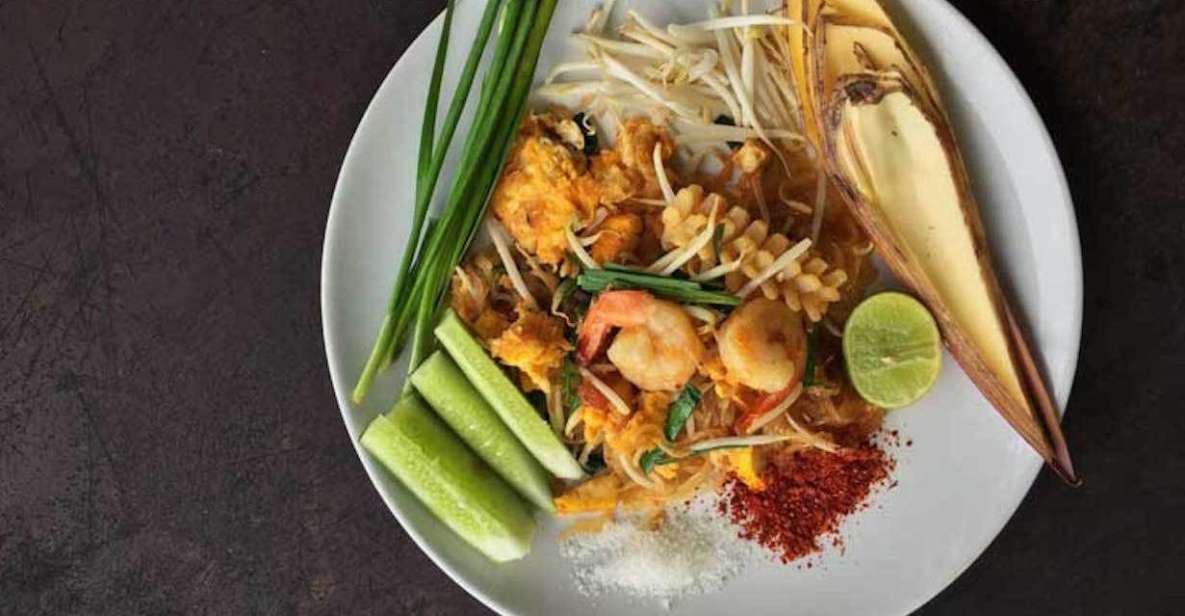
One reason this class earns strong marks is that you’re not stuck with one fixed menu. You choose your dish from a menu of 32 different dishes. That choice is a big deal for value and enjoyment.
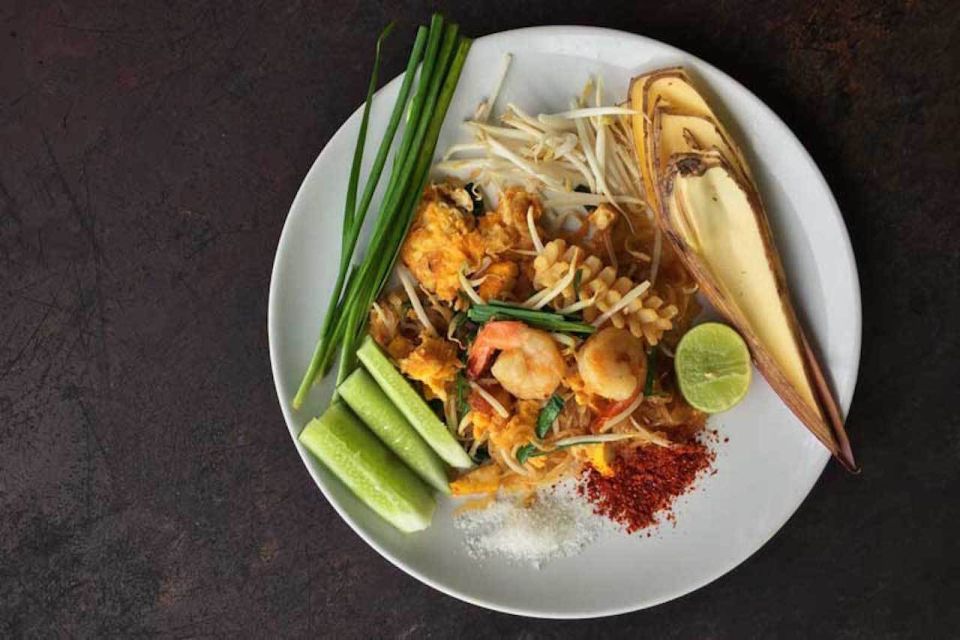
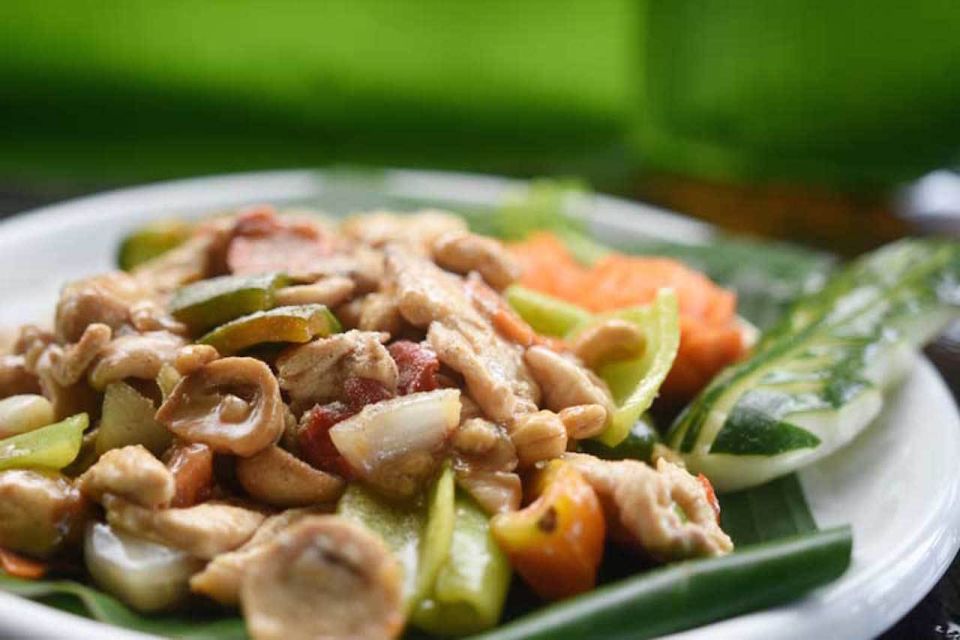
If you love crowd favorites, you’ll likely gravitate toward dishes like pad thai, which shows up in multiple class outcomes. If you have a sweet tooth, mango sticky rice is another common finale. The best part is that you’re cooking these classics from scratch rather than treating them like a store-bought reference point.
But here’s the tradeoff. Because you choose, you won’t necessarily cook every dish offered in the broader menu. You’ll cook what you choose, and you’ll likely prepare a small set of dishes during the 4-hour flow, but the class experience is designed around doing your selected cooking well. If your goal is sampling everything, this might feel a bit focused. If your goal is taking home usable skills for specific Thai flavors, this works better than a broad tasting-only class.
One review mentioned that the kitchen took preferences into account—different people had different likes and dislikes, and it still turned out well. That’s a comforting detail if you’re picky about spice level or certain ingredients. You’ll want to communicate preferences early so your chef can guide you the right way.
Chef-led cooking that stays practical (and actually teaches)
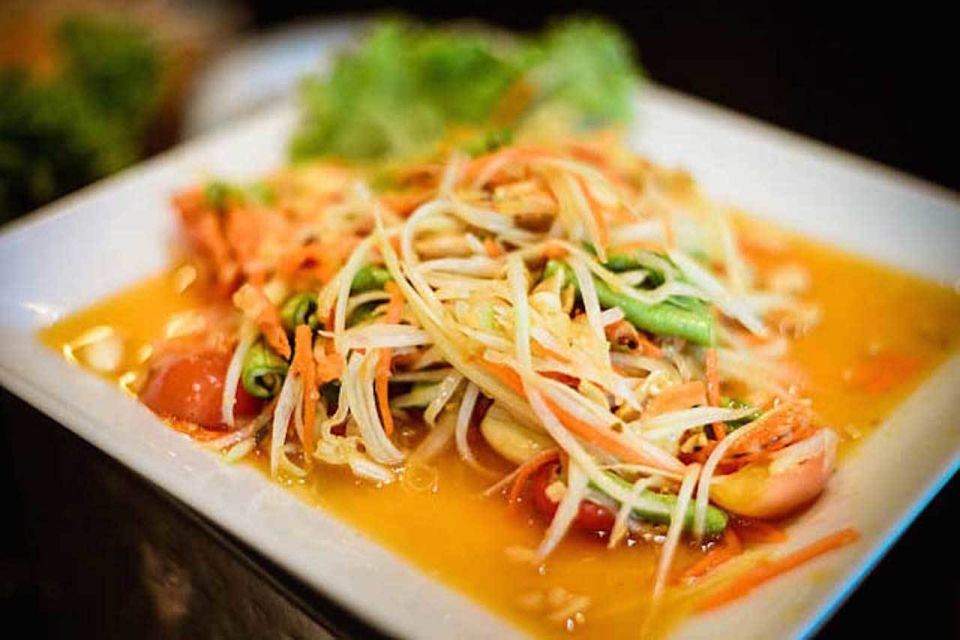
A cooking class can be “watch and smile” or “learn and do.” This one aims for the second option. You cook while getting tricks and guidance from a professional Thai chef, with everything taught in English.
The standout here is the pace and clarity. In experiences like classes led by Wandee, instruction was described as easy to follow, with good English that kept everyone comfortable. Other experiences highlighted Apple’s kitchen flow—ingredients prepped, steps that move seamlessly, and a rhythm that helps you stay with the lesson.
That teaching style matters more than you think. Thai recipes often sound simple until you try them. The differences are usually in technique and timing:
- when aromatics hit the pan
- how you build sweet-sour-salty balance
- how you handle noodles and sauces so they coat instead of clump
- how you time sticky rice sweetness with the finish
Even if you don’t know Thai cooking terms yet, you can learn the workflow. That’s the real win: you leave with a mental checklist you can repeat at home.
Also, small-group size helps the coaching become interactive. When you’re not fighting for the chef’s attention, you can ask questions and get feedback before you lock in a mistake. The class is limited to a maximum of 9 people, and it’s described as no more than 8 in smaller-group terms. Either way, you’ll likely feel like a person in the class, not a seat number.
The cooking kitchen: hands-on work in a tropical garden setting
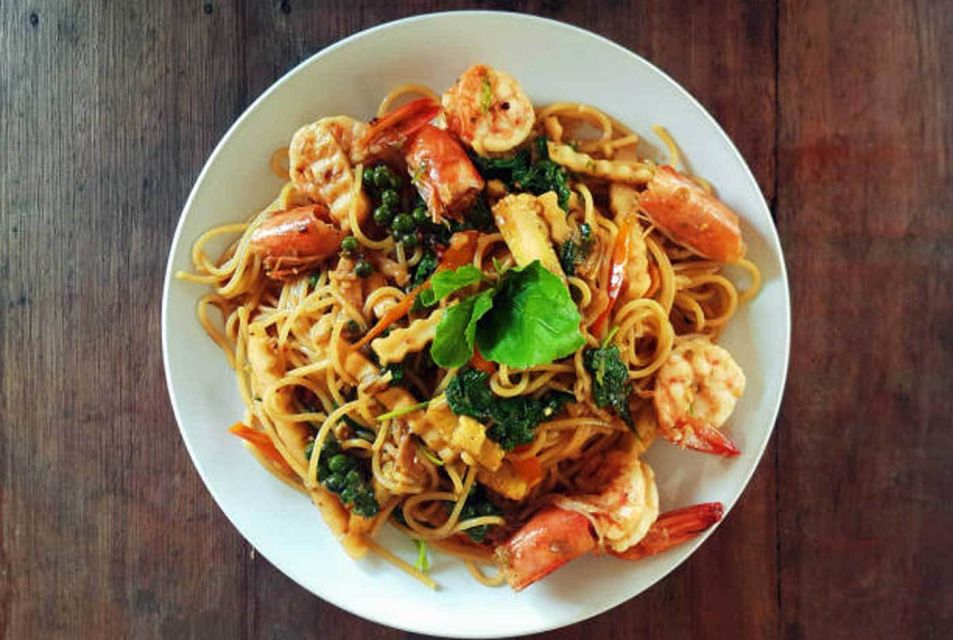
After shopping, you return to the kitchen in a setting that feels open and tropical. You’re not stuck in a sterile room. That small shift makes the experience more pleasant and helps you stay relaxed while cooking.
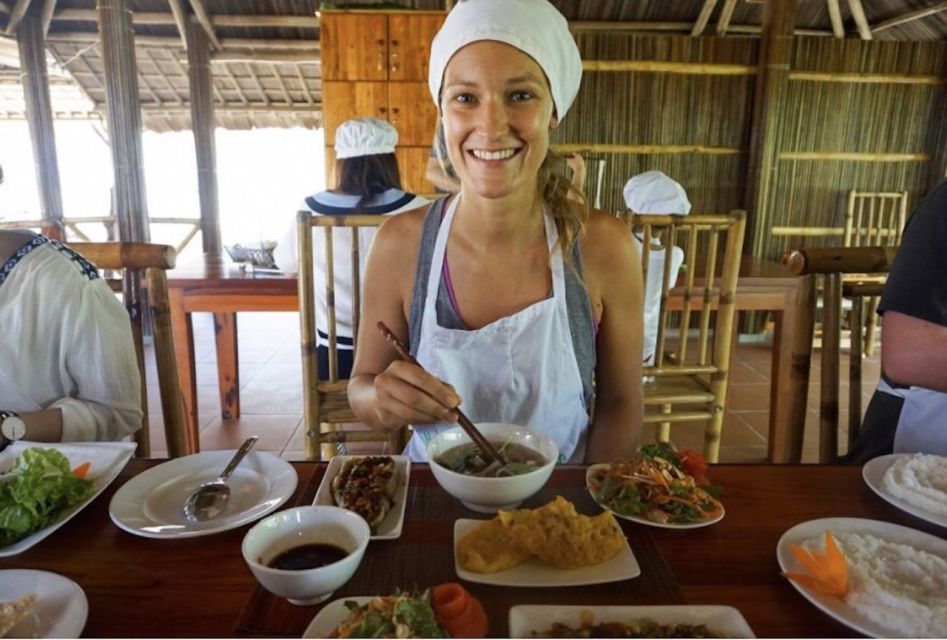
During the class, you prepare and cook your dishes, guided step by step. The class is designed for a fun, interactive 4-hour experience, not a long lecture. You’ll also get soft drinks included, so you can stay focused without worrying about hydration.
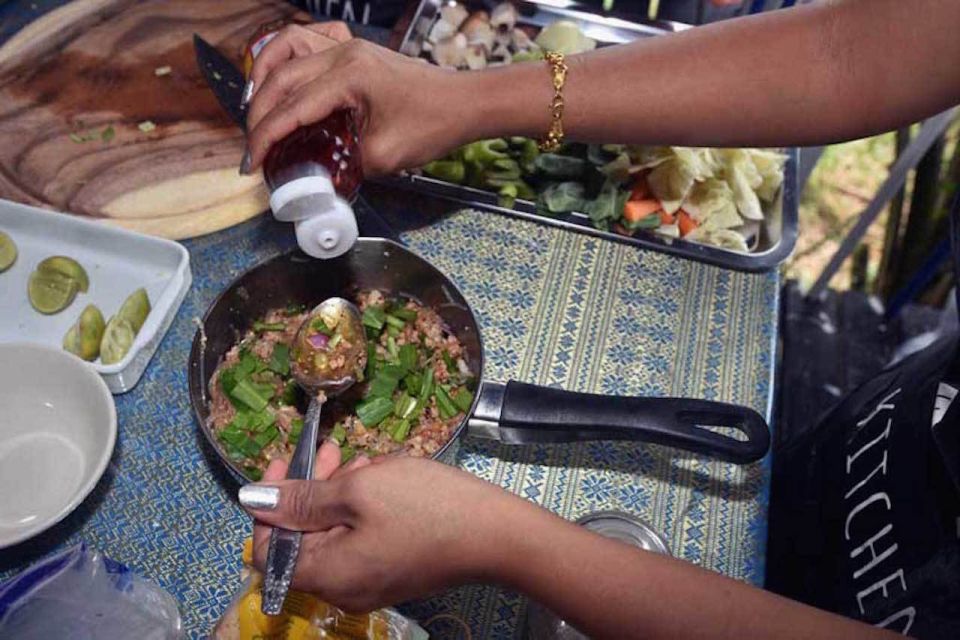
The teaching setup is practical: you’ll have what you need to cook, and you’ll follow instructions while learning ingredient roles. The result is that when you taste, you know what each step contributed. That’s the point of cooking classes that are worth your time.
And yes, you’ll get your hands into it. This is not a hands-off food tour. If you prefer to just observe, you might find the pace a little intense. If you enjoy cooking—or even if you just want to try—this format is exactly what makes the class rewarding.
Eating together: what you make is what you taste
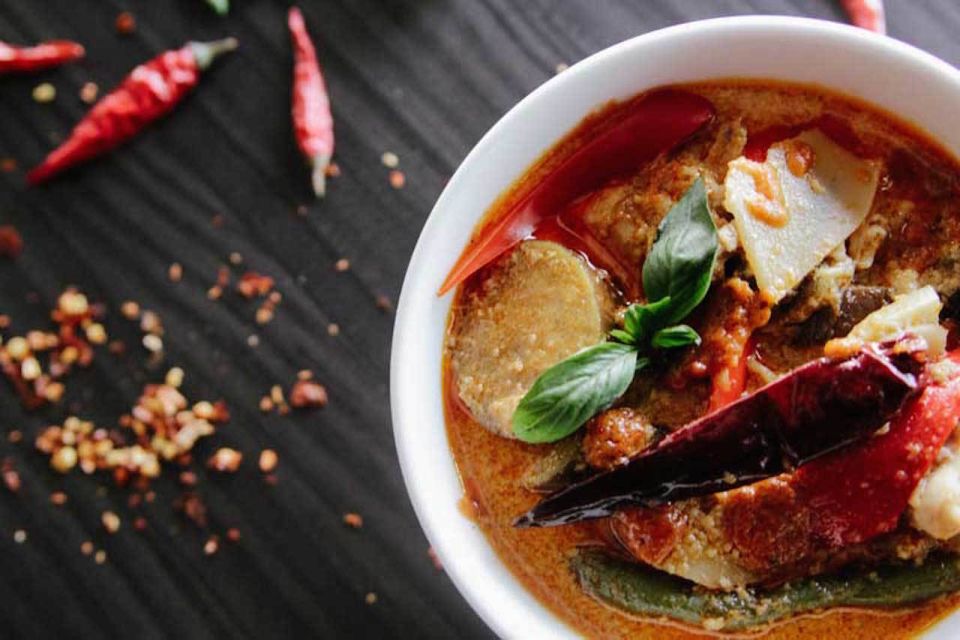
A cooking class should end with a satisfying meal, not a quick plate and a rushed goodbye. Here, you feast on what you’ve prepared with your group after the cooking is done.
That group meal part matters. Thai cooking is social at heart. Sharing your food right after you make it turns it from a skill exercise into a real travel memory. You can also compare notes with your group—how your pad thai looks, how your sauce balances, how your sweet finish landed.
Multiple experiences highlighted how good the final results were, especially for dishes like pad thai and mango sticky rice. Even people who usually don’t love mango sticky rice were surprised by how delicious it was in this setting. That doesn’t mean everyone will love every dish, but it does point to strong technique and careful instruction.
A few more Khao Lak tours and experiences worth a look




What you get for $79: value that comes from shopping and cooking
At $79 per person for a 4-hour class, it’s worth asking: what are you actually buying?
You’re not just paying for a recipe card. You’re getting:
- round-trip hotel transfer
- a professional English-speaking guide
- a drive to the market
- soft drinks
- instruction from a Thai chef
- time to cook your chosen dish from a menu of 32
- and a cooking certificate
When you see the pieces, the value becomes clearer. Market time isn’t just extra sightseeing—it’s part of how you learn Thai cooking, because you learn what you’re buying and why. The hotel transfer also cuts friction, so you start the day ready to cook instead of planning a separate trip.
Is it cheap? No. But it also isn’t just an activity fee. You’re getting a guided food education with meals built in, and you’re leaving with skills you can reuse. For most people, that’s the difference between a nice experience and a good value.
If you’re on a strict budget, it’s reasonable to weigh this against other food tours. But if your goal is to bring something home—actual cooking ability—this class is a strong use of your time in Khaolak.
Who this class fits best (and who might not)
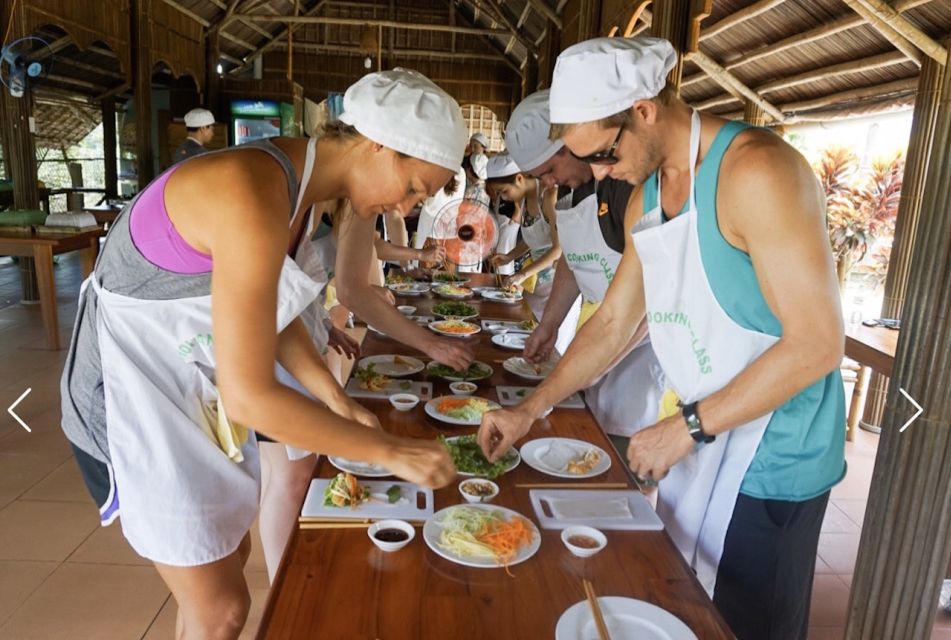
This experience fits best if you want something hands-on in Thailand that isn’t just watching. You’ll enjoy it if you:
- like learning by doing
- want to understand Thai flavors through ingredients
- enjoy classic Thai dishes like pad thai and mango sticky rice
- travel with family or friends and want a shared activity
It can also work well for older kids who enjoy cooking. One family experience involved participants aged 11 and 13, and it was described as easy to follow and genuinely enjoyable for everyone.
You might skip—or adjust your expectations—if:
- you hate cooking or get stressed when you’re asked to do steps
- you want a passive tasting-only experience
- you’re expecting to sample every dish on a massive Thai menu in one go
Simple tips to make your class easier
These are small things, but they add up in a kitchen.
- Wear comfortable clothes you can move in. Cooking gets warm.
- Bring closed-toe shoes in case you’re walking outdoors (markets can be wet).
- Be ready to taste and adjust. Thai dishes often use sweet-sour-salty balance.
- Tell the chef your preferences early, especially if you’re not into certain flavors or textures.
If you do just those basics, you’ll get more out of the 4-hour session and leave feeling like you actually learned something.
Should you book the 4-Hour Traditional Thai Cooking Class in Khaolak?
I’d book it if you want a real Thai cooking skill, not just a fun morning. The combination of market shopping, small-group coaching, and a sit-down meal you made yourself is exactly what makes this kind of experience worth repeating at home. The strong instruction reputation—whether led by chefs like Apple or Wandee, or guided by Da—points to a teaching style that keeps things clear and enjoyable.
Book with confidence if you like pad thai, mango sticky rice, and the idea of choosing your dish from a 32-item menu. Skip it if you want a purely sightseeing-focused day or you’re not into hands-on cooking.
Bottom line: for $79, you’re paying for guided learning you can carry forward, plus a delicious meal at the end. In Khaolak, that’s one of the better ways to spend a half-day.
FAQ
How long is the cooking class?
The class lasts 4 hours.
Does the price include hotel pickup and drop-off?
Yes. Round-trip hotel transfer is included.
Do we visit a market to buy ingredients?
Yes. You’ll go to a local market first, and a drive to the market is included.
How big are the groups?
The class is limited to no more than 8 people for more personalized attention, and it’s capped at 9.
What language is the class taught in?
The guide and instruction are in English.
Can I reserve without paying right away, and how much notice is needed to cancel?
You can reserve and pay later, meaning you pay nothing today to book your spot. You can cancel up to 24 hours in advance for a full refund.