REVIEW · KRABI
Krabi: Ao Nang Elephant Sanctuary Half-Day Tour
Book on GetYourGuide →Operated by Aonang Elephant Sanctuary · Bookable on GetYourGuide
Elephants get a mud spa in Krabi. At Ao Nang Elephant Sanctuary, you feed, bathe, and muck about with rescued elephants while an English-speaking guide explains behavior and rescue stories, all with comfy air-conditioned transport and included snacks.
I love the step-by-step coaching on how to interact calmly and safely, plus the way guides make it feel like learning, not a show. I also love the hands-on variety: you’ll help prep natural elephant food supplements, smear mud on the skin like a natural treatment, then brush and scrub the elephants clean with the staff. Guides like Mahoud also keep things light, and the team is quick to help with photos.
One thing to consider: this is a wet, muddy activity, and a towel isn’t included. If you hate getting dirty, this tour may feel more like work than fun.
In This Review
- Key things to know before you go
- Ao Nang Elephant Sanctuary: what you’re really paying for
- Getting there from Krabi: transfers that keep it stress-free
- The briefing: how you learn to act around elephants
- Feeding time and those banana moments
- Making elephant dietary supplements: more than a snack
- The elephant mud spa: natural sunscreen and the mess factor
- Bathing and cooling off: the cleaning pool experience
- Food and drinks after the elephants: keeping the day comfortable
- Ethics and elephant care: what the guide is trying to teach you
- Price and value: is $70 really fair?
- What’s included vs. what you need to plan for
- What to bring (water shoes are the real hero)
- Who this tour is best for
- My quick, practical take: should you go?
- FAQ
- How long is the Krabi Ao Nang Elephant Sanctuary half-day tour?
- What does the tour cost and what’s included for the price?
- Is lunch included?
- Do I need a towel?
- What should I bring for the elephant mud and bathing activities?
- Do I need to bring my passport?
- What language are the guides?
Key things to know before you go
- Safety coaching before you touch: you’ll learn how to feed, approach, and behave around elephants before joining them in the water.
- Mud spa with a purpose: mud is used like a natural sunscreen and treatment, not just for entertainment.
- Hands-on elephant food time: you’ll assist with preparing natural dietary supplements/snack mixes for the elephants.
- Cleaning pool bathing and brushing: you’re guided through bathing and then scrubbing after mud.
- Snacks and drinks keep the morning easy: expect snack, seasonal fruit, coffee/tea, juice, and water.
- You’ll likely get lots of photos: the team takes photos during the experience and helps capture the moments.
Ao Nang Elephant Sanctuary: what you’re really paying for
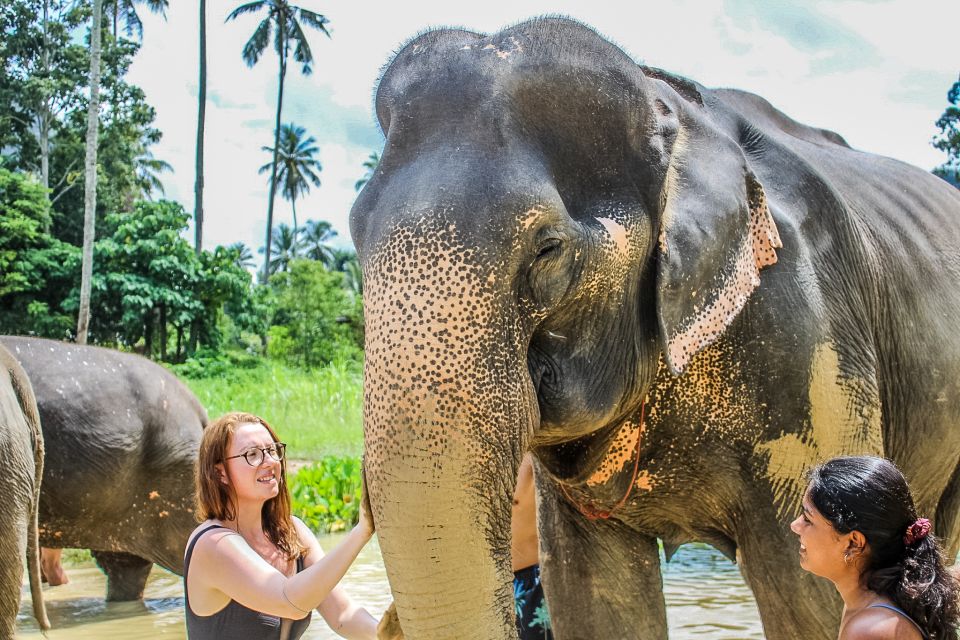
This half-day Krabi elephant tour is built around one idea: giving rescued domestic elephants the care they need, while you get to participate in a guided, controlled way. You’re not just watching from the edge. You’re part of the routine—feeding, mud care, bathing, and cleanup—under staff direction.
At $70 per person, the price only makes sense if you care about the value of those guided interactions. Here, that value shows up in the time you spend with each elephant and the attention to how you act.
The elephant story matters too. During your visit, your guide talks about elephant history in Thailand, what elephants eat, and the individual backgrounds of the animals you meet. Several elephants arrived from harsh work like logging or carrying people, and the sanctuary explains how they manage care now that wild release isn’t possible for domestic elephants.
A few more Krabi tours and experiences worth a look



Getting there from Krabi: transfers that keep it stress-free
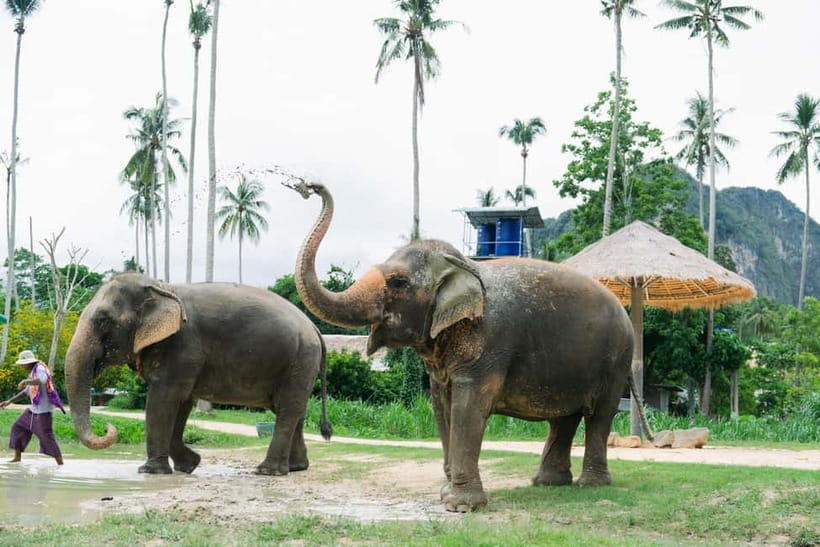
You’re picked up from your accommodation and ride in a comfortable, air-conditioned vehicle to the Ao Nang Elephant Sanctuary area. Along the way, you get a snack, seasonal fruit, and a drink, so you’re not hungry when you arrive.
The sanctuary visit is structured so you don’t feel rushed from one activity to the next. The staff lead you in order: briefing, feeding, mud, bathing, and then final photos before changing back into dry clothes.
You should plan for a true half-day schedule. Most people experience it as a morning block (even if you book different time slots), and the pace works best if you arrive ready to get wet and stay flexible about timing.
The briefing: how you learn to act around elephants
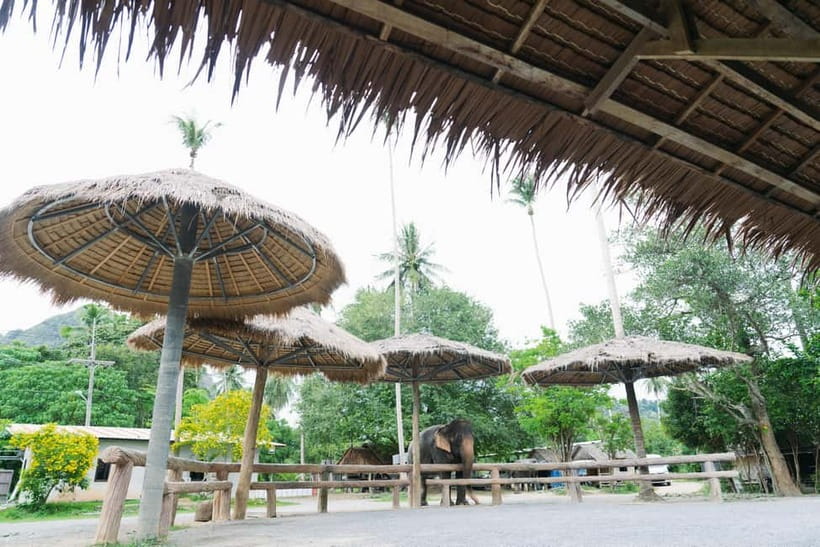
Before you jump into the mud and water, you get coached by your English-speaking guide. This is one of the strongest parts of the experience because it sets expectations: you learn what elephants respond to, what to avoid, and how to keep your movements calm.
This isn’t just safety talk. It changes how you experience everything that follows. Once you understand the basics—how to feed, where to place yourself, and how not to crowd—you’ll feel more confident during the close-up moments.
If you’re worried about doing something wrong, don’t. The guides build interaction gradually. You start with feeding and touch cues, then move into mud and bathing when everyone is ready. That structure helps the whole experience feel more respectful and less chaotic.
Feeding time and those banana moments
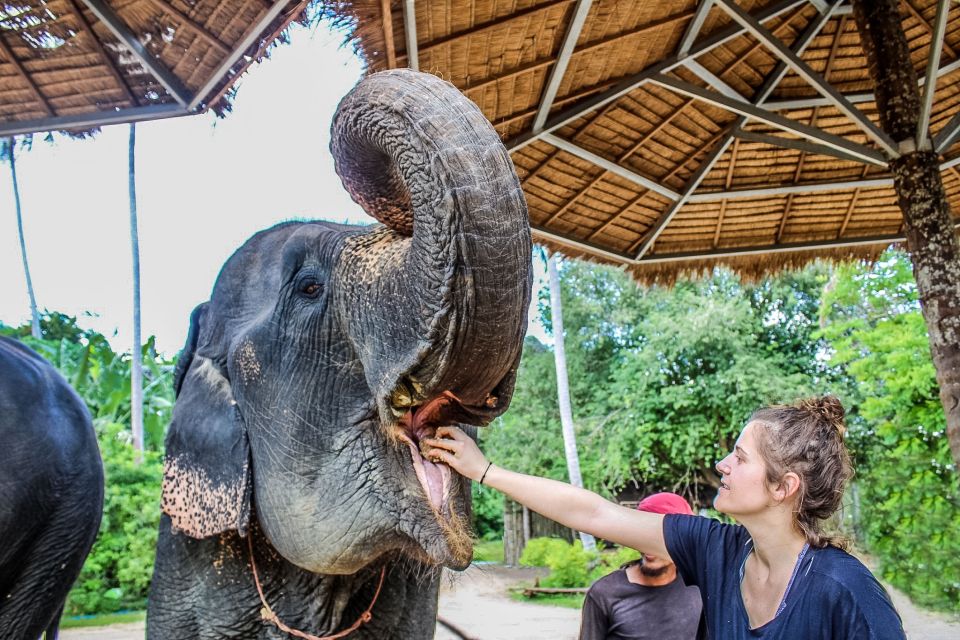
One of the first hands-on activities is feeding. You’ll be given bananas to feed free-roaming elephants during your time at the sanctuary. Your guide shares each elephant’s individual story as you meet them, which turns the feeding into something more than a simple bucket-list snapshot.
Feeding is also where you notice the difference between a genuine care environment and a quick tourist stop. The staff are watching behavior and reactions. When you’re coached on how to offer food, you get a calmer, better interaction with the elephants.
You’ll also get time to touch and photograph with guidance. The goal is close contact without crowding, and the staff keep reminding you how to do that.
Making elephant dietary supplements: more than a snack
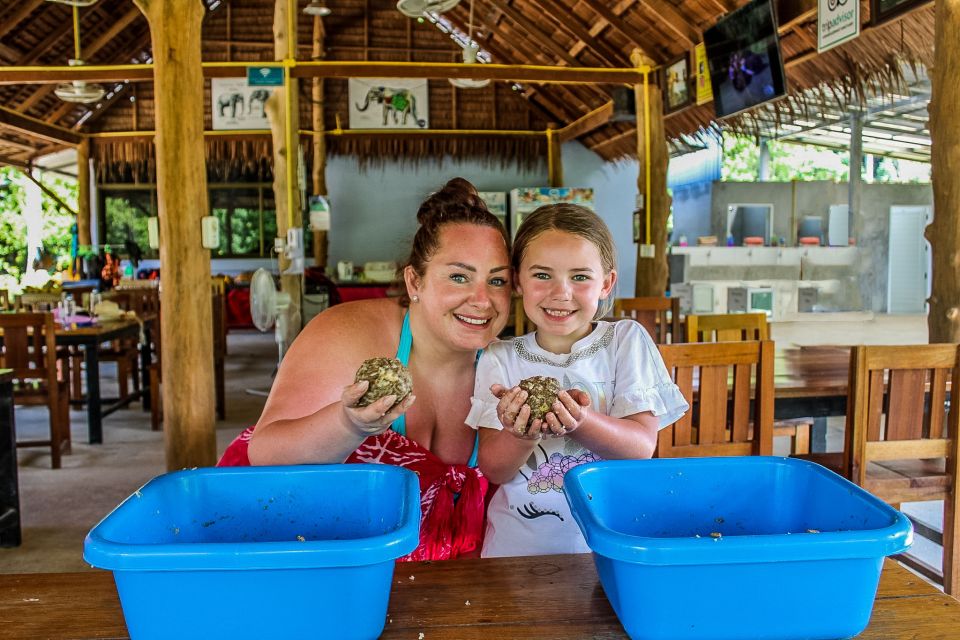
After feeding, you’ll move into a more hands-on prep activity. The sanctuary includes time for you to assist with preparing natural dietary supplements for the elephants.
This matters because it explains that elephants aren’t fed randomly. Food preparation is part of the care system, and it connects your experience to daily needs rather than a one-time performance.
Think of this as the educational piece that sticks. You see that the elephants’ routine is supported by specific inputs, not just visitors tossing bananas.


The elephant mud spa: natural sunscreen and the mess factor
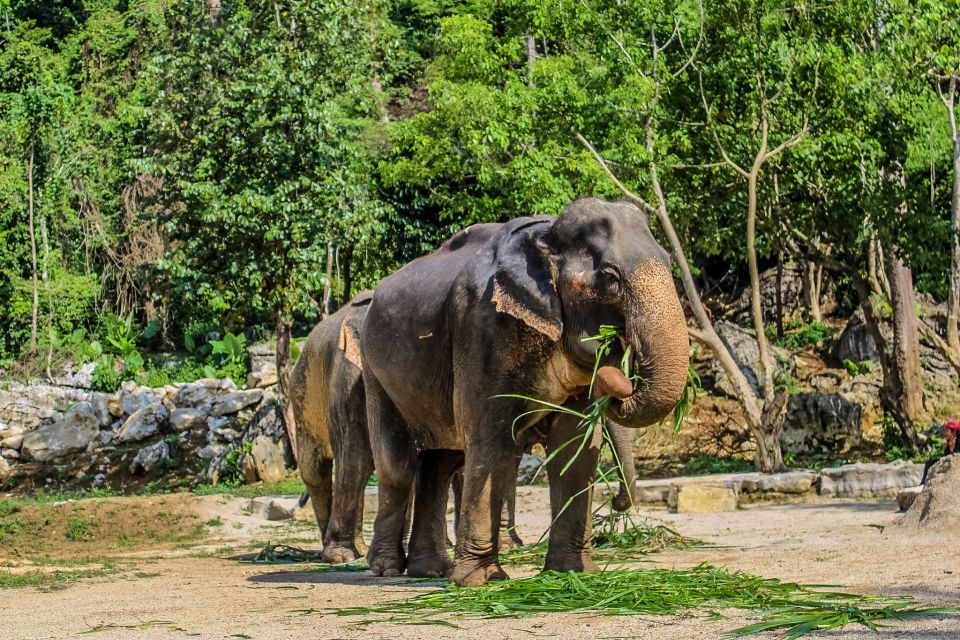
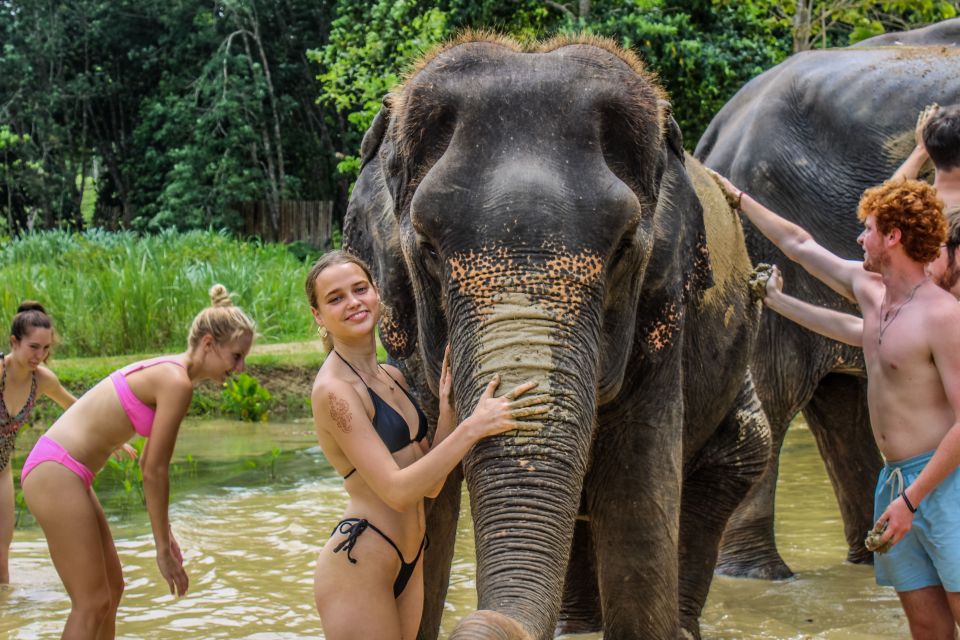
Next comes the mud. You’ll apply mud to the elephants’ skin as a healthy sunscreen and mud treatment, then you’ll walk with them while mud care happens.
It’s fun, but it’s also practical. Mud can help with skin comfort and protection, and you’re watching the staff use mud as part of everyday care. A number of visitors also point out that the mud bath can be filthy and that the mud area may be where elephants do bathroom needs. That’s not a reason to skip it, but it’s a reason to bring the right gear and accept the reality of getting grimy.
If you’re going in with clean-shoes optimism, adjust now. Wear water shoes (you’ll want grip), and plan on changing into dry clothes afterward.
Bathing and cooling off: the cleaning pool experience
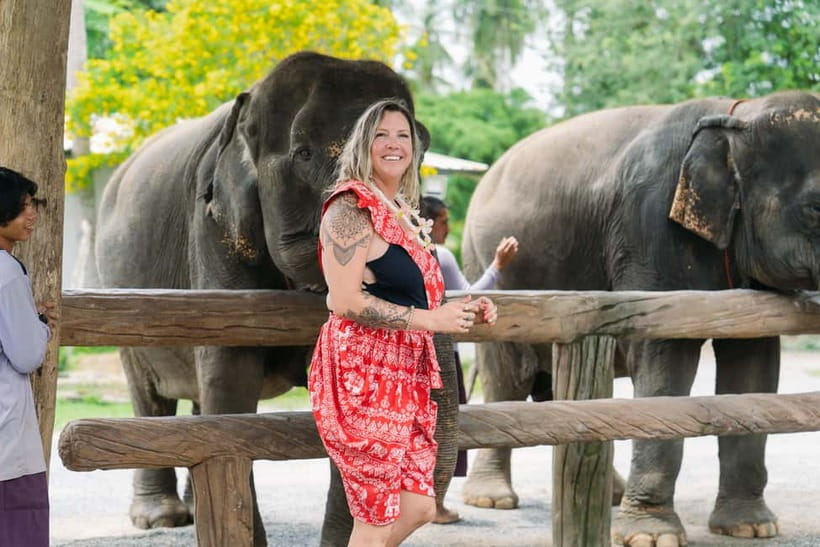
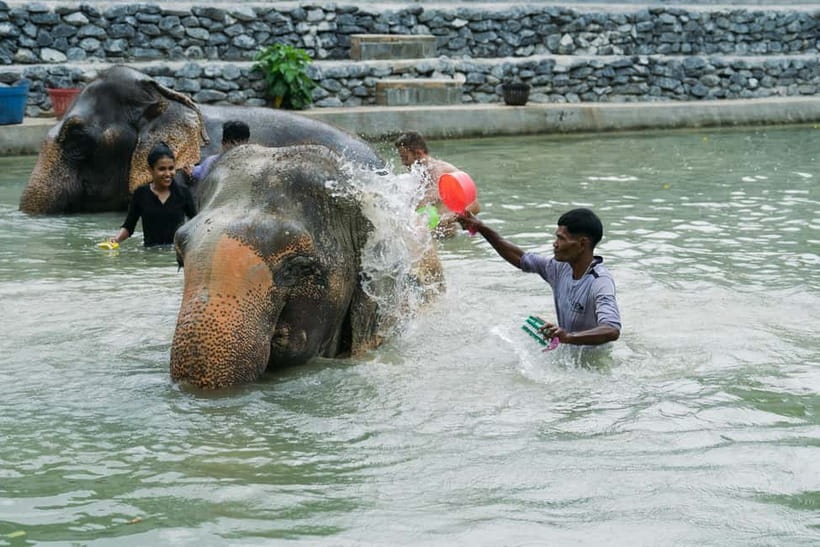
After the mud, the routine turns to cleanup. You’ll bathe the elephants and help with brushing as they move through the water and enjoy the attention.
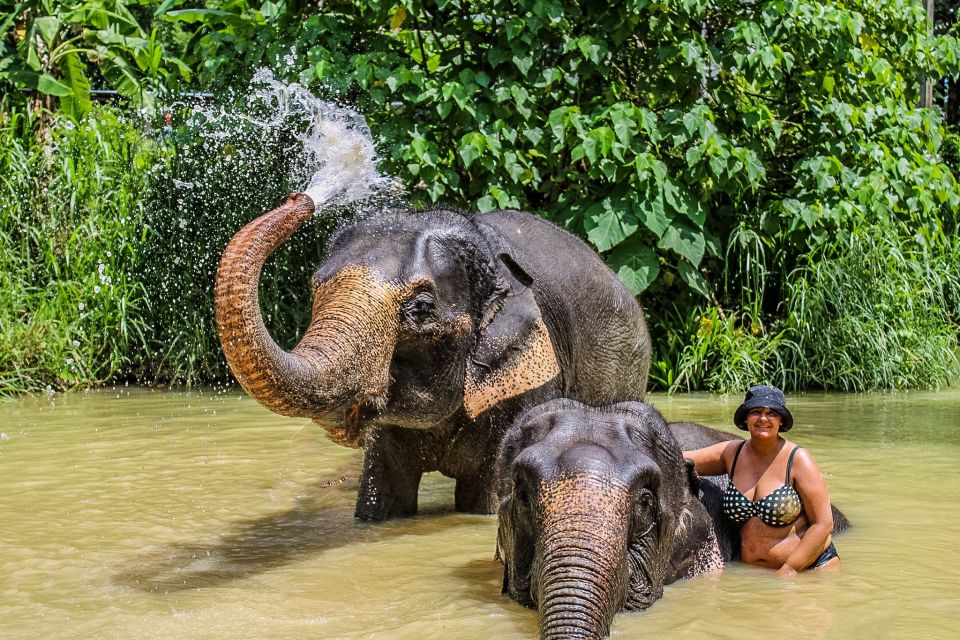
The experience is intentionally structured so you don’t jump straight to full-on water play. You build interaction first, then enter the cleaning phase with guidance. Once you’re in, you’ll see elephants frolic in the water while staff manage the process.
You also get a refreshing cool-off by joining them in the water during the bathing segment. It’s one of the biggest reasons people love this tour—because you’re not just watching water splashes. You’re part of the moment under staff direction.
Food and drinks after the elephants: keeping the day comfortable
Once the elephants are clean, you’ll have time for final photos. Then it’s change-time: you put on dry clothes, and the sanctuary provides seasonal fresh fruits and coconut water before your transfer back.
Even though lunch or dinner isn’t included, you should feel fine afterward thanks to the snacks and drinks built into the tour. If you’re booking this as your main daytime meal plan, just know you’ll need to handle lunch separately.
This part feels thoughtful because it keeps the experience from ending in an awkward rush. You get your energy back before heading back to Krabi.
Ethics and elephant care: what the guide is trying to teach you
A big part of why this tour earns strong ratings is the care focus. The sanctuary emphasizes that rescued domestic elephants need lifelong support, and it explains misconceptions you might hear about where elephants end up and how they’re treated.
You may also hear an explanation that wild release isn’t possible for many domestic elephants, so sanctuary care becomes the best option available. That context matters because it changes how you judge the experience.
When the staff talk about behavior, rescue history, and feeding routines, it frames your role as support, not consumption. You pay for entry into a care system that relies on tourism to keep elephants fed and cared for.
Price and value: is $70 really fair?
At $70 per person for a half-day, you’re paying for several things at once: a guided experience, food and drinks (snack, fruit, juice, coffee/tea, drinking water), elephant food materials, and transfers. Accident insurance is also included.
If you compare this to basic elephant encounters that are short and one-dimensional, the value here is the structure: feeding, snack prep, mud treatment, bathing, brushing, and guided interaction over multiple stages. It’s not only about being close—it’s about being close with instruction and time.
Is it still pricey for Thailand? Yes. But you’re also paying for the staffing and supplies needed to support rescued elephants, day after day. If you care about that difference, you’ll feel good about the cost.
What’s included vs. what you need to plan for
Included:
- Tour guide
- Snack, seasonal fruit, and juice
- Drinking water, coffee, and tea
- Food to feed elephants
- Transfer to/from Ao Nam Mao pier
- Accident insurance
Not included:
- Lunch or dinner
- Towel
That towel gap is the one thing I’d handle before you go. Even if you’re bringing your own, consider how quickly you’ll need it afterward, since you’ll be changing into dry clothes at the end.
What to bring (water shoes are the real hero)
Based on the activity needs, pack like you’re doing a wet day out in Krabi, not a casual sightseeing stop. You’ll want:
- Swimwear
- Water shoes (recommended; you can also purchase them on-site)
- Towel (since it’s not included)
- Sunscreen
- Flip-flops (useful for drying/walking outside the wet areas)
- Insect repellent
- Passport or ID card
Also note: you’ll need your passport number to fill in the accident insurance form at the sanctuary. Bring your details so you’re not scrambling on the day.
A helpful mindset: bring gear that can get ruined. The mud can stain, and you’ll be walking on wet ground.
Who this tour is best for
This is a great fit if you want an active, guided elephant experience in Krabi that focuses on daily care routines. You’ll likely enjoy it most if you like learning about animal behavior and you’re comfortable with hands-on time—even if that includes mud.
It’s also a solid choice for families, based on how the sanctuary handles small surprises and birthday moments for visitors in the group. If you travel with kids, you’ll want to follow the guide’s safety instructions closely, especially around water.
If you want elephants only from a distance, or you hate getting soaked, you may find the mud-and-bathe format too messy. In that case, you might prefer a different kind of ethical wildlife experience.
My quick, practical take: should you go?
If you care about a guided, structured elephant encounter with real care context, this half-day tour is a strong pick. The interaction stages make sense: feeding and coaching first, then mud treatment, then bathing and scrubbing, and finally photos and refreshments.
Go in with the right expectations. You’re not there for luxury comfort. You’re there to learn and participate in care—fully aware you’ll get dirty and wet. If that sounds like your idea of a memorable Krabi day, this is the one to book.
FAQ
How long is the Krabi Ao Nang Elephant Sanctuary half-day tour?
It’s a half-day tour with a few stages of interaction. Many people experience it as a morning block and typically spend around 3 hours on-site.
What does the tour cost and what’s included for the price?
The price is $70 per person. It includes a tour guide, snack, seasonal fruit, juice, drinking water, coffee and tea, food to feed elephants, transfers to/from the area, and accident insurance.
Is lunch included?
No. Lunch or dinner is not included, so you’ll need to plan a meal after the tour.
Do I need a towel?
A towel is not included, so you should bring one.
What should I bring for the elephant mud and bathing activities?
Bring swimwear, sunscreen, insect repellent, flip-flops, and especially water shoes for walking on the ground. You’ll also want a towel and ideally water shoes that can handle mud.
Do I need to bring my passport?
You’ll need your passport number for the accident insurance form at the sanctuary, so bring your passport details (or your ID information if that’s what the form uses).
What language are the guides?
The guide language is English.