REVIEW · KHAO LAK
Khaolak Elephant Sanctuary, Cooking Class and Waterfall Tour
Book on Viator →Operated by MY Holiday Centre · Bookable on Viator
Elephants and mahouts teach patience fast. This Khao Lak experience centers on the bond between elephants and their mahouts and how trust gets built day by day. I love that it’s not a gimmick show; you watch how handlers read elephant moods and respond with calm, practiced care. I also like the hands-on elephant food prep, including helping make herbal vitamin snack balls you’ll see elephants take with skilled trunk work. One thing to consider: the program stresses a strict rule of no elephant bathing or feeding as part of how they run interactions, so if you want water play, you’ll want to confirm what’s allowed on your specific day.
You start with hotel pickup at 8 am and a full half-day rhythm that moves quickly but doesn’t feel rushed. After a mahout outfit change, you head out to meet the elephants alongside a real mahout, then pause at local shops to buy food before helping prepare elephant snacks. A lot of people leave feeling they learned something real about communication and trust, and guide Tony is singled out by name in one of the standout reviews.
If your dream is a hands-on swim moment, read the rules carefully: the sanctuary says bath and feeding are not permitted, even though some comments online mention washing in water. That mismatch doesn’t mean your day is ruined, but it does mean you should manage expectations and ask what you’ll be able to do at ground level.
In This Review
- Key things to know before you go
- Why the mahout experience in Khao Lak feels different
- A half-day schedule built around calm timing (not constant rushing)
- From mahout hut to first elephant approach: what you’re really learning
- The market stop: why buying elephant food locally is more meaningful than it sounds
- Making herbal vitamin snack balls: a cooking class that’s about care
- Lunch at the elephant camp: when you should slow down
- Photo rules, bathing limits, and how to stay respectful
- Price and value: is $126.35 worth it?
- Logistics that matter in real life (pickup, timing, and groups)
- Where the cooking and waterfall name might confuse you
- Should you book Khaolak Elephant Sanctuary and this add-on day?
- FAQ
- What time does pickup start, and how long is the tour?
- Is bathing or feeding the elephants included?
- What happens in the first hour after pickup?
- Do we get lunch?
- How big are the groups?
- What if the weather is bad?
- Do I need a paper ticket?
Key things to know before you go
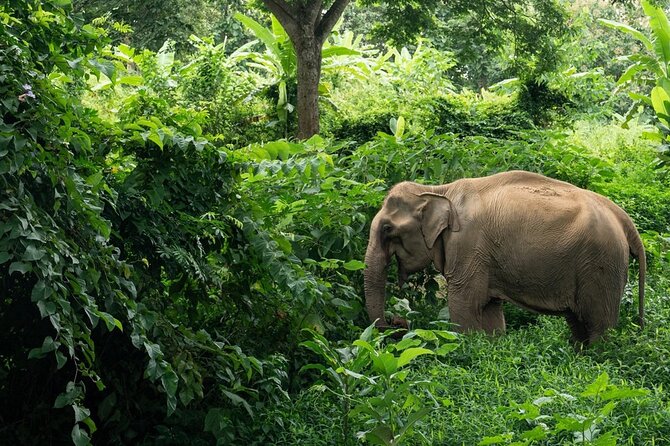
- Mahout-led learning (not a performance): You focus on how elephants and mahouts communicate and build trust.
- No forcing elephants to pose: The sanctuary won’t push rescued elephants into photo moments.
- Small group size: Limited to a maximum of 20 travelers, which helps keep the day calmer.
- Market stop for elephant food: You may buy food from local stores as part of the experience.
- Herbal vitamin snack balls: You’ll help make the snacks and watch elephants grab them with trunks.
- Hotel pickup and mobile ticket: Pickup is offered in Khao Lak, and you’ll use a mobile ticket.
Why the mahout experience in Khao Lak feels different
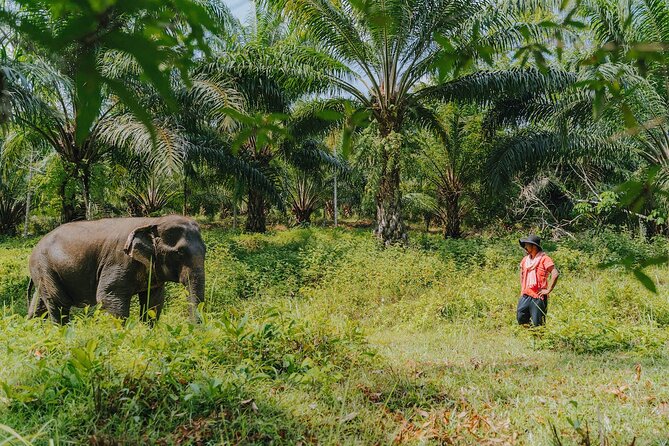
Most elephant tours sell a shortcut: meet, feed, pose, repeat. This one leans the other direction. The core of the day is watching the relationship between elephants and mahouts—the humans who care for them daily. You get a guide who explains how a mahout approaches, how to judge temperament, and which safety steps you should follow.
What I like most is the tone: it’s about observation and trust-building, not “contact time” at any cost. The sanctuary also makes clear that rescued elephants are not forced into activities they don’t want, and the elephants won’t be made to pose for photos. That matters because ethical encounters aren’t just a checklist; it’s how people behave around the animals when cameras are off.
You’ll likely notice that the vibe shifts once you’re near the herd. The elephants aren’t treated like a prop, and the mahout isn’t performing for applause. Instead, you’re seeing a practiced routine—approach, pause, communicate, wait for the elephant’s comfort level, then move forward.
You can also read our reviews of more cooking classes in Khao Lak


A half-day schedule built around calm timing (not constant rushing)
Plan for about 4 hours 30 minutes on the ground, starting with pickup. The day begins around 8 am with pickup from your hotel in Khao Lak. From there, your guide gives a safety briefing and sets the tone: you’ll be “a mahout” for parts of the day, but you’ll follow the handler’s instructions closely.
Around 9 am, you visit the mahout’s hut and change into a mahout-style outfit. This isn’t just for photos—it’s also a symbolic reminder that you’re joining a caretaker routine, not stepping into a theme park.
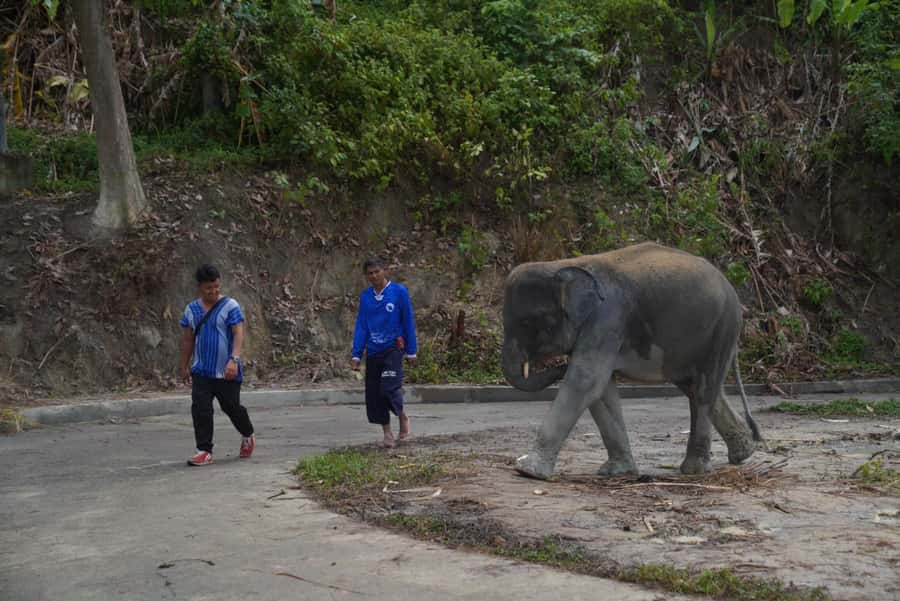
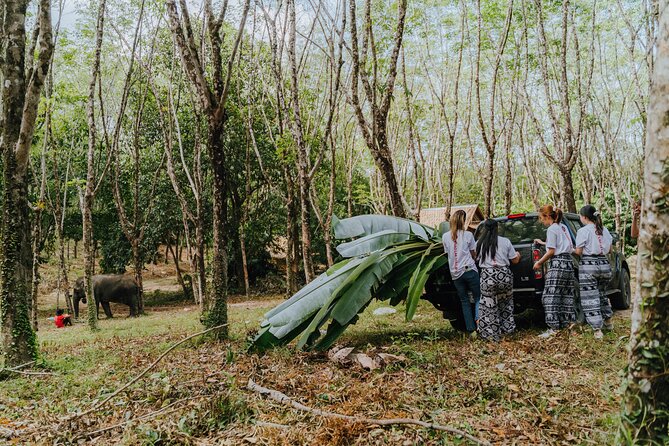
Then comes the walk out to meet the elephants, alongside a real mahout. This is usually the moment when you’ll understand why calm pacing is part of the experience. Quick movements and loud voices can change animal behavior fast, so the day’s slower structure helps you keep things respectful.
The schedule then splits into three useful blocks:
- Learn and meet the elephants
- Support feeding preparations via markets and food-making
- Refuel with a buffet lunch before you head back
After lunch (around 12:30 pm), you return to your hotel. It’s long enough to feel like a full outing, but short enough that you’re not losing half your trip day to transport fatigue.
From mahout hut to first elephant approach: what you’re really learning
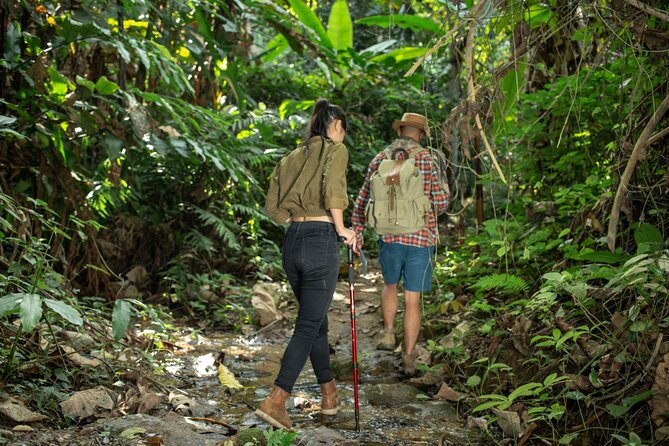
The most valuable part of this day is the introduction to elephant “reading.” You’re taught how to approach, how to gauge temperament, and how trust is earned. You don’t just stand near elephants; you’re guided through the logic behind safe interactions.
At the mahout’s hut, you’ll also understand the safety measures that apply to your role. That includes what to do with your body, your attention, and your distance. This is the kind of training you don’t get on tours that just hand out food and point at a camera.
When you step out to meet the elephants, you’re doing it beside a real mahout. That matters because a trained handler knows when to pause, when to move closer, and when to back off. One review highlights guide Tony as especially good at making guests comfortable—clear guidance helps a lot when you’re standing near a powerful animal you’re trying not to startle.
You may also notice that interactions aren’t identical for every elephant. Some days you’ll spend extra time with specific elephants with memorable names—one review calls out Ve Vi, Me Mi, and Tiger. Even if the exact animal focus changes by day, the teaching stays consistent: your job is to be calm, observant, and responsive to the mahout.
The market stop: why buying elephant food locally is more meaningful than it sounds
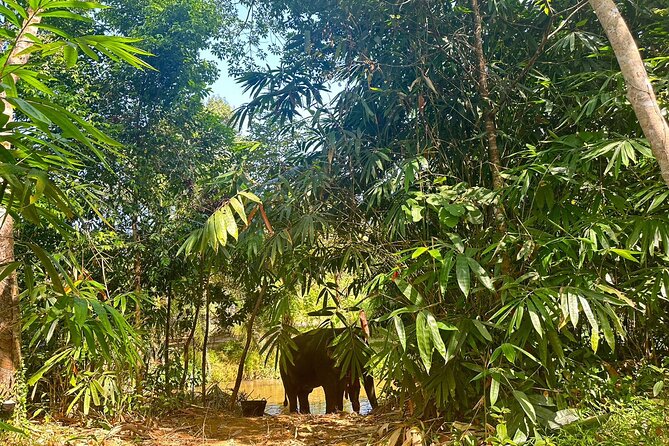
Around 10:30 am, you’ll visit local stores to buy food for the elephants. On paper, that’s a simple stop. In practice, it gives your day context: you’re not just consuming an attraction—you’re participating in a local routine.
This matters for two reasons:
- You get a small peek into how food is sourced locally for the sanctuary work.
- It makes the feeding-prep phase feel connected instead of random.
Even if you’re not eating the market snacks yourself, you’ll start thinking about the day as “supporting care,” not “doing a stunt.” It’s one of those subtle shifts that can change how you remember the experience.
Making herbal vitamin snack balls: a cooking class that’s about care
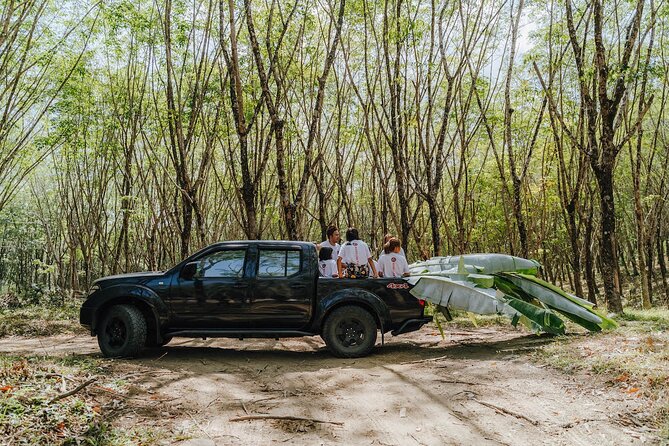
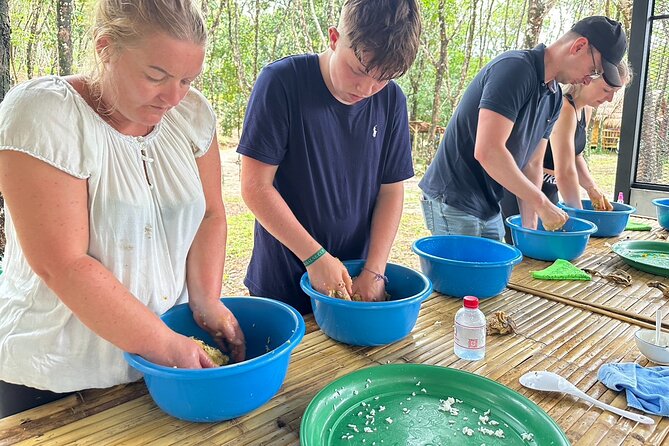
By 11:30 am, you’ll help prepare elephant food and make herbal vitamin snack balls. This is where the tour’s cooking-class vibe becomes real. You’re using ingredients and handling steps that feel practical, not theatrical.
You’ll probably be surprised by how much elephant care involves preparation. Snack balls aren’t just “treats.” They’re part of nutrition and routine, and your role is to help make them properly.
Then, you get the payoff: watching elephants take the snacks. Trunks are astonishing—smooth, precise, and quick. You’ll see how the animals scoop and carry food with control, and you’ll start to appreciate why mahouts stress timing and trust.
If the day you book includes a Thai cooking segment (the tour name often bundles cooking with the elephant program), you might also do a dish prep moment. One review mentions Pad Thai with kids, but the exact cooking items can vary. If cooking is a top priority for you, ask the operator what menu or dish-making is included for your date.
A few more Khao Lak tours and experiences worth a look





Lunch at the elephant camp: when you should slow down
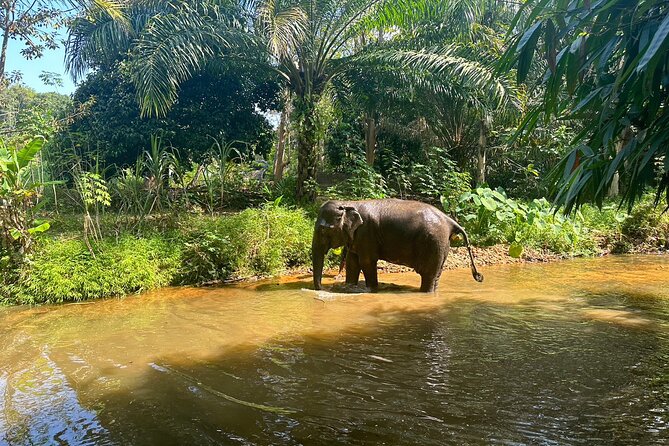
At 12:30 pm, you’ll enjoy a buffet lunch at the elephant camp before heading back to your hotel.
Lunch on these days is underrated. It gives you time to decompress after the animal-heavy morning and helps you reset your energy so the return trip doesn’t feel like a sprint. It also lets you talk with your guide while you’re still in the mindset of learning—so you can ask questions about the sanctuary’s approach, elephant welfare rules, and what you saw earlier.
Because it’s a buffet, you can keep it simple. You don’t need to hunt for the best item—just eat, hydrate, and let your brain catch up.
Photo rules, bathing limits, and how to stay respectful
This is where it helps to be very clear-eyed.
The sanctuary information you’re given emphasizes that bath and feeding the elephants is not permitted. It also states that rescued elephants aren’t forced to do activities they don’t want, and they won’t be made to pose for photos.
At the same time, a couple of comments mention washing or water play. That could mean a few things—like different interpretations of what’s allowed, or changes in routine depending on weather and safety conditions. Since the official rule set says bathing/feeding aren’t permitted, I’d plan for an experience focused on observation and prepared food-handling rather than guaranteed water contact.
Here’s the respectful way to handle it:
- Go in expecting close viewing and food prep, not a guaranteed swim.
- If you’re offered something that sounds like bathing, ask your guide exactly what’s allowed and what isn’t.
- Take photos only when the mahout indicates it’s okay, and keep your stance quiet and steady.
If you’re the type who gets uncomfortable around uncertainty, this is one reason to pick a calm, cautious frame for your expectations.
Price and value: is $126.35 worth it?
At $126.35 per person, this isn’t a budget half-day. But it also isn’t just “walk and look.” You’re paying for a full structure: hotel pickup, small-group handling, mahout-style teaching, market purchasing, snack-ball prep, and buffet lunch—plus the sanctuary’s welfare approach (including rules that aim to protect elephants).
Value is mostly about what you get beyond novelty:
- You leave with a better understanding of mahout communication and trust-building.
- You’re involved in food prep rather than only taking photos.
- The group size cap (up to 20) helps keep the experience manageable.
If your goal is maximum contact or guaranteed water play, you may feel the price doesn’t match your hopes. If your goal is a respectful, educational elephant day where the human-animal relationship is the point, the cost starts to look more reasonable.
Also, this tour is commonly booked about 50 days in advance, so you’ll likely have to plan ahead for your dates.
Logistics that matter in real life (pickup, timing, and groups)
Pickup is offered from Khao Lak hotels, and the experience is about 4 hours 30 minutes long. That timing is workable even if you’re pairing it with other things in the area.
Group size is capped at 20 travelers, which matters more than it sounds. Smaller groups mean fewer people crowding the same moment near the elephants. Crowding makes everything harder—especially calm approach and clear safety instructions.
You’ll also use a mobile ticket. If you’re the kind of traveler who hates last-minute tech headaches, make sure your phone battery is reliable and that your ticket is easy to access.
Finally, this experience is described as near public transportation. So even if pickup timing changes, you may still have options, though you should expect pickup to be part of the plan.
Where the cooking and waterfall name might confuse you
The tour’s title includes cooking and a waterfall. The schedule details you’re given focus heavily on the elephant-centered day: mahout outfit change, elephant approach, local market food purchase, snack-ball prep, buffet lunch, and return to your hotel.
Because the waterfall stop isn’t described in the core timing details you have, I’d treat the waterfall as a “confirm it before you go” item. Ask the provider what the waterfall portion looks like on your exact departure—how long you’ll be there and whether it’s guaranteed or weather-dependent.
This isn’t a deal-breaker if elephants are the real reason you’re coming. But if you’re booking specifically for a waterfall outing, you’ll want clarity so you don’t end up surprised.
Should you book Khaolak Elephant Sanctuary and this add-on day?
Book this if:
- You want an elephant experience centered on mahout-led trust-building, not a photo free-for-all.
- You like learning how elephants communicate through body cues and routine.
- You’re okay following clear rules around safety and limited direct interaction.
- You want a manageable group size and a full, structured half-day with lunch.
Skip or ask extra questions if:
- Your top priority is guaranteed bathing/water contact with elephants. The sanctuary rules say bathing/feeding aren’t permitted, so plan for observation and food prep rather than a swim.
- You’re expecting a full waterfall itinerary. The core schedule details don’t spell out waterfall time, so confirm what’s included.
- You’re very time-sensitive. The day runs from about 8 am through lunch and back, so it will take a meaningful chunk of your morning.
If you want a day that feels both caring and educational, this is a strong fit. Just go in with the right mindset: the elephants are the focus, and your role is to learn how trust is built—patiently, step by step.
FAQ
What time does pickup start, and how long is the tour?
Pickup is offered from your Khao Lak hotel starting at 8 am, and the experience runs about 4 hours 30 minutes (approx.).
Is bathing or feeding the elephants included?
No. Bath and feed with elephant is not permitted as part of the experience rules.
What happens in the first hour after pickup?
You’re met by a guide, you get safety instructions, and then you visit the mahout’s hut to change into a mahout’s outfit before walking out to meet the elephants with a real mahout.
Do we get lunch?
Yes. You’ll enjoy a buffet lunch at the elephant camp at around 12:30 pm.
How big are the groups?
The experience has a maximum of 20 travelers.
What if the weather is bad?
The experience requires good weather. If it’s canceled due to poor weather, you’ll be offered a different date or a full refund.
Do I need a paper ticket?
No. The tour uses a mobile ticket, and confirmation is received at the time of booking.