REVIEW · KHAO LAK
Thai cooking class &Market tour by Amazon Prime Series Chef.
Book on GetYourGuide →Operated by Pakinnaka Thai Cooking School · Bookable on GetYourGuide
Thai food gets way easier once you see the ingredients first. This class pairs a guided market tour with hands-on cooking led by Chef Wandee and her team, including curry pastes made from scratch, plus you pick what you want to cook from a large 30-dish menu. One thing to consider: the kitchen is hot and the pace is active, so you’ll want comfortable clothes and some patience with spicy smells and chopping.
What I like most is the structure: you shop, learn what everything does, then you cook with it while a small crew keeps you moving. The other big win is taking home digital recipes and video clips, so you can recreate the flavors later without guessing. The only drawback I’d flag upfront is that with a 4-hour format and a menu that’s pretty broad, you might want to cook more than you have time for.
In This Review
- Key highlights to know before you go
- Chef Wandee at Pakinnaka: the name behind the flavors
- When you’re picked up, and how the 4 hours actually feel
- The market tour: where your chili paste starts to make sense
- Choosing dishes from a 30-item menu (and why it’s smart)
- Curry paste from scratch: the technique that changes everything
- The bamboo hut garden kitchen: hands-on, small-group, and real help
- What you’ll cook: starters, mains, and Thai classics
- Lunch together and the Q&A moments that stick with you
- Price at $70: what you’re paying for, and why it’s usually fair
- Who should book this class (and who might want a different option)
- Practical tips so your cooking day stays fun
- Should you book Pakinnaka’s Thai Cooking Class & Market Tour?
- FAQ
- How long is the Thai cooking class and market tour?
- What time is pickup for the morning and afternoon classes?
- Where does the market tour take place?
- What language is the class taught in?
- How large is the group?
- What will I cook during the class?
- Does the price include hotel pickup and drop-off?
- Are soft drinks included?
- Do I get recipes or cooking videos afterward?
- Can the cooking class accommodate vegetarians?
Key highlights to know before you go
- Chef Wandee’s Thai roots and royal-recipe focus: training that includes traditional methods and royal Thai recipes.
- Market tour that teaches ingredient logic: herbs, vegetables, spices, and the chili paste building blocks.
- Choose-your-dishes freedom: select dishes from a menu of about 30 options.
- Curry paste from scratch: learn the key flavors at the source, not from a jar.
- Small group size (max 9): easier Q&A and more direct help at your station.
- Garden kitchen setting: bamboo hut cooking plus photo time in an organic garden.
Chef Wandee at Pakinnaka: the name behind the flavors
This experience centers on Chef Wandee, the owner and chef at Pakinnaka Thai Cooking School in Khao Lak. She’s also linked to Amazon Prime’s The World Cook Season 2, with her selected as a teacher for two finalists. Translation: you’re not just doing a cooking demo. You’re learning the way a Thai cook thinks about ingredients, timing, and balance.
I like that the teaching approach is practical. You’re guided through traditional methods, and there’s specific emphasis on homemade curry pastes and real Thai ingredient choices. Some classes also bring in extra context like how Thai coconut products are made, which matters because coconut flavor isn’t just “creamy.” It’s texture and richness, built from real process.
You can also read our reviews of more shopping tours in Khao Lak

When you’re picked up, and how the 4 hours actually feel
You’ll get hotel pickup in the morning class between 9:40–10:00 AM, and in the afternoon class between 3:30–3:50 PM. The school coordinates pickup times by area (for example, one area pick-up is closer to 9:45 AM, another to 10:00 AM), and the exact pickup window is updated the day before.
The flow is clean and efficient:
- You start with pickup, then head to a local fresh market.
- You return to cook for about an hour in the morning session (and about an hour in the afternoon session).
- You share the meal you made, then go back to your hotel.
Why this matters for you: if you’re on a tight itinerary, you won’t burn a half-day chasing transport or waiting around. Also, 4 hours is long enough to learn real technique, but short enough that you won’t feel trapped if you’re tired from beach time.
The market tour: where your chili paste starts to make sense
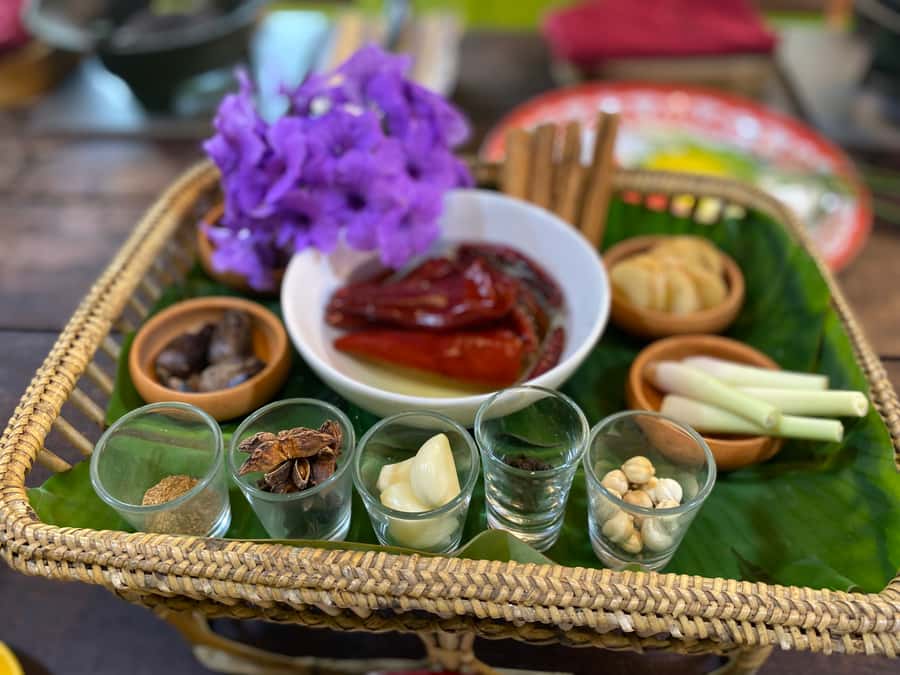
The market stop is the best “teacher” for Thai cooking, because it shows you what you’re actually chasing. You’ll walk through stalls to learn about Thai herbs, vegetables, spices, and the ingredients used in homemade chili pastes. You also learn where key items come from—seafood, fresh coconut milk, meats, and tropical fruit—so your cooking makes more sense when you shop back home.
A few details make the market part more than a quick glance. You’ll get time to shop for yourself while you’re there, so you can pick up what you want for future cooking. And since you’re picking ingredients you’ll use in class, you’re not memorizing names like vocabulary—you’re connecting flavor to source.
If you’re curious about sustainability and how Thai ingredients get to market, this stop helps with your bearings fast. You start to notice what looks similar but behaves differently in a dish: fresh herbs that smell “right,” spices that are more aromatic than hot, and produce that changes texture when cooked.
Choosing dishes from a 30-item menu (and why it’s smart)
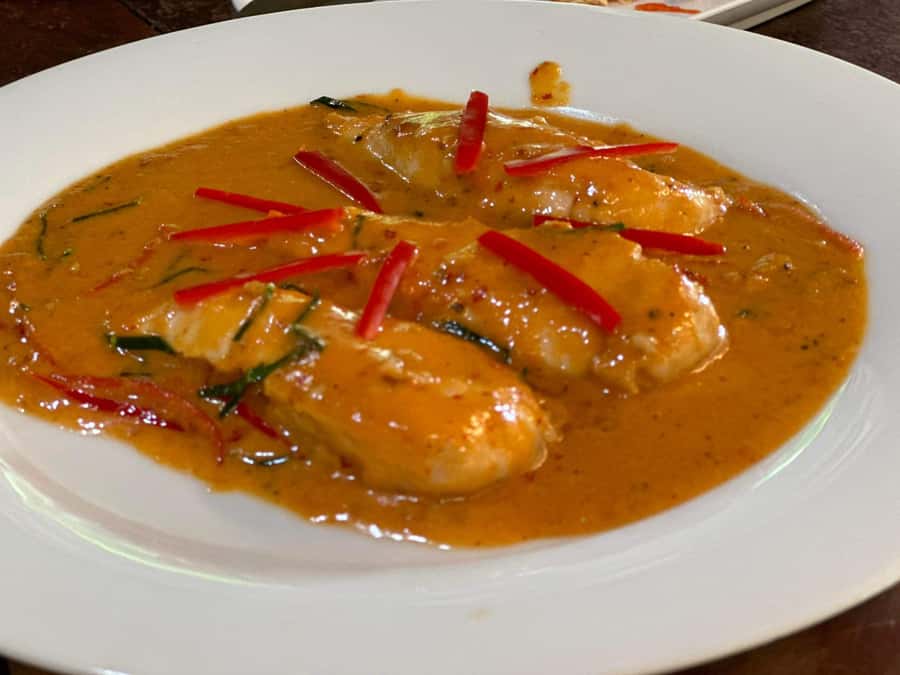
You can choose your own dishes from a menu of about 30 options. That freedom matters because Thai cooking isn’t one-size-fits-all. You can match your picks to your spice level, dietary needs, and what you actually want to eat—rather than being stuck with a fixed set.
You’ll also get free recipes and online cooking video clips, which are surprisingly useful. Most cooking classes end when the food is gone. Here, the take-home material helps you repeat the dishes later, especially when you’re recreating paste flavors or balancing sour, salty, and sweet.
One practical upside: the class structure includes Q&A in every session. If you’re wondering why something tastes slightly different, ask. If you’re trying to learn substitutions for ingredients that are hard to find elsewhere, ask that too.
Curry paste from scratch: the technique that changes everything
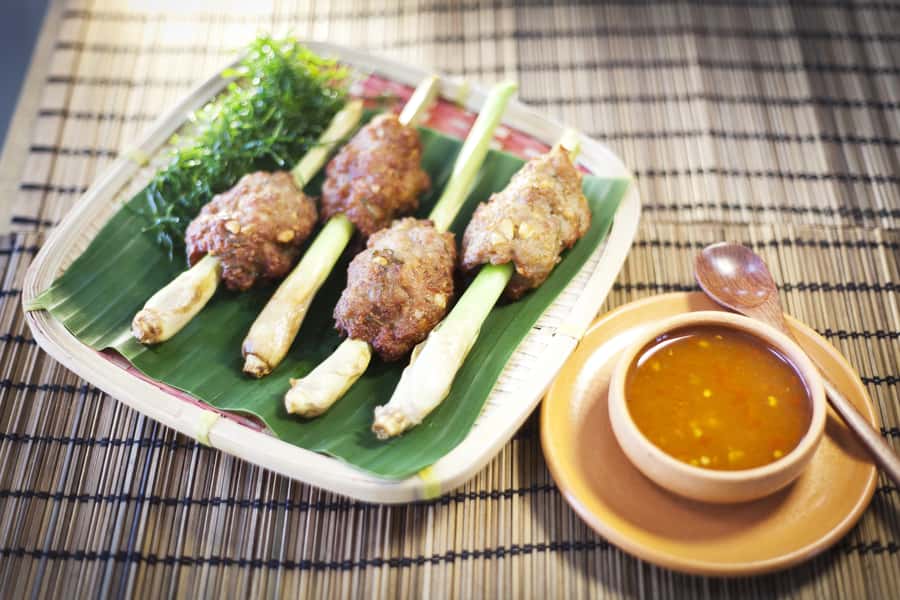
A big promise here—and one you’ll feel in the final food—is homemade curry paste from scratch. Instead of relying on pre-made curry paste, you learn how to build curry flavor using fresh ingredients you bought at the market.
This is the part that’s most worth your attention if you like Thai food more than you like cooking. Curry paste is the foundation for multiple dishes. Once you understand how the paste smells and tastes and how it behaves in a pan, you’re closer to making Thai food at home that doesn’t taste like a guess.
Also, learning the paste process gives you leverage. When you cook your chosen curry or curry-based dish later, you’ll understand the “why,” not just the “how.” That’s the difference between following a recipe and actually cooking.
A few more Khao Lak tours and experiences worth a look


The bamboo hut garden kitchen: hands-on, small-group, and real help
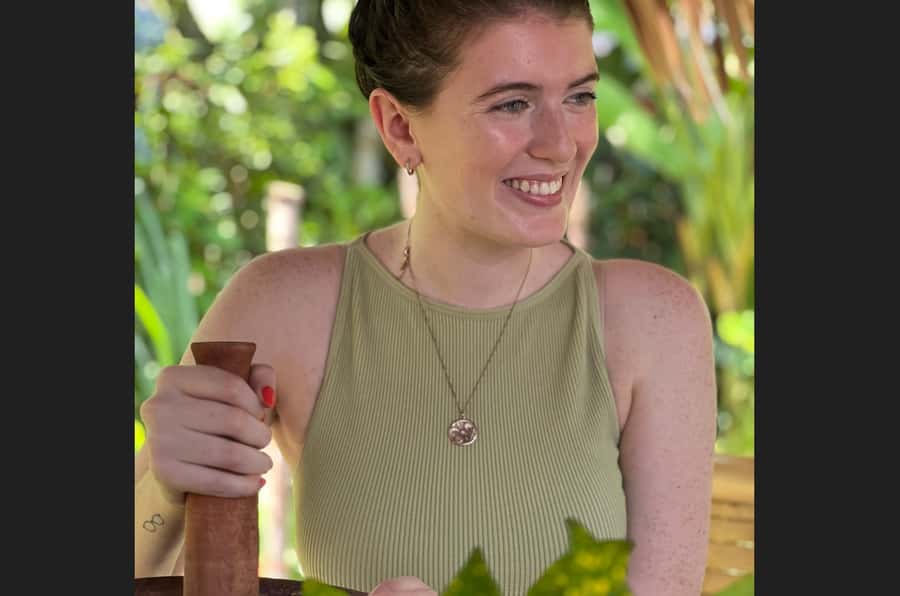
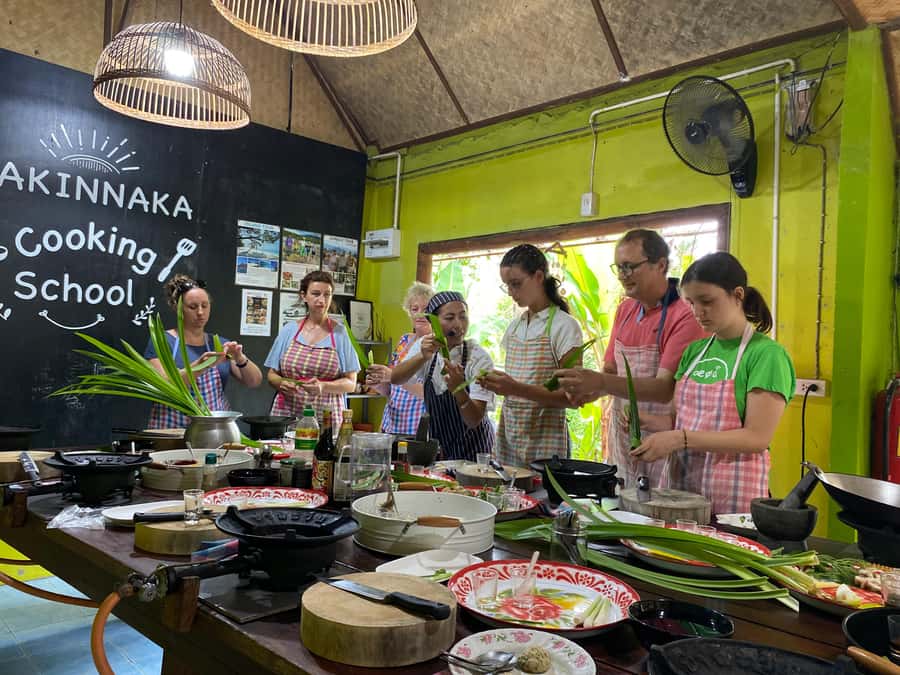
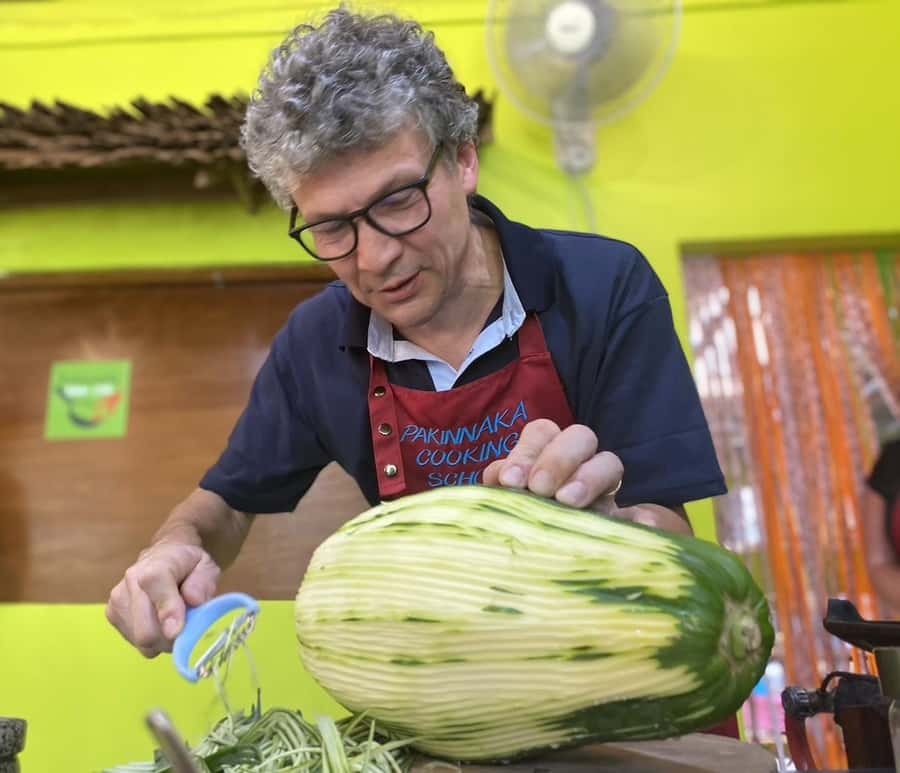
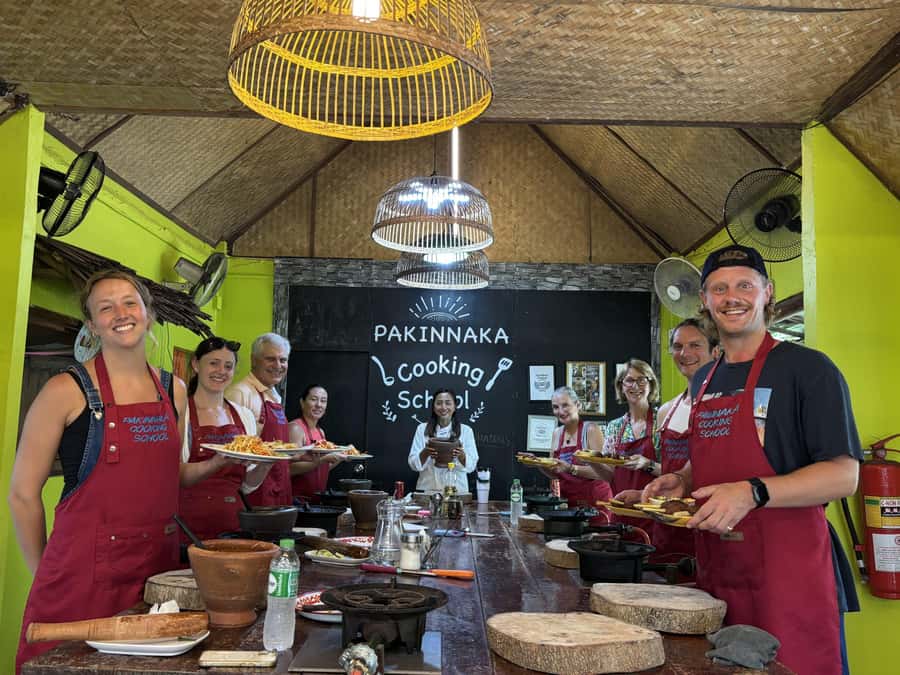
The cooking happens in an outdoor style setting: a bamboo hut in the garden. That sounds scenic—and it is—but the bigger value is how the space supports hands-on cooking. You’ll have a station setup, and there are assistants on hand to keep things flowing.
Small group size matters here. The class is limited to 9 participants, and you can feel it in the way the team can support you. If you’re a first-timer, you won’t be lost. You’ll get prompts, help with steps, and answers without waiting forever for a full-group lecture.
The garden setting also makes photos easy, with photo opportunities scheduled after cooking (and time in an organic garden area). This is one of those nice details that turns a practical class into a memorable half-day.
What you’ll cook: starters, mains, and Thai classics
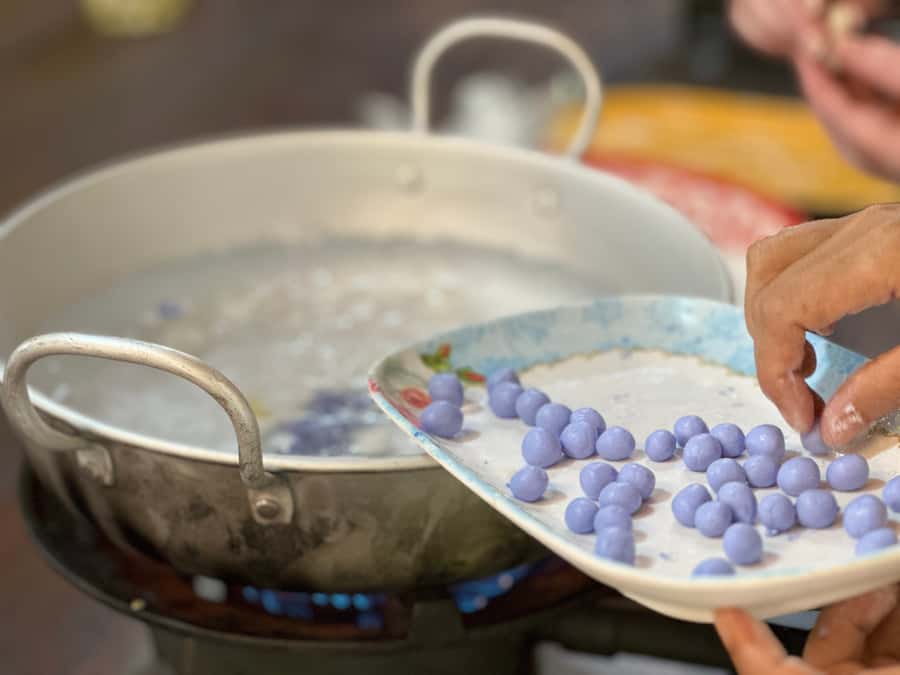
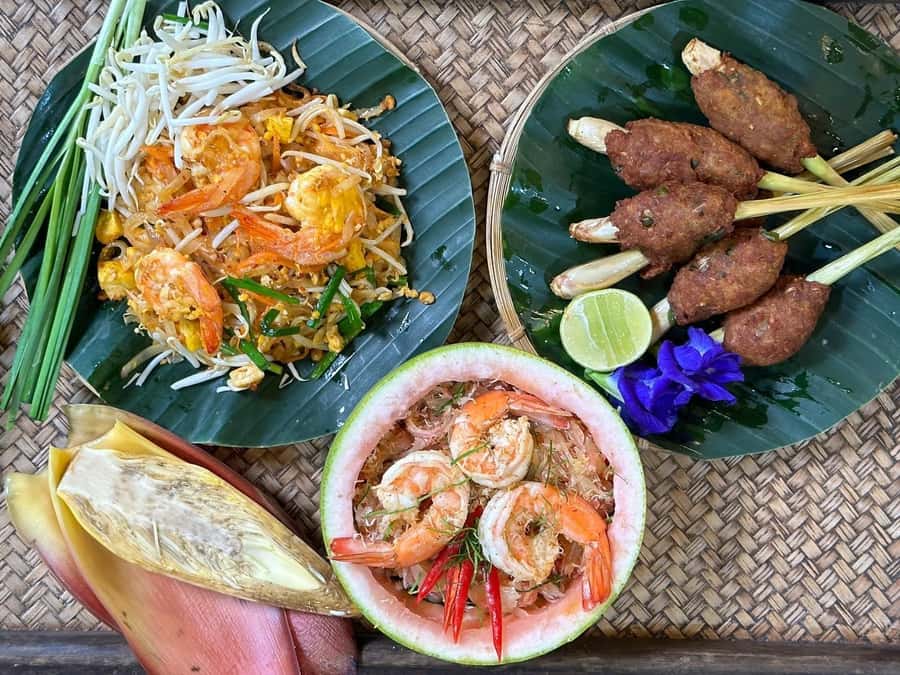
Your menu choices determine the exact dishes, but based on the range of options shared in past sessions, you’ll often see combinations that cover Thai essentials. Common picks include things like papaya salad, pad Thai, and soups such as Tom Kha. You may also make dishes like massaman curry and other curry styles, plus fried items like pork skewers on lemongrass.
Dessert is also part of the experience, and it’s not an afterthought. Think sticky rice with mango or coconut pancake styles, depending on what you choose. The sweet finish is a good way to balance the meal, especially after you’ve been tasting spicy and sour flavors all afternoon.
If you’re cooking with others in the class, it’s fun because everyone’s plates can differ. You might end up sampling a wider spread than you’d expect from a single class, because you’re not all cooking the same thing.
Lunch together and the Q&A moments that stick with you
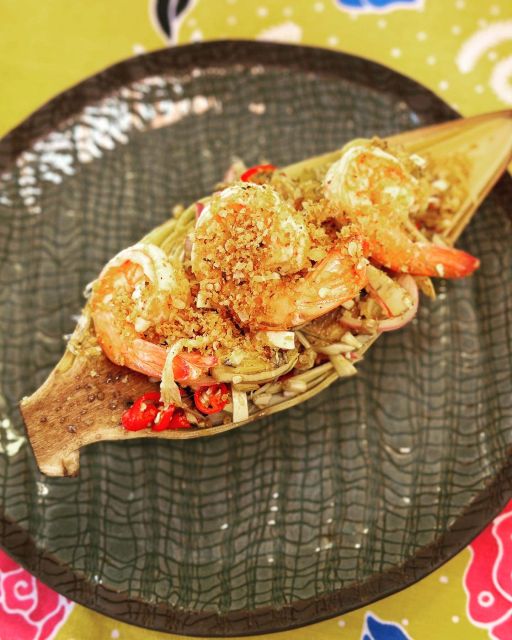
After cooking, you’ll sit down together for lunch and share what you made. There’s a social side here that you’ll enjoy if you like meeting people on holiday, but the bigger benefit is feedback. When you taste what you created, you can ask questions while the process is still fresh in your head.
Q&A happens during every cooking class. I recommend treating Q&A like your “shortcut.” Ask about technique (how the paste should smell when it’s cooked), ask about taste adjustments (how to fix too-salty or too-sour), and ask about ingredient swaps if you want to cook again at home.
And yes—soft drinks are included. In some sessions, you may see options like wine and beer available to purchase, but soft drinks are part of the included plan.
Price at $70: what you’re paying for, and why it’s usually fair
At $70 per person for about 4 hours, the best way to judge the value is to count what’s included. You get:
- hotel pickup and drop-off
- a guided market tour with refreshment
- professional cooking instruction
- the chance to cook multiple dishes you chose
- curry paste from scratch
- Q&A
- free recipe downloads and video clips
This isn’t just entertainment. It’s instruction plus ingredients plus guidance plus a meal. If you’ve done cheaper cooking classes where you chop a bit and watch, you’ll feel the difference here because the format is hands-on and the teaching focuses on core technique.
Transport also seems well-managed, with very high satisfaction scores for on-time pickup and safe, air-conditioned rides. That matters because a cooking day is only fun when you’re not stressed about logistics.
Who should book this class (and who might want a different option)
This works best if you want more than a one-off meal. If you like Thai food, you’ll benefit most from learning curry paste fundamentals and ingredient logic at the market. It’s also a good choice for beginners because the class is set up with assistants and Q&A, not just a sink-or-swim demo.
It can suit families too. There’s a note that the group dynamic is friendly and relaxed, with people splitting tasks and still getting the hang of it, so teens and curious kids might do well if they enjoy cooking smells and chopping.
Diet-wise, the class can adapt. One group specifically noted they were vegetarian and the recipes were adapted well. Still, if you have strong dietary needs, tell them ahead so your dish choices can be adjusted.
Practical tips so your cooking day stays fun
A few real-world considerations will help:
- Bring insect repellent. Outdoor garden and market areas can have mosquitoes.
- Expect heat while cooking. Kitchens and wok-style cooking can be warm, so dress for comfort.
- Wear shoes you can stand in. The day involves walking at the market and standing at stations.
- Plan to shop lightly. You have time in the market to buy, but you’ll still want room in your bag for perishables—or skip perishables and buy dry spices.
If you’re sensitive to spice, it’s smart to communicate your comfort level during choices. The class format gives you some control over what you cook, and Q&A helps you adjust flavors as you go.
Should you book Pakinnaka’s Thai Cooking Class & Market Tour?
Book it if you want Thai cooking you can repeat, not just eat once. The pairing of market learning plus curry paste from scratch plus small-group teaching is the winning combo. At $70 for a guided market, hotel transport, professional instruction, a shared meal, and take-home recipe support, it’s a strong value for a practical skills day.
Don’t book it if you hate active sessions or you want a slow, sit-and-watch experience. This is hands-on cooking with time on your feet. If you want pure relaxation, you might prefer a lighter food tour instead.
If you’re the type who returns home and tries to cook again, this class gives you the foundation—ingredients, technique, and flavor logic—so your next Thai meal tastes like you earned it.
FAQ
How long is the Thai cooking class and market tour?
The experience runs for about 4 hours.
What time is pickup for the morning and afternoon classes?
Morning pickup is between 9:40–10:00 AM. Afternoon pickup is between 3:30–3:50 PM. Exact pickup timing can vary by hotel location and is updated the day before.
Where does the market tour take place?
You visit a local fresh market where you’ll learn about Thai herbs, vegetables, spices, and ingredients used for homemade chili pastes.
What language is the class taught in?
The instructor speaks English.
How large is the group?
The class is limited to a small group of up to 9 participants.
What will I cook during the class?
You choose dishes from a menu of about 30 options, cook authentic Thai dishes using market ingredients, and learn to make curry pastes from scratch.
Does the price include hotel pickup and drop-off?
Yes, hotel pickup and drop-off are included.
Are soft drinks included?
Yes, soft drinks (complimentary refreshment) are included.
Do I get recipes or cooking videos afterward?
Yes. You can download free recipes and cooking video clips online.
Can the cooking class accommodate vegetarians?
There is evidence the team can adapt recipes for vegetarian needs, so it’s worth mentioning your dietary preferences when you choose dishes.