REVIEW · KHAO LAK
Ethical Elephant Sanctuary Experience in Khao Lak
Book on GetYourGuide →Operated by LOVE KHAOLAK HOLIDAY · Bookable on GetYourGuide
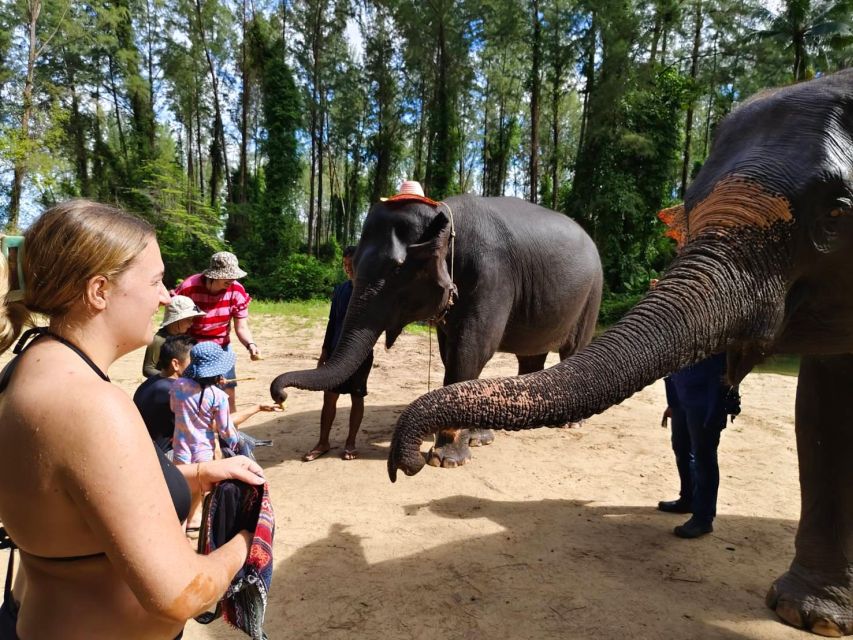
That first sight of elephants, unhurried and calm.
This ethical elephant sanctuary experience in Khao Lak is built around watching, learning, and letting the elephants do what they want, not following a scripted show. I like that it pairs the elephant time with real Thai culture—so you’re not just there for photos, you’re there to understand how elephants fit into Thai life and modern welfare.
Two things I especially like: the guided observation walk with experienced mahouts, where you follow from a respectful distance, and the extra cultural stops that feel genuinely Thai (not just filler). One thing to consider: this is not a hands-on “touch and bathe” program. If you’re expecting to have full physical interaction with elephants, you’ll want to match your expectations to an observation-only style with elephant-led behavior at set viewing points.
In This Review
- Key Things That Make This Elephant Day Work
- Khao Lak Elephant Sanctuary: A Realistic Alternative to the Usual Elephant Tours
- Getting There From Khao Lak: Time, Comfort, and the Pace of the Day
- Arrival Briefing: Elephant History and Welfare in Plain Language
- Elephant-Led Observation Walk With Mahouts: The Respectful Way to See Them
- Herbal Health Supplement Activity: Culture and Care Hand-in-Hand
- Mud Baths at the Creek: What You’ll See (and What You Won’t)
- Ya Dom Herbal Inhaler Workshop: A Tiny Thai Wellness Item With Big Meaning
- Khanom Krok Snack Time: Coconut Pancake Skills and a Calm End
- Price and Value: Does $56 Make Sense Here?
- Who Should Book This Ethical Elephant Sanctuary Day?
- Should You Book It? My Simple Decision Guide
- FAQ
- How long is the elephant sanctuary experience?
- Is elephant riding, touching, or forced bathing included?
- What activities are included besides the elephants?
- Where do you get picked up and dropped off?
- Is a meal included?
- What if I need to cancel or change plans?
Key Things That Make This Elephant Day Work
- Elephant-led pacing: no forced schedule for mud play or bathing moments
- Mahout-led explanation: you learn each elephant’s story and daily care approach
- Welfare-first rules: no riding, no touching, and no forced interaction
- Hands-on elephant-care activity: prepare a traditional herbal health supplement for caretakers to offer later
- Thai cultural workshops: make a Ya Dom herbal inhaler and cook Khanom Krok coconut pancakes
- Good value for 3 hours: transport, admission, guidance, and multiple activities included
Khao Lak Elephant Sanctuary: A Realistic Alternative to the Usual Elephant Tours
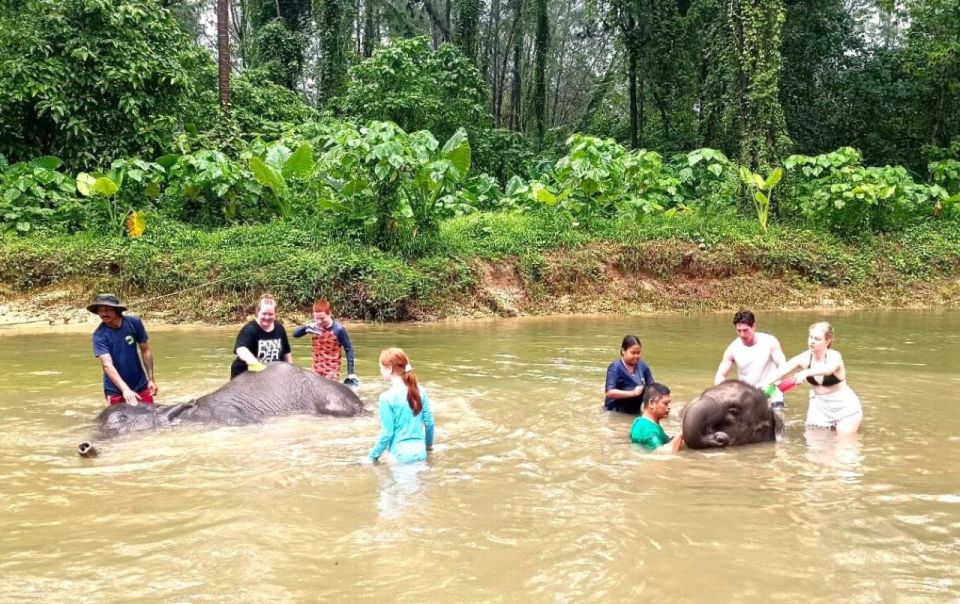
Khao Lak has lots of elephant options. Some are built around feeding, washing, or even riding. This one is different in the way that matters: you’re there to observe domestic rescue elephants living under long-term care standards, with the mahouts running the day and the elephants setting the pace.
The energy is quieter than the typical “line up, pose, move along” tours. You don’t feel rushed into a moment with a captive animal. You feel like you’re stepping into someone’s workplace—except the workplace is a forest area where the elephants actually get to be elephants.
And the day doesn’t revolve only around the animals. You’ll get a welfare-and-culture introduction first, then you’ll do small Thai activities that connect to care, wellbeing, and everyday life. It’s a more complete stop on a trip, especially if you’re pairing this with beach time in Khao Lak and want something meaningful that isn’t just more scenery.
You can also read our reviews of more tours and experiences in Khao Lak.



Getting There From Khao Lak: Time, Comfort, and the Pace of the Day
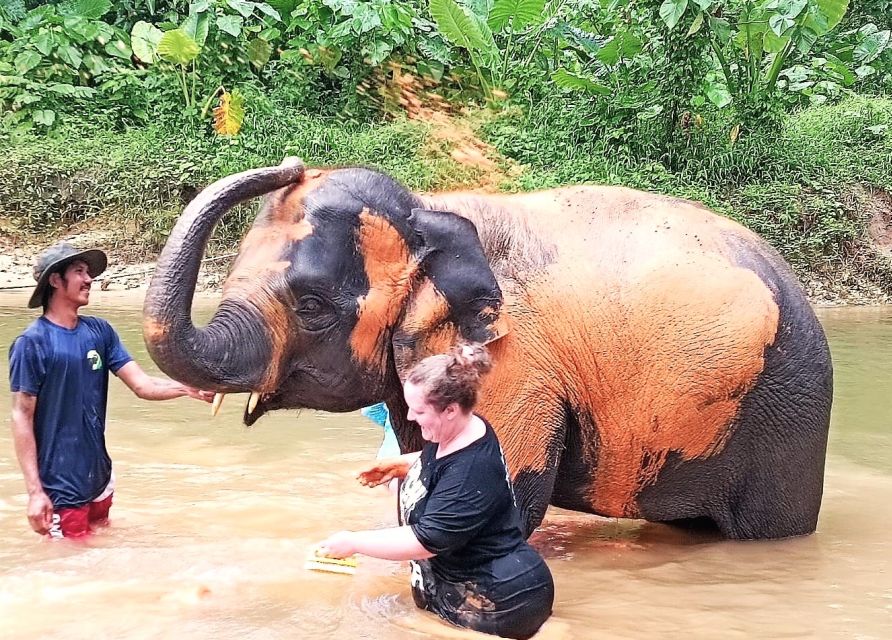
Your tour starts with hotel pickup inside the Khao Lak area. Plan to be ready about 10 minutes early in the lobby. The ride is in an air-conditioned vehicle, and the transfer is long enough that it helps to treat this as a half-day commitment rather than a quick add-on.
When you arrive, the sanctuary time feels structured but not frantic. People often do best when they’re mentally set for “watching and learning” rather than “doing everything.” The total experience is about 3 hours, so it’s not a full-day retreat. You’ll fit it easily into a day that also includes markets, a temple visit, or a relaxed late-afternoon dinner.
One practical note from the way the day is organized: you’ll be outdoors near elephants and water areas. Bring sensible sun protection and expect humid conditions, even if the schedule stays steady.
Arrival Briefing: Elephant History and Welfare in Plain Language
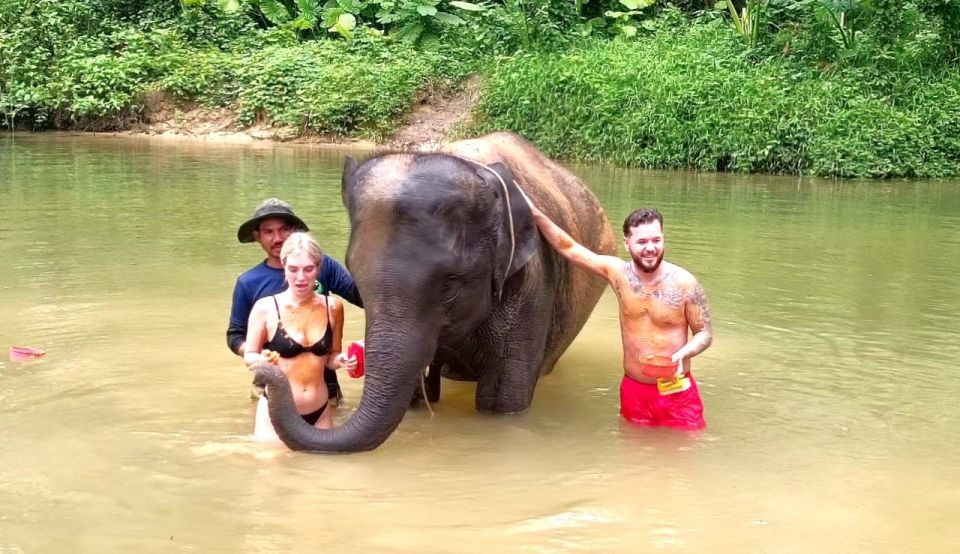
Before you meet the elephants, you get an introduction that covers the cultural history of Asian elephants in Thailand and the modern welfare challenges domestic elephants face. What I like is that the message isn’t only emotional. It explains why responsible elephant tourism looks different from the version that still shows up in some tourist traps.
This briefing uses visual and audio media that can run in many languages, including English. That matters because it lets the basics land clearly, without everyone trying to translate on the fly.
In real terms, this part sets your mindset. You’ll start paying attention to how mahouts supervise without forcing behavior, how elephants move naturally within defined boundaries, and what the sanctuary is trying to protect: the elephant’s routine, comfort, and choice.
If your guide is someone like Didi, Winnie, Lala, Shenr, Bond, or Shane (names you might hear attached to this experience), they tend to connect the background info directly to what you’ll see next. It’s one of those things that turns a viewing into a lesson you can actually carry home.
Elephant-Led Observation Walk With Mahouts: The Respectful Way to See Them
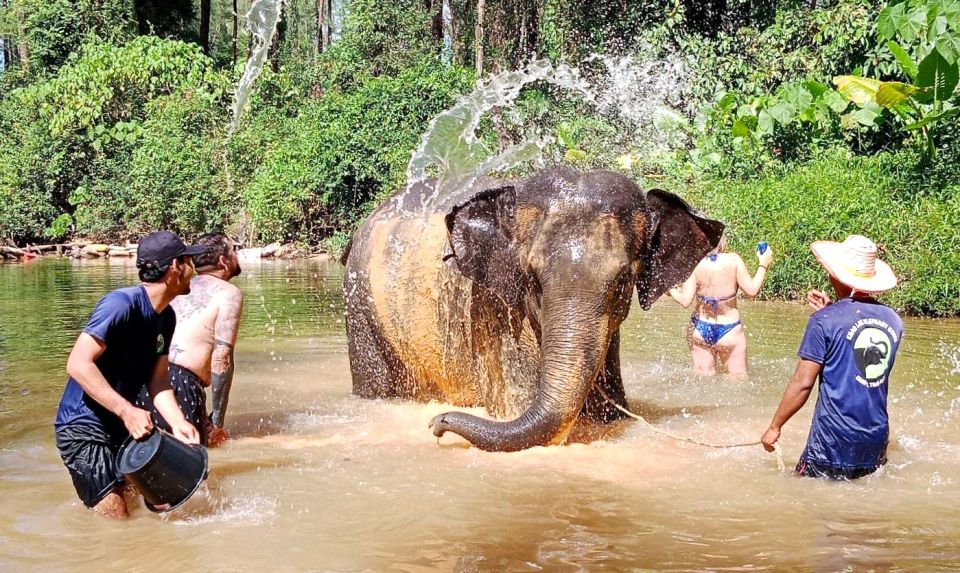
The heart of the experience is the guided observation walk. Your job is simple: follow behind the mahouts at a respectful distance and watch the elephants move naturally through their area.
There are no games of “come here” and no control tricks. Guests don’t touch, lead, or direct the elephants. Instead, you observe how they choose directions, how they socialize, and what “normal elephant behavior” looks like when there’s space and routine.
This is also where you learn the practical side of sanctuary life. Mahouts can explain how each elephant arrived at the sanctuary, what their background is like, and what care looks like day to day. That’s the kind of context that makes you notice more than just big trunks and big ears.
The experience works well for mixed ages, too. One family with kids mentioned that the length and pacing felt right, with enough time at the elephants to feel satisfied but not so long that it turns exhausting. If you’re traveling with children, this is a strong option because it teaches patience and observation instead of demanding constant attention.
Herbal Health Supplement Activity: Culture and Care Hand-in-Hand
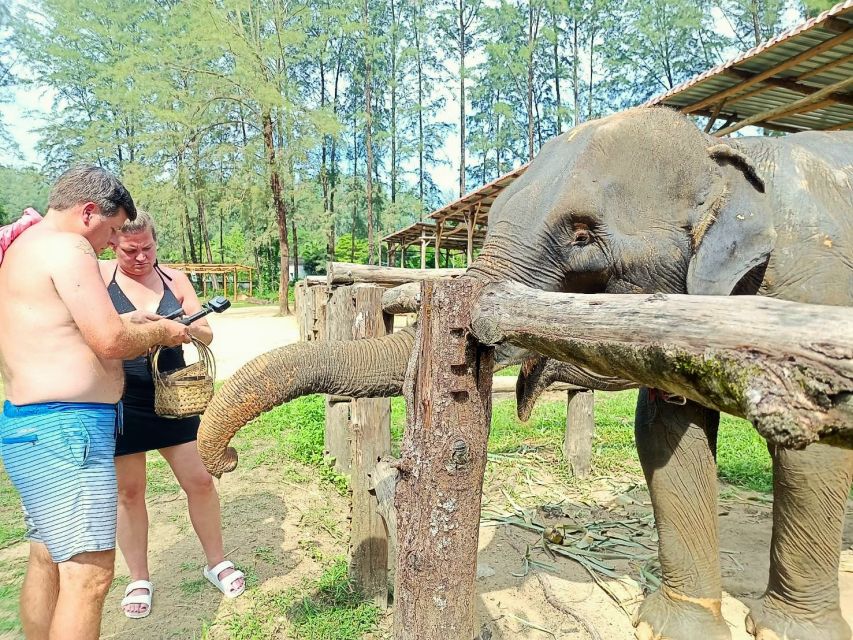
This sanctuary day includes a calm, hands-on cultural activity related to elephant care. You prepare a traditional herbal health supplement, drawing on local knowledge.
The point isn’t that you become an expert overnight. It’s that you learn how everyday Thai traditions can connect to animal wellbeing, and you see how the sanctuary treats feeding and supplements as welfare-based care, not a tourist perk.
After you prepare it, the supplement is offered later by the caretakers, following welfare practices. That detail matters. It keeps the interaction focused on responsible care rather than turning elephants into a vending machine for visitors.
If you care about ethical travel, this kind of activity hits a sweet spot. You’re contributing to education and care without breaking the rules about safety and distance.


Mud Baths at the Creek: What You’ll See (and What You Won’t)
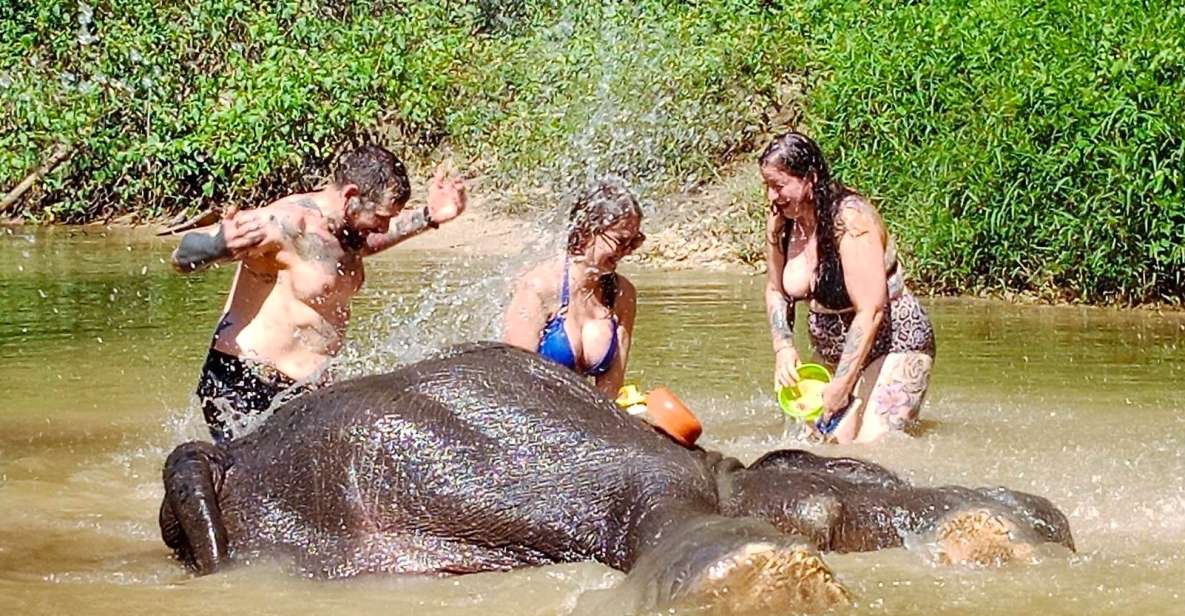
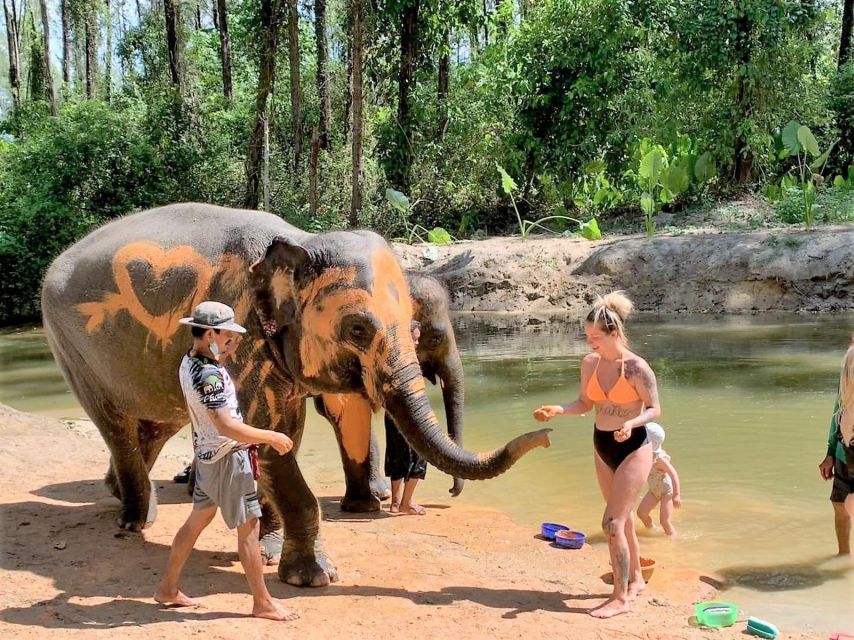
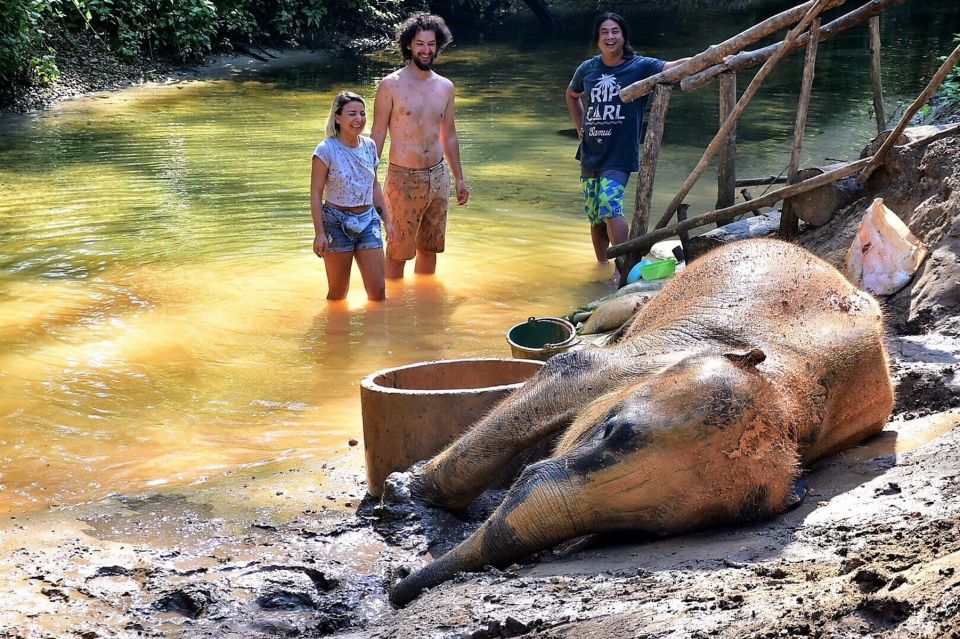
Near a natural creek, there’s a designated viewing platform. This is where the elephants may choose to bathe or play in mud. The big idea: there’s no fixed schedule and no expectation that bathing must happen right on cue. The elephants decide.
For you, that means two things:
1) You might wait a bit while everyone watches and stays quiet.
2) When something happens, it’s more real, because it’s not staged.
Also, this is where you should align expectations with the stated policy: there’s no riding, no touching, and no forced interaction. Some tours in the region blur those lines. Here, the sanctuary keeps it clear that the focus is on observation and supervision.
In practical terms, you’ll want to dress for outdoor time and consider bringing a towel and change of clothes anyway. Even if you’re not guaranteed splashes, you’re in the area where elephants do their mud-play routine.
From a comfort angle, this is not a luxury day with spa-level facilities. Basic toilets and showers exist and are described as clean. Think functional, not fancy.
Ya Dom Herbal Inhaler Workshop: A Tiny Thai Wellness Item With Big Meaning
After the elephant time, the tour shifts into Thai culture you can actually use at home: making a Thai herbal inhaler called Ya Dom.
Ya Dom is part of daily life wellness in Thailand. During the workshop, you create your own inhaler, guided by staff. It’s a small souvenir, but it carries context. Instead of bringing home only an image of elephants, you take home an item tied to Thai traditions of wellbeing.
I like this part because it slows the day down after the animal focus. Your brain gets a breather. You also get to talk with your guide about why such items exist, how people use them, and how Thai culture approaches everyday health.
If you’re the type of traveler who likes practical crafts—something you can hold in your hand and remember—that Ya Dom workshop is a nice payoff.
Khanom Krok Snack Time: Coconut Pancake Skills and a Calm End
Next comes a Thai food moment: making Khanom Krok, often described as Thai coconut pancakes. The workshop is friendly and unhurried, and it ends up being a good reset after outdoor watching.
This is the kind of activity that makes the day feel complete. You’re not leaving straight from elephants to a random dinner hunt. You’re guided through a local snack, with drinks included (water and cola).
A practical tip: since the tour doesn’t include a full meal, plan what you’ll do afterward. Khanom Krok and snacks can help, but if you’re hungry later, you’ll still want a plan for dinner back in Khao Lak.
Price and Value: Does $56 Make Sense Here?
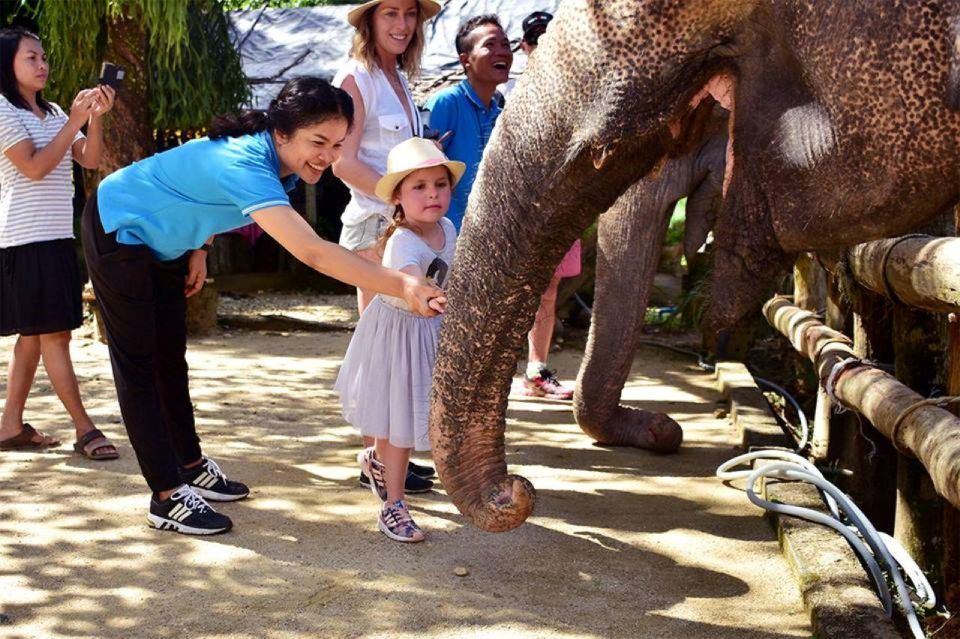
At about $56 per person for roughly 3 hours, this is not the cheapest elephant stop in the region. But it also isn’t trying to be a rushed “grab a photo and go” deal.
You’re paying for:
- hotel pickup and air-conditioned transport in the Khao Lak area
- admission into the sanctuary program
- an intro that explains domestic elephant welfare and Thai context
- a mahout-guided observation walk
- welfare-based elephant care education through the herbal supplement activity
- Thai workshops (Ya Dom and Khanom Krok)
- English-speaking staff assistance and included drinks
- accident insurance
In other words, you’re not just buying access to elephants. You’re buying structure, education, and cultural activities that keep the day from feeling like a single-use attraction.
If you’re trying to choose between a bargain elephant tour and one with a clear ethical policy, this is priced in a way that fits a value decision—especially because the experience is designed to be elephant-led, not human-led.
Who Should Book This Ethical Elephant Sanctuary Day?
This is best for you if you:
- want an elephant experience that focuses on ethical observation, not riding or show-style entertainment
- like learning—about Thai elephant culture, modern welfare issues, and what sanctuary care looks like
- enjoy short cultural workshops like Ya Dom and Khanom Krok
- want a half-day plan that doesn’t swallow your whole daylight
It may not be a great fit if you:
- need hands-on mobility support or have limited mobility, since it’s not listed as suitable for people with mobility impairments
- are pregnant, since the experience is not suitable for pregnant women
If you’re visiting with kids, it can work well due to the length and the structured attention to what’s happening. Just remember: it’s still an outdoor sanctuary setting, so sun and patience count.
Should You Book It? My Simple Decision Guide
Book it if your priority is ethical elephant viewing with mahout-led education and you’re happy with an observation-first approach. The mix of elephant-led moments, welfare-focused explanation, and Thai cultural workshops gives you more than a standard animal encounter.
Skip or double-check your expectations if you want guaranteed hands-on touching or a fully interactive bathing experience. This program is clear that interaction is restricted and elephants lead their own behavior. That’s good for ethics, but it changes the type of experience you’re buying.
If you want a Khao Lak day that feels calm, respectful, and genuinely Thai, this is a strong choice.
FAQ
How long is the elephant sanctuary experience?
The tour runs for about 3 hours total.
Is elephant riding, touching, or forced bathing included?
No. The experience follows an observation-only approach with a no riding, no touching, and no forced interaction policy. Mud bathing is observed from a designated viewing platform if the elephants choose to do it.
What activities are included besides the elephants?
You’ll do a traditional activity preparing a herbal health supplement for elephants, make a Thai herbal inhaler (Ya Dom), and make Khanom Krok coconut pancakes. You’ll also receive an elephant history and welfare introduction and drink refreshments during the day.
Where do you get picked up and dropped off?
Hotel pickup and drop-off are included within the designated Khao Lak area.
Is a meal included?
No full meal is included.
What if I need to cancel or change plans?
You can cancel up to 24 hours in advance for a full refund. There is also a reserve now and pay later option, so you can book without paying immediately.