REVIEW · KHAO LAK
3 hours Khao Lak Cooking Class and Market Visit
Book on GetYourGuide →Operated by Khao Lak Ethical Elephant Sanctuary · Bookable on GetYourGuide
Thai cooking starts with a market stop. This Khao Lak class at Khao Lak Ethical Elephant Sanctuary pairs a market visit with an expert-led kitchen session, so you see where the flavors start. I especially love the hands-on feel and the lineup of dishes you actually eat, but note that some prep may already be done to keep the class running smoothly.
I’m also a fan of the guide style. With English instruction (and guides like Tony who keep things humorous and clear), you get ingredient explanations that make Thai cooking easier to repeat later. Plus, you’ll do a small extra skill such as fruit carving or coconut milk preparation, and you finish with recipe guides and a certificate.
Come hungry and wear clothes you don’t mind getting warm or a little messy. You’ll snack during the market part, then cook and eat multiple dishes, and hotel pickup/drop-off keeps the whole thing simple.
In This Review
- Key Things to Know Before You Go
- Khao Lak Market Tour: Where Your Dinner Gets Its Personality
- The 3-Hour Flow: Pickup, Wok Cooking, and Eating in Real Time
- Hotel pickup and quick start
- Market visit and ingredient picking
- Cooking time: what you actually do
- A small “Thai skills” moment
- Wrap-up: certificate and take-home learning
- The Dishes You’ll Cook (and What Each One Teaches)
- Pad Thai: the foundation dish
- Tom Yum Goong: sour heat done right
- Som Tum: spicy, sour, crunchy balance
- Mango sticky rice: the sweet landing
- Flavor Balancing You Can Recreate at Home
- Fruit Carving or Coconut Milk Prep: Small Fun, Big Memory
- Price and Value: Is $87 Worth It in Khao Lak?
- Practical Tips That Make the Day Go Smoothly
- What to bring
- Food mindset
- What’s not allowed
- Elephants and comfort-based interactions
- One more note about recipes
- Who This Cooking Class Suits Best
- Should You Book This Khao Lak Cooking Class?
- FAQ
- How long is the Khao Lak cooking class and market visit?
- What’s included in the price?
- Do I need cooking experience?
- What dishes will I cook and eat?
- Is the class taught in English?
- What should I bring with me?
- Are there any restrictions during the experience?
Key Things to Know Before You Go
- Market shopping that actually matters: You handpick ingredients for the meal you’ll cook, not just watch a demonstration.
- English-led, guide-driven learning: Clear explanations and a fun tone help you understand the flavors, not memorize steps.
- Multiple dishes in one session: You’ll work through classic Thai favorites and eat what you make.
- Small-group energy (often): Some classes run tiny, which makes questions and hands-on time easier.
- Extra Thai craft skill: Options include fruit carving or coconut milk prep, so it’s more than just cooking.
- Best with an empty stomach: There’s market-snacking plus full meal portions, so breakfast can be a mistake.
Khao Lak Market Tour: Where Your Dinner Gets Its Personality
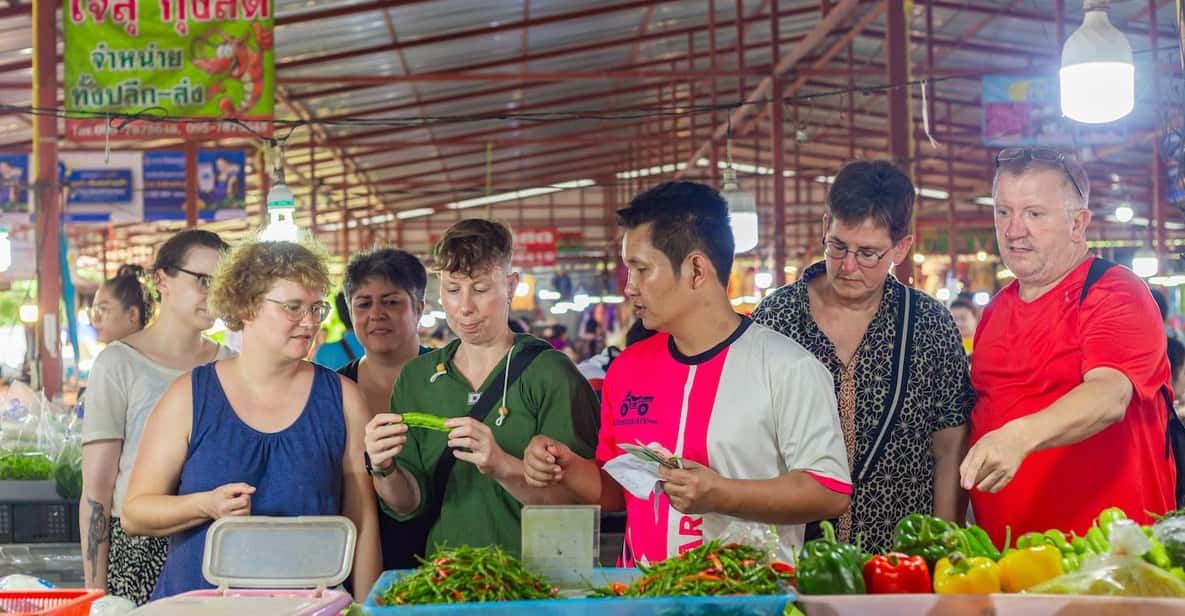
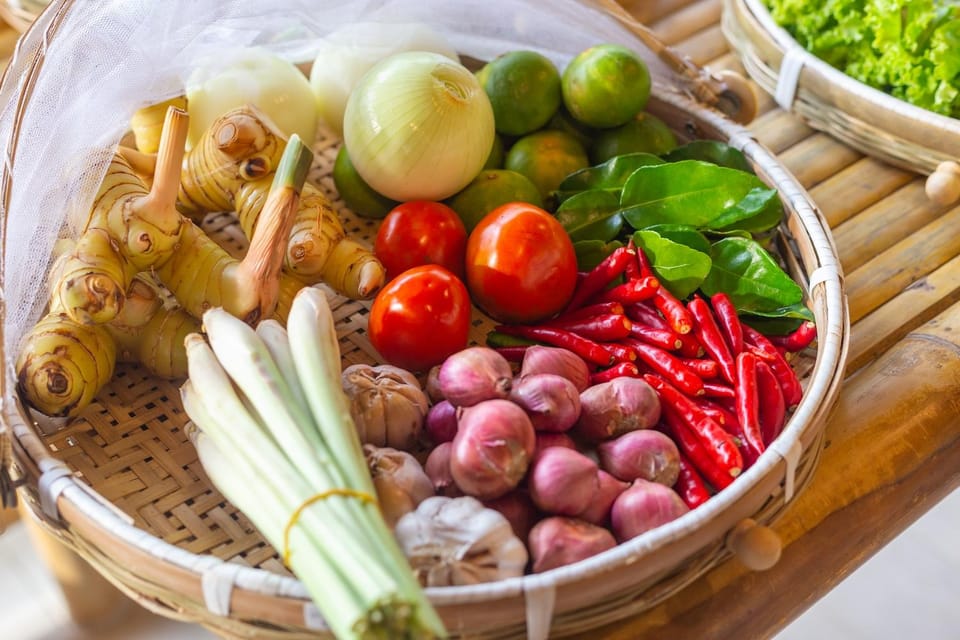
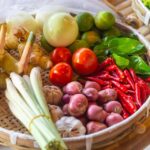
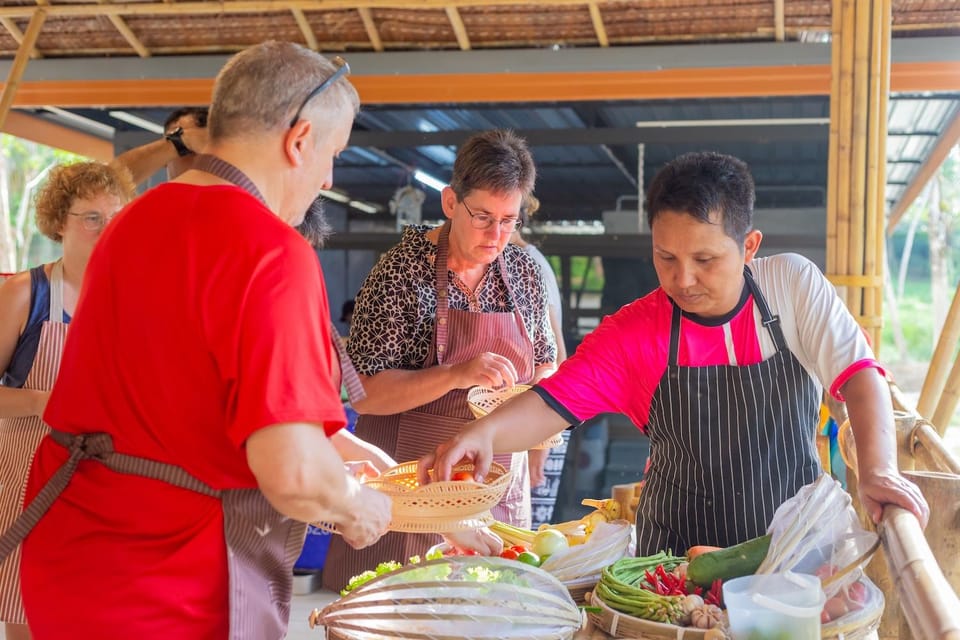
The heart of this experience is the ingredient hunt. Instead of treating Thai food like a set of recipes, you learn why certain tastes come from specific items you can recognize in the market—things like herbs, aromatics, and key sauce ingredients that make a dish Thai rather than just tasty.
I like that the market tour isn’t a side quest. You’re selecting ingredients you’ll use in the class, which makes every later step feel connected. When you can point to what you bought and why it matters, Thai cooking becomes less mysterious and more repeatable at home.
Also, expect sampling along the way. In at least some versions of the experience, you’ll try treats like sesame balls, and you may even get a chance to sample homemade ice cream from locals. Even if you’re not a big sweet person, those bites help you understand how Thai food often balances hot, sour, salty, and sweet in the same meal.
You can also read our reviews of more shopping tours in Khao Lak


The 3-Hour Flow: Pickup, Wok Cooking, and Eating in Real Time
This is a compact, 3-hour experience, and that affects everything. The pacing is practical: you visit the market, then return to cook, eat, and finish strong without waiting around.
Here’s what it typically feels like, in order:
Hotel pickup and quick start
You get hotel pickup and drop-off, which is a real quality-of-life win in Khao Lak. It also keeps the day from turning into a transport hassle while you’re hungry and thinking about food.
You’ll also be offered free tea or coffee, which helps you settle in before the market part starts.
Market visit and ingredient picking
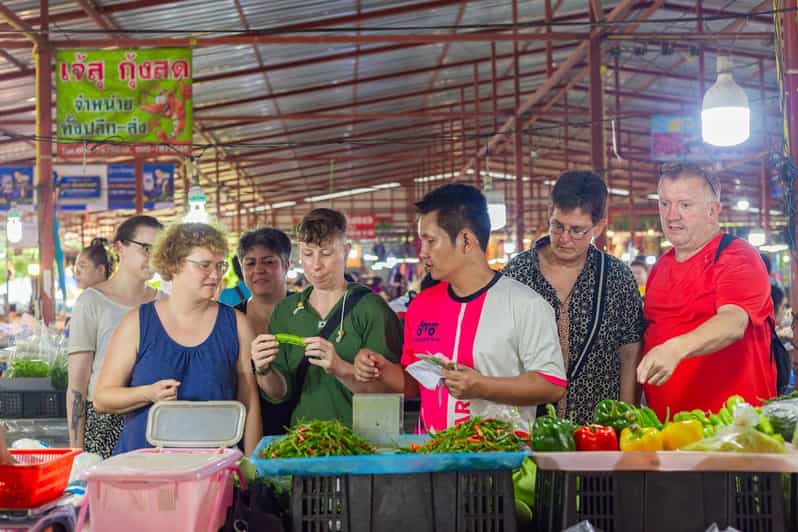
The market part is where you learn how to choose. You’ll be guided to the important products for your meal, and you’ll have chances to sample while you’re there. Bring your hat—it can get warm, and you’ll be walking.
One practical tip: plan your timing so you’re not arriving after a heavy meal. A common recommendation is to skip breakfast beforehand because you’ll snack right away and then eat the dishes you cook.
Cooking time: what you actually do
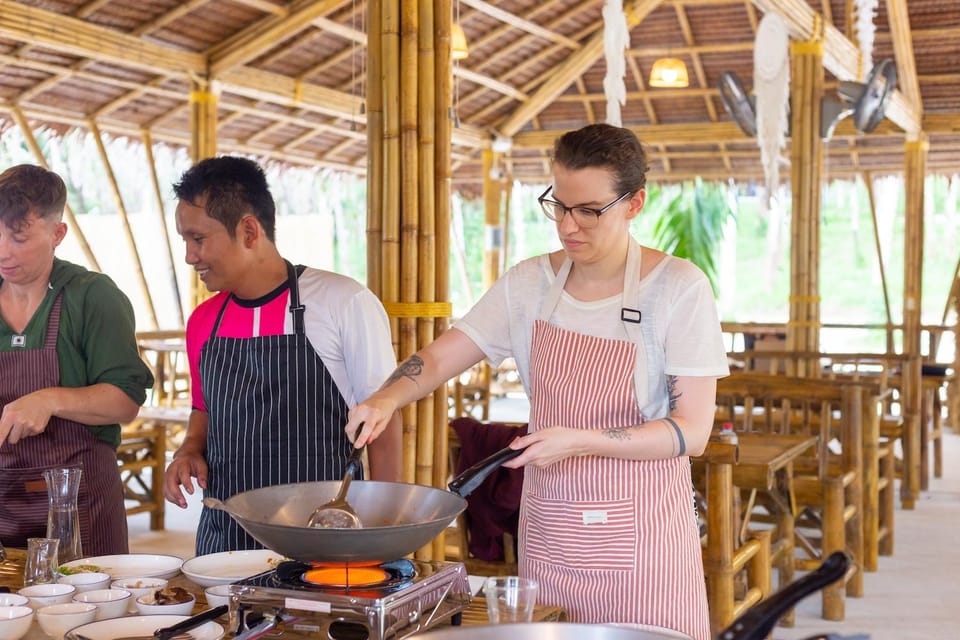
In the kitchen, you work with the structure of the class: dishes are taught step by step, and you handle a lot of the cooking. You’ll learn techniques behind Thai classics, and you’ll also see how flavor balancing works in practice.
A useful detail: some portions are prepared in advance. That doesn’t make it “less real,” it just means you’ll spend more time learning technique and cooking the final components. One example pattern is four courses prepared in a wok and then eaten, plus market snacks to start.
A few more Khao Lak tours and experiences worth a look



A small “Thai skills” moment
This class includes an additional skill. Depending on how your session runs, you’ll do fruit carving or coconut milk preparation. It’s quick, but it adds a fun, memorable Thai touch beyond the stove.
Wrap-up: certificate and take-home learning
You finish with recipe guides plus a certificate of achievement. If you want to cook these again later, this is where you’ll turn what you learned into a home plan—take photos during cooking too, because one person noted that the written guidance wasn’t detailed enough on its own.
The Dishes You’ll Cook (and What Each One Teaches)
Thai cooking is all about balancing flavors, and this class is built around that idea. You’ll learn how Thai food hits the sweet, sour, salty, and spicy notes in a way that feels intentional—not random heat.
You can expect these classics:
Pad Thai: the foundation dish
Pad Thai is often the first dish people associate with Thai cuisine, and it’s a great choice for a class because it teaches technique and seasoning balance. You’ll learn how the flavors come together and why the sauce works.
It’s also the dish most likely to give you a “I can actually make this” feeling at home. One common takeaway is how good the Pad Thai tastes, even for people who think they’re already familiar with it.
Tom Yum Goong: sour heat done right
Then comes Tom Yum Goong, a bold and aromatic soup known for its punchy sourness and spicy kick. In a class setting, you get to see how herbs and seasonings create that signature aroma.
This is the dish that teaches you not just what goes in, but how to treat flavors so they don’t become one-note.
Som Tum: spicy, sour, crunchy balance
Next up: Som Tum, the papaya salad that turns texture into flavor. You’ll get the refreshing hit of the dressing against crisp papaya, plus the sweet-sour-salty-spicy combo that makes it addictive.
Som Tum is a great learning dish because it shows how Thai cuisine uses contrast—cool freshness versus hot tang—without losing harmony.
Mango sticky rice: the sweet landing
Finally, you’ll learn the rhythm of Thai dessert with ripe mangoes and sticky rice. It’s the sweet payoff that rounds out the meal and helps you understand why Thai desserts feel lighter than many Western-style sweets.
If you’ve ever had sticky rice and wondered why it tasted different elsewhere, this is one of the easiest places to start fixing your own results.
Flavor Balancing You Can Recreate at Home
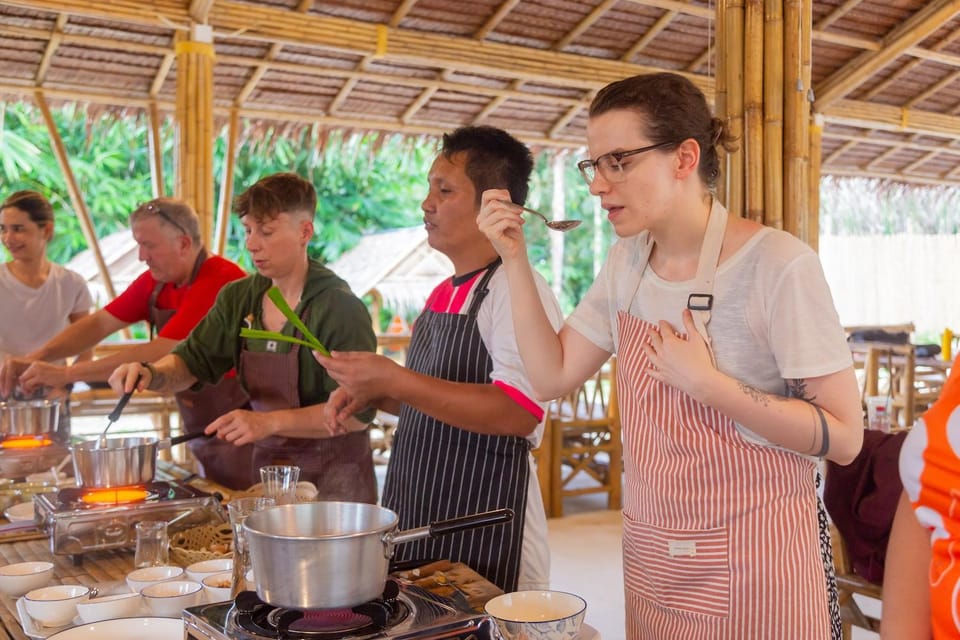
The biggest value here isn’t just that you cook Thai food. It’s that you learn how to think about taste as a system.
This class emphasizes balancing the four main flavor directions:
- Sweet
- Sour
- Salty
- Spicy
That matters because when you cook at home, you won’t have the exact same brands or ingredients. But you can still adjust. If your dish tastes flat, you’ll know what kind of taste move to make next. If it’s too sharp, you’ll understand how Thai cooking softens edges with sweet or rich components.
I like that the teaching stays practical. You’re not just being told to add this and that—you’re guided to the flavor logic behind it.
Also, eating what you cook right away helps you lock in the lesson. When the balance hits your tongue, you remember it later.
Fruit Carving or Coconut Milk Prep: Small Fun, Big Memory
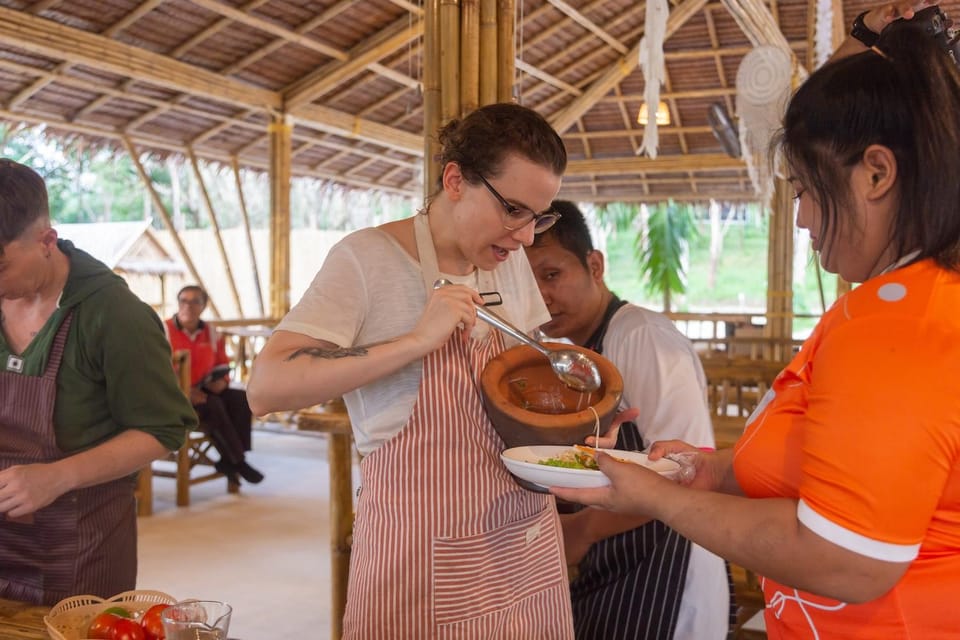
This is one of the reasons I’d recommend this class even if you’ve cooked Thai dishes before. The included skill—fruit carving or coconut milk preparation—adds a cultural and sensory layer that you can’t get from a generic cooking demo.
Fruit carving is visual and creative, which helps break up the seriousness of cooking techniques. Coconut milk prep, on the other hand, connects you to a basic Thai ingredient you’ll see everywhere—from curries to sweet dishes.
Either way, you come away with something you can show people later, and that makes the whole day feel more like an experience than just a meal.
Price and Value: Is $87 Worth It in Khao Lak?
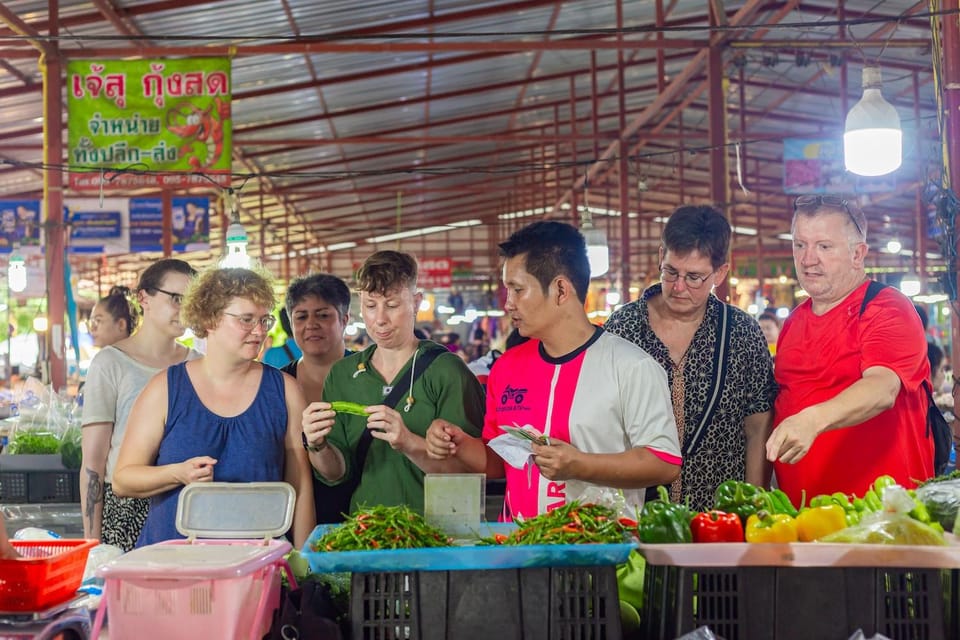
At $87 per person, you’re paying for more than recipes. You’re paying for:
- A market tour with ingredient selection
- Expert-led instruction in English
- All ingredients and equipment
- Tea or coffee
- A multi-dish cooking session where you eat what you make
- Recipe guides
- Certificate of achievement
- Hotel pickup and drop-off
- An added skill (fruit carving or coconut milk prep)
When you add those pieces up, the price starts to make sense. The pickup alone can save you time and taxi costs, and the ingredients/equipment are included rather than DIY.
What can affect value is expectations. If you want a fully raw-from-scratch cooking class where every ingredient is handled by you with zero pre-prep, be aware that some items may be prepared ahead. If what you want is learning the flavors and techniques with a tasty payoff, this pricing looks fair.
Also, if you’re someone who relies on super detailed printed instructions, take extra notes or photos during the class. One person noted that recipe instructions weren’t as clear as expected, even though recipe guides were provided.
Practical Tips That Make the Day Go Smoothly
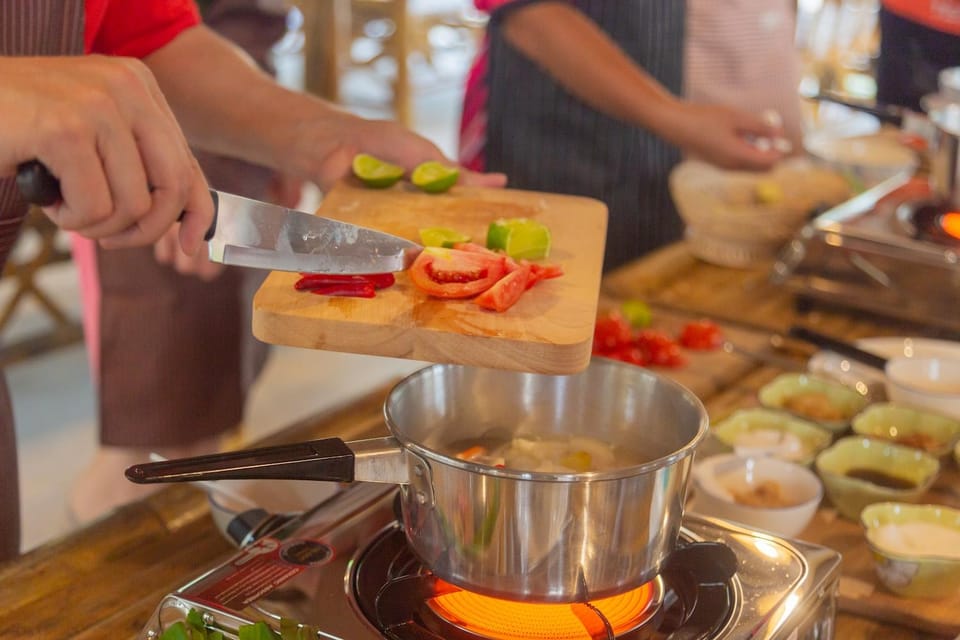
These are small things, but they matter in a Thai cooking class.
What to bring
- Hat
- Change of clothes (you’ll likely get warm and you might get a little splashed)
Food mindset
- Skip a big breakfast. You’ll snack during the market portion and then eat multiple cooked dishes.
What’s not allowed
- No alcohol and drugs during the experience.
Elephants and comfort-based interactions
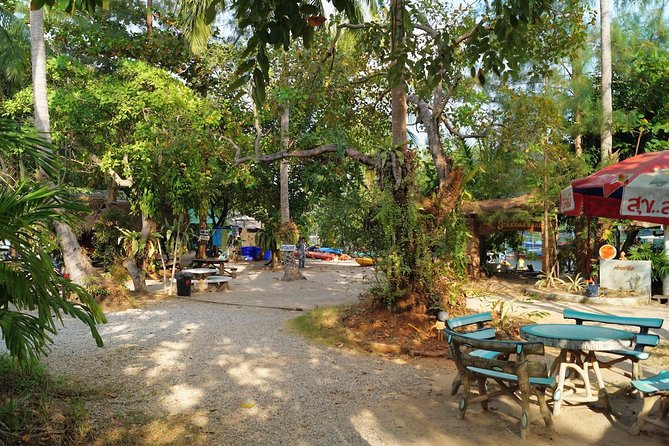
Because this is run through an elephant sanctuary setting, elephant-related activities (if offered as part of your day) follow the animals’ comfort level. The rules say they don’t force elephants into activities, and if an activity can’t happen due to the elephants’ choice, no refunds are provided. Translation for your planning: don’t build your day around a guaranteed elephant interaction.
One more note about recipes
You’ll get recipe guides, but if you want to cook confidently later, bring your phone for photos and write quick notes while the guide is explaining.
Who This Cooking Class Suits Best
This is a strong fit if:
- You love markets and want to connect ingredients to flavor.
- You want a hands-on Thai cooking session in English.
- You like eating as you go, not just tasting a tiny sample.
- You want a day that’s part cooking and part cultural learning.
It may be less ideal if:
- You’re looking for a class that feels like a fully “from scratch” prep challenge.
- You need extremely detailed step-by-step written instructions and don’t want to take notes.
Should You Book This Khao Lak Cooking Class?
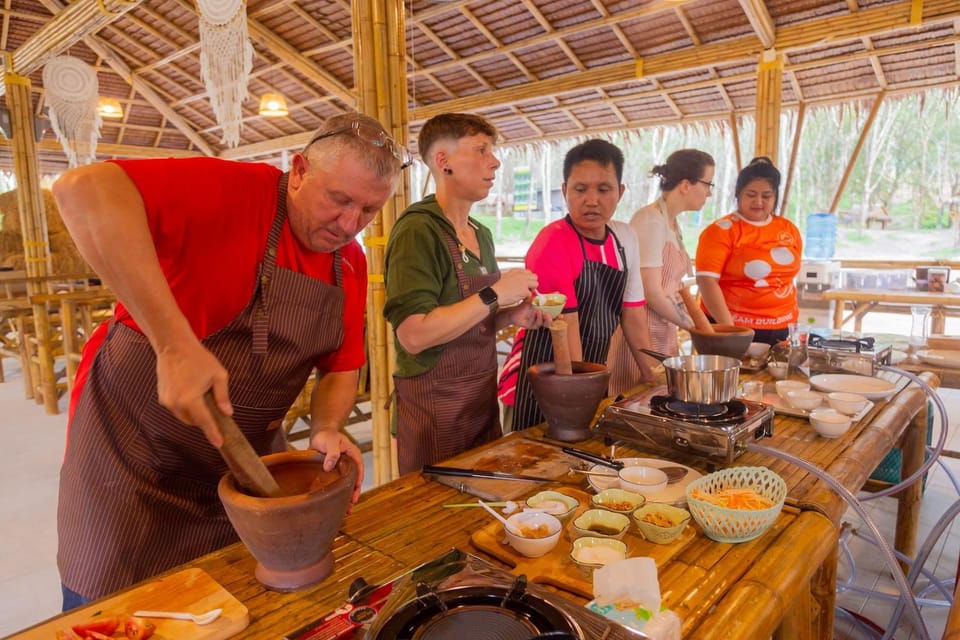
Yes, book it if your idea of a great day is: market first, ingredient picking, expert-guided cooking, and a satisfying meal at the end—without worrying about transport or supplies. The value is strong because everything is included, and you get to cook multiple Thai classics like Pad Thai, Tom Yum Goong, Som Tum, and mango sticky rice.
I’d especially recommend it if you enjoy learning the why behind Thai flavors, not just copying a list of ingredients. And if you can follow one simple rule—come hungry and take a few quick photos—you’ll leave with the confidence to cook these again.
FAQ
How long is the Khao Lak cooking class and market visit?
The experience runs for 3 hours.
What’s included in the price?
It includes market tour, recipe guides, free tea or coffee, all ingredients and equipment, fruit carving or coconut milk preparation, a certificate of achievement, and hotel pickup and drop-off.
Do I need cooking experience?
No. The class is designed for all skill levels, with expert-led instruction and hands-on cooking.
What dishes will I cook and eat?
You can expect classic Thai dishes such as Pad Thai, Tom Yum Goong, Som Tum, and mango sticky rice.
Is the class taught in English?
Yes, the experience is offered in English.
What should I bring with me?
Bring a hat and a change of clothes.
Are there any restrictions during the experience?
Yes. Alcohol and drugs are not allowed.