REVIEW · THAILAND
Chiang Mai Tour: Bua Tong Sticky Waterfall & Elephant Care
Book on GetYourGuide →Operated by Journey D Travel · Bookable on GetYourGuide
Sticky steps, gentle elephants, and a calm pace. This Chiang Mai day pairs a climb at Bua Tong Sticky Waterfall with hands-on elephant care, often guided by people like Opor or Big who know how to keep things moving without rushing you.
Two things I really like: the pace feels not rushed, so you actually have time to explore and climb, and the elephant sanctuary side focuses on ethical care with instruction, not just posing for photos. You also get a full day structure that doesn’t waste time between wet and dry activities.
One possible drawback: the waterfall portion may feel shorter than you hope, and the climb is real enough that you’ll want proper water shoes plus clothes you don’t mind getting messy.
In This Review
- Key highlights in plain terms
- Hotel pickup to sticky waterfall: the easy pace that matters
- Bua Tong Sticky Waterfall: climbing that’s doable, but bring the right mindset
- Elephant sanctuary lunch at 11:30: eat like you mean it
- Changing into elephant activity clothes: why this step is worth it
- Learning ethical elephant care: more education, less performance
- Small-group elephant time: when the day feels personal
- Feeding, bathing, and walking: how to enjoy it without overdoing it
- What’s included, what’s not, and the rules that affect your outfit
- Packing smart for Chiang Mai: the list that prevents most problems
- Price and value: how $86 holds up for this mix of activities
- Who this tour fits best in Chiang Mai (and who should skip)
- Should you book the Chiang Mai Bua Tong Sticky Waterfall & Elephant Care tour?
- FAQ
- What time does the tour start?
- When do we arrive at the Sticky Waterfall?
- How long does the whole tour take?
- Is lunch included, and what is it like?
- What do you do at the elephant sanctuary?
- Do I need to bring a towel?
- What should I bring for the activities?
- Are there any rules about what I can wear?
- What languages will the guide speak?
- Can I bring alcohol or smoke during the tour?
Key highlights in plain terms
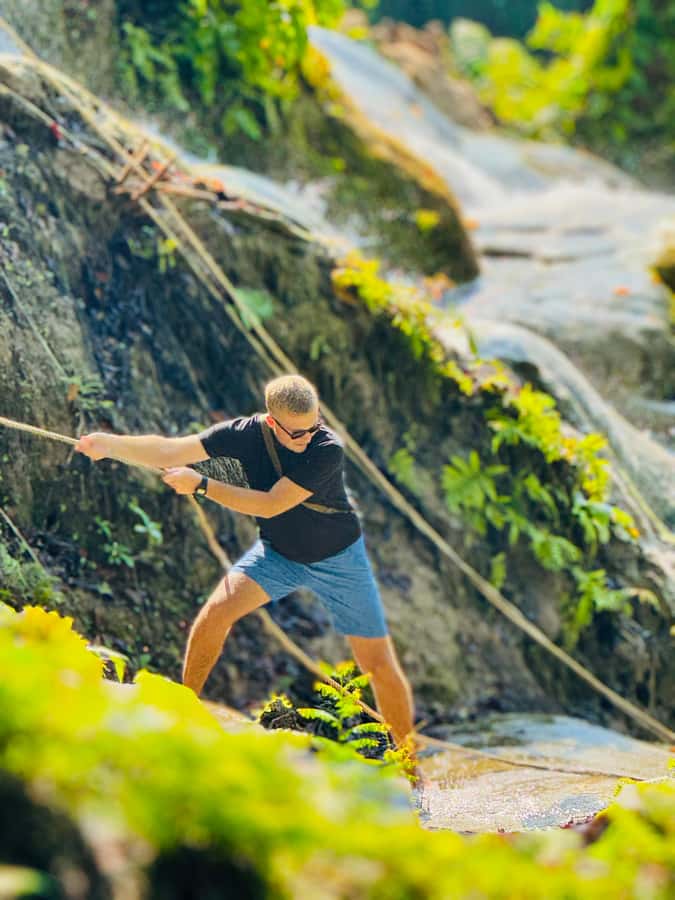
- Bua Tong timing that protects your energy with a viewpoint photo moment before you go climb
- Hands-on elephant food prep so you learn what healthy feeding looks like
- Time with elephants in a small, more personal setup rather than a huge crowd experience
- Bathing and walking included with photo and video chances built into the day
- Guides add value beyond the script with extra spots and strong safety awareness
- Lunch and snacks are part of the plan so you’re not hungry or scrambling later
Hotel pickup to sticky waterfall: the easy pace that matters
You start the day with a hotel lobby meet-up around 8:30 am in the Chiang Mai area, then you ride in a private, air-conditioned vehicle. That’s a big deal here. You’re going to switch between heat, water, and walking, so having your group together the whole time keeps the day calmer than hop-on hop-off touring.
You reach the sticky waterfall area around 9:45 am. There’s time for a quick photo and video clip from a viewpoint, then the main waterfall exploring and climbing starts right after. The itinerary keeps a smooth rhythm: waterfall first, then elephants, then back to the hotel by about 4:00 pm.
For me, the best part of the timing is that it doesn’t shove you through. Even if you move slower at the waterfall, you’re not constantly worried about falling behind. And if you’re the type who likes a moment to look around before charging ahead, this schedule gives you that.
You can also read our reviews of more tours and experiences in Thailand.
Bua Tong Sticky Waterfall: climbing that’s doable, but bring the right mindset
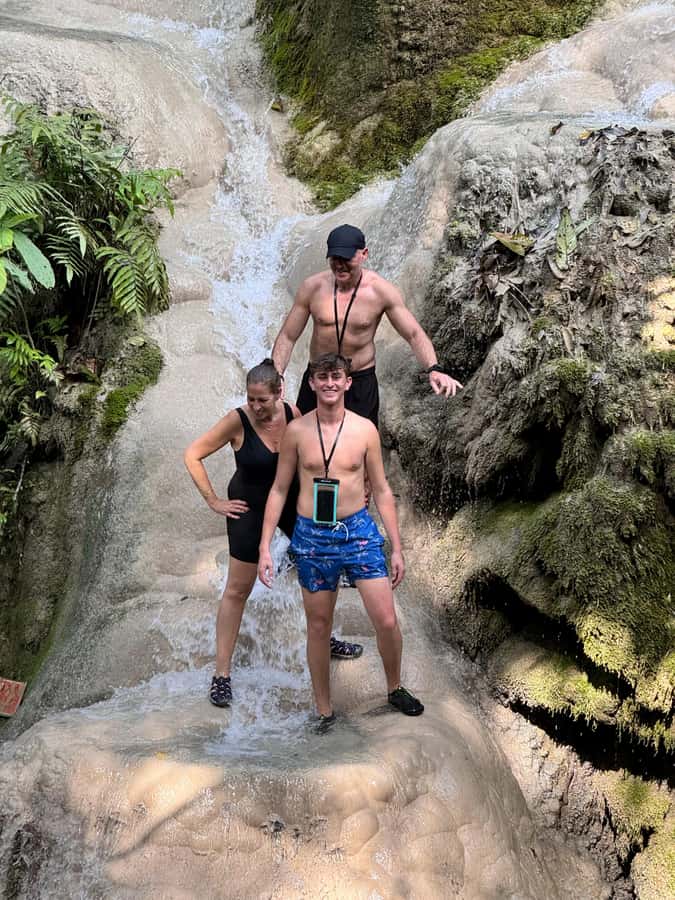
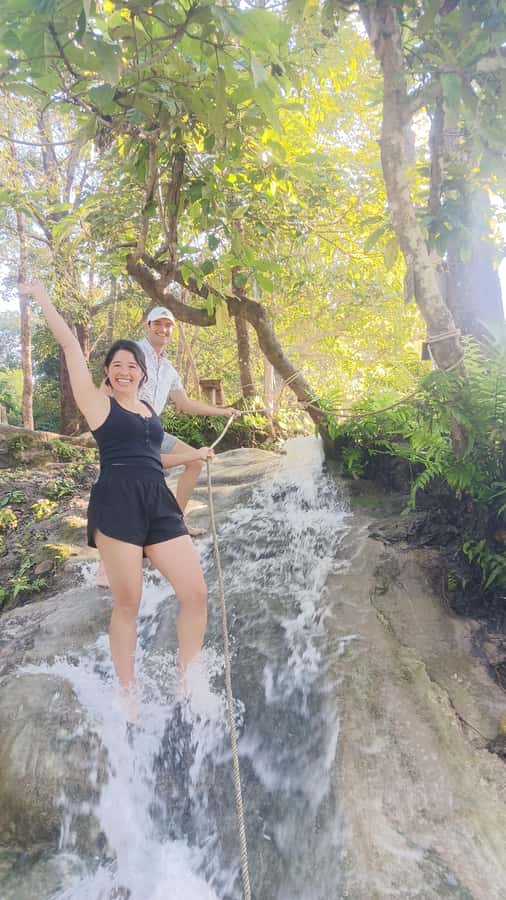
The star morning activity is Bua Tong Sticky Waterfall. You arrive, take that viewpoint shot around 9:45 am, and then from about 10:00 am you get time to explore and climb.
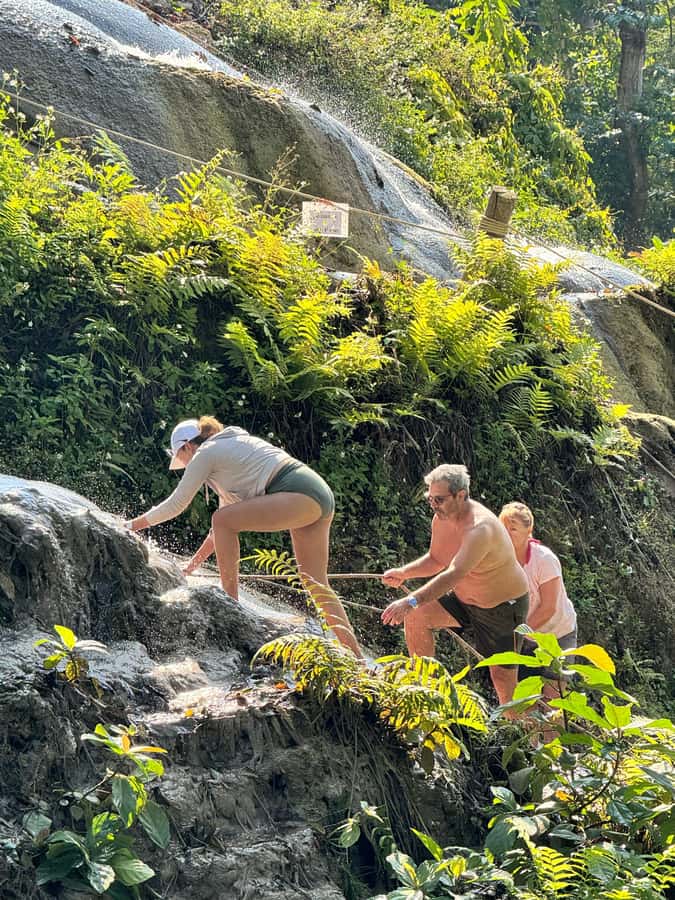
Here’s the honest part: this isn’t a flat walk. It’s a climb, and it can be challenging if you’re not used to wet surfaces or uneven steps. The good news is that it can still work for people who are older or just cautious about effort. One traveler managed it comfortably at 60+, calling it a manageable challenge and a fascinating one.
If you’re worried about safety, you’ll appreciate that the day is guided with clear support around the waterfall time. That matters because sticky + wet can make even a confident person hesitate. The tour’s whole structure is built so you spend time actually enjoying the climb rather than rushing through it.
Elephant sanctuary lunch at 11:30: eat like you mean it
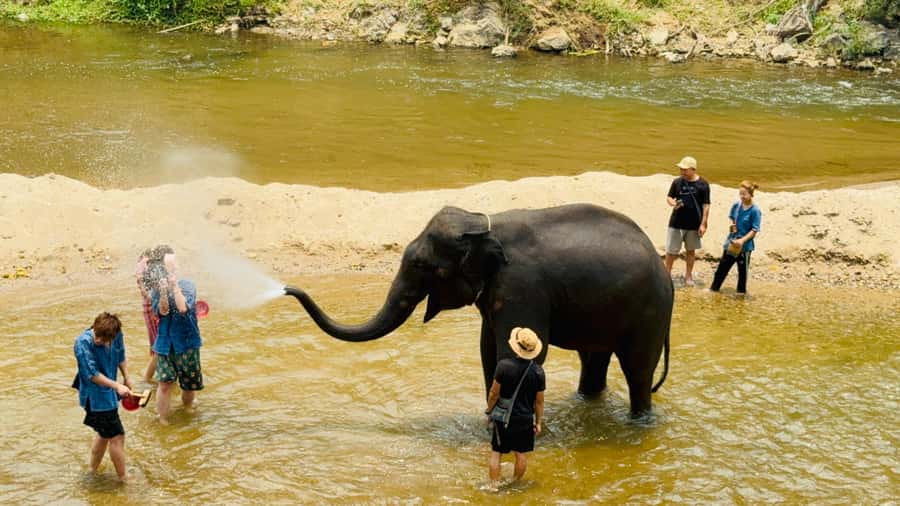
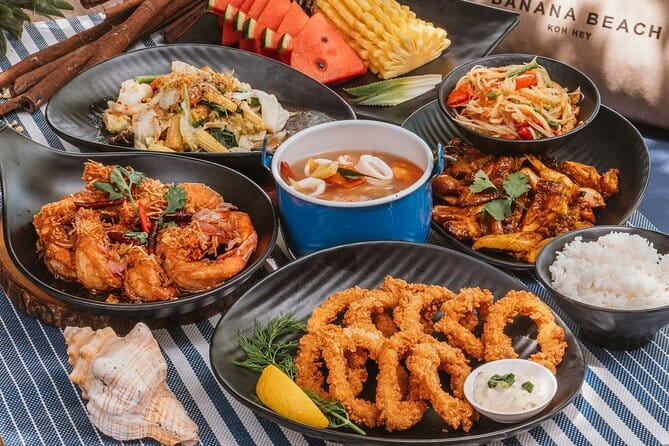
Around 11:00 am you head to the elephant sanctuary, and by 11:30 am you’re set up for lunch. This is not a tiny snack. The plan includes a buffet lunch, and the idea is that you can fill up as much as you want.
That detail matters more than it sounds. When you’re about to do feeding, bathing, and walking with elephants, your energy matters. One traveler described the meal as home cooked, and since water is included plus there are snacks, you won’t feel like you’re running out halfway through.
The tour also provides a straightforward flow: lunch first, then later you transition into the right clothing for elephant activities. So you’re not eating while rushing toward the next wet moment.
Changing into elephant activity clothes: why this step is worth it
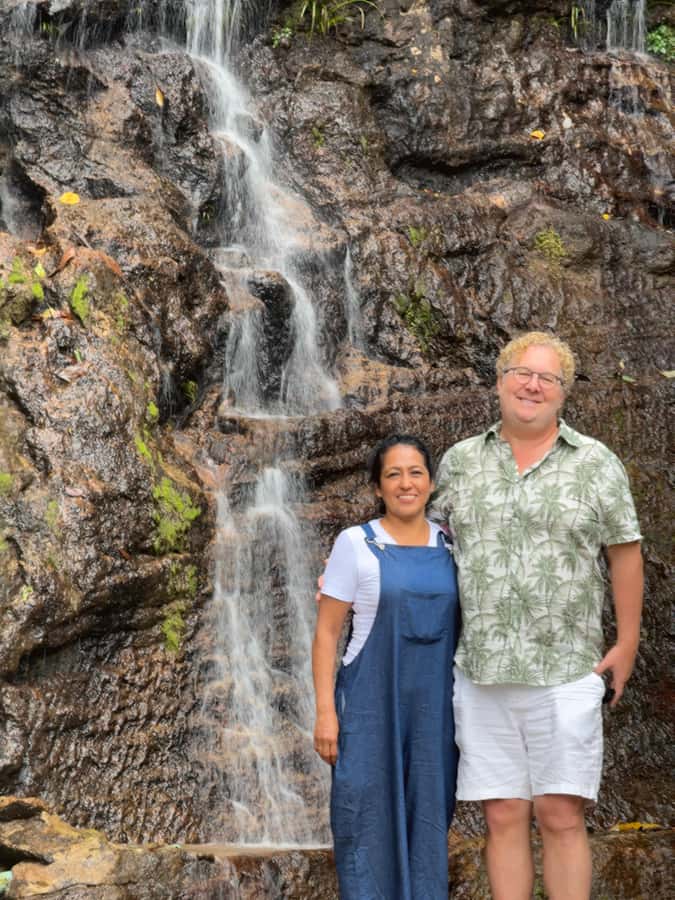
At about 1:00 pm, the day shifts gears. You change into clothing provided for the elephant care portion. You’ll also want to have your own change of clothes ready, because getting wet is part of the plan.
This is where you’ll feel how the tour is designed. Elephant care involves water and handling routines, so having the right clothing reduces stress. And since the tour includes bathing and walking, you’ll be grateful you planned for it instead of hoping your outfit survives.
Learning ethical elephant care: more education, less performance
The elephant part isn’t just about getting close. The tour is built around learning how to take care elephants ethically. After lunch, you get instruction on how to prepare healthy food, and then you move into hands-on interaction.
One of the strongest impressions from the experience is how well the elephants are treated by the handlers. Handlers were described as handling the animals properly and treating them with care, not just pushing people through activities. You also get a sense that the sanctuary setup gives elephants choices. In one description, elephants had more space to roam during non-visiting hours, and there was access to their main dwelling rather than keeping them permanently confined.
If you care about animal welfare, this matters. Ethical care is hard to judge from afar, but the combination of food-prep instruction plus careful handling routines gives you a clearer picture of what’s happening on site.


Small-group elephant time: when the day feels personal
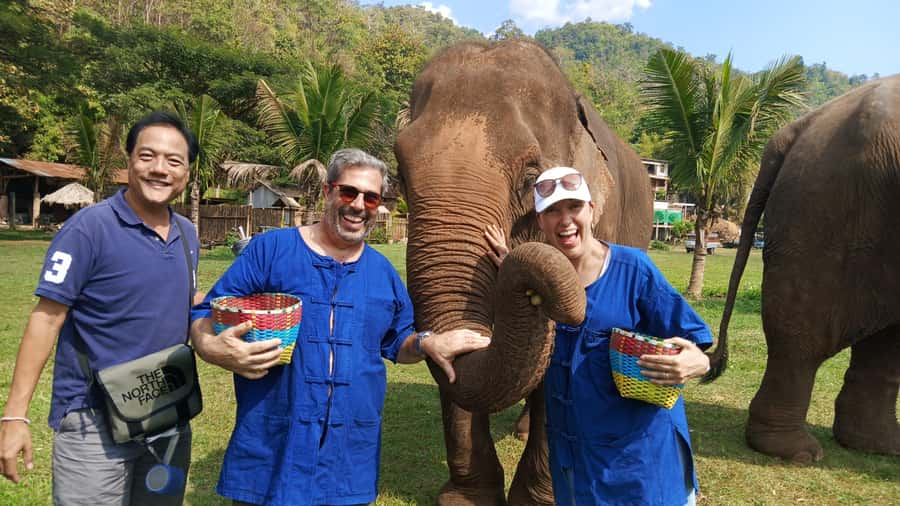
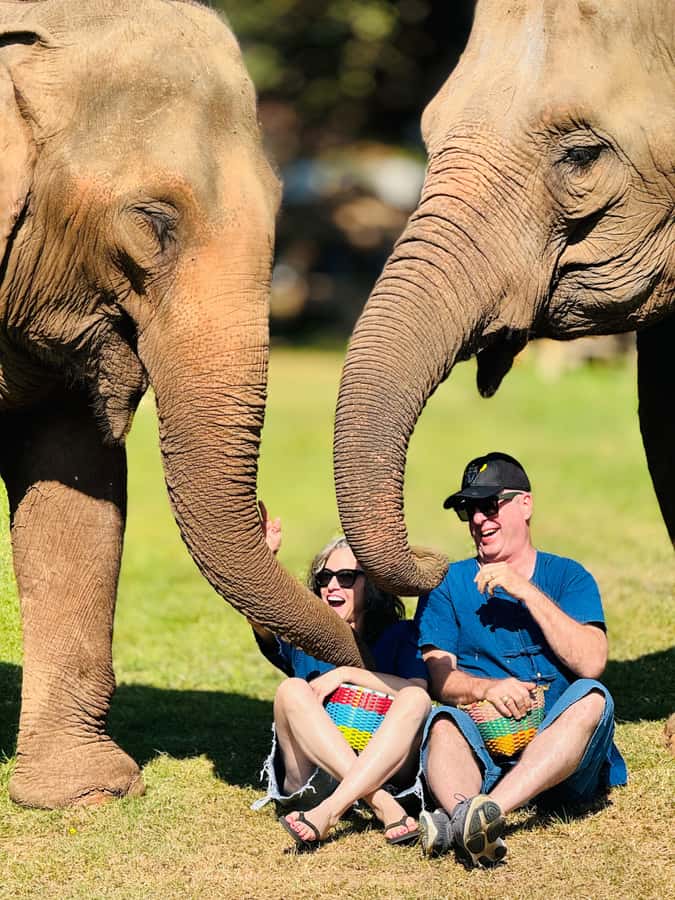
Another reason the elephant experience lands well is the way time with the elephants can feel small and intimate. In one account, a group of three had around an hour alone with elephants, which changes the whole vibe from crowd-watching to actually paying attention.
Your guide also plays a role. People have experienced guides like Big and others who keep things organized, supportive, and focused on safety around both the elephants and the water routines. Some guides also help with photography by taking hundreds of photos and sending them after the trip, which is a nice bonus if you don’t want to manage your camera every five minutes.
And yes, you still get the action: feeding, videos, and photographs are part of the routine. But because the group experience is smaller, it feels more like you’re learning alongside the process.
Feeding, bathing, and walking: how to enjoy it without overdoing it
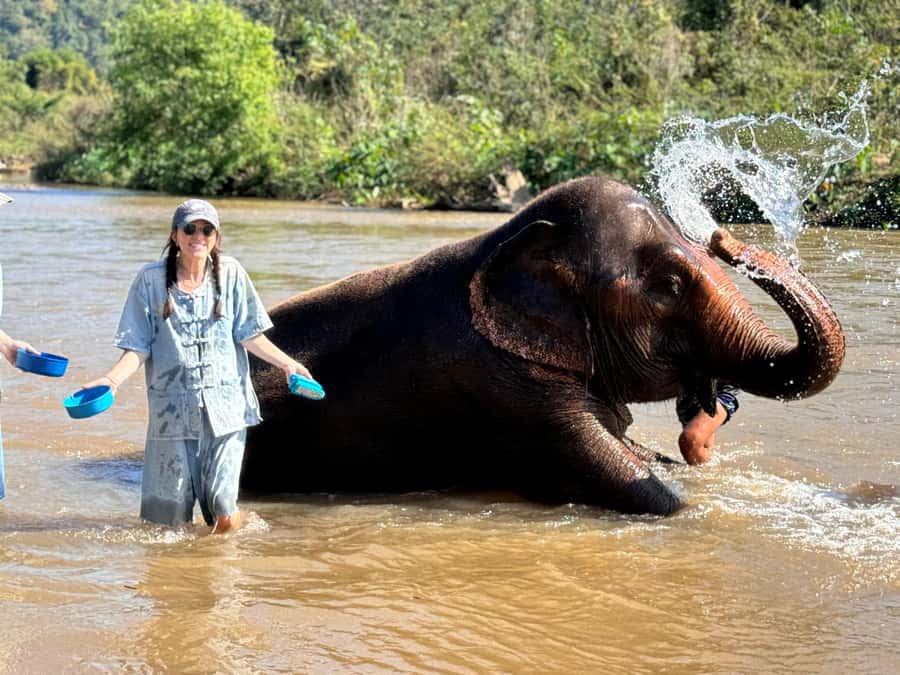
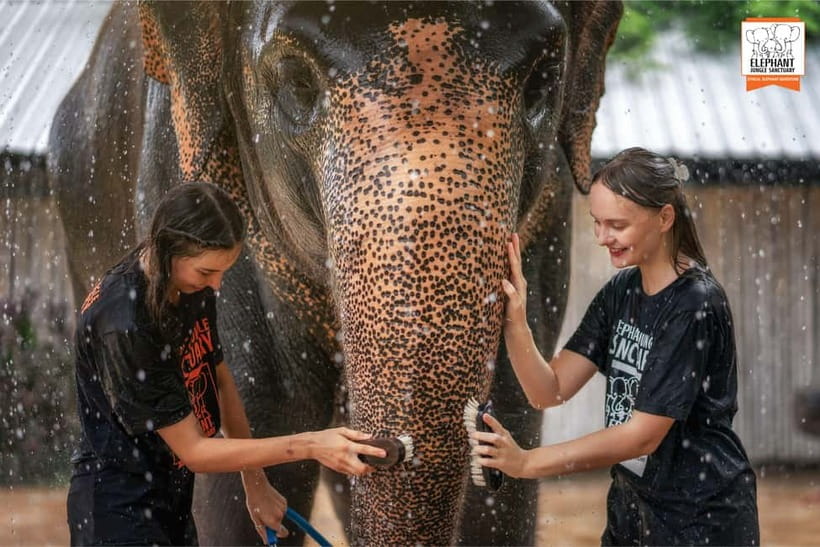
This tour includes a full interaction sequence after the food lesson. You’ll feed elephants with provided banana and food, and you’ll have chances for amazing videos and photographs.
Then comes the water time. You can expect bathing and walking with the elephants as part of the included activities. That’s not something every tour adds, and it’s a key reason this experience feels more complete than the simple meet-and-greet options.
A practical note: bathing and walking means you’ll be wet at some point, even if you try to avoid it. This is why the packing list matters (water shoes, dirty-clothes-ready outfit, and a change of clothes). If you’re comfortable with that reality, you’ll likely have a great day.
Also, keep expectations grounded. The point is not to control every moment. The elephants and staff guide the pace. If you go in calm, you’ll get better interaction, and you’ll feel less stressed when things don’t follow your perfect photo schedule.
What’s included, what’s not, and the rules that affect your outfit
The tour is priced at $86 per person for an 8-hour day, and you get a lot of core items included:
- Private air-conditioned vehicle for your group
- All admission free
- Lunch plus drinking water and snacks
- Banana and food to feed elephants
- Travel insurance (listed as 1st-class)
- Informative English-speaking tourist guide
Not included:
- Towel
- Alcohol drinks
You’ll also want to respect the activity rules. Smoking in the vehicle isn’t allowed, and drinks in the vehicle aren’t allowed. Alcohol and drugs are prohibited, and alcoholic drinks in the vehicle are not allowed. There’s also a clothing rule: bright colors aren’t allowed.
That bright-color rule is easy to miss, so plan ahead. Choose something you won’t mind getting dirty and keep it simple. For the waterfall and elephant sections, plain practicality beats style every time.
Packing smart for Chiang Mai: the list that prevents most problems
If you want this day to feel smooth, pack for water and grime. The tour’s own guidance lines up with what actually matters:
- Change of clothes
- Water shoes
- Weather-appropriate clothing
- Clothes that can get dirty
- Personal medication
A towel not being included is important. If you forget, you’ll end up making do, and that adds unnecessary stress after a wet bathing portion.
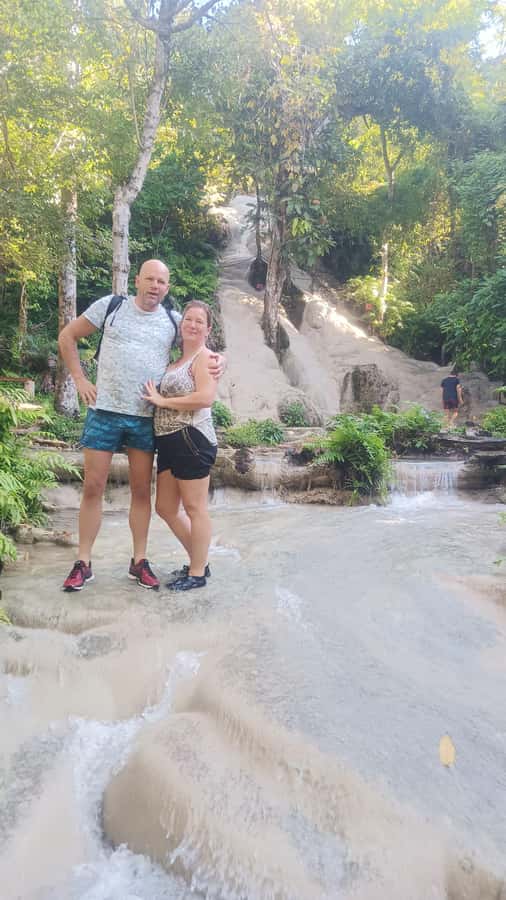
Also, plan your mindset for the sticky waterfall climb. You don’t need to be an athlete, but you do need stable footwear and patience with slippery steps.
Price and value: how $86 holds up for this mix of activities
At $86 per person, the value comes from the combination, not just the sticker price. You’re paying for:
- private transport with air-conditioning,
- admissions covered,
- a full buffet lunch,
- snacks and water,
- elephant interaction materials like food,
- and guided instruction throughout, plus travel insurance.
This kind of day can cost more when you separate the waterfall tour and elephant care into different bookings. Here, you get one organized schedule with fewer gaps. That can save time and reduce decision fatigue, especially when the day includes both wet and dry activities back-to-back.
It also helps that transport quality has been highly rated. When the vehicle and timing work well, you arrive at each activity with energy instead of resentment.
And occasionally, guides add extra value by taking you to additional spots when they think it fits. Opor was described as doing exactly that for a nearly perfect day, and that kind of flexibility can turn a good tour into a memorable one.
Who this tour fits best in Chiang Mai (and who should skip)
This day is ideal if you want:
- a sticky waterfall climb with time to explore,
- hands-on elephant care with instruction on ethical feeding,
- and a paced schedule that gets you back to your hotel by mid-afternoon.
You should also be realistic about physical demands. The waterfall climb is manageable for some older visitors, but it is still a climb on wet terrain. If you have mobility concerns, consider packing extra caution and going slow.
Age and health limitations are also clear:
- Not suitable for children under 2 years, under 3 years, and under 4 years, plus babies under 1 year (the listing is very strict on early ages).
- Not suitable for people over 95 years.
- Not suitable for people with altitude sickness.
If you fall into those categories, you’ll want a different kind of Chiang Mai day that’s easier on the body.
Should you book the Chiang Mai Bua Tong Sticky Waterfall & Elephant Care tour?
If you’re choosing between a waterfall-only day and an elephant-only day, this combo works because it keeps a sensible pace and doesn’t treat either activity like a rushed checkbox. I like that the elephants part includes ethical care learning, not just photo time, and I like that the schedule gives breathing room for climbing and interacting.
Book it if:
- you want sticky waterfall time plus deeper elephant interaction in one day,
- you’re okay being active and getting wet,
- you care about how elephants are handled and fed,
- and you want a guide to keep things safe and organized.
Skip or reconsider if:
- you hate climbs on wet surfaces,
- you absolutely need a long waterfall hike (some people felt the waterfall section was shorter than expected),
- or you’re traveling with someone who doesn’t meet the strict age/health notes.
If your priority is value for money with real interaction on both sides, this is a solid pick for a Chiang Mai day that feels personal rather than chaotic.
FAQ
What time does the tour start?
Meet up is at 8:30 am at your hotel lobby in the Chiang Mai area.
When do we arrive at the Sticky Waterfall?
You arrive around 9:45 am, with photos/video at a viewpoint, then exploring and climbing starts at about 10:00 am.
How long does the whole tour take?
The duration is 8 hours.
Is lunch included, and what is it like?
Yes, lunch is included at the elephant sanctuary around 11:30 am. It’s a buffet and you can eat as much as you want. Drinking water and snacks are also included.
What do you do at the elephant sanctuary?
You learn how to prepare healthy food, feed the elephants (banana and food provided), take videos and photos, and then do bathing and walking with elephants.
Do I need to bring a towel?
No towel is included. You should bring your own if you want one.
What should I bring for the activities?
Bring water shoes, a change of clothes, weather-appropriate clothing, clothes that can get dirty, and any personal medication.
Are there any rules about what I can wear?
Yes. Bright colors are not allowed.
What languages will the guide speak?
The guide provides English and Thai.
Can I bring alcohol or smoke during the tour?
Smoking in the vehicle is not allowed. Alcoholic drinks in the vehicle are not allowed, and alcohol and drugs are prohibited.