REVIEW · CHIANG MAI
Chiang Mai: Elephant Sanctuary Local Hill Tribe Caretakers
Book on GetYourGuide →Operated by Johnny Boy Treks · Bookable on GetYourGuide
Elephants up close, without the usual show-and-ride script. This half-day through Johnny Boy Treks blends stress-free elephant care with a 1-hour Mae Wang Waterfall hike, plus time that helps you understand Karen and Hmong community life. The result is a day that feels hands-on, yet calm and thoughtful.
You’ll learn what caretaking actually means: how to feed, walk alongside, and even join a river elephant bath in a way that keeps the mood natural. One drawback to plan for: pickup isn’t always perfectly simple, so double-check that your hotel is within the driver’s pickup area before you go.
In This Review
- Key highlights worth your morning (or afternoon)
- Why this elephant sanctuary day feels different
- Hotel pickup timing and the drive into Chiang Mai’s countryside
- Elephant care basics: feeding, walking, and reading behavior
- Karen and Hmong culture time: what it adds to the day
- The Mae Wang River bath: playful, but follow the rules
- Mae Wang Waterfall hike: a 1-hour trek you’ll actually feel
- Lunch at the sanctuary: simple Thai food, well-timed
- Price and value: is $51 actually fair for this day?
- What to pack and what to follow on the day
- Who should book this elephant and waterfall combo
- Should you book it?
- FAQ
- What time does hotel pickup happen?
- How long is the experience, and when do we return to Chiang Mai?
- What’s included in the price?
- What should I bring for the day?
- Is there an English guide?
- Who should avoid this tour?
Key highlights worth your morning (or afternoon)
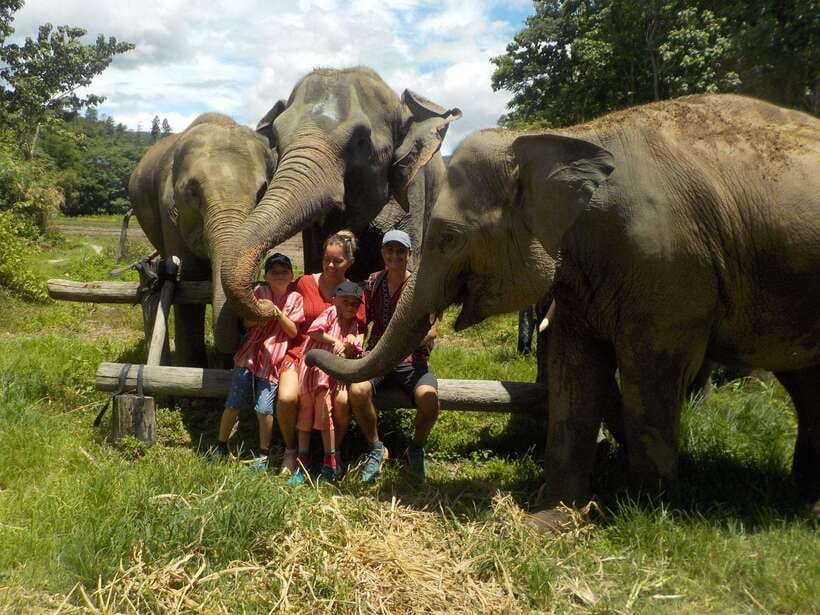
- Feed, walk, and bathe elephants in a natural, non-show setting
- 1-hour jungle hike to Mae Wang Waterfall through lush forest terrain
- Karen and Hmong community time, focused on real daily life
- Mud bath + river bath moments that help you understand elephant comfort needs
- Round-trip transport + Thai lunch included for a straightforward value day
- English guide on hand to keep the whole program clear and respectful
Why this elephant sanctuary day feels different
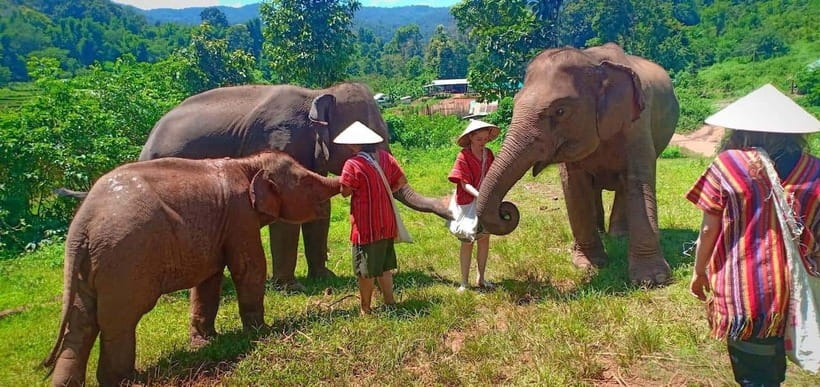
If your mental picture of Thailand elephants involves painted costumes, photo lines, or quick trick moments, this program is built for a totally different vibe. The whole point is ethical, stress-free interaction, with no riding and no staged performance energy.
You’ll spend the day learning the rhythms of care instead of treating elephants like an attraction. That shows up in the order of activities too: you start with orientation and elephant care basics, then you move into feeding, walking, and bathing as part of a guided routine. When you get it right, the day feels calmer for you and for the elephants.
The other big win is the mix. You’re not only doing elephant time; you’re also getting outdoors with the Mae Wang Waterfall trek and a slice of Karen and Hmong culture that’s about daily living rather than a quick cultural photo stop. That balance makes the tour feel like an actual half-day program, not just a transfer to a single attraction.
You can also read our reviews of more tours and experiences in Chiang Mai.



Hotel pickup timing and the drive into Chiang Mai’s countryside
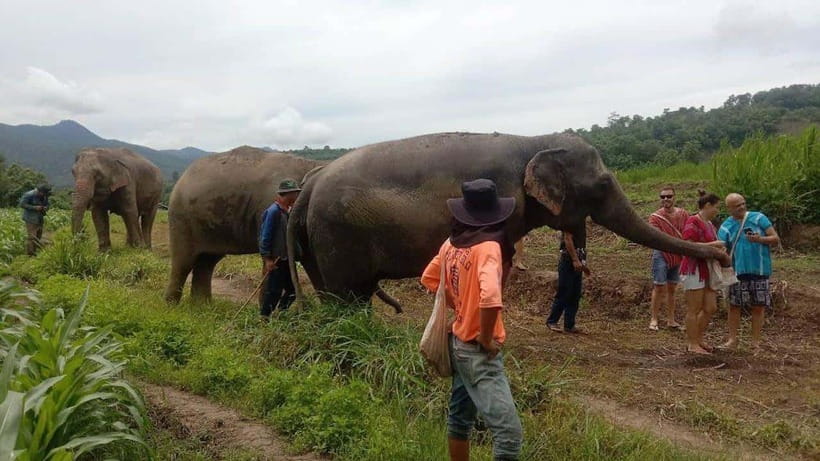
The day starts with pickup from your Chiang Mai hotel. You’ll be collected in the morning between 8:00 and 8:30AM or in the afternoon between 11:30 and 11:45AM, and the drive to the camp takes about one hour.
This matters because it shapes your comfort. If you’re prone to morning crankiness, choose the morning slot. If you hate early alarms, the afternoon pickup can work better and still lands you back in Chiang Mai around 2:00PM. Either way, plan to move like a guest in someone’s routine: pack smart, wear practical clothes, and keep a little patience for the timing flow.
Also, you’re in a shared vehicle. The tour rules are clear about what not to bring: no smoking and no alcoholic drinks in the vehicle. If you’re the kind of person who likes a quiet ride, you’ll probably appreciate those boundaries.
Elephant care basics: feeding, walking, and reading behavior
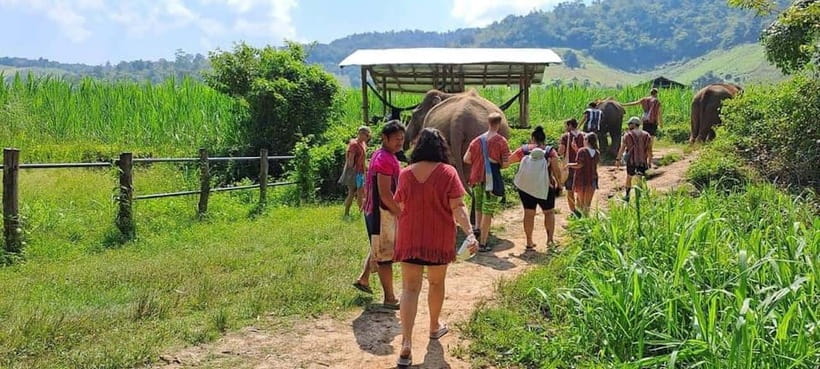
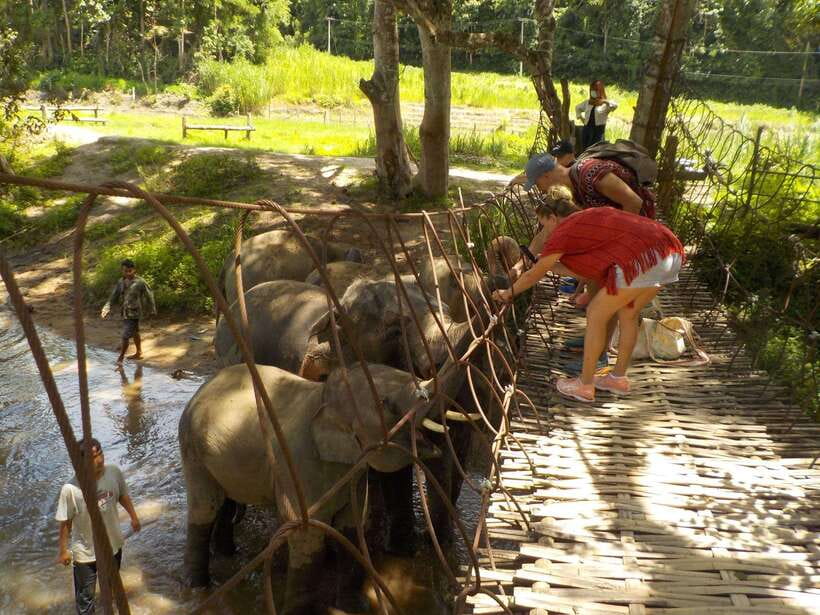
Once you arrive, you’ll meet the sanctuary mission and the elephants themselves, then shift into hands-on learning. The caretaking portion is where the program earns its reputation for being meaningful. You’re not just watching; you’re participating with guidance and attention to behavior.
You can expect to:
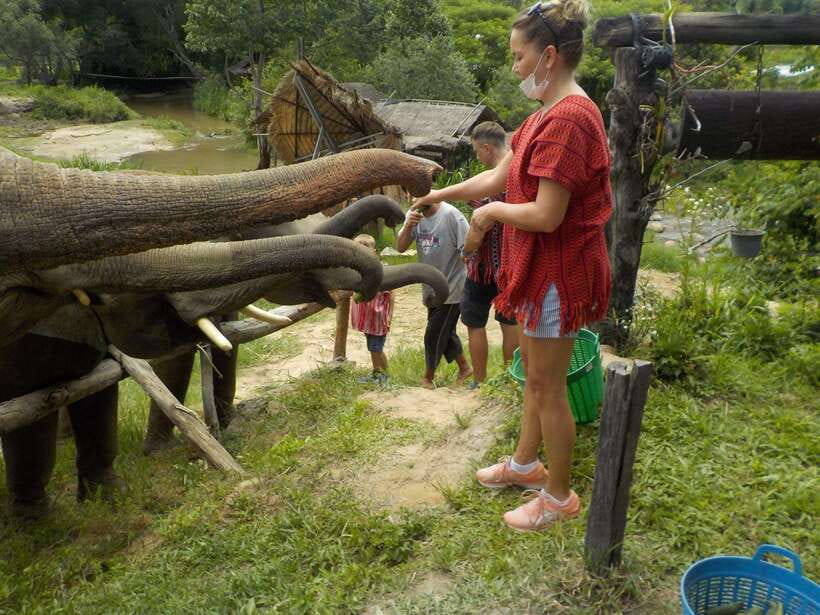
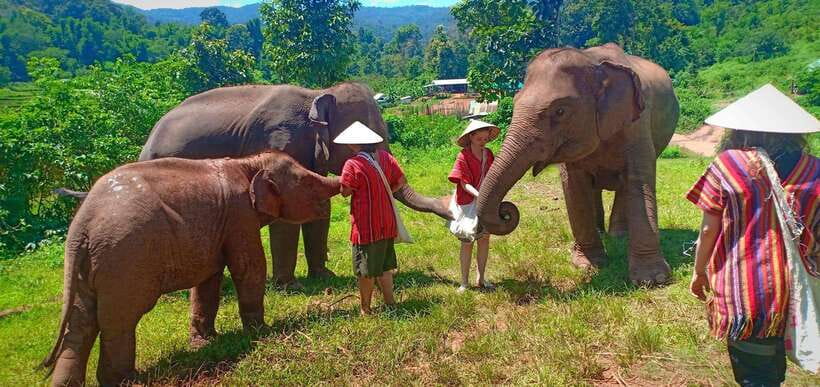
- Prepare and feed the elephants while learning how they respond
- Learn what calm, respectful interaction looks like
- Walk with elephants in a natural setting, not on a performance track
- Join a mud bath moment so elephants can cool off and protect their skin
The mud bath piece is more than a fun photo moment. It’s a window into how elephants regulate comfort and skin health. When you see it up close, you start understanding why ethical sanctuaries focus on habitat and routine. It’s not about teaching tricks; it’s about supporting basic needs.
And you’ll likely notice your guide keeps the pace steady. That’s the difference between an experience that feels “busy” and one that feels like care. You should treat this like a mini training session in respectful behavior, not an adrenaline activity.
Karen and Hmong culture time: what it adds to the day
A lot of elephant tours stop at the camp gate. Here, you also get to explore the way of life of local Karen and Hmong communities. The value isn’t in buying souvenirs or collecting quick stamps of culture. It’s in understanding that elephant conservation sits inside a larger human landscape.
What this means for you practically: expect a calm, conversational portion where your guide helps connect the elephants to the communities who live near these areas. If you ask good questions and keep your interactions respectful, you’ll leave with a more grounded sense of how conservation can support people and wildlife at the same time.
This is also where the program starts to feel like it supports sustainable tourism instead of just selling a single highlight. When tourism includes local livelihoods and real relationships, it tends to be more durable over time.
The Mae Wang River bath: playful, but follow the rules
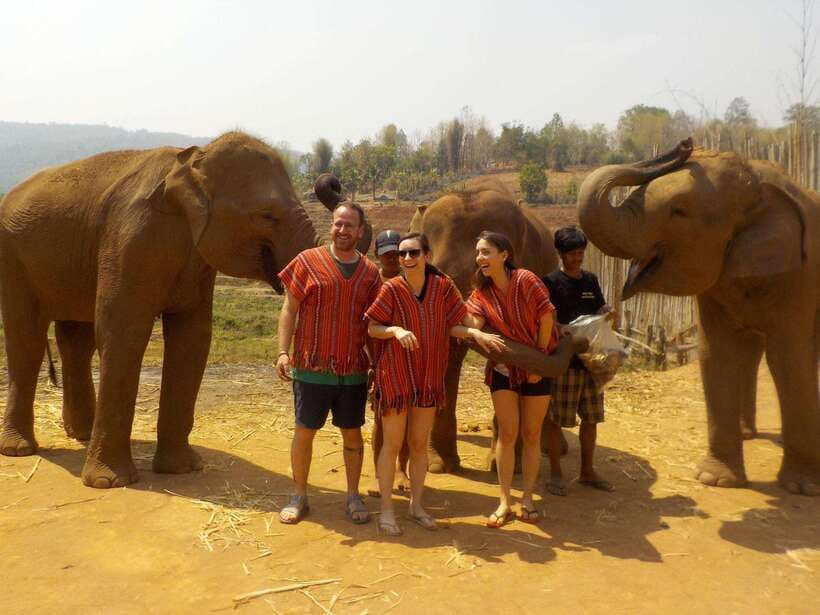
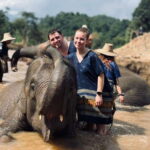
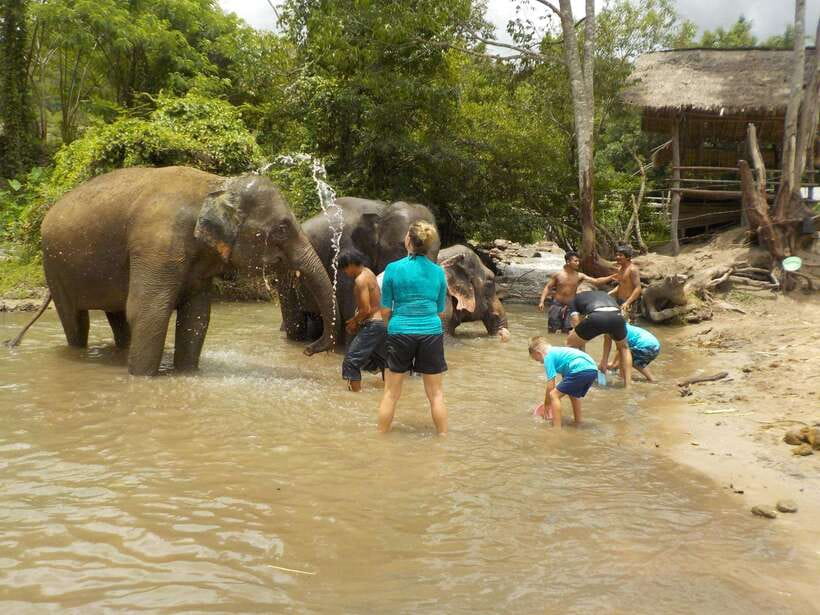
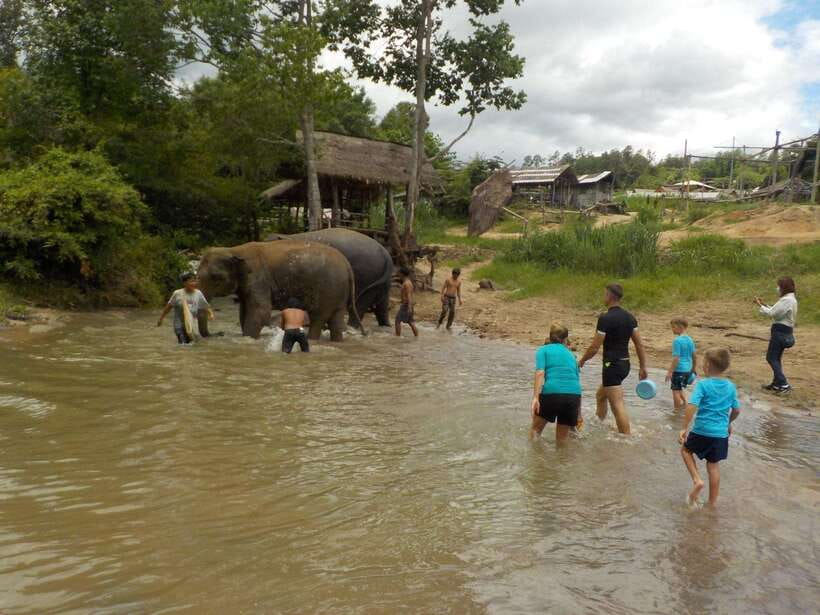
One of the most memorable moments is the river bath. You’ll help elephants enjoy a bath in the Mae Wang River, and it’s described as playful and refreshing.
This is where you’ll want to be prepared. River time usually means wet clothing, slippery footing, and the need to pack for quick changes. Bring what you need and you’ll enjoy yourself more.
What to bring for river comfort:
- Swimwear
- Change of clothes
- Towel
- Flip-flops (easy on and off)
- Camera if you want waterproof shots, but keep it secure
The program rules also set expectations for how you interact. You’ll be told what’s allowed, and it’s important to follow guide instructions. Even when you’re participating in elephant care, you should avoid any improvising—sticking to what the guide directs keeps the experience safe and ethical.




Mae Wang Waterfall hike: a 1-hour trek you’ll actually feel
After the elephant portion, you head out for the Mae Wang Waterfall hike. This segment is about one hour, and it’s through lush forest paths.
Even at one hour, you’ll feel it, especially if it’s hot or humid. The trick is to treat it like a guided walk rather than a sprint. Wear footwear that won’t make you regret the next step. Flip-flops are great for river time, but for hiking you may want something with better grip than sandals—if you have hiking shoes or sturdy sneakers, they’ll help a lot.
This hike is one of the best parts of the whole tour because it changes your perspective. You’re not only thinking about elephants now; you’re focused on the sound of water and the quick reward of reaching the falls. It’s a simple payoff that fits the half-day format.
Lunch at the sanctuary: simple Thai food, well-timed
Lunch is included, and it’s served in the peaceful sanctuary surroundings. Because you’re doing elephants and then a hike, timing matters. A good lunch here acts like a reset button for your energy so you don’t end the day hungry or grumpy.
The description calls it a traditional Thai meal, which usually means you’ll get something filling and properly spiced for Thailand, not a bland “tourist-safe” compromise. If you have dietary restrictions, you should plan ahead, because the tour data doesn’t list specific alternatives.
The best part is that lunch feels connected to the setting. Instead of rushing off to a separate restaurant, you eat where the day is happening—inside the slow, green rhythm of the program.
Price and value: is $51 actually fair for this day?
At $51 per person for a 4-hour experience, plus round-trip transport from Chiang Mai and lunch, the price can make sense—especially compared to shorter half-day activities that charge more but don’t include meals.
Here’s where the value really comes from:
- You get transportation into and back from the camp
- Lunch is included
- The program includes guided elephant care participation
- You also get a hike to Mae Wang Waterfall and community time
- An English-speaking guide is part of the package
The one thing to watch is how the day runs in real life. One booking described the experience as extending beyond the expected time window because the group stayed longer with the activities. That doesn’t automatically mean it will happen to you, but it’s a reminder to keep your afternoon plans flexible.
If you’re looking for a single-ticket way to combine ethical elephant time with nature and culture, this is priced in the “try it once and feel good about it” range. If you’re chasing a strict schedule or you hate any possibility of delays, you might want to build in buffer time.
What to pack and what to follow on the day
Your packing list is straightforward, but it’s worth treating it like a checklist. If you forget one of the comfort items, the day can go from fun to annoying fast.
Bring:
- Swimwear
- Change of clothes
- Towel
- Camera
- Sunscreen
- Flip-flops
- Insect repellent
Rules to keep in mind:
- Smoking is not allowed
- Alcoholic drinks are not allowed in the vehicle
- Follow the guidance on feeding animals and keep interaction within what the guide directs
Health and comfort notes:
- This isn’t suitable for children under 2, pregnant women, or people with back problems.
- You’ll be on your feet for parts of the day, including the hike and river area time.
If you’re on the fence because of physical comfort, the biggest question to ask yourself is how you handle uneven ground and walking in humid conditions. If that’s not easy for you, this may not be the right match.
Who should book this elephant and waterfall combo
This tour is a strong fit if you want:
- Ethical elephant interaction that avoids rides and shows
- A day that includes nature time, not just a single attraction
- A chance to connect elephant care with community life
- A shorter, guided format with lunch and transport included
It may be less ideal if you:
- Need a perfectly fixed schedule and zero chance of delay
- Have mobility issues that make hiking hard or make river steps unsafe
- Prefer a purely photo-based day with minimal participation
Also, if you’re someone who values sustainable tourism and you dislike “click-and-collect” experiences, this one is built around real caretaker-led routines. The structure is clear, and you’re not asked to act like a performer.
Should you book it?
My take: if you care about how animals are treated and you want your day to include more than one highlight, this is a good booking. The program earns a 4.4 average rating across 18 reviews, which is a solid sign that most people find it worthwhile and well-run.
I would book it if you’re excited to learn and participate respectfully, and you’re ready for an active half-day outdoors. I would pause if your hotel pickup area might be tricky or you’re planning tight connections after your return, because the day can run longer for some groups and pickup can be sensitive to location.
My practical advice: confirm pickup details for your exact hotel address before you go, pack for both river time and a short hike, and keep your expectations centered on care and learning rather than a theme-park style experience.
FAQ
What time does hotel pickup happen?
Pickup from your Chiang Mai hotel is in the morning between 8:00AM and 8:30AM, or in the afternoon between 11:30AM and 11:45AM.
How long is the experience, and when do we return to Chiang Mai?
The duration is listed as 4 hours, and the tour returns to Chiang Mai around 2:00PM.
What’s included in the price?
You get round-trip transportation from Chiang Mai and lunch.
What should I bring for the day?
Bring swimwear, a change of clothes, a towel, a camera, sunscreen, flip-flops, and insect repellent.
Is there an English guide?
Yes, the tour has a live English-speaking tour guide.
Who should avoid this tour?
It is not suitable for children under 2 years, pregnant women, or people with back problems.