REVIEW · CHIANG MAI
The Must-Do: Authentic Elephant & Village Life in Chiang Mai
Book on GetYourGuide →Operated by My Holiday Centre Company Limited · Bookable on GetYourGuide
Elephants and Karen culture in one day. This is a hands-on elephant day that also shows you how people live alongside them in Northern Thailand. I love that the experience is run by a local villager and mahout family, so it feels more like meeting neighbors than chasing a photo op. The other big win for me is the chance to feed and bathe elephants in a calm natural river setting, not a chaotic show.
One thing to weigh: this is not built like a classroom tour. If you want a super structured schedule and lots of formal lecturing, you may find the pace a bit relaxed. The timing for elephant activities is flexible by design, with only pickup times kept firm.
If you like nature, simple culture stops, and real animal care, this is the kind of day that makes Chiang Mai feel human-sized.
In This Review
- Key highlights worth your attention
- Getting to Johnnyboy Elephant Care from Chiang Mai
- Meeting the mahout family and learning the elephant routine
- Feeding elephants: the calm before the walk
- Walking through the forest alongside elephants
- River bathing: the moment people talk about afterward
- Home-cooked Thai lunch with mountain views
- Karen village visit: culture up close, without the hard sell
- Mae Wang Waterfall hike: short trek, big reward
- Price and value: what $61 includes in an 8-hour day
- Who this Chiang Mai elephant-and-village day is for
- Should you book this elephant & village day?
- FAQ
- How long is the experience?
- Where does the tour take place?
- What do I get for the $61 price?
- Is English available?
- Do I get pickup from my hotel?
- What elephant activities are included?
- Is there a Karen village and waterfall hike?
- What is the cancellation policy?
- Can I reserve now and pay later?
Key highlights worth your attention
- Family-run elephant care with a local villager and mahout guide, centered on living together
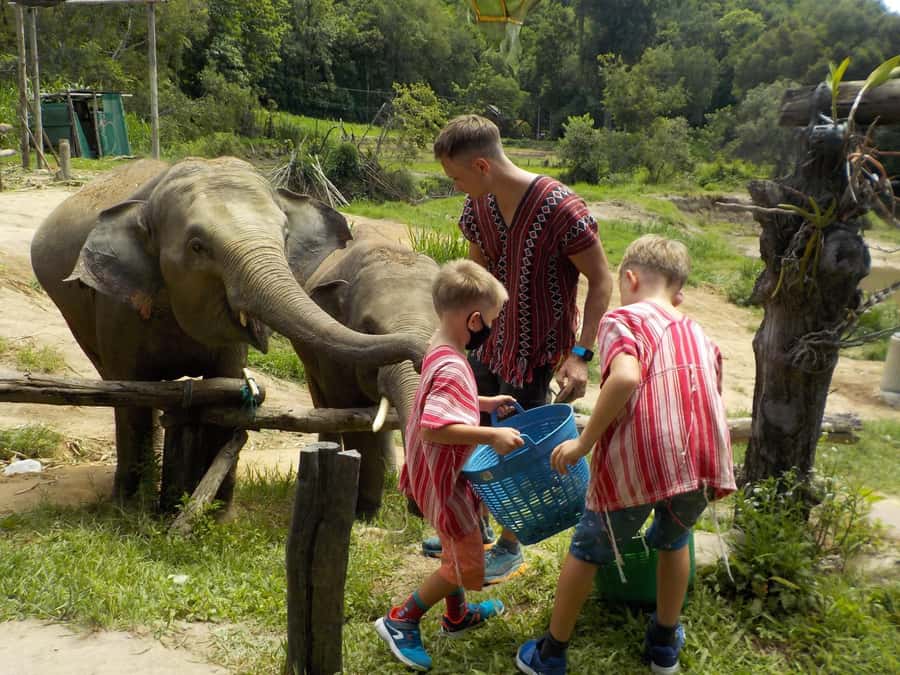
- Feeding and walking with elephants in a natural forest setting where you observe daily behavior
- River bathing time that many people remember as the emotional highlight
- Karen village visit paired with light trekking and local life
- Mae Wang Waterfall hike that is short enough to stay fun, not exhausting
- Home-cooked Thai lunch with mountain views that makes the day feel complete
Getting to Johnnyboy Elephant Care from Chiang Mai
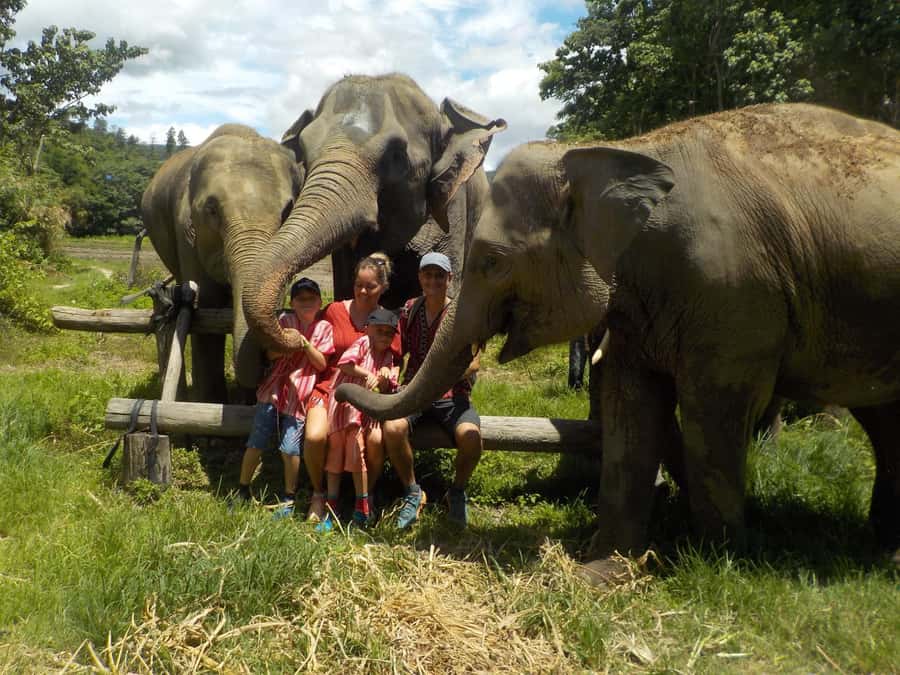
Your day starts with hotel pickup in Chiang Mai, and the ride out to the sanctuary is part of the experience. The trip is a little longer than the quick half-hour drives you may expect, and that extra time matters: you’re going farther from the city noise to reach the kind of setting where elephants and families truly share space.
What you’ll appreciate here is the contrast. In Chiang Mai you can find plenty of animal encounters, but this one is designed to feel more like a working relationship between elephants, caretakers, and village life. And because pickup and drop-off are included, you can stop worrying about transport and just focus on the day.
You can also read our reviews of more tours and experiences in Chiang Mai.



Meeting the mahout family and learning the elephant routine
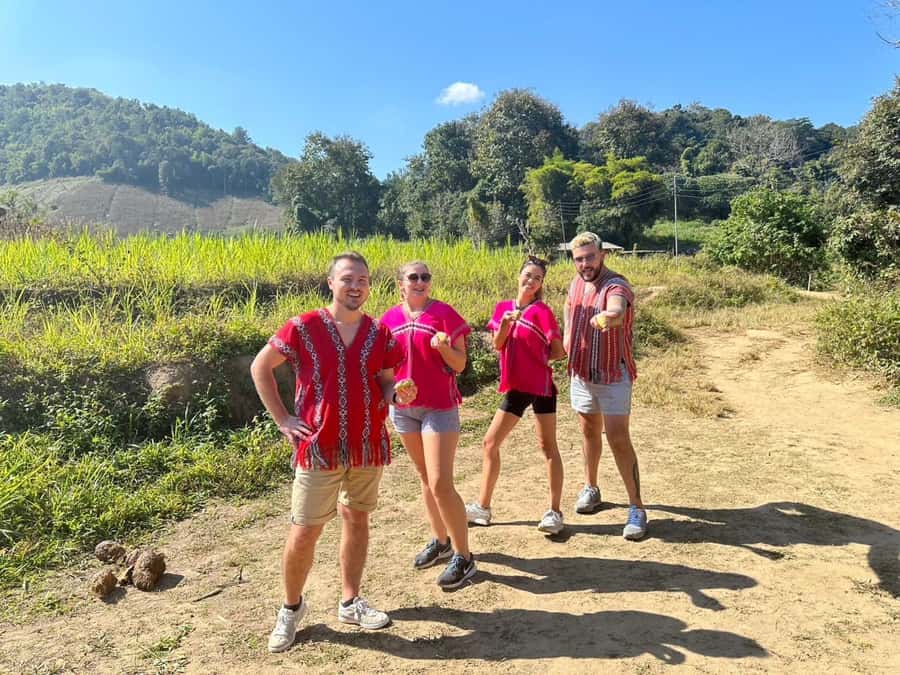
Once you arrive at Johnnyboy elephant care, the first chunk of the morning is about meeting the elephants as caretakers do—by getting involved in the basics. You’ll help prepare and feed the elephants, and you’ll spend real time watching how caretakers work with them.
I like this approach because it cuts through the usual “watch and leave” pattern. Here, the activity is participation: you’re not just observing from a distance. You also get the idea that elephants in this region can be raised in close relationship with people, rather than being treated like a rare spectacle.
The local mahout guide plays a key role in bridging animal behavior and daily care. Even if you don’t get a deep, academic explanation at every moment, the day’s rhythm teaches you a lot about respect and routine—how the elephants are handled and how the family setting shapes the way care is done.
Quick practical tip: keep expectations simple. This is a calm, family-run environment where you’re learning through being present, not through a strict script.
Feeding elephants: the calm before the walk
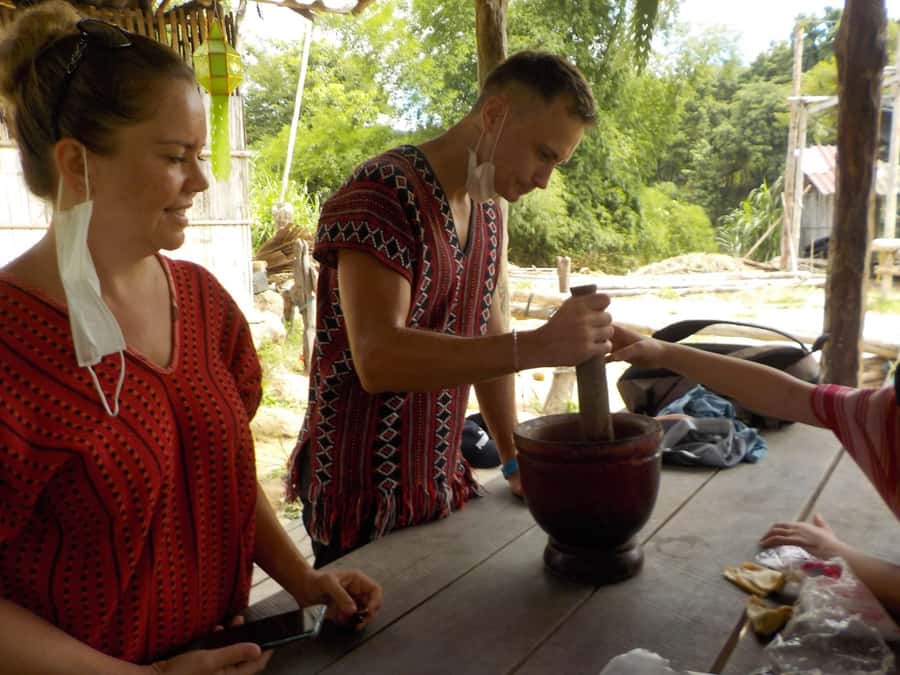
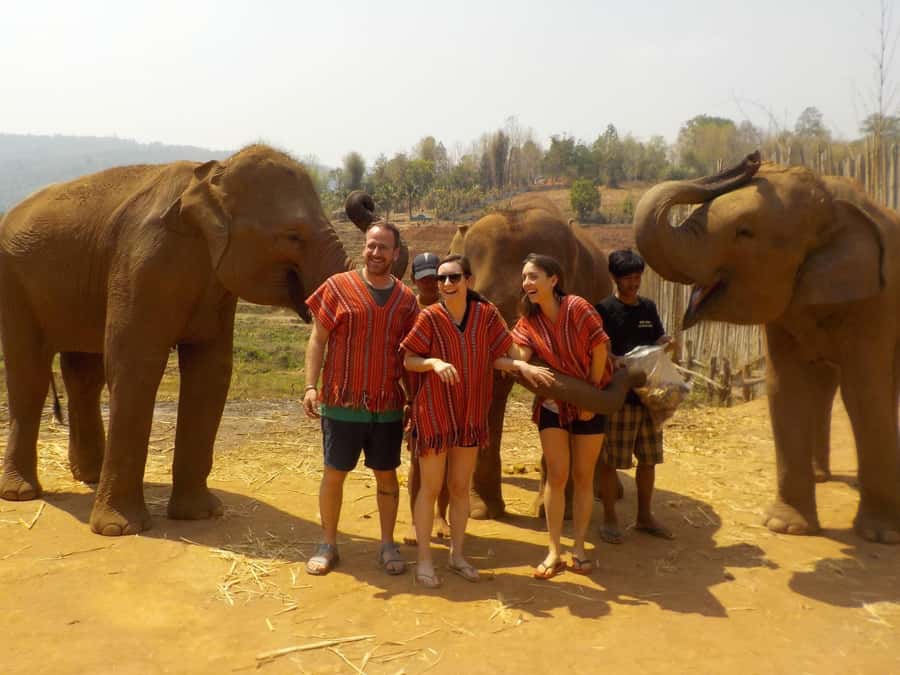
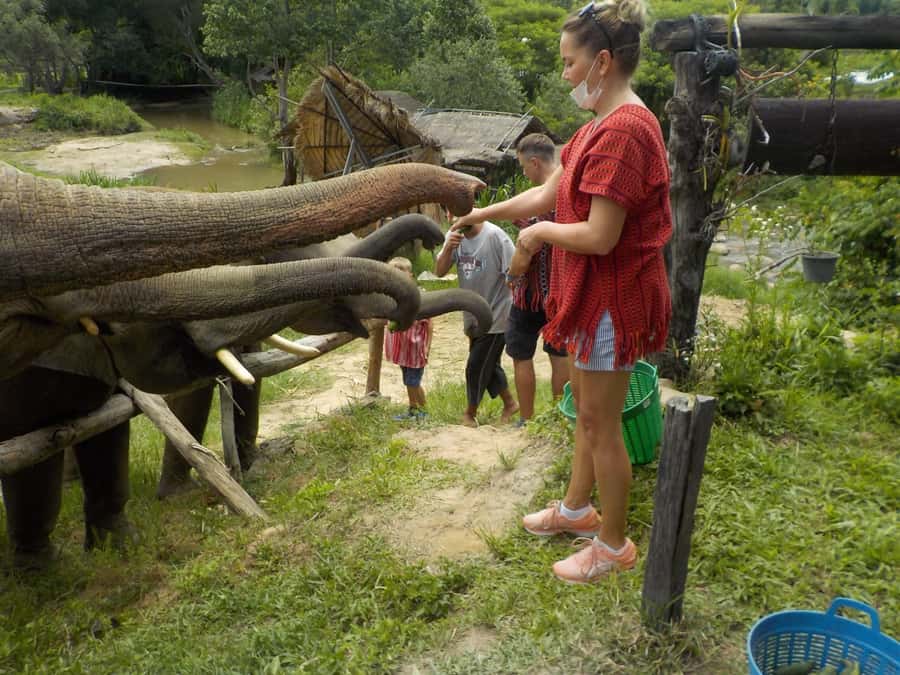
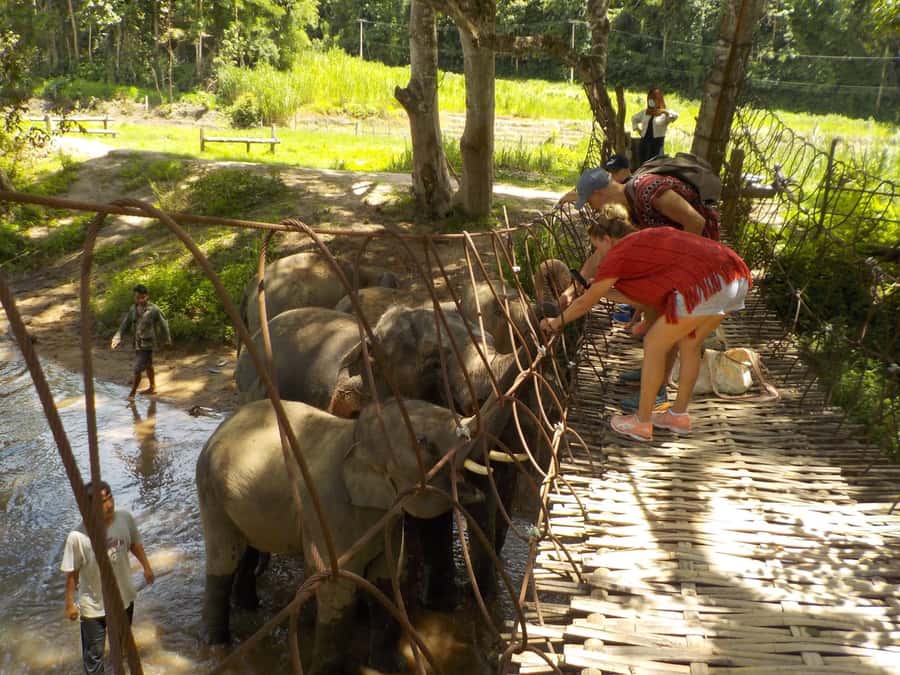
Feeding time is when the whole day clicks into place. You’ll prepare food and then offer it to the elephants, and it’s surprisingly grounding. There’s a peaceful quality to it, even with large animals close by.
I also think this is where you learn to slow down. When you’re feeding an elephant, you pay attention to timing and spacing in a way that feels more respectful than trying to force a perfect moment. It’s not about being flashy. It’s about being careful, steady, and observant.
If you’re someone who wants proof that “hands-on” can still be gentle, this feeding period is a strong sign. You’re not just seeing elephants—you’re seeing how caretakers think about them as part of daily life.
Walking through the forest alongside elephants
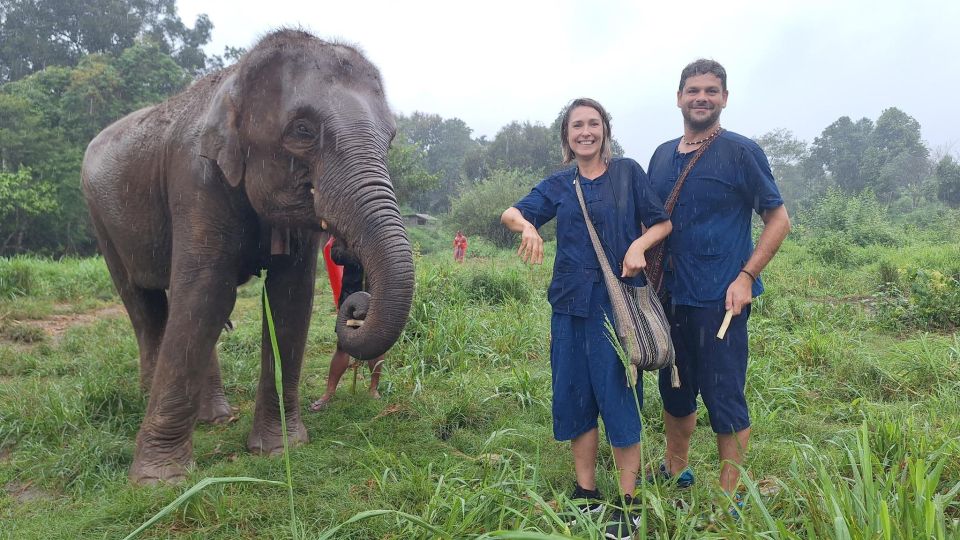
After feeding, you walk with the elephants through the forest. This is one of those parts that can feel simple on paper—walk, observe, move on—but in the moment it stands out. Elephants don’t move like animals in a zoo. Their pace is different, their attention shifts, and you notice more natural behavior than you expected.
This is also where the non-commercial feel really shows. You’re not in a scripted parade route. You’re in a working landscape where the elephant routine guides what happens next. You’ll be able to see their interactions with the environment and how they respond during a calm walk.
A drawback to consider: because this portion is tied to elephant behavior, the day can feel less rigid than a timed city tour. If you hate uncertainty, you might find it stressful. If you’re okay with a relaxed flow, it’s a big part of the charm.
River bathing: the moment people talk about afterward
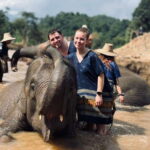
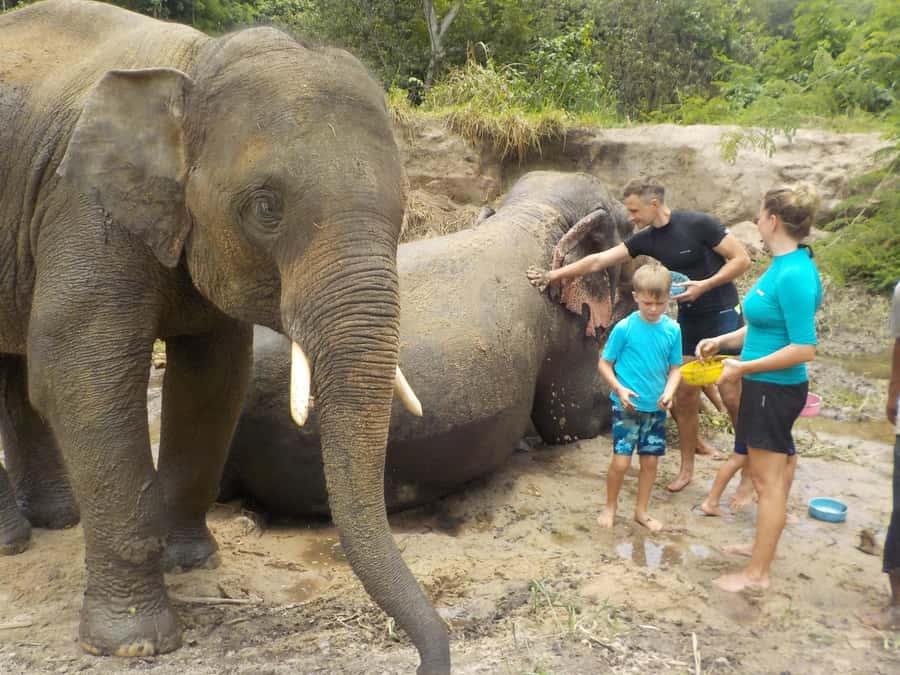
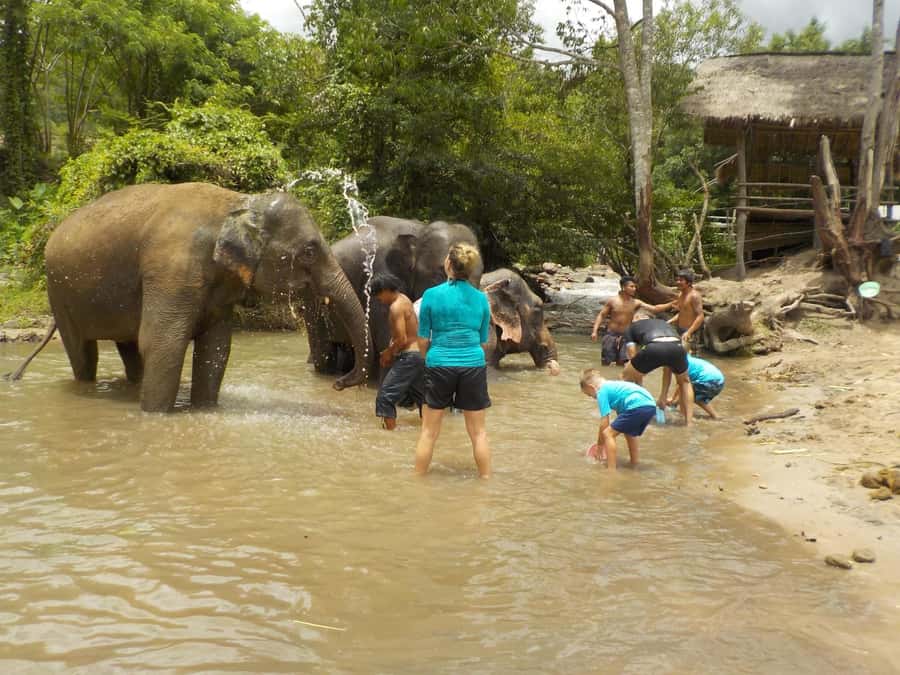
Later comes one of the most memorable experiences: bathing the elephants in the nearby river. If you’re wondering what’s likely to stick in your memory, this is the moment. Many people remember the bath as the best part because it’s natural, quiet, and clearly part of normal care.
What I like about the river segment is the mood. It’s not a staged performance. It’s a cooling-down ritual. The elephants move through water, spray and splash, and you’re there close enough to see how caretakers manage the moment safely and calmly.
If you want to join the bathing, plan like it’s a water activity. Bring or wear something that can handle getting wet comfortably, and wear footwear you trust on uneven ground. If you’d rather watch than participate, that’s still worth it—the point is the shared experience, not a forced photo.



Home-cooked Thai lunch with mountain views
After elephant time, you get a home-cooked Thai lunch. This stop is more than a break. It’s a reset for your senses after a full morning of animal-focused activity.
What makes it special is the setting: you’re eating with lush surroundings and mountain views. It turns lunch into a calm pause, not a rushed refueling stop. And because meals and food and drinks are included, you won’t have that “what should I do now?” stress.
One practical note: you’ll likely be warm and a bit tired from the day’s walking and outdoors time. A sit-down meal with included drinks helps you recharge in a very real way.
Karen village visit: culture up close, without the hard sell
After lunch, the day turns toward people and place with a Karen village visit. This part gives context to the region and connects the elephant experience to a broader picture of how communities live in harmony with the land.
You can expect a short visit where you’ll learn through seeing everyday life rather than through a heavy sales pitch. The day’s tone stays consistent: gentle, observational, and human-sized.
This is also a good moment to slow down and pay attention to how the village sits within the natural environment. Even when you’re just moving through, you can feel how geography shapes routines—where people live, how they travel, and how daily life connects back to the forest and hillside.
Mae Wang Waterfall hike: short trek, big reward
The day ends with nature again: a hike to a waterfall, with Mae Wang Waterfall named as the destination. The hike is about an hour, which is ideal if you want a real outdoor stretch but you don’t want a long, grinding trek.
For most people, the best part of this hike is the feeling of leaving the animal-focused day behind and breathing in a different kind of calm. You’ll spend time on foot, then get to relax when you reach the waterfall area.
What I appreciate is that this doesn’t turn into a second full excursion. It’s just enough hiking to make the day feel active, and then you’re back to Chiang Mai.
Pack for the hike: comfortable walking shoes matter here, because you’re on a trail. Also bring a light layer if you get cool after being in the sun earlier.
Price and value: what $61 includes in an 8-hour day
At $61 per person for an 8-hour experience, the value comes from what’s included and what’s included in your time, not just the headline price.
You get:
- hotel pickup and drop-off from Chiang Mai
- a local mahout guide
- food and drinks
- elephant feeding and bathing plus a forest walk
- a Karen village visit
- a short hike to the waterfall
That combination is the key. You’re not paying separately for transport, meals, and multiple stops. You’re paying for one coordinated day that mixes elephants, culture, and nature in a single flow.
The other value point is emotional, not just logistical. Feeding and river bathing tend to create stronger memories than a quick viewing. The experience also emphasizes time with elephants with a more flexible schedule—only pickup times are fixed—so you’re not herded along like a factory line.
Who this Chiang Mai elephant-and-village day is for
This tour fits best if you want more meaning than checklists.
You’ll likely enjoy it if you:
- care about spending time with elephants in a non-commercial, family-run environment
- like hands-on experiences such as feeding, walking, and bathing
- want culture plus nature, not just one theme
- enjoy a relaxed day where you can linger if the elephants are calm
You might pass or choose something else if you:
- want a very strict, clockwork itinerary
- expect a highly formal guide style with lots of lecture-style detail
- prefer minimal walking and little outdoor time
Should you book this elephant & village day?
I’d book it if your ideal Chiang Mai day includes elephants plus real village life in a natural setting, with an included Thai lunch and an easy waterfall finish. The best part for many people is the river bathing, and you can see why: it’s calm, personal, and clearly part of care rather than entertainment.
Just go in with the right mindset. This isn’t a rushed attraction. It’s a family-run schedule with flexibility built around the elephants, and that makes the day feel more real. If that sounds like your kind of day, you’ll probably love it.
FAQ
How long is the experience?
It runs for 8 hours.
Where does the tour take place?
It’s in Chiang Mai Province, Thailand, with time at the sanctuary near Chiang Mai and stops that include a Karen village and a waterfall hike.
What do I get for the $61 price?
Hotel pickup and drop-off, a local mahout guide, and food and drinks are included.
Is English available?
Yes, the live tour guide speaks English.
Do I get pickup from my hotel?
Pickup is included in Chiang Mai. There’s also a free transfer service within a 5 km radius of Chiang Mai Old City; locations beyond that may have a surcharge.
What elephant activities are included?
You’ll feed the elephants and walk with them, and later you can bathe them in the river.
Is there a Karen village and waterfall hike?
Yes. You’ll visit a Karen village and hike to Mae Wang Waterfall.
What is the cancellation policy?
You can cancel up to 24 hours in advance for a full refund.
Can I reserve now and pay later?
Yes, reserve now & pay later is available.