REVIEW · CHIANG MAI
Private Tour in Chiang Mai Village Experience Nature
Book on Viator →Operated by LJ Tour Co.LTD. · Bookable on Viator
Mae Kampong feels like living next door. This private Chiang Mai outing pairs real village time with hands-on nature activities, so you’re not just hopping from viewpoint to viewpoint. I especially loved the local cooking with a real rhythm of village life, and the chance to make your own pillow instead of just buying souvenirs.
The main thing to plan for is the early start and the travel time. You’ll be on the road about 2 hours round trip, and the day asks for moderate physical fitness for walking in the village and around the waterfall area.
In This Review
- Key highlights before you go
- A village day that goes beyond photos in Mae Kampong
- Morning logistics: pickup, timing, and how the day really moves
- Stop 1: Mae Kampong Village and the real point of the visit
- Cooking class: included, practical, and hands-on
- Pillow-making: the craft that actually teaches you something
- Tea and coffee harvesting: small, seasonal, and connected
- Villager trekking guide and community fees
- Optional Thai herbal stream: prebook and extra cost
- Stop 2: Mae Kampong Waterfall and the 7-tier walk
- What makes the waterfall area worth your time
- A practical note: wear for uneven terrain
- The eco angle: what supporting the community actually looks like
- Price and value: what you’re paying for (and what’s extra)
- What’s not included (and when it matters)
- The elephant question: EcoValley experiences and why they matter
- Who this tour suits best (and who should skip it)
- Tips to get more out of your day
- Should you book this private Chiang Mai village nature experience?
- FAQ
- What time does the tour start in Chiang Mai?
- How long is the tour?
- Is this a private tour or a shared group?
- What’s included in the price?
- What activities are optional and cost extra?
- What happens if weather is poor?
Key highlights before you go
- Private, only-your-group tour with a professional English-speaking guide for the full day
- Hands-on village activities (including cooking and pillow-making) with fees included
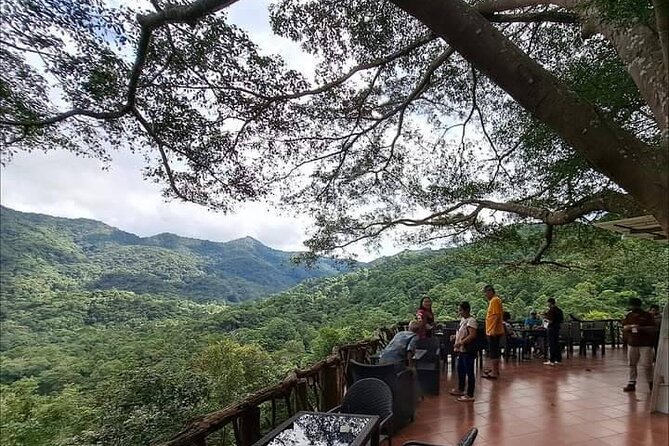
- Mae Kampong Waterfall walk to the 7 tiers plus coffee plantations and year-round stream views
- Included local lunch and bottled water, so you’re not constantly hunting food
- Optional add-ons available like the Thai herbal stream (prebook required) and coffee tree-house transport
A village day that goes beyond photos in Mae Kampong
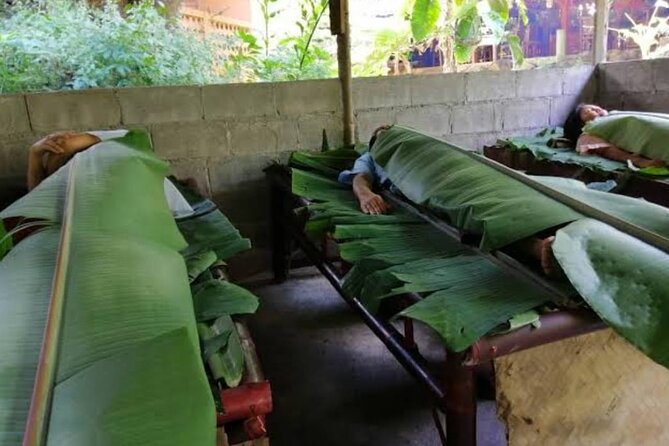
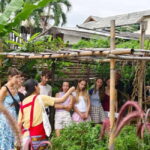
If you want a Chiang Mai day that feels human, Mae Kampong is the kind of place that delivers. It’s an eco-tourism village setting—mountain air, creekside paths, and coffee fields—yet the focus stays on daily life, not stage-managed moments. You’re there early, you’re moving with local guidance, and you’re doing activities alongside villagers rather than watching from the sidelines.
This is also built for people who like learning by doing. The day includes a cooking session and pillow-making, plus other village-linked activities such as harvesting tea and coffee as part of the program flow. The goal is pretty clear: you support the community while getting a real sense of how people live and work here.
One more practical point I like: the tour is private. That means you can ask questions freely, move at a comfortable pace, and spend more time on what actually interests you—whether that’s the food part, the crafts, or the waterfall walk.
You can also read our reviews of more private tours in Chiang Mai

Morning logistics: pickup, timing, and how the day really moves
Start time is 7:30 am, which matters more than it sounds. You’ll beat the busiest hours and have better odds of a calmer, more comfortable village visit. It also gives you time to do the heavier portion of the day first, then finish with the waterfall walk when you’ve already got your footing and rhythm.
Plan on about 2 hours of round-trip transportation during the day. That’s not unusual for Chiang Mai-area excursions, but it does change how I pack mentally. I bring water (even though bottled water is included), wear breathable clothes, and keep my snack expectations realistic: you have lunch included, but the schedule is still active.
The tour runs about 8 hours total. The day is split into two clear blocks:
- around 5 hours in Mae Kampong Village
- around 1 hour for the 7-tier waterfall walk and surrounding areas
Everything feels structured, but not rushed. The private format helps here too, because you’re not constantly waiting for a group to regroup.
Stop 1: Mae Kampong Village and the real point of the visit
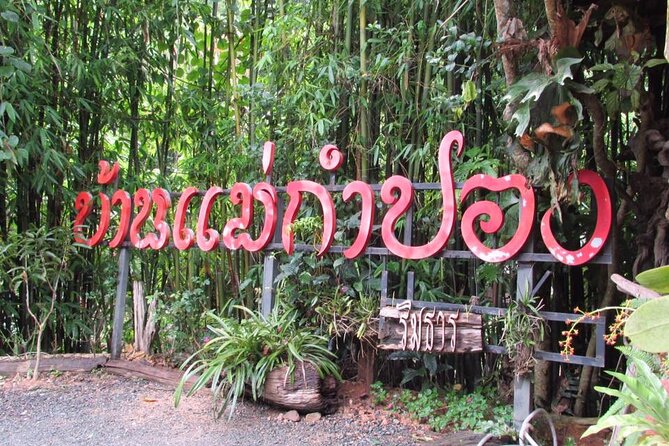
Mae Kampong Village sits near a creek and is known for the yellow Kampong flowers—plus the broader eco-tourism setting of mountains, waterfalls, and coffee fields. What you’ll feel most, though, is the village pace: people living their day while visitors join in through respectful activities.
Cooking class: included, practical, and hands-on
Cooking is one of the best-value parts here because it isn’t just a demo. You cook your own meal with villagers, and that fee is included. That matters because you’re not paying extra for the most memorable part of the day.
I like that the meal is not framed as a performance. You learn by making, tasting, and adjusting—exactly the kind of skill you can repeat later at home. And yes, lunch is a local set menu as part of your day, so you get fed without extra stops.
Pillow-making: the craft that actually teaches you something
The other activity that stands out is making a pillow for yourself. This is a great example of the tour’s goal: it’s not a quick photo-op. It’s slower and more tactile, and it turns the visit into something you can take home.
I’d treat pillow-making like a mini workshop, not a souvenir grab. You’ll likely have questions, and you’ll probably get answers that make the materials and the technique feel meaningful, not random.

Tea and coffee harvesting: small, seasonal, and connected
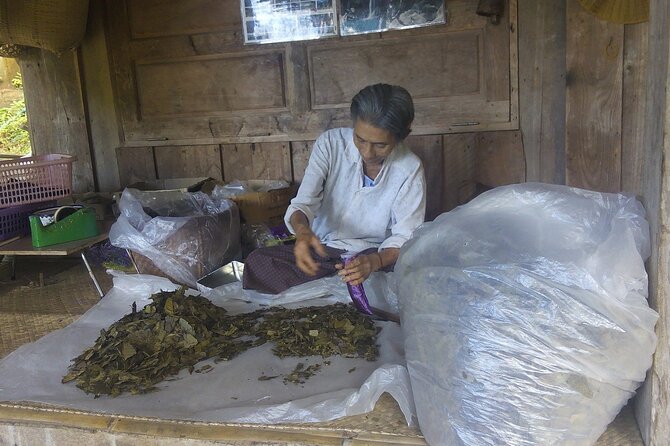
The village program also involves harvesting tea and coffee. The specifics can depend on what’s happening in the season, but the value is the same: you’re learning where your everyday Thai coffee flavor actually starts. Coffee fields are part of this area’s identity, and connecting that to hands-on time makes the later scenery around the waterfall feel more than just pretty.
Villager trekking guide and community fees
One detail that adds real grounding: you get a villager trekking guide. That’s a small line item, but it changes the feel of the day. You’re moving with someone who understands the paths and the village flow, so it feels more like being shown around than being marched through.
Entrance and donation fees for the village visit are included as well. That’s important because it shifts your trip from tourism-as-consumption into tourism-as-support.
Optional Thai herbal stream: prebook and extra cost
If you’re curious about traditional herbal practices, there’s an optional Thai herbal stream experience. It requires prebooking, and it costs 300 THB per person.
I’d only add this if it fits your comfort level. Herbal-stream activities often involve time in natural conditions, and pricing like this usually means you’re paying for a specific guided component rather than a simple add-on. If you’re traveling with limited time, it can also take energy away from the waterfall portion—so plan your day accordingly.
Stop 2: Mae Kampong Waterfall and the 7-tier walk
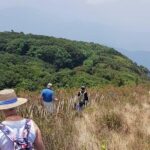
After the village portion, you head to the waterfall area. This is where the day turns from craft-and-cooking into walking-and-scenery. The big headline is the 7-tier waterfall walk, plus coffee plantations and scenic viewpoints.
Admission here is free, and you’re looking at about 1 hour on the trails and paths around the area. That time is short enough to keep the day from dragging, but long enough to feel like you actually did something outdoors.
What makes the waterfall area worth your time
The area is described as having an idyllic stream that runs through all year. That matters because it means you’re not just banking on one dramatic weather-dependent moment. Even when the waterfall isn’t in its most intense form, the overall feel of moving water and forest edges usually stays pleasant.
The coffee plantations add a bonus layer too. It’s not just rain-forest wallpaper. You’re seeing how the coffee growing landscape sits alongside the waterfall and walking paths, which loops back nicely to the village coffee-time earlier.
A practical note: wear for uneven terrain
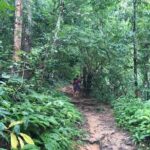
Even with a short duration, the paths around waterfalls can be slick or uneven. I’d wear shoes with traction and skip anything slippery. If you’re coming directly from craft activities, do a quick check of your footwear before you go—your feet will thank you.
The eco angle: what supporting the community actually looks like
It’s easy to say an outing is eco-focused. It’s harder when the plan includes real village participation. Here, you’re not only visiting land—you’re participating in village-linked activities such as cooking and making crafts, and you’re paying village entrance and donation fees as part of the day.
That support is meaningful because it ties your money to daily operations: guiding, materials, food prep, and community time. It also changes how you behave as a visitor. When you’re hands-on and you understand the effort behind the experience, it’s harder to treat the day like a grab-and-go product.
This is also where a private guide helps. A professional English-speaking guide can clarify the meaning behind what you’re doing—like what the donation supports or why certain areas are visited in a particular way.
Price and value: what you’re paying for (and what’s extra)
At $153 per person for an approximately 8-hour private tour, you’re paying for three things:
1) the private transportation and guide time
2) the included village activities (cooking and pillow-making, plus village fees)
3) the included lunch, bottled water, and guiding support
If you’ve been to Chiang Mai and felt like lots of tours charge for everything twice, this one helps. Village entrance/donation fees and key activity costs are already included, so you’re not surprised later.
What’s not included (and when it matters)
A few costs can pop up depending on your interests:
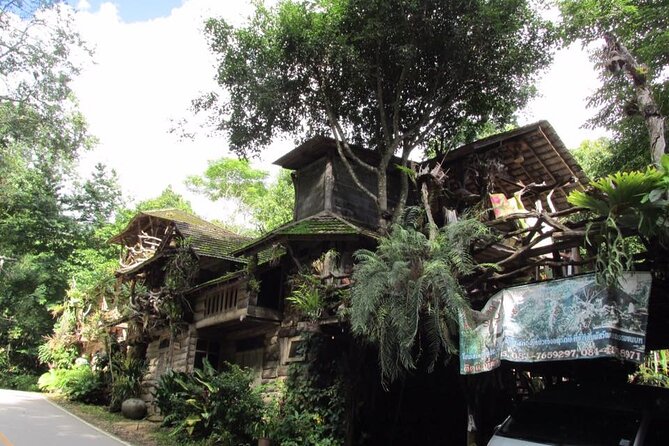
- Local truck to a coffee at a tree house: 500 THB per 5 person (so share if you can)
- Thai herbal stream: 300 THB per person (prebook required)
- Coffee or tea in the tree house (extra)
None of these are mandatory, but they can affect your budget if you say yes to every option.
For me, the best approach is simple: decide what you want most—craft, food, or extra coffee-tree-side time—and then treat the add-ons like “choose your flavor,” not obligations.
The elephant question: EcoValley experiences and why they matter
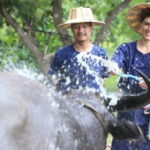
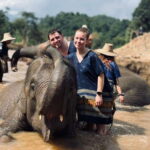
One reason people seem to remember LJ Tour Co.LTD outings in this Chiang Mai region is the eco-minded EcoValley Elephant component that shows up in some associated bookings. The recurring praise centers on staff being caring, and on hands-on activities that people describe as fun and memorable, including feeding and bathing elephants plus creative sessions like making paper and making food.
If your specific booking includes that elephant portion, I’d pay attention to the tone and behavior of the staff when you arrive. The best animal experiences are the ones where people act calm, respectful, and safety-focused. If you see that, you can feel more confident that your time is aligned with animal welfare and responsible care.
Even if your day is strictly village-and-waterfall, it’s good to know that this operator’s broader reputation in the area includes animal care standards that visitors specifically bring up.
Who this tour suits best (and who should skip it)
This is a good fit if you want:
- hands-on cultural activities (cooking and pillow-making)
- a nature add-on without hiking all day
- a private day with an English-speaking guide
- a program that includes local lunch and village fees up front
It’s also suited for people who like eco-tourism that connects money to community support. You’ll feel that more than on a standard bus tour.
I’d be cautious if you:
- hate early mornings (it’s 7:30 am)
- have very limited mobility (moderate fitness is mentioned, and you’ll be walking)
- are looking for a long, intense waterfall hike (the waterfall block is about 1 hour)
Tips to get more out of your day
Bring the usual Chiang Mai comfort items:
- light, breathable clothing and shoes with grip
- a small layer for morning air
- a reusable water bottle if you like, even though bottled water is included
Also, go in with curiosity. Ask about what you’re cooking and how villagers make pillows. The more you engage, the more you’ll understand why the day is designed this way.
Finally, if you want the Thai herbal stream, don’t wait. It needs prebooking, and it also costs extra—so build it into your plan early rather than trying to decide at the last minute.
Should you book this private Chiang Mai village nature experience?
I’d book this if you want a day that treats villagers as partners, not props. The value sits in the included activities—especially cooking with locals and pillow-making—plus the fact that village entrance/donation fees and lunch are already handled. The waterfall stop is short but meaningful, and the private format makes it feel more personal and less stressful.
Skip it if your perfect day is mostly lounging or if you’re not up for walking on uneven paths with moderate fitness. Also, if your budget is tight, read the optional add-ons carefully—herbal stream and tree-house coffee can add up.
If you’re ready for a hands-on eco-tourism day in Mae Kampong, this is the kind of itinerary that gives you real memories you can actually explain to friends back home.
FAQ
What time does the tour start in Chiang Mai?
The start time is 7:30 am.
How long is the tour?
The total duration is about 8 hours.
Is this a private tour or a shared group?
This is a private tour/activity. Only your group participates.
What’s included in the price?
Included are lunch (local lunch set menu), private transportation, a full day tour with a professional English-speaking guide, bottled water, village entrance and donation fees for visits mentioned, and a villager trekking guide.
What activities are optional and cost extra?
The Thai herbal stream experience is optional and requires prebooking (300 THB per person). There is also local truck transport to coffee at the tree house (500 THB for 5 people), and coffee or tea at the tree house is not included.
What happens if weather is poor?
This experience requires good weather. If it’s canceled due to poor weather, you’ll be offered a different date or a full refund.