REVIEW · BANGKOK
Floating Market – Train Market – Flower Market and China Town
Book on Viator →Operated by Arlymear Travel · Bookable on Viator
A market day in Bangkok, with real street lessons. I like this tour because it strings together four very different market worlds, from water to railway tracks to Chinatown shop houses, and keeps you on track with a guide. I love the hotel pickup and drop-off that removes the day’s biggest headache. I also love that guide Kat helps you understand bartering etiquette and negotiating so you know what you’re doing instead of just copying gestures. One possible drawback: the pace is quick and you’ll be on your feet in heat, so it helps to have moderate fitness.
You start at 7:00 am and spend about 8 hours moving between stops. The tour is private, includes lunch, and uses private vehicle transport, which matters because these markets are not all in the same neighborhood.
In This Review
- Key things I’d watch for before you go
- Why this 8-hour markets-and-trains day actually works
- Damnoen Saduak floating market: rice paddies, salt fields, and coconut sugar
- What to expect here
- The only real consideration
- Floating market time: how to shop, point, and not get overwhelmed
- A smart way to use this stop
- The big picture benefit
- Mae Klong Railway Market: seafood by the track and quick reactions
- How to get the most out of the short visit
- Possible drawback
- Lunch on local time, then back into Bangkok for Chinatown
- How Chinatown fits the overall tour
- The only “watch your step” issue
- Pak Khlong Flower Talat: big wholesale and retail energy in 30 minutes
- Why 30 minutes works
- What you might want to do here
- Negotiating, bartering, and market etiquette with Kat
- Practical mindset for you
- Price and value: why $169.27 can make sense for a full-day plan
- The trade-off
- Who should book this tour, and who might skip it
- Should you book this Floating, Train, Flower, and Chinatown tour?
- FAQ
- What time does the tour start?
- How long is the tour?
- What markets are included?
- Is hotel pickup and drop-off included?
- Is lunch included?
- Can I get a full refund if I cancel?
Key things I’d watch for before you go
- Hotel pickup and drop-off makes this feel like a day plan, not a scavenger hunt
- Guide Kat’s market coaching helps you handle bartering without stress
- Four market styles in one run saves you the trouble of building the day yourself
- Lunch included keeps you fueled before you hit the next crowd-heavy stop
- Pak Khlong in 30 minutes means you’ll see the main flower action without losing the whole day
Why this 8-hour markets-and-trains day actually works
Bangkok can make market shopping feel chaotic fast. This tour is built for that problem: you get a local guide to translate what you’re seeing, and you get transport that ties the stops together. Instead of guessing how to move through each place, you’re following a route that hits the big sensory highlights.
I also like the balance of “wow” and “practical.” The floating market and Mae Klong Railway Market are the headline sights, sure. But the point is more than photos. You learn the etiquette around buying and bargaining, which is how you avoid feeling awkward or overspending.
The tour runs roughly 8 hours and starts early, so it’s best to treat it like a full-day commitment rather than a casual stroll. If you want slow, sit-down wandering, you may feel rushed.
You can also read our reviews of more shopping tours in Bangkok


Damnoen Saduak floating market: rice paddies, salt fields, and coconut sugar
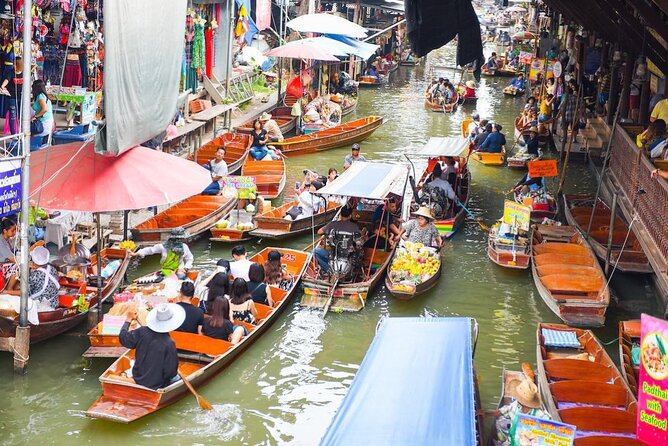
Before you even reach the water, you travel through countryside scenery. The drive takes you past rice paddies and salt fields, which gives you a different Bangkok angle right away. This isn’t just transportation filler; it sets the tone for the day.
There’s also a farmhouse stop on the way where you can watch locals produce sugar from coconut. That detail matters because it explains the kinds of ingredients and local food production that often show up later in market life. It’s a quick peek, not a lecture, and it makes the floating market feel less like a staged attraction.
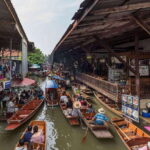
You spend about 2 hours at Damnoen Saduak Floating Market. The schedule also includes a 30-minute segment within the stop time, so you get at least a short slice of the action rather than only standing around.
What to expect here
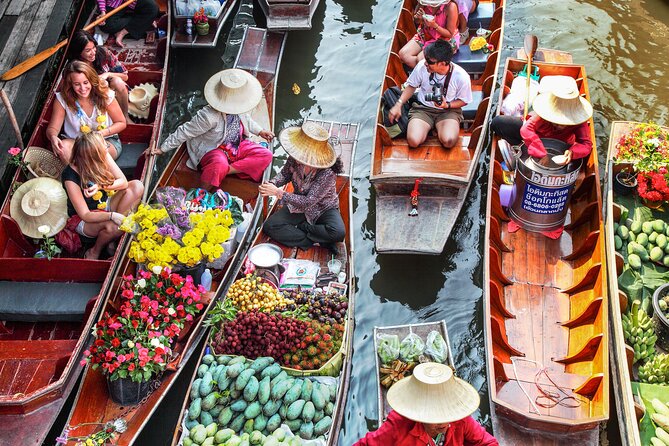
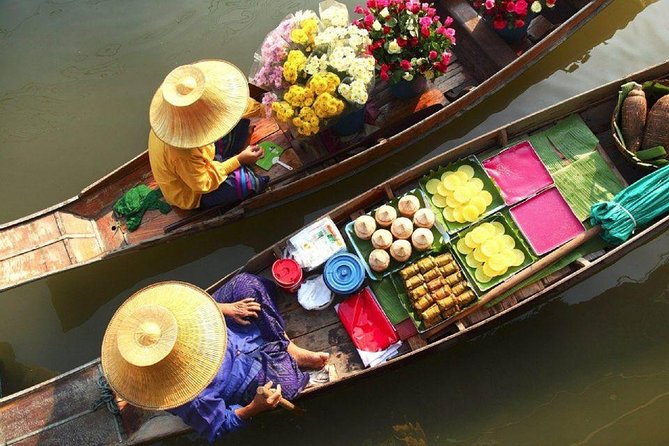
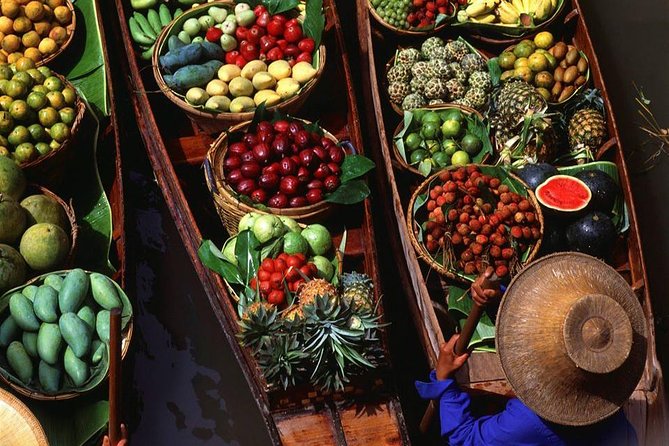
You’re stepping into a world where water-based selling is the organizing logic. You’ll see boats and market activity in motion, and it can hit your senses quickly: movement, sound, people calling out, and constant buying and selling.
The only real consideration
This is the first big stop of the day, which means if you’re not comfortable with crowds or standing, go in with a plan. Use the guide’s lead, keep moving at a steady pace, and don’t let the early excitement make you forget where you’re supposed to be next.
Floating market time: how to shop, point, and not get overwhelmed
The floating market portion is where you’ll feel the value of having a guide. Without coaching, it’s easy to get stuck in the most uncomfortable mode: staring, hovering, and not knowing whether bargaining is expected.
What Kat’s guidance does, from what you’ll learn in the day’s flow, is give you a framework for how negotiations usually go. The goal isn’t to turn you into a trader. It’s to help you understand what’s normal here—how to ask, how to show interest, and when to step back.
A few more Bangkok tours and experiences worth a look



A smart way to use this stop
Pick one or two items you actually want, then use the rest of your time to observe. Watch what people buy and how they approach sellers. If you’re not ready to haggle yet, you can still learn a lot by paying attention to body language and the rhythm of conversation.
The big picture benefit
This stop isn’t just about buying souvenirs. It’s about getting your bearings for Bangkok’s market culture. Once you understand how bargaining is handled with a guide present, the later stops feel less confusing.
Mae Klong Railway Market: seafood by the track and quick reactions
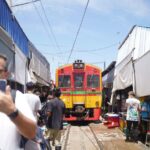
Mae Klong Railway Market is one of the stops people talk about for a reason: the market is centered around the track of the Mae Klong Railway. You’re looking at fresh seafood and market activity laid out next to rail space, which changes how everything moves.
The tour time here is about 45 minutes, so you’ll want to come ready to focus. This isn’t a long browsing session. It’s a “see it, understand it, and experience it” window.
The schedule also highlights what makes Mae Klong special: when trains approach, awnings and shop fronts adjust. That detail is the key. You’re not just watching vendors; you’re watching the market’s choreography in real time.
How to get the most out of the short visit
- Follow your guide’s positioning and instructions closely
- Keep your eyes on the track zone, since it’s the center of how the market functions
- Treat this as a photography-and-learning stop, not a slow shopping marathon
Possible drawback
Because it’s track-focused and time-boxed, you may feel a little rushed if you arrive in browsing mode. If you hate feeling time pressure, you might prefer a different style of tour that gives longer at each market.
Lunch on local time, then back into Bangkok for Chinatown
Lunch is included, and that’s a practical win. When you’re doing multiple market stops in one day, eating well and on schedule keeps you from turning cranky mid-afternoon.
After lunch, you head back into Bangkok for Chinatown. This shift matters: the day moves from out-of-town market patterns to city neighborhood shopping streets. The energy changes, but the guide keeps you oriented.
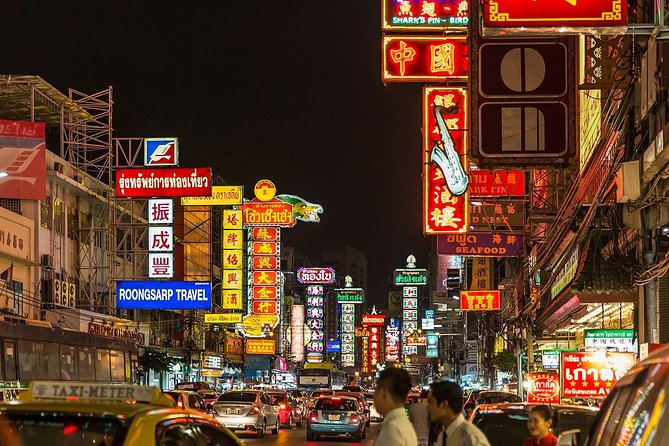
Chinatown includes a local market area with street markets, street-side restaurants, shop houses, and gold shops. If you like noticing how architecture and commerce mix, you’ll probably enjoy this part of the day.
How Chinatown fits the overall tour
Chinatown is where you see Bangkok market culture evolve from water and rail into dense street life. It helps connect the dots: who sells what, how people move, and why street markets are a daily routine rather than a tourist performance.
The only “watch your step” issue
With so many shop fronts and side streets, you’ll want to keep close to the group. This isn’t about danger so much as not getting separated in a maze of small lanes.
Pak Khlong Flower Talat: big wholesale and retail energy in 30 minutes
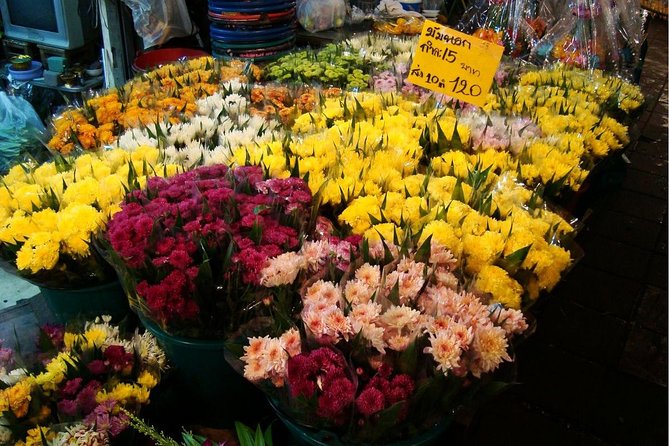
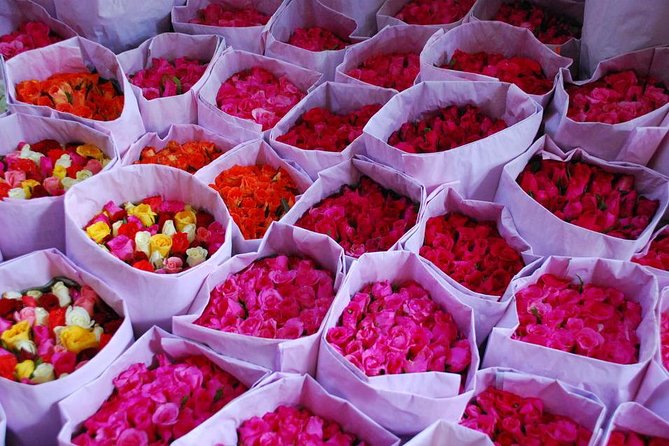
Near Chinatown is Pak Khlong Flower Talat Original, described as the biggest wholesale and retail fresh flower market in Bangkok. You get about 30 minutes here, which is short but purposeful.
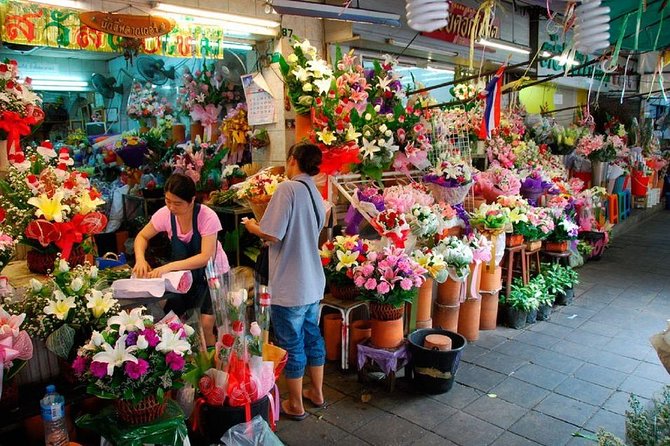
What you can expect is a heavy focus on flowers and flower-related items. The market includes flowers like roses, forget me nots, orchids, and lilies, plus more. This is the kind of stop where your senses reset: smells, colors, and the sheer volume of blooms take over for a moment.
Why 30 minutes works
Flowers can be time sinks if you let them. This stop gives you a quick, clear hit of the market’s scale without eating the rest of your day. You’ll have time to look, take in the atmosphere, and still keep pace for the day’s final moments.
What you might want to do here
If you’re buying, decide in advance what you want—single flowers versus arrangements versus flower accessories. When time is short, it helps to make your choices fast rather than getting stuck debating.
Negotiating, bartering, and market etiquette with Kat
The biggest “hidden value” here is the coaching around bartering. Markets in Bangkok can be friendly, and they can also be sales-heavy, especially when people sense a language barrier. A guide changes that.
Kat’s role is not just translation. It’s teaching you the etiquette and traditions around buying. That means you learn what’s respectful, how to engage without being pushy, and how to step away without making it awkward.
From what people experienced on the day, guide Kat is especially strong at attentive, helpful explanations and clear communication. If you care about doing things the right way, that matters more than fancy extras.
Practical mindset for you
Go with curiosity, not competition. Bargaining works best when it feels like a conversation, not a fight. If you’re unsure, ask Kat how to approach the interaction. You’ll waste less time and end up happier with what you buy—or don’t buy.
Price and value: why $169.27 can make sense for a full-day plan
At $169.27 per person, this isn’t the cheapest way to see markets, but it’s also not overpriced for what’s bundled. You’re paying for:
- Hotel pickup and drop-off
- Private vehicle transport across multiple areas
- A local guide for the whole route
- Lunch included
- Entry fees that are specified for stops (with Mae Klong Railway Market admission included)
If you planned this yourself, the hard part wouldn’t just be the sights—it would be the logistics and the coordination time. Getting from countryside market areas back into Bangkok for Chinatown and then to Pak Khlong can eat your day fast, especially on public transport.
This tour also saves you time because it strings together the most important stops in a tight schedule. When your time is limited, that value usually matters.
The trade-off
You’re buying structure. If you want to wander independently and linger longer at one place, a guided route can feel limiting. But for a one-day “see it all” plan, the structure is the selling point.
Who should book this tour, and who might skip it
This is a great fit if you:
- Want a one-day sampling of Bangkok’s market variety
- Like guided context, not just sightseeing
- Enjoy bargaining culture enough to want a little coaching first
- Prefer a day with pickup, transport, and lunch taken care of
It may not be ideal if you:
- Hate early mornings or moving fast
- Get easily overwhelmed in crowded market areas
- Want full freedom to set your own shopping pace for hours at a time
One extra note: a past participant shared that their day included an additional stop at a safari park for photos with tigers and lions, but that’s not part of the core market route described here. If you’re interested in adding anything beyond the listed stops, ask your guide whether it can be arranged on your day.
Should you book this Floating, Train, Flower, and Chinatown tour?
If you want the cleanest way to see four major Bangkok market styles in one day, this tour is a smart choice. The combination of pickup, private transport, lunch, and guide-led etiquette is what turns a potentially confusing market marathon into something you can enjoy without second-guessing yourself.
I’d book it if you’re the type who likes to learn how locals buy and sell, not just take photos. I’d think twice if you prefer slow, independent wandering or you’re sensitive to heat and standing for long stretches.
FAQ
What time does the tour start?
The tour starts at 7:00 am.
How long is the tour?
It runs for about 8 hours.
What markets are included?
You’ll visit Damnoen Saduak Floating Market, Mae Klong Railway Market, Chinatown in Bangkok, and Pak Khlong Flower Talat Original.
Is hotel pickup and drop-off included?
Yes, hotel pickup and drop-off are included.
Is lunch included?
Yes, lunch at a local restaurant is included.
Can I get a full refund if I cancel?
You can cancel for a full refund if you cancel at least 24 hours before the experience’s start time. If you cancel less than 24 hours before, the amount paid is not refunded.