REVIEW · CHIANG MAI
Pa Pong Piang Rice Terraces & Doi Inthanon National Park
Book on GetYourGuide →Operated by CHIANGMAI SIAM TRAVEL LTD.,PART. · Bookable on GetYourGuide
Doi Inthanon changes the whole day. You start in the Pa Pong Piang rice terraces, then ride up into cooler, misty heights for Doi Inthanon National Park, including a waterfall, hill-tribe terraces, and scenic pagodas with gardens. I love how the route is built around the views you came for, especially the rice paddies at their greenest, and I also like that you’re not stuck managing logistics because the pickup, entrance fees, lunch, and an English guide are handled for you. One consideration: the best rice color is seasonal (July to mid-October for full green), so timing can affect how much you love the fields.
This is a private-group format with a car transfer, so the day feels smoother than a big shared bus. The park is high and the weather can feel humid and cold all year, so I’m grateful the tour explicitly nudges you to bring a jacket and long pants, along with comfortable shoes for walking. The only real drawback is simple: the day includes trails and uneven terrain, so it’s not a good fit for wheelchair users.
In This Review
- Key Highlights That Matter
- Riding Up from Chiang Mai: When a Day Trip Feels Like a Reset
- Pa Pong Piang Rice Terraces: The Views You Came for
- What the Rice Season Really Changes (July to November)
- Doi Inthanon National Park: Cold, Humid Air and Big-View Thinking
- Wachiratharn Waterfall: Pretty, Practical, and Made for Stopping
- White Karen Hill Tribes and Ban Mae Klang Luang: Culture with a Purpose
- Phra Mahathat Naphamethanidon and the King & Queen Pagodas
- Lunch in the Middle: The Small Detail That Makes the Day Work
- Price and Logistics: Does $147 Make Sense?
- Who This Tour Is Best For (and Who Should Skip It)
- A Quick Booking Verdict: Should You Book Pa Pong Piang and Doi Inthanon?
- FAQ
- How long is the tour?
- Where does pickup happen, and is it included?
- What’s included in the price?
- When are the rice terraces at their greenest?
- Is the tour suitable for wheelchair users?
- What should I bring for this day in Doi Inthanon?
Key Highlights That Matter
- Peak rice season timing: July to mid-October gives the longest, greenest paddies; after that they shift to yellow-golden before harvest.
- Full Doi Inthanon rhythm: waterfall time, a short walk on Ang Ga trail (about 25 minutes), then viewpoints and pagodas.
- White Karen community stop: Ban Mae Klang Luang includes terrace scenery and a cup of freshly ground locally grown coffee (season-dependent rice field views).
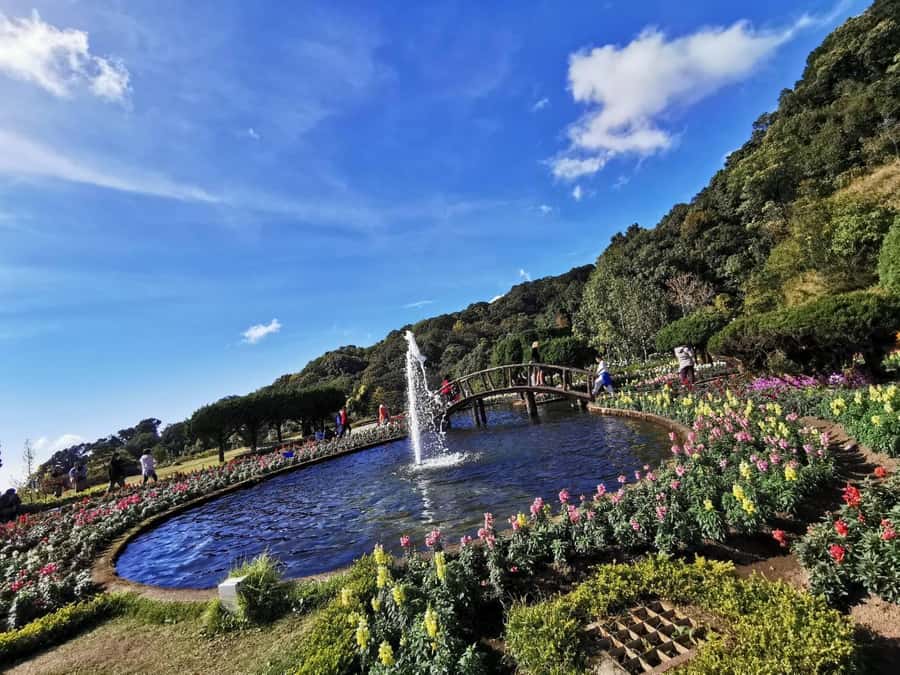
- King and Queen’s pagodas: gardens plus wide views that feel like a reward for the cold air.
- Private, English-speaking guidance: you get explanations that help the scenery make sense, plus accident insurance and bottled water.
- Hotel pickup limits: included for Chiang Mai downtown up to 5 km; farther out may cost extra transportation.
Riding Up from Chiang Mai: When a Day Trip Feels Like a Reset
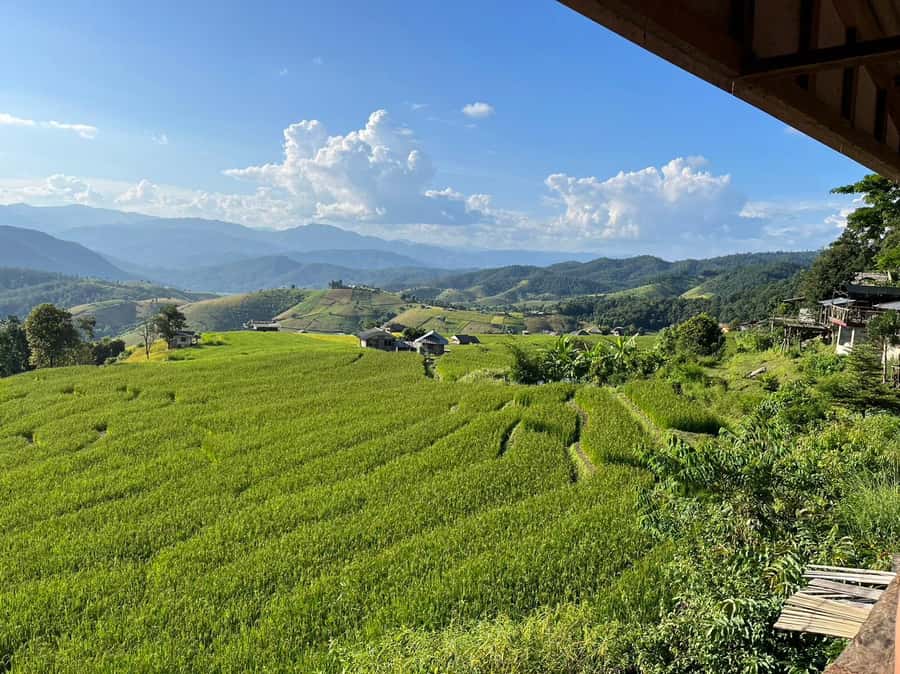
I like day trips that don’t waste time. This one does a lot, but it stays focused on a clear idea: take you from classic Chiang Mai rice scenery to the cooler, higher world of Doi Inthanon, then back again with lunch and breaks handled.
The drive itself is part of the point. As you rise, the air feels different, and you notice how quickly northern Thailand’s scenery shifts when altitude takes over. Doi Inthanon’s high point sits at about 2,565 meters, and the tour makes a big deal of how the park can be humid and cold even outside the traditional winter months. For your comfort, pack for temperature swings, not just warmth.
This is also where the private-car setup helps. You’re not negotiating waits and transfers with strangers, and you can usually move at a pace that matches your questions. The tour’s English-speaking guide is a real value here because the scenery is more enjoyable when you understand what you’re looking at: rice terraces are engineered landscapes, waterfalls change with season and rainfall, and the pagodas are placed for a reason.
You can also read our reviews of more tours and experiences in Chiang Mai.



Pa Pong Piang Rice Terraces: The Views You Came for
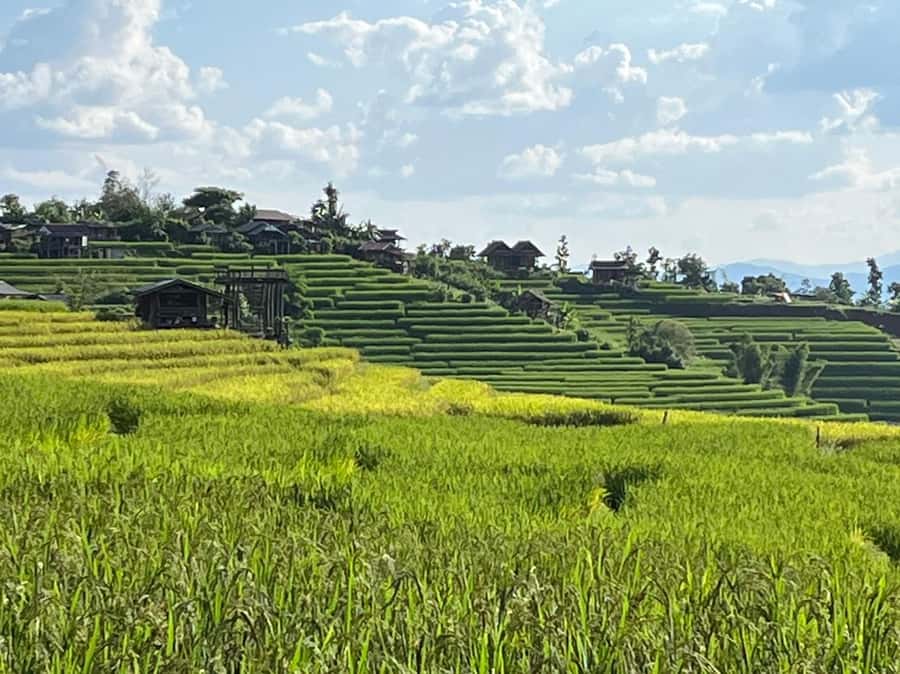
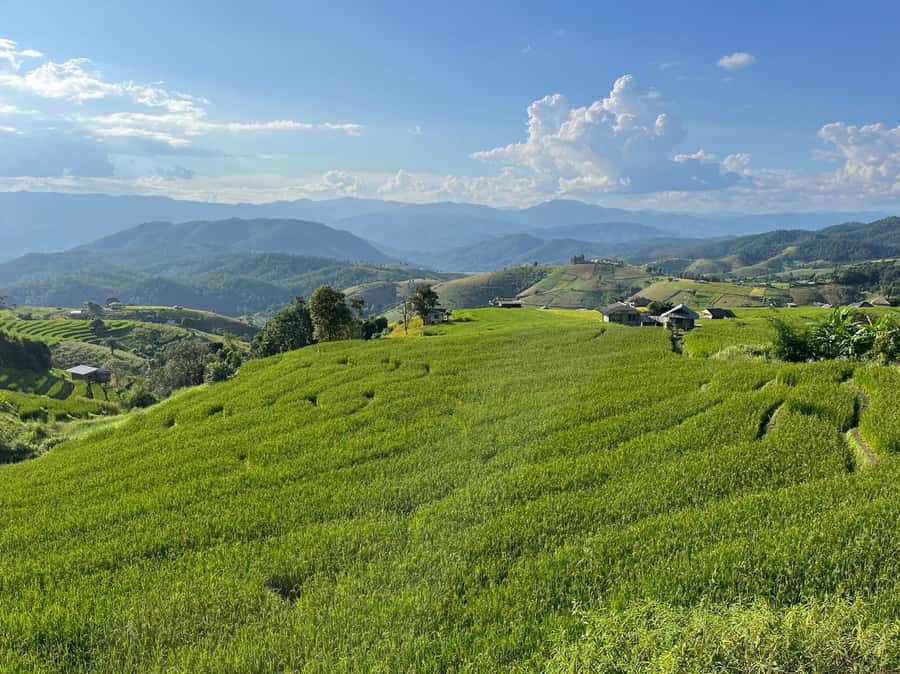
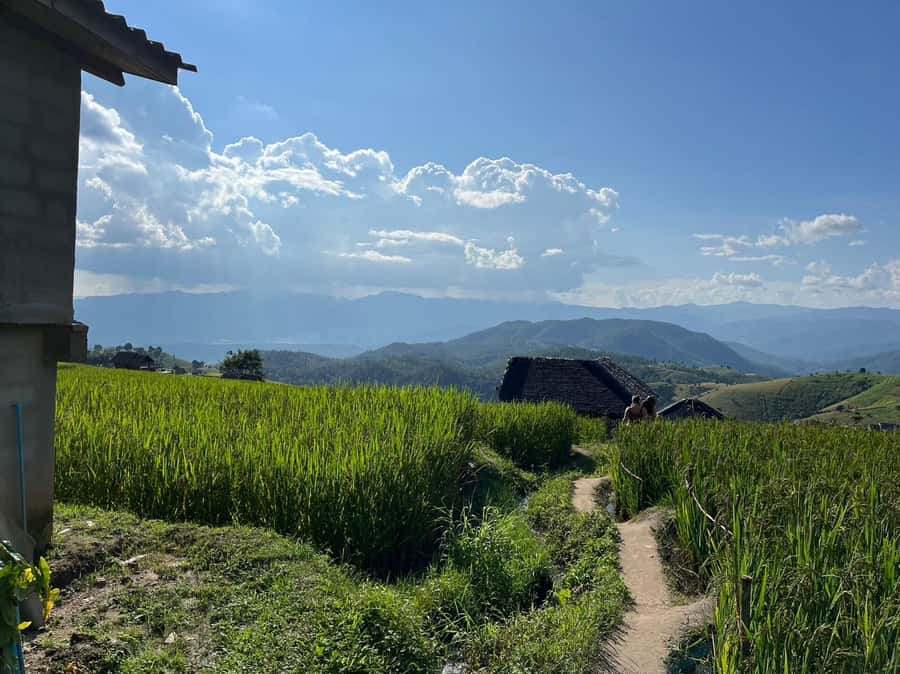
Pa Pong Piang is the headline for a reason. The terraces are often described as the most beautiful in Thailand, and the tour route is built around giving you the right kind of time to look slowly instead of just snapping photos and rushing off.
What I love most here is how the terraces read at a glance. When the rice plants are at their best, the paddies look long and fully filled, with that strong green color that covers the slopes. The tour also frames the season properly: from early or mid-July through late October and into early November, you’re in the range where rice is actively doing its thing.
A practical note: rice doesn’t just grow—it changes. If you arrive when the paddies are still in full green (July to mid-October), you get that classic lush look. After mid-October, the plants turn yellow-golden as harvest approaches in November. You’ll still see gorgeous fields either way, but the emotional tone shifts from green calm to golden harvest mood.
If you’re planning for maximum color, base your expectations on those dates, not on generic Thailand weather promises. That’s the difference between seeing terraces and feeling them.
What the Rice Season Really Changes (July to November)
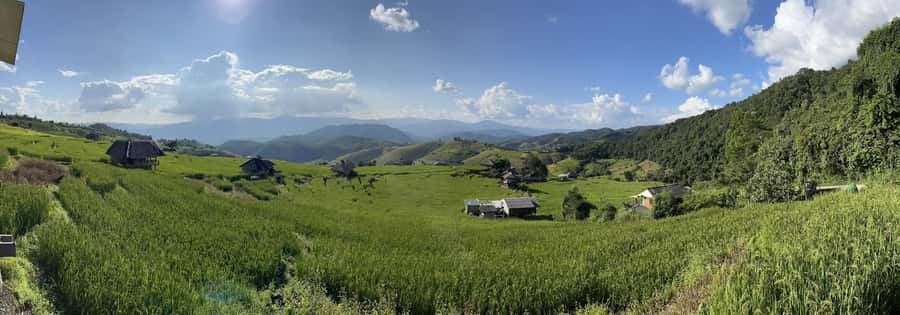
Thailand rice terraces can look incredible year-round in photos, but the real experience is timing. This tour is transparent about the “best window,” and I’m glad it is, because it helps you decide if you want green fields or the golden phase.
Here’s the seasonal logic the tour uses:
- July to mid-October: rice reaches full length and greenness.
- After mid-October: the fields shift to yellow-golden as the growing cycle nears harvest.
- November: harvesting period begins.
Why does this matter to you? Because your photos and your walking experience will feel different. Green rice fields tend to look softer and more alive, while golden fields often give you sharper contrast and a more dramatic feel in late-day light. If you care about matching a specific look you saw online, this tour’s schedule makes it easier to plan.
Also remember: the tour includes a walk and a few stops inside the national park. If you come later in the season, you might find some areas visually quieter or less “full,” even if they’re still beautiful. That’s not a problem—it’s just how the seasonal cycle works.
Doi Inthanon National Park: Cold, Humid Air and Big-View Thinking
Once you’re in Doi Inthanon, the day shifts gears from farming scenery to mountain ecosystem. The park runs cool and humid, and it’s high enough that you should treat it like a separate climate zone, not a warm day with a short drive.
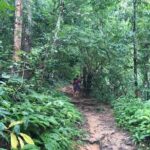
The itinerary includes walking time, which is important. A short hike can change your perspective more than another photo stop. This tour includes an opportunity to enjoy a walk on Ang Ga trail, about 25 minutes, just long enough to feel like you’re entering the forest rather than skimming it.
When I’m choosing a park day trip, I look for the balance of “enough walking to feel real” and “not so much you’re wrecked for the return drive.” This hits that middle ground. Bring your comfortable shoes and expect some uneven surfaces. Even if the walk is short, the forest air can feel wet, and wet footing plus tired legs is the part you want to avoid.
Wachiratharn Waterfall: Pretty, Practical, and Made for Stopping
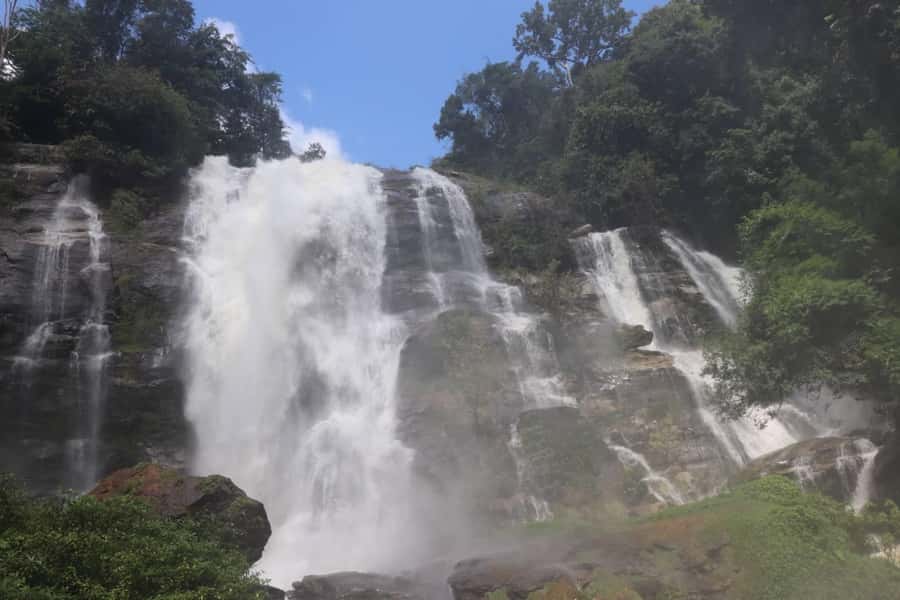
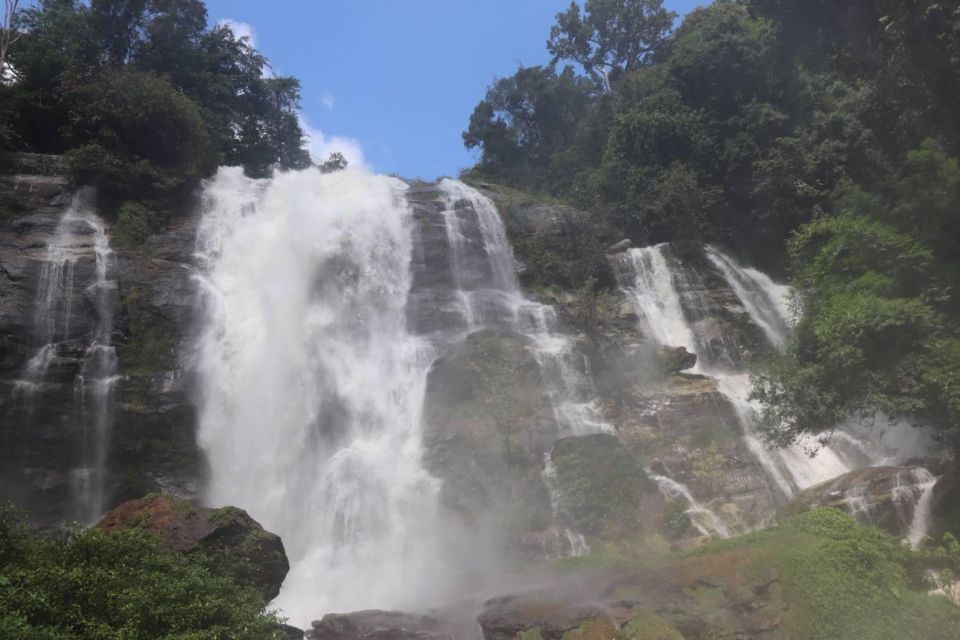
The tour includes a visit to Wachiratharn Waterfall. Waterfalls are one of those sights where you can’t really fake the experience. Even if you’re not a “water person,” it’s one of those places that gives your brain a reset: sound, mist, and the way the surrounding forest changes up close.
I like that this isn’t the only nature stop. You’re not doing a waterfall-only day. The waterfall sits inside a larger loop: rice terraces, hill-tribe village time, then national park viewpoints. That way, if you get a moment when the mist is heavier or the light looks better than expected, the day still feels full.
One caution: because the tour doesn’t promise specific water volume or viewing conditions, come with the attitude of enjoy-what-you-get. In mountain environments, waterfalls can vary. The value here is that the tour puts you at the waterfall as a real pause, not as a speed-bump stop.



White Karen Hill Tribes and Ban Mae Klang Luang: Culture with a Purpose
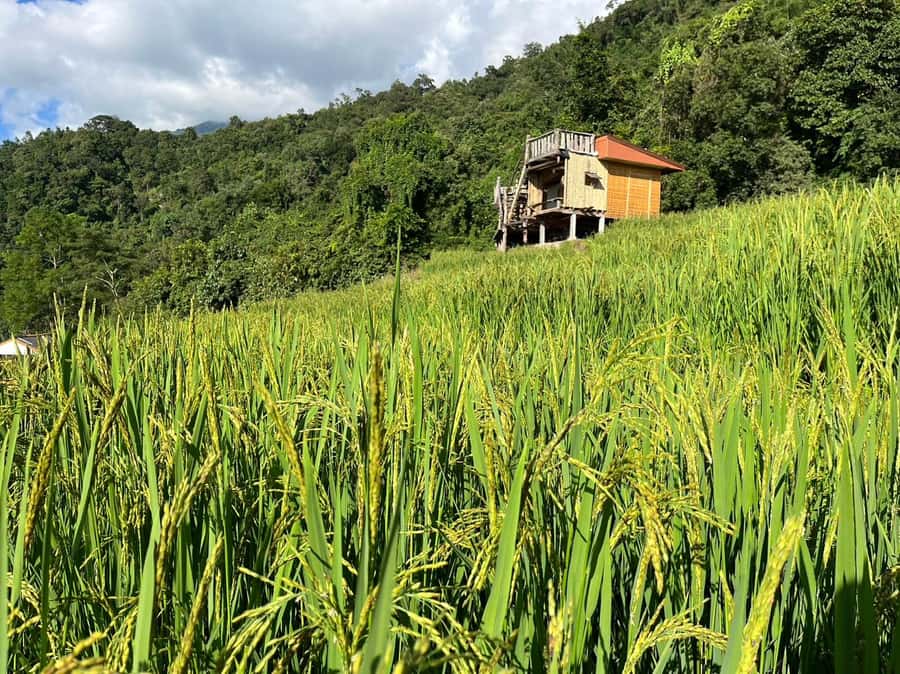
This is the part many people underestimate. The hill-tribe stop isn’t just a photo opportunity on a roadside. It’s paired with terrace scenery at Ban Mae Klang Luang and includes a cup of freshly ground, locally grown coffee.
What I like about structuring it this way is that it connects the dots. Rice terraces take work, and the hill communities around Doi Inthanon live in that same practical reality—growing, harvesting, and maintaining land on slopes. When you visit the terrace areas and then taste local coffee, the stop feels less like a performance and more like a working landscape.
The tour notes that rice field views depend on the season. That matters because you might come when the terrace plants are greener, or you might come as fields start to transition. Either way, you’re still getting the terrace setting and the coffee experience, but the “fullness” of the fields can vary.
Also, don’t treat coffee as a tiny extra. It’s part of the pacing. A warm drink (or a fresh taste) can make the rest of the day feel easier, especially when the park air is cold and humid.
Phra Mahathat Naphamethanidon and the King & Queen Pagodas
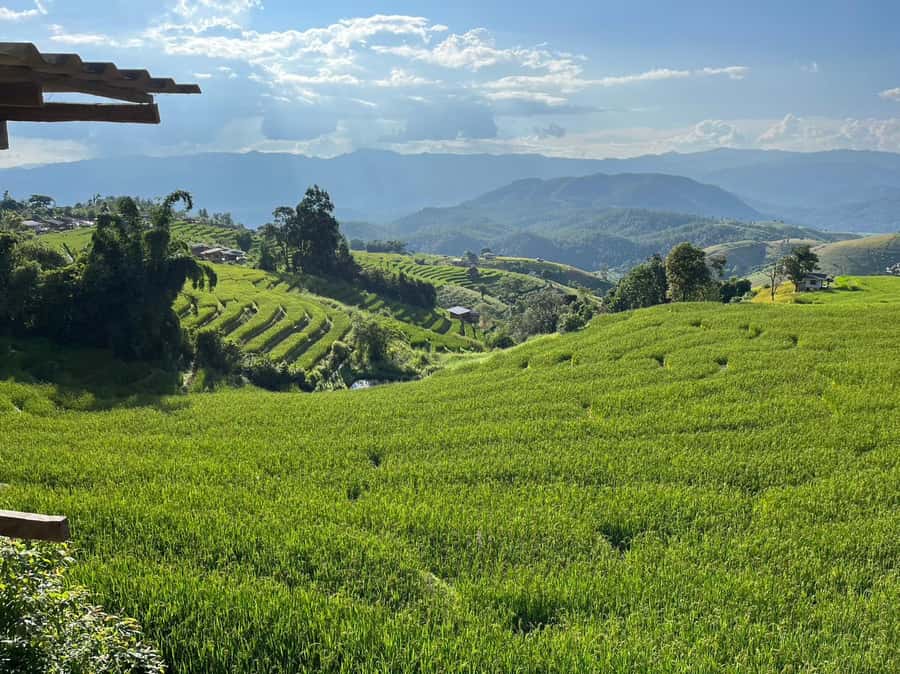
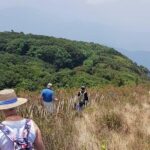
The tour includes the King and Queen’s pagodas, and they’re built for views. This is the payoff stretch where you get that wide, panoramic feeling you can’t really replicate from inside the forest.
One pagoda stop is Phra Mahathat Naphamethanidon, and the tour also schedules time for the companion views associated with the King and Queen’s complex. The gardens are described as pleasant, and that detail matters. In a park day with walking and altitude, gardens give you a calmer pace. You can slow down, take in the scenes, and breathe.
I also like that this section acts like a natural transition between walking and sightseeing. Instead of rushing from trail to trail, you move into a scenic zone that’s visually rewarding without demanding a long climb.
Dress for comfort here too. Even if the gardens feel open and airy, you’re still in a high-altitude environment. Bring your jacket and be ready for cool air at the viewpoints.
Lunch in the Middle: The Small Detail That Makes the Day Work
The tour includes lunch during the park portion. I’m big on this because a long day trip can fall apart if you’re hungry and waiting. Having lunch handled means you keep your energy for the walking time and for the later pagoda viewpoints.
I don’t have enough information to promise the menu style, but I can tell you what lunch placement usually does on tours like this: it reduces stress, and it helps you stay in the right “mood” for the park. When you’re not hunting food or timing it around crowds, you can enjoy each stop for what it is.
If you’re picky about meals, you can still plan for it, but the inclusion of lunch is one of the ways this trip feels like real value instead of a pile of separate ticketed stops.
Price and Logistics: Does $147 Make Sense?
At $147 per person, you’re paying for a full day of driving, park entry, lunch, and an English-speaking guide in a private setup. That price can feel steep if you’re used to cheaper group tours, and I’m glad you should notice that.
Here’s the value math that makes or breaks it for you:
- Included: hotel pickup and drop-off by private air-conditioned car (within Chiang Mai downtown up to 5 km), entrance fees, lunch, drinking water, English guide, and accident insurance.
- Time: 570 minutes (about 9.5 hours), which is a lot of scenery packed into one day.
- Private group: you get a more tailored experience than bus-style touring.
If you’re going during the prime rice window, the terraces are a major part of the appeal, and then the price feels easier to justify. If you’re going outside the best rice coloring months, you might still love the park views and waterfalls, but the rice part won’t hit as hard visually.
One more logistics point: pickup is included from Chiang Mai downtown within a 5 km radius. If you’re staying farther away, you should expect an extra transportation charge. That’s normal for private transfers, and it’s worth checking early so there are no surprises.
Who This Tour Is Best For (and Who Should Skip It)
This tour fits best if you want:
- A high-impact day from Chiang Mai with minimal planning on your side.
- Strong interest in rice terraces and Doi Inthanon scenery.
- Comfort with some walking, including Ang Ga trail for around 25 minutes.
- A private, English-guided format rather than a large group day.
It’s not suitable for wheelchair users, and that’s a real factor. The route includes walking and park terrain, so it’s built for people who can handle uneven ground.
If you’re traveling with family, think about kid comfort too. The walking time is short, but the day is long, and altitude can make energy levels drop faster than you expect. Pack snacks if you normally do better with them, even though lunch is included.
A Quick Booking Verdict: Should You Book Pa Pong Piang and Doi Inthanon?
If you’re the kind of traveler who likes structured days with real stops and clear explanations, this is a solid choice. I’d book it if you’re aiming for the terraces during July to mid-October when you get the fullest green look, or if you simply want a well-rounded Doi Inthanon sampler: rice terraces, waterfall, hill-tribe coffee, trail time, and the pagoda viewpoints.
I’d think twice if you’re going during a time when you strongly care about the green rice look and your dates miss the peak window. In that case, you’ll still get scenery, but your “rice moment” may be more golden-harvest than bright-green.
One final tip: choose your clothing like you’re going to a cooler mountain day, not a warm Chiang Mai afternoon. A jacket and long pants will make the views much more enjoyable when the air turns chilly in the park.
FAQ
How long is the tour?
The duration is 570 minutes, which is about 9.5 hours.
Where does pickup happen, and is it included?
Pickup is included from your hotel in Chiang Mai downtown within a radius of 5 kilometers. If your location is more than 5 kilometers from downtown, there is an extra transportation charge.
What’s included in the price?
It includes private car pickup and drop-off (with air conditioning), entrance fees, lunch, drinking water, an English-speaking guide, and accident insurance.
When are the rice terraces at their greenest?
The rice plants reach full length and greenness during July to mid-October.
Is the tour suitable for wheelchair users?
No. It’s not suitable for wheelchair users.
What should I bring for this day in Doi Inthanon?
Bring comfortable shoes, a jacket, and long pants. The park can be high, humid, and cold.