REVIEW · BANGKOK
2-Day River Kwai Floathouse Experience from Bangkok
Book on Viator →Operated by Tour East Thailand · Bookable on Viator
Two days later, Bangkok feels far away. This fast, structured escape pairs classic WWII stops along the Kwai River with an easy overnight in a floating house setup—so you get history and downtime without the hassle of stitching it together yourself.
I like that the package keeps things practical: hotel pickup, shared transport, and entrance fees are handled for you. I also like the on-river lodging angle, where the floating-room experience is part of the point, plus the stay is known for having a chance to swim in the river with life vests available.
One consideration: the schedule is built around an early start (7:00 am), and some transfers can be affected by traffic, especially on the longer Bangkok–Kanchanaburi legs. If you hate mornings, or you’re sensitive to long car time, plan to keep expectations flexible.
In This Review
- Key highlights at a glance
- Getting Out of Bangkok: 7:00 am pickup, shared transport, and real travel time
- WWII stops that actually help you understand the Thailand–Burma Railway
- Kanchanaburi War Cemetery: quiet, specific, and worth your time
- The bridge over the River Kwai: famous, but also a gateway to the story
- Hellfire Pass: included as one of the major connected sites
- The “Tour East” stop on Day 1: short, and plan around that
- Day 2 at the Thailand–Burma Railway Center: museum time that’s built for context
- The Floathouse River Kwai overnight: floating rooms, river access, and that on-water calm
- Boat-to-hotel vibe and floating-room comfort
- Swimming in the Kwai: fun, but follow the safety setup
- Food on the river: breakfasts and Thai dishes
- What the $338.06 price really covers (and where value comes from)
- The “day 1 + day 2” rhythm
- Optional extras: the Death Railway train add-on (seat and certificate costs)
- Small-group experience: max 15 people, and why it matters
- Who this trip suits best (and who might not love it)
- Should you book this River Kwai floating house experience?
- FAQ
- How long is the River Kwai floathouse experience?
- What time does the tour start?
- Is hotel pickup included?
- What’s included in the price?
- Can I swim at the floating hotel?
- Is the optional train ride included, and what about seat guarantees?
Key highlights at a glance
- Hotel pickup + door-to-door style logistics: Bangkok downtown pickups are included, and you don’t have to plan how to get out of town.
- WWII memorial focus: You visit the Kanchanaburi War Cemetery and see the bridge tied to the Death Railway.
- Hellfire Pass included in the big-picture route: The tour targets the main “you should know this” sites connected to the Thailand–Burma Railway.
- Interactive museum stop: Day 2 includes time at the Thailand–Burma Railway Center, built to explain the story in a more hands-on way.
- Overnight on the River Kwai: Your 1-night stay is at The Floathouse River Kwai, with a floating-hotel feel and river access.
- Small group size (max 15): That cap usually makes the day feel less chaotic and easier to manage with a guide.
Getting Out of Bangkok: 7:00 am pickup, shared transport, and real travel time
This tour is designed like a “get moving early” itinerary. Start time is 7:00 am, with pickup from major hotels in Bangkok’s downtown area. That’s a good thing if you want to knock out the hardest part—leaving the city—without extra planning.
Because transport is shared, you’re not treated like a private car. You’ll likely stop for pickup timing along the way, and the ride can stretch depending on traffic. The route from Bangkok to Kanchanaburi can be unpredictable, so I’d mentally budget extra time rather than assume everything will run exactly to the minute.
The good news: once you’re out of Bangkok, the day shifts from traffic and towers to river scenery and monuments. This kind of trip works best when you’re ready to trade late mornings for a more relaxed overnight experience.
A few more Bangkok tours and experiences worth a look

WWII stops that actually help you understand the Thailand–Burma Railway
Day 1 is the “major sites first” approach. You start at the Kanchanaburi War Cemetery and the River Kwai zone, then you move through the core pieces of the Death Railway story.
Kanchanaburi War Cemetery: quiet, specific, and worth your time
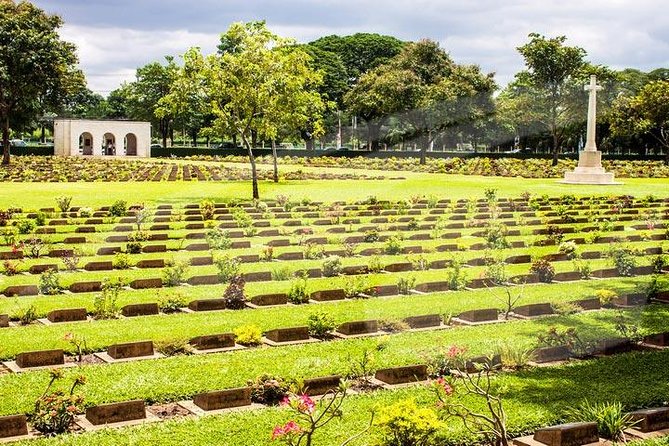
The Kanchanaburi War Cemetery is a memorial to about 6,000 Allied prisoners of war who died along the railway line. Even if you only know the railway as a name, standing in a place built for remembrance gives the facts a weight that photos can’t.
Plan to go slowly here. This is the kind of stop where you don’t need to rush for the next photo. If you’re the kind of person who reads plaques carefully, you’ll get more out of it than a quick walk-through.
The bridge over the River Kwai: famous, but also a gateway to the story
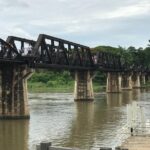
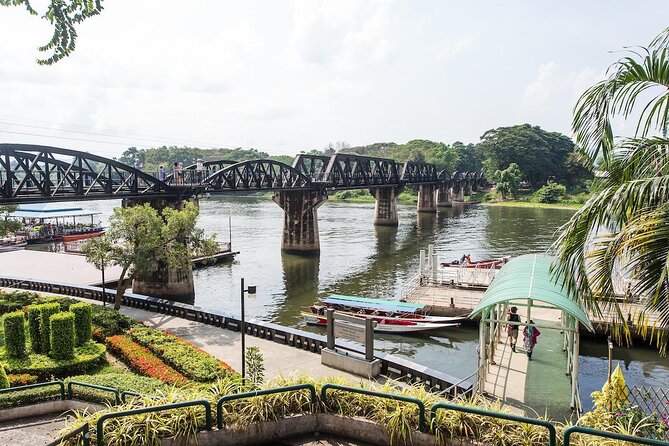
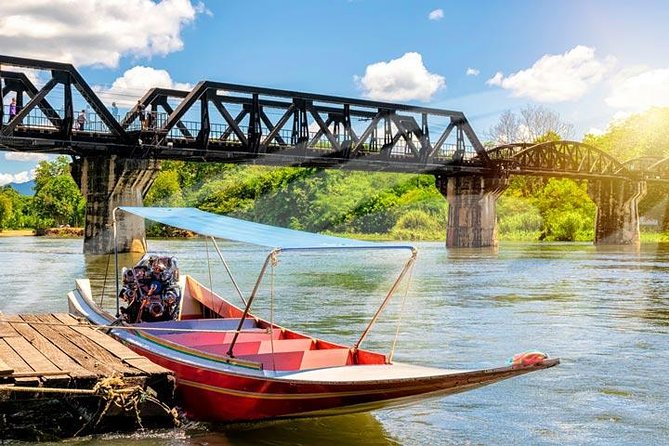
You’ll also see the world-famous bridge over the River Kwai, a part of the Death Railway constructed by Allied POWs. The bridge is famous in pop culture, but on this route it’s not presented as a movie set—it’s tied back to the human cost of building the railway.
A practical tip: wear shoes you trust. The cemetery and surrounding areas involve walking on uneven surfaces, and you’ll want traction that feels secure.
Hellfire Pass: included as one of the major connected sites
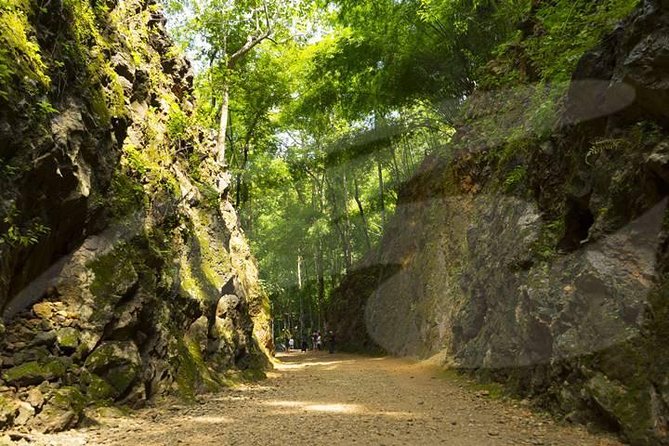
Hellfire Pass is listed among the tour highlights. The value of including it isn’t just that it’s another stop—it’s that the route keeps the focus on the Thailand–Burma Railway context rather than turning this into a sightseeing loop. If you care about understanding how the railway was carved into the landscape and what that meant for the people involved, this is the kind of add-on that makes the whole trip feel more coherent.


The “Tour East” stop on Day 1: short, and plan around that
Between the WWII sites and the rest of the day, there’s a 1-hour stop called Tour East. The schedule confirms it as a separate block of time, but it doesn’t provide detail on what you’ll specifically do there.
So here’s the practical way to treat it: assume this is a guided or organized visit that runs on the tour’s timing, not a free-roam block. Keep your phone charged, expect some indoor/outdoor walking, and don’t build your personal plans around needing extra time here.
In a 2-day format, anything that’s a “named stop” is usually there to fill a specific learning or routing purpose—just don’t expect it to be the main highlight compared to the cemetery and the railway-related sites.
Day 2 at the Thailand–Burma Railway Center: museum time that’s built for context
On Day 2, you shift from memorials outdoors to an indoor learning stop: the Thailand–Burma Railway Center. It’s described as an interactive museum, information, and research facility that presents the history of the Thailand–Burma Railway.
The “interactive” part matters because it can make the story easier to follow in a short time. Instead of trying to connect all the dots on your own, you’ll get guided structure—especially helpful if WWII sites are new to you.
You’ll have about 45 minutes at this stop, so I’d treat it like a “hit the main themes” session. Look for the parts that explain the railway’s timeline, the conditions, and the geography. Then use those takeaways to make sense of what you saw earlier that day.
The Floathouse River Kwai overnight: floating rooms, river access, and that on-water calm
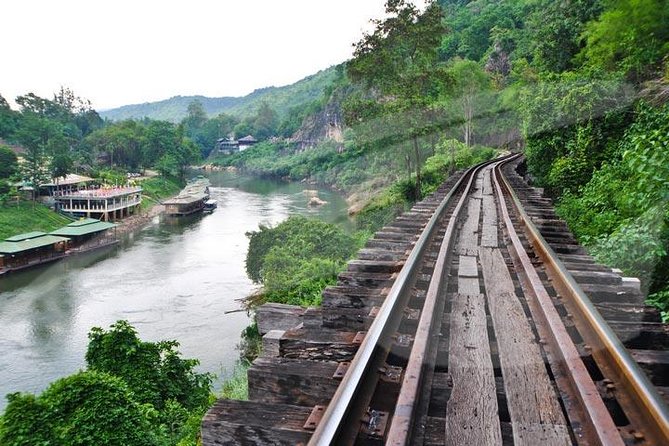
Now for the reason many people book this trip: sleeping on the Kwai.
Boat-to-hotel vibe and floating-room comfort
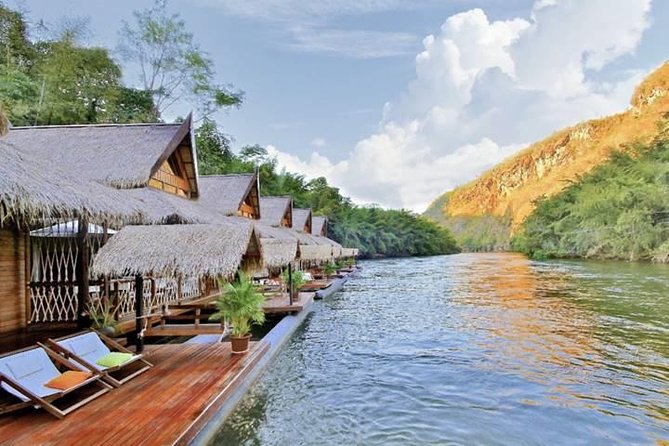
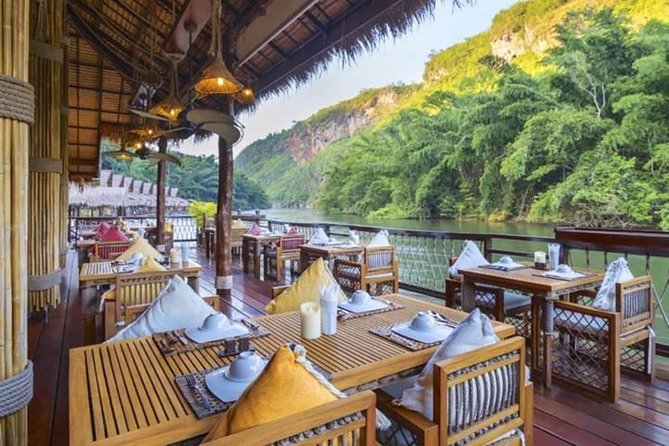
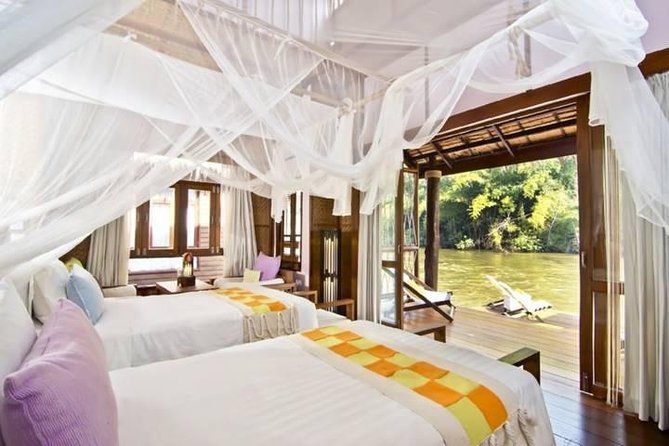
The Floathouse River Kwai experience is built around the fact that the rooms sit on the river. One standout detail from the stay is that guests reach the hotel by boat, which adds a true “you’re leaving the road world behind” feeling.
The lodging experience is also described as spacious and luxurious, with comfortable bedding and an overall sense of tranquility. That matters because it’s what turns a heavy history day into a human-sized break. You can take a shower, change out of tour clothes, and do something simple—watch the water, read, or just let your brain stop running.
Swimming in the Kwai: fun, but follow the safety setup
A highlight connected to the river stay is the chance to swim in the Kwai River. Life vests are available, which is an important reassurance if you’re not fully confident in your water skills.
If you plan to swim, bring a swimsuit and something for quick drying. The tour package doesn’t list swim gear, so having your own setup will save you from improvising later.
Food on the river: breakfasts and Thai dishes
The included meal structure isn’t laid out meal-by-meal in the same detail level as the museum and cemetery stops, but the package does include breakfast, and there are two lunches listed. The overall summary also says four meals are included, so you should expect at least one more meal beyond the breakfast and the two lunches.
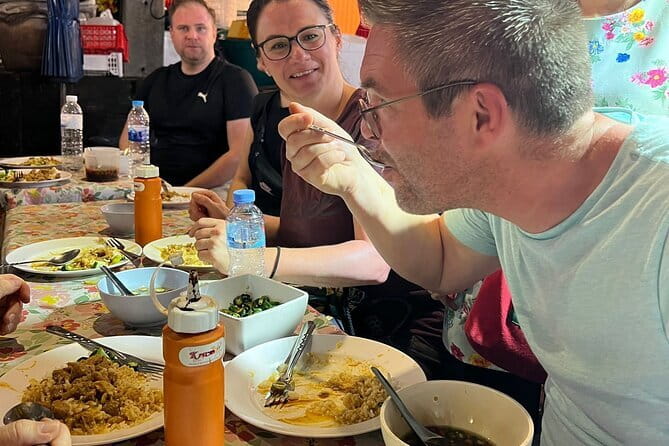
From the food experience standpoint, Thai food is described as lovely, and breakfast is noted for having a wide choice. In practice, that’s exactly what you want after a day of walking and reading plaques—you need food that’s satisfying, not just a snack to keep you moving.
What the $338.06 price really covers (and where value comes from)
At $338.06 per person for about 2 days, this isn’t a budget day trip. But it also isn’t “just a transfer plus a hotel night.” The value comes from what’s bundled:
- Hotel pickup from Bangkok downtown hotels
- Shared transportation for the full route
- 1 night accommodation at The Floathouse River Kwai
- Meals included (the program lists breakfast and two lunches, and the overall summary says four meals total)
- Entrance fees included
- A professional guide and small group limit (max 15)
- Mobile ticket delivery
If you priced this separately—museum tickets, transport out of Bangkok, and an on-water hotel night—this package starts to make sense. The floating-hotel night is a big chunk of the cost, and bundling it with WWII sites plus guide-led context is what keeps the trip from feeling like three separate expenses stacked on top of each other.
The “day 1 + day 2” rhythm
This is another value factor: you’re not spending your one precious day in transit. The overnight is timed so Day 2 can continue the railway learning without you turning it into a long day-return-from-hotel situation.
That rhythm is the difference between a tiring tour and a trip you can actually enjoy.
Optional extras: the Death Railway train add-on (seat and certificate costs)
The program mentions optional extras related to a train ride. Seating isn’t guaranteed at the basic cost. If you want guaranteed seating and a bottle of cold water, the additional cost is listed as 160 THB, and you must pay before boarding.
There’s also an option for guaranteed seating plus tea or coffee and a certificate, priced at 300 THB, also requiring payment before boarding.
Two practical thoughts:
- If you care about comfort (or you’re traveling with someone who dislikes standing), consider the paid options.
- If you think you’ll want a certificate as a memory, check timing and payment rules in advance so you don’t end up making last-minute decisions.
Small-group experience: max 15 people, and why it matters
With a maximum of 15 travelers, this tour is set up to feel more manageable. In practice, that can mean quicker head counts, less wandering off, and more time for questions—especially on stops that involve emotional subject matter like the War Cemetery.
It’s also part of what makes the floating-hotel night feel more special. You’re not arriving to a huge crowd; the vibe stays calm and coordinated.
Who this trip suits best (and who might not love it)
This is a strong fit if you want:
- A structured 2-day escape from Bangkok without building your own itinerary
- WWII-related context tied to real locations, not just general knowledge
- An overnight that feels like a change of pace, not merely a place to sleep
It may be less ideal if:
- You really hate early mornings and long transfers
- You need lots of free time to wander on your own (this is guided and timeboxed)
- You’re expecting full details on every stop beyond the core sites and museum
It does include what many people care about: the guide, entrance fees, and the river stay.
Should you book this River Kwai floating house experience?
If you’re torn between doing “WWII sites only” and “river-hotel only,” I’d lean toward booking this, because the combination is the whole point. You get meaningful stops in the Kanchanaburi area—War Cemetery, the River Kwai bridge, and the Hellfire Pass route—and then you switch into rest mode on the water at The Floathouse River Kwai.
Book it if you like guided structure and you can handle an early 7:00 am start. Skip it if you want a relaxed start to the day or you strongly dislike road time.
If you decide to go, go with the right mindset: this isn’t a fast party-style getaway. It’s a day-and-night route that balances remembrance with a genuinely different sleeping setting.
FAQ
How long is the River Kwai floathouse experience?
It runs for 2 days (approx.).
What time does the tour start?
The start time is 7:00 am.
Is hotel pickup included?
Yes. Pickup is offered from major hotels in Bangkok downtown.
What’s included in the price?
The package includes breakfast, 1 night accommodation at The Floathouse River Kwai, shared transportation, lunch (listed as two lunches), and entrance fees. The tour summary also states that four meals are included.
Can I swim at the floating hotel?
One of the known highlights of the floating-hotel stay is the chance to swim in the river, with life vests available for safety.
Is the optional train ride included, and what about seat guarantees?
Optional extras include a train ride tied to the Death Railway. Seating isn’t guaranteed at the basic cost. For guaranteed seating plus a bottle of cold water, the extra cost is 160 THB, and for guaranteed seating plus tea or coffee and a certificate, the extra cost is 300 THB. Payment must be made prior to boarding.