REVIEW · CHIANG MAI
Monks chanting, Wat Doi Suthep and Wat Phalad+ Meditation
Book on GetYourGuide →Operated by Chiangmai Local Tour Guide · Bookable on GetYourGuide
Temple bells and jungle air. That combo is the whole point of this trip—three connected temples plus an evening session of monks chanting and meditation with mountain views that feel bigger than the city below.
I really liked how this tour links the sites into one story. Wat Suandok sets the stage with its pagoda tied to the relics story, Wat Phalad slows everything down in the rainforest, and Wat Doi Suthep caps it all with a gold-and-jewel Lanna masterpiece. Two other big wins for me: the chance to hear chanting up close and the way an experienced guide (like James, a former monk) makes monastery life feel understandable, not mysterious.
One thing to think about before you book: you’ll do real walking and stairs, you need temple-appropriate clothing (long pants or long skirts), and it’s not a good fit if you’re dealing with altitude sickness or mobility limits.
In This Review
- Key highlights you’ll care about
- Temple bells, jungle quiet, and the Lanna gold at Doi Suthep
- Starting at Wat Suandok: a royal garden and a relic story
- Wat Phalad in the jungle: where the pace slows down
- Climbing to Wat Doi Suthep: Lanna gold, jewel details, and real stairs
- Evening monks chanting and guided meditation: what it actually feels like
- Night views on the way back: the city from above
- Price and time: is $30 good value for this much moving?
- Practical stuff that makes or breaks the day
- Who should book this tour (and who should skip it)
- Should you book Monks chanting, Wat Doi Suthep and Wat Phalad plus Meditation?
- FAQ
- FAQ
- How long is the tour?
- What’s included in the price?
- Is pickup available, or do I need to meet at the temples?
- Where is the meeting point?
- Do I need long pants or long skirts?
- Does the tour include meditation?
- What shouldn’t I bring?
- Who is the tour not suitable for?
Key highlights you’ll care about
- Wat Phalad in the rainforest: a quiet, older meditation space with a jungle feel and waterfalls nearby
- Three temples, one relic connection: Wat Suandok ties into the Wat Doi Suthep relic story
- Wat Doi Suthep’s Lanna gold pagoda: climb up for the golden-and-jewelled view
- Evening monks chanting + meditation: you’ll join in during the chanting, not just watch
- Panoramic Chiang Mai viewpoints: mountain-top sightlines, plus night views as you head back
Temple bells, jungle quiet, and the Lanna gold at Doi Suthep
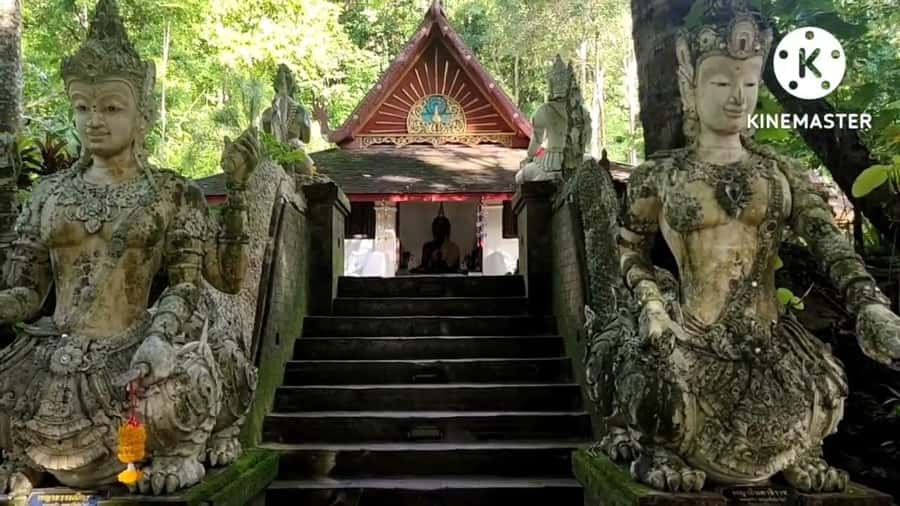
This is a 270-minute, small-group evening temple circuit based in Chiang Mai’s mountain zone. The idea is simple: start with the religious connections around Wat Suandok and Wat Phra That Doi Suthep, then move into the forest at Wat Phalad, and finally end at the most famous lookout temple—Wat Doi Suthep—where the chanting and city views happen.
You’ll go with an experienced English-speaking guide with a TAT license, and the group is limited to 9 people, which matters here. Big groups can turn “spiritual and peaceful” into “watching a crowd.” Small-group pacing keeps time for explanation, quiet moments, and the slower parts of the experience, especially in Wat Phalad.
What makes the tour feel especially rewarding is the mix of visuals and context. Yes, you’re here for golden pagodas and scenic outlooks. But you’re also here to understand why these sites matter to Buddhist life—monastic routines, temple etiquette, and what chanting is doing for people in that moment. One guide experience stood out: James, described as a former monk in the group, shared details about monastic guidelines that made it feel authentic rather than scripted. Another guide (Tom) also did a strong job explaining monk life and the meaning behind features at each temple.
And then there’s the evening part: temple bells, chanting, and the cool shift as you look over Chiang Mai. It’s not just pretty. It’s calm.
You can also read our reviews of more tours and experiences in Chiang Mai.


Starting at Wat Suandok: a royal garden and a relic story
Your tour begins with pickup arrangements, then you head to Wat Suandok, known as a former Royal family flowers garden. That “former garden” detail changes the feel of the stop. You’re not just walking into another temple courtyard—you’re stepping into a place people once treated like a cared-for space tied to the royal world.
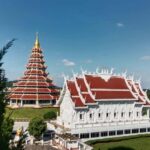
This temple also matters for the bigger picture. It’s closely related to Wat Phra That Doi Suthep, and the pagoda contains relics of the Buddha that were separated from the relics at Wat Doi Suthep. So while you’re standing in front of Suandok, you’re learning that the story isn’t isolated to one mountain temple. These sites are linked.
If you like religious sites for more than photos, this is your best “why it exists” stop of the day. The architecture is there, of course, but the key value is how your guide connects the relic tradition across locations. You end up seeing Wat Doi Suthep later with more meaning, because you already heard the relic connection earlier.
Practical tip: take your time in the courtyards. In the heat, temples can feel like checklist boxes. This one sets the emotional pace, so pause when you can. Also, remember the dress note: temples require long pants or long skirts. Comfortable clothes help more than you’d think.
Wat Phalad in the jungle: where the pace slows down
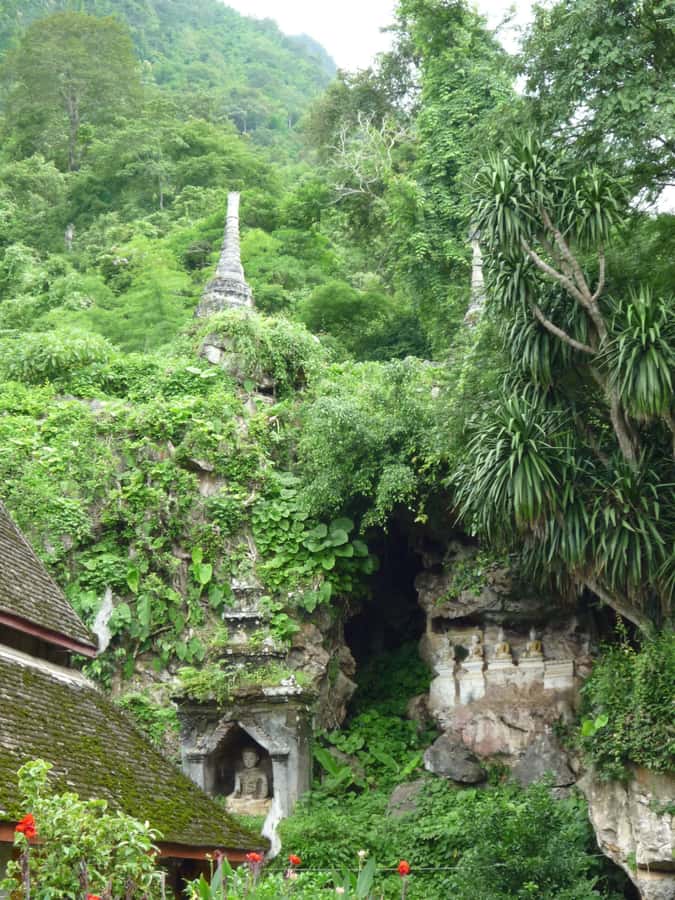
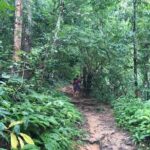
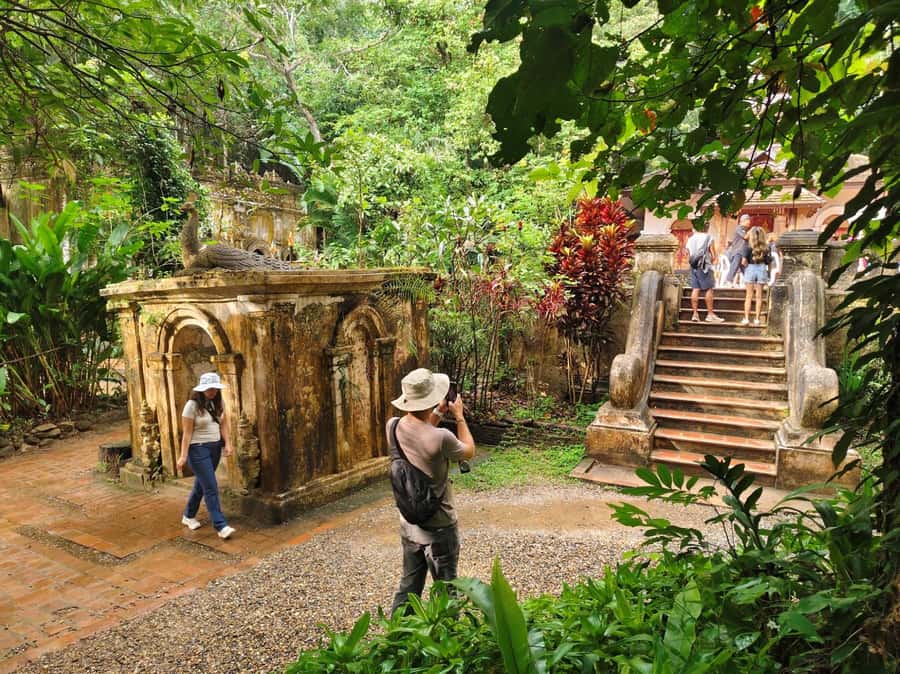
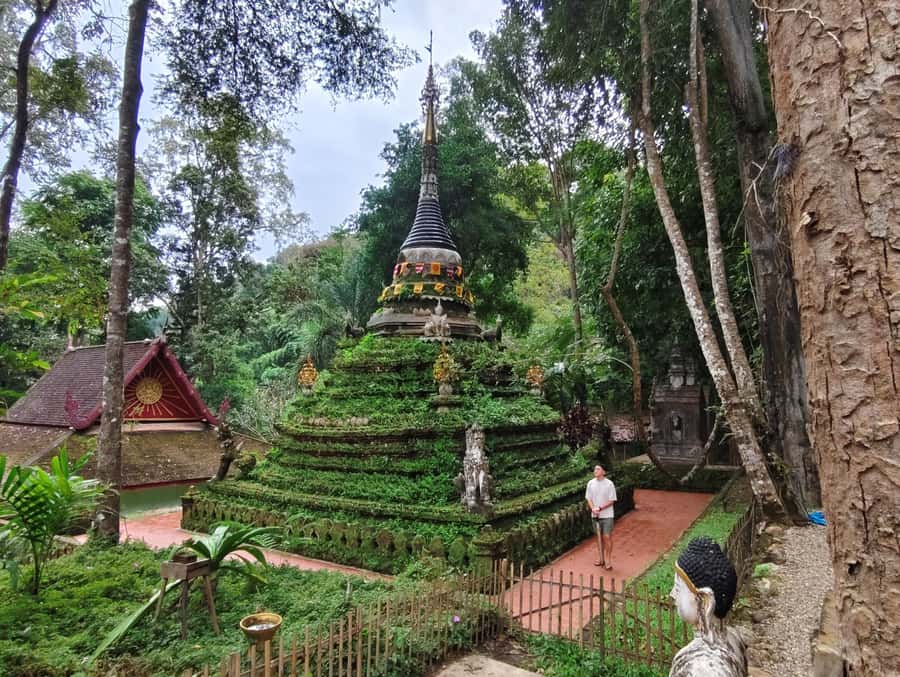
Next comes the moment most people remember most clearly: Wat Phalad. This is described as a hidden temple surrounded by rainforest and associated with meditation, and it’s the stop where the tour feels most quiet.
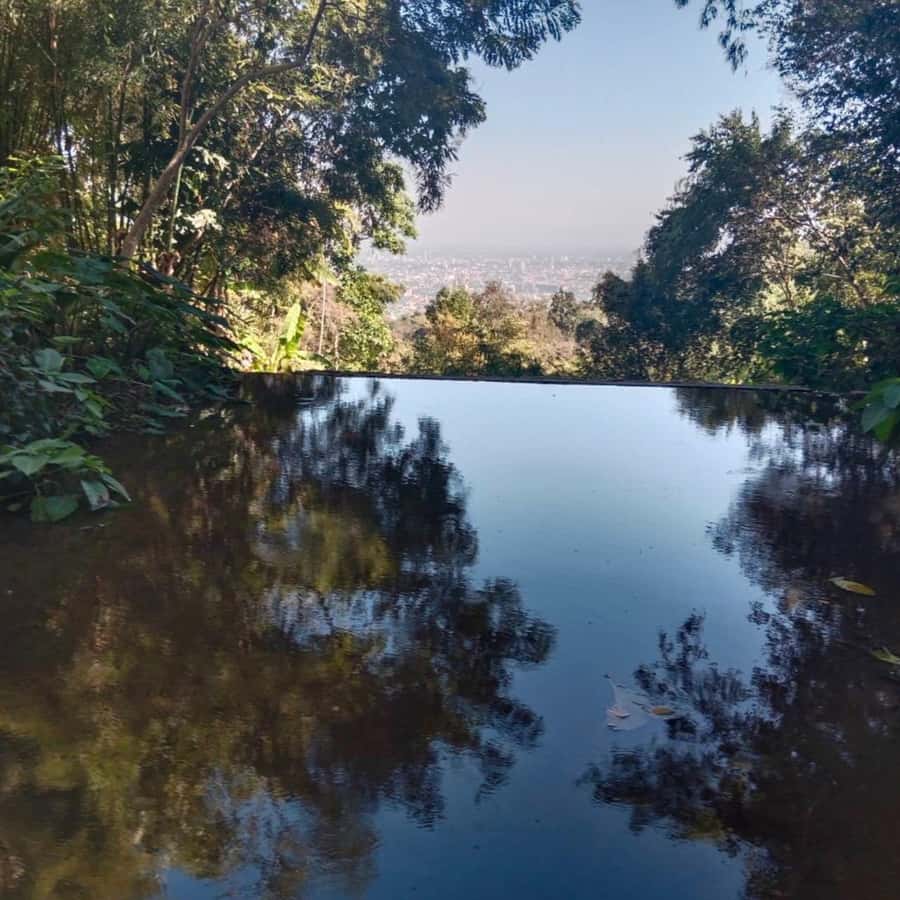
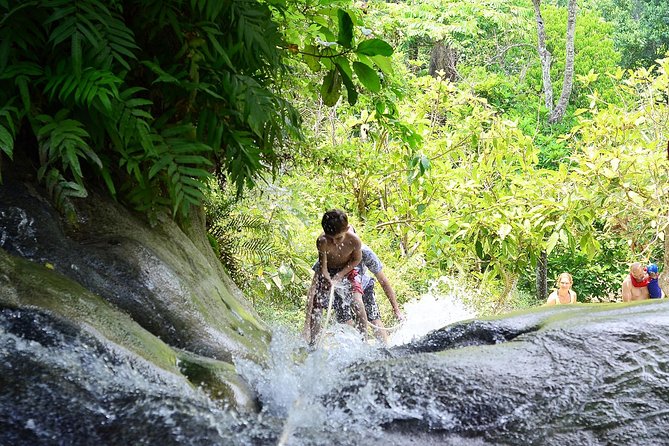
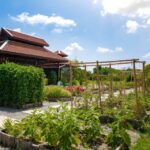
The approach matters. You’re going up to a secluded setting where the air feels different, and the walk to reach the temple adds a bit of effort that pays off. The experience is also described as including waterfalls nearby, which supports the sense that you’re in a living jungle environment rather than a landscaped temple park.
Wat Phalad is known for an architecture blend of Burmese and Chiang Mai Lanna styles. That mix is one of the reasons it’s worth treating as more than a “bonus stop.” It gives you a visual clue about cultural exchange and local adaptation in temple design. And it’s said to be about 600 years old—again, not just an age brag, but a sign that this place has functioned as a meditation sanctuary for generations.
The best part here is how it sets you up for the chanting later. When people are calm and grounded, chanting feels less like performance and more like ritual. If you tend to rush through travel moments, this stop forces a slower mode in the best way.
One consideration: the jungle setting and rainforest vibe can mean uneven surfaces. Wear shoes you can trust. This is not the tour for flimsy sandals.
Climbing to Wat Doi Suthep: Lanna gold, jewel details, and real stairs
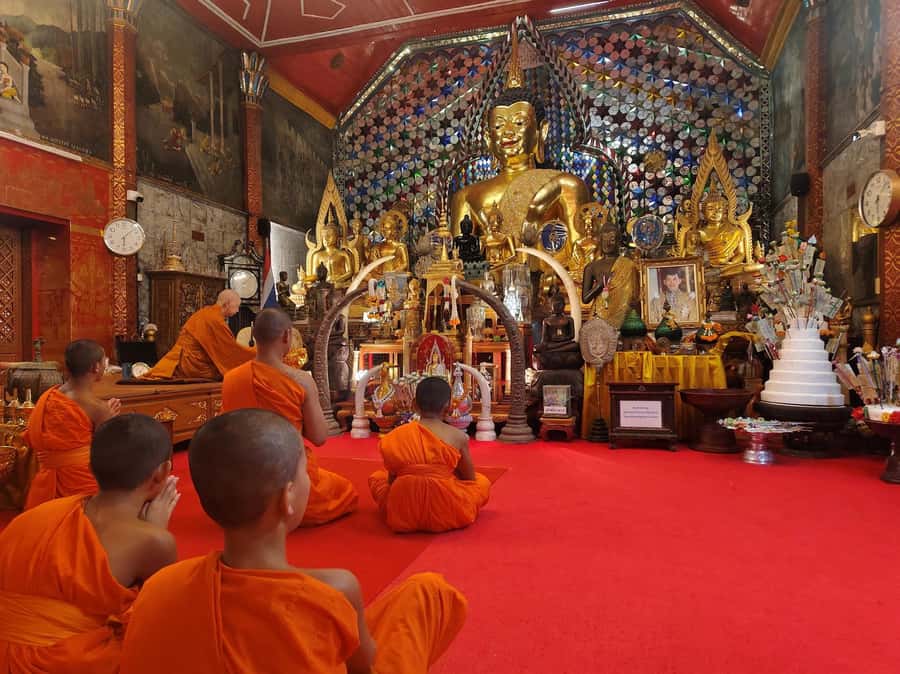
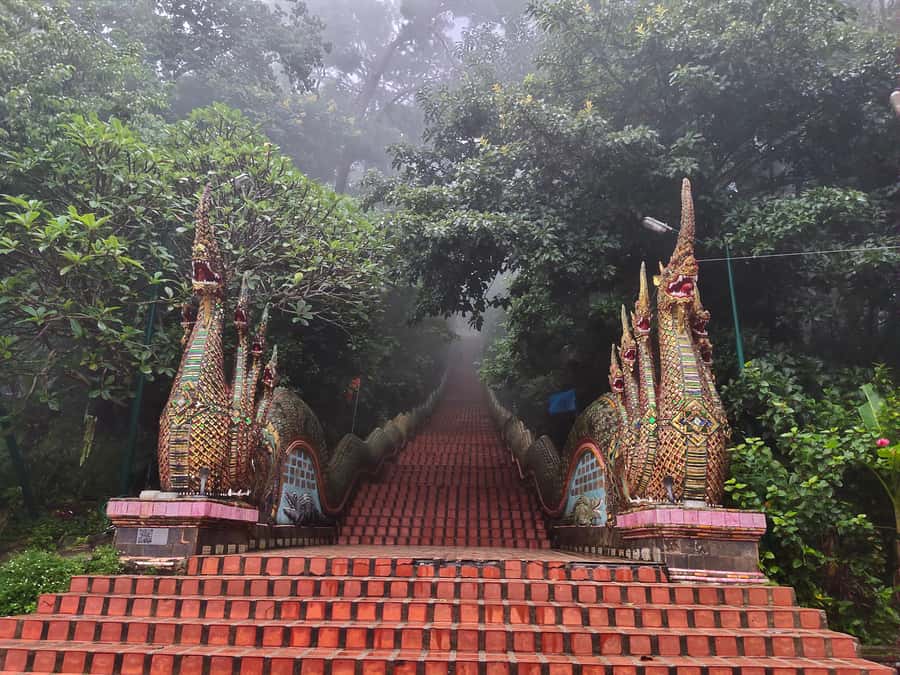
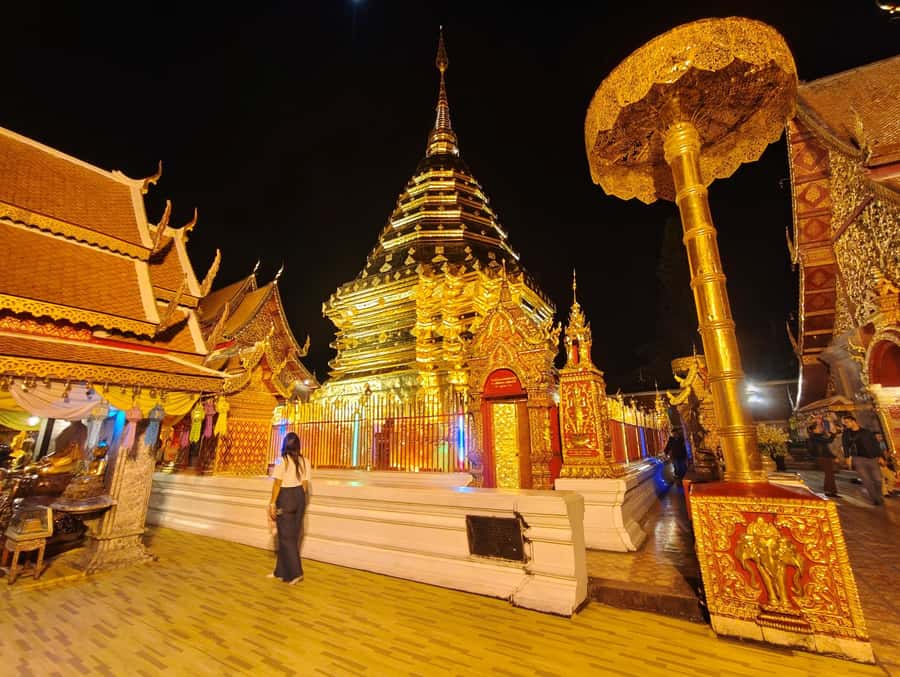
Then it’s time for the headline: Wat Doi Suthep, Chiang Mai’s most famous landmark on the peak of the Doi Suthep Mountains. If you’ve only seen Doi Suthep from far away, the mountain-top approach is a big part of the experience.
You climb stairs to reach the temple. That’s the one physical demand that’s guaranteed. Even if you’re in good shape, it’s still stair climbing. Bring your patience, not just your legs.
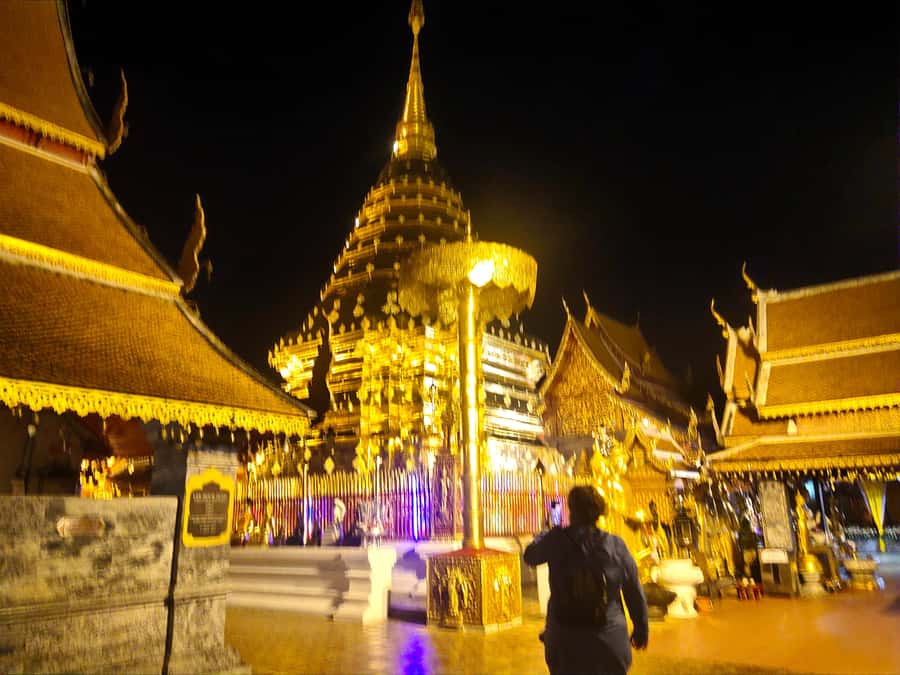
At the top, you’re looking at a pagoda in the Lanna Kingdom architectural style, described as shining with real gold and jewels. The relic connection comes back here too: the pagoda is believed to enshrine holy Buddha relics that were set here more than 640 years ago. When your guide has already explained the related relic story at Wat Suandok, this stop hits harder. The details stop feeling like random facts and start feeling like a connected tradition.
And it’s not only about the pagoda. There’s a viewing platform where you can take in panoramic views of Chiang Mai city. This is where the atmosphere changes from “temple visit” to “mountain lookout experience.” You’ll hear the sounds of temple bells and chanting mixing with the mountain air. It’s one of those rare travel moments where the sensory details line up—sound, view, light.
A quick note on timing: because this tour includes evening chanting, you’ll be working toward the top area at the golden-hour to early evening timing. Light conditions can vary by season, but the concept is consistent: you’re going up before the night views, then enjoying the city from above.
Evening monks chanting and guided meditation: what it actually feels like
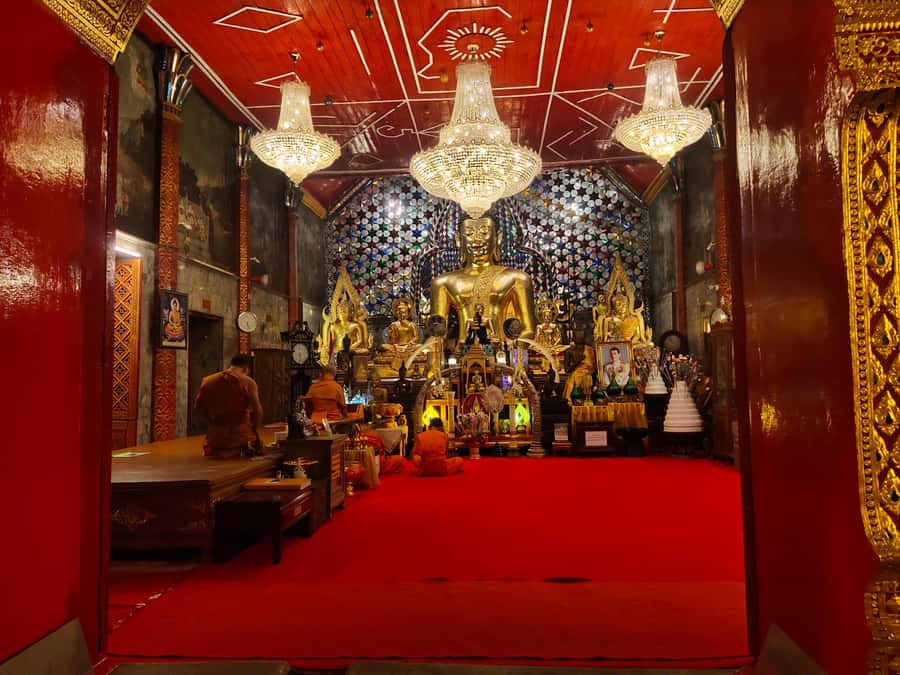
This tour doesn’t end when you leave the pagoda. The spiritual center of gravity is the evening session: monks chanting and meditation done during the chanting.
Even if you don’t know Buddhist terms, you don’t need to. The experience is guided. The guide helps you understand what you’re hearing, and—this part is important—how to behave respectfully while you’re in the chanting area.
In the best versions of this tour, the group isn’t treated like casual spectators. People are expected to participate in the chanting atmosphere and do meditation during that chanting. That’s why the small group size matters again. You won’t feel lost in a crowd.
Some groups also get special closings from monks. One experience described receiving a blessing from a monk. Another guide added a small ending ritual: the group was given candles to light and a flower to place with a wish. I can’t promise every guide will do the same exact ending each night, but it gives you a sense of what your guide might include as a respectful, symbolic moment.
How it feels: calm, focused, and a little emotional. Not because it’s dramatic, but because the environment is quiet and the chanting is steady. If you’re looking for a “culture show,” this isn’t that. If you want a genuine ritual moment with thoughtful guidance, it fits.
Night views on the way back: the city from above
After the chanting and meditation, you’ll spend time on the viewing platform area for panoramic and then nighttime views of Chiang Mai city. This is the reward for doing the climb earlier.
Night views on a mountain are special for two reasons. First, the scale is different—you see the city as a whole rather than a few streets. Second, the contrast between temple sound and city lights makes the whole evening feel rounded. You’ve spent the afternoon in sacred spaces; then you get a clear look at the everyday city your guide brought you here to see.
If you’re the type who forgets to take photos because you’re busy experiencing things, this is one stop where you’ll probably remember to lift your phone or camera. The view is simply too good to skip.
Price and time: is $30 good value for this much moving?
At $30 per person for about 270 minutes, the value comes from more than just transportation. Yes, you’re getting pickup and drop-off, plus transportation and drinking water. But what you’re paying for is the guided, structured order of three temples and the guided participation in chanting and meditation.
Most temple experiences cost about the same when you’re only getting one site and no deeper context. Here, you get a full circuit: Wat Suandok (relic-linked), Wat Phalad (jungle meditation sanctuary), and Wat Doi Suthep (main landmark + lookout). Add in the evening chanting with meditation guidance, and the price starts making sense fast.
You should expect an experience that’s active but not exhausting. The tour isn’t described as a long hike day. Still, you need to plan for walking and a stair climb. It’s travel-friendly in structure, but physically real.
The other value piece is the guide quality. Names like James and Tom came up as particularly effective at explaining monastic life and making the details connect. That kind of guide can turn temple “sights” into temple “understanding.”
Practical stuff that makes or breaks the day
Here’s what I’d prep before you go, so you’re comfortable and respectful.
Wear the right clothes. Long pants or long skirts are required for temple visits. If you show up in shorts, you might be turned back or forced to improvise. Bring comfortable clothing for warm weather.
Bring comfortable shoes and a camera. The tour involves walking, jungle-side temple access, and a stair climb. Comfortable shoes matter more than people think, especially once you’re on the way up to Doi Suthep.
Bring cash. Cash is listed as needed (likely for small purchases or offerings if you choose). If you only plan to pay digitally, bring some cash anyway.
Watch the no-go rules. Drones aren’t allowed. Alcohol and drugs aren’t allowed. It’s a serious environment, and the rules are clear.
Think about physical fit. The tour isn’t suitable for wheelchair users and people with altitude sickness. It also lists age cutoffs and weight limits. If you’re near those limits, I’d treat this as a hard “no” rather than a maybe.
Group size is small (up to 9). That’s good for interaction and pacing. It also means timing depends on everyone. If you’re late back from a photo spot, it affects the group.
Who should book this tour (and who should skip it)
This is a strong match if you:
- Want the main Chiang Mai temple landmark plus two spiritually important supporting sites
- Like when guides explain what you’re seeing, not just where to stand for photos
- Are curious about Buddhism rituals, chanting, and meditation participation
- Prefer small groups and a calmer vibe
It’s not a good match if you:
- Need wheelchair access or high mobility support
- Have altitude sickness concerns
- Are traveling with small children who won’t handle walking and temples (the tour lists restrictions for children under 2 and 3, plus baby limits)
- Are pregnant or have conditions that make stairs and uneven paths risky
If you’re fit, respectful, and open to joining the chanting rather than observing from a distance, you’ll likely feel like you got the “whole story” of these interconnected temples.
Should you book Monks chanting, Wat Doi Suthep and Wat Phalad plus Meditation?
If you’re deciding between a one-temple tour and this three-temple evening circuit, I’d pick this one. The price is reasonable for the amount of guided time, and the chanting + meditation part adds a level of participation you don’t get on most sightseeing-only outings.
Book it if you want:
- Wat Doi Suthep with real mountain views and Lanna gold pagoda focus
- Wat Phalad for rainforest calm and a different architectural style
- A guide who helps you understand monastic life and temple details (James and Tom-style explanations are a big plus)
Skip it if stairs, altitude concerns, or strict mobility limits are issues for you. In that case, you’ll have a miserable day trying to force it.
FAQ
FAQ
How long is the tour?
It runs for 270 minutes.
What’s included in the price?
Pickup and drop-off from the meeting point, tour service, an experienced English-speaking guide with a TAT license, transportation, and drinking water in the car.
Is pickup available, or do I need to meet at the temples?
Pickup is available from the meeting point. Pickup is also optional at the entrance of the temple.
Where is the meeting point?
Wait beside the Three King Monuments under the tree on the right-hand side of the statues.
Do I need long pants or long skirts?
Yes. For temple visits, you need to wear long pants or long skirts.
Does the tour include meditation?
Yes. You do meditation during the monks chanting as part of the evening session.
What shouldn’t I bring?
Drones aren’t allowed, and alcohol and drugs are not allowed.
Who is the tour not suitable for?
It isn’t suitable for wheelchair users, people with altitude sickness, pregnant women, and it has age and weight restrictions (including people over 115 kg / 254 lbs and people over 70 years).