REVIEW · CHIANG MAI
Half-day with CHIANGMAI ELEPHANT CARE program (12pm-6pm.)
Book on GetYourGuide →Operated by CHIANGMAI ELEPHANT CARE_ · Bookable on GetYourGuide
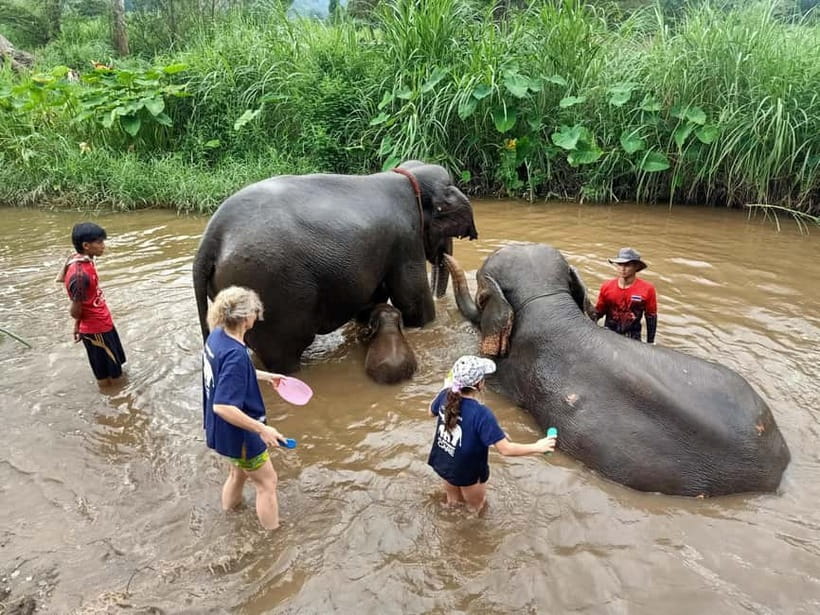
Elephants, in river water, at a calm sanctuary. What’s interesting here is the way the day is built around elephant comfort, not a checklist of forced tricks. You get hands-on time that feels personal, plus real education from an English guide like Tong Cruise or Ford.
I especially like the close interaction without the usual performance pressure. You’ll feed them, walk with them around the grounds, and even help make a digestion-support herbal medicine ball. One thing to consider: this is a half-day with hotel pickup in the afternoon, and the program’s activities (including bathing) can depend on the elephants’ mood and conditions.
In This Review
- Key Highlights You’ll Feel (Not Just See)
- What Makes Chiang Mai Elephant Care Different From the Usual Elephant Stops
- Price and What You Really Get for $54
- Pickup at 12pm–12:30: Timing the Van Ride Without Stress
- Getting to the Camp: Uniforms, Lunch, and a Clear Elephant Briefing
- Feeding, Touching, and Walking: Your 2 Hours With the Elephants
- Making the Herbal Medicine Ball (And Why It’s More Than a Craft)
- River Bathing in the River: Brushing, Washing, and Elephant Comfort
- The Education Part: Facts, Elephant Behavior, and Culture Notes
- Transport, Pace, and Photo Moments That Don’t Feel Forced
- Facilities at the Camp: Shower Time and Comfort After the River
- Who This Half-Day Elephant Care Tour Is Best For
- The Main Things to Keep in Mind Before You Book
- Should You Book CHIANGMAI ELEPHANT CARE (12pm–6pm)?
- FAQ
- What time does pickup usually happen?
- How long is the tour from start to finish?
- What do I do when I arrive at the camp?
- Is river bathing included?
- What’s included in the price?
- Where does the tour start and end?
Key Highlights You’ll Feel (Not Just See)
- Elephant-first approach: activities are based on their happy, with no controlling behavior pushed at you
- Hands-on feeding and gentle contact: pat, touch, and feed as you follow the elephants through the area
- Make a herbal medicine ball: mix supplement for digestion and offer it to the elephants
- River bathing in Maeteang: brush and bathe the elephants when it’s part of the day
- Real guidance in English: learn behavior, diet, and facts, plus cultural context from your guide
- Comfy wrap-up: shower and change clothes before the return drive
What Makes Chiang Mai Elephant Care Different From the Usual Elephant Stops
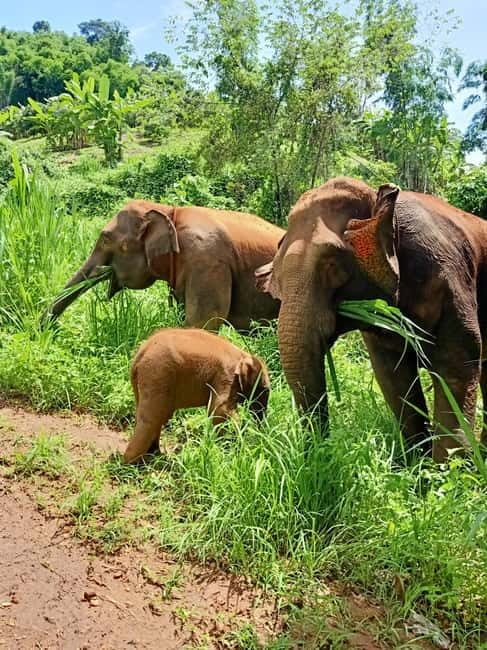
This program is designed around elephant welfare, and you feel that in the rules you’re given right from the start. You’ll get a briefing on what to do and what not to do, and the interaction stays tied to the elephants’ comfort level. In plain terms: you’re not there to boss them around, stand them in place, or speed-run photos.
The day also has a quieter pace than the classic tourist routine. You spend time following and observing, then doing gentle, approved activities. That matters because elephants aren’t props. When the day is built around watching first, you’re more likely to notice behavior—like how they approach food, how they move in the area, and when they want space.
A few more Chiang Mai tours and experiences worth a look


Price and What You Really Get for $54
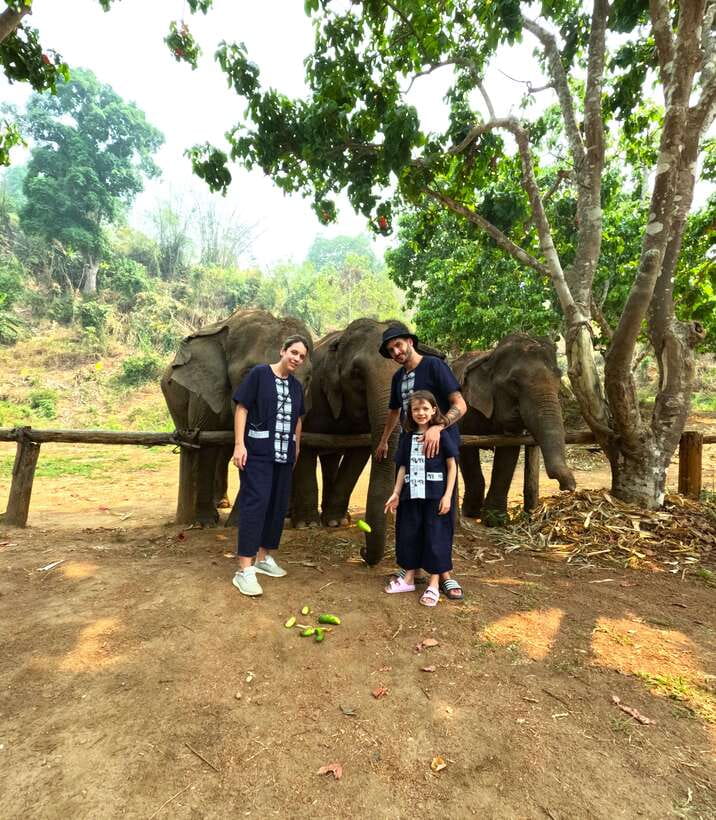
At $54 per person for about 6 hours total, the cost is fairly reasonable for an organized half-day in Chiang Mai. You’re not just buying a ticket to a viewpoint. You get transport, a guide, and hands-on elephant time plus a meal.
Here’s what you’re paying for in a practical sense:
- Hotel pickup and return by van (often combining 2–3 hotels on the way)
- English speaking guide for the full guided portion
- Lunch and drinks (home-cooked lunch + fruit + drinking water)
- Uniform for the activities
- Elephant food and a chance to help prepare a herbal supplement
That’s why the price can feel like good value—especially if you’d otherwise spend money on separate transport plus a less structured attraction. If you’re someone who hates rushed “feed-and-zip” experiences, this format is the reason the number feels fair.
Pickup at 12pm–12:30: Timing the Van Ride Without Stress
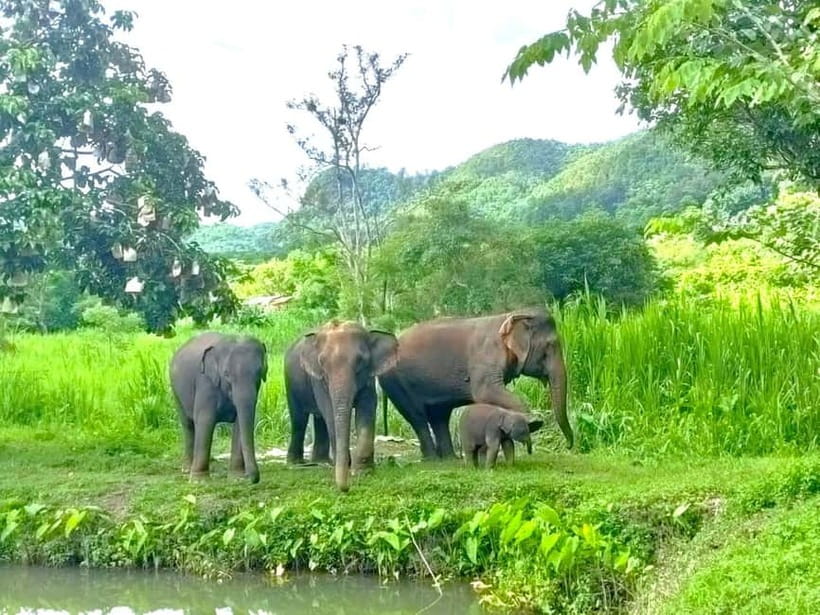
This tour starts with hotel pickup around 12:00–12:30. It’s a shared van, so your exact pickup can include a couple of other hotels before you leave Chiang Mai. Expect about 1.5 hours drive to the Maeteang area, and a similar return time later.
That timing is great if:
- You like late mornings and easy starts
- You’re okay with an afternoon excursion rather than an early-morning trek
- You want to keep your evening free enough to eat out after
It can be tricky if you planned a full day tour earlier. Try not to stack another big activity for the early afternoon. You’ll want time to relax before pickup, and you’ll likely be tired after the return drive.
Getting to the Camp: Uniforms, Lunch, and a Clear Elephant Briefing
Once you reach the camp, you’ll change into the provided uniforms. It’s one of those small details that makes the day feel official, but it also keeps you comfortable for feeding and river activities.
Lunch comes next—about 30 minutes—and it’s described as a home-cooked meal plus fruits and drinking water. If you’re wondering if you’ll be hungry later: you probably won’t be, but I still recommend eating at a normal pace rather than trying to snack only.
Then there’s a short introduction and briefing. The key point isn’t memorizing rules—it’s understanding how the elephants should be approached. The program emphasizes clear guidance on what you should and shouldn’t do with the elephants. That’s one reason the experience tends to feel calm instead of chaotic.
Feeding, Touching, and Walking: Your 2 Hours With the Elephants
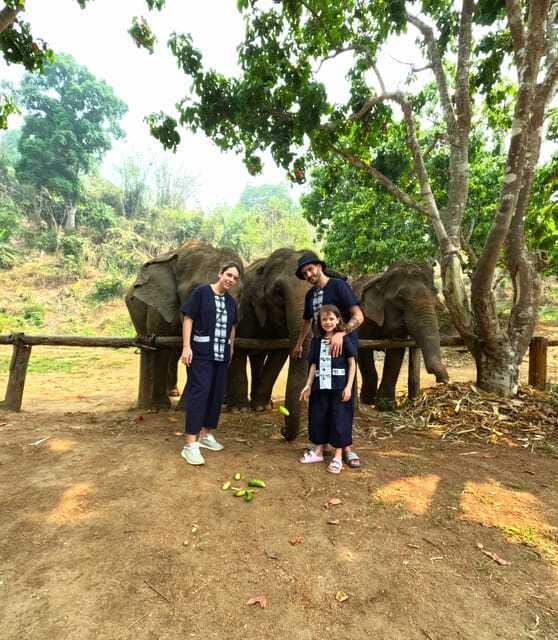
The main interaction block is about 2 hours. You’ll spend time following the elephants around the grounds while learning and participating in gentle actions. Based on how the program runs, you can expect:
- Feeding them up close
- Touching and patting
- Observing elephant behavior as you move through the area
- Plenty of photo opportunities that don’t rely on forcing the animal into a pose
This is the heart of why people book. It’s hands-on, but not aggressive. And because you’re walking with them rather than standing on a platform, you get more natural moments. You’ll also likely learn the “why” behind the routine—like why certain foods or methods are used.




Making the Herbal Medicine Ball (And Why It’s More Than a Craft)
One of the most memorable parts is making a supplement herbal medicine ball. You’re not just making something to toss from a distance. The idea is to help support the elephants’ digestion and overall health, then offer it to them as part of the day’s care.
Even if you’re not a Thailand herbal-medicine expert (I’m not), you’ll get guidance during the process. The value isn’t that you leave with a recipe. The value is that you’re learning how caretaking works day to day—what elephants eat, what supplements are used, and how that fits into keeping them healthy.
This part also changes your mindset from tourist mode to care mode. You stop thinking, What can I do for a photo? and start thinking, What’s this for, and how does it help?
River Bathing in the River: Brushing, Washing, and Elephant Comfort
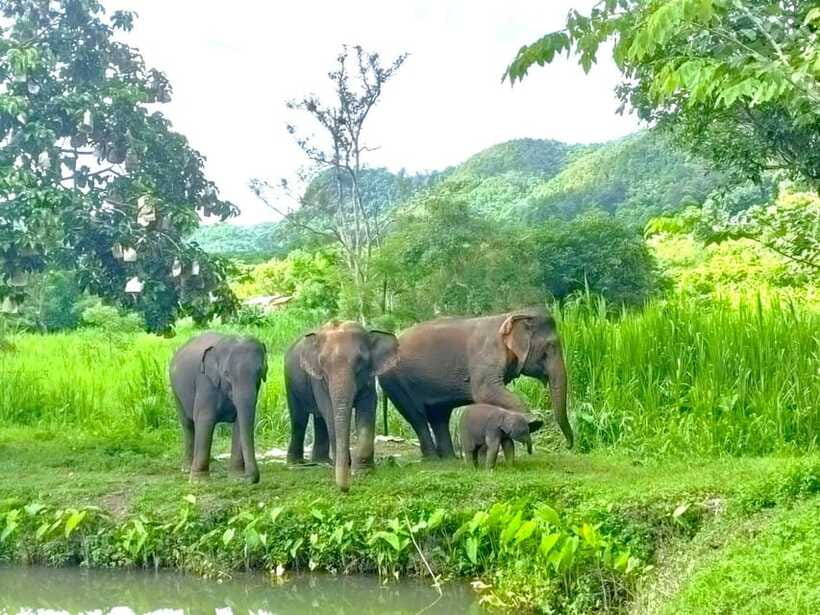
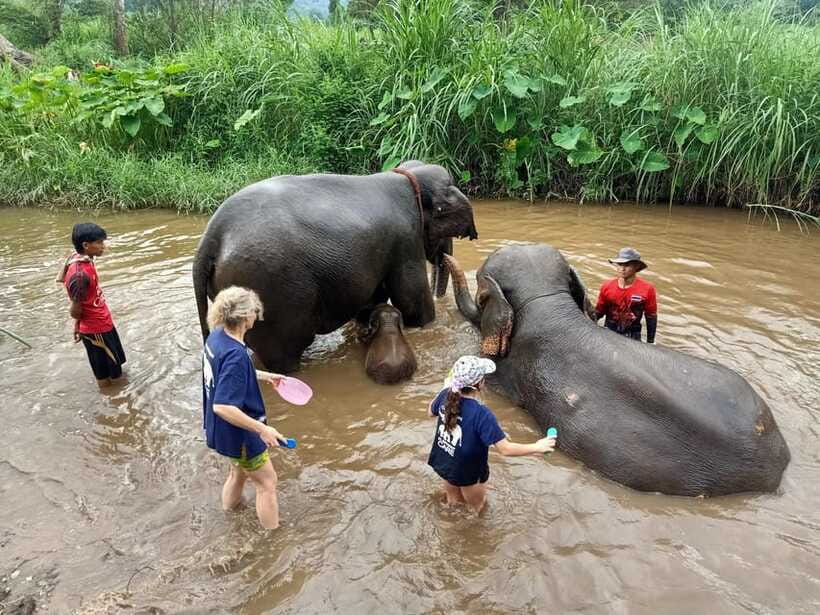
Another highlight is the bathing in the river. You’ll bathe and brush elephants in the water as part of the program. That sounds simple, but in practice it’s one of the more physical moments of the day.
Important note: the program states its elephant activities are based on the animals’ happy. So if conditions aren’t right—weather, or the elephants simply not wanting to participate—things may be adjusted. I like that this approach is built in, because it means you’re not demanding a performance.
If river time happens, expect to get wet and have to manage your belongings. If it doesn’t, you still get the education and interaction time. Either way, the day isn’t just one single “water moment.”
The Education Part: Facts, Elephant Behavior, and Culture Notes
This is not a silent elephant meetup. You get ongoing explanations from your English guide, and the day includes facts about elephants and how caretakers think about their wellbeing.
Two guides specifically show up in the guide chatter: Tong Cruise and Ford. Both are described as enthusiastic and strong at explaining, with Tong Cruise also adding cultural context. That’s a big deal in Chiang Mai, where elephant experiences can be tied to local communities and history.
What you’ll likely walk away with:
- How elephants eat and what they’re fed during care time
- Basic behavior patterns you can spot while watching them
- Why caretaking involves more than feeding
If you care about understanding what you’re seeing, this education component is one of the strongest reasons to choose this over a more superficial stop.
Transport, Pace, and Photo Moments That Don’t Feel Forced
This is a half-day experience with a structured flow: pickup, drive, camp activities, then return. Your group may include participants from 2–3 hotels, which can help keep the logistics organized. The pace is set so you have time to interact and also time to watch.
You’ll likely notice the experience doesn’t feel rushed. The elephants roam through their area, and you follow along. That naturally shapes your photo moments. You’re not waiting for the elephant to perform on cue, which makes pictures feel more real and less like a staged set.
Facilities at the Camp: Shower Time and Comfort After the River
A practical bonus: the program includes facilities for washing up. After the elephant activities, you’ll have time to shower, change clothes, and cool down before heading back to the city. That matters because river bathing can leave you wet and muddy.
You also get drinking water during the day. And you’ll have a uniform for activities, which cuts down on the “what do I wear?” stress. On the comfort side, it’s simply easier than doing a more rugged day where you’re managing your own wash station.
Who This Half-Day Elephant Care Tour Is Best For
I think this tour fits best if you want three things:
- Hands-on time with elephants, not just a viewing platform
- A structured guide-led day in English
- A sanctuary-style experience focused on welfare and comfort
It’s also a good match for families, since the program environment is described as safe and kids can enjoy the hands-on care and calm atmosphere. If you’re traveling with friends, it works well too because you can ask questions and learn while still taking photos.
If you’re looking for an action-packed adventure—like trekking across long distances—this isn’t that kind of day. It’s shorter, more focused on care and observation.
The Main Things to Keep in Mind Before You Book
Here are the practical considerations I’d weigh:
- This is an afternoon-to-evening schedule, so plan your earlier hours accordingly
- The experience is shaped by elephant comfort, so river bathing may vary
- You’ll be close enough to feel involved. If you want a distant, strictly observational experience, this might not match your style
On the flip side, the ethical approach and the guided interaction are the reasons the day earns strong ratings. Guides like Tong Cruise and Ford help make the learning part feel friendly instead of lecture-y.
Should You Book CHIANGMAI ELEPHANT CARE (12pm–6pm)?
If you want an elephant experience that focuses on comfort, caretaking, and education, I’d book it. The value here is the combination of lunch + guide + transport + uniform + elephant food, all wrapped into an organized half-day.
Choose this especially if:
- You care about welfare and you want activities based on elephant happiness
- You want to help with a real caretaking task (like the herbal medicine ball)
- You’d rather learn how elephants live than just pose for photos
If your schedule only works for early mornings, or if you strongly prefer watching from afar, you might look at alternatives. But for most people visiting Chiang Mai with a soft spot for elephants, this one is a solid, practical choice.
FAQ
What time does pickup usually happen?
Hotel pickup is around 12:00 to 12:30, and you’ll be picked up at your hotel lobby.
How long is the tour from start to finish?
The total duration is about 6 hours, running from 12pm to 6pm.
What do I do when I arrive at the camp?
You’ll change into the provided uniforms, have lunch, get an introduction/briefing, then spend time interacting with the elephants, including feeding and making a herbal medicine ball.
Is river bathing included?
River bathing and brushing in the river are part of the program, but the activities are based on the elephants’ happy, so it can depend on conditions and the animals’ behavior that day.
What’s included in the price?
Included are the ticket to enter the program, an English-speaking guide, elephant foods, the uniform for activities, day tour insurance, and home-cooked lunch plus fruits and drinking water.
Where does the tour start and end?
Your pickup is from your hotel lobby. The provided map reference point for pickup/return is 7MCWQXJC+63W.