REVIEW · CHIANG MAI
Half Day – Small Group – Doi Suthep Temple and Hmong Village Tour
Book on Viator →Operated by Touring Center · Bookable on Viator
Doi Suthep and the Hmong village make one tidy loop. In just about 4 hours, you get temple views over Chiang Mai and a guided look at northern hill-tribe culture. It’s also built as a small group trip with door-to-door style pickup in central areas, so you’re not stuck wrangling taxis.
I like two things right away: the guided time at Wat Phra That Doi Suthep (with viewpoint time) and the fact that you’re not just dropped off at “a market.” A guide is there to connect Buddhism and everyday village life, and names like Bee, Tui, and Aom have shown up as standout guides in past groups.
One consideration: the Doi Pui stop can feel short. If you came craving deep, slow anthropology, you may find the village portion more shop-and-walk than a long conversation—so ask your guide questions and keep expectations realistic for a half-day.
In This Review
- Key points before you go
- A smart half-day in Chiang Mai: temple views and hill-tribe culture
- Small group comfort (max nine) and why it changes the experience
- Getting there: pickup limits, minivan rides, and timing that feels realistic
- Wat Phra That Doi Suthep: what you do and what you should notice
- A practical tip: plan for coffee on the way
- Doi Pui Hmong village: museum time, walking routes, and how to make it meaningful
- Morning matters if you care about the “feel”
- The guide is the difference: how to get the most out of the tour
- Value check: is $37.49 a good deal for this combo?
- Who should book this tour (and who might want something else)
- Should you book the Doi Suthep and Doi Pui half-day?
- FAQ
- How long is the tour?
- Is hotel pickup included?
- How big is the group?
- What’s included in the price?
- What should I wear?
- Are children allowed?
- What if the weather is bad?
Key points before you go
- Max nine people keeps the pacing human and questions answered without shouting.
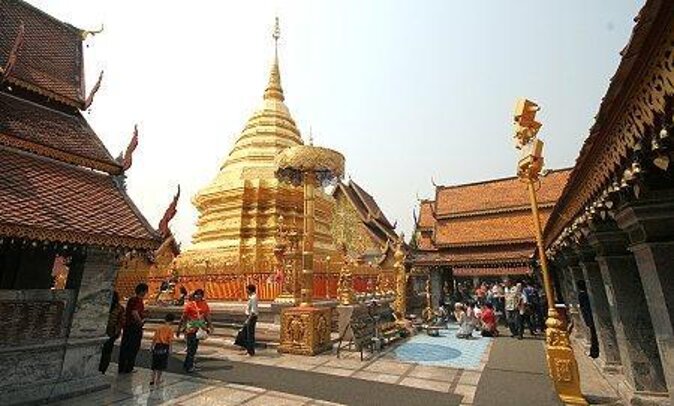
- Temple time plus viewpoints at Wat Phra That Doi Suthep is the main event, not just a quick photo stop.
- Doi Pui includes a museum visit and entry fees, so you aren’t guessing what costs extra.
- Air-conditioned minivan and bottled water reduce the usual Chiang Mai heat-stress.
- Dress code matters for monasteries: cover knees and shoulders.
- Coffee time is part of the vibe at Doi Suthep and the village area.
A smart half-day in Chiang Mai: temple views and hill-tribe culture
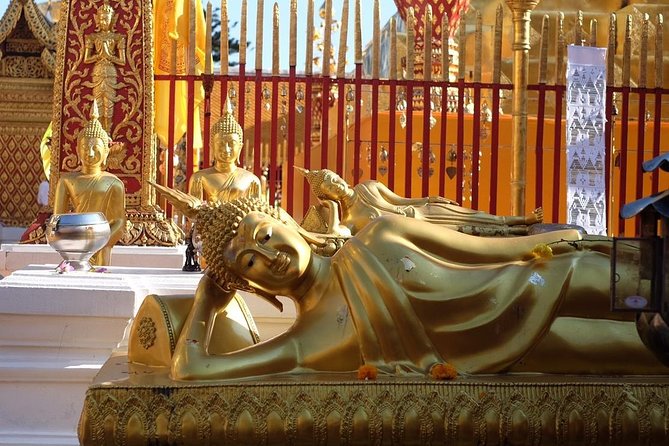
This is a classic Chiang Mai pairing: Wat Phra That Doi Suthep for Buddhism and skyline views, then Doi Pui Hmong Hill Tribe Village for a glimpse of how northern communities live today. The trip is short enough to fit cleanly between markets, cooking classes, or a night market crawl, but long enough to avoid feeling rushed at every single stop.
The real value is how the day is structured. You’re guided through the important parts—temple grounds first, then a village visit second—so you’re not left translating everything on your own. Guides with strong English and good local context (including Bee, Tui, and Aom) are a big part of why people rate this so highly.
You can also read our reviews of more tours and experiences in Chiang Mai.



Small group comfort (max nine) and why it changes the experience
A small group sounds like a marketing line until you feel it. Here, it’s capped at a maximum of nine people, which typically means:
- You can hear your guide without leaning into the crowd.
- You can ask follow-ups when something clicks—like why certain temple features matter, or what visitors are seeing in the village.
- The tour pace is less rigid than big-bus sightseeing.
There’s also a note that the activity overall can include up to 18 travelers, so you might be split into groups depending on the day. Either way, you’ll generally experience it as a more personal tour than the usual long line of strangers.
One small-group perk that stands out in past tours: sometimes you end up with just a couple of people, and the guide can shift into an even more relaxed, tailored rhythm. That’s when the questions get better and you feel less like you’re sprinting to the next photo angle.
Getting there: pickup limits, minivan rides, and timing that feels realistic
This tour includes hotel pickup and drop-off, but only for hotels within 6 kilometers of the Three Kings Monument. If you’re farther out, there’s a surcharge listed as THB 500 per way for 6–15 km, and THB 1,000 per way for 16–30 km.
Once you’re picked up, you ride in an air-conditioned minivan with a professional driver, and the day includes bottled water. That matters on this route because Wat Phra That Doi Suthep is up and out of the city, and you’ll want to arrive feeling human—not wilted.
The schedule is also built for a half-day. You’re not trapped on the road all morning. You do get a real temple visit (about 1 hour 30 minutes) and then a separate village block (about 45 minutes), which keeps your brain focused on what you’re actually seeing.
Wat Phra That Doi Suthep: what you do and what you should notice
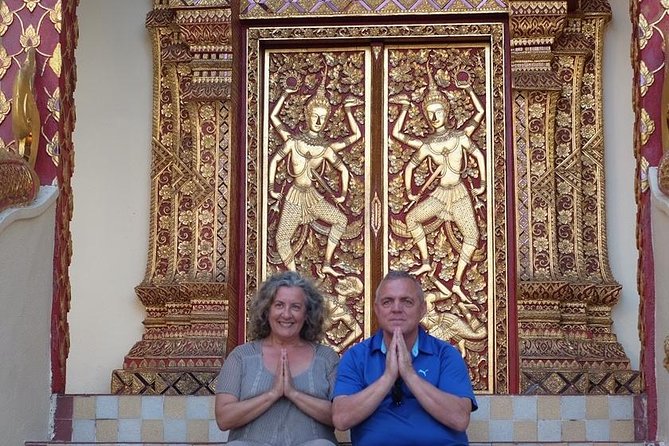
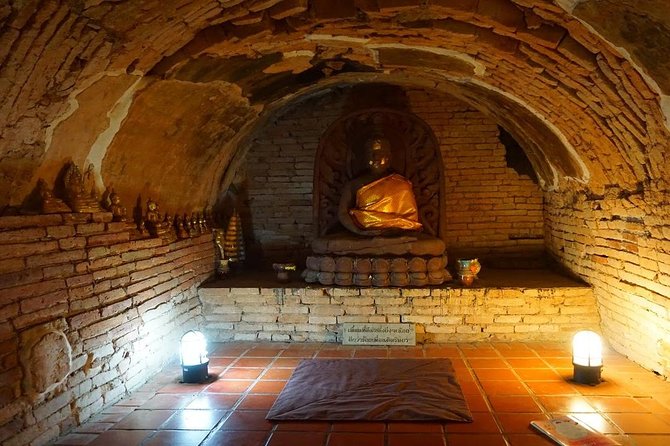
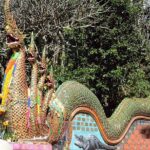
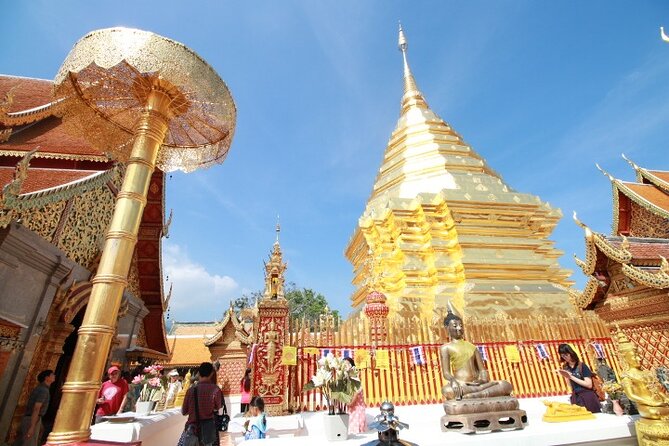
Wat Phra That Doi Suthep is the headline attraction. Expect a guided tour of the temple compound, plus time at the viewpoint overlook with a Chiang Mai city view. Admission is included, and the cost includes an included lift option as well, which helps when you’re dealing with stairs, elevation, and time constraints.
During the temple portion, I’d plan to slow down just enough to actually watch the space:
- Look at how the compound is arranged and how people move through it.
- Pay attention to what your guide points out about Buddhism in the northern Thai context.
- At the viewpoint, take a breath and actually absorb the city layout rather than only snapping a quick skyline picture.
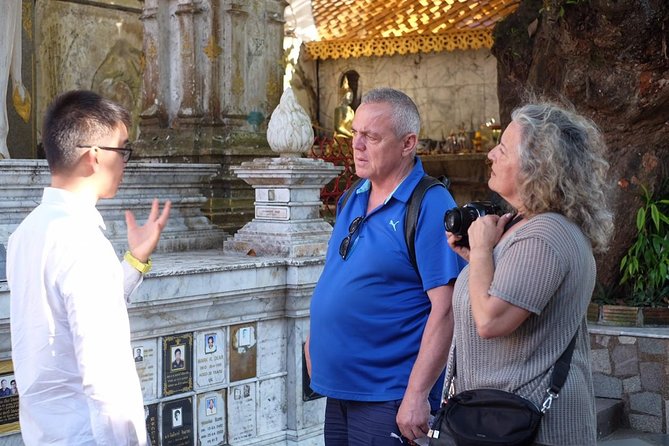
This is also where you’ll benefit most from a good guide. In past tours, guides like Bee, Tui, and Aom were praised for explaining what you’re looking at, not just reciting a few facts. If you have even one question—why the temple is so iconic, or what certain details represent—this is your best time to ask.
A practical tip: plan for coffee on the way
One of the most specific bits of advice you’ll hear for Doi Suthep is to buy coffee there. People call out the taste as more local and worth the stop. It’s not required, but if you like small food-and-drink breaks that also double as a moment to rest, this fits the vibe.



Doi Pui Hmong village: museum time, walking routes, and how to make it meaningful
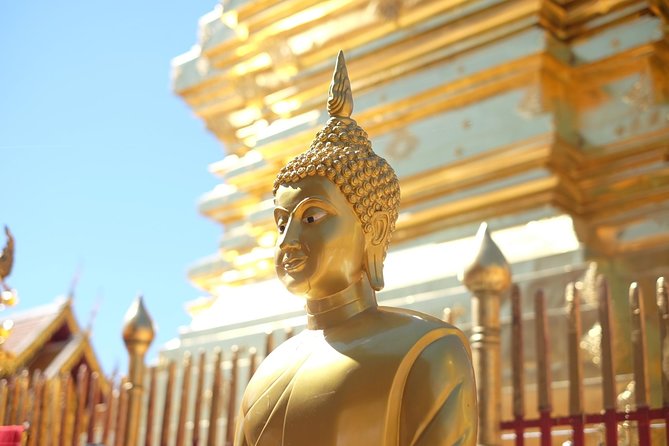
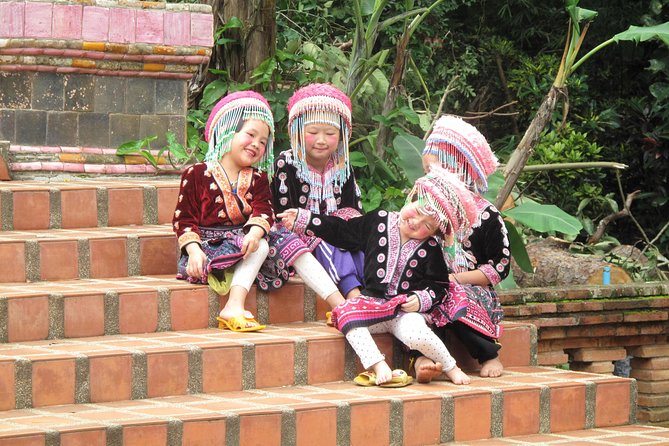
After the temple, you head to Doi Pui Mong Hill Tribe Village for about 45 minutes. The visit includes a stop at a small village museum (entry included) and then time to walk through a souvenir stall area.
Here’s the key thing to understand: this is a brief cultural visit, not a long homestay. That’s why the guide’s role becomes even more important. The museum and the walk are meant to give context fast. If your expectations are set to match the time window—short and guided—you’ll likely enjoy it.
Also, not every village stop will feel equally authentic to every person. One caution from past experiences is that the village component can skew toward what visitors can buy and see quickly. If you want more depth, you can steer your conversation by asking:
- What’s the difference between daily village life and what people are doing for visitors?
- What does the museum focus on?
- How do local traditions connect to Buddhism or northern Thai culture?
If your guide is strong, you’ll leave with a clearer picture of how the community explains itself—beyond the shopfront.
Morning matters if you care about the “feel”
One past highlight mentioned an early morning version of the experience, with mist drifting past coffee and flower bushes. Even if your exact start time varies, you should know that early hours often create a more atmospheric feel up here. If you have control over your booking time, consider choosing something earlier rather than later.
The guide is the difference: how to get the most out of the tour
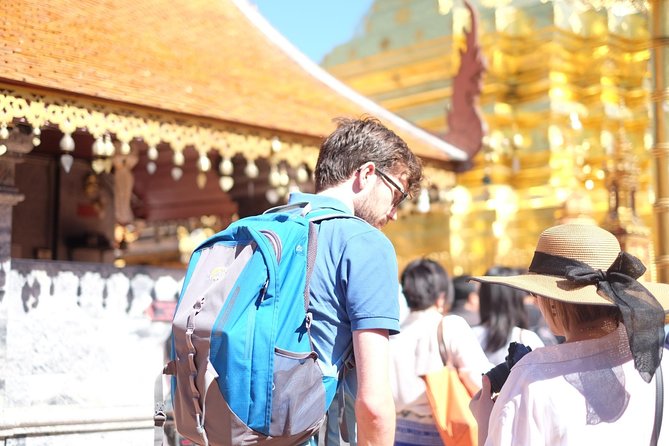
This tour lives or dies on the guide. The tour includes a professional English-speaking guide, and the best experiences come from guides who connect the dots—Buddhism at the temple, and cultural context at the village.
In earlier groups, guides such as Tui, Bee, Aom, and Paul were noted for being friendly, helpful, and willing to answer questions. One strong pattern: when the guide has humor and good pacing, you’re more likely to enjoy the temple highlights instead of feeling like you’re herded.
So here’s how you get the most out of your side of the bargain:
- Bring one or two questions about the temple and the village.
- Be ready with basic manners: go slow, don’t block paths, and treat the monastery space with respect.
- If you think you’re being rushed, speak up politely. A good guide can adjust the pace within reason.
Value check: is $37.49 a good deal for this combo?
At $37.49 per person, the value comes from what’s included—not just the fact that it’s “cheap.”
What you get included:
- Hotel pickup and drop-off (within the stated central area limit)
- Air-conditioned minivan with a professional driver
- English-speaking guide
- Bottled water
- Admission fees and lift for Doi Suthep plus the Hmong museum at Doi Pui
- Traveling accident insurance
What costs extra:
- Alcoholic drinks (available for purchase)
- Souvenirs and personal expenses
- Possible pickup/drop-off surcharge if you’re beyond the 6 km zone
When you compare that to paying for a driver, admissions, and a guided explanation separately, this pairing starts to make sense. You’re paying for coordination and context. And because it’s small-group, you’re paying less than the cost of doing everything privately while still getting a human guide voice.
Who should book this tour (and who might want something else)
This tour is a good match if you:
- Want a simple half-day plan with two major sights.
- Appreciate guided context, especially for religious and cultural sites.
- Prefer small groups and dislike the chaos of big bus tours.
- Are time-limited but still want “more than a drive-by.”
It might be less ideal if you:
- Want a slow, deep cultural experience with lots of conversation time.
- Prefer a village visit that focuses more on daily life observation than on museum + short walk routes.
- Are very sensitive to pacing and want extra time at the temple beyond the scheduled guided block.
Even then, you can still make it work by setting expectations: this is a well-structured snapshot with guidance, not a full immersion stay.
Should you book the Doi Suthep and Doi Pui half-day?
If you want the big Chiang Mai icon plus a guided hill-tribe visit without spending half the day figuring out logistics, I think this is a solid booking. The best part is the combination of Wat Phra That Doi Suthep’s guided temple time and viewpoint, paired with a Doi Pui stop that includes museum entry and a guide’s explanation.
Book it if you like clear structure, small groups, and a guide who can translate what you’re seeing into something understandable. Skip it or adjust expectations if you’re hunting for a long, slow village experience. In that case, you’d likely prefer a different format with more time on the ground.
FAQ
How long is the tour?
The duration is listed as about 4 hours.
Is hotel pickup included?
Yes, hotel pickup and drop-off are included for hotels within 6 kilometers of the Three Kings Monument. If you’re outside that area, a surcharge may apply.
How big is the group?
The experience is described as a small group limited to a maximum of nine people, and the activity also notes a maximum of 18 travelers.
What’s included in the price?
Included are hotel pickup/drop-off (within the area limit), a professional English-speaking guide, an air-conditioned minivan, bottled water, traveling accident insurance, and admission fees plus lift (Wat Doi Suthep and the Hmong museum at Doi Pui).
What should I wear?
The dress code is smart casual, with a note to cover knees and shoulders when entering a monastery.
Are children allowed?
Children can participate. The child rate applies only when sharing with two paying adults, and children must be accompanied by an adult.
What if the weather is bad?
The tour requires good weather. If it’s canceled due to poor weather, you’ll be offered a different date or a full refund.