REVIEW · BANGKOK
Bangkok: Mango Cooking School Thai Cooking Class
Book on GetYourGuide →Operated by Mango Cooking School · Bookable on GetYourGuide
The fastest way to understand Thai food is to buy it, then cook it. Mango Cooking School pairs a local market walk near BTS On Nut with hands-on cooking in a spot that’s clean, air-conditioned, and built for families. I really like that you’ll learn classic dishes from scratch with fresh ingredients, and you finish with real Thai sweets like mango sticky rice. One thing to plan for: this class is set up for active participants, so you can’t just hang around if you haven’t registered.
The 3-hour format is friendly, practical, and very English-friendly, with instructors known for staying interactive (names you might hear include Serene, PUI, and MC). You’ll cook multiple dishes, get QR video recipes, and leave with a small gift. If you’re not into shellfish, or you want very specific spice levels, it’s worth telling the chef early so they can guide you.
In This Review
- Key highlights you’ll feel right away
- A Market Walk That Teaches You Why Thai Food Tastes the Way It Does
- BTS On Nut Location: Easy to Reach, Easy to Start
- Inside the Facility: Spotless Kitchen, Air Conditioning Everywhere
- The 3-Hour Schedule: What Happens From Market to Mango Sticky Rice
- The Market Tour: Herbs, Seasoning, and the “Flavor Ingredients” Checklist
- Cooking Six Dishes: Som Tum, Pad Thai, Tom Yum, Morning Glory, and More
- Coconut Milk: Making Coconut Cream and Milk
- Appetizers: Som Tum (Green Papaya Salad)
- Main Courses: Pad Thai and Tom Yum
- Stir-Fried Morning Glory
- Mango Dessert: Mango Sticky Rice
- Spice Control and Personal Taste: How Thai Cooking Gets Tailored
- The Dessert Finale and Thai Milk Tea Moment
- Value for $27: What You Get Beyond the Recipes
- Who Should Book This Class Near On Nut
- Possible Downsides to Consider Before You Go
- Should You Book Mango Cooking School in Bangkok?
- FAQ
- How long is the Bangkok Mango Cooking School Thai Cooking Class?
- Where do I meet for the class near BTS On Nut?
- How much does the class cost?
- What dishes will I cook during the class?
- What’s included in the price?
- Is hotel pickup and drop-off included?
- Can children attend, and do they need a guardian?
- What can’t I bring or do?
- What should I bring to the class?
- Is there a cancellation option?
Key highlights you’ll feel right away
- Market tour right before cooking so you understand what you’re buying, not just what you’re eating
- Near BTS On Nut with a short, easy walk from Skytrain to the school
- Hands-on, multi-dish class where you cook major Thai favorites and a dessert
- Clean, air-conditioned facility with air purifiers on site (and kid-friendly tools)
- QR recipe videos plus a special gift, so you can recreate the food later
A Market Walk That Teaches You Why Thai Food Tastes the Way It Does
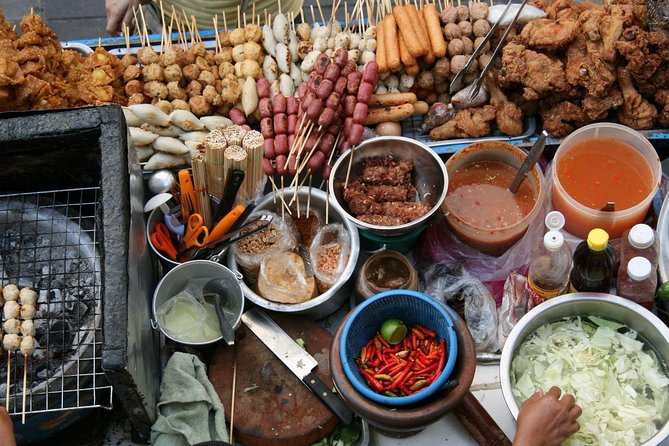
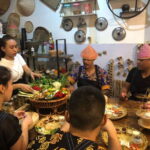
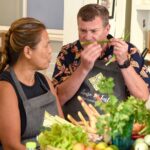
This class isn’t only about cooking. The market portion is the “why.” You’ll walk through a local food market with your instructor, picking up on the ingredients that make Thai flavors click—herbs, seasonings, and spices that you won’t always get right from a generic grocery shelf.
Thai cooking makes more sense when you see and touch the raw inputs. Instead of memorizing recipes, you learn what to look for: what’s fragrant, what’s crisp, what’s tangy, and what adds body. You also get a feel for how Thai kitchens build flavor using balance—sweet, sour, salty, and spicy working together rather than competing.
I like that the market is close by, so you don’t burn time in transit. And because the school is set up for instruction, the market walk doesn’t feel like a wandering sightseeing detour. It stays tied to the dishes you’ll actually cook.
One practical note: the school menu can shift based on availability. That’s common in cooking classes, but it also means the dishes you cook might vary a bit by day.
You can also read our reviews of more cooking classes in Bangkok

BTS On Nut Location: Easy to Reach, Easy to Start
Getting to Mango Cooking School is straightforward. You meet by walking 5–10 minutes from BTS Skytrain On Nut. The meeting point is across from BIG-C (On Nut) Market.
For planning, this matters more than people think. When a cooking class is near transit, you’re less stressed about being late and less dependent on taxis and traffic. You’ll want that calm—Thai cooking moves quickly once the knives come out.
Also, the school sits right near a Thai local market. Expect the walk to be short once you’re there—about a couple minutes between the school area and the market spot used for the ingredient shopping.
What to bring: comfy shoes and a camera. That’s it. No need for fancy clothes—just wear something you can move in, because you’ll be standing and working at a station.
Inside the Facility: Spotless Kitchen, Air Conditioning Everywhere
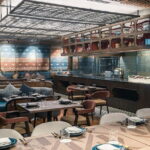
What I like about Mango Cooking School is the comfort layer. The facility is described as clean, and it’s air-conditioned on every floor. There are air purifiers on site as well, which is a big deal in Bangkok’s heat and traffic air.
The school also prepares kid-friendly support. Cooking tools meant for younger participants are available, and that makes the class feel intentionally family-oriented rather than “we’ll try to accommodate you.” In the same spirit, the setup is organized so people can cook, eat, and reset without chaos.
This isn’t a scruffy back-alley kitchen. It’s a purpose-built space that’s designed for learning. And the reviews reflect that same point again and again: people notice how tidy the rooms and stations are, how smoothly the class runs, and how quickly you get to eat what you cook.
The 3-Hour Schedule: What Happens From Market to Mango Sticky Rice
You’re looking at a 3-hour class, and it’s designed as a full loop: market → prep → cook → eat → sweet finish. Classes run in the morning and afternoon, so you can match it to your Bangkok rhythm.
Even though specific timing can vary slightly by group, the flow is predictable:
1) Market walk with your instructor
2) Ingredient prep and learning basics for each dish
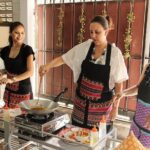
3) Cooking at your station (hands-on, with guidance)
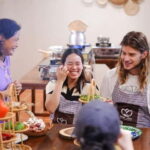
4) Eating your dishes as you go, not all at the very end
5) Dessert and Thai milk tea to close out the experience
The structure keeps energy up. You’re not just standing around watching someone else cook while you wait hours for food. The class is set up so your hands stay busy and your stomach stays happy.
Also, you’ll be using QR recipes (video). That matters because Thai cooking is very hands-on. If you can watch the steps again later, you’re far more likely to replicate the flavor correctly at home.
The Market Tour: Herbs, Seasoning, and the “Flavor Ingredients” Checklist
The market walk is where you learn how Thai cooks think. Your instructor introduces fresh ingredients and explains why they matter for each dish.
You’ll see ingredients that smell like Thailand before you ever heat anything up. You’ll also get a sense of ingredient choices: what type of herbs to use, what seasonings bring brightness, and how aromatics shape the soup or stir-fry.
If you’re a first-timer, this part helps you avoid a common mistake back home: using the right-looking ingredients but in the wrong form or wrong combination. The market tour trains your eye and your nose.
And if you’re a repeat visitor to Bangkok, the market walk adds something different from typical “street food only” experiences. It connects market buying to cooking technique, not just tasting.
One more practical perk: the school is close to transit. So you can do the market part without sacrificing a chunk of your day to getting there and back.
A few more Bangkok tours and experiences worth a look

Cooking Six Dishes: Som Tum, Pad Thai, Tom Yum, Morning Glory, and More
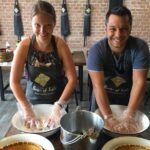
This class is hands-on and structured around a set of Thai favorites. You’ll cook six dishes with an experienced expert chef. The exact menu can change, but the core list gives you a clear idea of what you’ll take home.
Here’s what’s included in the class menu (when available):
Coconut Milk: Making Coconut Cream and Milk
You start with coconut milk and learn how to make coconut cream and milk for mango sticky rice. This teaches a key Thai cooking lesson: texture matters. Coconut desserts depend on the right consistency, not just the flavor.
Appetizers: Som Tum (Green Papaya Salad)
You’ll make Som Tum, the green papaya salad that balances crunch with sour and salty flavors. This is a good dish for understanding Thai flavor balance because it forces you to adjust and taste as you go.
Main Courses: Pad Thai and Tom Yum
You’ll cook:
- Pad Thai: sweet and savory stir-fried noodles, a classic Thai staple
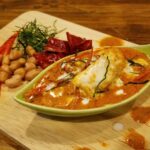
- Tom Yum Goong: a tangy, spicy shrimp soup
In Tom Yum, you’ll learn that the magic isn’t only about spice. It’s about how the sour notes and aromatic ingredients work together.
Stir-Fried Morning Glory
You’ll also cook stir-fried morning glory with garlic and chili. This dish tends to show how Thai flavors can be simple but not boring—fast cooking, strong aromatics, and a sauce that clings.
Mango Dessert: Mango Sticky Rice
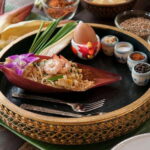
Finish with mango sticky rice, featuring sweet mango and glutinous rice topped with rich coconut sauce. This is the dessert that puts a Thai cooking class over the top. You’re not just tasting sweetness; you’re learning how to build the dessert component properly.
Your class may also include a traditional Thai dessert chosen by the chef, plus Thai milk tea.
Spice Control and Personal Taste: How Thai Cooking Gets Tailored
One of the biggest “you’ll care about this later” skills in Thai cooking is adjusting to your palate. This class is set up so you can control spice levels and tailor ingredients to taste.
In practice, that means instructors guide you so your dishes taste right without punishing you. Some people in the class are clearly not chasing extra heat, and the instruction style supports that. You’ll also get guidance on how to balance flavors as you taste—something you can carry into your home cooking.
You’ll likely hear English explanations during the class (the instructor is listed as English). And the staff has English-speaking instructors such as Serene, PUI, and MC, so you can expect clear communication rather than guesswork.
The Dessert Finale and Thai Milk Tea Moment
Thai desserts can be a surprise if you’re used to Western-style sweets. At Mango Cooking School, the dessert isn’t an afterthought. Mango sticky rice is built from the same ingredient logic you learned in the kitchen: coconut, sweetness, and texture.
Along with dessert, you’ll have Thai milk tea as part of the class experience. That’s an easy win for many people because it’s familiar enough to enjoy immediately while still tasting unmistakably Thai.
And because you finish with something sweet and satisfying, the class ends with a “done right” feeling. You don’t leave hungry, and you don’t leave thinking you only learned one dish.
Value for $27: What You Get Beyond the Recipes
At around $27 per person for a 3-hour class, the value is in three places: food quantity, learning support, and take-home tools.
You’re not just watching. You’re cooking and then eating multiple dishes. The class includes a five-course meal (while the highlights note you’ll cook six dishes). Either way, the experience is structured so you get plenty of food during the class window, not just samples.
On top of the meal, you get:
- cooking equipment and ingredients
- QR video recipes
- a special gift
The QR videos are a practical addition. Thai cooking can be hard to reproduce from memory because textures and sauces behave differently. With the videos, you can re-check steps and adjust seasoning at home.
Also, the facility provides unlimited drinking water (handy when you’re chopping, tasting, and cooking in the Bangkok heat).
If you compare this to paying for multiple meals plus a guided food experience, the price starts making sense fast. This is one ticket that gives you learning, eating, and ingredient knowledge.
Who Should Book This Class Near On Nut
This is a strong choice if you want a structured Thai cooking experience that doesn’t require prior skills.
It’s especially suitable for:
- First-timers who want a guided introduction to classic dishes
- Families—the kitchen has kid-friendly tools, and the format supports mixed ages
- People who like hands-on activities rather than passive demonstrations
- Foodies who want ingredients explained, not just cooked
A lot of the energy in this type of class comes from doing. If you prefer to watch only, you might find the setup frustrating because the program is for registered participants.
If you’re traveling with kids, the school rules matter. Children under 5 can’t attend. For kids aged 5–11, one guardian must accompany them and also make a reservation. Parents aren’t allowed to observe or assist during the program.
Possible Downsides to Consider Before You Go
No experience is perfect, and this one has a few things worth thinking about.
- Shellfish-focused dishes: Some instruction includes shrimp as part of the experience (Tom Yum Goong). If you don’t eat shellfish, you’ll want to tell the instructor ahead of time so you can get the safest option offered.
- You can’t spectate without registering: People who haven’t registered aren’t permitted to observe or wait during the class. This is great for maintaining a focused teaching environment, but it can be awkward if your plan was to drop someone off and wait.
- The pace favors participation: This class works because it moves. If you want ultra-slow cooking time or lots of downtime for photos, the flow may feel busy.
Still, the overall organization is a big reason people rate it extremely high. The stations are set up well, and the class is paced so you’re eating what you cook instead of waiting around.
Should You Book Mango Cooking School in Bangkok?
If you want a cooking class that teaches you how to think like a Thai cook—not just what to make—this is an easy recommendation.
Book it if:
- you’re near BTS On Nut and want a high-value activity
- you want a market-to-kitchen experience
- you like learning by doing, tasting, and adjusting spice and flavor
- you want recipes you can actually use later via QR video
Consider skipping (or choosing another option) if:
- you’re traveling with someone who needs to observe quietly without participating
- you need guaranteed non-shellfish dishes and don’t feel comfortable communicating preferences
- you’re expecting a luxury cooking show with lots of sitting and watching
Bottom line: for the price, location, and the amount of food you cook and eat, Mango Cooking School is one of the most practical ways to get real Thai flavors into your trip—and into your kitchen later.
FAQ
How long is the Bangkok Mango Cooking School Thai Cooking Class?
The class lasts 3 hours.
Where do I meet for the class near BTS On Nut?
Walk 5–10 minutes from BTS Skytrain On Nut. The meeting point is across from BIG-C (On Nut) Market.
How much does the class cost?
The price listed is $27 per person.
What dishes will I cook during the class?
The menu can change, but the class commonly includes coconut milk for mango sticky rice, Som Tum, Pad Thai, Tom Yum Goong, stir-fried morning glory, and mango sticky rice. Thai milk tea and an additional dessert may also be included.
What’s included in the price?
You get a five-course meal, cooking equipment, ingredients, QR recipes (video), and a special gift.
Is hotel pickup and drop-off included?
No. Hotel pickup and drop-off are not included.
Can children attend, and do they need a guardian?
Children under 5 can’t attend. Children aged 5–11 must be accompanied by one guardian, and the guardian also needs a reservation. Children can’t attend alone, and parents aren’t allowed to observe or assist during the program.
What can’t I bring or do?
Pets aren’t allowed, and smoking isn’t allowed.
What should I bring to the class?
Bring comfortable shoes and a camera.
Is there a cancellation option?
Yes. Free cancellation is available up to 24 hours in advance for a full refund.