REVIEW · CHIANG MAI
Full Day Doi Inthanon National Park Tour( Joint)
Book on Viator →Operated by My Trip Maker · Bookable on Viator
Clouds, waterfalls, and hill-tribe stories in one day. This full-day trip takes you into Doi Inthanon National Park to see Thailand’s highest summit, then ties in Wachiratharn Falls plus Karen and Hmong village stops for a day that feels both scenic and human.
I like how the itinerary is built for an easy pace, with pickup and drop-off in an air-conditioned vehicle and guided time at each stop. I also like the mix of nature sights (the mountain park and waterfall) with culture stops focused on everyday village life, including Karen village areas around Mae Klang Luang.
One thing to consider: weather and timing can swing your day. If it’s cloudy, the higher viewpoints above Chiang Mai can feel less dramatic, and the long day can also mean slower meals than you might expect.
In This Review
- Key highlights you’ll actually care about
- Getting Out of Chiang Mai: Pickup, Pace, and How the Day Flows
- Doi Inthanon National Park: Thailand’s Highest Summit at About 8500 Feet
- Ang Ka Nature Trail + Mae Klang Luang Area: Karen Culture in a Real Setting
- Twin Royal Stupas: King Bhumibol and Queen Sirikit’s Peaceful Break
- Doi Pui Mong Hill Tribe Village + Hmong Market: A Short Taste of Trading Life
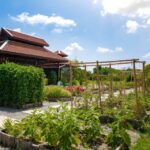
- Mae Klang Luang Karen Village: Rice Terraces, Coffee Orchard, and Real Down-to-Earth Work
- Wachiratharn Falls: Your Afternoon Scenery Payoff
- Price and Value: What You Get for About $77
- Comfort, Food Timing, and Guide Clarity (The Small Stuff That Changes Everything)
- Should You Book This Doi Inthanon Full-Day Tour?
- FAQ
- What time does the tour start?
- How long is the full-day Doi Inthanon tour?
- What’s included in the price?
- Where is the meeting point and where do I get dropped off?
- Is lunch provided?
- Does the tour depend on weather?
Key highlights you’ll actually care about
- Highest point time at Doi Inthanon: you go up to about 8500 feet for the big summit moment.
- Royal twin pagodas: the Twin Royal Stupas dedicated to King Bhumibol Adulyadej and Queen Sirikit give a calm, scenic break.
- Karen village cultural time: you spend real time around Karen hill-tribe areas, including rice terraces and coffee orchard views.
- Waterfall payoff: Wachiratharn Falls is the main “wow” moment, with an hour set aside for scenery.
- Short market stop: a Hmong Market break lets you see and sample local produce sold by Hmong villagers.
Getting Out of Chiang Mai: Pickup, Pace, and How the Day Flows
This is one of those tours where the hardest part is waking up. You start at 8:30am from Tha Phae Gate, and you’re in an air-conditioned vehicle that handles the driving while your guide handles the route.
The pace is designed to feel slow and easy, not like a rushed checklist where you sprint between photos. You’ll still be out for about 9 to 10 hours total, but most stops come with short guided time and time to look around.
Group size is capped at 15, which matters more than it sounds. In a bigger bus, you lose your place every time you step away for one minute. Here, you get enough space to move without feeling lost in a crowd.
The “above the clouds” part is the promise of Doi Inthanon. When the weather is clear, the mountain air and height can make the views feel big and open. When it’s cloudy, the trip still has plenty to offer, but you’ll trade drama for atmosphere—cooler air, misty trees, and softer visibility.
A few more Chiang Mai tours and experiences worth a look

Doi Inthanon National Park: Thailand’s Highest Summit at About 8500 Feet
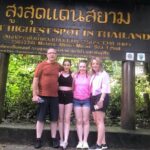
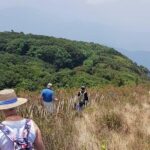
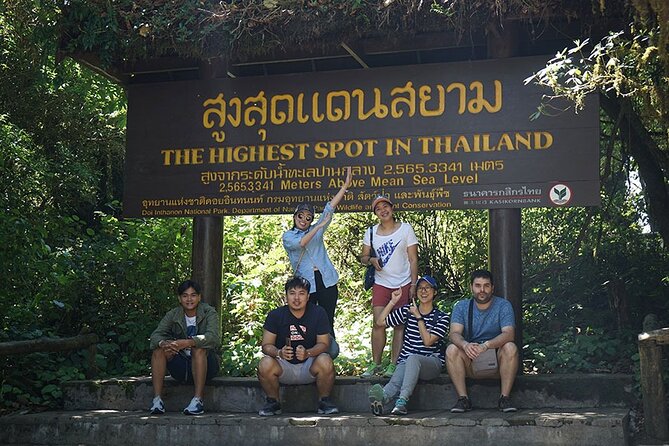
Your first real anchor is Doi Inthanon National Park. The plan takes you up to around 8500 feet, the highest point in Thailand, and you’ll spend about 2 hours in the park area. That’s enough time to take in the altitude, stretch your legs, and get a feel for the mountain environment.
What I like here is the sense of scale. Doi Inthanon is described as part of the tail end of the Himalaya mountain range, and that shows in the air and the way the terrain feels cooler and more forested than lower Chiang Mai. It’s not just a quick viewpoint stop.
The park is also framed as a paradise for birds, which hints at the kind of ecosystem you’re walking through. Even if you’re not tracking birds like a wildlife documentary, you’ll likely notice how different the forest feels compared with the tourist streets of town.
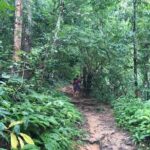
There’s also an important practical note: expect a walk that’s more “stroll” than “challenge hike.” The day can include nature trail walking, but the tour isn’t positioned as a strenuous trek. Still, you’ll want comfortable shoes—especially if it’s damp, because mountain forest ground can get slippery.
Admission is listed as free for this park stop, which helps the value math. You’re paying for the transport, guide, and overall structure, not for a pile of extra tickets at every turn.
Ang Ka Nature Trail + Mae Klang Luang Area: Karen Culture in a Real Setting
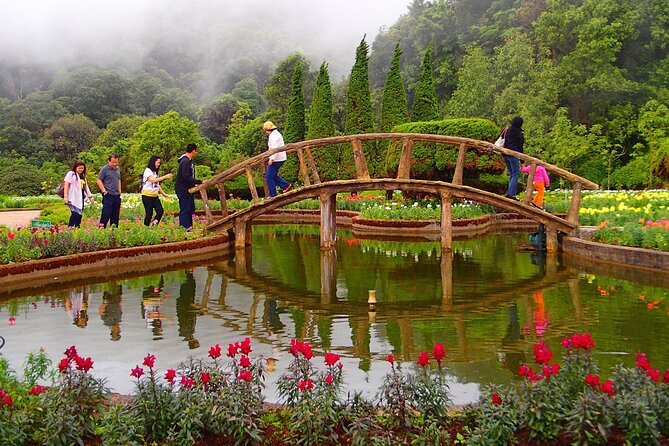
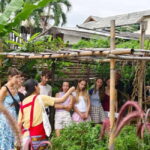
Next up is Ang Ka Nature Trail at 10:30am, tied to the Karen tribe community. This stop is about 1 hour, and it focuses on exploring the Mae Klang Luang Village area and learning about Karen culture and daily life.
The biggest value of this part is that it’s not just photo ops at a gate. You’re walking a trail where locals live, and the “learn about way of life” piece is the point. It’s the kind of stop that’s better when you ask simple questions and keep your expectations grounded.
The tour framing is also helpful: you’re not being thrown into a huge lecture. It’s set up as an hour-long guided cultural encounter, which is long enough to understand basics—work, food, and village routines—without exhausting you.
A practical caution: village stops can vary in how much walking you do depending on the route and terrain that day. Keep an eye on what surfaces look like and wear breathable layers. The air at altitude can feel cooler, even if Chiang Mai is hot.
Twin Royal Stupas: King Bhumibol and Queen Sirikit’s Peaceful Break
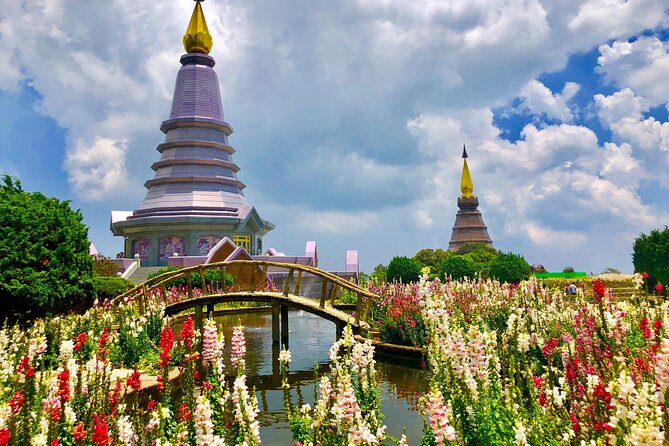
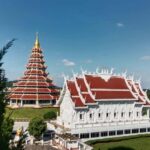
At 11:30am you head to the Twin Royal Stupas: Phra Mahathat Napha Methanidon and Phra Mahathat Nabhapol Bhumisiri. Built to commemorate King Bhumibol Adulyadej and Queen Sirikit, these pagodas give you a change of pace from trails and village life.
I like this stop because it’s structured as a calm, scenic pause. With a temple setting on a mountain trip, you get views plus a quieter atmosphere—less “moving again” every ten minutes.
This is also a nice counterbalance if the park walk feels muddy or tiring. Even when weather is cloudy, temples tend to look good in diffuse light. You may not see the farthest horizon, but the structures and details still hold up.
Admission is included here, so you don’t have to do the mental juggling of what costs extra. You just show up, look, and let the guide explain what you’re looking at.
Doi Pui Mong Hill Tribe Village + Hmong Market: A Short Taste of Trading Life
At 12:30pm the itinerary shifts to Doi Pui Mong Hill Tribe Village, followed by a short market break at the Hmong Market. This stretch is about 1 hour 30 minutes total, and it’s one of those blocks that can refresh your senses after temple and trail time.
The Hmong Market stop matters because it’s not just souvenirs. The market is described as selling fruits, vegetables, flowers, and other local products by Hmong villagers. That means you’re seeing the practical side of the region’s food and trade—not just crafts in a stall.
If you get hungry, plan for it mentally here. Food timing on a full-day tour can be unpredictable, and one review noted lunch being much later than expected. Even if your day runs smoothly, it’s smart to keep a small snack on hand and drink water during the morning and early afternoon.
A market stop also makes the rest of the villages more meaningful. When you understand what people grow and buy in the region, rice terraces and coffee discussions later in the day don’t feel random. They feel connected.



Mae Klang Luang Karen Village: Rice Terraces, Coffee Orchard, and Real Down-to-Earth Work
In the afternoon, you return to the Karen hill-tribe village area at 14:00, visiting Ban Mae Klang Luang for about 45 minutes. The focus here is rice terrace and coffee orchard life, plus a coffee taste.
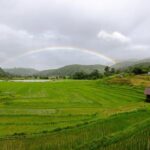
This is the part I’d prioritize if you want more than scenic stops. Rice terraces and coffee orchards are visual proof of how people make a living in a mountainous environment. You’re not just hearing about it—you can see it.
Then at 14:45 you visit Baan Tawai Village for about 30 minutes, described in a similar way—another village stop tied to how people grow rice and coffee. Depending on the day, these overlapping village experiences can feel like repetition or like deeper context. If the guide explains different aspects of daily life each time, it clicks into a bigger story.
Here’s how to make it work for you: treat each stop like a different lens. Ask what’s grown, what’s labor-intensive, what’s seasonal, and how villagers think about selling products. Even basic answers can make your photos feel more grounded.
Coffee tasting is included as part of this phase. It’s often the small moment people remember because it’s sensory and immediate. Still, don’t assume it means a big meal. If lunch timing has already pushed back in your day, coffee might not replace the need for real food.
Wachiratharn Falls: Your Afternoon Scenery Payoff
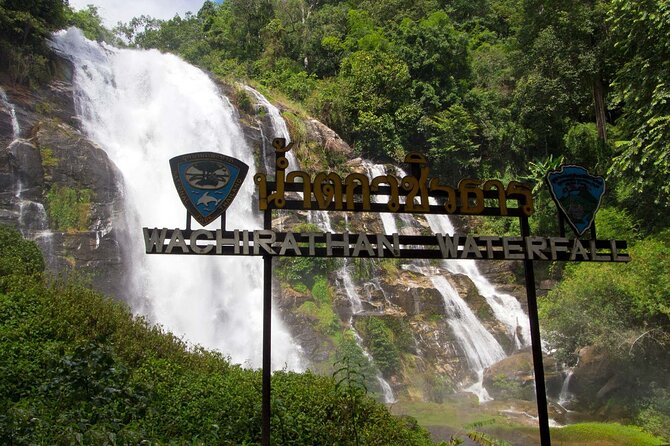
Your main nature payoff comes next: Wachiratharn Falls. You’ll have about 1 hour here, and the plan is to enjoy the scenery after the coffee-orchard phase.
This waterfall stop is where the entire morning and early afternoon earn their keep. The day has been about altitude, forests, villages, and temples. Then you get the sound and visual release of water dropping through mountain scenery.
One key variable is weather. Cloudy or misty conditions can mute the distance views, but they can also make waterfalls look lush and dramatic. If rain is light, you’ll often still get good views and a cooler, more comfortable walk.
It’s also worth noting that the tour still has to drive you back to Chiang Mai afterward, so you won’t be left “stuck” at the waterfall forever. That’s good if you hate waiting around, but it means you should move your feet early in the hour so you’re not rushing at the last minute.
Price and Value: What You Get for About $77
At $77.31 per person, this tour is positioned as a full-day bundle: air-conditioned transport, an English-speaking guide, listed admission fees where applicable, and lunch.
The value comes from the parts that are expensive if you do them on your own: hiring a vehicle for a long day, paying for guide time, and paying entry fees at multiple stops. With an organized route and an included lunch, you’re buying less hassle more than buying luxury.
Is it bargain-basement? Not quite. But the route is long enough and includes enough stops that it should feel fair if you like day trips that mix big nature moments with culture time.
The biggest value risk is if your preferences don’t match the tour’s rhythm. This itinerary is heavy on “tour stops” that are popular, with village visits and a waterfall in the mix. If you only want one or two highlights, you may feel stretched across too many locations.
For my money, this price makes sense if you:
- want a guided national park day without planning routes
- enjoy hill-tribe village learning that includes everyday life
- want a single-day answer to Doi Inthanon plus nearby culture stops
Comfort, Food Timing, and Guide Clarity (The Small Stuff That Changes Everything)
Comfort is handled well on paper: pickup, air-conditioned vehicle, and an itinerary that doesn’t require you to rent your own transport. Still, your experience will hinge on the human details.
One review flagged that the guide can be hard to understand, and another mentioned lunch arriving around 3pm. I can’t control either of those factors. But I can suggest how to reduce the chance you’ll feel annoyed by them.
Bring something small to snack on, especially if you’re the type who gets cranky when hungry. Keep water handy, too. If you rely on the lunch timing exactly as planned, you’ll feel it when delays happen.
Also, if you’re sensitive to language, it helps to write down a few basic questions before the tour starts. Even if English is hard to catch, asking simple prompts can keep the learning moving.
The good news: the structure is still “easy” and “slow,” which helps if you just want a relaxed day outside the city rather than a high-energy adventure.
Should You Book This Doi Inthanon Full-Day Tour?
If you want a straightforward Chiang Mai day trip that combines Thailand’s highest point, royal temples, and a Karen-focused cultural day with a waterfall finish, then I think this tour is a good fit.
Book it if:
- you like an organized pace with guided stops
- you want both nature (Doi Inthanon and Wachiratharn Falls) and people-focused village experiences
- you prefer pickup and drop-off over self-planning
Skip or consider alternatives if:
- you’re very sensitive to unclear guide audio
- you hate long days that can run late on meals
- you only care about one highlight and don’t want a packed schedule of stops
With the right mindset—plan for weather shifts and bring a snack—you’ll likely enjoy the mix. This is a day that trades rugged adventure for smooth logistics and a memorable set of mountain sights and village encounters.
FAQ
What time does the tour start?
It starts at 8:30am, with pickup from Tha Phae Gate.
How long is the full-day Doi Inthanon tour?
Plan for about 9 to 10 hours total, including travel time.
What’s included in the price?
The tour includes an air-conditioned vehicle, an English-speaking guide, admission fees as mentioned in the itinerary, and lunch.
Where is the meeting point and where do I get dropped off?
You’ll meet at Tha Phae Gate on Tha Phae Road and the tour ends back at the meeting point.
Is lunch provided?
Yes, lunch is included.
Does the tour depend on weather?
Yes. The experience requires good weather, and if it’s canceled due to poor weather, you’ll be offered a different date or a full refund.