REVIEW · CHIANG MAI
Elephant Habitat Park Feeding Entry & Rafting Van Transfer
Book on GetYourGuide →Operated by Chiang Mai Butler Services · Bookable on GetYourGuide
Elephants meet you fast. This Chiang Mai day trip pairs hands-on elephant feeding with a gentle bamboo rafting ride that feels like a breath of fresh air after the drive.
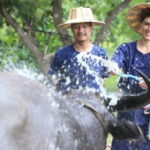
What I really like is the mix of learning and doing: you get a guided meet-and-greet with the elephant handlers, then you put your hands to work making herbal vitamin balls. You’ll also catch the elephants during bath time, when you see why mud is part of good elephant care.
The only real drawback is physical prep. Close elephant interaction means you’ll want a towel and change of clothes, because this is a wet, sweaty, don’t-wear-your-best-sneakers kind of day.
In This Review
- Key Highlights You’ll Care About
- Mae Wang Elephant Habitat Park: What You’re Really Paying For
- The 1h20 Van Ride South of Chiang Mai
- Meet-and-Greet With Handlers and Habitat Rules
- Feeding Elephants and Making Herbal Vitamin Balls
- Mud Baths Explained: Why Elephant Bathing Happens in the Afternoon
- Bamboo Rafting on the Mae Wang River in About 45 Minutes
- Guide Power: How Named Staff Help Make the Day Flow
- Packing for Close Elephant Encounters (and the Raft)
- Price and Value: Is $33 a Good Deal?
- Who This Day Trip Suits Best
- Should You Book This Elephant + Rafting Combo?
- FAQ
- What’s included in the Elephant Habitat Park feeding and rafting day?
- How long is the bamboo rafting part?
- What should I bring for this tour?
- What language is the tour offered in?
- Is it suitable for young children?
- Can I pay later or cancel if my plans change?
Key Highlights You’ll Care About
- Hotel van transfer from Chiang Mai: saves you time and hassle
- Feeding elephants up close with staff guidance and safety focus
- Making herbal vitamin balls: hands-on elephant nutrition in plain steps
- Afternoon elephant bath observation: mud baths for temperature and skin protection
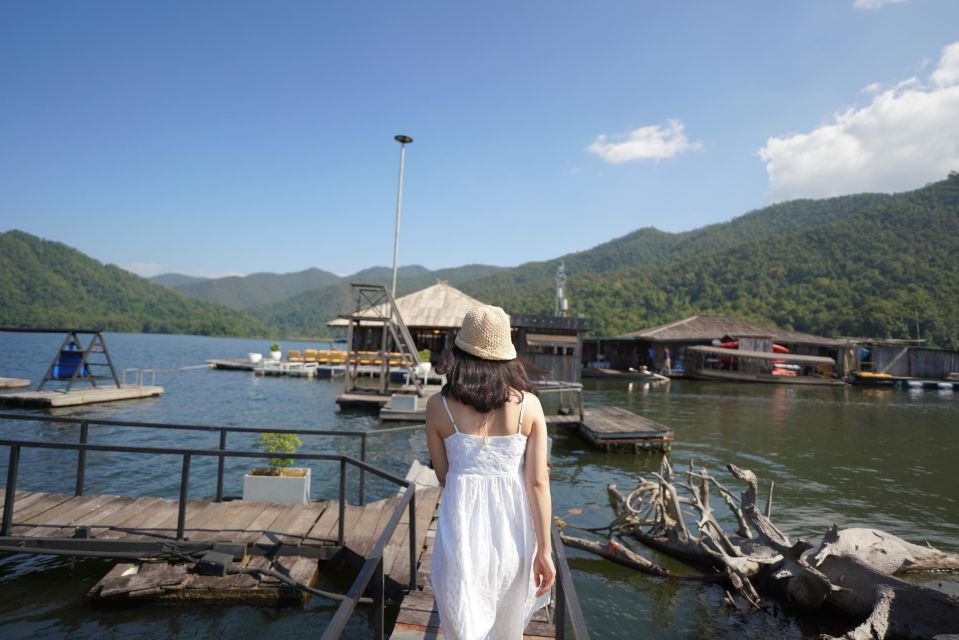
- Calm bamboo rafting on the Mae Wang River: about 45 minutes of scenic water time
Mae Wang Elephant Habitat Park: What You’re Really Paying For
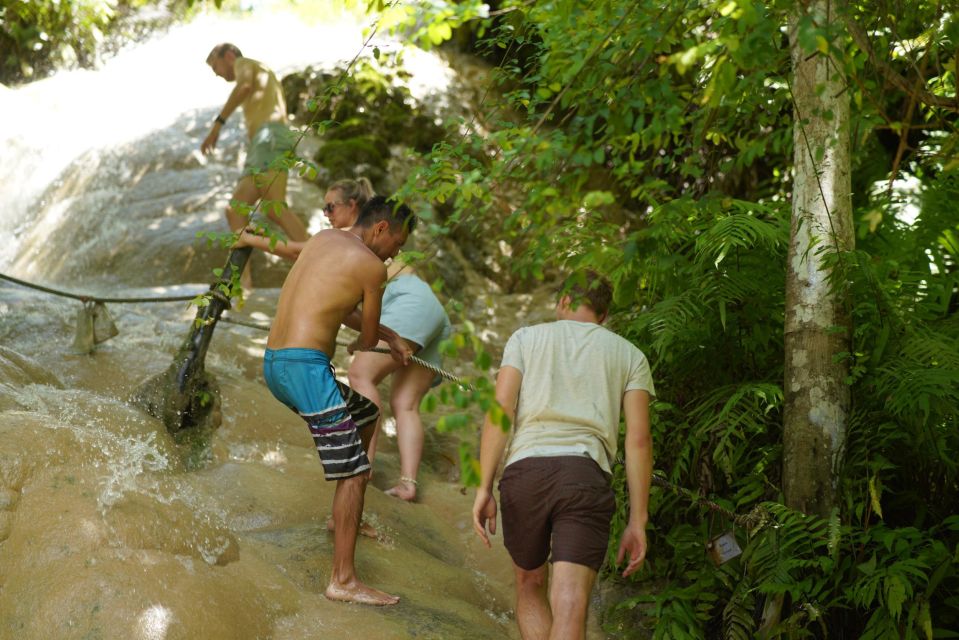
For $33 per person, you’re not just paying for “see elephants.” You’re buying a structured day that includes transportation, an organized guided experience, elephant feeding, and a second activity—bamboo rafting—without needing to plan anything separately.
The best part is that the day has multiple rhythms. You start on land with education and interaction, shift to water with bathing observation, then end on the river with rafting. That pacing matters. It keeps you from feeling like you’re rushing from one loud, crowded moment to the next.
You also get extras that feel small until you need them. Photography opportunities are included, plus drinking water. When you’re with elephants, you tend to forget basic comforts—then those details save your day.
A few more Chiang Mai tours and experiences worth a look

The 1h20 Van Ride South of Chiang Mai
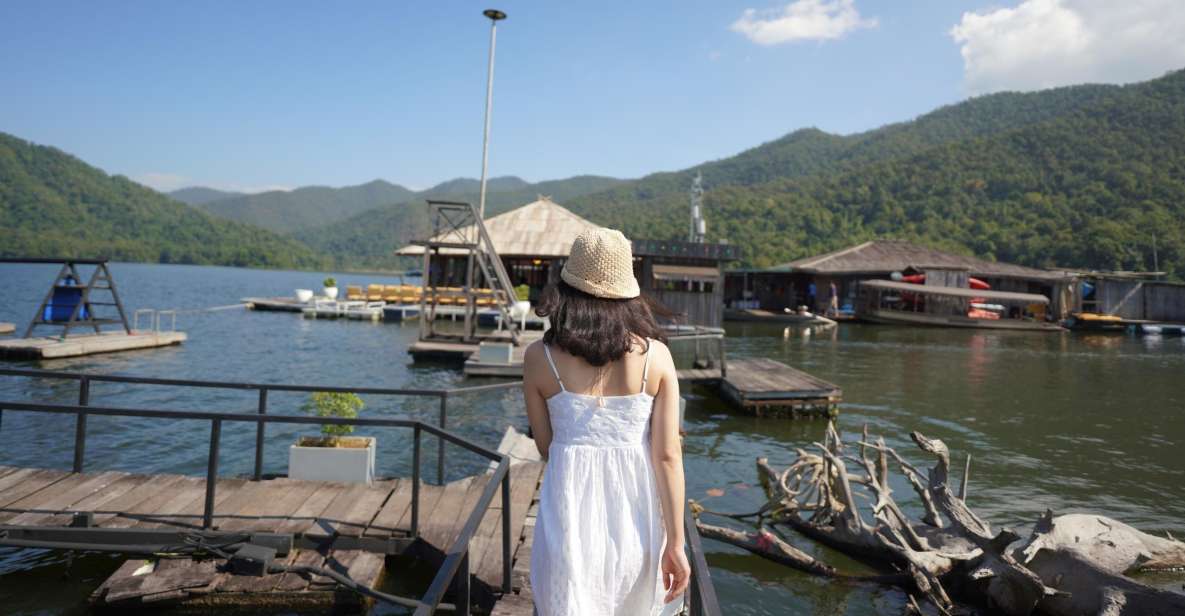
The day begins with a hotel van transfer from Chiang Mai. You’ll spend about 1 hour and 20 minutes heading south before you even reach the habitat park.
That drive is time you’d otherwise spend figuring out transport, then worrying if you’ll arrive late. Here, the schedule is built for you: one pickup, one drop-off plan, and you just focus on the experience.
A practical tip: bring sunglasses and plan for heat. Even if the elephant portion is shaded, the drive and outdoor waiting time can still feel warm, especially before the afternoon session.
Meet-and-Greet With Handlers and Habitat Rules
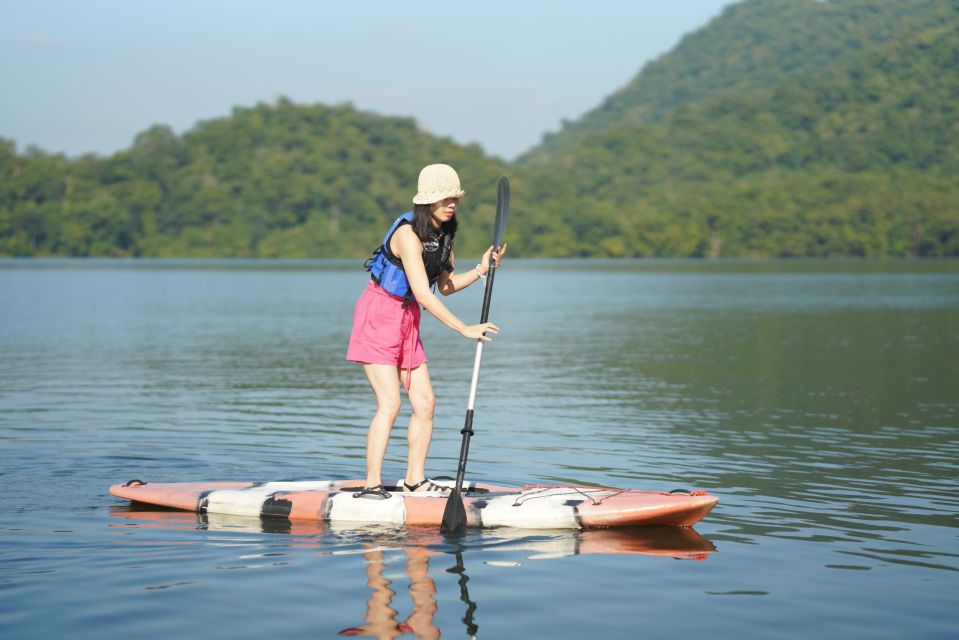
Once you arrive, you get a staff meet-and-greet at the habitat park. This isn’t a vague “walk around and hope for the best” style start. Before you begin the hands-on part, handlers share facts about elephants and how they’re cared for.
I love this stage because it sets expectations. When you understand what handlers are trying to do—how elephants are supported day to day—the whole feeding and interaction part feels more respectful and more meaningful.
You’ll then follow your guides as they assist you with feeding. This is key. Even if you’re comfortable around animals, you still want clear directions from people who work with them every day.
Feeding Elephants and Making Herbal Vitamin Balls

This is the heart of the experience. You feed the elephants yourself, guided by staff, and you also make herbal vitamin balls—a major source of nutrition for the elephants.
What makes this more valuable than a simple feeding session is the “why” built into it. You’re not just tossing food. You’re learning the process and participating in a routine that’s described as part of elephant nutrition.
Expect close interaction and plenty of chances to photograph. In the feedback, people repeatedly mention how guides helped them get great photos even when phones or timing were tricky. One highlight: guide John gets called out for supporting visitors and even helping take photos when someone’s phone wasn’t working.
Quick reality check for your body: comfortable shoes matter. You’ll likely be moving around on uneven ground, and you’ll want stable footing when you’re facing big animals up close.
Mud Baths Explained: Why Elephant Bathing Happens in the Afternoon
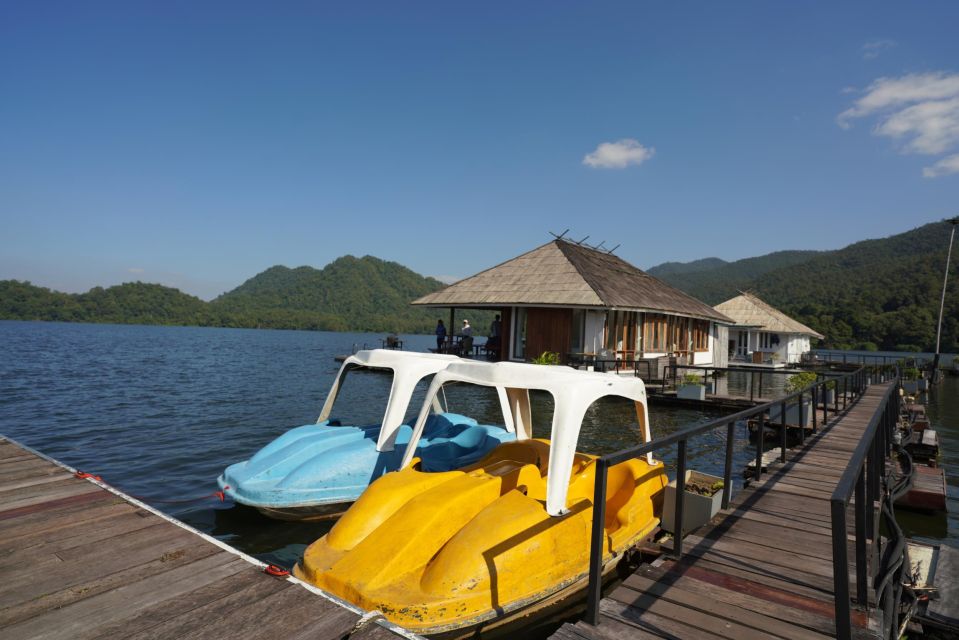
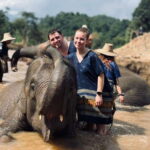
After the feeding and nutrition activity, you’ll shift into the afternoon session where you observe elephants bathing.
The timing isn’t random. You’ll learn that bathing is crucial in hot climates because it helps regulate body temperature. Mud baths also protect skin from sunburn and insect bites, acting like a natural barrier.
This is one of those moments where you stop thinking of it as a “performance” and start seeing it as care. Elephants aren’t just getting wet for your entertainment. The mud-and-water routine is part of how they stay comfortable and healthy.
And it’s visually memorable. The bathing segment tends to cool the day down—literally. If you came in expecting a dry, one-note animal encounter, this part adds texture and makes the whole schedule feel balanced.




Bamboo Rafting on the Mae Wang River in About 45 Minutes
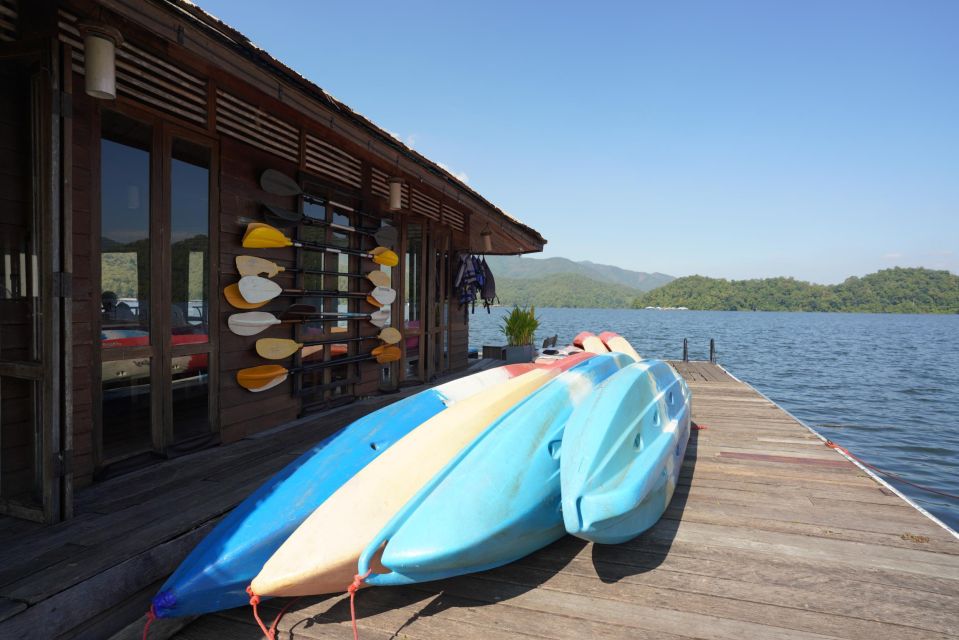
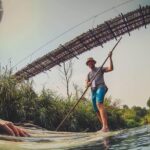
Then you head to bamboo rafting along the Mae Wang River for about 45 minutes.
This portion works as a counterweight to the elephant time. Feeding and close contact can be intense—bright, active, and sometimes hot. The rafting is calmer and more of a “slow down and enjoy the water” segment.
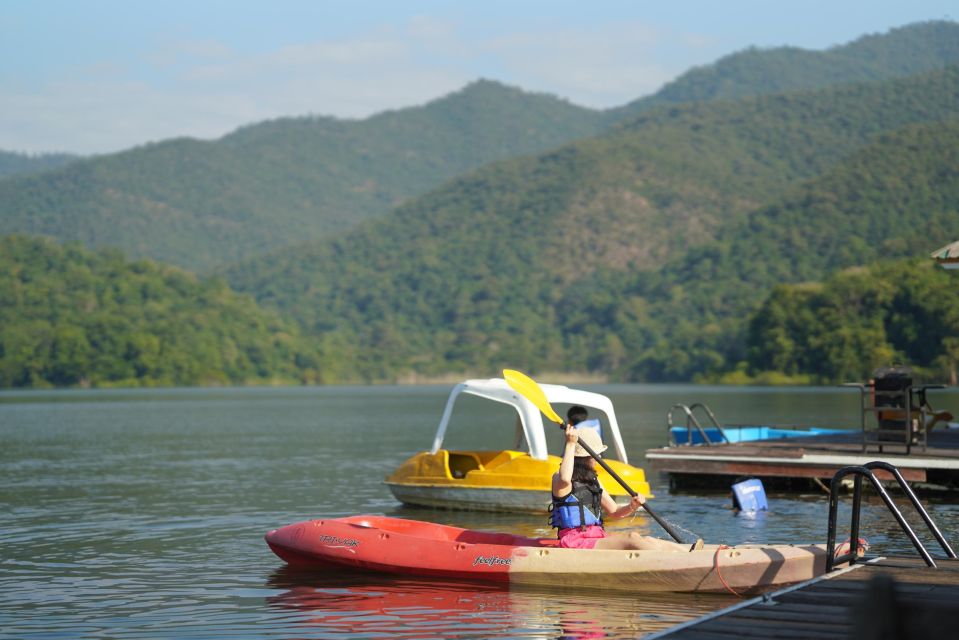
You’ll get scenic river views while floating, and it’s long enough to feel like an activity but short enough to keep the day from dragging. One review highlight calls out that the rafting is calm, and that everyone got nice pictures—so you’re not stuck fighting waves or trying to coordinate a group pose.
What I’d do: wear quick-dry clothing and plan for possible splashes. You’ll also want a way to protect your phone and camera. A waterproof bag is specifically recommended, and I’m glad it’s part of the checklist.
Guide Power: How Named Staff Help Make the Day Flow
A big part of whether a tour feels smooth is who’s running it. In the feedback for this kind of day, guides get specific praise for personality and support.
People highlight John for the elephant-and-rafting combo, including photo help when a device was broken. Lily gets a strong mention for being passionate and making the day memorable. Tono is singled out for keeping the rafting part enjoyable and picture-friendly. Nop is thanked for a great day as well.
Even if you don’t get those exact guides, the pattern is clear: the tour leans on friendly, helpful guiding so you don’t feel lost during the feeding, the vitamin-ball making, or the rafting portion.
That matters because with elephants, your brain wants instructions. With rafting, you want confidence. With photography, you need timing. Good staff handle all three.
Packing for Close Elephant Encounters (and the Raft)
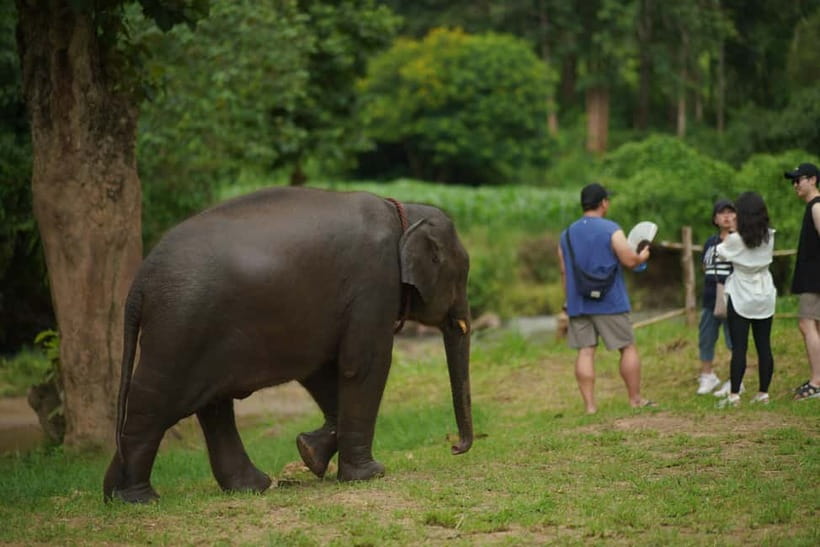
Here’s what you should bring, based on the tour’s own guidance—and what actually matters once you’re there.
- Comfortable shoes: you’ll want grip and stability
- Sunglasses and sunscreen: the day includes outdoor time
- Change of clothes + towel: bathing and water moments can leave you damp
- Waterproof bag: protect phones and bags during rafting
- Extra clothing for the raft: quick-dry helps, but even a spare shirt works
Think of this as a “water day” even before you see the rafting. The elephant bathing observation and the river activity can both involve getting a little wet. If you show up dressed for comfort and not style points, you’ll enjoy the day more.
Price and Value: Is $33 a Good Deal?
Let’s talk value without hand-waving.
At $33 per person, you’re getting:
- hotel van transfer from Chiang Mai
- guided elephant interaction, including feeding
- making herbal vitamin balls
- photography opportunities
- elephant bath observation
- bamboo rafting (about 45 minutes)
- drinking water
If you tried to line up transfer, a guided elephant session, and rafting separately, you’d almost certainly pay more and lose time in the planning. The pricing here feels like it’s built to give you a full day of structured activities rather than a single event.
There are a couple of trade-offs. Meals are not included, so you’ll want to budget for food separately. Also, this isn’t a luxury “stay dry and lounge” day. It’s hands-on, outdoors, and active.
Still, for most people who want a straightforward Chiang Mai countryside day, this price-to-experience ratio is hard to beat.
Who This Day Trip Suits Best
This combo works best if you want two things in one day: a meaningful elephant interaction experience and then a relaxing water activity that doesn’t require technical skills.
It’s also a good option if you’d rather do a guided program than figure out local transport. The hotel van transfer removes a lot of stress.
It’s not suitable for children under 2 years. Beyond that, the day is interactive and involves getting close to elephants, so you’ll want to judge based on comfort with animal encounters and a wet, active schedule.
If you’re the kind of person who likes short lessons and hands-on tasks—feeding, making vitamin balls, watching bathing—this fits your style.
Should You Book This Elephant + Rafting Combo?
Book it if:
- you want a full day outside Chiang Mai with two main activities
- you like hands-on learning, not just watching
- you’re comfortable bringing a towel, changing clothes, and getting a bit wet
Skip it or choose something gentler if:
- you hate water splashes and don’t want to deal with damp clothes
- you’re expecting a low-effort, seated-only experience
My honest takeaway: this is a practical, well-paced day. The elephant portion gives you interaction and education, then the bamboo rafting lets you cool off and enjoy the river scenery without pressure. It’s the kind of trip that feels efficient—because you’re not just paying for time, you’re getting a plan.
FAQ
What’s included in the Elephant Habitat Park feeding and rafting day?
The included items are hotel van transfer from Chiang Mai, guided elephant interaction, feeding elephants, making herbal vitamin balls, photography opportunities, elephant bath observation, bamboo rafting (about 45 minutes), and drinking water. Meals are not included.
How long is the bamboo rafting part?
The bamboo rafting on the Mae Wang River is about 45 minutes.
What should I bring for this tour?
Bring comfortable shoes, sunglasses, a change of clothes, a towel, sunscreen, and a waterproof bag.
What language is the tour offered in?
The tour is offered in English.
Is it suitable for young children?
It is not suitable for children under 2 years old.
Can I pay later or cancel if my plans change?
The tour offers reserve and pay later. Cancellation is possible up to 24 hours in advance for a full refund.