REVIEW · BANGKOK
Bangkok: Grand Palace, Wat Pho, and Wat Arun Guided Tour
Book on GetYourGuide →Operated by WINDOWS OF ASIA COMPANY LIMITED · Bookable on GetYourGuide
A single pier ride can put you in the heart of Thai sacred life. This Bangkok tour strings together Grand Palace, Wat Pho, and Wat Arun with clear explanations about the Kings of Thailand and the meanings behind each site. I especially like how the guide links what you see to why it matters, and how the stops are packed with eye-catching details, from marble inscriptions to Wat Arun’s colored-glass tower. The main thing to plan for is the strict dress code and shoe rules, so you’ll want to show up prepared.
You’ll meet near the Grand Palace area at the Tha Chang ferry pier and head out by local transport, passing well-known community markets along the way. I also like that the tour gives you practical etiquette basics, plus drinking water. The drawback: it’s not a good fit if you have mobility limits, because the temples require standing and walking on-site.
In This Review
- Key things that make this tour worth your time
- Price and logistics: what the $17 includes
- Start at the Tha Chang ferry pier: a smart first foothold
- Emerald Buddha Temple (Wat Phra Kaew): sacred rules before the sightseeing
- What to expect on-site
- Photography limits (plan your phone time)
- Dress code and shoe etiquette are not optional
- Grand Palace: where Kings lived and where state functions still happen
- Why I like this stop for first-timers
- A small drawback to plan for
- Wat Pho: Reclining Buddha plus marble lessons for public health
- The marble inscriptions that make the place feel educational
- Thai massage origin (and why it still matters)
- On the way: Tha Thien Market
- Wat Arun: Temple of Dawn and the 70-meter glass-and-porcelain tower
- The signature sight is hard to miss
- Why the temple fits the overall route
- Guide help that makes temple etiquette easier (Meng’s example)
- What to bring (and what to skip) so you don’t lose time
- Walking reality check: not for everyone
- Is this tour good value for you?
- Should you book this Bangkok Grand Palace, Wat Pho, and Wat Arun guided tour?
- FAQ
- Where do I meet for the tour?
- Where does the tour end?
- Is the tour in English?
- Are entrance fees included in the price?
- What should I wear?
- Can I take photos inside the buildings?
Key things that make this tour worth your time
- Licensed English guide support that helps you understand palace and temple rules fast
- Grand Palace + Emerald Buddha Temple: the most sacred temple in Thailand, explained in plain terms
- Wat Pho’s marble medical instruction and UNESCO-recognized teaching role
- Thai massage origins at Wat Pho, with context for why it’s taught there
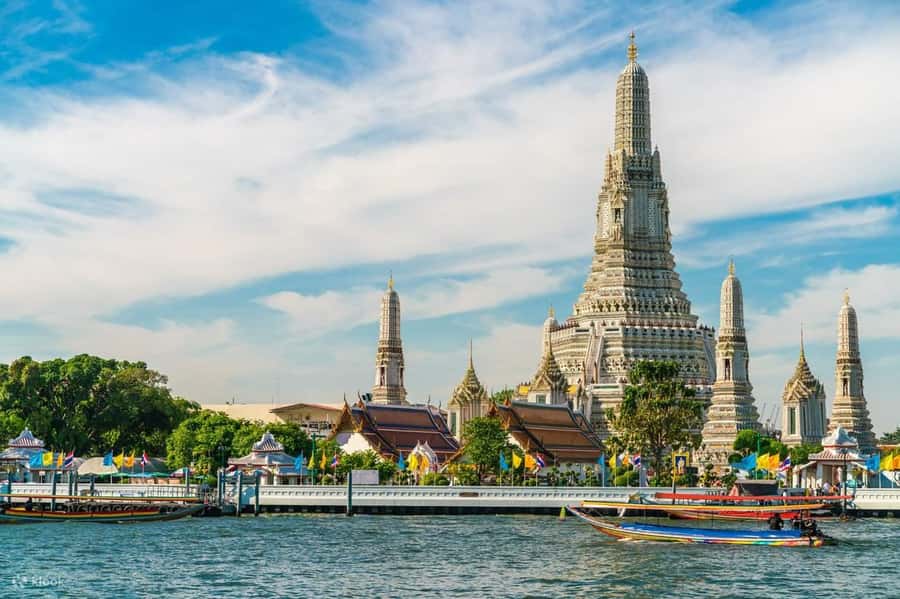
- Wat Arun’s 70-meter tower by the Chao Phraya River, covered in tiny colored glass and porcelain
Price and logistics: what the $17 includes
The advertised price is $17 per person, which is a solid value for a guided day in three major sites. What you’re paying for is not just entry hopping. You’re getting a professional licensed guide (in English) plus drinking water, and someone guiding you through the right sequence, etiquette, and transitions.
Entrance fees are not included, so expect extra costs for each temple:
- Grand Palace and Wat Phra Kaew: THB 500 per person
- Wat Pho: THB 300 per person
- Wat Arun: THB 200 per person
Add that up and you’re looking at THB 1,000 total in entrance fees, before any personal spending. That still can be good value because these are three of the biggest draws in Bangkok, and you’ll spend the day inside complexes where small mistakes (like improper clothing or shoes) can slow you down.
You can also read our reviews of more guided tours in Bangkok
Start at the Tha Chang ferry pier: a smart first foothold
The meeting point is in front of the Tha Chang ferry pier, right next to the Grand Palace area, and the tour ends back at the same place. This is helpful because you’re not scrambling across town to “find the group.” You’re starting in the right part of town for all three stops.
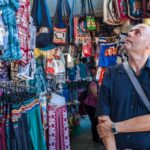
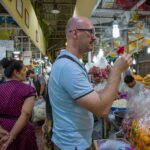
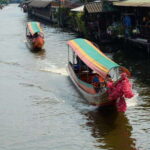
From there, you head to the Emerald Buddha Temple using local transport, with a guide along the way. One of the cool extras here is seeing the amulet market area en route. You’ll pass by this famous community market on Rattanakosin Island, which is a reminder that Bangkok’s temple world isn’t separate from everyday life. It’s right there in the neighborhood rhythm.
Practical tip: bring cash. Since entrances aren’t included, you’ll want to handle payments smoothly when you get to the sites.
Emerald Buddha Temple (Wat Phra Kaew): sacred rules before the sightseeing
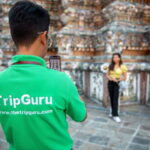
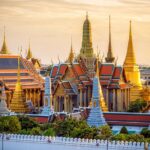
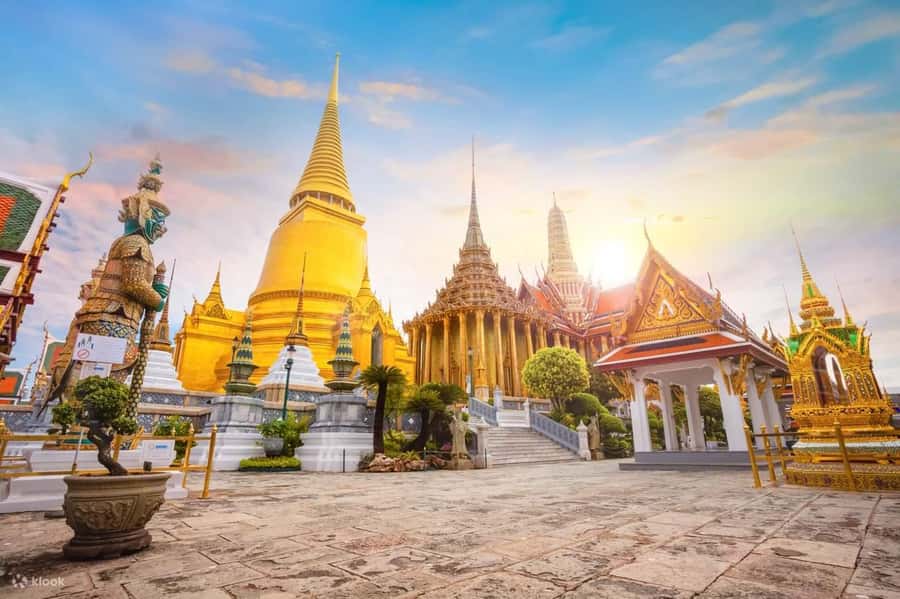
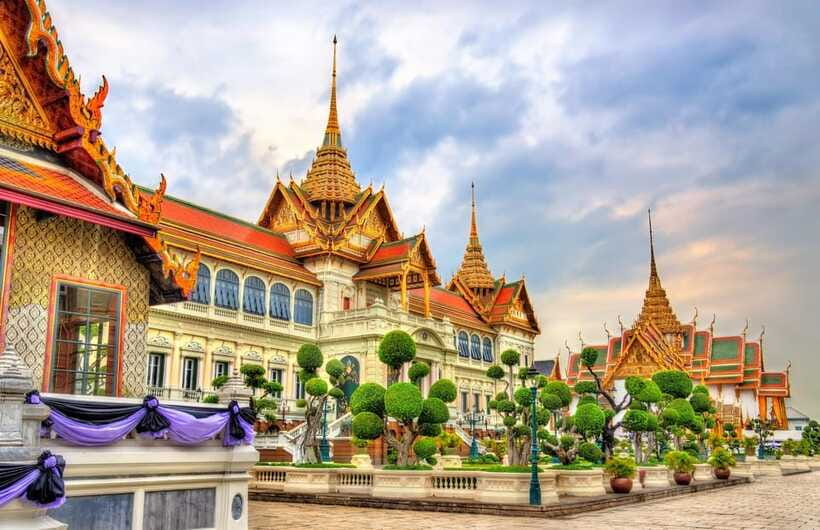
Your first major stop is Wat Phra Kaew, the Temple of the Emerald Buddha. Its official name is Wat Phra Si Rattana Satsadaram, and it’s regarded as the most sacred Buddhist temple in Thailand. The guide’s job here is important: without context, it’s easy to just stare at the buildings. With context, you start understanding why people treat the space with such care.
What to expect on-site
You’ll explore the area associated with the Temple of the Emerald Buddha and then move through the palace complex. The tour includes the kind of explanations that make the sights click: how royal power and religious meaning were intertwined, and why the Emerald Buddha is treated with such reverence.
Photography limits (plan your phone time)
Photography is allowed in the Royal Palace Grounds and in the compounds of the Emerald Buddha Temple, but not inside the buildings. That means you can still take photos for memories, but you should plan for a few moments where the camera needs to stay down.


Dress code and shoe etiquette are not optional
This is the part that shapes your experience the most. The chapel is treated as a national shrine, and you’ll be required to wear proper attire: no bare shoulders and knees and no strapless-heel shoes. Also, shoes must be removed before entering the temple buildings.
If you’re used to casual vacation clothes, Bangkok’s temples will feel strict in a good way. You don’t feel like you’re breaking anything—you feel like you’re entering a place with rules because it’s sacred.
Grand Palace: where Kings lived and where state functions still happen
After the Emerald Buddha stop, the tour moves into the Grand Palace itself. This is the official residence that served the Kings of Thailand. Even today, the Grand Palace isn’t just museum scenery. It’s still used for official events, including royal ceremonies and state functions held every year.
Why I like this stop for first-timers
The Grand Palace can overwhelm you if you don’t have help. The guide’s explanations about royal history make a difference. You start seeing the site as a working symbol of authority and belief, not just a photogenic backdrop.
You also get a chance to notice how the palace complex sets up the rest of the temple day. It’s like the “main chapter,” and then the other temples feel more specific, each with their own identity.
A small drawback to plan for
You may spend more time than you expect following the rules and waiting your turn to enter certain areas. It’s not a problem, but it’s part of the reality of visiting major Thai religious spaces.
Wat Pho: Reclining Buddha plus marble lessons for public health
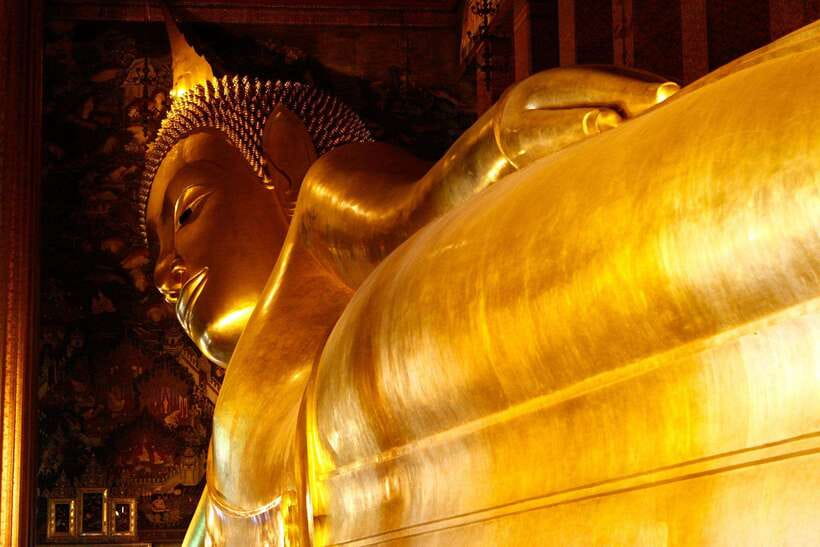
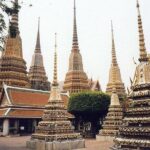
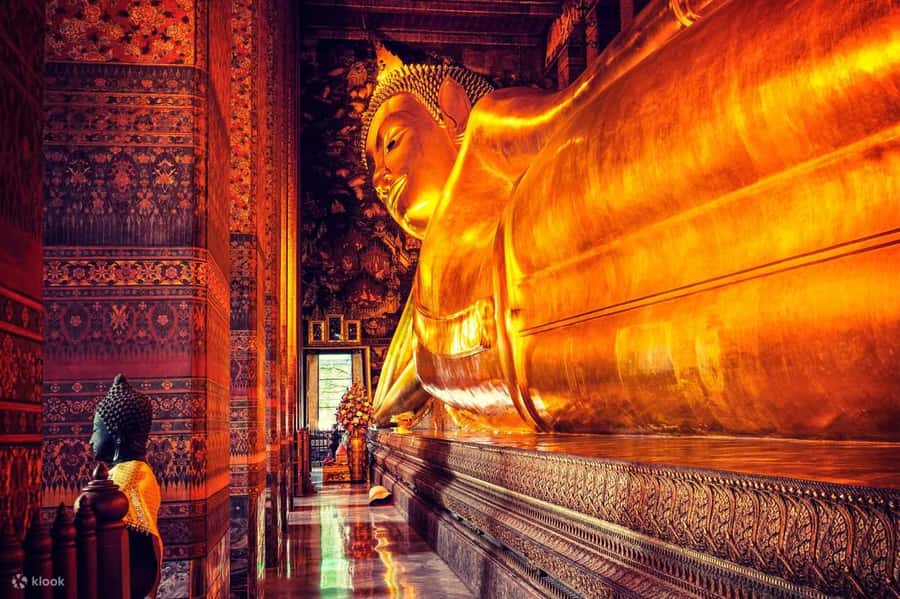
Then you head to Wat Pho, the Temple of the Reclining Buddha, if you selected this option. Even if you only care about one or two sights, Wat Pho deserves time because it layers religious art with practical education.
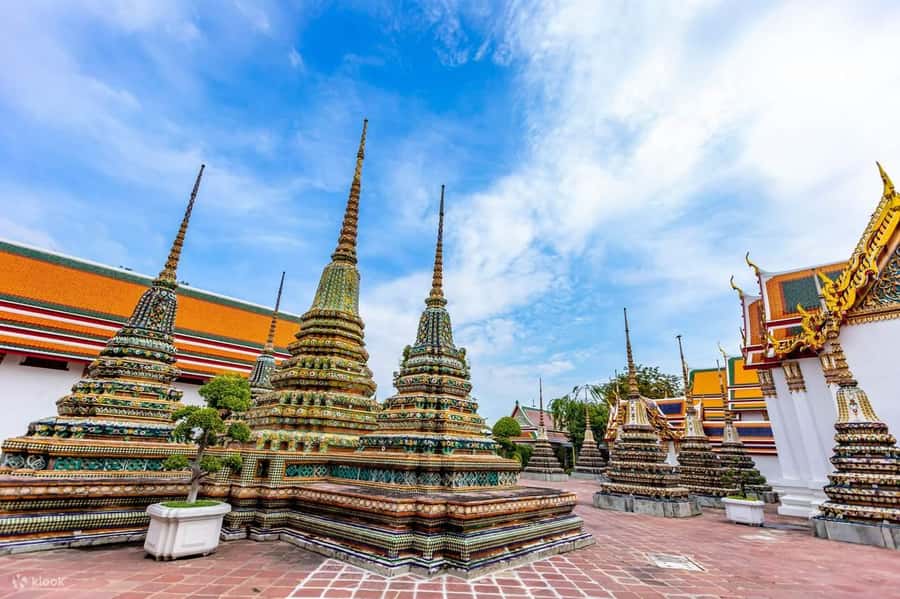
One way the tour makes this stop feel different is by connecting it to a real teaching legacy. Wat Pho is listed among the six temples in Thailand classified as the highest grade of first-class royal temples. It also points you toward the person who shaped the complex into what people see today: King Rama I. He rebuilt the temple complex on an earlier temple site, and some of his ashes are enshrined here.
The marble inscriptions that make the place feel educational
Wat Pho is known as an early center for medical public education. The tour highlights marble illustrations and inscriptions placed for public instructions. That teaching focus isn’t just a footnote; it changes how you look at the site. You’ll start to notice information embedded in the stonework rather than treating everything as purely decorative.
This teaching legacy has been recognized by UNESCO in its Memory of the World Programme, which is a big deal when you’re trying to understand why this temple matters beyond Bangkok Instagram photos.
Thai massage origin (and why it still matters)
Wat Pho is also described as the birthplace of traditional Thai massage, and that tradition is still taught and practiced at the temple. For many visitors, that turns Wat Pho from a “temple visit” into a connection with something living you might try later on your trip.
On the way: Tha Thien Market
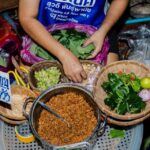
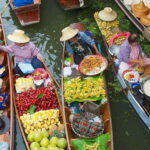
On the way to Wat Pho, you pass Tha Thien Market, known for cultural food stalls selling dried, salted seafood and wholesale products. Even if you don’t stop, this gives you a real sense of the area’s everyday life—food culture right alongside sacred architecture.
Wat Arun: Temple of Dawn and the 70-meter glass-and-porcelain tower
To finish the temple circuit, the tour continues to Wat Arun, also called the Temple of Dawn. It sits along the Chao Phraya River, and it’s one of Bangkok’s most famous landmarks.
The signature sight is hard to miss
Wat Arun is known for its giant 70-meter tower. The tour also points out the decorations: tiny pieces of colored glass surrounded by Chinese porcelain. It’s the kind of detail that rewards you for looking up and slowing down, not just walking past.
Even if your photo list is limited, Wat Arun is worth at least a few minutes of careful attention because the tower’s surface isn’t plain. It’s made of small pieces that catch light and make the structure look different from different angles.
Why the temple fits the overall route
Wat Arun acts like a visual “bookend” to the day. Grand Palace and Wat Pho are about royal and educational sacred meaning. Wat Arun is about skyline presence and river-side symbolism. Together, the three stops feel like a complete Bangkok story rather than three separate attractions.
Guide help that makes temple etiquette easier (Meng’s example)
Having a guide changes your experience in a practical way. In the feedback you’ll see strong praise for helpful guidance—one guide name that stands out is Meng, specifically noted as very helpful.
That kind of support matters at the temple complex scale. You’re dealing with:
- dress rules and how strictly they’re applied
- shoe removal at buildings
- where you can and can’t photograph
- what each place represents
A good guide doesn’t just explain facts. They help you avoid wasting time in the wrong spot or slowing down the group while you figure out what’s expected.
What to bring (and what to skip) so you don’t lose time
This tour gives a clear list of what to do, and you’ll be glad you followed it.
Bring:
- Comfortable shoes (then be ready to remove them when entering temple buildings)
- Hat
- Sunscreen
- Cash for entrance fees and any personal spending
Not allowed:
- Shorts
- Short skirts
- Sleeveless shirts
This matters because you’re not just visiting one temple. You’re doing multiple sacred sites in one day. If you show up in casual clothes that violate rules, you may have to wait, adjust, or miss parts of what you paid to see.
Walking reality check: not for everyone
The tour is marked as not suitable for people with mobility impairments and not suitable for wheelchair users. That’s important because temple visits in Bangkok can involve uneven ground, long walking stretches, and stairs in and around big complexes.
If mobility is a concern, you might want to look for a different style of tour focused on fewer stops or with different pacing. For everyone else: wear supportive shoes, plan for standing, and keep your water bottle handy.
Is this tour good value for you?
If you want Bangkok’s three most iconic temples in a single guided sweep, this tour makes sense. It’s a strong choice for:
- first-time visitors who need help understanding what you’re looking at
- people who care about royal Thailand and sacred Buddhist tradition
- travelers who like practical guidance on etiquette, not just photos
It might not be the best match if you:
- can’t follow strict dress code requirements
- need wheelchair-friendly access
- prefer self-guided exploring where you set your own rhythm (because guided timing still matters at these sites)
Also, remember the entrance fees aren’t included. Still, the overall package can be a good deal when you consider how much you’re getting: three major sites, multiple layers of meaning, and a licensed English guide.
Should you book this Bangkok Grand Palace, Wat Pho, and Wat Arun guided tour?
I’d book it if your ideal day in Bangkok includes classic temples plus clear explanations. The combo of Grand Palace + Emerald Buddha Temple + Wat Pho + Wat Arun is a heavy-hitter route, and the guide-driven approach helps you move through the rules without stress.
Book it especially if you’re the type who enjoys details—marble inscriptions, the medical teaching angle at Wat Pho, and Wat Arun’s glass-and-porcelain tower. And if you’re bringing cash and dressing appropriately (shoulders and knees covered), you’ll set yourself up for a smooth, rewarding temple day.
FAQ
Where do I meet for the tour?
You meet in front of the Tha Chang ferry pier, located next to the Grand Palace.
Where does the tour end?
The tour ends back at the meeting point.
Is the tour in English?
Yes. The tour is offered in English.
Are entrance fees included in the price?
No. Entrance fees are not included. You’ll pay separately: THB 500 for Grand Palace and Wat Phra Kaew, THB 300 for Wat Pho, and THB 200 for Wat Arun.
What should I wear?
Wear clothing that covers shoulders and knees. Shorts, short skirts, and sleeveless shirts are not allowed.
Can I take photos inside the buildings?
Photography is permitted in the Royal Palace Grounds and in the compounds of the Emerald Buddha Temple, but not inside the buildings.