REVIEW · CHIANG MAI
Chiang Rai, Golden Triangle and Long Neck Karen
Book on Viator →Operated by Bravo Indochina Tours · Bookable on Viator
Borderlands, tribes, and the opium story in one day. This private tour keeps things comfortable with live commentary as you move between northern highlights, so you’re not just ticking boxes. I like the way the route mixes border-town color, hill-tribe culture, and the Golden Triangle story—without making you haul bags from place to place.
Two things I especially like: the complimentary admission style stops (so you’re not constantly paying at the counter), and the hotel pickup/drop-off within Chiang Rai. One possible drawback to plan for: the Long Neck Karen portion can feel sales-heavy and the overall day covers tough themes, so keep your expectations grounded and your pace forgiving.
In This Review
- Key things to know before you go
- The big picture: Chiang Rai’s Golden Triangle, without the tourist shuffle
- Private transport and hotel pickup: where this tour earns its money
- The guide experience: English narration that keeps the story moving
- Mae Chan: the warm-up stop that helps set the route
- Akha Hill Tribe stop: cultural context, respectful expectations
- Mae Sai: border-town shopping and the Burma/Tachileik viewpoint
- House of Opium (Golden Triangle Park): educational, but heavy
- Chiang Saen: Thailand’s oldest city, easy river-town pacing
- Long Neck Karen experience: cultural contact with real-world friction
- Timing: how an 8-hour plan can stretch in real life
- Price and value: what $129.06 buys you in Chiang Rai
- Comfort and expectations: how to make the day feel good
- Who this tour suits best
- Should you book this Chiang Rai Golden Triangle and Long Neck Karen tour?
- FAQ
- What stops does this tour include?
- How long is the tour?
- Is pickup and drop-off included?
- Is this a private tour or a shared group?
- What’s included in the price?
- Are admission tickets included?
- Are alcoholic beverages included?
- What if the weather is bad?
- What if I cancel?
Key things to know before you go

- Private transportation for a full day: you ride together, no lining up with strangers.
- Admission included at multiple stops: you’re covered for entry fees during the listed visits.
- Golden Triangle context: the Opium House museum gives you the why behind the headlines.
- Border-town energy in Mae Sai: shopping and Burma/Tachileik context are part of the experience.
- Hill-tribe village time: you get a focused look at the Akha community stop.
- Guides matter here: many groups highlight guides like Sandy, Susie, and Mr Kom for nonstop narration and smooth timing.
The big picture: Chiang Rai’s Golden Triangle, without the tourist shuffle
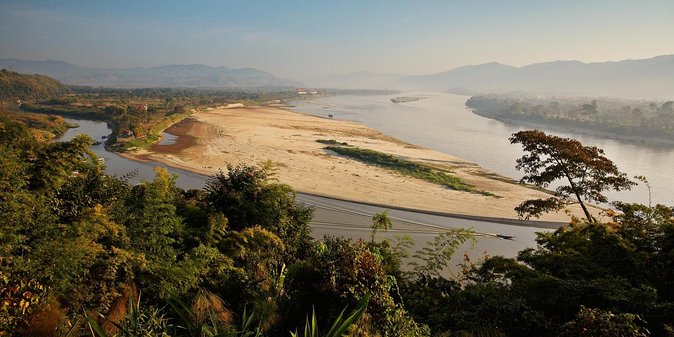
If you want the Golden Triangle area, you usually have two options: self-drive and wrestle with timing, or join a bus tour and accept the group chaos. This format aims for a middle path—private by default, with an English-speaking guide doing the heavy lifting on explanations.
That’s the core value: you get a full-day loop that connects several places most people only hear about in bits. You also get support at the moments that typically slow travelers down—finding entrances, understanding what you’re seeing, and knowing what to do next.
The day is built around five main stops (plus the Long Neck Karen experience), each with roughly an hour allocated. That can feel fast—because it is—but it’s also why this works well if you have limited time in Chiang Rai and want a real cross-section of northern Thailand.
You can also read our reviews of more tours and experiences in Chiang Mai.



Private transport and hotel pickup: where this tour earns its money
Let’s talk logistics, because they’re not small on a day like this.
You get private transportation and hotel pick up & drop off in Chiang Rai (not Chiang Mai). That matters because you’re going to cover real distance across districts and viewpoints around the Golden Triangle region. When you’re not coordinating transfers, you spend your energy on the places, not the navigation.
You also get bottled water, which sounds basic until you’re making stops in hot, humid conditions. Add in the fact that this is only your group, not a shared scramble, and the day feels more like a guided outing than a timetable race.
One pricing note: the tour lists a surcharge for pickup from Chiang Mai—so if you’re starting in Chiang Mai, expect the day to cost more than the base rate.
The guide experience: English narration that keeps the story moving
The best part of this tour isn’t just the destinations. It’s the flow of explanations as you go.
Many groups specifically praise long stretches of narration and guidance that help you understand what you’re looking at—especially at stops that are more than just photos. Guides mentioned include Sandy, Susie, and Mr Kom, with comments centered on how well they kept the day organized and how often they explained the meaning behind the scenes.
Here’s what you should look for when you’re on the ground: ask questions during transitions. That’s when the guide can connect the dots—border history to local life, or opium-era context to the present-day region—without you having to interrupt a visit.
If English is a must for you (and it usually is on a day like this), this tour is positioned for that: English speaking guide is included.
Mae Chan: the warm-up stop that helps set the route
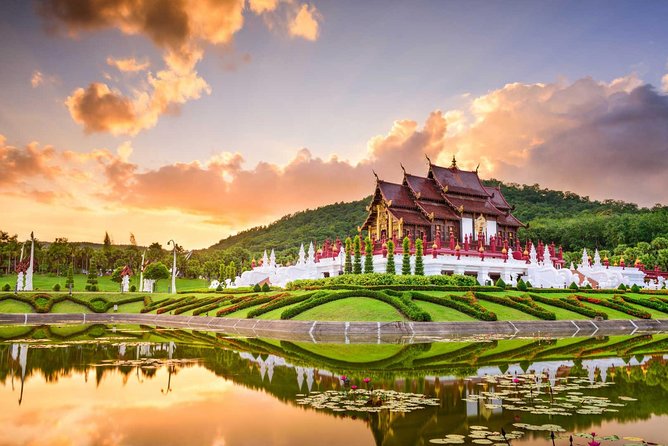
Mae Chan is your first stop—an amphoe (district) in northern Chiang Rai Province. It’s not the kind of place most first-timers prioritize, but that’s exactly why it’s a smart start.
You’ll get an hour here with free admission. Think of it as a practical opening: a chance to settle into the region’s rhythm before you hit the bigger names like Mae Sai and the Golden Triangle area. It’s also a good moment to ask your guide how today’s stops connect—hill-tribe communities, border trade, and the opium museum’s role in the story.
If you dislike rushed starts, arrive ready to be comfortable. The tour is designed for a steady pace, not a slow wander.
Akha Hill Tribe stop: cultural context, respectful expectations
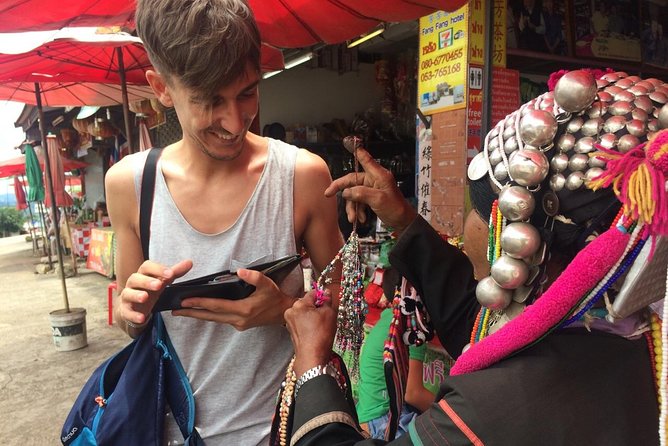
Next up is the Akha Hill Tribe visit, also called the Gaw or E-gaw in Thai—terms the Akha do not like. That little detail is important. It signals that names and labels aren’t neutral, and a good guide will frame the visit with respect.
You’ll have about an hour at this stop, with free admission. In practical terms, that usually means:
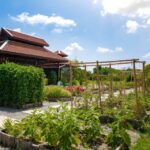
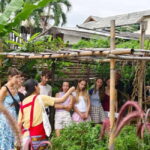
- you’ll see a village setting and be able to observe daily-life elements
- you’ll get an explanation of the community and where they live in northern Thailand
- you’ll likely encounter crafts and items for sale
So here’s the real advice: treat shopping as optional. If something speaks to you, great. If not, you don’t owe anyone a purchase just to be polite. For a lot of travelers, the best memories from these stops come from conversation and observation—not from the cash register.
Also, be emotionally ready: some cultural interactions can be intense or awkward depending on your comfort level. Go in with patience and a calm sense of what this day is meant to do—show you a slice of northern life.


Mae Sai: border-town shopping and the Burma/Tachileik viewpoint
Mae Sai is the place most people picture when they think Golden Triangle markets. It’s also where the border energy shows up.
You’ll spend about an hour here with free admission. Mae Sai sits near the Burma border, and it’s tied to the border town of Tachileik. The main draw for many visitors is the market scene—buying merchandise at low prices is a big part of the appeal.
Here’s how to enjoy it without getting steamrolled:
- Go in with a short list. Markets can pull you into impulse buying fast.
- Use the guide’s advice first, especially for where things are and what’s genuine versus souvenir-level.
- If you want to photograph, ask before you click. Border-town areas can be crowded and rules vary.
If you’re someone who likes bargaining, this stop can be fun. If you’d rather avoid the sales vibe, still go—the border context makes it more than just a shopping lane.
House of Opium (Golden Triangle Park): educational, but heavy
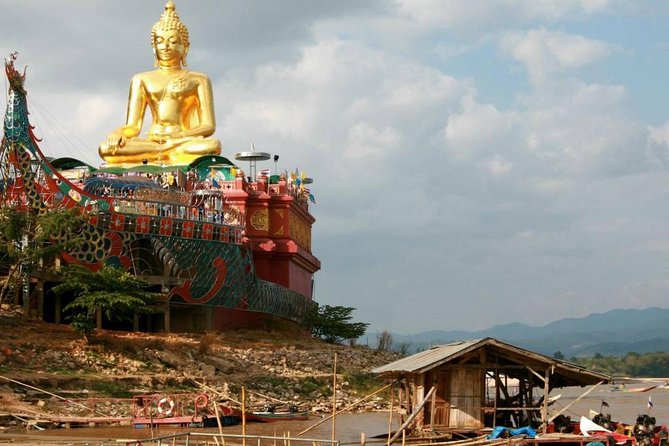
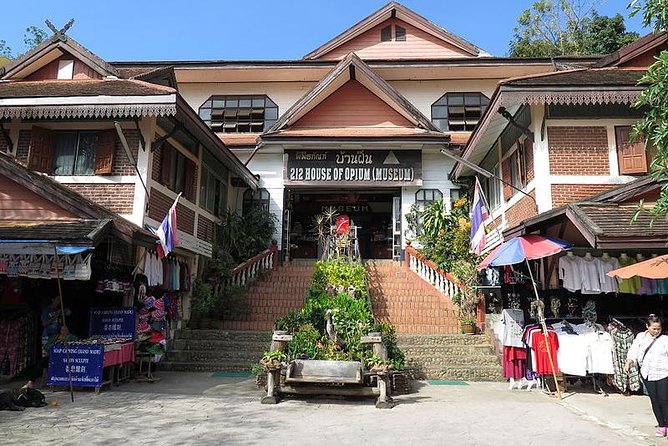
Then you hit the House of Opium, described as a museum focused entirely on opium and what you need to know about it. Admission is included here.
This stop is about understanding history, not just passing through. The exhibitions explain how opium shaped the region—economically, politically, and socially—and how the Golden Triangle became part of the world’s drug narrative.
A practical note: this is a “take a breath” museum. You might find it educational and also emotionally heavy. One of the most common reactions from groups is that the information lands in a way that can feel sad, because it’s not a neutral topic. Plan to pace yourself inside, and don’t rush the explanations your guide offers.
If you’re traveling with kids or someone who hates dark topics, consider whether this stop is right for your group. For many adults, it’s exactly the point: context makes the region’s headlines make sense.
Chiang Saen: Thailand’s oldest city, easy river-town pacing

Chiang Saen is next, and it’s a different mood. It’s known as Thailand’s oldest city and as a river town, which helps the day shift from border trade and museum history to something calmer.
You’ll have about an hour here with free admission. This stop often feels like a reset—time to let your brain digest what you saw earlier. With a guide, you’ll get the framing that makes Chiang Saen more than a location on a map.
If you’re the type who likes gentle finishing stretches on tours, this is where you’ll appreciate it. Even if you’re not the souvenir type, river-town settings tend to make good photo moments and easy strolling.
Long Neck Karen experience: cultural contact with real-world friction
This is the part of the tour you should approach with the most mental preparation.
The tour includes the Long Neck Karen segment. Based on the way this portion is described by people who’ve done it, you may encounter elder tribes people who encourage buying handmade items. That can turn into a sales-heavy experience, and some visitors feel it becomes uncomfortable—like being ushered through a gauntlet of selling pressure.
Here’s how to handle it well:
- Decide your budget before you arrive. If you don’t want to buy, set that intention early.
- Treat the people as people, not props for your photos. A respectful attitude changes the whole tone.
- If you feel pushed, it’s okay to step back. You don’t need to perform friendliness to be polite.
Also, keep in mind that this part of the day can be emotionally mixed. Cultural display and commerce are sometimes intertwined in tourism settings. Your best strategy is to focus on observation and respectful conversation, and let the sales pressure roll off you.
If you strongly prefer visits where shopping is minimal or optional, this is the stop most likely to test your patience.
Timing: how an 8-hour plan can stretch in real life
The tour lists an approximate duration of 8 hours. But travel days often bend to the real world—traffic, weather, and how long you choose to linger.
In practice, groups coming from Chiang Mai report longer experiences, and the surcharge for Chiang Mai pickup is noted. So don’t assume the timing will be identical from every starting point.
To make the day easier:
- Eat before pickup if you can. You don’t have meal details listed here.
- Wear breathable clothes and comfortable shoes. You’ll be hopping between multiple locations.
- If you’re sensitive to heat, plan for water plus shade whenever you can.
The schedule is packed, so your goal is not to sprint. It’s to show up steady and let the guide’s pacing do its job.
Price and value: what $129.06 buys you in Chiang Rai
At about $129.06 per person, the price looks low for a full-day private tour—but value is all about what’s included.
This package includes:
- Private transportation
- English speaking guide
- Bottled water
- Hotel pick up & drop off in Chiang Rai
- Entries admission and complimentary admission-style stops
That means you’re not paying separately for each stop’s entrance in the usual way. You’re also paying for someone to manage the transitions and explain what you’re seeing.
What’s not included:
- alcoholic beverages
- a pickup surcharge if you need pickup from Chiang Mai ($120 per booking)
So the value story is: you’re paying for convenience plus interpretation. If you were to do this yourself, the cost of transport, the time spent figuring out routes, and the lack of context would add up fast.
When this tour is especially good value:
- You have limited time in Chiang Rai.
- You want the Golden Triangle story without driving.
- You appreciate guides who explain the “why,” not just the “what.”
Comfort and expectations: how to make the day feel good
A good day-trip isn’t just where you go. It’s how the day feels.
This tour is built around comfort-first elements: private ride, bottled water, and a guide doing the talking. Many groups emphasize that the day stays organized even though it’s full.
Still, go in with realism:
- Some stops involve shopping environments.
- The opium museum covers difficult material.
- The Long Neck Karen portion may feel sales-heavy.
If you can accept that cultural tourism sometimes includes pressure and commerce, you can still have a meaningful day. If you can’t, then pick your stops carefully, or plan to set firm boundaries during the selling moments.
Who this tour suits best
This tour fits travelers who want a structured day across northern Thailand without the planning burden. It’s especially good for:
- first-timers to Chiang Rai who want the Golden Triangle highlights and context in one push
- travelers who prefer a private group feel and live guide narration
- people who are comfortable with cultural visits that may include crafts for sale
- adults who can handle heavy history topics like opium
It might be less ideal for travelers who want slow, quiet nature time, or for anyone who hates market environments and sales pressure.
Should you book this Chiang Rai Golden Triangle and Long Neck Karen tour?
Book it if you want:
- a private, guide-led full day with multiple major northern stops
- included admissions so you don’t burn time and cash at ticket counters
- a coherent story arc from border-town trade to the opium narrative to Chiang Saen
Consider skipping or adjusting expectations if:
- the Long Neck Karen segment would make you uncomfortable with sales pressure
- you prefer tours that minimize commerce and emphasize low-friction cultural exchange
- you dislike emotionally heavy museum topics
If you do book, go prepared. Decide your shopping limits in advance, wear comfy shoes, and let the guide narration help you make sense of the region fast. That’s when this tour really clicks.
FAQ
What stops does this tour include?
You’ll visit Mae Chan, an Akha Hill Tribe stop, Mae Sai, the House of Opium, and Chiang Saen, with the Long Neck Karen experience included as part of the overall outing.
How long is the tour?
The duration is listed as approximately 8 hours.
Is pickup and drop-off included?
Yes. Hotel pickup and drop-off are included for hotels in Chiang Rai. If you need pickup from Chiang Mai, there is a surcharge of $120 per booking.
Is this a private tour or a shared group?
This is a private tour/activity. Only your group participates.
What’s included in the price?
Included are private transportation, bottled water, an English speaking guide, entries admission, and hotel pickup and drop-off in Chiang Rai.
Are admission tickets included?
Yes. Admission is covered for the visited locations, with complimentary admission at several stops and admission included for the opium museum.
Are alcoholic beverages included?
No. Alcoholic beverages are not included.
What if the weather is bad?
The experience requires good weather. If it’s canceled due to poor weather, you’ll be offered a different date or a full refund.
What if I cancel?
This experience is non-refundable and cannot be changed for any reason. If you cancel, the amount paid won’t be refunded.