REVIEW · BANGKOK
Bangkok: Discover a Taste of Chinatown – 2 Hr Walking Tour
Book on GetYourGuide →Operated by TripGuru Thailand · Bookable on GetYourGuide
Chinatown smells like dinner and good stories. In this 2-hour Bangkok walking tour, you meet your local guide near Wat Mangkon MRT and wander Yaowarat at night with flexible stops that follow what you actually feel like eating. It’s not a rigid checklist, so the evening can breathe with the market.
I especially like two things. First, the food targets are serious: Guay Jub Ouan Pochana’s MICHELIN Bib Gourmand rice noodle soup and Pa Tong Go Savoey’s crispy dough sticks are the kind of orders you can’t easily guess on your first night. Second, guides like Fern and Paew tend to add street-level context, from how certain dishes fit everyday life to Buddhist temple etiquette when the route allows it.
One consideration: this tour is still mostly walking and eating on a budget you manage yourself. Food tastings are not included, and the activity isn’t suited for mobility issues, pregnancy, heart problems, or respiratory issues.
In This Review
- Key highlights worth planning for
- Finding Wat Mangkon MRT and starting in the right place
- Yaowarat at night: why this works for first-timers
- The stall lineup: MICHELIN noodles and crispy Pa Tong Go
- How the tour stays flexible without becoming vague
- Temple stops and prayer etiquette you can actually use
- Price vs value: what $64 buys you (and what it doesn’t)
- Timing, walking comfort, and what to bring to Yaowarat
- Safety and who this tour suits best
- Should you book the Bangkok Chinatown taste tour?
- FAQ
- Where do I meet the tour guide?
- How long is the tour?
- Is the itinerary fixed or flexible?
- Are food tastings included in the price?
- How big is the group?
- What language is the tour guide?
- Is this tour responsible or certified in any way?
- What should I bring?
- Is it wheelchair accessible?
- Who should not take this tour?
Key highlights worth planning for
- Small group capped at 9 for more questions, more pacing control, and less “herding cats.”
- No fixed itinerary so you can swap choices depending on what stalls look best.
- Targeted stalls you’ll recognize like Guay Jub Ouan Pochana and Pa Tong Go Savoey.
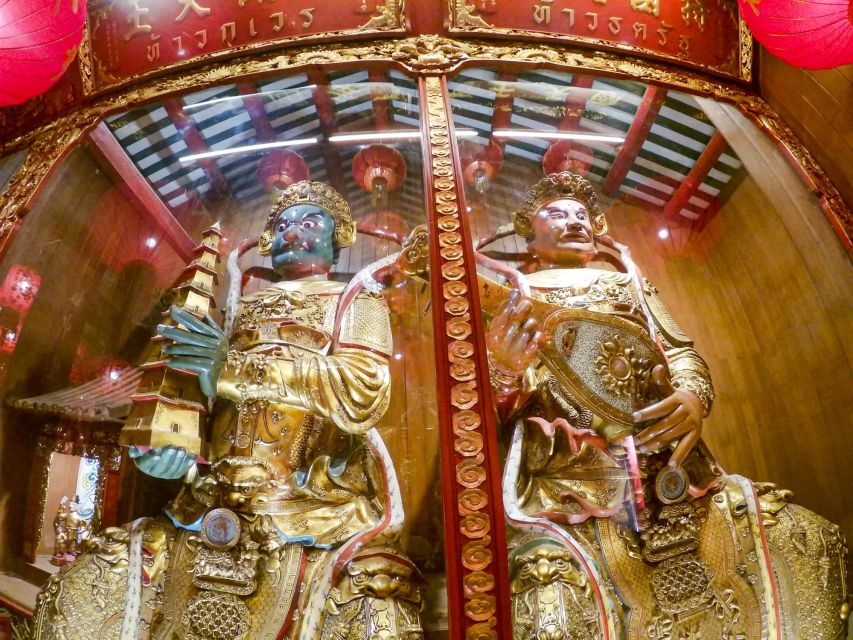
- Food variety plus side culture with temple visits and prayer etiquette when guides include them.
- English live guide and some Thai support depending on the guide.
Finding Wat Mangkon MRT and starting in the right place
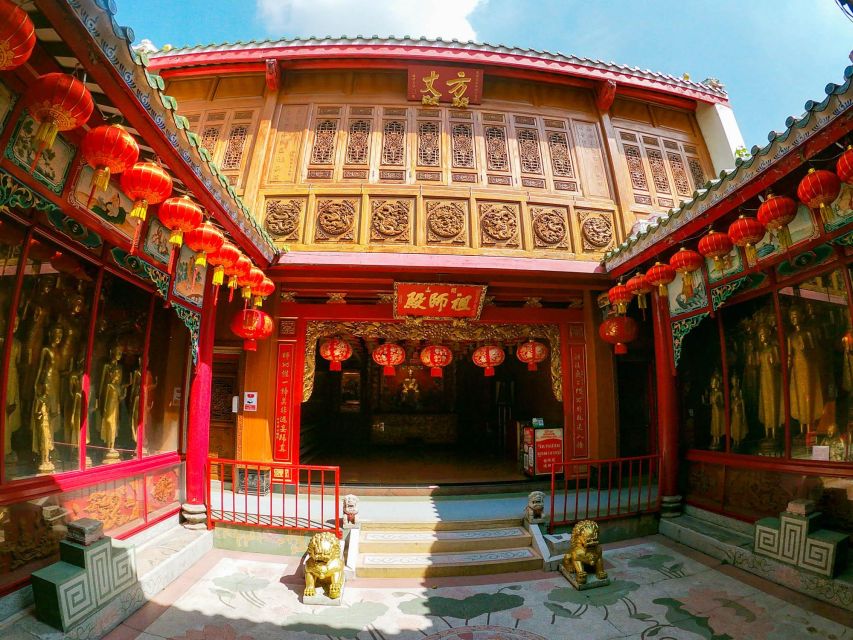
You’ll start outside Wat Mangkon MRT station, Exit 3. That matters more than it sounds. Chinatown is big, and meeting at a clear transit point helps you avoid the usual “we’re here but not here” stress.
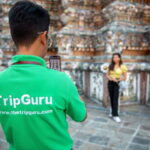
The guide will be holding a TripGuru sign, and you’ll want to arrive about 10 minutes early so the group can form up and you can get your bearings fast. You’re also smart to bring cash—street food counters typically want quick payments, not card-chasing.
This tour’s start location is a practical choice because it gets you moving without wasting time. In a city where heat can sneak up on you, those first 15 minutes set the tone. If the night feels packed with scooters, steam, and smells, that’s normal. Your guide helps you navigate it in a way that feels calm, not chaotic.
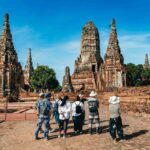
And because it’s a small group (max 9), you won’t be lost behind ten other people. You’ll be able to actually hear the guide and decide what to try next.
You can also read our reviews of more walking tours in Bangkok
Yaowarat at night: why this works for first-timers
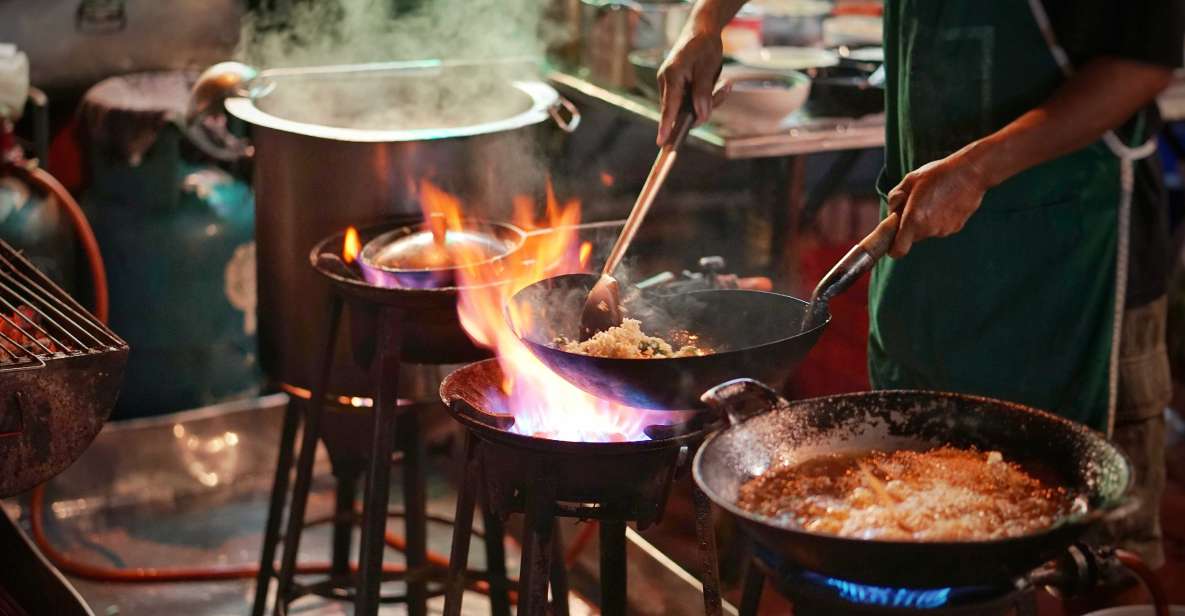
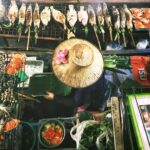
Yaowarat is the kind of place where your nose leads. But your brain still needs help—what’s worth ordering, what’s safe to eat, what’s a good first bite, and how to avoid turning the evening into random snacking.
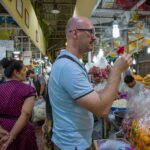
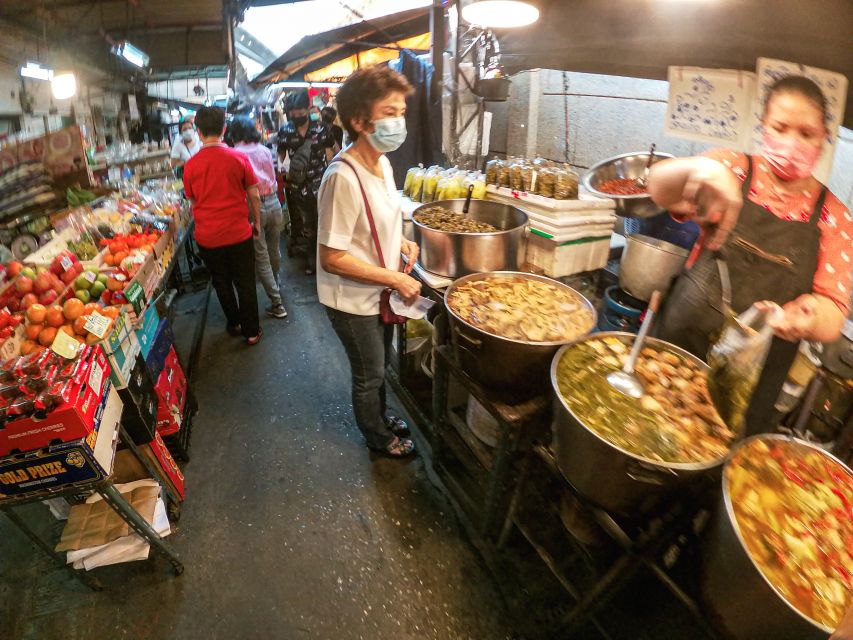
That’s where this tour fits. You get a walking loop through the Yaowarat Night Market area with guided tasting stops, plus a guide who can point you toward what to try right now, not what was trendy last week. The best part for me is that the tour doesn’t force a strict sequence. If you want savory first and sweets later, you can usually steer the order.
Another thing I like: the guide isn’t only focused on food. In several experiences, guides also add Buddhism and local customs. One guide even showed how you might pray in different temples, and another included a ceremony and interesting glimpses around monk-related spaces (where access and timing allow).
So you’re not just eating in a loop. You’re learning how Chinatown life and faith show up right beside the food stalls.
The stall lineup: MICHELIN noodles and crispy Pa Tong Go
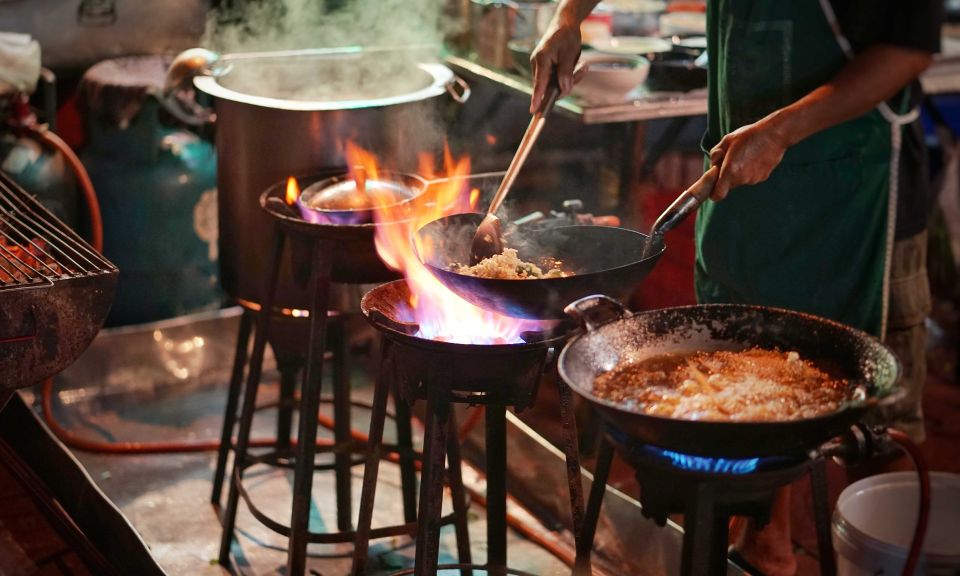
The food highlights are the reason this tour gets booked again and again.
First up, Guay Jub Ouan Pochana is known for a rice noodle soup that has a MICHELIN Bib Gourmand nod. Even if you’re not chasing badges, this matters because it’s a stall that consistently delivers. On a first trip, that’s huge: you’re not gambling your night on something mediocre.
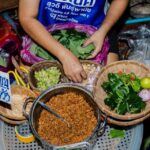
Second, you’ll target Pa Tong Go Savoey, famous for crispy dough sticks. Think of it as snack food with real structure: you bite in and get that crunchy texture, usually paired with sweet or savory companions depending on what you order on the spot. It’s the kind of item that’s easy to miss if you don’t know what to look for.
Beyond those two named stops, you may also encounter places like HKN Hong Kong Noodle and HAGOW Yaowarat for authentic dim sum. The exact order can shift based on weather and stall availability, but the goal stays consistent: you taste a spread of textures and flavors, not just one type of dish.
What makes these stops valuable is that they’re the opposite of “random street food roulette.” Your guide steers you toward stalls that are worth the line, worth the money, and usually worth the second bite.
How the tour stays flexible without becoming vague
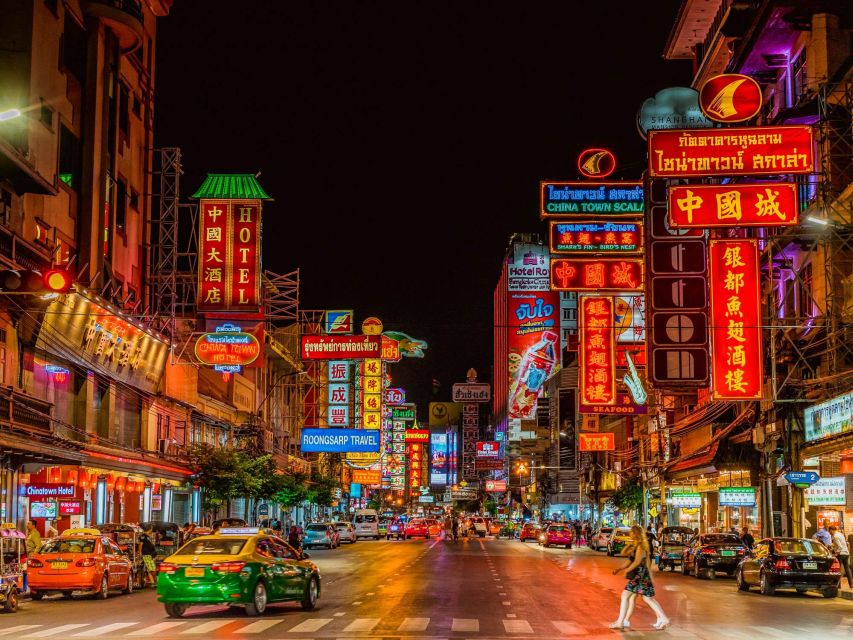
A “flexible itinerary” can mean anything. Here, the flexibility is practical: there’s no strict fixed checklist where you’re forced to eat the same things as everyone else.
In real terms, it means you can:
- choose between savory and sweet cravings as you walk,
- ask questions while the group is still together,
- and adapt if a stall has a queue, is running out, or just isn’t operating the way it should that night.
Several guide experiences also show that personalization is part of the deal. One guide worked around a nut allergy while still managing a variety of tasting stops, and another tailored the pace and emphasis based on what the person cared about most (food vs. history vs. sightseeing).
If you’re picky, this is comforting. If you like trying new things, it’s also comforting, because your guide can encourage you to step outside your comfort zone without making it awkward.
The only “soft drawback” with flexibility: you’re not locked into a guaranteed exact sequence of stalls. The tour notes that route details can change depending on weather, availability, and other circumstances. That’s normal in a live street-food environment—just don’t expect a perfectly scripted show.
Temple stops and prayer etiquette you can actually use
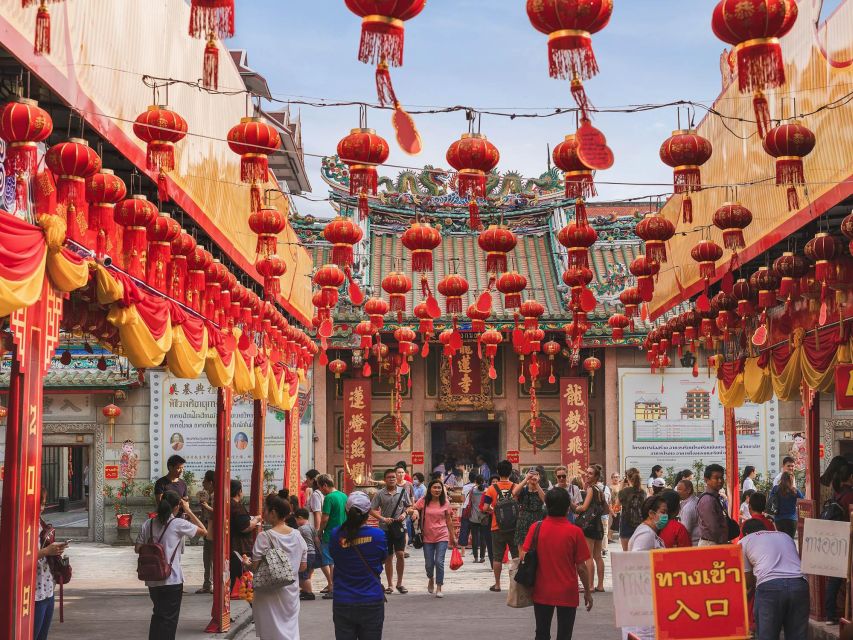
Chinatown’s food scene sits next to religious life, and this tour often reflects that.
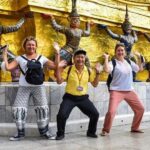
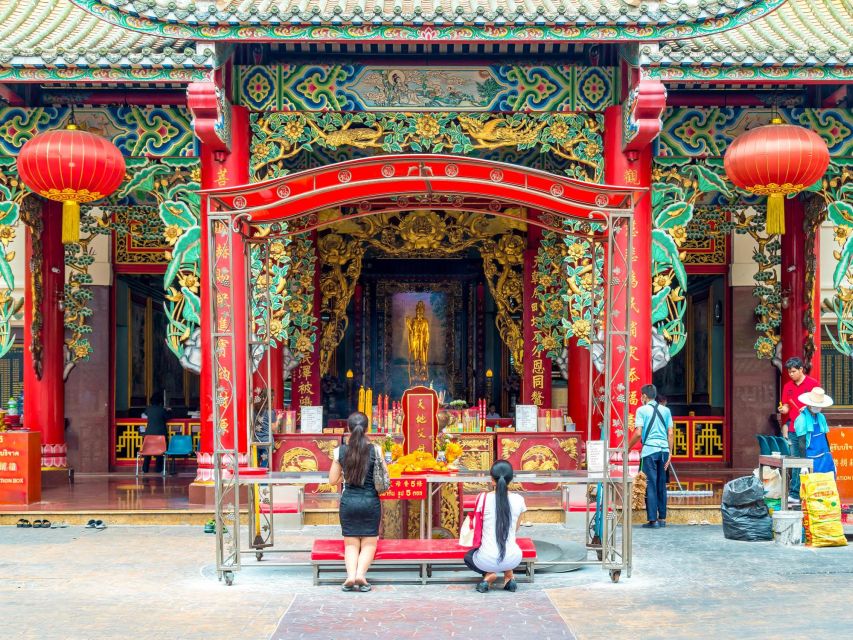
More than one guide experience describes temple visits—sometimes multiple—and practical explanations around Buddhist customs, including how you might behave during prayer. That’s not just “nice culture talk.” It gives you a way to act respectfully when you enter a temple space.
On at least a few occasions, guides included access or viewpoints around monk accommodation areas or ceremonies. Access depends on timing and local rules, so treat these as possible inclusions, not guarantees. The important part is that the guides don’t keep the experience purely food-focused.
If you’ve visited temples before, you’ll appreciate that the guide can translate what you’re seeing into something meaningful. If you haven’t, you’ll still benefit because you get clear, simple context rather than silent confusion in front of statues and rituals.
Also, temple stops are one of the reasons this tour feels different from a standard “eat and go” tour. You walk, you taste, and you learn how Chinatown people make space for faith in the middle of daily life.


Price vs value: what $64 buys you (and what it doesn’t)
Let’s talk money plainly. The tour price is $64 per person for a 2-hour guided walking experience.
What’s included:
- an English tour guide (Thai and English are mentioned for the guide setup),
- walking tour,
- insurance,
- and carbon emissions offset credits.
What’s not included:
- the food tasting expenses (you pay for what you eat).
So the value isn’t that the tour gives you free meals. The value is that you pay for guidance, selection, and timing. You’re not just getting someone to lead you down a street. You’re getting someone who helps you:
- choose stalls you’d likely overlook,
- understand what you’re ordering and why it matters,
- and avoid wasting money on items that don’t hit the mark.
Some experiences also suggest you can keep your personal food spend reasonable if you pace yourself. One person reported spending about $25 CAD on food during the tour. That doesn’t mean you’ll spend the same—your appetite and what you order matters—but it shows the costs can be controlled if you plan.
Bottom line: if you’re hungry, don’t assume the tour price covers everything. If you want a smarter first-night food plan, the $64 helps you eat with less guessing.
Timing, walking comfort, and what to bring to Yaowarat
This is a 2-hour walking tour. That sounds short until you’re standing in lines, sampling small bites, and weaving around market traffic.
Your best friend here is comfort. Bring:
- comfortable shoes (non-negotiable),
- sunglasses and sunscreen,
- a hat and either an umbrella or rain protection,
- insect repellent,
- camera,
- cash.
You’ll also see some people bring a scarf or sarong, which can be useful if you end up near temple areas where modesty helps. The tour specifically notes it’s not wheelchair accessible, so plan for stairs and crowded sidewalks.
If you’re the type who gets tired quickly, this might not be your best move in the hottest part of the day (it’s a night market tour, but Bangkok can still be humid). The good news: your guide can pace the group, and small group size helps.
Also, because street food is involved, don’t overpack with “safety strategies.” Just bring the basics: water, cash, and the right footwear. Your guide handles the selection and the walking logic.
Safety and who this tour suits best
This tour is for people who enjoy walking, eating, and talking with a local guide.
It’s described as not suitable for:
- wheelchair access,
- people with mobility impairments,
- pregnant women,
- people with heart problems,
- people with respiratory issues.
If you fit those categories, skip this one and look for a gentler food experience with less walking and fewer crowd transitions.
For everyone else, it’s a strong match if you:
- are visiting Bangkok for the first time and want a fast first contact with Chinatown food,
- like food that has real reputations (not just “whatever’s in front of you”),
- want a guide who can explain what you’re eating and what to do in temple settings if they stop there,
- enjoy small-group dynamics and Q&A.
You’ll also like it if you’re the sort of person who hates fixed itineraries. This one is set up so you can steer.
Should you book the Bangkok Chinatown taste tour?
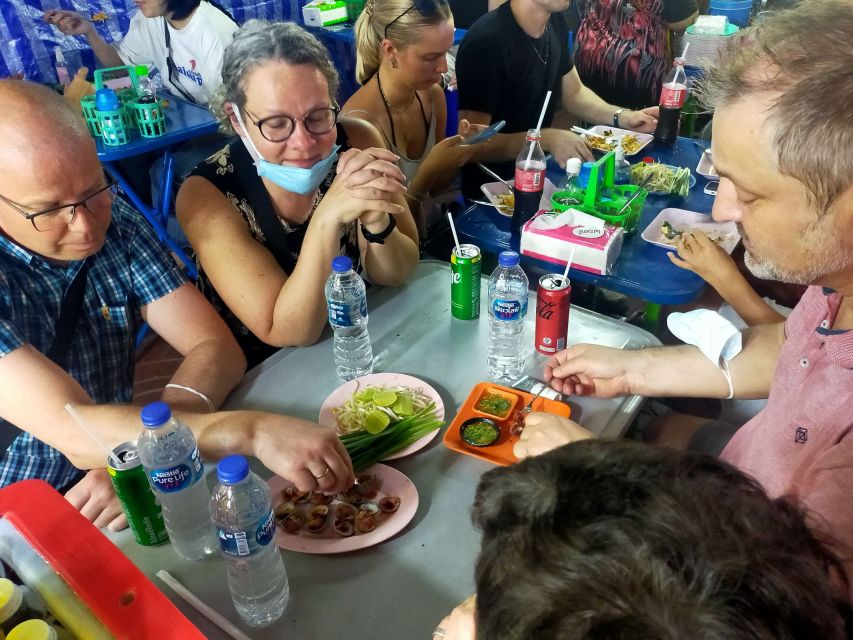
Book it if you want a well-guided, first-night-friendly way to experience Yaowarat without spending your evening guessing. The standout value is the pairing of named food stops (Guay Jub Ouan Pochana and Pa Tong Go Savoey are prime examples) with flexible pacing and guide context that can include temple etiquette.
Pass on it if you need a fully seated experience, have mobility or health limitations listed above, or if you already know exactly what stalls you want and you don’t need a guide to help you prioritize. In that case, you might spend less by self-guiding.
If you fall in the “I want an easy win in Chinatown” category, this tour is a solid bet.
FAQ
Where do I meet the tour guide?
Meet outside Wat Mangkon MRT station, Exit 3. Your guide will be holding a TripGuru sign.
How long is the tour?
The tour lasts 2 hours.
Is the itinerary fixed or flexible?
It’s flexible with no fixed itinerary. You’ll taste what you want, and the exact stops may change based on weather and availability.
Are food tastings included in the price?
No. All food tasting expenses are not included, so you should plan to pay for what you eat.
How big is the group?
It’s a small group, limited to 9 participants.
What language is the tour guide?
The tour is listed as English, and the guide setup includes English- and Thai-speaking tour support.
Is this tour responsible or certified in any way?
The tour is described as GSTC-certified for responsible exploration.
What should I bring?
Bring comfortable shoes, sunglasses, a hat/umbrella, a camera, sunscreen, insect repellent, cash, and optionally a scarf or sarong.
Is it wheelchair accessible?
No. The tour is not suitable for wheelchair access.
Who should not take this tour?
It’s listed as not suitable for pregnant women, people with mobility impairments, people with heart problems, and people with respiratory issues.