REVIEW · CHIANG RAI
Chiang Rai: 2-Day Jungle Trek only walk with Waterfall
Book on GetYourGuide →Operated by R U tour and trek · Bookable on GetYourGuide
A real jungle day beats a bus-and-photo day. This 2-day trek in Chiang Rai mixes hands-on survival skills with waterfall breaks and a night in an Akha village, so you feel the place instead of just seeing it. You’ll use a traditional machete-style knife, learn how to turn jungle materials into tools, and even make bamboo cups and chopsticks.
What I like most is the day-to-day rhythm. You’ll get time to swim at a waterfall and then soak at a hot spring pool, with village visits from Lesu, Chinese, Akha, and Lahu communities along the way. The other big win is the guide quality. People mention guides like Mo and RU, who explain jungle life in practical ways while keeping the pace comfortable.
One thing to think about: this is not a flat stroll. You’re looking at around 10 km walking each day with hills and uneven ground, and the overnight sleep is simple (bamboo floor, thin mattress). If your body hates steep climbs, you may want a different style of tour.
In This Review
- Key things to know before you go
- Why this Chiang Rai trek feels more like real life than sightseeing
- The walking pace: moderate effort, real hills, good chances to adjust
- Jungle survival skills: knife work and bamboo that you actually use
- Waterfalls and hot springs: the refresh moments that break up the trek
- Village visits across four hill tribes: Lesu, Chinese, Akha, Lahu
- Akha overnight stay: bamboo floor sleep and the upside of going simple
- Meals on the trail: four meals, plus bamboo cooking moments
- Price and value: where the $122 fits (and where you’ll spend extra)
- Pickup, timing, and how the day starts
- What to pack (and what to leave out)
- Who should book this jungle trek, and who should skip it
- FAQ
- How long is the Chiang Rai jungle trek?
- What is the daily walking distance?
- Are meals included?
- Will I be able to swim during the trek?
- What is included in the price?
- What group size is this tour?
- What should I bring and wear?
- Should you book this trek?
Key things to know before you go
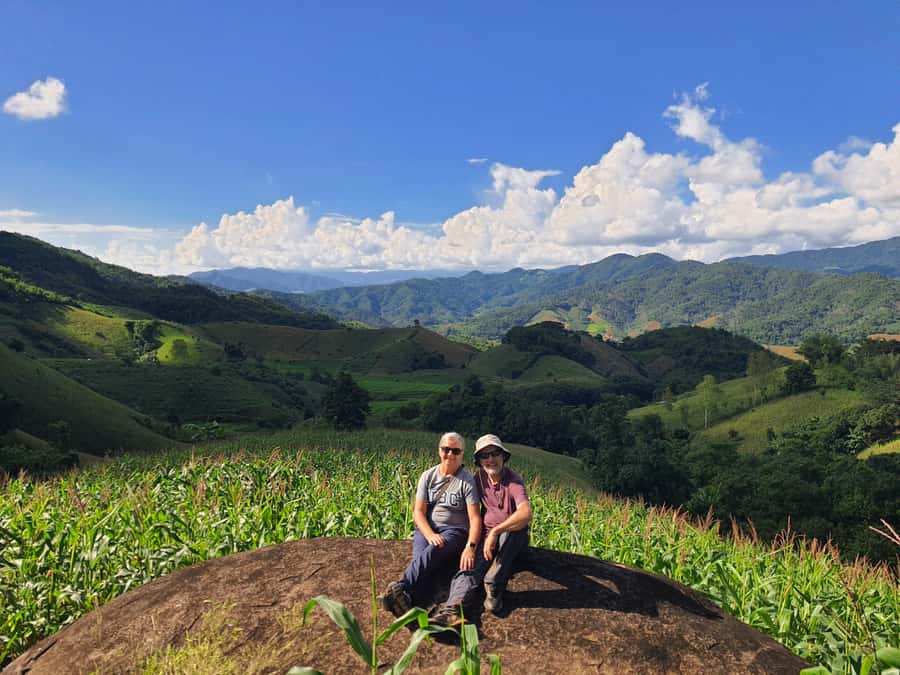
- Hands-on jungle skills: learn how to make what you need with a traditional knife and natural materials
- Water breaks: waterfall swim time plus hot-spring soaking at Pasoet Hot Spring
- Bamboo cooking: cut bamboo cups/chopsticks and cook lunch using what you harvest
- Hill-tribe village time: Lesu, Chinese, Akha, and Lahu villages with culture you can ask about
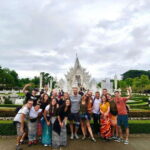
- Small group feel: capped at 10 participants, so questions and pacing get attention
Why this Chiang Rai trek feels more like real life than sightseeing
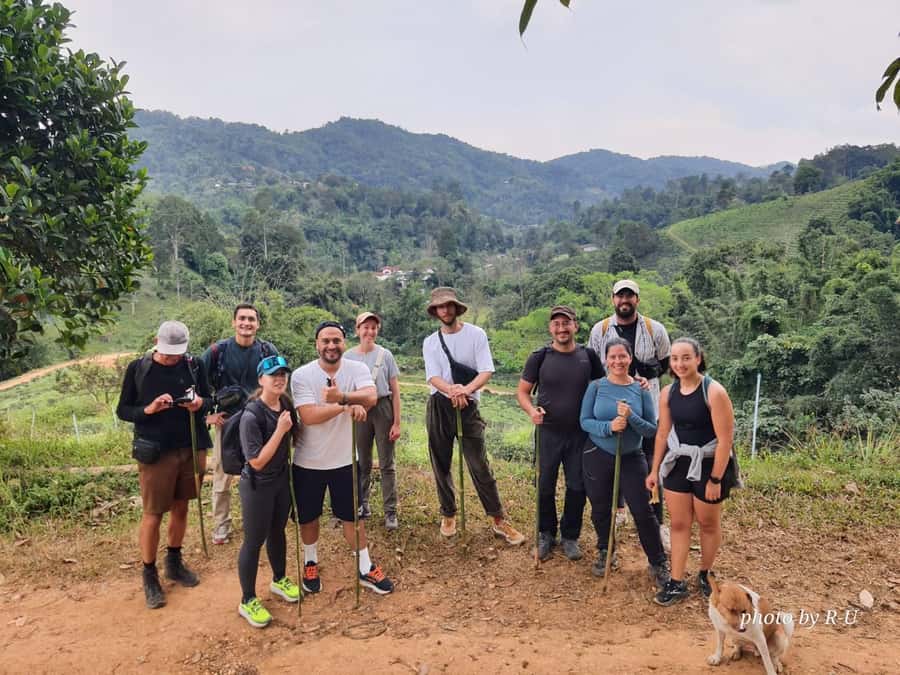
Most trekking tours in Thailand give you a checklist: walk, stop, take pictures, repeat. This one leans harder into daily skills. You’re taught how people use the jungle resources they can reach with basic tools. That changes the whole tone of the trip.
I also like that the trip is built around people, not just scenery. You’ll visit multiple hill-tribe villages—Lesu, Chinese, Akha, and Lahu—and the point is to understand how daily routines shape what you see. Even the meal moments connect to that theme: bamboo is not a gimmick here. It’s a working material.
The vibe is part outdoors, part cultural exchange. It’s active enough to feel like you earned the views, but it isn’t so extreme that you spend all day redlining.
You can also read our reviews of more walking tours in Chiang Rai
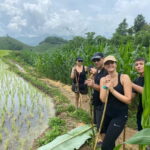
The walking pace: moderate effort, real hills, good chances to adjust
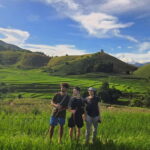
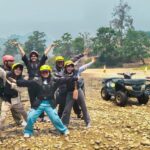
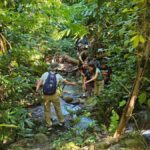
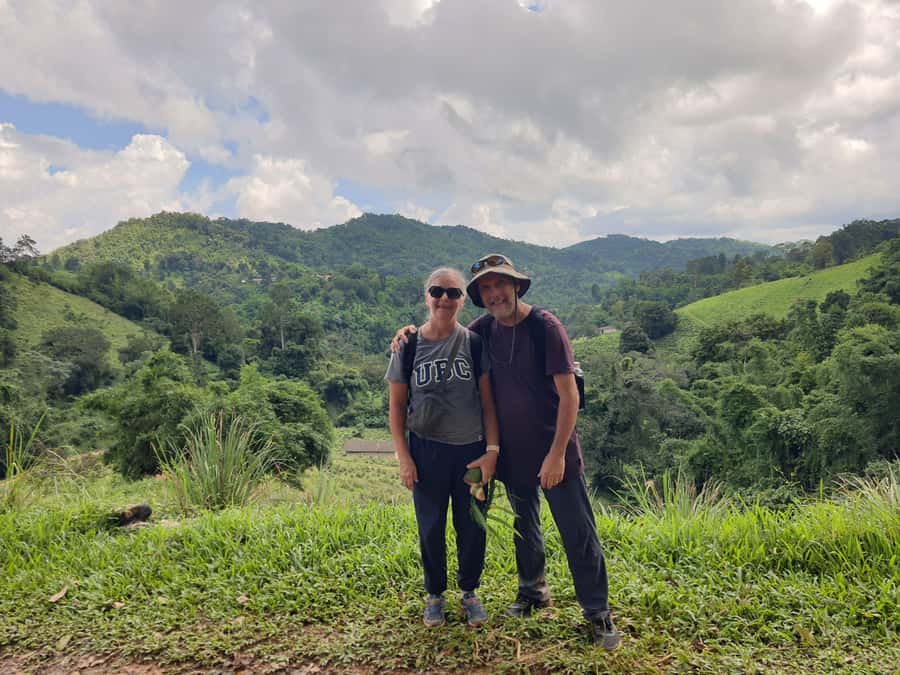
You’ll cover about 10 kilometers each day, with a moderate physical level. That sounds simple until you’re on mountain paths with uneven footing. Expect up-and-down terrain rather than gentle walking.
The good news: guides on this route tend to manage the pace. In real trip stories, people singled out guides like Mo as relaxed but effective—someone who builds in rest stops on steeper sections and adjusts walking to fitness levels. That matters because the difference between a great trek and a miserable trek is often not the distance. It’s how you handle the climbs.
Practical advice for you:
- Wear comfortable trekking shoes with grip. Sandals are not your friend here.
- Pack for sweat and sudden cool moments. “Varying weather conditions” is part of the deal.
- Go in ready to move for hours, not ready to “see a waterfall and be done.”
Jungle survival skills: knife work and bamboo that you actually use
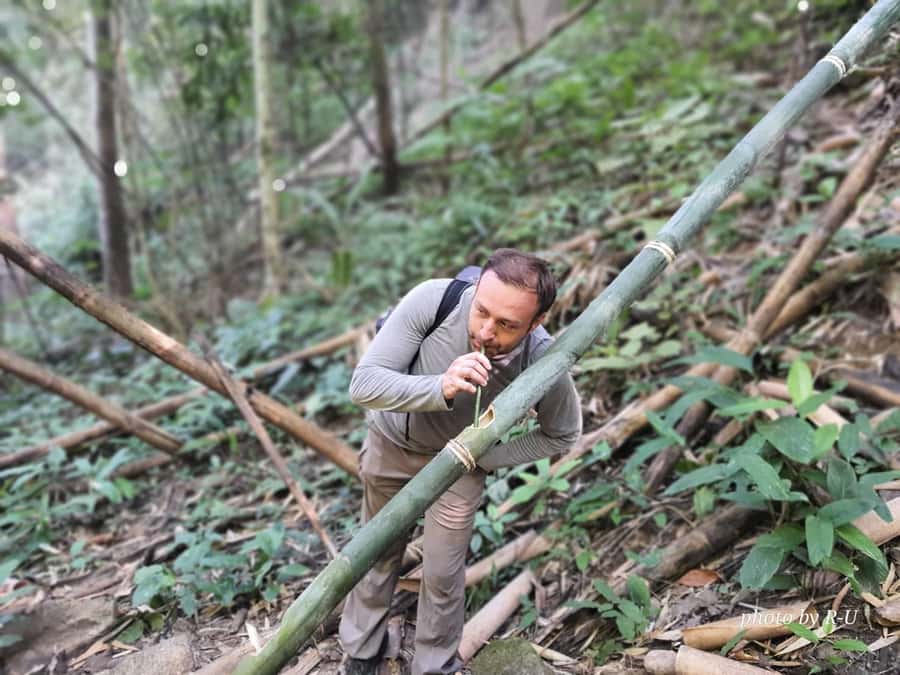
This is where the tour earns its keep. You’ll carry a traditional long-bladed jungle knife (machete) during guided lessons. You’re not just watching someone else cut things. You learn how jungle materials can become everyday tools.
On day one, the survival focus starts as you trek from the hot spring area deeper into the forest. You’ll also learn facts about flora and fauna—how plants and wildlife matter to daily life, not just their names. For many people, this is the most memorable part because it turns the jungle into something understandable.
On day two, bamboo becomes the star. You’ll cut bamboo cups and make chopsticks, then cook lunch using bamboo containers and natural resources with limited tools. It’s a very tactile lesson. Your hands do the work, and your brain sticks with the details afterward.
A quick reality check: you’ll be doing crafts and cooking outdoors. That means dirt, bugs, and a little mess. Bring the right attitude and you’ll have fun with it.
Waterfalls and hot springs: the refresh moments that break up the trek
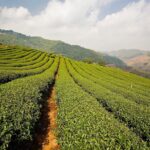
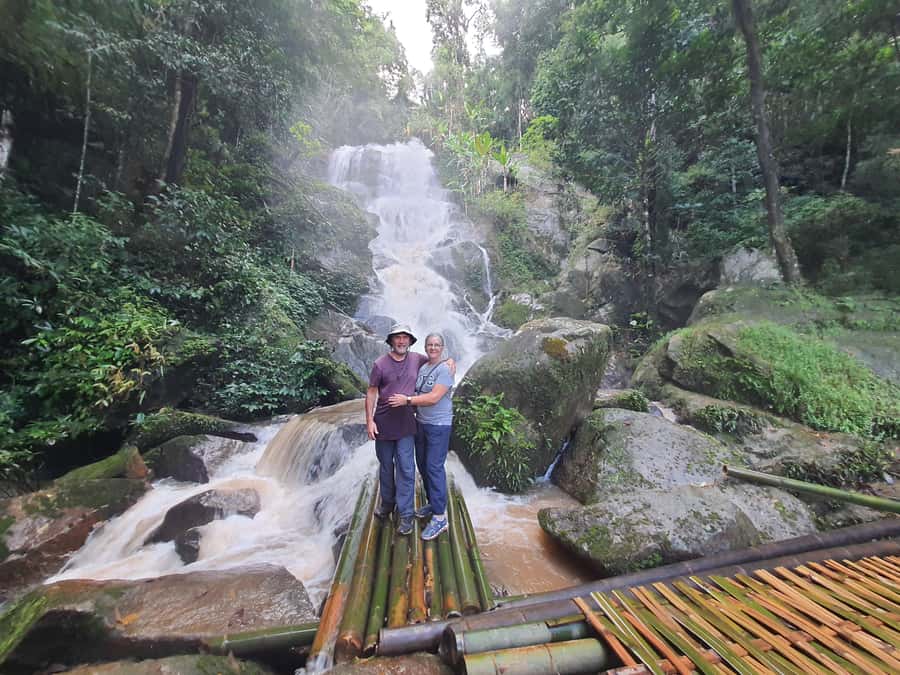
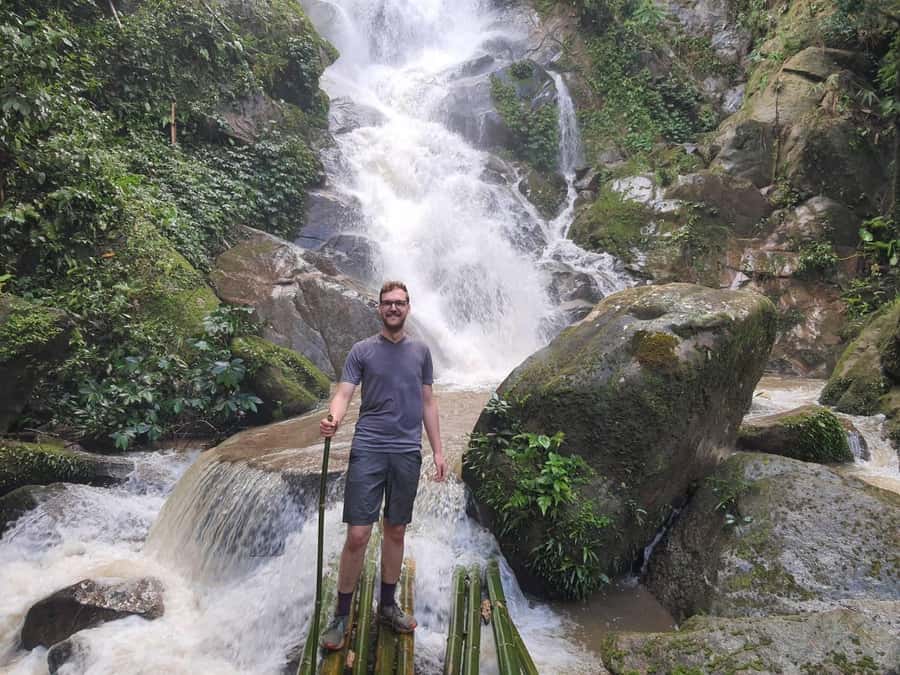
The “only walk with waterfall” style is exactly that: you build in waterfall time so you’re not hiking just for the next viewpoint. You’ll swim at a waterfall during the day one stretch after visiting the Chinese village and a tea plantation area.
Then, on day two, you’ll end with a dip at Pasoet Hot Spring. This part is especially popular because it turns the hike into a recovery day. You get warm water after cold air, wet plants, and a lot of moving.
Important budget detail: hot spring swimming pool access costs 100 Baht, and that ticket is not included. So when you total your trip costs, remember that small add-on.
One more consideration: waterfall conditions can vary. The tour includes swimming time, but your ability to get in comfortably depends on the water flow that day. If you’re sensitive to rough footing or cold water, pack with flexibility.
Village visits across four hill tribes: Lesu, Chinese, Akha, Lahu
This trek is built around community time. You’ll visit multiple villages—Lesu, Chinese, Akha, and Lahu—and you’ll learn about culture in a lived-in context rather than a staged performance.
Here’s what that means for you during the walk:
- You’ll pass through village areas on foot, so you see daily paths, not just a front gate.
- Lunches and meal moments become cultural touchpoints, not just timer stops.
- You can ask questions. People mention guides who know local life and traditions well, and that turns visits from “look” into “understand.”
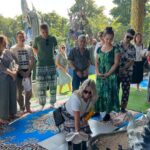
The Akha overnight stay adds extra depth. Sleeping where families live—and eating with the rhythm of the area—creates a different kind of connection than day visits. One reason people rave about this part is the human side: hosting, conversation, and shared meals.
You can also read our reviews of more hiking tours in Chiang Rai
Akha overnight stay: bamboo floor sleep and the upside of going simple
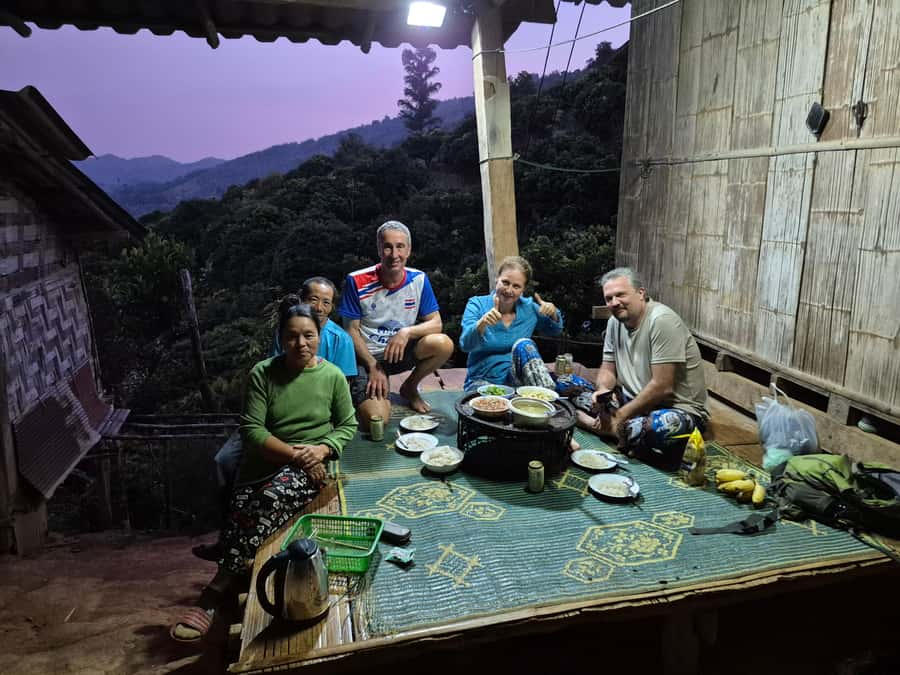
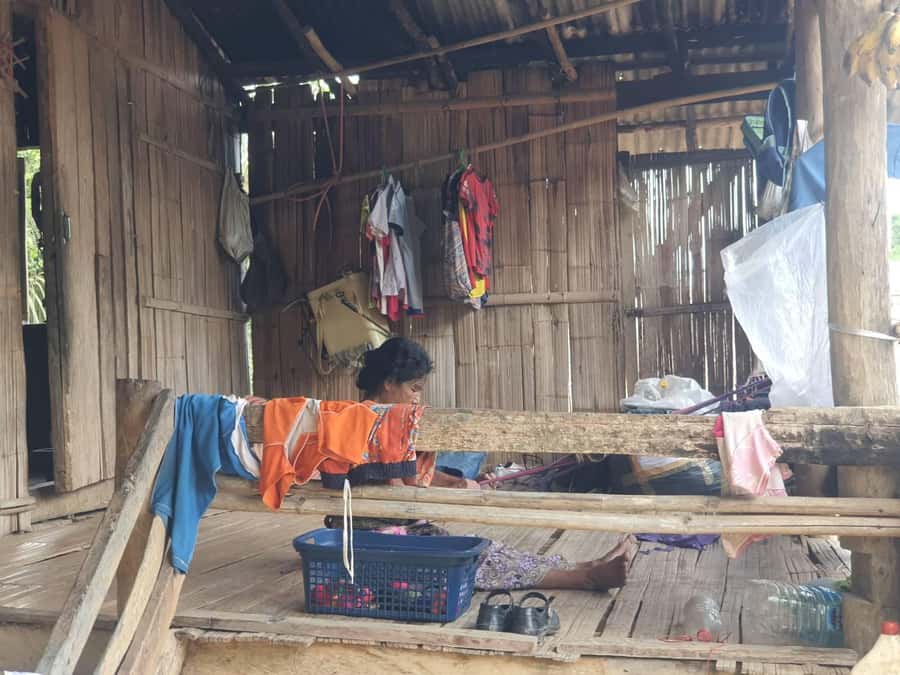
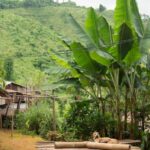
You’ll spend the night in an Akha village, with overnight accommodation included. Don’t expect hotel bedding. One trip story describes sleeping on bamboo flooring with a thin mattress pad. That setup takes getting used to, especially if you’re a firm-bed person.
Still, there’s a payoff. If you come in expecting simple, you’ll likely enjoy the experience more. The change of environment alone is a highlight: mountain air, village sounds, and the sense that you’re part of the day instead of touring through it.
What I’d do if you’re you:
- Bring a headlamp or small light (nights can be dark).
- Pack a towel and dry clothes in a sealed bag.
- Plan to be comfortable with basic sleeping conditions for one night.
Meals on the trail: four meals, plus bamboo cooking moments
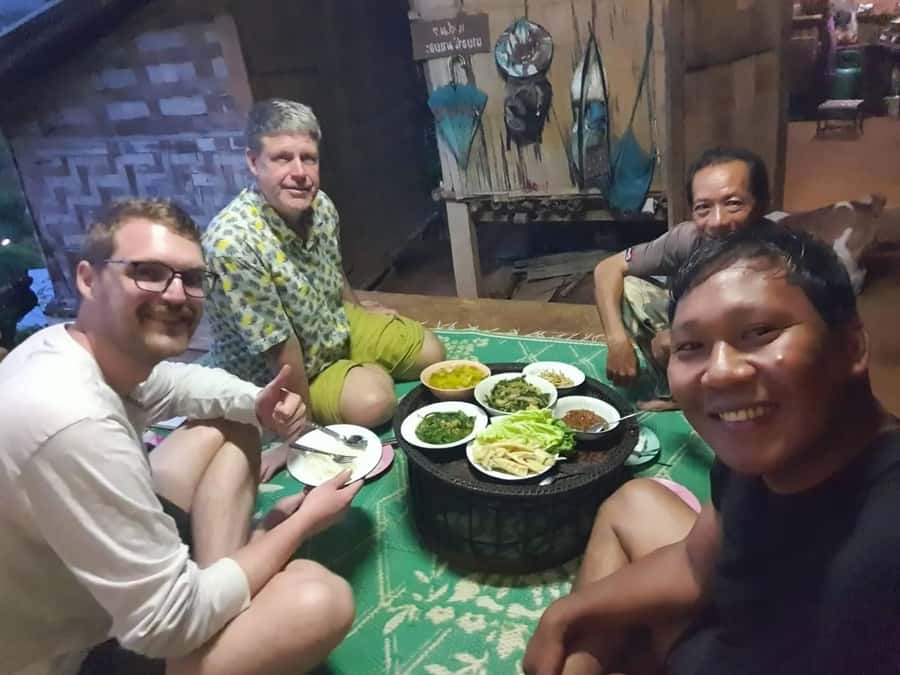
Food here is practical and part of the experience. The tour includes 4 meals total: lunch day one, dinner day one, breakfast day two, and lunch day two.
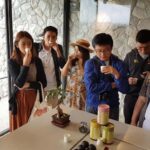
The standout for many people is bamboo cooking. You’ll see how meals are prepared, then on day two you’ll help with the bamboo process—cutting cups, making chopsticks, and cooking lunch in bamboo. It’s not just taste-first. You get the full chain: tool-making mindset, food prep, then eating what you helped prepare.
One helpful detail: water is included, and you’ll get drinking water during the trek. Still, bring your own reusable bottle too. The guide can top you up as needed, and it saves money and plastic.
Diet note: one account mentions a guide accommodating vegetarian/vegan needs with adjustments. That doesn’t guarantee every guide can do the same for every situation, but it’s a positive sign. If you have dietary requirements, ask before you go.
Price and value: where the $122 fits (and where you’ll spend extra)
The price is $122 per person for a 2-day program. For that money, you get hotel pickup and drop-off, a trekking guide, overnight accommodation in the Akha village, and 4 meals, plus drinking water and insurance.
So what are you paying for, really?
- Time and labor: guide expertise and guiding through forest and villages
- Logistics: transportation from downtown Chiang Rai area and back
- Inclusion of real costs: meals and at least one overnight stay
- Risk coverage: insurance included
What costs extra:
- Hot spring swimming pool ticket (100 Baht)
Is it good value? Usually yes—because this isn’t just a trail walk. It includes village time, hands-on cooking, and a genuine overnight homestay-style experience. If you tried to DIY the same route, you’d spend heavily on transport and a guide anyway, and you’d still struggle to recreate the hands-on bamboo and knife lessons.
Pickup, timing, and how the day starts
Pickup is designed for convenience in Chiang Rai. Your tour includes hotel pickup and drop-off for downtown locations within about 3 km. You’ll wait in the lobby between 9:00 and 9:30 a.m., then head out by vehicle.
At the end, the tour returns you to the same meeting point. That’s a small detail, but it saves you time and stress on your last day.
Because you’re trekking for two days, getting a clear start matters. If you’re the type who wants to browse street markets before hiking, plan your morning carefully so you don’t rush.
What to pack (and what to leave out)
The tour gives you guidance on what to bring, and it’s worth following. Here’s your practical checklist:
- Comfortable shoes for trekking
- Hat, sunscreen, and insect repellent
- Swimwear, towel, and a change of clothes
- Camera
- Snacks (optional but smart)
- Reusable water bottle
- Tissues or wet wipes might help, since bamboo cooking and jungle paths can get messy
Rules you’ll need to follow:
- No smoking
- No littering
- No making fire
- No touching plants
These aren’t just “nice to have” rules. They protect the environment and keep the experience respectful, especially around village areas.
Who should book this jungle trek, and who should skip it
This trek is a great match if you want:
- A hands-on experience (knife work, bamboo cups/chopsticks, bamboo-cooked lunch)
- Water moments: waterfall swim plus hot spring soaking
- Hill-tribe village time across Lesu, Chinese, Akha, and Lahu
- A small group setting (limited to 10 participants) where questions get answered
You might want to skip or choose a gentler option if:
- You have back or heart problems, or you’re pregnant
- You use a wheelchair or you’re over 70
- You don’t like uneven ground and moderate hiking with hills
- You’re not okay with simple overnight sleeping (bamboo floor setup)
If you’re fit, curious, and cool with hands-on outdoor learning, this is one of the more memorable ways to experience Chiang Rai beyond the usual temples and markets.
FAQ
How long is the Chiang Rai jungle trek?
It’s a 2-day trek.
What is the daily walking distance?
The tour notes about 10 kilometers each day.
Are meals included?
Yes. It includes 4 meals: lunch day one, dinner day one, breakfast day two, and lunch day two.
Will I be able to swim during the trek?
Yes. The plan includes time to swim in a waterfall and to swim in a hot spring pool at Pasoet Hot Spring. The hot spring swimming pool ticket costs 100 Baht and is not included.
What is included in the price?
Hotel pickup and drop-off, 4 meals, overnight accommodation in an Akha village, a trekking guide, drinking water, insurance, and the trek activities.
What group size is this tour?
It’s limited to a small group of up to 10 participants.
What should I bring and wear?
Bring comfortable trekking shoes, a hat, swimwear, a towel, change of clothes, sunscreen, insect repellent, and a reusable water bottle.
Should you book this trek?
If you want a trekking trip that teaches you something you can use—bamboo tools, bamboo cooking, jungle survival skills—then yes, it’s an easy recommendation. The combination of waterfall time, hot spring soaking, and village culture makes the two days feel full, not rushed.
Book it if you’re happy with moderate trekking (around 10 km/day) and simple overnight sleeping. Pass if you need flat, easy walking or a hotel-bed comfort level for two nights.