REVIEW · CHIANG RAI
Chiang Rai Trek: 4 Hilltribes Villages & Waterfall Only Walk
Book on GetYourGuide →Operated by LocalCNXTours · Bookable on GetYourGuide
A trek through villages, steam, and tea. I love the bamboo-hut lunch cooked over firewood, and I love the chance to swim at Huay Kaew Waterfall. The one caution: this is not a flat stroll. Expect steep uphill stretches and a pickup window that can run a little late.
This is a small-group English experience run from Chiang Rai, with walking routes that cut through forest and farm areas around Lam Nam Kok National Park. You’ll get a guide who talks plants, village life, and what you’re seeing as you go. If you’re sensitive to humidity, insects, or uneven ground, plan your gear early.
In This Review
- Key Highlights You’ll Care About
- The Big Idea: Why This Trek Feels Different Than a Usual Tour
- Pickup, Transport, and the Timing Reality
- How Tough Is the Hike? (Spoiler: It’s Doable, Just Not Flat)
- Lam Nam Kok Forest to Lisu Village: Bamboo Walking and Living Patterns
- Bamboo-Hut Lunch: The Most Hands-On Part of the Day
- Chinese Village and Tea Plantation Walk: More Than a Photo Stop
- Huay Kaew Waterfall: Swim Time at Chiang Rai’s Second-Largest Falls
- Akha and Lahu Village Areas: Farms, Views, and Village-Scale Life
- Hot Spring Bath: Mineral Heat to Close the Loop
- What’s Included (and What You’ll Need to Pay For Yourself)
- What to Bring: The Small List That Prevents Big Annoyances
- Who This Trek Suits Best (And Who Should Skip It)
- Price and Value: Is $82 a Fair Deal?
- Should You Book This Chiang Rai Trek?
- FAQ
- How long is the trekking portion?
- Is swimming at the waterfall included?
- What does the price include?
- What should I bring for this tour?
- Is the tour suitable for children or seniors?
- What language is the tour guide?
- Where does the tour start and end?
Key Highlights You’ll Care About
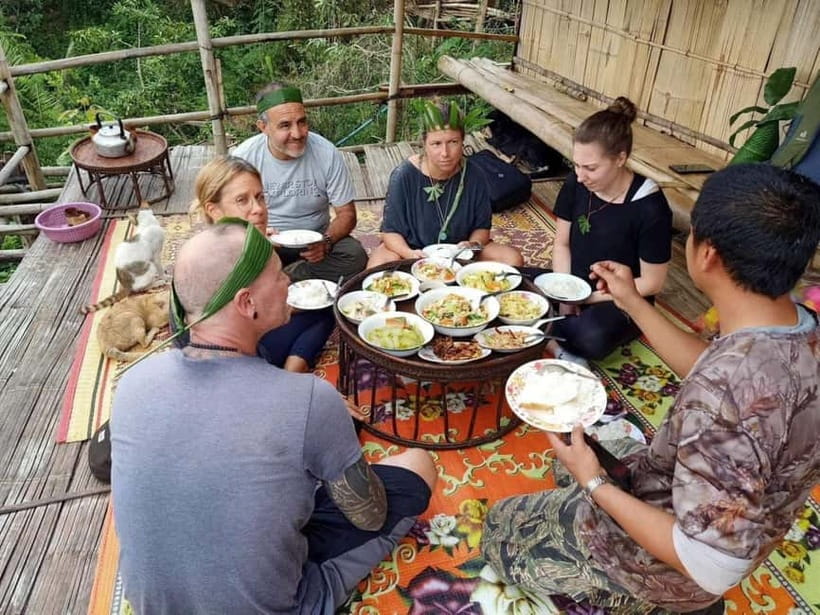
- 4 hilltribe villages in one loop: Lisu, Chinese, Akha, and Lahu village areas with real daily-life scenes
- Bamboo-hut cooking with firewood: No LPG cooking, more hands-on and more local
- Huay Kaew Waterfall swim time: A chance to cool off at Chiang Rai’s second-largest waterfall
- Tea plantation stop in the Chinese village: You see how tea grows, not just a photo spot
- Mineral hot spring bath after hiking: Heat therapy for sore legs, right before returning to town
The Big Idea: Why This Trek Feels Different Than a Usual Tour
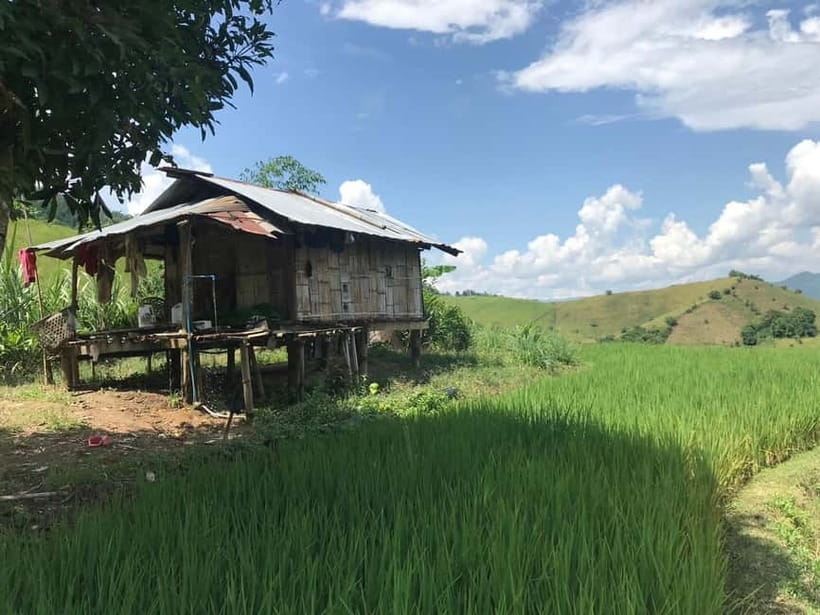
This isn’t a “bus-and-brochure” day. You’re walking between villages, forests, and farms, then layering in food, fruit, and a real reset with a hot spring. The value is in the rhythm: move at a human pace, stop often, and learn what locals actually do.
You also get a day that mixes different kinds of “nature” in northern Thailand. Think bamboo forest, farm fields, a tea area, a big waterfall, and then warm mineral water at the end. That blend matters because it keeps the day from feeling repetitive.
You can also read our reviews of more walking tours in Chiang Rai
Pickup, Transport, and the Timing Reality
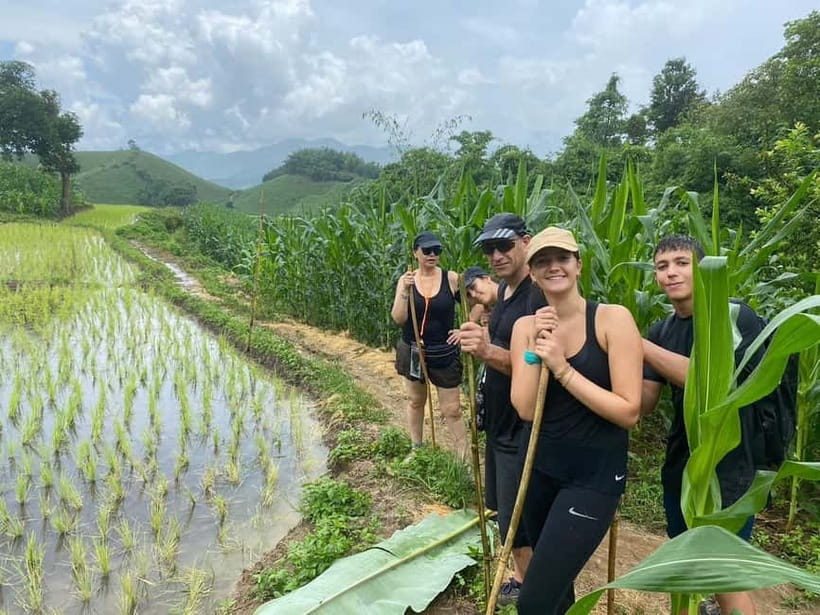
The tour starts and ends in Chiang Rai, with hotel transport by car to the trekking area around Lam Nam Kok National Park. Your day is structured so the walking is the main event, then you cool down and finish with the hot spring before returning.
One thing to plan for: pickup can be slightly flexible. If your hotel has you ready right on time, great—but I’d still hold a buffer in your morning plans. You don’t want to schedule breakfast-to-the-minute after you book.
Total walking time is about 5 hours, and the overall day can feel like a full outing (around 8 hours is how it can land for many people). That timing matters because you’ll want to arrive with decent stamina and a snack mindset.
How Tough Is the Hike? (Spoiler: It’s Doable, Just Not Flat)
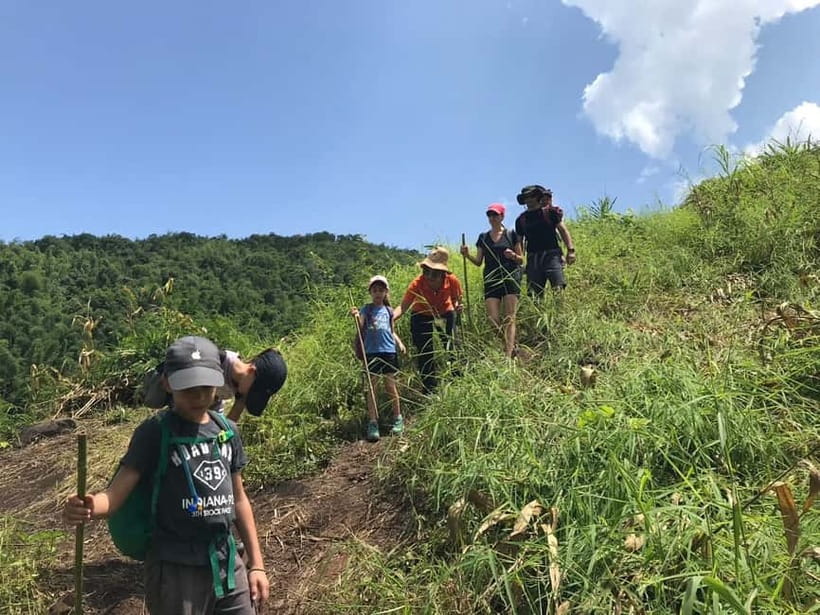
You’re looking at about 10 km of walking, with some steep uphill sections and very limited flat paths. That’s why this tour is best for active people—not top athletes, but folks who can handle a steady climb.
You’ll also be walking in a forest-and-farm setting, so shoes with grip help. And since you’ll be around water later, you’ll want to think ahead about how you’ll carry wet gear after the swim.
If you’re older than 70, wheelchair users, or bringing kids under 10, this one isn’t recommended based on the tour’s suitability. If you’re unsure, the walking profile is the first detail to compare with your own comfort level.
Lam Nam Kok Forest to Lisu Village: Bamboo Walking and Living Patterns
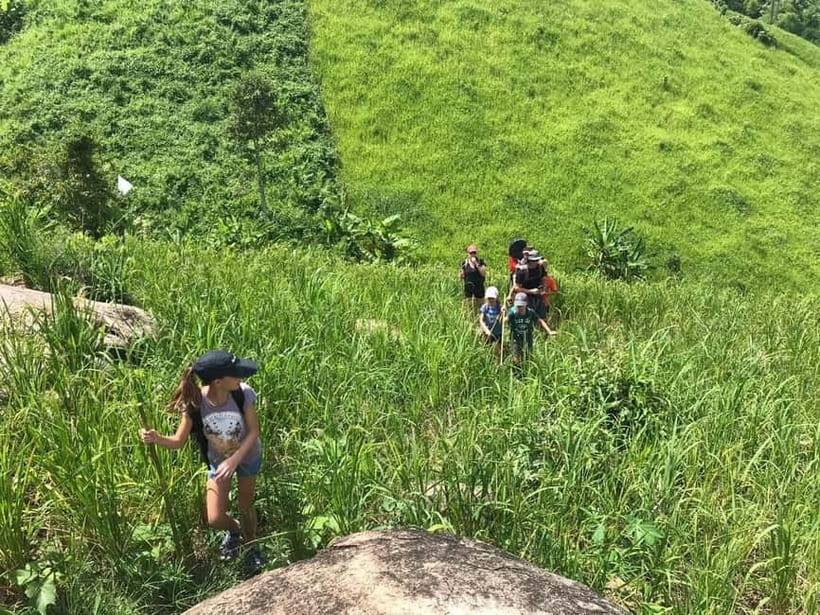
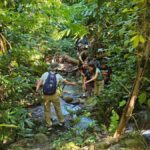
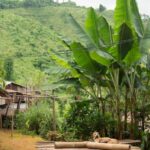
The day begins with a walk that starts at the hot spring area and then moves through forest and bamboo forest toward the Lisu village. Even before the villages, this section gives you a feel for the terrain and sounds—birds, insects, and that damp forest air that makes Thailand’s north feel alive.
A big part of the value here is what the guide points out while you’re moving. You’re not just “passing scenery.” You’re learning how people read plants, how herbs and edible leaves fit into everyday life, and what certain features mean in a mountain setting.
Then comes the meal setup in a traditional bamboo hut kitchen. You’ll cook lunch with firewood (not LPG), which turns “lunch” into a cultural moment, not just a break.
Bamboo-Hut Lunch: The Most Hands-On Part of the Day
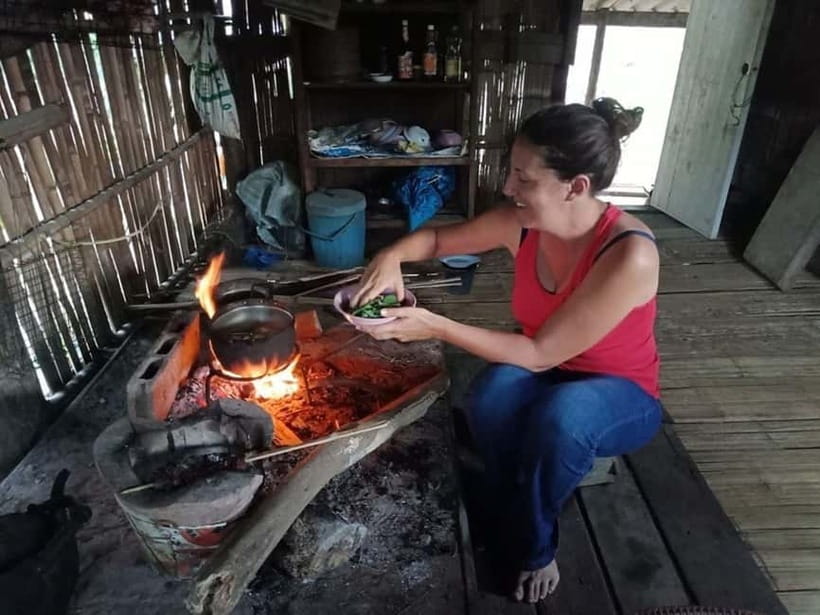
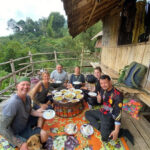
Lunch is prepared in the hilltribe bamboo hut’s traditional kitchen, using firewood. That detail matters because it explains the lifestyle—how food and heat work in places where modern appliances aren’t the default.
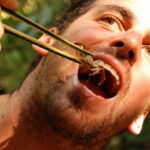
You’ll cook with the guide, and you’ll eat in the village setting. Expect that your meal isn’t just one plate and done. You may be offered tastes along the way, especially later when the route passes farm fields and fruit areas.
If you like practical learning—watching, asking, tasting—this is the section that usually sticks in memory. It’s also one of the best ways to make the day feel less staged.
You can also read our reviews of more hiking tours in Chiang Rai
Chinese Village and Tea Plantation Walk: More Than a Photo Stop
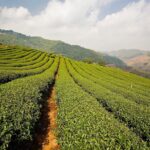
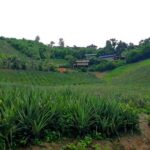
After lunch, the walk continues toward the Chinese village and then to a tea plantation area. Tea here isn’t presented as a souvenir backdrop. You’re moving through the same kind of growing environment that supports the crop.
This is one of those stops where you can slow down a bit. Instead of rushing a couple of pictures, you’re walking through the plantation area and learning what tea growers care about. If you enjoy agriculture as a topic, this part gives it context.
The tour also weaves in farm-land experiences tied to the northern region—so the walk can include fruit and crop areas along the way. In practice, that means you’re more likely to encounter taste opportunities such as seasonal fruits and spices than you’d get on a standard hike.
Huay Kaew Waterfall: Swim Time at Chiang Rai’s Second-Largest Falls
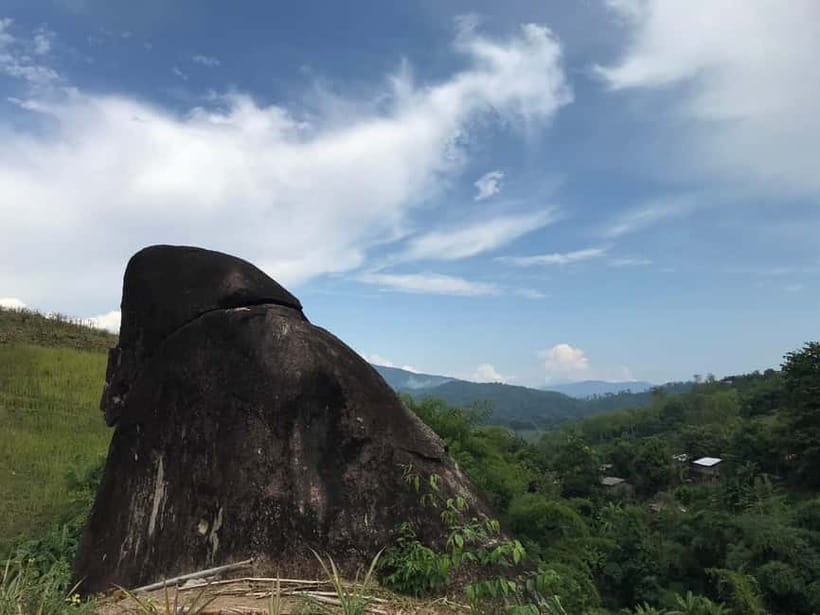
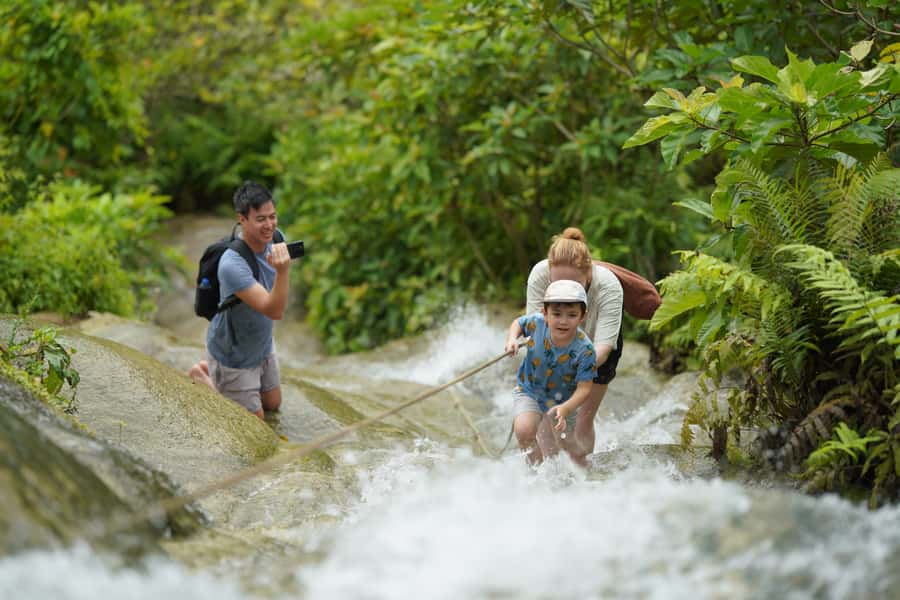
Huay Kaew Waterfall is a standout in the itinerary and it’s listed as the second-largest waterfall in Chiang Rai. You’ll continue the walk to this point and then have time to enjoy a swim.
This is where your packing choices pay off. Bring swimwear and a change of clothes, because you’ll likely want to dry off and reset afterward. A hat helps for sun exposure before the waterfall, and insect repellent helps earlier in the forest sections.
A practical note: waterfall swim conditions can vary. The tour offers swim time, but you’ll still want to use common sense about footing and water flow.
Also, because it’s a trekking day, you’ll feel the payoff more. Cooling off at the end of a walk isn’t just fun—it’s how you avoid feeling wiped out too soon.
Akha and Lahu Village Areas: Farms, Views, and Village-Scale Life
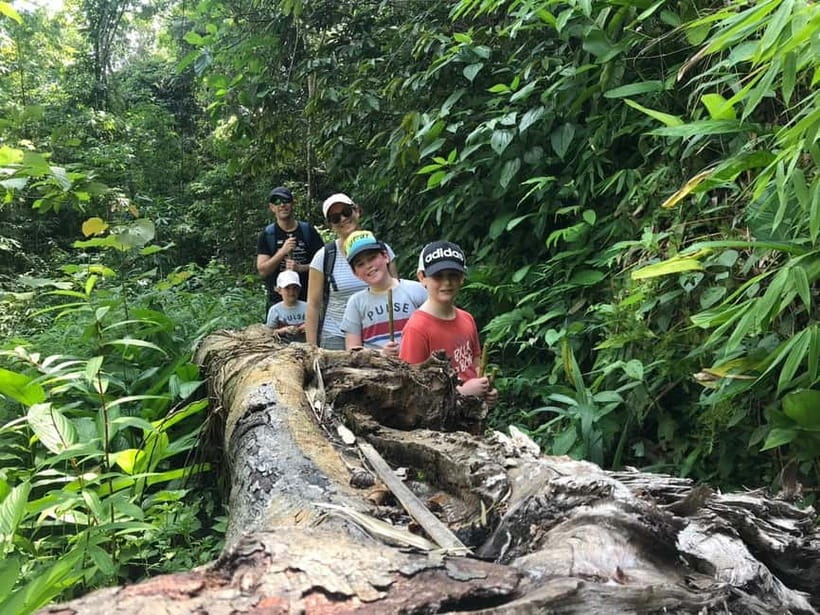
Next you head to the Akha village area, then onto farm land, then onward to the Lahu hilltribe village area. This is where the day’s walking rhythm shifts again: you’re moving between village life and open farmland views.
You’ll see a mix of settings in relatively short time—household-scale life, crop land, and the kind of beautiful northern scenery people come to Thailand for. It feels grounded because you’re not jumping between big-ticket attractions. You’re tracking how people live in a mountainous region.
The guide’s explanations make the difference. It helps you connect what you’re seeing—plants, leaf uses, and how farm land fits into daily routines—to the broader story of life at higher elevations.
Hot Spring Bath: Mineral Heat to Close the Loop
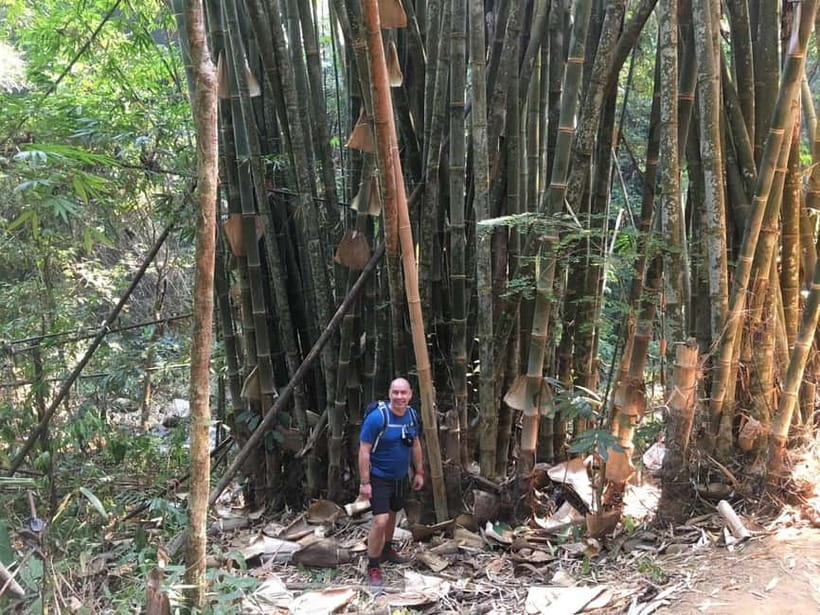
After the village and farm walk sections, you end at the hot spring area and take a mineral hot bath before heading back to Chiang Rai by car. This is a smart design for a hiking day: warm water resets legs and helps you relax your body right after you’ve worked it.
If you plan to swim earlier, you’ll appreciate this more. Dry off, warm up, and let the day shift from active to calm.
This segment also adds a “Thai north” signature feel. You’re not finishing the day with another restaurant run or another quick stop. You’re ending with a simple, soothing ritual built into the route.
What’s Included (and What You’ll Need to Pay For Yourself)
The price includes:
- transportation
- tour guide
- lunch
- drinking water
- travel insurance
Not included: other expenses.
On a practical level, the included items matter because they remove the two biggest unknowns for a trek day—getting there and figuring out food. You’re also covered by travel insurance as part of the package, which helps if anything goes wrong on a hiking-style day.
The lunch is especially important for value. A bamboo-hut, firewood-cooked meal isn’t the same as a generic buffet. And the water is there so you don’t waste time searching for bottles mid-walk.
What to Bring: The Small List That Prevents Big Annoyances
Bring:
- hat
- swimwear
- change of clothes
- water
- insect repellent
Even if water is provided, I’d still keep an extra bottle in your day bag. You’ll be walking, sweating, and then swimming—so the day eats hydration faster than you expect.
A quick packing trick: put your swimwear and change clothes in an easy-to-reach bag. When you’re cold and wet at the waterfall, you don’t want to dig for stuff while you’re shivering.
Who This Trek Suits Best (And Who Should Skip It)
Best fit:
- active adults who can handle steep uphill walking
- people who want real-life village experiences, not just landmarks
- hikers who enjoy learning from a guide—plants, herbs, and how people live
Skip or reconsider:
- children under 10
- wheelchair users
- people over 70
- anyone who dislikes hiking in humid forest conditions
- anyone traveling with pets (not allowed)
- anyone hoping for alcohol on the walk (not allowed)
If you’re solo and only one person wants to join, contact the operator directly. That’s a small logistical detail, but it can affect how the day runs for you.
Price and Value: Is $82 a Fair Deal?
At $82 per person, you’re paying for a full guided day that includes transport, lunch, water, and travel insurance, plus access to the trekking route, waterfall time, and the hot spring bath. The cost can feel high if you compare it to a basic walking tour in a city.
But compare it to the real cost of doing this kind of day on your own: you’d need local transport, a route you can safely follow, and someone to interpret village life and plants along the way. Here, that guide role is built into the experience from start to finish.
In plain terms, you’re buying structure and local context. And the biggest “value” comes from the hands-on bamboo-hut lunch plus the waterfall swim plus the hot spring finish.
Should You Book This Chiang Rai Trek?
Book this tour if you want a walking day that feels human and local: village cooking over firewood, a tea plantation stop, a proper waterfall swim, then mineral hot spring recovery. It’s a strong choice for active travelers who don’t need constant luxury—just good guidance, decent fitness, and a willingness to get a bit muddy and sweaty.
Skip it if steep uphill hiking is a no-go for you, if you need wheelchair-friendly access, or if you’re not comfortable with a full day outdoors. Also, if your schedule is ultra tight, build a little morning buffer for pickup timing.
FAQ
How long is the trekking portion?
The total walk time is around 5 hours, with the overall day typically feeling like a full outing.
Is swimming at the waterfall included?
Yes. You visit Huay Kaew Waterfall, where you can enjoy a swim.
What does the price include?
Transportation, a tour guide, lunch, drinking water, and travel insurance are included.
What should I bring for this tour?
Bring a hat, swimwear, a change of clothes, water, and insect repellent.
Is the tour suitable for children or seniors?
It is not suitable for children under 10 years old and not suitable for people over 70 years old.
What language is the tour guide?
The tour is offered in English.
Where does the tour start and end?
The tour starts from Chiang Rai and ends back in Chiang Rai, with hotel pickup and return by car.