REVIEW · CHIANG RAI
Chiang Rai: 1 day only walk and lunch with bamboo cook
Book on GetYourGuide →Operated by Chiangrai Addy Tour · Bookable on GetYourGuide
Bamboo lunch in the jungle feels like a movie. On this one-day Chiang Rai trek to Pasoet Hot Spring, you’ll walk through bamboo forests, visit hill-tribe villages, and cool off by a waterfall, with bamboo cooking as a big payoff.
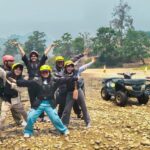
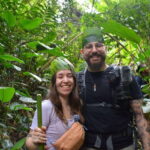
I also love how this stays human-sized. With a small group and lively guides (I’ve heard names like James and Wat, plus a chef who leads the cooking), the day feels friendly, not like a cattle drive. One consideration: this is a moderate hike, so it may feel like too much if you have mobility limits or health concerns.
In This Review
- Key things I’d circle in your plan
- Why This 1-Day Chiang Rai Trek Feels Special (Pasoet Hot Spring + Bamboo Lunch)
- Price and Value: What $57 Buys You in One Day
- Getting Ready: Pickup Times and What to Pack
- Trek to Lisu and Chinese Villages Through Bamboo Forests (2.5 Hours)
- Tea Plantation, Waterfall Views, and a Quick Culture Lens
- Bamboo Cooking Lunch in the Jungle: Hands-On and Tasty
- Akha and Lahu Village Walk, Plus Two Water Moments
- Finishing at Pasoet Hot Spring’s Hot Spa Pool
- Guides, Group Size, and the Pace You Should Expect
- Who This Tour Suits Best (and Who Should Skip It)
- Should You Book Chiang Rai: 1 day only walk and lunch with bamboo cook?
- FAQ
- How long is the Chiang Rai trek with bamboo cooking?
- What time does pickup happen in Chiang Rai?
- What’s included in the price?
- Are drinks included?
- Do you get to swim during the tour?
- What should I bring?
- Is the tour suitable for people with mobility or health concerns?
Key things I’d circle in your plan
- Bamboo-cooked lunch you learn to make, not just something you eat
- Guides who keep the jungle walk fun (James, Wat, and the cooking chef show up in the stories)
- Village visits across Lisu, Chinese, Akha, and Lahu communities for cultural context
- Two swim breaks: one at the waterfall area and one at the hot spa pool
- A tight 1-day schedule that works well if Chiang Rai is your only stop
Why This 1-Day Chiang Rai Trek Feels Special (Pasoet Hot Spring + Bamboo Lunch)
If you’re in Chiang Rai for a short time, this tour is built for that reality: one day, a real walk, culture stops, and a genuine nature finish. You’ll start with driving out to the Pasoet Hot Spring area, then spend the day moving through mountains, bamboo forests, and jungle paths.
The best part for most people is the bamboo cooking. You don’t just receive lunch; you learn the method and help with the process, then sit down to eat where you cooked. It’s simple, rustic, and memorable in a way that a restaurant meal rarely is.
The other big win is the mix of experiences that keeps the day from becoming one long trail grind. You’ll get village visits, a tea plantation stop, waterfall time, and then the hot spa pool to bring you back down to earth.
You can also read our reviews of more walking tours in Chiang Rai
Price and Value: What $57 Buys You in One Day
$57 per person is not a bargain-tour price, but it also isn’t just paying for a view. In one day, you’re getting:
- Hotel pickup and drop-off in the Chiang Rai area
- An English-speaking guided trek
- Multiple village visits (Lisu, Chinese, Akha, Lahu)
- A tea plantation visit
- A bamboo cooking experience
- Lunch
- Waterfall visit plus swimming time
- Hot spa pool swimming time
On value, I look at whether the cost replaces extra decisions. Here, your transport, route, and guide are handled, and the lunch is included. The main thing not included is drinks, so if you’re the kind of person who drinks a lot of water or prefers juice/soda, budget for that separately.
For $57, the fairness is that your guide time and hands-on cooking are part of the package, not extras you hunt down after booking.
Getting Ready: Pickup Times and What to Pack
Your day starts with a hotel pickup in downtown Chiang Rai, within about 3 km. Plan to wait in the lobby between 9:00 and 9:30 am. The tour runs as a full-day loop, and you’ll be returned to the same meeting point at the end.
Dress and pack like you’re going hiking, plus doing water activities. Bring:
- Comfortable walking shoes (you’ll want grip)
- Hat
- Sunscreen
- Insect repellent
- Water
- A swimsuit and a towel for the swimming stops
- Camera
- Snacks, if you like having backup energy
Also note what’s not allowed: no smoking, no alcohol or drugs, no littering, and you shouldn’t touch plants. It’s basic trail-and-village respect, but it matters when you’re walking close to homes and gardens.
If weather looks messy, don’t panic. The day is designed to handle varying conditions, but you’ll still want clothes that can get a little dusty.
Trek to Lisu and Chinese Villages Through Bamboo Forests (2.5 Hours)
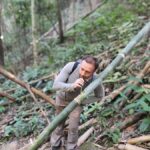
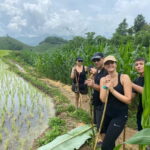
The first chunk of your day is a guided trek—about 2.5 hours—starting after you’re driven out from Mueang Chiang Rai. The route focuses on mountains, bamboo forests, and jungle paths, with a steady walking pace.
This is the section that sets expectations for the whole experience. It’s not a flat stroll. You’ll want shoes you can trust, and you’ll benefit from pacing yourself instead of trying to keep up with the fastest walkers.
Along the way, you’ll visit Lisu and Chinese villages. This is where the tour goes beyond scenery. You’re not just taking photos from a distance; you’re learning enough context to understand what life looks like there, and you get a chance to meet people working and living in the communities.
Practical tip: when you’re visiting villages, keep conversations respectful and simple, and follow your guide’s lead on what’s okay to ask or photograph.
Tea Plantation, Waterfall Views, and a Quick Culture Lens
After the early trekking stretch, you’ll move into a rhythm of stops. One of the scheduled highlights is a tea plantation tour. Even if you don’t care much about tea, this stop adds a useful layer: it shows how people live with and work the land, not just how they survive it.
Then the day adds the waterfall component. You’ll reach a waterfall area and have time for photos and a break, plus later a swim. Waterfall time is one of those experiences that makes the effort feel worth it because it changes the pace instantly—you go from hiking tempo to cooling-off relief.
The cultural lens matters here too. Between village visits and the plantation, you get a fuller picture of how communities use the landscape—walking routes, working areas, and daily routines—all within one day.
A few more Chiang Rai tours and experiences worth a look

Bamboo Cooking Lunch in the Jungle: Hands-On and Tasty
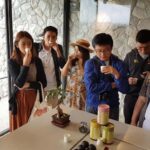
Lunch is a core reason this tour stands out. The bamboo cooking segment is scheduled for about 1.5 hours, and it’s hands-on. You’ll learn how to cook using bamboo, then you’ll eat the meal.
This is the part I’d tell you not to rush. Give yourself time to watch, try, and ask questions. Bamboo cooking tends to be more practical than fancy. The value is learning a technique and then tasting the result where it was prepared.
You’ll be in a jungle setting for lunch, which changes the feel compared to a hotel meal. The atmosphere is part of the flavor, even if the cooking is the main event.
From the guide stories, the cooking chef and the young guides often bring energy to the process. People describe it as fun and inclusive, with everyone helping. That matters because it turns lunch into a shared activity rather than a one-minute pit stop.
Akha and Lahu Village Walk, Plus Two Water Moments
After lunch, you keep moving. The route continues toward the waterfall for more time and then a refreshing swim break. This is the first water moment, and it’s usually the quickest morale boost on a trekking day—especially when the air is warm.
Next you’ll walk to Akha and Lahu tribe village areas. Again, the point isn’t just “see a village.” It’s to understand how people live, work, and organize daily life. Your guide will set expectations for respectful behavior and help translate the context.
Then you continue through the jungle toward Pasoet Hot Spring. The path between stops can feel like the “real hike” portion of the day—longer stretches, fewer dramatic changes in scenery, more time relying on your footing and your patience.
By the time you’re heading toward the hot springs, you’ll likely appreciate the pacing: swim now, culture now, hot soak later.
Finishing at Pasoet Hot Spring’s Hot Spa Pool
The day ends with a dip at Pasoet Hot Spring’s hot spa pool. After village walking and waterfall time, the contrast is exactly what you want.
This is the final relaxation moment built into the itinerary. You’ll get time to soak and recover while still staying connected to the natural setting around you.
One detail worth knowing: you’ll also have a couple of shorter breaks and photo/scenic-view moments built into the schedule. That means the day isn’t only trekking. There are pauses to reset, take pictures, and catch your breath before the next segment.
Guides, Group Size, and the Pace You Should Expect
This is a small-group tour, limited to 10 participants, and the guide speaks English. That size changes everything. You’re more likely to feel like a person, not a body in a line. It also helps with pacing and staying together on trail sections.
Guide style matters on a day like this. The stories I’ve heard emphasize guides who keep things entertaining and informative, including names like Wat and James, plus a chef who leads the cooking. That combination tends to work well: humor keeps the hike enjoyable, and knowledge keeps the culture stops meaningful.
As for pace, plan around moderate hiking and walking time that adds up. The schedule is tight, so you shouldn’t expect endless lounging. Instead, expect a structured day with short breaks, photo stops, and two swimming opportunities.
If you’re someone who gets bored when travel is too slow, this likely feels just right. If you prefer gentler days with minimal effort, this may feel like more movement than you want.
Who This Tour Suits Best (and Who Should Skip It)
This tour fits people who want a full-day Chiang Rai experience without having to coordinate multiple vendors. It’s ideal if you want:
- A genuine trek through mountains and bamboo forests
- Cultural stops at multiple hill-tribe communities
- A hands-on activity (bamboo cooking) with lunch included
- Water time—both waterfall swimming and a hot spa soak
It’s not for everyone. The tour is not suitable for:
- Pregnant women
- People with mobility impairments
- People with heart problems
- Wheelchair users
- People over 70
Given that you’re also asked to bring swimwear and wear hiking-appropriate clothes, it’s best for travelers who can comfortably handle walking and changing conditions.
Also remember the “no drinks included” reality. If you like having more than plain water, you’ll need to buy drinks separately.
Should You Book Chiang Rai: 1 day only walk and lunch with bamboo cook?
I’d book it if your ideal day in Chiang Rai looks like this: walk, learn, eat well in a memorable setting, and end with a hot soak. The bamboo cooking and the combination of village visits plus hot spring make it more than a standard nature outing.
I’d skip it if you want a low-effort day, need lots of accessibility support, or you know moderate hiking will feel stressful. This isn’t designed as gentle sightseeing.
One last practical thought: if you’re going to invest in one “active culture + nature” day, this is the kind of tour that gives you multiple highlights in one go. Bring the right shoes, pack a swimsuit, and go with a relaxed pace. You’ll get the best version of the day.
FAQ
How long is the Chiang Rai trek with bamboo cooking?
It’s a full-day experience that runs for one day.
What time does pickup happen in Chiang Rai?
You should wait in your hotel lobby between 9:00 and 9:30 am for pickup.
What’s included in the price?
The tour includes hotel pickup and drop-off, a guided trek, village visits (Lisu, Chinese, Akha, Lahu), a tea plantation visit, bamboo cooking experience, lunch, waterfall visit, and swimming at the hot spring. Food for lunch is included.
Are drinks included?
No. Drinks are not included, so you’ll need to plan for that.
Do you get to swim during the tour?
Yes. You’ll have swimming time at the waterfall area and also at the hot spa pool at Pasoet Hot Spring.
What should I bring?
Bring comfortable shoes, a hat, swimwear, a towel, a camera, snacks, sunscreen, water, and insect repellent.
Is the tour suitable for people with mobility or health concerns?
No. It is not suitable for pregnant women, people with mobility impairments, people with heart problems, wheelchair users, or people over 70. The tour also involves moderate physical activity.