REVIEW · CHIANG RAI
Chiang Rai: Iconic Temples & 7 Major Sites—River View Buffet
Book on GetYourGuide →Operated by Black Dragon Tours · Bookable on GetYourGuide
Seven Chiang Rai stops, one well-run day. This full-day circuit is interesting because it strings together the big, photogenic temple art plus the Golden Triangle area, with a real cultural thread running through it. I like the small group (max 9 people) and the included Thai buffet lunch that keeps energy up for a long day. One consideration: it’s a 10-hour pack, and you’ll pay separate entry fees (and the Longneck Karen Village visit can feel complicated, depending on your point of view), even with guides like Mai and Big bringing the context.
Pickup is smooth: you’re collected between 8:00 and 8:30 AM, then the day winds through seven major stops with a mix of guided time and free time. You’ll want comfy shoes and cash in Thai baht, because the day includes several paid attractions and some walking.
In This Review
- Key things that make this tour work
- Price and Logistics: what you’re really paying for
- Morning pickup to comfortable pacing: how the day stays doable
- Wat Rong Khun White Temple: art that feels like a message
- Wat Rong Sue Ten Blue Temple: the colors are the hook
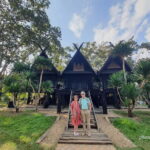
- Baan Dam Black House Museum: old Lanna homes + modern 3D art
- Lunch at a local restaurant: a practical reset button
- Longneck Karen Village: culture, context, and a moral question
- Choui Fong Tea Plantation: scenery plus your first sip of the day
- Golden Triangle viewpoint: three-country geography, one stop
- Opium Museum (House of Opium): a controversial chapter told plainly
- What your small-group guide brings (and why it matters)
- Who this tour suits best
- Should you book this Chiang Rai day?
- FAQ
- What’s the total duration of the Chiang Rai tour?
- Where do you get picked up, and what time is pickup?
- What’s included in the tour price?
- Which attractions require extra admission fees?
- Where can you be dropped off at the end of the tour?
- What should I bring, and what’s not allowed?
Key things that make this tour work
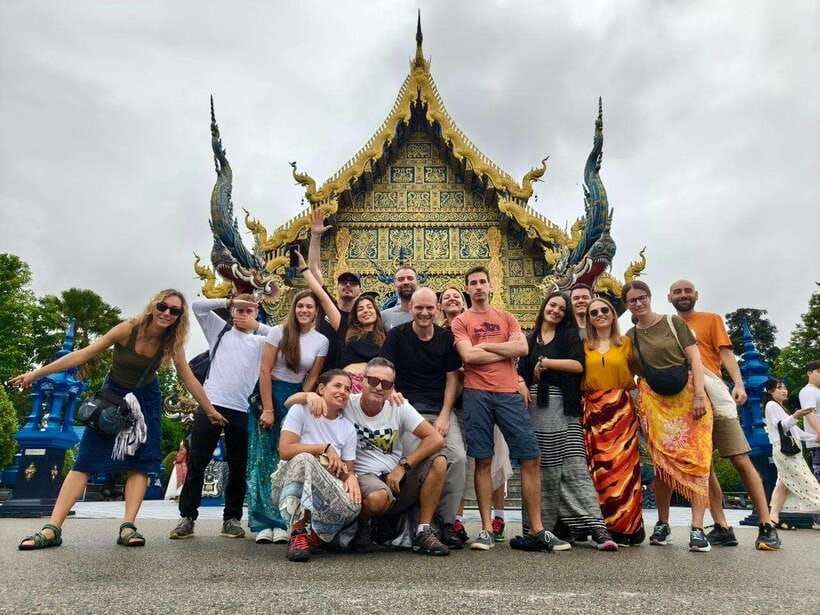
- Max 9 people keeps it personal, so your guide can actually answer questions as you go
- English guide + lots of guided time helps make sense of temple symbolism and regional history
- Buffet lunch included so you don’t have to hunt for food between sites
- Short, frequent breaks at each stop help you handle a packed schedule
- Golden Triangle + Opium Museum gives context beyond the view alone
- Water provided and an AC vehicle help you stay comfortable in the heat
Price and Logistics: what you’re really paying for
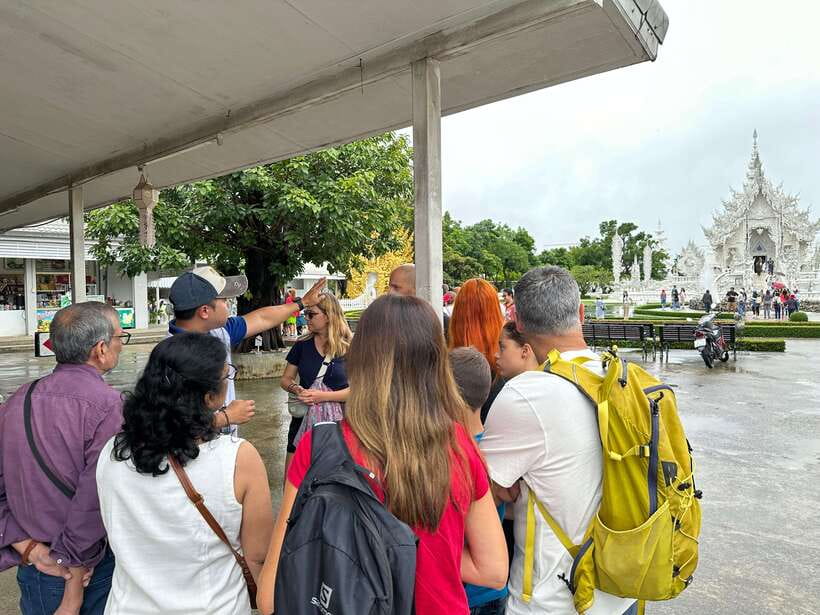
At $37 per person for a 10-hour day, this tour is strong value when you compare what you get: a real English guide, air-conditioned transport, insurance, water, and a Thai buffet lunch.
The part to budget for is admissions. The day includes several sites where you pay on top of the tour price:
- Wat Rong Khun (White Temple): 200 THB
- Baan Dam (Black House Museum): 80 THB
- Longneck Karen Village: 300 THB
- Opium Museum (House of Opium): 50 THB
That’s 630 THB total in extra tickets, plus you’ll want some cash ready for small purchases at the tea plantation. If you hate surprises, plan ahead: bring THB and you’ll breeze through without delaying the group.
You’ll also want to know the timing rhythm. The tour starts with pickup between 8:00 and 8:30 AM, and it finishes around 6:00 to 6:30 PM. Drop-off options are either your hotel or the Chiang Rai Night Market, which is handy if you want to keep the evening going.
A few more Chiang Rai tours and experiences worth a look

Morning pickup to comfortable pacing: how the day stays doable
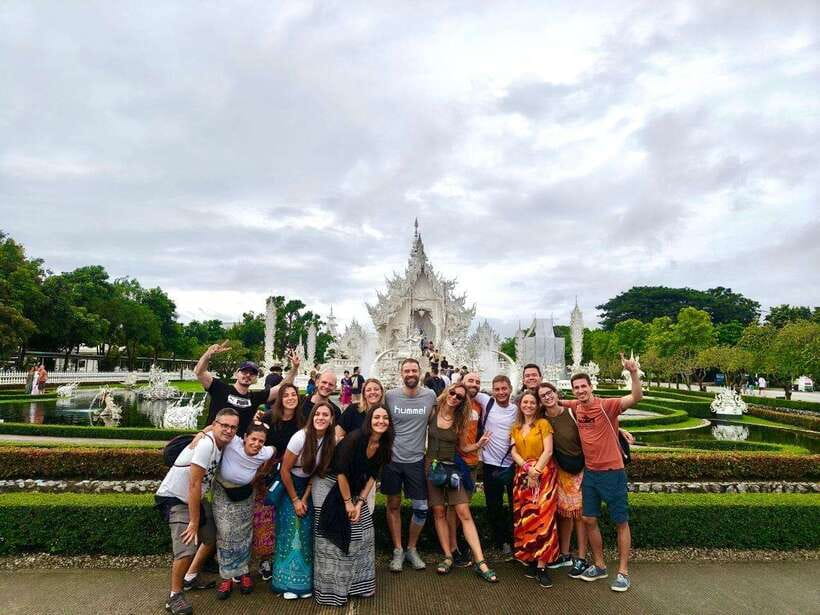
This is a “see a lot” tour, but it’s not a stress crawl. The vehicle is air-conditioned, the group is kept small, and the schedule builds in a balance of guided explanation and time to walk around on your own.
Expect a steady pattern:
- guided visit first
- then a chunk of free time at each site
- then a short drive to the next stop
You’ll be walking on temple grounds and museum areas, so wear shoes you can stand in for a while. Bring sunglasses, sunscreen, and a hat. One practical tip: keep your camera charged early, because the White Temple and Blue Temple are both the kind of places where you’ll want to slow down for photos.
Wat Rong Khun White Temple: art that feels like a message
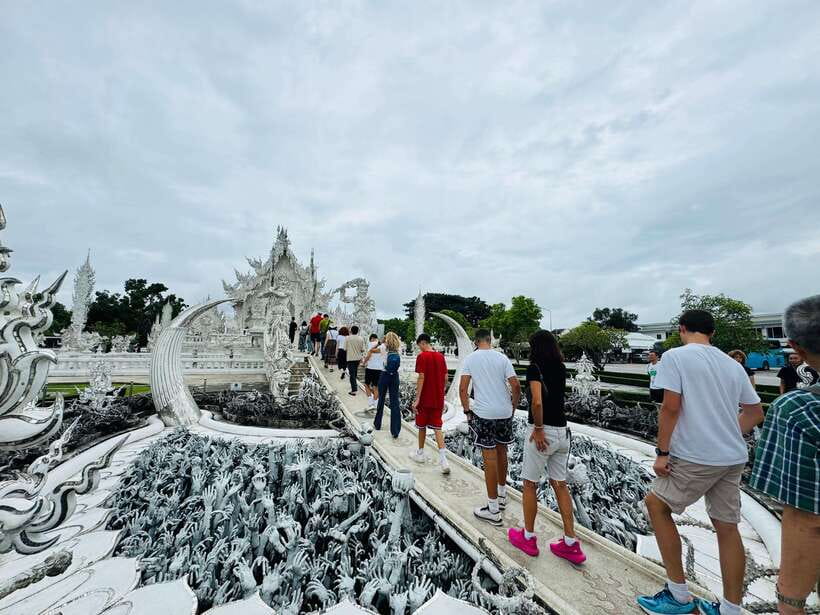
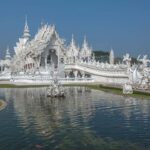
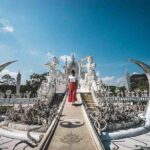
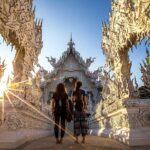
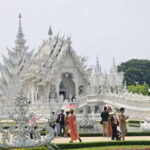
Wat Rong Khun, the White Temple, is the stop you don’t skip. It was designed by national artist Chalermchai Kositpipat starting in 1997, and it shows in every surface. Your guide sets the scene first, then you get time to wander.
What makes it special is the way the temple looks playful and weird at the same time:
- intricate sculptures covering the grounds
- detailed wall paintings inside
- symbolism explained by your guide so the look isn’t just eye candy
You’ll have about 1 hour here, with walking and guided time. The admission fee is 200 THB, so keep that ready. If you’re someone who likes to read the story behind the design, you’ll get more out of this stop. If you’re mostly after photos, you’ll still have plenty of chances—just don’t rush through the inside artwork.
Wat Rong Sue Ten Blue Temple: the colors are the hook
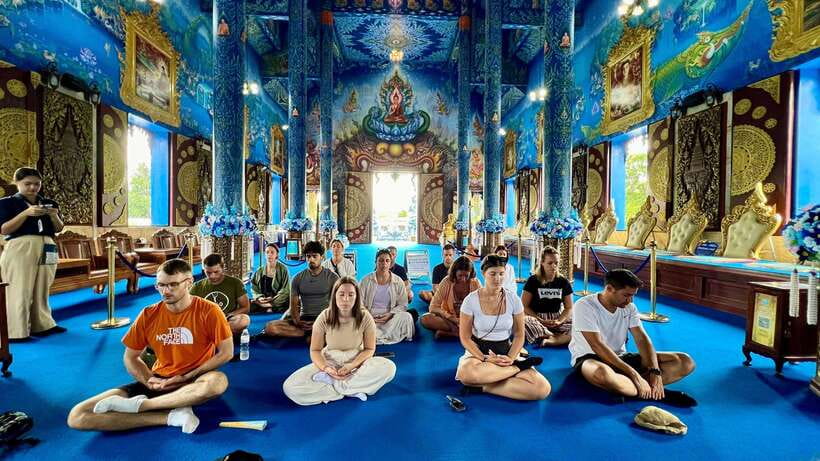
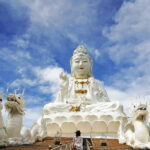
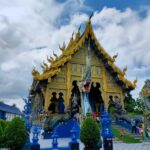
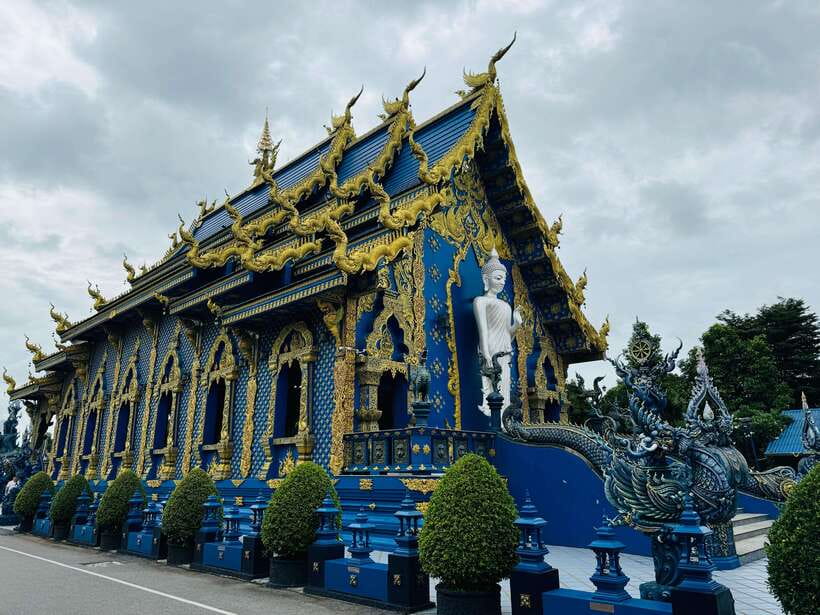
Next comes Wat Rong Sue Ten, also called the Blue Temple and the Tiger Dance Temple. This is where the color does the talking. Expect blue and gold details, plus a Buddha statue surrounded by wall art that feels busy in the best way.
You’ll get guided time and then around 30 minutes to explore on your own. It’s shorter than the White Temple, so focus your time:
- get your main photos early
- then circle back for any details you missed
A nice practical note from the vibe of the day: the guides are often willing to help with group photos. If you want portraits with everyone in frame, ask your guide at the right moment. It saves time and avoids turning your trip into a selfie obstacle course.
Baan Dam Black House Museum: old Lanna homes + modern 3D art
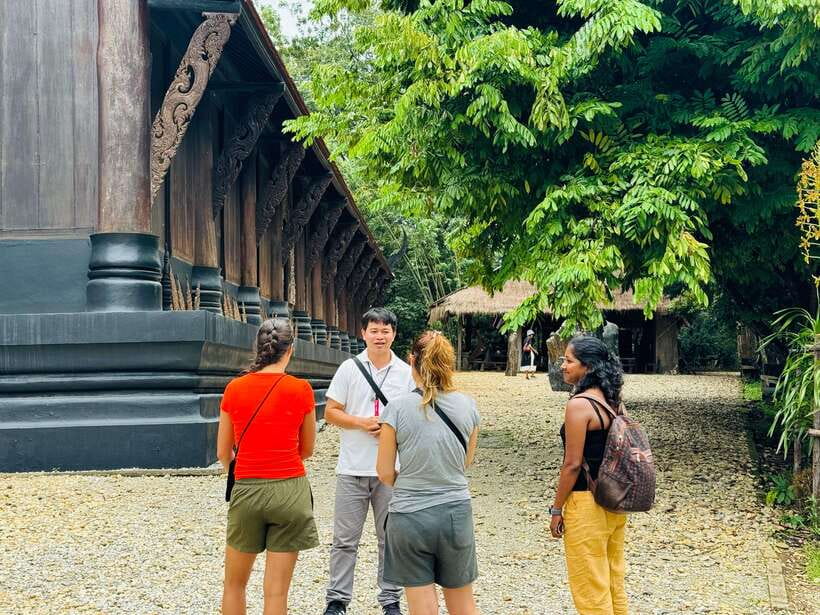
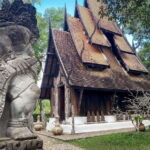
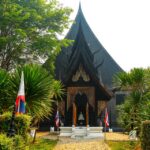
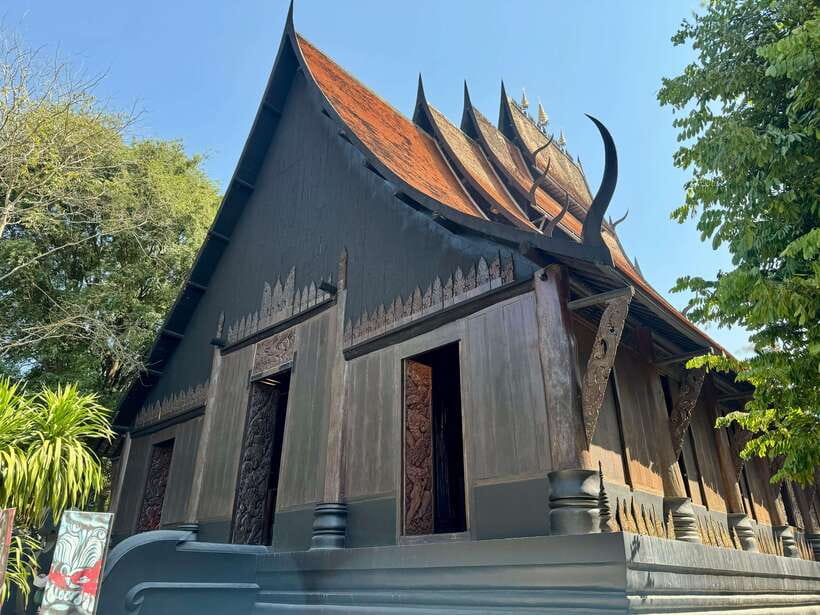
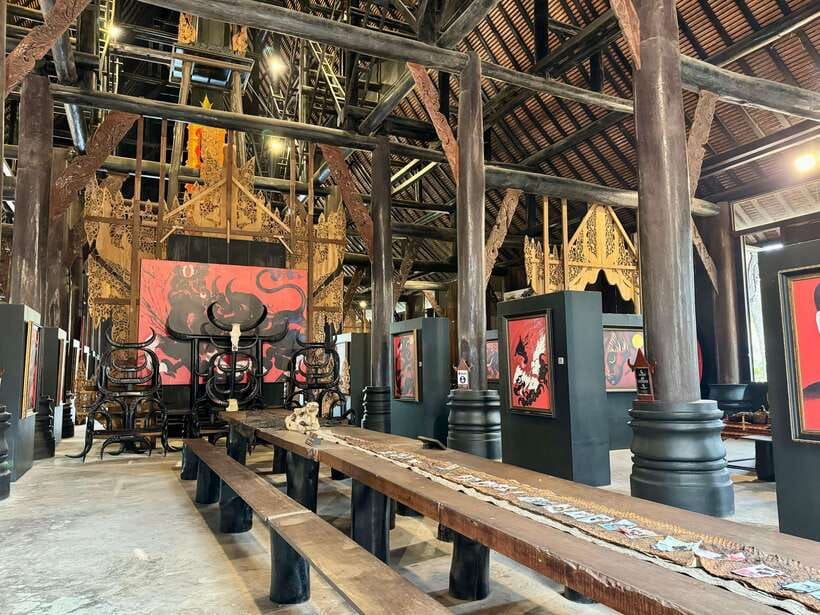
Baan Dam (the Black House Museum) is a contrast stop that breaks up the pure temple feel. The museum is known for traditional Lanna-style houses, then mixes in a collection of antiques and wood carvings. Some items are unusual—animal skins are part of what’s displayed—so this is not the place if you’re expecting everything to be gentle or family-only.
At the same time, there’s modern art too, including 3D paintings. That blend is exactly why this stop earns its place in a one-day tour: it makes Chiang Rai feel like a living mix of old and new.
You’ll have about 50 minutes here, plus a guided introduction and free time. Admission is 80 THB. If you’re thinking, I only want the “best of” Chiang Rai, this is where you’ll feel like you learned something different rather than just collecting temple photos.

Lunch at a local restaurant: a practical reset button
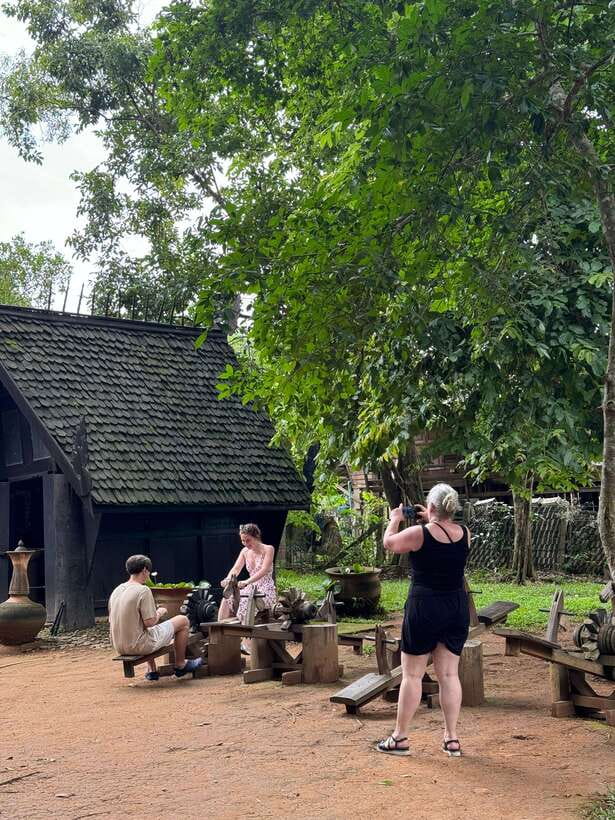
Lunch is built into the day—about 45 minutes—with a buffet of local Thai food. This matters because the rest of the day includes viewpoint time, a tea stop, and then history-heavy stops at the Golden Triangle area.
The buffet setup is also useful if your group preferences vary. One thing I’d do: if you have dietary needs, mention it to your guide during the day so they can point you toward what works. In some cases, restaurants on this route have accommodated vegan/vegetarian needs, but don’t assume. Ask and you’ll stay comfortable.
Think of lunch as your reset. You’ll likely need it, because after Baan Dam you’re headed toward the Longneck Karen Village and then out to tea fields.
Longneck Karen Village: culture, context, and a moral question
The Longneck Karen Village stop is short—around 40 minutes—but it can be powerful. You’ll learn about the Karen tribe and hear the story of how many families migrated from Myanmar due to political circumstances.
Culturally, this is where you see traditions up close and hear explanations from your guide. Practically, it’s also one of the places where your own expectations matter. The visit can raise a real question: are you supporting a community, or are you participating in tourist performance? That ethical tension comes up in how people talk about this stop, and it’s worth thinking about before you arrive.
My advice is simple:
- be respectful with your questions and photos
- treat it like a human visit, not a “show”
- keep your curiosity open, even if part of the setup makes you uncomfortable
Admission is 300 THB, so budget for it. If you’re the type who needs very structured, consent-focused cultural visits, you might want to weigh this stop carefully.
Choui Fong Tea Plantation: scenery plus your first sip of the day
Then you get a slower, greener change of pace: Choui Fong Tea Plantation. The tea fields roll out in a wide view, and the air feels cooler when you’re standing among the plants.
You’ll have about 35 minutes that includes:
- a guided visit
- time for tea
- shopping time
- scenic views on the way
This is a good match for the schedule because it gives you something calm after the busy temple stops and the village visit. Tea tasting here is part of the value, not just a souvenir stop. You’ll be able to try fresh Oolong as part of the experience.
What to remember: wear sunscreen and keep your hat. Tea fields look peaceful, but you still feel the sun.
Golden Triangle viewpoint: three-country geography, one stop
The Golden Triangle area is famous for its history and its views. From the viewpoint, you can see Thailand, Laos, and Myanmar in one wide scene.
Your time here is about 30 minutes, with guided explanation plus sightseeing and some walking. It’s not just a scenic photo moment. The guide connects the geography to the region’s past—especially the area’s former opium production—which leads neatly into the next stop.
If you want to make this viewpoint more meaningful, pay attention to what your guide emphasizes: not just where the borders are, but why this region mattered.
Opium Museum (House of Opium): a controversial chapter told plainly
The final history stop is the Opium Museum, also called the House of Opium. Admission is 50 THB, and you’ll have about 30 minutes to visit at your own pace after a bit of orientation.
This is where the day shifts from art and scenery into something heavier. The museum’s goal is to help you understand the controversial history of opium production in the region.
I like ending with this because it adds weight to what you saw at the Golden Triangle. A view is a view; history gives it consequences.
If you’re sensitive to difficult topics, pace yourself. You can spend less time reading, but try not to skip completely. Even short time here adds real context to Chiang Rai beyond temples.
What your small-group guide brings (and why it matters)
A huge part of this tour’s success is that it’s a small group with an English guide who actively manages the day. Names like Mai, Big, and others show up repeatedly in how people describe the experience, and the common thread is how the guide uses humor and clear explanations to keep the stops understandable—not just a checklist.
You’ll also get practical help with photos. Several groups mentioned guides stepping in to take pictures at the key spots. That’s not a small thing: at the White and Blue Temples, everyone wants a clean group shot, and having the guide handle it means you don’t keep breaking your own walking flow.
The driver also plays a quiet role in the experience. Several people emphasized safety and smooth timing, which matters on a day with a lot of transfers. When you’re on a packed schedule, “safe and on time” is a big deal.
Who this tour suits best
This tour is a great fit if you want:
- a one-day overview of Chiang Rai’s most famous sites
- an English guide who explains context at each stop
- a schedule that mixes guided time with breathing space
- an included Thai buffet lunch and AC transport
It may not be ideal if:
- you hate long days with multiple walking stops
- you’re uncomfortable paying several entry fees on top
- you strongly prefer to avoid any cultural stops that could raise ethical concerns
Should you book this Chiang Rai day?
I’d book it if you’re short on time and you want the real “greatest hits” of Chiang Rai in a single day: White Temple, Blue Temple, Black House Museum, tea fields, the Golden Triangle viewpoint, and the Opium Museum. The price is reasonable for what’s included, and the group size helps the guide actually run the day well.
I’d think twice if you’re easily overwhelmed by long schedules or if you feel strongly about how tourist access works at the Longneck Karen Village. If that’s you, you can still enjoy Chiang Rai—but you might choose a different format.
If you do book, show up with comfortable shoes and cash for admissions, and take it slowly inside the big temples. That’s where the day stops being a checklist and starts being Chiang Rai.
FAQ
What’s the total duration of the Chiang Rai tour?
The tour runs for about 10 hours, with pickup in the morning and finish around 6:00 to 6:30 PM.
Where do you get picked up, and what time is pickup?
Pickup is included from Chiang Rai, Mueang Chiang Rai, with a pickup window between 8:00 AM and 8:30 AM.
What’s included in the tour price?
Included are an English tour guide, buffet lunch, water, transportation by air-conditioned vehicle, and insurance.
Which attractions require extra admission fees?
Extra fees apply to Wat Rong Khun (200 THB), Baan Dam (80 THB), the Longneck Karen Village (300 THB), and the Opium Museum/House of Opium (50 THB).
Where can you be dropped off at the end of the tour?
You can choose to be dropped off either at your hotel or at the Chiang Rai Night Market.
What should I bring, and what’s not allowed?
Bring comfortable shoes, sunglasses, a hat, camera, sunscreen, and cash. Weapons or sharp objects are not allowed, and alcohol and drugs are not allowed. Electric wheelchairs are not allowed.