REVIEW · CHIANG MAI
Chiang Mai | TeeTee Elephant Home Elephant Care Half-Day
Book on GetYourGuide →Operated by Tee Tee Elephant Home · Bookable on GetYourGuide
You’ll meet elephants like they’re family. TeeTee Elephant Home gives you a close, caring half-day with Nam Chok the baby, growing elephants Phu Pha and San Dee, and warm moments with Old Ma. The best part for me is the small, personal feel. One thing to consider: the drive out to Kuet Chang takes time, so plan for a chunk of the day in the van.
This is set up for a hands-on experience in about 150 minutes, not a full-day grind. You’ll get hotel pickup and drop-off, elephant food, a simple Thai lunch (vegetarian Pad Thai), and activities like walking and showering elephants. If you’re expecting a long hike-style program, this half-day version focuses more on care and contact than heavy trekking.
In This Review
- Key highlights worth knowing
- TeeTee Elephant Home: the vibe you’re paying for
- Chiang Mai pickup to Kuet Chang district: plan your timing
- Wildlife viewing (2.5 hours) that sets the tone
- Meet Nam Chok: the baby that keeps you on your toes
- Phu Pha and San Dee: growing elephants, serious appetite
- Hug time with Old Ma, Mo Jo Ko, and Lam Yai
- Vitamin ball making, walking, and shower time
- Lunch on-site: vegetarian Pad Thai with real downtime
- Guide + group feel: why it matters more than you think
- Price and value: what $57 includes in the real world
- Who this fits best (and who should choose differently)
- The practical checklist: what to bring so the day feels smooth
- FAQ
- FAQ
- How long is the TeeTee Elephant Home half-day experience?
- Do I get hotel pickup and drop-off?
- What activities are included in the half-day?
- Is lunch included, and what is it?
- What language is the guide?
- Are elephant food and drinks included?
- What should I wear or expect for clothing?
- Is it free to cancel, and how far in advance?
- Should you book TeeTee Elephant Home in Chiang Mai?
Key highlights worth knowing
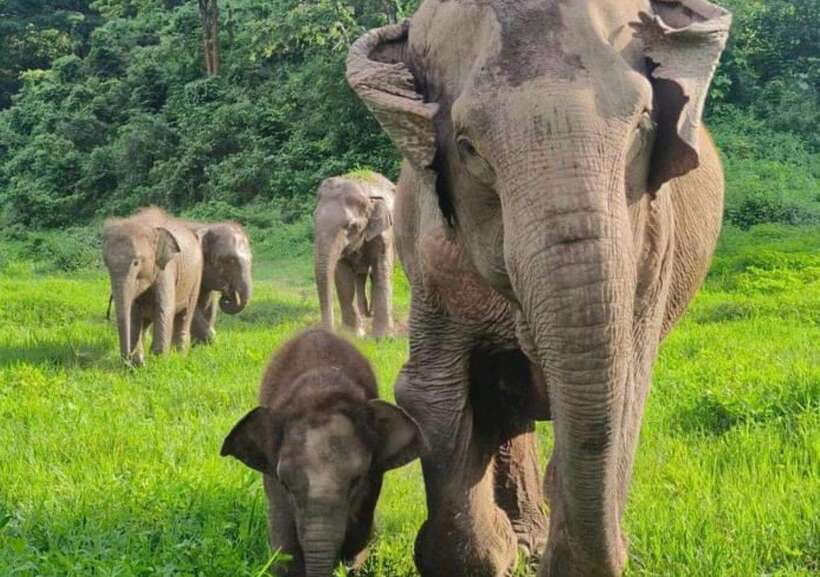
- Nam Chok baby-elephant time: feeding fruit and getting a feel for how quickly a little one turns from cute to “be careful”
- Phu Pha and San Dee appetite: these growing elephants are the reason you’ll be paying attention to timing and feeding routines
- Old Ma affection with Mo Jo Ko and Lam Yai: warm, gentle contact that feels less like a show and more like care
- A real lunch break on-site: vegetarian Thai menu with Pad Thai served during the program
- Shower and walking with elephants: you’ll do more than watch from a distance
- Included guide and insurance: Chinese/English tour guide, plus insurance in the package
TeeTee Elephant Home: the vibe you’re paying for
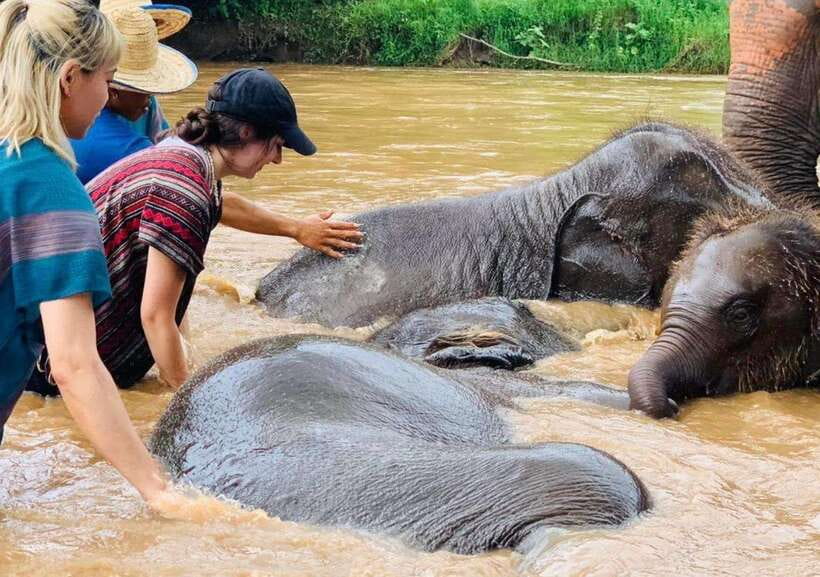
In Chiang Mai, elephant experiences can range from “look but don’t touch” to full-contact shows. TeeTee Elephant Home sits in the care-focused middle. The program is designed around how elephants actually behave—feeding, walking, and calm interaction—so you’re not just snapping photos. You’re doing activities that the staff already know how to run.
I like that the day includes baby-to-mother relationships, not only one “main” elephant. You meet Nam Chok, then move to Phu Pha and San Dee, and later you’ll have close interactions connected to Old Ma, with Mo Jo Ko and Lam Yai. That variety makes the experience feel more complete, like you’re seeing different life stages rather than one stop.
The hands-on parts also matter. This is not a drive-by encounter. You’ll be guided through things like feeding fruit, making a vitamin ball, walking, and a shower for the elephant. Done thoughtfully, these tasks help you understand elephant care in plain, practical terms.
A few more Chiang Mai tours and experiences worth a look


Chiang Mai pickup to Kuet Chang district: plan your timing
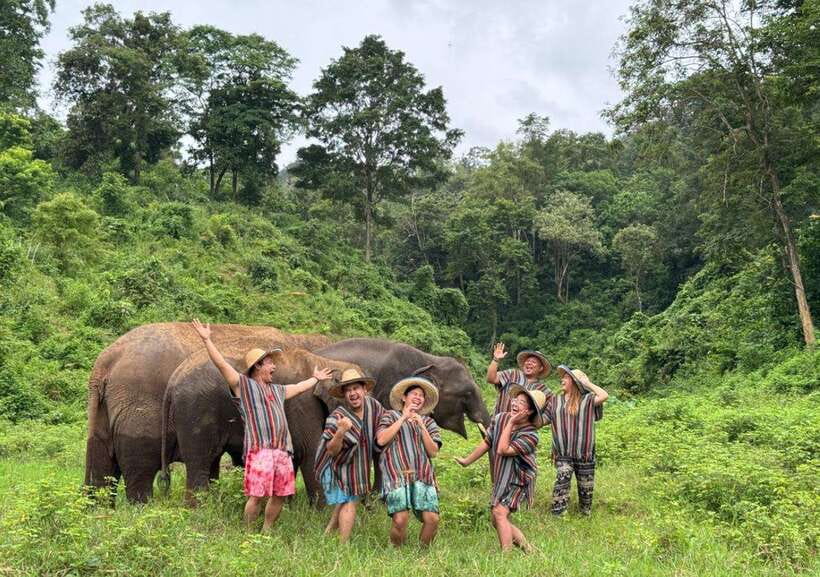
Your tour begins with pickup from Chiang Mai city and a drive toward Kuet Chang district, about 1.5 hours one way. That sounds like a lot until you remember what you’re doing: you’re leaving town for a home and care environment. If you’re the type who likes a smooth, low-stress day, this is the one schedule piece that can feel long.
I’d plan around it like this: once you’re on the van, settle in. Bring water (you’ll get drinking water with the tour, but you’ll still want to sip), and keep expectations realistic for your energy level. You’ll likely be half-day tired by the time you finish, even though the activities themselves don’t last all day.
The good news: the drive is part of the context. You’re going to a place described as being by a river with mountain surroundings. That setting can make the whole experience feel calmer than urban, crowded tourist zones.
Wildlife viewing (2.5 hours) that sets the tone

The program starts with wildlife viewing, around 2.5 hours. This is more important than it sounds. It’s the moment where the “elephant experience” stops being an idea and becomes real. You’ll have time to observe how the elephants move, how they respond to routine, and how the caretakers work around them.
This is also where you learn the mental shift needed for elephant care. Instead of thinking about what you want to do next, you’ll watch what the elephants need and how the staff supports them. When you later get your turn with feeding or walking, it makes more sense.
A practical tip: even if the viewing portion doesn’t sound “active,” wear clothes you’re comfortable getting warm in. Elephant homes can be bright and warm, and you’ll spend time outdoors before lunch and the more physical contact parts.
Meet Nam Chok: the baby that keeps you on your toes
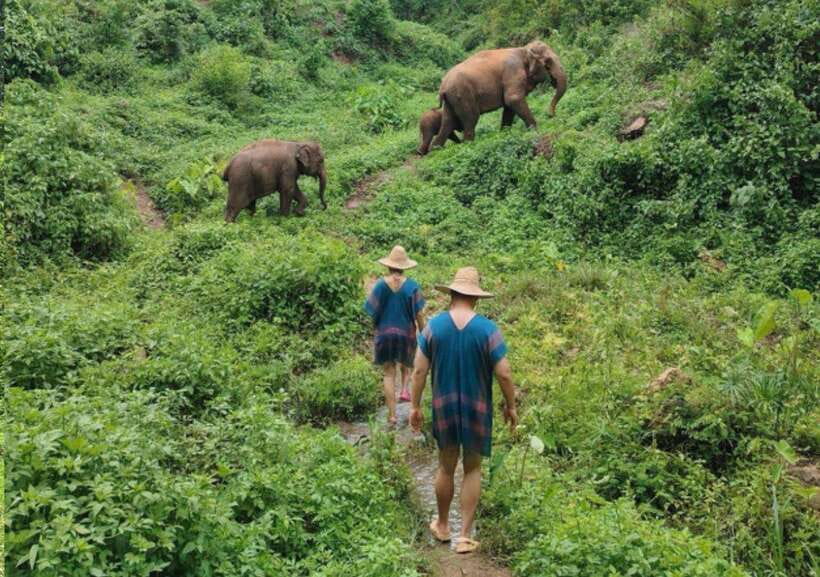
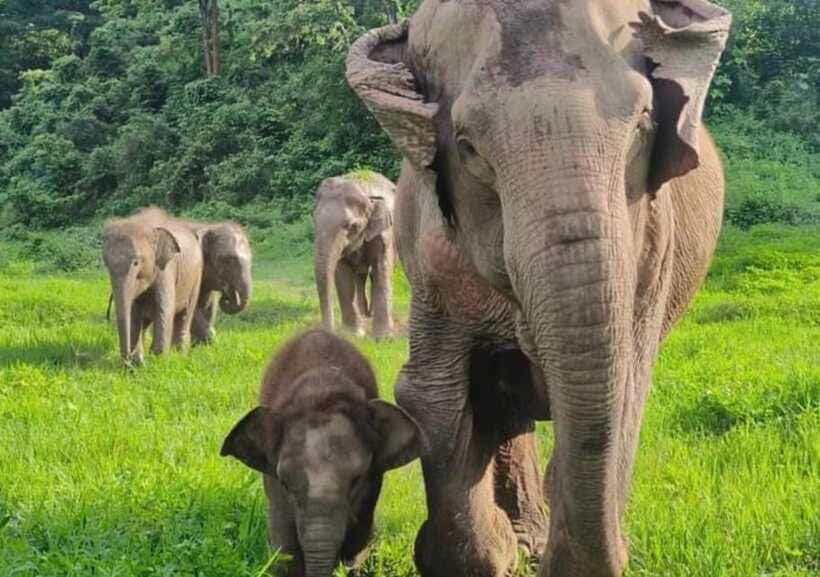
Nam Chok is the baby elephant you’ll meet first in the “personality lineup.” She’s described as very cute—and also tricky in the way that only a baby can be. That matters because it changes the feel of your interactions.
With a young elephant, behavior is curious. Sometimes it’s gentle. Sometimes it’s exploratory and needs careful guidance. The best way to handle that is to listen closely and follow the caretaker instructions without overthinking it. You’re not there to “win” the interaction; you’re there to help with care tasks safely.
In a program like this, feeding fruit is a straightforward way to connect. You’ll get a chance to engage, but the real value is learning the caretakers’ pacing. How they present food, where they stand, and how they move tells you a lot about safety and trust.
If you love baby animals, this is your favorite section. If you’re nervous around active young creatures, don’t skip it—just come in ready to stay attentive and follow directions.
Phu Pha and San Dee: growing elephants, serious appetite
Next come Phu Pha and San Dee—growing elephants who eat a lot during the session. That “appetite” detail isn’t a joke. It changes how the caretakers manage time and attention, and it shapes your experience because you’ll feel the energy when feeding happens.
A growing elephant’s routine is usually less predictable than older animals. More feeding means more staff movement, more repositioning, and you’ll probably see stronger reactions to food presentation. This is where your timing and your focus become part of the experience.
The upside is that you’ll get to see caretaking in action, not just a quiet moment. When an elephant wants food, the team’s job is to keep it calm, safe, and routine-based. You’ll likely notice how carefully they handle interactions so the elephants stay healthy and comfortable.
If your goal is an “I learned something real about elephant care” day, this appetite-driven portion is a big reason why. You’re watching how caretaking adapts to different elephant needs.




Hug time with Old Ma, Mo Jo Ko, and Lam Yai
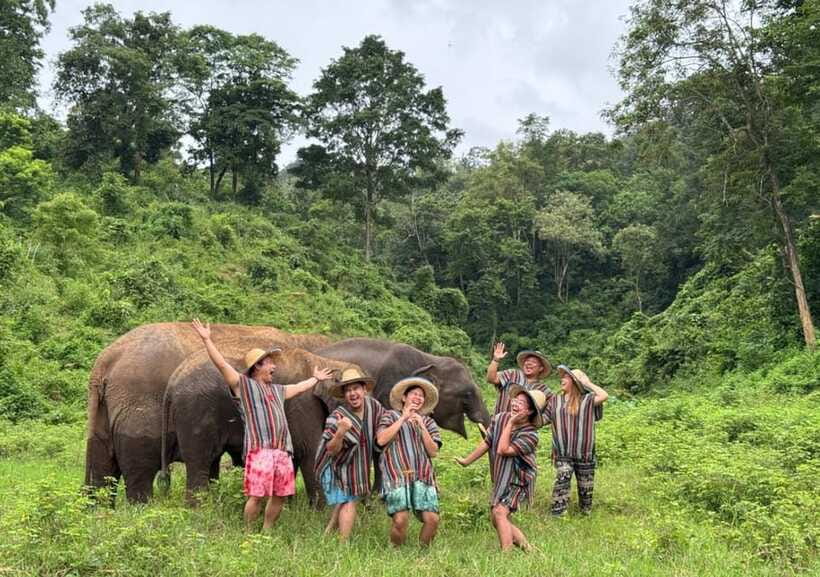
Some elephant interactions are basically a task you complete. Others are more emotional. This one includes warm-hearted moments with Old Ma, along with Mo Jo Ko and Lam Yai.
When the program shifts from the younger elephants to the mother-and-family dynamic, the mood often becomes softer. Staff guidance matters even more here because mature elephants may move with more intention. You might feel like you’re getting invited into a calmer, more trust-based space.
This is also where the experience earns its “memorable for a long time” reputation. Elephant care at its best feels respectful and gentle. If the team is doing things right, your contact isn’t about squeezing for a photo—it’s about safe closeness that the elephants accept.
A practical mindset: treat your body like part of the environment. Move slowly, stay aware of space, and keep your voice and movements calm. That’s how you get the best connection without turning the moment into chaos.
Vitamin ball making, walking, and shower time
For the half-day format, the program includes a mix of interactive care tasks:
- feeding fruit
- making a vitamin ball
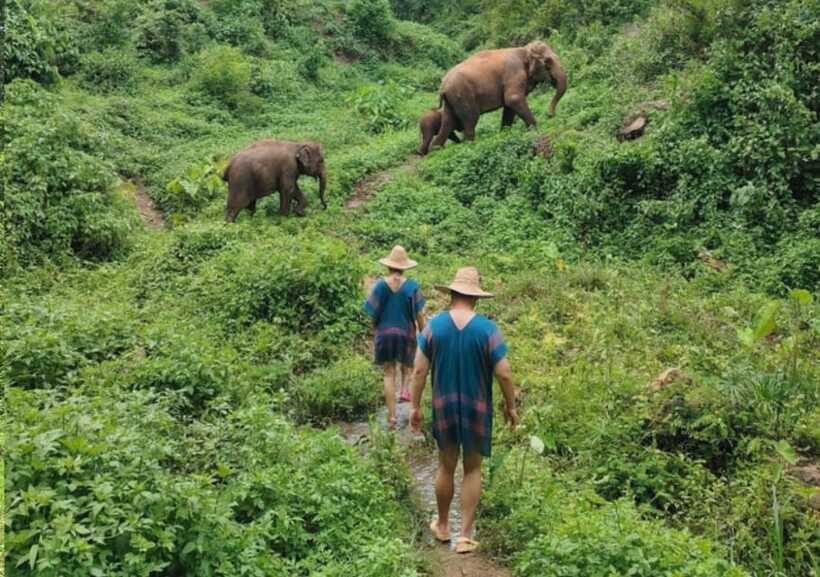
- walking with the elephants
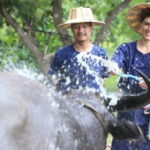
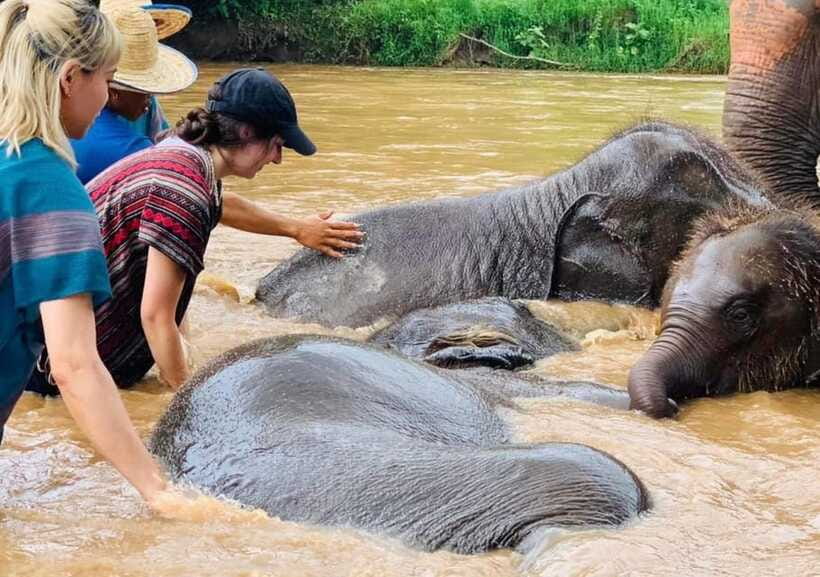
- showering the elephants
These parts are valuable because they’re practical. People often think “elephant care” is only about food. But even within this short schedule, you can see other care needs—nutrition, movement, and hygiene routines.
The vitamin ball moment is especially worth your attention. It turns care from a vague idea into a concrete action you can understand. You’ll see how caretakers prepare food in a way that supports health.
Walking and shower time also help you read the elephants’ comfort level. If the elephants are relaxed and the caretakers are steady, you’ll feel calmer too. If you notice a shift—extra energy, quick movements, or the elephant stepping away—that’s your cue to be patient and let the staff guide the pace.
Wear flip-flops as provided in the outfit bundle. That’s convenient for the shower portion, but it also means you should watch your footing.
Lunch on-site: vegetarian Pad Thai with real downtime
You’ll get a vegetarian lunch—Thai-style, including Pad Thai—served during the program. It’s not a rushed stop at a restaurant. It’s built into the day so you can reset before the more hands-on parts.
I like on-site lunch for one big reason: it keeps the experience coherent. You’re not traveling away, then returning, then trying to re-enter “elephant mode.” Instead, you eat where you’re already at and keep your energy steady.
Also, vegetarian lunch is a big deal if you’re used to scrambling for food on tours. Having it included means you won’t end up paying extra for something you’re unsure about.
One small practical note: elephant days can smell like feed and humidity. If you’re picky about odors, bring basic personal wipes and fresh socks. It’s not about comfort theater; it’s just nice after being outdoors.
Guide + group feel: why it matters more than you think
This experience includes a Chinese/English-speaking tour guide, and one guide name you may hear from staff is Ping, described as extremely kind. That kind of guidance can change everything—especially in a setting where safety and calm pacing matter.
The most praised aspect is that it feels ethical and that the elephants are well cared for. A small group size is part of that. When there aren’t many people, the caretakers can focus on the elephants and on keeping interactions respectful.
There’s also an important detail from elephant care routines: the elephants are described as having daily freedom in the morning. While you won’t manage that part yourself, it’s a sign the caretaking team follows a routine beyond tourist contact.
In practical terms, this is what you’re looking for: fewer distractions, more attention to the elephants, and caretakers who know how to work with different personalities—Nam Chok’s curiosity, Phu Pha and San Dee’s appetite energy, and Old Ma’s steadier presence.
Price and value: what $57 includes in the real world
At $57 per person for about 150 minutes, it’s not the cheapest elephant encounter in Chiang Mai. But this price comes with meaningful extras:
- hotel pickup and drop-off
- elephant food
- included outfit (local shirt, hat, flip-flops)
- towel
- vegetarian lunch (Thai menu including Pad Thai)
- drinking water
- insurance
- Chinese/English speaking tour guide
Here’s how I think about value: in many tours, you pay low up front and then get nickel-and-dimed with transport, meals, and “required” add-ons. This one bakes those basics into the package. You show up, you’re outfitted, and you eat without hunting for options.
Also, the time is focused. You’re not wasting hours in busy lines or waiting around for other groups. The activities are built around interaction and care tasks rather than showy extras.
If you want a deeper day—like hiking and cleaning the live area—you’ll need a full-day option instead. But for half-day travelers who still want real contact, this looks like a sensible deal.
Who this fits best (and who should choose differently)
This half-day at TeeTee Elephant Home is a strong fit if:
- you want an intimate experience with a small group feel
- you like hands-on activities (feeding, vitamin ball, walking, shower)
- you want a vegetarian Thai lunch included
- you care about the care approach and how elephants are treated
It might not be ideal if:
- you’re short on time and hate long transfers (the 1.5-hour ride each way can be a lot)
- you want a full-day “work with the environment” style program (the half-day focuses on contact, not hiking/area cleaning)
And if you’re coming with kids, you’ll want to be prepared for a long outdoor portion and close contact. Younger travelers may enjoy it a lot, but the day requires attention and calm behavior.
The practical checklist: what to bring so the day feels smooth
Even with an included outfit and towel, you’ll be happier if you bring a few basics:
- sunscreen and a hat you don’t mind getting warm (you get a hat too, but your own might be better fit)
- insect repellent for outdoor time
- a light layer if you get cold easily in the van
- water habits: you’ll get drinking water, still sip steadily
- small wipes for after shower time
The included local shirt, hat, and flip-flops are meant to make things easy. Your job is to stay comfortable and follow instructions when feeding and showering happen.
FAQ
FAQ
How long is the TeeTee Elephant Home half-day experience?
The half-day experience is listed as 150 minutes.
Do I get hotel pickup and drop-off?
Yes. Hotel pick up & drop off is included.
What activities are included in the half-day?
The half-day includes feeding fruit, making a vitamin ball, walking with elephants, and showering elephants.
Is lunch included, and what is it?
Yes. Lunch is included and it’s vegetarian Thai menu, including Pad Thai.
What language is the guide?
A Chinese/English speaking tour guide is included.
Are elephant food and drinks included?
Yes. Elephant food and drinking water are included.
What should I wear or expect for clothing?
You’ll receive an outfit: a local shirt, hat, and flip-flops, plus a towel.
Is it free to cancel, and how far in advance?
Free cancellation is available up to 24 hours in advance for a full refund.
Should you book TeeTee Elephant Home in Chiang Mai?
If you want a care-focused, smaller-feeling elephant day with hands-on moments—baby Nam Chok, growing Phu Pha and San Dee, and warm interaction tied to Old Ma—this half-day is worth serious consideration. The included pickup, vegetarian Pad Thai lunch, elephant food, outfit, towel, and insurance make it feel like a complete package rather than a pay-as-you-go day.
Book it if your priority is close, guided contact that stays grounded in routine care. Consider choosing a full-day instead if you want more time for extra work like hiking and cleaning the live area. For many visitors, though, this half-day hits the sweet spot: short enough to fit travel schedules, long enough to feel like you actually learned and participated.