REVIEW · CHIANG MAI
Chiang Mai: Small Group Ethical Elephant Sanctuary Tour
Book on GetYourGuide →Operated by Lanna Kingdom Tours · Bookable on GetYourGuide
Elephants up close, without the cheap tricks. This small-group tour at Lanna Kingdom Elephant Sanctuary keeps elephants free to roam, with hands-on activities that feel more like caring than performing.
The two things I really like are the gentle, rules-based interaction and the amount of time you spend in the elephants’ world. You won’t be herded through a highlight reel. Instead, you’ll learn about the conservation effort, help prepare healthy food (including herbal vitamin balls), and enjoy a homemade vegetarian Thai lunch while the elephants move around naturally.
One thing to plan for: you’ll almost certainly get muddy and wet. Bring a change of clothes, and treat it like an outdoor day in northern Thailand—not a museum visit.
In This Review
- Key things to know before you go
- Ethical elephant time in a national-park setting
- Getting there from Chiang Mai: the van ride and the early start
- The sanctuary welcome: rules, conservation talk, and safe contact
- Mud bath and river bathing: the wet part you should actually plan for
- Herbal vitamin balls and elephant feeding that feels purposeful
- Walking the sanctuary and letting elephants set the pace
- Thai lunch inside the sanctuary while the day keeps going
- Price and value: what $77 covers (and why it feels fair)
- Who should book this tour, and who might reconsider
- Should you book the Lanna Kingdom small-group elephant tour?
- FAQ
- How long is the Chiang Mai small group elephant sanctuary tour?
- Where do I meet the guide in Chiang Mai?
- Is elephant riding included?
- What elephant activities are included?
- Is lunch included, and what is it like?
- What should I bring?
- How big is the group?
- Is the tour wheelchair accessible?
Key things to know before you go
- Small group (up to 10): less crowd pressure and more calm elephant time
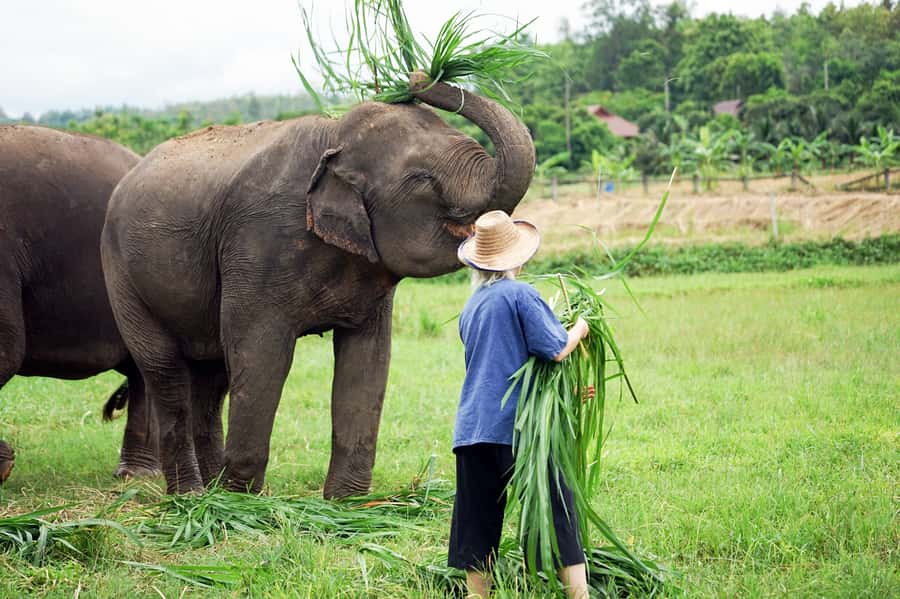
- No riding: the elephants choose interaction; you’re there to observe and help safely
- Mud bath + river bathing: expect water, mud, and a serious rinse-down afterward
- Hands-on feeding: bananas and sugar cane are provided, plus herbal vitamin balls
- Lunch inside the sanctuary: fresh vegetarian Thai food with fruit and water included
- Conservation talk first: you get the why behind how the program works
Ethical elephant time in a national-park setting
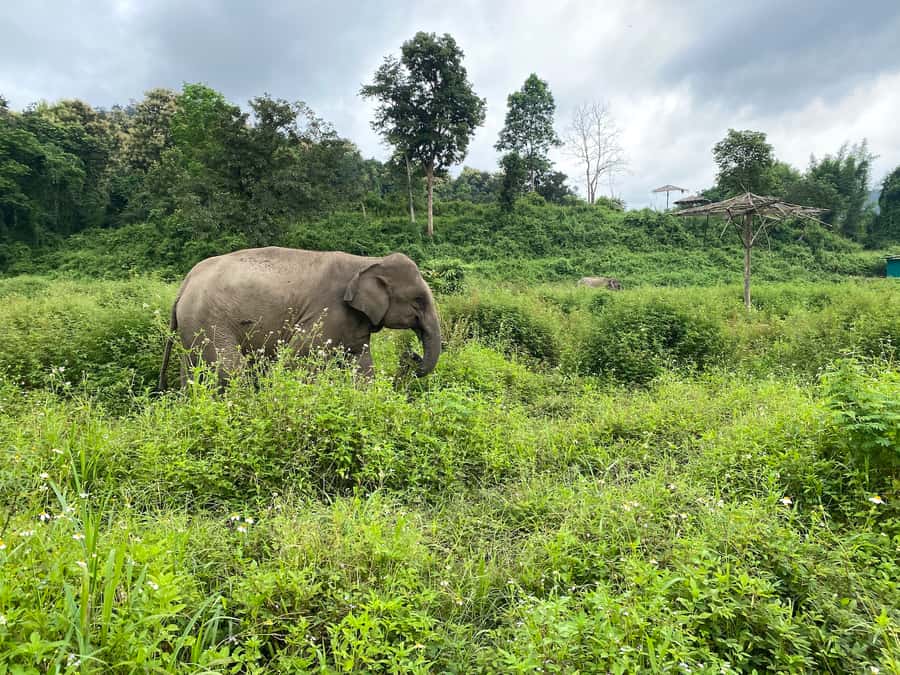
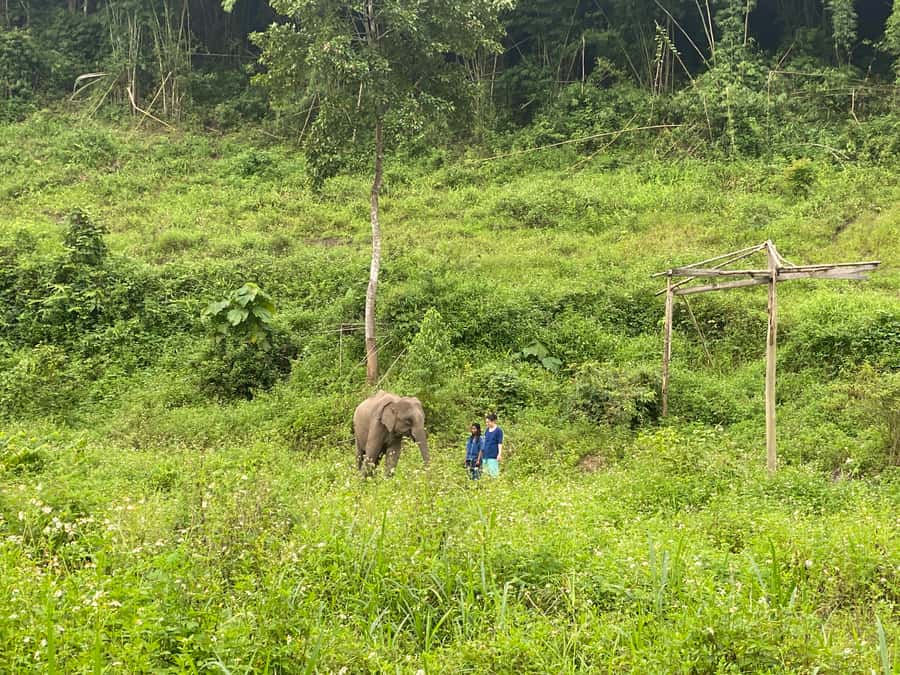
Chiang Mai is full of elephant experiences, but this one is built around an ethical sanctuary model. Lanna Kingdom Elephant Sanctuary sits in a lush area within a national park setting, and that matters because it’s where the elephants can live with real space. The overall feel is more natural than staged.
The elephants here are rescued, and you’ll get an intro to the sanctuary’s conservation program before you start interacting. That context is useful. It turns the day from a single animal encounter into something you understand—how rescued elephants are cared for, and why the sanctuary’s approach focuses on the animals’ welfare first.
Also, the tour is very clear about what it is not. There’s no elephant riding, no circus-style routine, and no “force an interaction” vibe. You’ll get close, but you do it with guidance and boundaries.
You can also read our reviews of more tours and experiences in Chiang Mai.


Getting there from Chiang Mai: the van ride and the early start
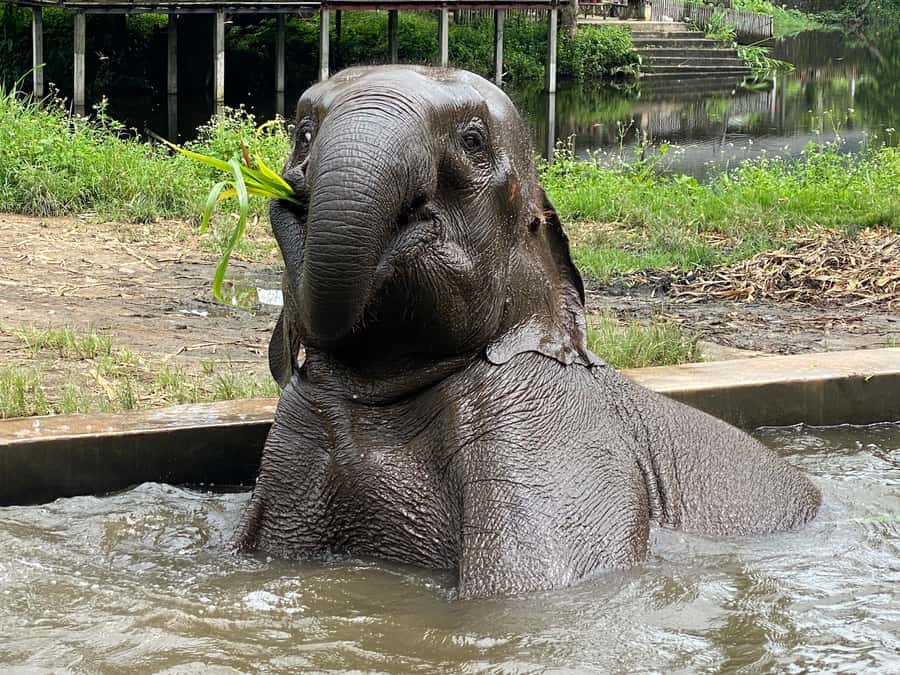
Pickup happens between 8:00 and 8:30 AM. Your meeting point is at the entrance of Phra Singh Temple (Wat Phra Singh Woramahawihan). If you choose a meeting-point option, you’ll need to meet there—no hotel pickup for that choice.
From Chiang Mai, the drive is about an hour into the mountains of northern Thailand. It’s a comfortable ride in an air-conditioned van, and the transportation is rated highly by past travelers—so you can focus on the day ahead instead of worrying about logistics.
Why I think this matters: the early start buys you a calmer, more relaxed sanctuary visit. It also helps you avoid arriving late and feeling rushed when the elephant activities get underway.
The sanctuary welcome: rules, conservation talk, and safe contact
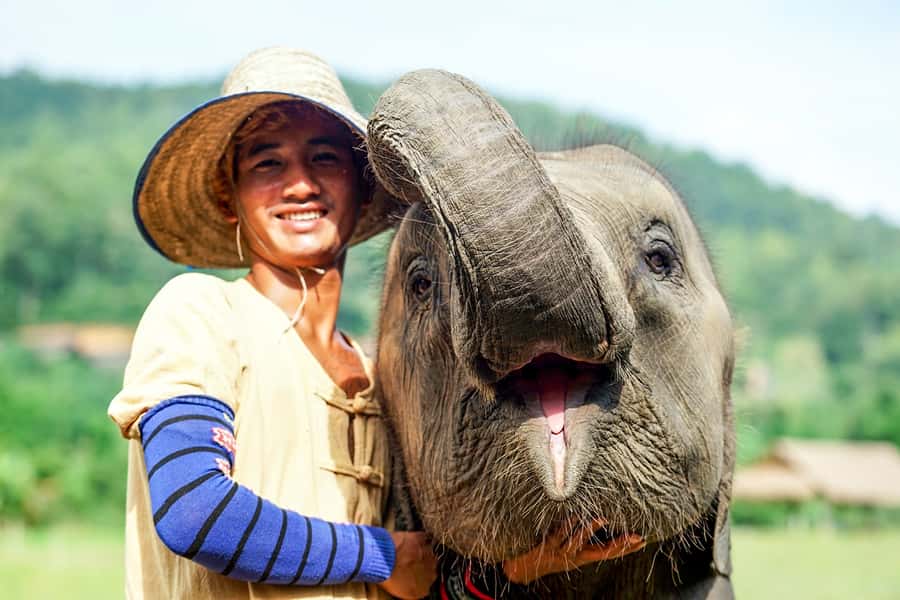
Once you arrive at Lanna Kingdom, you start with an introductory talk about the elephant conservation program. Then it’s time to meet the rescued elephants with a guide who sets the tone for respectful interaction.
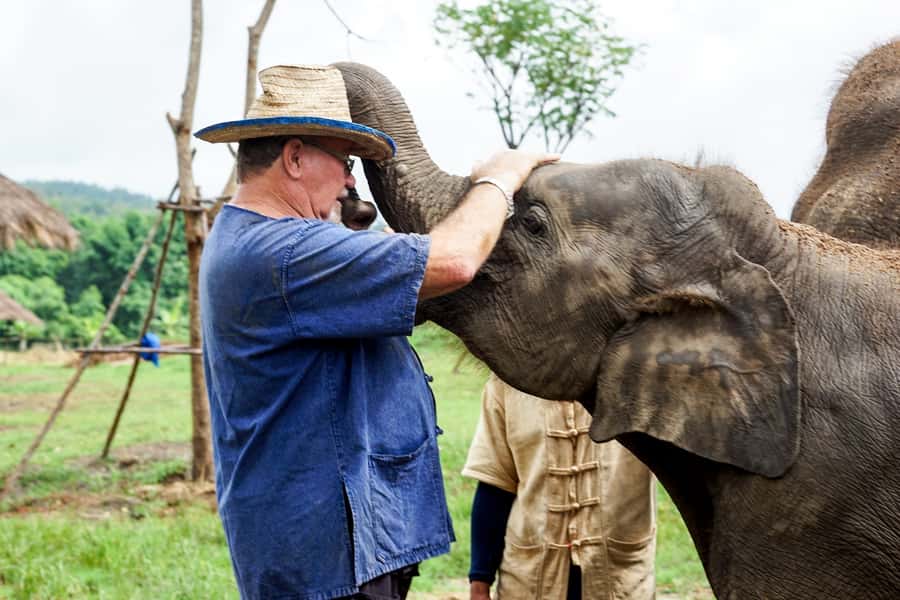
The day includes close contact options like learning how to approach properly and, depending on the moment and the elephant’s comfort, you may even be able to give a hug. That doesn’t sound like much on paper, but in practice it’s a big part of why this tour feels personal: you’re not just looking from far away.
You’ll also get guidance on how to prepare food for the elephants. That’s a key shift from the usual “feed and run” elephant tourism model. Here you’re taught how to do it in a way that supports the routine and comfort of the elephants.
Guides can make or break a sanctuary visit, and this tour often shines because of the people leading it. Names you’ll commonly see include Taylor, Kon, Alex, Corn, Koran, and Gorn—all described as friendly, attentive, and eager to explain elephant care and Thai culture during the day.
Mud bath and river bathing: the wet part you should actually plan for
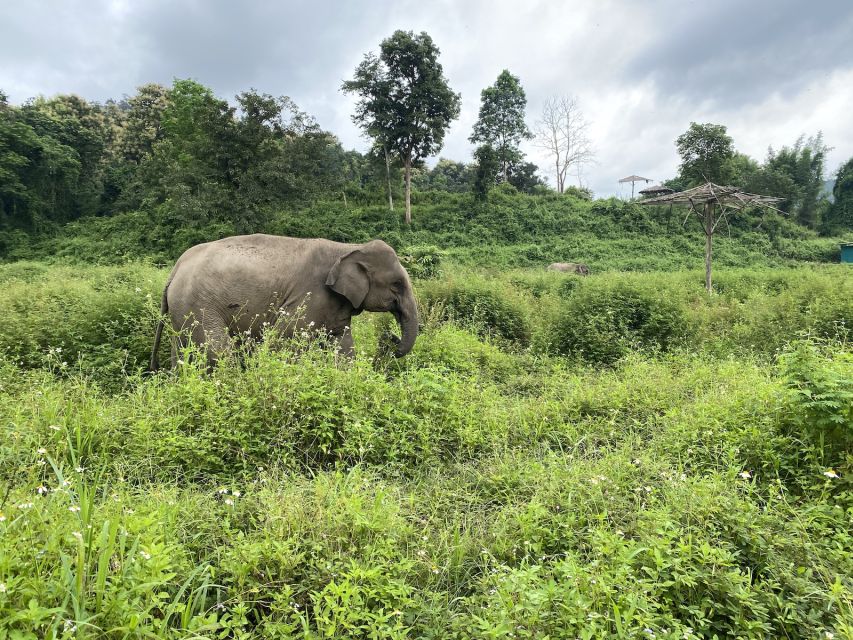
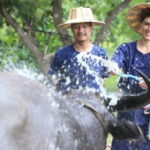
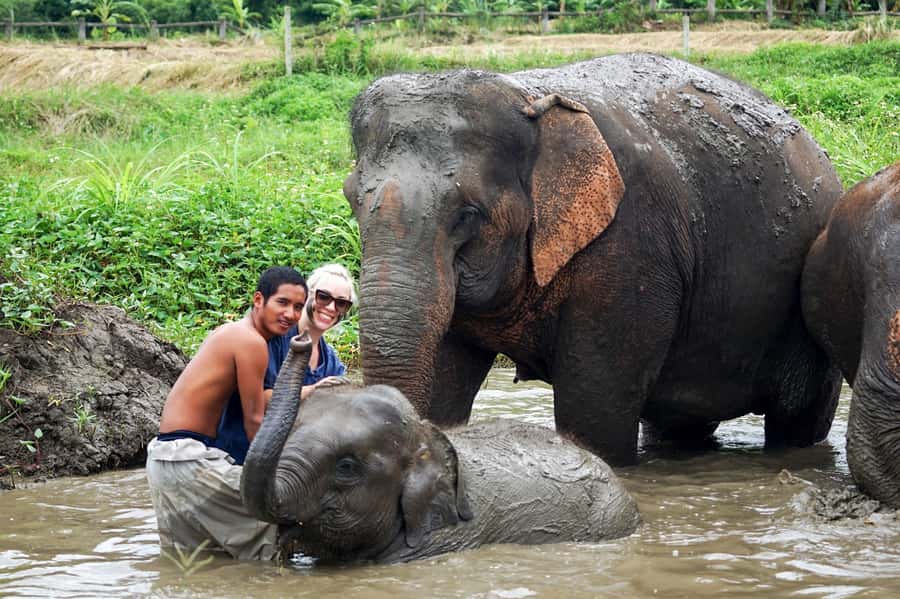
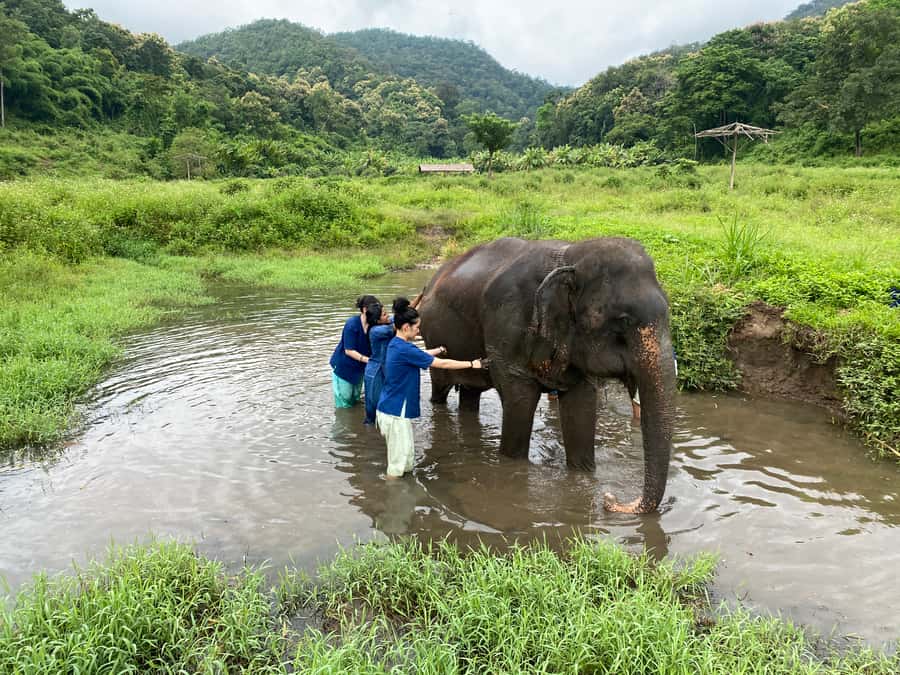
This is one of the standout highlights: you’ll watch elephants do a mud bath, then you’ll have the option to bathe them in the river.
A mud bath isn’t just cute for photos. It helps elephants cool down and can protect them from parasites. When your guide frames it that way, the activity turns from spectacle into something you understand—healthy behavior that the elephants choose as part of their day.
Then comes the wet part. Even if you’re careful, you’ll likely get splashed and damp while bathing. The tour provides boots and local-style clothing to help keep you cleaner, plus a towel and shower supplies (shampoo and soap). Still, pack a real change of clothes, because you’ll want dry clothes for the ride back.
This is also where the small group format helps. Fewer people mean the activity feels less crowded, and it’s easier for the sanctuary staff to monitor comfort and timing—yours and the elephants’.
Herbal vitamin balls and elephant feeding that feels purposeful
Feeding elephants can go sideways fast when it turns into an endless snack line. Here, the feeding is structured and tied to learning.
You’ll help make herbal vitamin balls for the elephants, then feed them as part of the day’s interaction. In addition, the sanctuary provides bananas and sugar cane specifically for feeding. The guide will walk you through what’s happening and how to do it safely.
In practice, you should expect elephants to be curious and food-motivated. Some previous visitors describe cutting banana trees as part of the feeding set as well, and they point out that elephants can approach eagerly for snacks. The difference is that it’s handled under staff guidance, with the focus staying on the elephants’ comfort rather than your performance.
This is also where you learn that personalities matter. With rescued elephants living in a freer environment, you’ll notice differences in temperament—some are bold, some are more cautious, and some just wander off when they don’t want to participate.

Walking the sanctuary and letting elephants set the pace
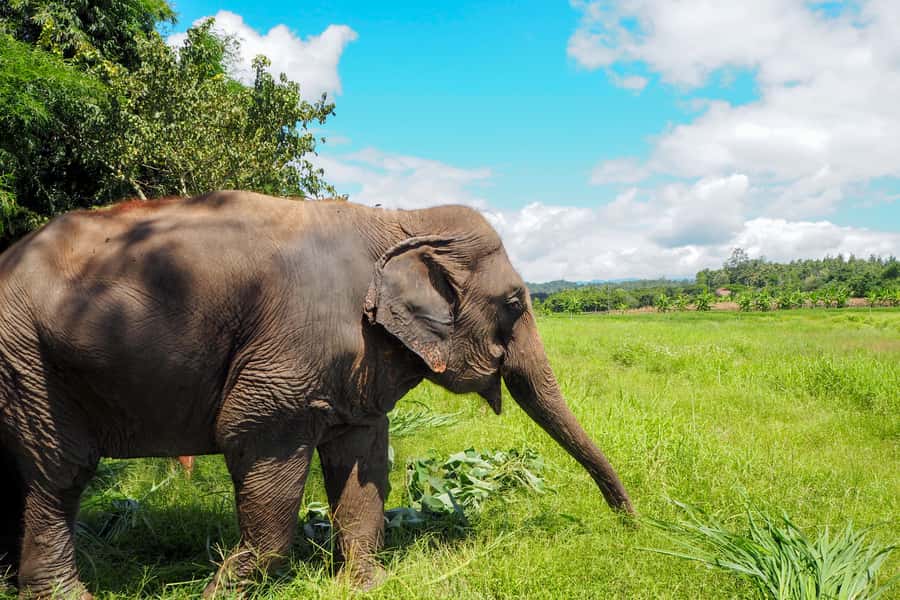
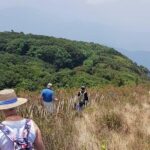
A big part of this tour is simply being in the park with elephants that have room to move. After the initial welcome, you’ll walk around the sanctuary area with the elephants rather than being stuck in one fenced viewing zone.
In the freer setup, the elephants can choose what they do—feed, pause, wander, or go back to forest edges. This changes your experience from a fixed “activity checklist” into a more relaxed, watch-and-participate day.
You’ll also see how the elephants interact with their environment. Since the sanctuary is designed for roaming rather than forced routines, you get a better sense of elephant behavior beyond a single staged moment.
Thai lunch inside the sanctuary while the day keeps going
After the morning activities, you’ll sit down for a freshly cooked Thai lunch at a restaurant inside the sanctuary.
The lunch is homemade vegetarian food and is paired with seasonal fruits and water. Many visitors specifically mention vegetarian pad Thai as part of the meal, along with fresh fruit. This is one of those details that makes the day feel more complete, because you’re not eating a random roadside meal after a rushed schedule—you’re eating where the elephants roam.
What I like about doing lunch inside the sanctuary: it keeps the emotional rhythm of the day steady. You finish the most hands-on portion, eat something warm and filling, and then you’re still close to the same natural setting when you’re done.
Price and value: what $77 covers (and why it feels fair)
At $77 per person, this tour can feel like a splurge—until you look at what’s included.
Your money supports:
- Round-trip van transport from Chiang Mai (and drop-off at two locations, including Wat Phra Singh) depending on your selected option
- An English-speaking guide to explain the conservation program and how to interact safely
- A full sanctuary experience that includes interaction time, not just a quick pass-by
- Lunch and seasonal fruits, plus water
- Feeding supplies like bananas and sugar cane
- Practical gear: bamboo hat, boots, towel, shampoo, and soap
- Accident insurance up to 1,000,000 Thai Baht (about $30,000)
For me, the “value” isn’t only the price tag. It’s the combination: guided learning + real time with the elephants + food + gear. If you’ve done elephant encounters elsewhere, you’ll often find you end up paying extra for basic things like footwear, meals, and guidance. Here, the setup is more “everything included” from the moment you leave the city.
Not included is also simple: personal expenses and alcoholic drinks.
Who should book this tour, and who might reconsider
This is a great fit if you:
- Want an ethical sanctuary model with no riding
- Like hands-on learning (making vitamin balls, feeding, safe contact)
- Prefer a small group atmosphere where you’re not competing for attention
- Want a meaningful day that includes both animals and Thai food
It’s also family-friendly for kids under 9, who can go at a 50% discount.
You might reconsider if:
- You’re not okay with getting wet and muddy. This is part of the core experience.
- You hate early mornings. Pickup starts between 8:00 and 8:30 AM.
- You don’t want a morning/half-day pace. This is about 5 hours total.
Should you book the Lanna Kingdom small-group elephant tour?
Yes, if your priority is respectful elephant care paired with real time in a sanctuary environment. This tour checks the big ethical boxes: no riding, structured feeding and interaction, and a conservation-first introduction.
Book it especially if you enjoy learning and you want a day that feels calm, not chaotic. The small group (up to 10) makes a difference. And if you’re the type who reads the details—packing a change of clothes, bringing sun protection, and going in expecting mud and water—you’ll leave with a strong sense that the animals’ comfort is the center of the day.
If you want a purely dry, low-touch photo stop, you might prefer a different style of visit. But if you want the full sanctuary rhythm—talk, walk, mud bath, river wash, feeding, and a warm vegetarian Thai lunch—this is one of the better ways to do it near Chiang Mai.
FAQ
How long is the Chiang Mai small group elephant sanctuary tour?
The tour lasts 5 hours (510 minutes).
Where do I meet the guide in Chiang Mai?
You meet your guide at the entrance of Phra Singh Temple (Wat Phra Singh Woramahawihan). Pickup is between 8:00 and 8:30 AM, depending on the option you select.
Is elephant riding included?
No. The tour explicitly has no elephant riding.
What elephant activities are included?
You can expect an introductory program talk, walking around the sanctuary with elephants, mud bath time, bathing with them in the river (optional), making herbal vitamin balls, and feeding them with bananas and sugar cane.
Is lunch included, and what is it like?
Yes. Lunch and seasonal fruits are included, and the lunch is homemade vegetarian food. Water is also provided.
What should I bring?
Bring a change of clothes. You should also bring a camera, sunglasses, sun lotion, and any personal medication. You may get wet during the bathing activity.
How big is the group?
It’s a small group limited to 10 participants.
Is the tour wheelchair accessible?
Yes, the tour is wheelchair accessible.