REVIEW · CHIANG MAI
Chiang Mai: Customizable Chiang Mai Surrounding Areas Tour
Book on GetYourGuide →Operated by TripGuru Thailand · Bookable on GetYourGuide
Some places around Chiang Mai feel far until they’re planned well. This tour lets you pick the best mix of waterfalls, hot springs, nature hikes, and village culture without juggling buses all day. It’s built for variety: choose 3 to 4 stops from several route options, and your guide helps keep the timing sensible.
I like the freedom here. You’re not stuck with one rigid loop, and guides can tailor the day around what you actually care about. I also like the small-group feel (limited to 9), plus hotel pickup and drop-off in an air-conditioned vehicle.
My one caution: entry fees and some activities aren’t included, and a good day depends on getting a guide who explains things clearly. If you want strong narration, ask for that vibe when you book, and come with a short list of must-sees.
In This Review
- Key things I’d bet on before you book
- How this Chiang Mai Surrounding Areas Tour Keeps Your Day From Turning Into Chores
- Choosing Your Route: Doi Inthanon, Mae Rim/Mae Taeng, or San Kamphaeng & Mae Kampong
- Wachirathan Waterfall and the Doi Inthanon Option for a Full-on Nature Day
- San Kamphaeng Hot Springs and Ban Mae Kampong When You Want Relaxation Plus Real Villages
- Mon Jam Highlands, Queen Sirikit Botanical Garden, and Optional Ziplining for a Mixed-Adventure Day
- Elephant Wood Carvings, Handicrafts, Caves, and Royal Project Stops That Add Meaning
- Getting Picked Up and Staying Comfortable for the Full 10 Hours
- Price and Value: Does $119 Cover What You’ll Actually Want?
- What the GSTC Certification and Carbon Offsetting Actually Means for You
- Who This Tour Fits Best (and Who Should Skip It)
- Booking Advice: How to Get a Better Day From This Tour
- Should You Book This Chiang Mai Surrounding Areas Tour?
- FAQ
- How many sights can I choose on this customizable tour?
- How long is the Chiang Mai surrounding areas tour?
- Is hotel pickup and drop-off included?
- What languages do the tour guides speak?
- Are entry fees included in the price?
- Is this a private tour or a group tour?
- What should I bring for the day?
- What kind of cancellation policy does it have?
Key things I’d bet on before you book
- Pick 3 to 4 sights from several routes, so you can balance waterfalls, caves, gardens, and villages
- Wachirathan Waterfall and the Doi Inthanon option give you a proper nature day (with a hike if you choose the trail)
- San Kamphaeng Hot Springs + Mae Kampong is a great combo for relaxing, eating, and light adventure
- Mon Jam Highlands / Queen Sirikit Botanical Garden works well if you want views plus conservation-focused stops
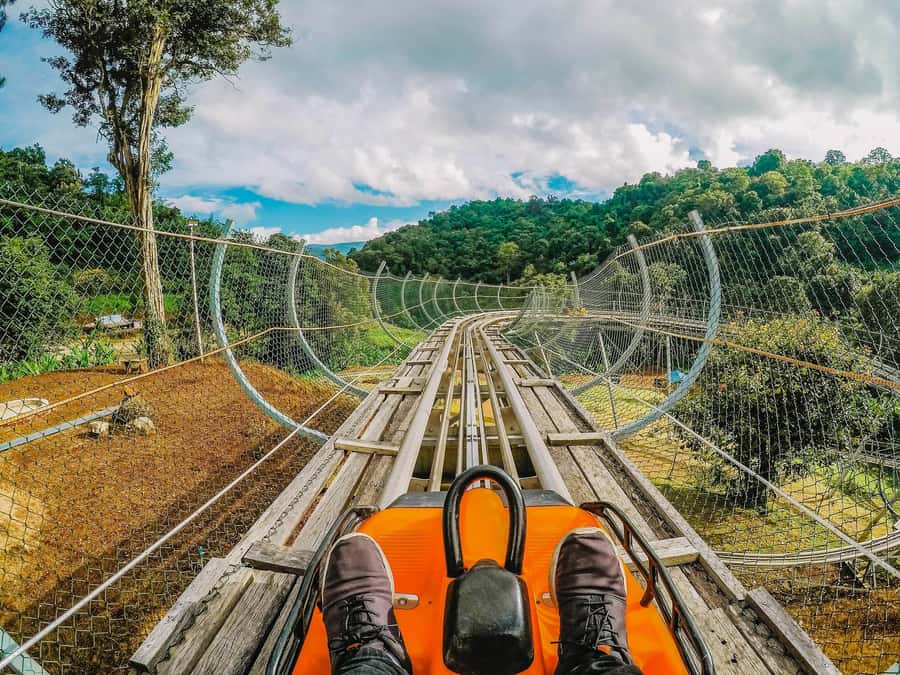
- Optional thrill add-ons like ziplining / jungle coasters and elephant wood carving visits
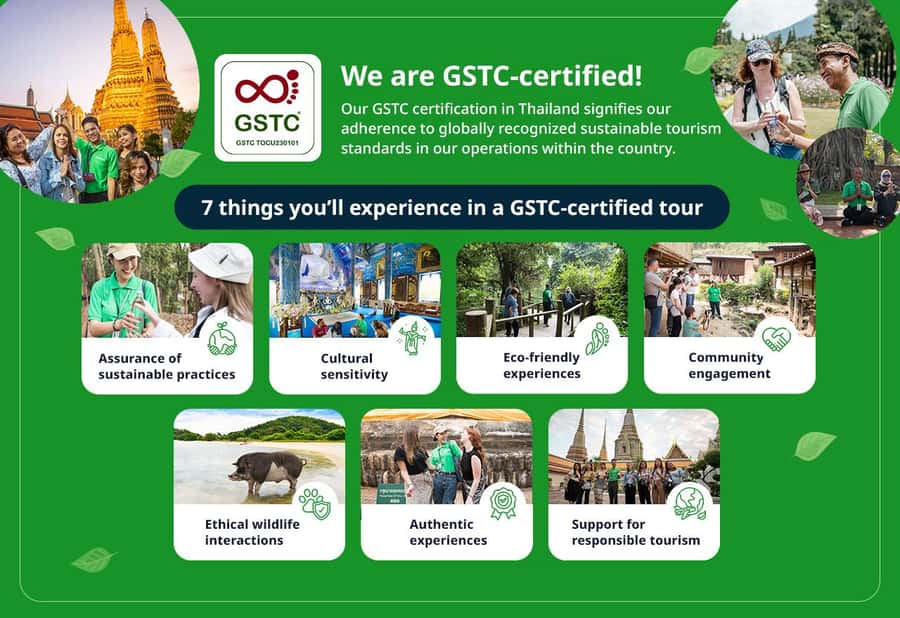
- The tour is GSTC-certified, with water in glass bottles and carbon offsetting mentioned as part of their approach
How this Chiang Mai Surrounding Areas Tour Keeps Your Day From Turning Into Chores
Chiang Mai is one of those cities where you can cram a lot in, then wonder why you feel fried by 3 p.m. This tour is designed to avoid that. You get picked up from downtown Chiang Mai, ride in a comfortable air-conditioned vehicle, and spend your limited energy on the places you chose.
The big win is flexibility. At checkout, you select 3–4 attractions you want most, and your guide builds the best schedule from there using geography (so you’re not zigzagging across the province just to save a few baht). In practical terms, that means fewer dead hours in traffic and more time at the actual sights.
Another practical plus: your guide can operate in different languages (English and Spanish are clearly supported, and there’s also mention of German as an option). In real life, this matters most when you want stories, not just photos.
You can also read our reviews of more tours and experiences in Chiang Mai.


Choosing Your Route: Doi Inthanon, Mae Rim/Mae Taeng, or San Kamphaeng & Mae Kampong
You’ll basically get three “starter kits” to shape your day. What you end up doing depends on your fitness level, your weather tolerance, and whether you want more hiking or more easy scenic stops.
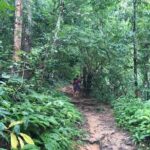
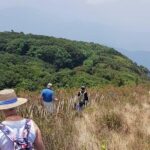
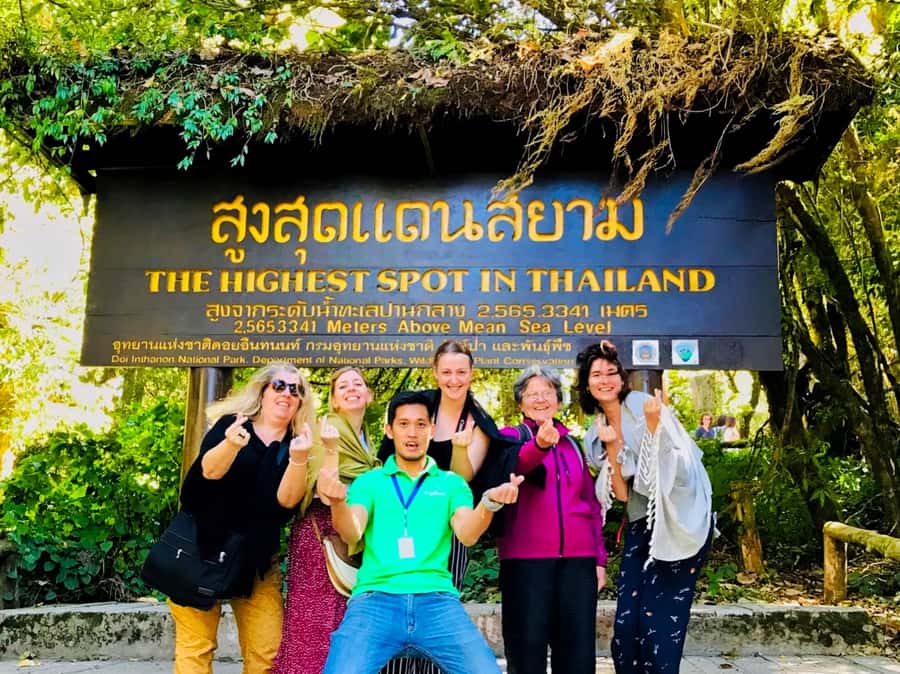
Doi Inthanon route is the “up in the mountains” day. You can include Doi Inthanon National Park (with the Doi Inthanon summit and the Angka Nature Trail), pair it with Wachirathan Waterfall, then add cultural and farming-related sites like the Twin Royal Pagodas, the Inthanon Royal Agricultural Station, and Mae Klang Luang Village with viewpoints like Pha Chor Canyon and a temple stop (Wat Phra That Si Chom Thong). It’s a strong choice if you want cooler air, classic Chiang Mai nature energy, and multiple “wow” moments.
Mae Rim and Mae Taeng route leans more mixed: views, conservation, and some hands-on adventure. You might start with Mon Jam Highlands, continue to Queen Sirikit Botanical Garden (including a canopy walkway), then choose either Pongyang Zipline and Jungle Coaster or a waterfall/temple sequence like Mae Sa Waterfall and Wat Pa Dara Phirom Temple. The rest can branch into royal project development at Nong Hoi, food and farms like Plai Fa Strawberry Farm, elephant camp time options like Mae Taman Elephant Camp, and a Hill Tribe village experience at Baan Tong Luang (long-necked Karen village).
San Kamphaeng and Ban Mae Kampong route is for people who want balance: soak, stroll, and taste a quieter side of the region. You can do San Kamphaeng Hot Springs, then head to Ban Mae Kampong Village where ziplining activity and cafes are part of the mix, plus waterfall options like Mae Kampong Waterfall, and temple stops such as Wat Mae Kampong. You can also add art and craft stops like MAIIAM Contemporary Art Museum, Bo-Sang Handicrafts Centre (handicrafts), and a cultural cave visit like Muang On Cave.
Pick the route that matches your mood. If you’re chasing big physical effort, go Doi Inthanon. If you want “see lots, but stay sane,” mix in Mon Jam + botanical garden. If you’d rather slow down, San Kamphaeng plus Mae Kampong is your friend.
Wachirathan Waterfall and the Doi Inthanon Option for a Full-on Nature Day
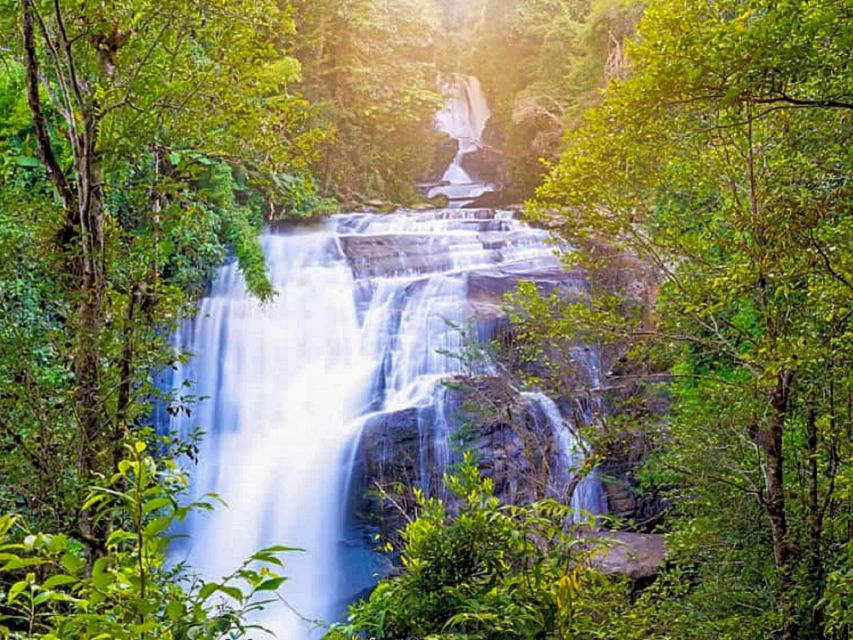
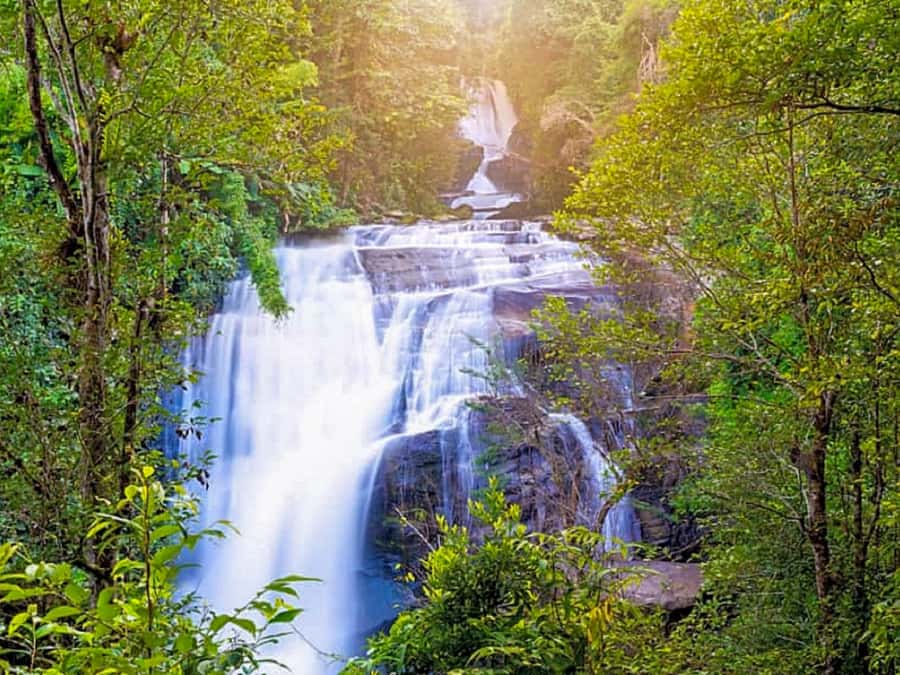
If you choose the Doi Inthanon direction, Wachirathan Waterfall is the headliner you’re aiming at. The appeal is obvious: it’s one of those roaring, crowd-worthy water moments that makes the drive feel justified.
What makes this stop work best is the pairing. If you add Doi Inthanon National Park, you can make it feel like a true “mountain day,” not just a quick waterfall photo. The included options in that park (like the Angka Nature Trail and the Doi Inthanon summit) suggest there’s hiking involved when you choose that itinerary branch.
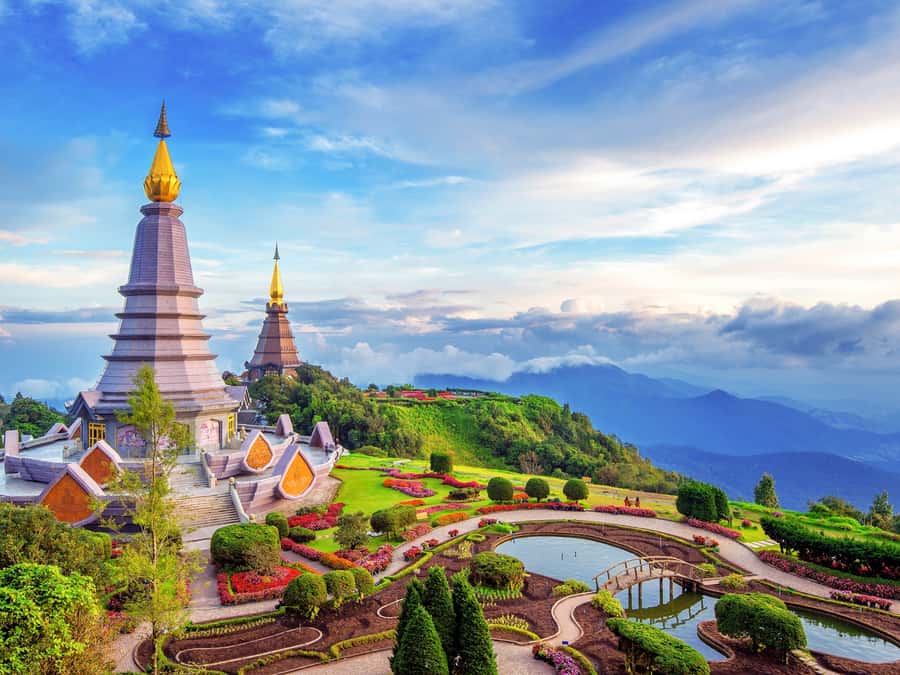
The Twin Royal Pagodas (Napamatanee Don and Napaphon Bhumisiri) are also a nice contrast. After wet, earthy jungle time, pagodas give you a calmer viewpoint-and-walk break. And then if you roll in the Royal Agricultural Station (Royal Project) and Mae Klang Luang Village, the day stops being only scenery and starts becoming about how people farm and live at altitude.
One practical caution: when you’re mixing waterfall + park hikes, comfortable shoes matter more than you think. Also watch the dress code at temple-style stops—shoulders, underarms, back, and knees covered is a common requirement in Thailand, and your instructions specifically mention that.
San Kamphaeng Hot Springs and Ban Mae Kampong When You Want Relaxation Plus Real Villages
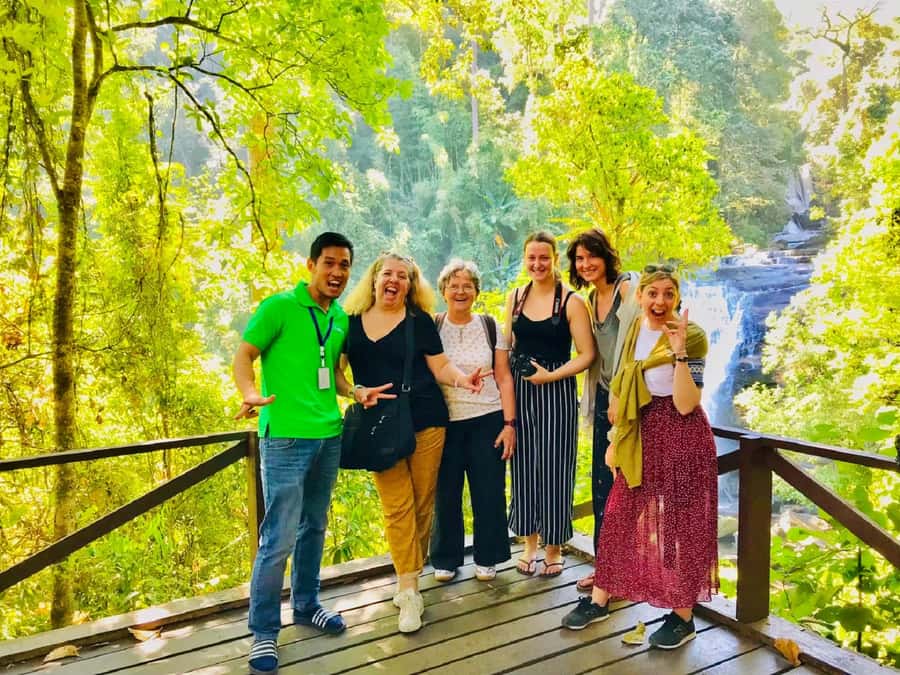
This is the route for people who don’t want to spend the whole day sweating in the sun. San Kamphaeng Hot Springs give you a built-in reset button. Even if you only do a shorter soak time, it changes your energy level for the rest of the day.
Then you head to Ban Mae Kampong Village, which is a smart companion stop. It pairs naturally with the springs because it’s not as physically intense as a full national park hike. The tour also includes options like ziplining activity and cafes in the village area, so you can pick how adventurous you feel that day.
The cultural and scenic balance continues with places like Mae Kampong Waterfall and Wat Mae Kampong. You’re also given a chance to branch into more city-like attractions without leaving the countryside mood behind. For example, MAIIAM Contemporary Art Museum can be a nice “cool down” break if you want something indoors or slower-paced between outdoor stops. And Muang On Cave plus a museum-style craft visit like Baan Jang Nak (Museum of Elephant Wood Carvings) can keep variety high without forcing you into constant walking.
If I were planning for value, I’d treat this route like an easy win: soak, village atmosphere, then add one craft or art stop so the day feels thoughtfully assembled.
Mon Jam Highlands, Queen Sirikit Botanical Garden, and Optional Ziplining for a Mixed-Adventure Day
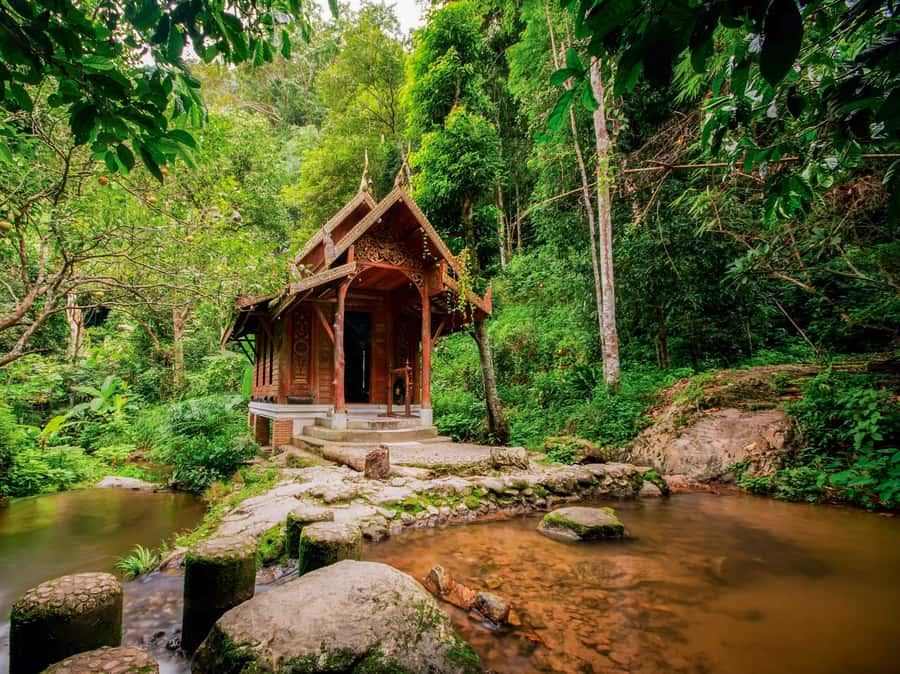
If your ideal day includes views and a little adrenaline, the Mon Jam Highlands + Queen Sirikit Botanical Garden combo is a strong backbone.
Mon Jam Highlands is one of those “you can see why people come here” kinds of stops. Expect big scenery moments and cooler air compared with lower areas, which makes it more comfortable to spend time outside.
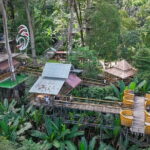
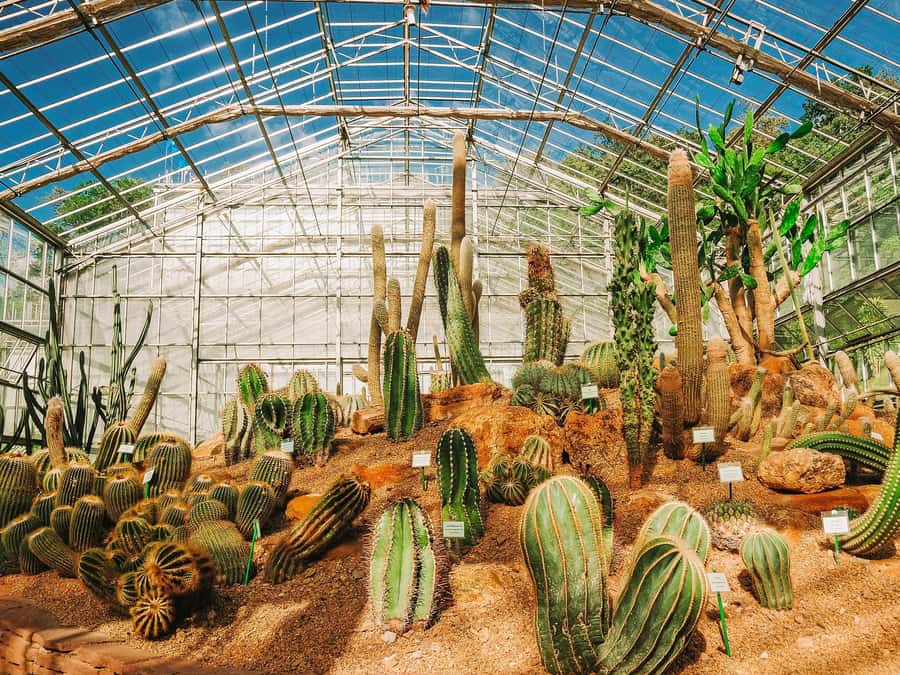
Then the Queen Sirikit Botanical Garden option adds a conservation-focused angle. You can see indigenous Thai plants and (if you select it) experience a canopy walkway. That’s a good choice if you like nature but don’t want every hour to be hiking up steep trails.
From there, you decide how much excitement you want. The route offers Pongyang Zipline and Jungle Coaster, which is ideal if you want a clean, structured thrill moment rather than guessing where to find one on your own. If you skip the high-energy options, you can swap in waterfall and temple stops like Mae Sa Waterfall and Wat Pa Dara Phirom Temple, plus royal project development (Nong Hoi) and local food-farm time such as Plai Fa Strawberry Farm.
This route is also a good fit if you like variety across one day: viewpoints, botany, then either a thrill activity or a slower nature-and-temple segment.

Elephant Wood Carvings, Handicrafts, Caves, and Royal Project Stops That Add Meaning
One thing I really appreciate about this tour design is how it inserts human stories into nature days. It’s easy to come to Chiang Mai and collect photos. It’s harder to understand how the region lives, farms, and makes things.
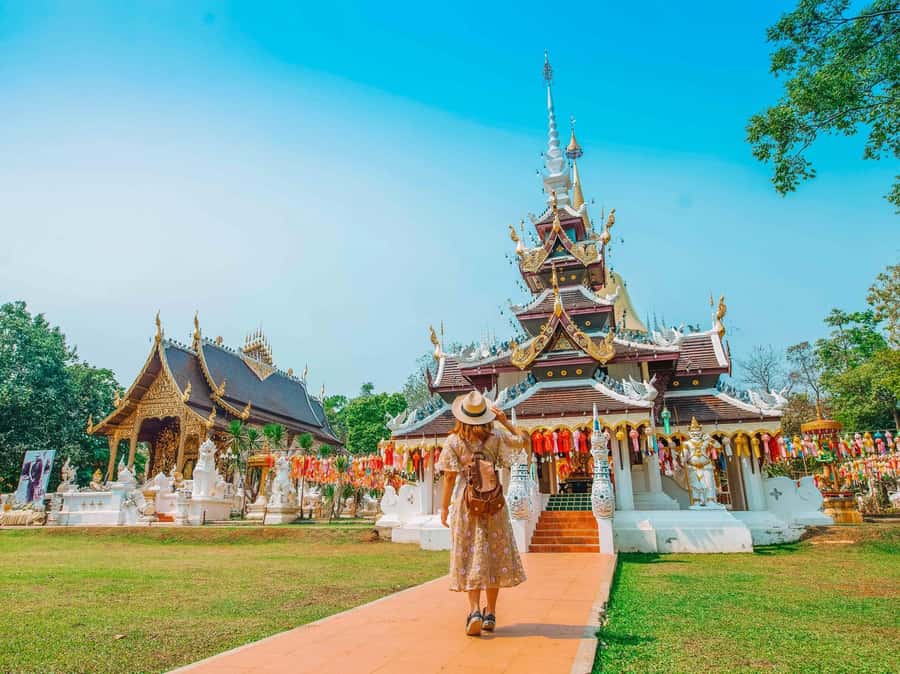
A good example is Baan Jang Nak (Museum of Elephant Wood Carvings). Even if you don’t buy anything, it’s the kind of visit that helps you see a craft tradition as something purposeful, not just souvenir production. Pair that with Bo-Sang Handicrafts Centre and you’ll get a clearer picture of what local artisans do for a living.
If you pick the Mae Rim and Mae Taeng path, you may include Nong Hoi Royal Project Development Center. Royal project initiatives are part of Thailand’s story about agriculture and land management, and it gives context to why certain areas grow specific crops. On the Doi Inthanon side, the Royal Agricultural Station (Royal Project) fills a similar role, which can be especially satisfying if you like understanding the “why” behind what you’re seeing.
Then there are the caves—like Muang On Cave or Chiang Dao Cave (listed as a possible option). Caves are great in heat-heavy months because they can feel cooler than being outdoors all day. Just keep expectations realistic: caves can mean uneven ground and some steps, so comfortable shoes are non-negotiable.
Getting Picked Up and Staying Comfortable for the Full 10 Hours
This is a long enough day that logistics matter. You’ll get pickup from downtown Chiang Mai and nearby Old City Wall areas, and it’s specifically limited to major zones around Tha Pae Gate and streets like Chang Klan Road, Thapae Road, and Wualai Road, including Night Bazaar and Warorot Market areas.
The pickup rule is also practical: they can pick up from registered hotels or accommodations, not random roadside spots or shopping malls. Plan to meet in the lobby, and your team will email you the evening before with the pickup time and meeting point.
Your guide will be holding a TripGuru sign, and you should be ready about 10 minutes before pickup. That little buffer keeps the day from starting with stress, and you’ll get moving sooner.
Once you’re on the road, you’re riding in an air-conditioned vehicle with a driver. The tour also has an explicit “small group” limit (up to 9 participants), which usually translates to less crowd pressure at each stop and more room for your guide to respond to your choices.
Also bring a hat-brain reality checklist: sunscreen, insect repellent, sunglasses, and a light long-sleeved shirt. The tour even suggests a scarf, which can help for temple dress codes or sun management.
Price and Value: Does $119 Cover What You’ll Actually Want?
At $119 per person for a 10-hour day, this tour sits in the “worth it if you pick smart” category. The value isn’t just transportation. You’re also paying for a guide who helps you turn options into a plan that fits geography and variety.
Here’s the catch: entry fees aren’t included, and food and other drinks aren’t included either. That means your final cost depends on the attractions you choose (and whether you add optional activities like ziplining/coasters).
This is exactly where your itinerary choices matter. If you select multiple paid attractions, you can spend more than you expect. The good news is that the tour is customizable; you can choose 3–4 sights that match your priorities and skip the ones that would feel pricey for you.
If you care most about nature, you might focus on waterfall/park experiences and limit extra paid add-ons. If you want adventure, you can select ziplining and build the day around that. Either way, set aside some cash for entries so the day doesn’t turn into surprise budgeting.
What the GSTC Certification and Carbon Offsetting Actually Means for You
The tour is described as GSTC-certified, and it’s framed as an effort to reduce environmental impact. You’re also told they provide water in glass bottles and offset carbon emissions for every tour.
For you, that mainly translates to fewer “where will I find water” problems, plus a tour operator signaling that they’re trying to operate responsibly. None of that replaces your own habits—stay on paths, follow signage, don’t litter—but it’s a reassuring baseline.
If sustainability matters in your travel style, this is one of the few Chiang Mai day-trip formats that directly mentions these details upfront.
Who This Tour Fits Best (and Who Should Skip It)
This works best for people who want a guided day outside the city without getting stuck in a full-day bus tour. It’s also ideal if you’re comfortable making choices ahead of time—send your guide your 3–4 must-dos so they can design the most efficient route.
I’d particularly recommend it if you like one of these:
- A nature-heavy day with Wachirathan Waterfall and Doi Inthanon options
- A relaxing reset with San Kamphaeng Hot Springs plus Mae Kampong village atmosphere
- A mixed day with views and plants at Queen Sirikit Botanical Garden, plus optional ziplining
On the other hand, the tour is not suitable for:
- Pregnant women
- People with mobility impairments
- People with heart problems
- People with respiratory issues
If any of those apply, it’s worth choosing a different format that’s less physically demanding.
Booking Advice: How to Get a Better Day From This Tour
This tour can be great or merely fine, and most of that comes down to how you set it up.
First, pick your 3–4 must-dos with geography in mind. If you choose sights that fight each other across the province, you’ll feel it even with a good driver.
Second, think about your “temperature strategy.” Waterfalls, botanical walks, caves, and village areas all run on outdoor time. Plan layers, and don’t underestimate heat. Even positive experiences mention heat days, with plenty of breaks and cold water available, which is exactly the sort of pacing you want.
Third, if you care about explanations, aim for a guide style you’ll enjoy. Named guide examples in feedback include Jackie and Peter—both linked with strong communication and context. If you want culture stories, ask for a guide known for guiding talks, not just logistics.
Finally, budget for entry fees. It’s the most common way a day can feel overpriced after the fact.
Should You Book This Chiang Mai Surrounding Areas Tour?
Yes, if you want a guided, customizable day that mixes waterfalls, hot springs, gardens, crafts, and optional adventure—without the hassle of planning every connection yourself. It’s especially good value when you choose stops that match your interests and geography, because the $119 is mostly paying for smart routing, a driver, and a guide who turns your picks into a real plan.
I’d skip it if you’re hoping for an all-inclusive price with zero extras, or if you strongly dislike unpredictable guide quality. The itinerary is flexible, but entry fees aren’t included, and the day depends on having a guide who explains clearly.
If you’re the type who likes options and wants to “shape the day,” this is a solid Chiang Mai province tour to book.
FAQ
How many sights can I choose on this customizable tour?
You select 3 to 4 attractions that you must see, and your guide can add a few additional optional sites depending on geography and variety.
How long is the Chiang Mai surrounding areas tour?
The duration is 10 hours.
Is hotel pickup and drop-off included?
Yes. Hotel pickup and drop-off is included. Pickup is offered from major downtown areas within 10 km of Tha Pae Gate and nearby Old City Wall zones, but only from hotels or registered accommodations.
What languages do the tour guides speak?
The tour lists a live guide in Chinese, English, and Spanish. There’s also mention that you can opt for a guide who speaks English, German, or Spanish.
Are entry fees included in the price?
No. Entry fees aren’t included, and food and other drinks aren’t included either.
Is this a private tour or a group tour?
It’s a customizable private tour, but it’s described as a small group limited to up to 9 participants.
What should I bring for the day?
Bring comfortable shoes, sunglasses, a camera, sunscreen, a long-sleeved shirt, insect repellent, cash, and a scarf.
What kind of cancellation policy does it have?
You can cancel up to 24 hours in advance for a full refund.