REVIEW · CHIANG MAI
Chiang Mai Elephant Village Life: Long Neck & Bamboo Rafting
Book on GetYourGuide →Operated by My Holiday Centre Company Limited · Bookable on GetYourGuide
Elephants, water, and a calmer kind of day. This tour puts you with local mahouts for feeding, walking, and bathing, plus a cool trek to Mae Wang Waterfall and a peaceful bamboo raft float. One catch: the long-neck part is not guaranteed on this route, so plan your expectations around elephant care rather than long-neck viewing.
I like that the experience is built around what the elephants want to do, not a scripted show. The sanctuary follows the key ethical rules—no chains or hooks, and elephant riding is prohibited—so the day feels gentler and less staged. If you want flashy entertainment, this probably won’t match.
In This Review
- Key points worth your time
- A full day that starts with elephants and ends with quiet water
- Getting there: Old City pickup, van time, then a short rougher ride
- Meeting the mahouts: feeding and walking with elephants
- Bath time in the river: why swimwear is actually useful
- Mae Wang Waterfall: the trek and the payoff of forest cool-down
- Karen Hill Village: cultural time, and the long-neck reality check
- Thai lunch breaks up the day (and keeps it local)
- Bamboo rafting: the peaceful finale you’ll actually remember
- Price and value: what $70 covers (and what you’re paying for)
- Who should book this, and who should skip it
- Before you go: what to pack for a day that gets wet
- Should you book Chiang Mai Elephant Village Life: Long Neck and Bamboo Rafting?
- FAQ
- How long is Chiang Mai Elephant Village Life?
- What is included in the price?
- Is elephant riding allowed?
- Are there chains or hooks used during the elephant activities?
- Are elephants forced to perform activities?
- What happens during the waterfall stop?
- Is the tour suitable for kids or families?
- What should I bring?
- What is not allowed on the tour?
- What are the cancellation and payment options?
Key points worth your time
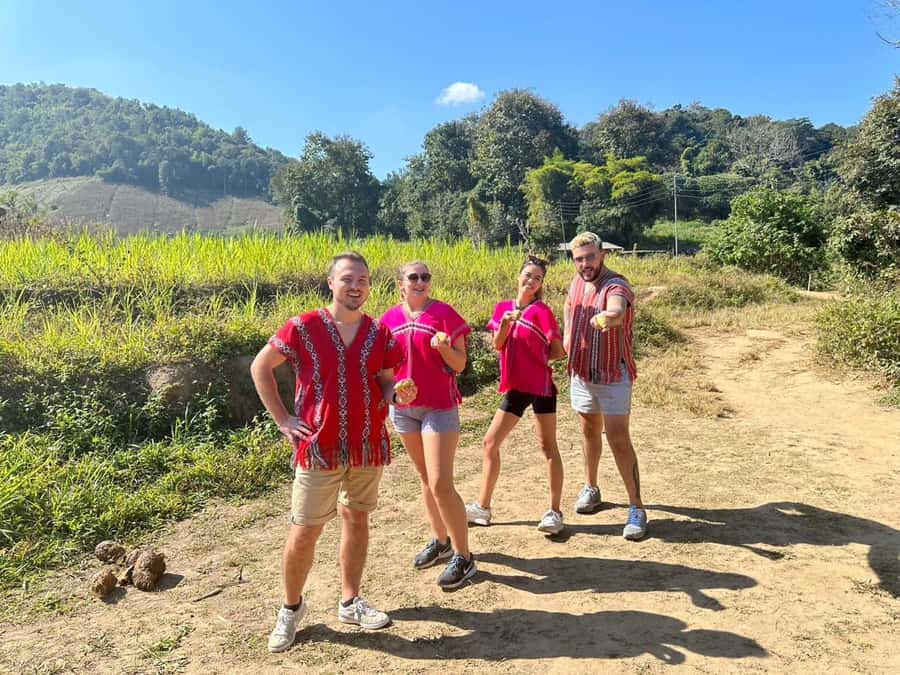
- Hand-on elephant care with feeding, walking nearby, and a river bath
- Ethical sanctuary rules: rescued elephants, no chains or hooks, and no riding
- Mae Wang Waterfall walk to cool off in the forest
- Karen Hill Village stop, with the long-neck sighting not always in the final mix
- Bamboo rafting for a quiet ending on the river
A full day that starts with elephants and ends with quiet water

This is one of those Chiang Mai days that feels simple, but the order matters. You start with elephant caretakers and a close look at daily routines. Then you shift gears—forest air, waterfall water, and finally a slow float on a bamboo raft where you can actually hear the river.
The best part for me is the tone. The day isn’t about checkboxes or forced poses. You’re there to help with the moments the caretakers normally handle: giving elephants snacks, walking alongside them, and joining the river bath time when it makes sense for the animals. That’s also why the day can feel a little more relaxed than other wildlife tours.
And yes, you’re still in the Thailand tour circuit for a full 8 hours. Expect travel time, a van ride out of the Old City area, and some walking. If you show up with real curiosity—how people live with elephants—you’ll get a lot more out of it.
You can also read our reviews of more tours and experiences in Chiang Mai.



Getting there: Old City pickup, van time, then a short rougher ride
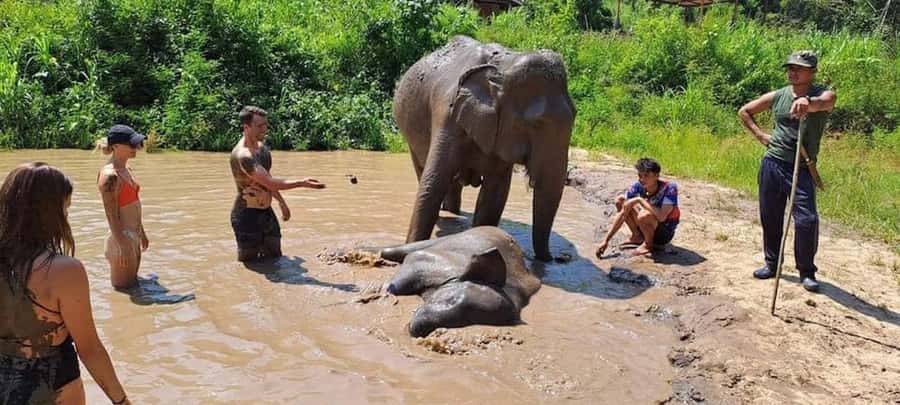
Your day kicks off with pickup in Chiang Mai within about a 5 km radius of the Old City. You travel in a 12-seater air-conditioned van, which keeps the start comfortable and fairly organized. When you get closer to the sanctuary area, you switch vehicles for the last stretch—about 10 minutes in a roofed 4×4 truck.
That last segment matters if you’re prone to motion sickness. It’s still short, but it’s bumpier. You’ll be glad you brought comfortable clothes and closed-toe footwear.
Also, there are rules on what you should bring. Plan for a day bag only. Pets are not allowed, and luggage or large bags won’t fit the idea of a move-around-the-camp itinerary.
Meeting the mahouts: feeding and walking with elephants

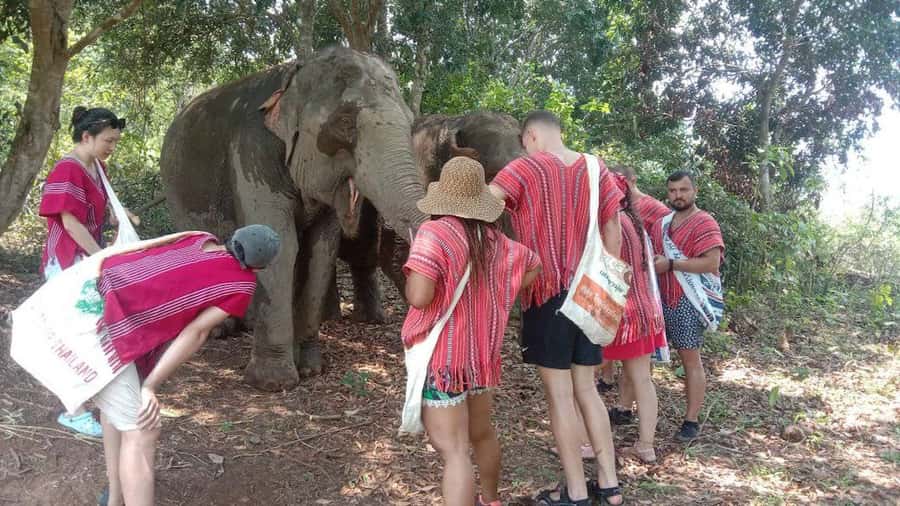
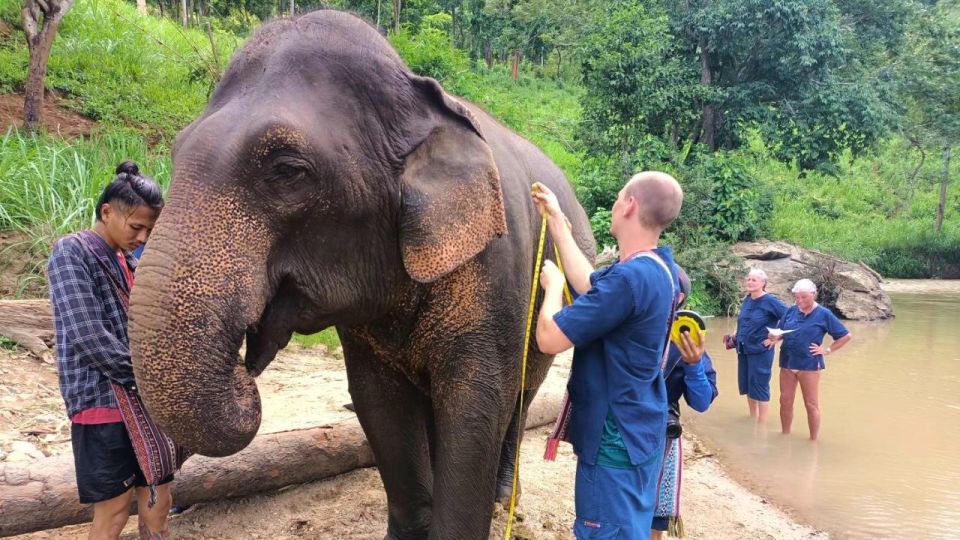
This is where the tour earns its reputation. You don’t just watch from a distance. You meet the mahouts, who are the local elephant caretakers, and you learn how elephants fit into Northern Thai village life and routines.
The elephant interaction usually starts with preparing and feeding. You’ll see how the caretakers handle the elephants calmly and how the animals respond in their own rhythm. This part can feel surprisingly intimate. It’s not a stunt. It’s more like getting a glimpse into a daily job that has been passed along for generations.
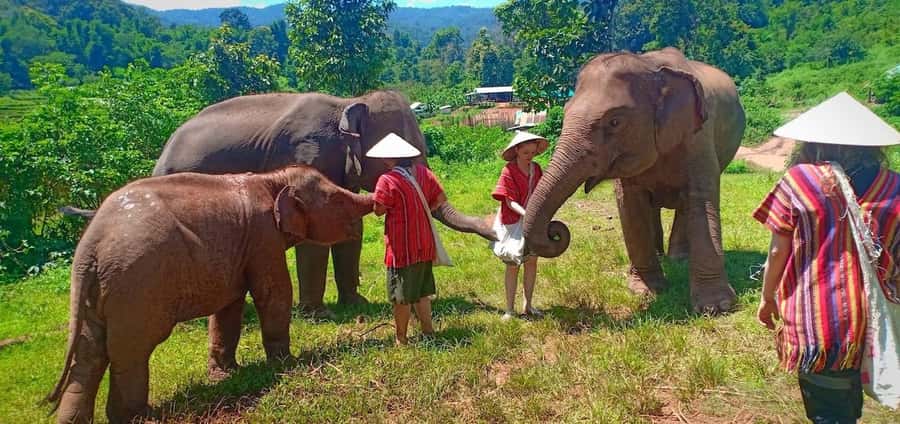
After feeding, you walk alongside the elephants through the jungle. You’re close enough to observe behavior, but you’re not on top of the animal. That’s an important distinction. Elephant riding is prohibited, and the tour is designed around observing and walking nearby instead of turning the day into a performance.
One practical thing: pay attention to your footwear and socks. You’ll likely be on uneven ground and around damp areas once the river time starts. If you go in prepared, you won’t waste the day adjusting everything.
Bath time in the river: why swimwear is actually useful
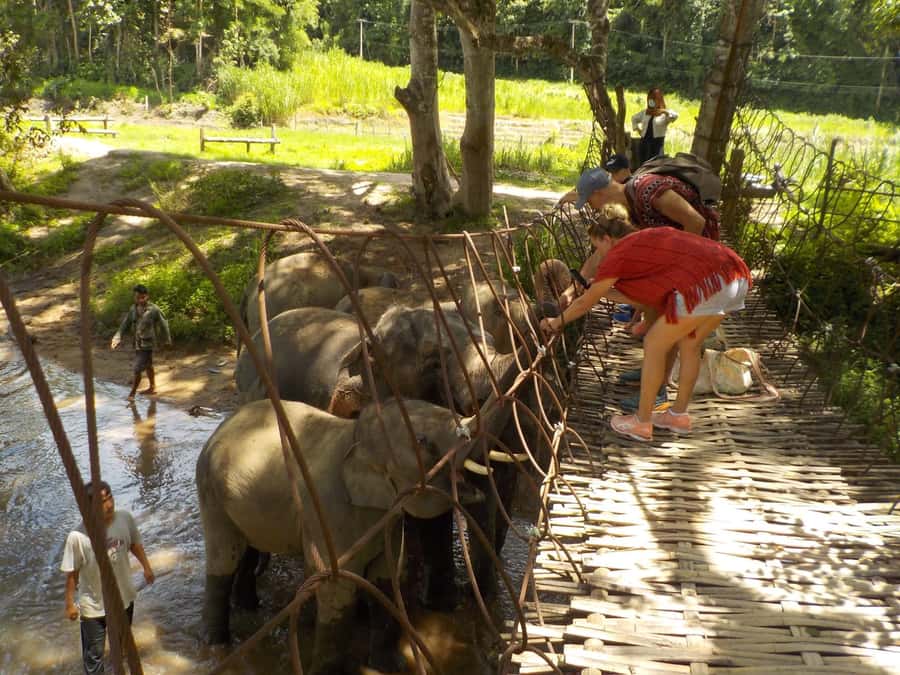
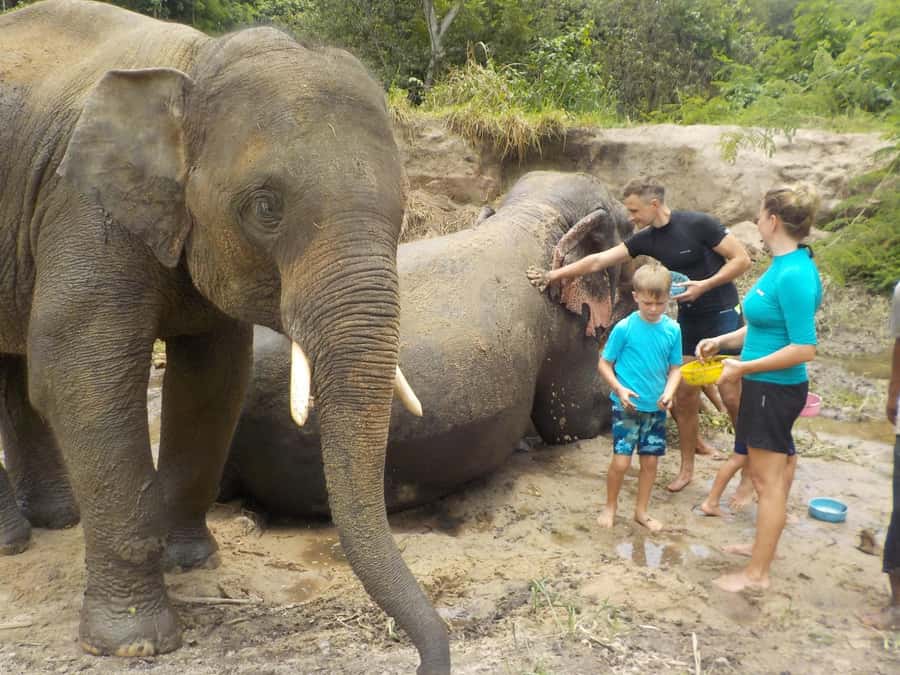
The tour includes joining the elephants in the river for a playful bath. This is one of those moments where your planning either makes the experience fun or makes it annoying.
Bring swimwear and a change of clothes. Even if you don’t plan to fully swim, you’ll still be in water and splashes. Water shoes or sandals can help for river steps, but you also want hiking shoes for dry stretches. The tour asks for both types, which is a clue that the day changes surface a few times.
Also bring insect repellent. You’re in forest and riverside zones, so bug protection is not optional if you hate getting bitten.
And remember the ethical framework here: elephants are rescued and not forced to perform. The tour also states there are no chains or hooks at this park. That means the day can be shaped by elephant comfort and interest, not a handler’s need to keep a schedule. Translation for you: you might do more of one activity than another, and that’s normal.
Mae Wang Waterfall: the trek and the payoff of forest cool-down
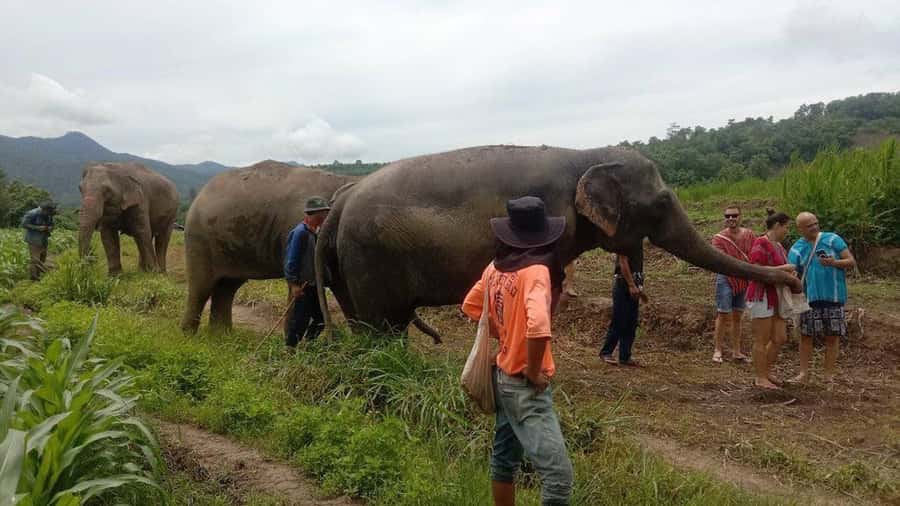
Later, you head to Mae Wang Waterfall for a visit and a walk. You get around 1.5 hours here, which is enough time to take a slow pace and actually enjoy the forest rather than rushing for photos.
The big benefit of this stop is the temperature change. After elephant time, it’s a relief to cool down. The water gives you a break from sun heat and turns the day into something more balanced than a straight animal-only outing.
What to keep in mind:
- Wear sunscreen early. You’ll be outside.
- Pack comfortable layers because shaded areas can feel cooler.
- Expect a walk that’s more “steady effort” than a marathon, but still real hiking footing.
If you want a tour day with both wildlife and a nature reset, this waterfall stop does the job.





Karen Hill Village: cultural time, and the long-neck reality check
The tour also includes a stop at Karen Hill Village, with about 1.5 hours for a visit. This is the cultural companion to the elephant day. It can help you frame what you’re seeing at the sanctuary—how communities and traditions shape relationships with elephants.
Now, about the long-neck part. One review note stands out clearly: the long-neck viewing wasn’t part of what some people experienced on their day. Another key detail is that this tour’s official description includes long-neck in the title, but what you’ll actually see depends on what’s arranged on the day.
So here’s the practical way to think about it: go for the village visit and understanding local life. Don’t build your day around getting a perfect long-neck photo. If it shows up, great. If it doesn’t, you’ll still have elephant care, waterfall time, and river rafting.
Thai lunch breaks up the day (and keeps it local)
You’ll have a traditional Thai lunch prepared by local villagers, plus drinking water during the tour. This matters more than it sounds. When food is local and part of the community day, it helps balance the time you spend in the sanctuary with a support of nearby livelihoods.
Also, the lunch gives you a chance to reset before the second half of the day. Elephant time can be engaging and physically tiring, and waterfall walking adds up. Eating well here helps you stay comfortable for bamboo rafting later.
In a couple of accounts, the meal came up as a highlight. That usually means it’s not an afterthought.
Bamboo rafting: the peaceful finale you’ll actually remember
The day closes with bamboo rafting for about 45 minutes. After all the walking and animal contact, rafting is pure slowdown. You float along a calm stretch of river with lush greenery around you and nature sounds filling the gaps.
This segment feels like the tour’s quiet signature. It’s also a good test of how you’ll like the pacing. If you rush everything, rafting can feel too slow. If you enjoy atmosphere, this will feel like the best kind of ending.
One more detail: your guides keep the day grounded. The sanctuary notes that elephants are not forced into activities and the exact camp activities can depend on what the elephants want to do that day. That same idea of letting nature set the pace shows up in the calmer parts of the itinerary, especially on the river.
Price and value: what $70 covers (and what you’re paying for)
At around $70 per person for 8 hours, this tour lands in the middle range for Chiang Mai. The value comes from what’s included, not from the animal contact alone.
You get:
- Round-trip hotel transfers within the Old City area (about a 5 km radius)
- An English-speaking guide
- A complimentary local meal
- Drinking water
You also get transportation by van, then a short 4×4 truck stretch. And you get a full day of structured experiences: elephants, waterfall walking, a cultural village visit, and bamboo rafting.
Where value can shift for you is in your expectations. If you’re the type who wants guaranteed long-neck viewing, you may feel the title overpromises. If you want ethical elephant care and a well-paced day outside the city, the price starts to look fair.
The other value point is ethics. The tour explicitly states there are no chains or hooks and elephant riding is prohibited. For many people, that rule is the deciding factor, even if it means the day feels less like a performance.
Who should book this, and who should skip it
Book this tour if you want:
- Hands-on time around elephants without riding
- A day that mixes wildlife, nature, and a cultural village stop
- A sanctuary that operates with animal comfort in mind
- A calmer close with bamboo rafting
Skip this tour if:
- You want long-neck viewing as a sure thing (it doesn’t appear to be consistent)
- You prefer high-energy shows and tightly timed entertainment
- You dislike long travel days from the Old City area
It also suits you best if you like learning. The mahout interaction isn’t just photo time. It’s about how elephants and caretakers share the same world.
Before you go: what to pack for a day that gets wet
The tour is practical about what it expects. Pack for water, sun, and bugs:
- Swimwear and a change of clothes
- Sandals and hiking shoes
- Sunscreen and insect repellent
- Comfortable clothes
- Keep luggage minimal (and leave pets at home)
And don’t forget: you won’t be riding the elephants, and elephants are not chained or forced to perform. That changes how you should think about the day. You’re not there to control the experience. You’re there to participate when it’s appropriate.
Should you book Chiang Mai Elephant Village Life: Long Neck and Bamboo Rafting?
Yes—if you’re booking for ethical elephant care, a real day in Northern Thailand rhythms, and a nature + river finish. The most praised parts of the experience center on friendly, caring staff and a smooth, organized day, and the overall tone sounds genuinely relaxed.
I’d steer you to book this when:
- You’re okay with elephant activities varying based on what the animals want
- You’re happy with a village stop even if long-neck viewing isn’t guaranteed
- You want a full 8-hour itinerary that includes elephants, Mae Wang Waterfall, and bamboo rafting
If long-neck viewing is your main goal, I’d hesitate. Choose this for the elephants, the mahouts, the waterfall, and the quiet raft ride—because that’s the core of what you can count on.
FAQ
How long is Chiang Mai Elephant Village Life?
It lasts about 8 hours.
What is included in the price?
It includes round-trip hotel transfers within about a 5 km radius of Chiang Mai Old City, an English-speaking guide, a complimentary local meal, and drinking water.
Is elephant riding allowed?
No. Elephant riding is prohibited.
Are there chains or hooks used during the elephant activities?
The park states there are no chains or hooks.
Are elephants forced to perform activities?
No. Elephants are not forced to perform any activities.
What happens during the waterfall stop?
You visit Mae Wang Waterfall and have time to walk and cool off (about 1.5 hours).
Is the tour suitable for kids or families?
The details provided don’t mention an age policy, so you’d need to check with the operator for child suitability.
What should I bring?
Bring swimwear, a change of clothes, sandals, hiking shoes, sunscreen, comfortable clothes, and insect repellent.
What is not allowed on the tour?
Pets are not allowed, and luggage or large bags are not allowed.
What are the cancellation and payment options?
Free cancellation is available up to 24 hours in advance for a full refund, and you can reserve now & pay later.