REVIEW · CHIANG MAI
Chiang Mai: Elephant Sanctuary & Suthep Temple Sunrise View
Book on GetYourGuide →Operated by Joy Elephant Sanctuary · Bookable on GetYourGuide
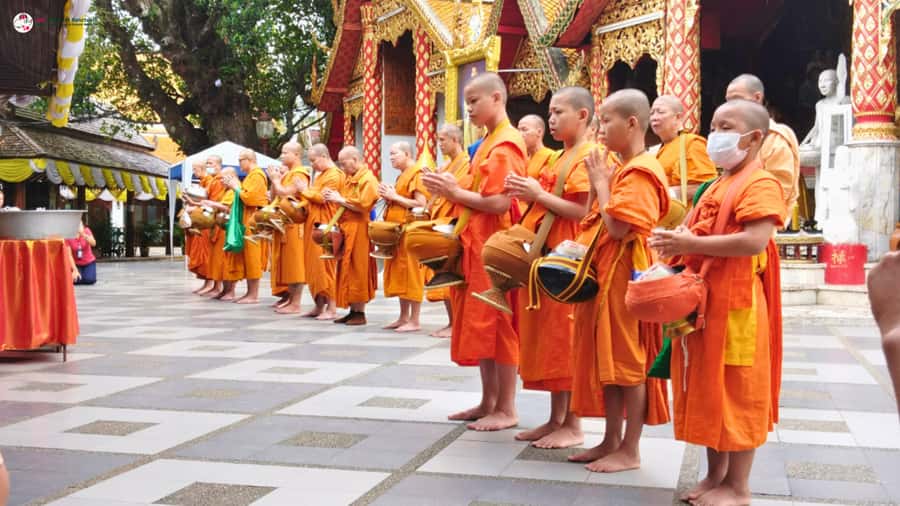
Sunrise plus elephants in one smooth day. I love how this trip pairs Wat Phra That Doi Suthep at sunrise with an ethical elephant observation program at Joy Elephant Sanctuary—so your morning is spiritual and your afternoon is wildlife-focused. The elephant part is the big win: you feed and observe elephants in a way that keeps things calm and respectful (no stressful interactions, and no elephant bathing). You’ll also get real Thai context through a guided temple visit, an alms offering set, and Buddhism learning that fits the mood of the golden sunrise.
There is one catch to plan for: this is a long, active day. You’ll be on the move for hours, walk during the temple portion, and you’ll need to follow the dress rules (no shorts or sleeveless tops), plus bring swimwear in case you want to change for the waterfall stop.
In This Review
- Key highlights at a glance
- Why this Chiang Mai combo works: temple sunrise + elephant observation
- Getting there early: pickup, van ride, and the last 10 minutes by 4×4
- Wat Phra That Doi Suthep at sunrise: views, guided Buddhism, and alms offering
- Breakfast and a guided walk among temple paths
- Mae Wang District: the shift from morning temple calm to jungle quiet
- Karen cultural clothing and elephant learning time
- Feeding elephants the calm way at Joy Elephant Sanctuary
- Waterfall herbal tea break and the Thai souvenir workshop
- Price and value: what $78 covers (and what it doesn’t)
- Who should book this tour (and who might skip it)
- Should you book this tour? My call
- FAQ
- How long is the Chiang Mai Elephant Sanctuary & Suthep Temple Sunrise tour?
- Where is pickup included for this tour?
- What kind of transportation is used during the day?
- Is the Doi Suthep temple ticket included?
- What elephant-related activities are included?
- Are meals included?
- Do I need to bring towels or water?
- What should I bring for the tour?
- Is the tour suitable for wheelchair users?
- What’s the clothing rule for temples?
- Is free cancellation available?
Key highlights at a glance
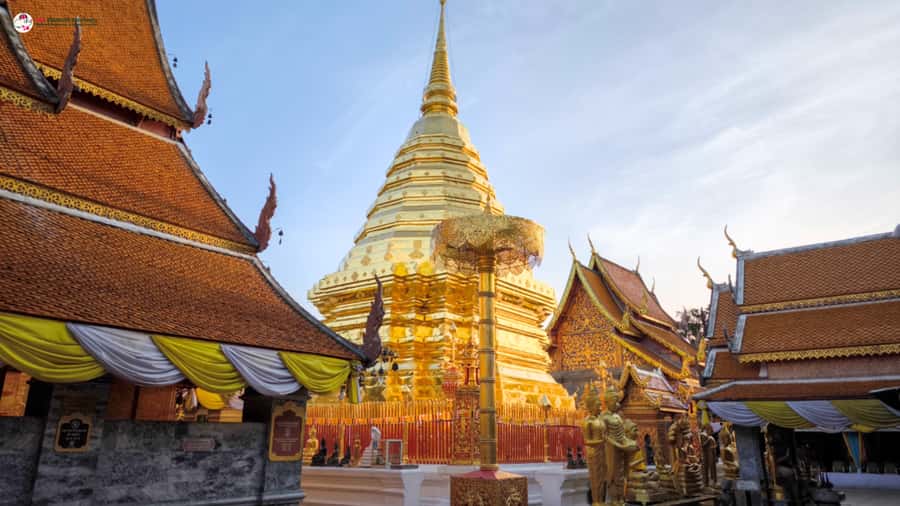
- Doi Suthep sunrise and guided temple time with a calmer start than most day trips
- Ethical elephant observation at Joy Elephant Sanctuary focused on welfare and low-stress viewing
- Karen cultural clothing and elephant learning with hands-on feeding and food prep
- Waterfall break with herbal tea while you watch elephants nearby
- Thai handmade souvenir workshop so you take home something personal
- Straightforward transport: 12-seater van, then a roofed 4×4 for the last stretch
Why this Chiang Mai combo works: temple sunrise + elephant observation
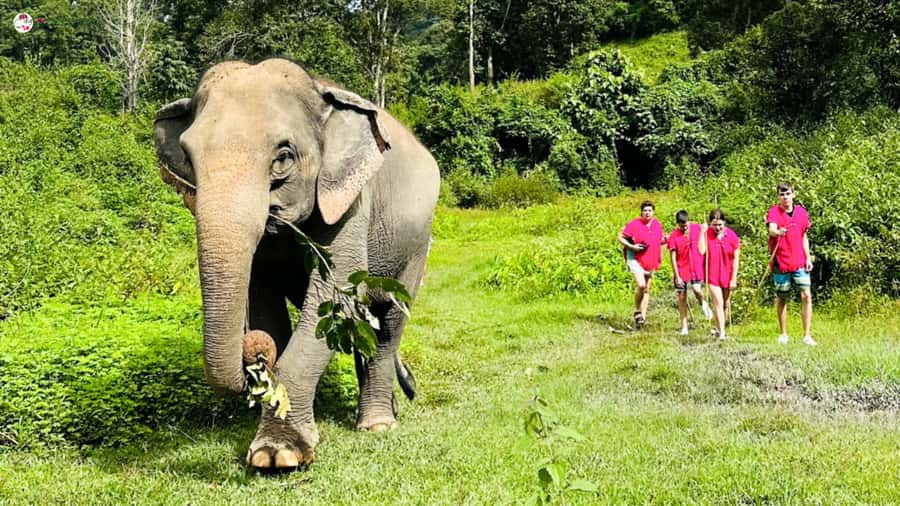
Chiang Mai day trips often split into two types: culture-heavy or animal-heavy. This one blends both, and that balance is what makes it feel like a full day instead of a checklist. You start with sunrise at Wat Phra That Doi Suthep, where the view over Chiang Mai Province sets a peaceful tone right away. Then you shift into the Mae Wang District world of forest, waterfall air, and elephants moving freely in the observation area.
The elephant program at Joy Elephant Sanctuary is also built around a clear goal: watching and feeding without forcing contact or creating stress. That matters to you because elephant-focused tourism can go sideways fast in Thailand. Here, the experience is designed around observation, learning, and food preparation, not “pose-and-go” interactions.
And the cultural pieces aren’t just a ticket to a temple. You’ll handle the alms offering set, learn about Buddhism with a guide, and follow along during a guided walk on the temple grounds. It’s the kind of morning that gives your photos a story.
A few more Chiang Mai tours and experiences worth a look

Getting there early: pickup, van ride, and the last 10 minutes by 4×4
The tour runs about 11 hours, and it starts with pickup in the Mueang Chiang Mai District area, specifically within a 5 km radius of Chiang Mai’s Old City. If you’re farther out, there’s a surcharge for transport, so it’s worth checking your hotel distance before you assume everything is covered.
You travel in a 12-seater air-conditioned van. Then, for the sanctuary approach, the vehicle changes: you switch to a roofed 4×4 truck for the last 10 minutes. That short segment is exactly the kind of thing you’ll feel—bumpy, scenic, and clearly aimed at getting you off-road safely. It’s also why comfortable shoes matter even though the elephant portion is not a long hike.
The timing is part of the value. You’re not wasting half a day negotiating traffic or arriving after sunrise. Instead, the schedule is built to get you at Wat Phra That Doi Suthep for the best light and the calmer early atmosphere.
Wat Phra That Doi Suthep at sunrise: views, guided Buddhism, and alms offering
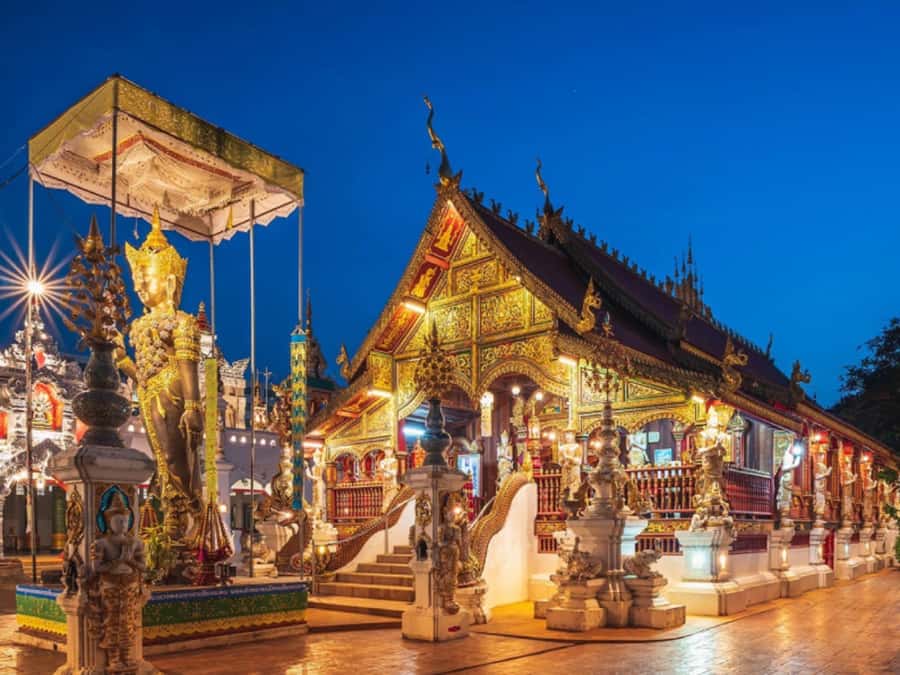
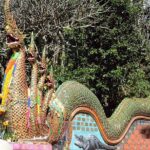
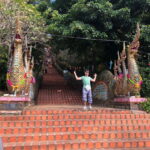
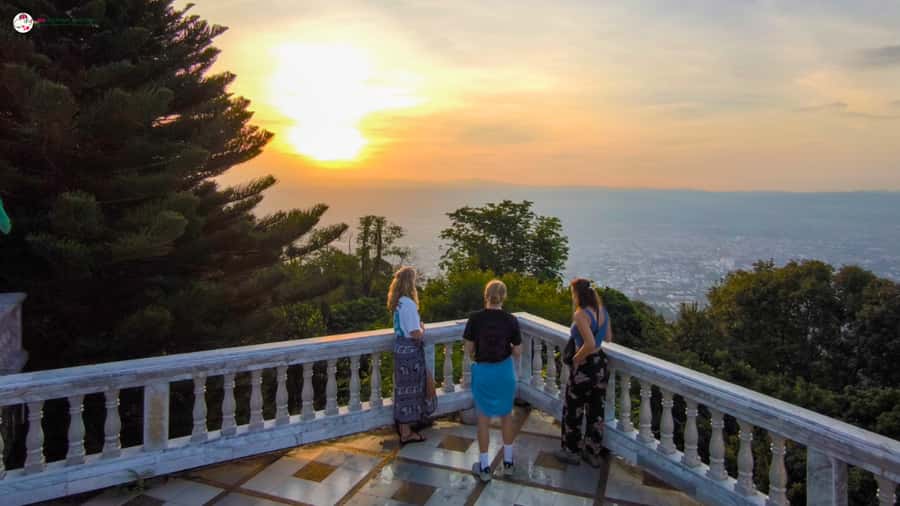
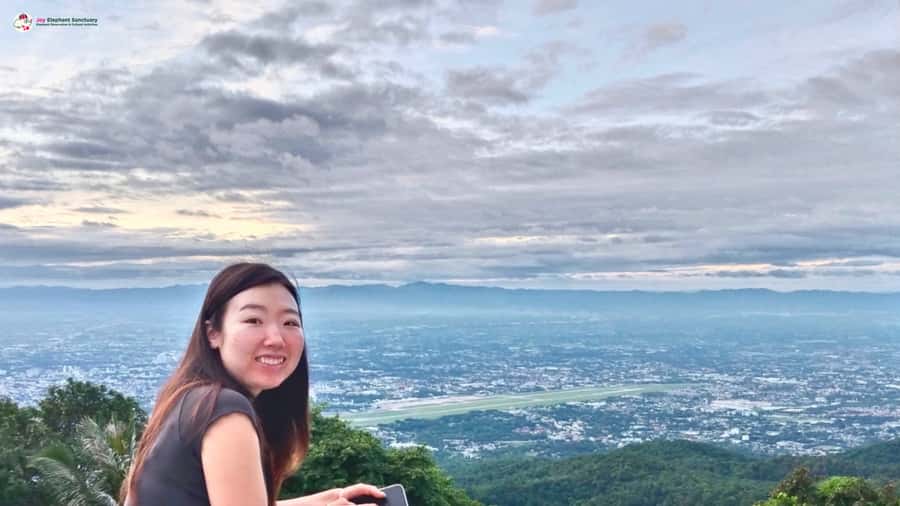
This is the star of the morning. Wat Phra That Doi Suthep rises above Chiang Mai, and you’ll spend about two hours there with a guide during the sunrise period. Expect a guided introduction that connects what you’re seeing to Buddhist practice, not just architecture.
A key moment is the alms offering set. You’ll take part in an alms-giving ceremony as part of the experience. For you, this is more than a photo moment. It gives context for why people come here early, why the atmosphere feels quiet, and how daily religious practice shapes temple life.
You’ll also get a guided look that helps you understand what you’re seeing. That matters because Doi Suthep can look like “just another temple” if you only have a quick glance. With a guide, you can connect your visit to what people believe and how they behave inside the sacred space.
Dress tip (practical, not preachy): keep your outfit within the rules. Shorts, short skirts, and sleeveless shirts aren’t allowed, so plan for light layers that still cover you properly. Sunrise can feel cool at first, then warm later, so bring something you can manage.
Breakfast and a guided walk among temple paths
After sunrise guidance, you’ll have breakfast at the temple area with regional food included (about 30 minutes). This is a smart slot in the schedule: you get energy before the morning turns more active. If you’re the type who dislikes eating too early, you’ll still be glad this is planned, because the day only gets longer.
Then you’ll continue with more temple time: a one-hour guided walk. This portion is about understanding the site at a slower pace, learning how to move through the grounds respectfully, and picking up details you’d miss if you just followed the main route.
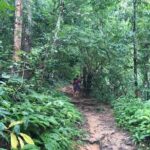
The drawback to note is simple: you’ll be walking on temple paths. Even if it’s not a strenuous hike, you’ll want shoes you can trust. Heat and stairs can also be factors at Doi Suthep, so wear footwear that grips well.
Mae Wang District: the shift from morning temple calm to jungle quiet
After the Doi Suthep portion, you’ll head by van for about one hour to the Mae Wang District area. This transfer is long enough to feel like a real change of scene, and that’s the point. The day stops being about city viewpoints and becomes about nature time.
Once you arrive, your program becomes more hands-on. You’ll get a guided segment of around 2.5 hours there, followed by lunch (about 30 minutes). It’s a clear structure: cultural morning, then a nature-focused afternoon with built-in breaks for meals and tea.
This is also where your expectations should reset. You’re not going to a theme park. You’re in a sanctuary environment where elephants are not there to perform for you. That’s good for the elephants and better for your experience, because it encourages calm viewing.

Karen cultural clothing and elephant learning time
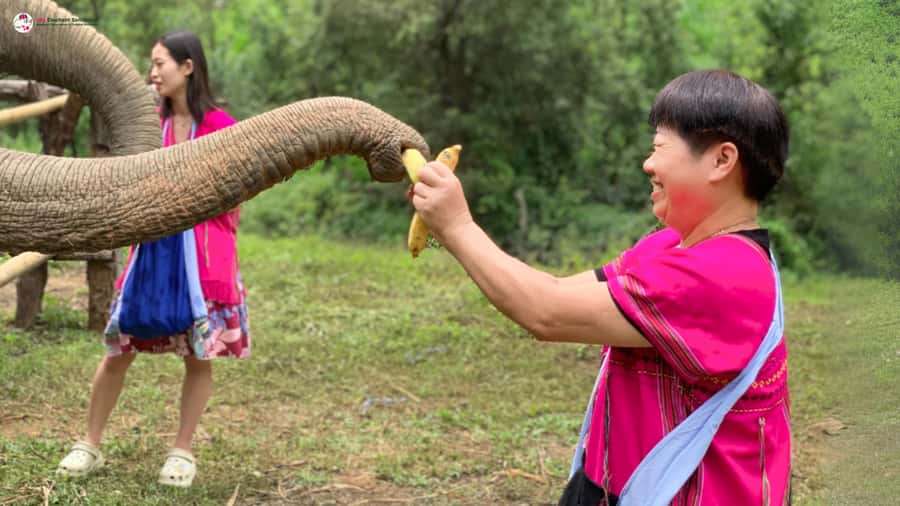
One of the most interesting parts of the sanctuary day is the Karen clothing segment. You’ll change into Karen-inspired clothing as part of the experience, and you’ll learn about the elephants from the Karen tribe perspective.
This is valuable because it connects elephant care to local knowledge and community roles, not only to “cute animal facts.” You get to step into the cultural framing that shapes how people understand elephants and their environment.
The practical side: expect a short clothing change, and plan to keep yourself comfortable. You’ll also want to have your insect repellent ready. The environment is natural and forest-adjacent, so bugs are a normal reality, especially if you run warm.
Feeding elephants the calm way at Joy Elephant Sanctuary
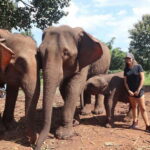
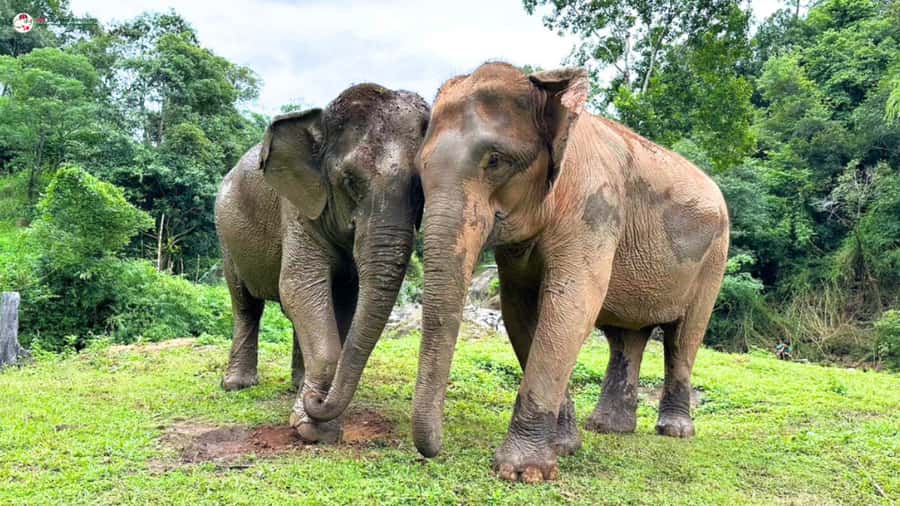
The elephant portion is the heart of the day, and Joy Elephant Sanctuary is structured around observation plus feeding. You’ll receive elephant food and snacks as part of the included experience, and you’ll be guided through food preparation and feeding.
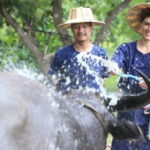
Here’s why this is meaningful for you: feeding elephants can easily turn into a staged performance at some places. In this program, the aim is “watch and learn while keeping everything steady.” One review highlighted that the sanctuary is serious about welfare and that you don’t do elephant bathing or high-stress interactions. That matches the overall structure you’ll feel on-site: you’re there to observe, not to force close contact.
You’ll also get chances to see elephants in your sight lines while they move naturally. It’s not just a single viewpoint. The day is arranged so you aren’t staring at the same spot the whole time.
What to remember: you’re likely to be close to wild animals, even in a sanctuary setting. Follow your guide’s instructions and keep your pace calm. If you rush, you’ll feel it in the environment.
Waterfall herbal tea break and the Thai souvenir workshop
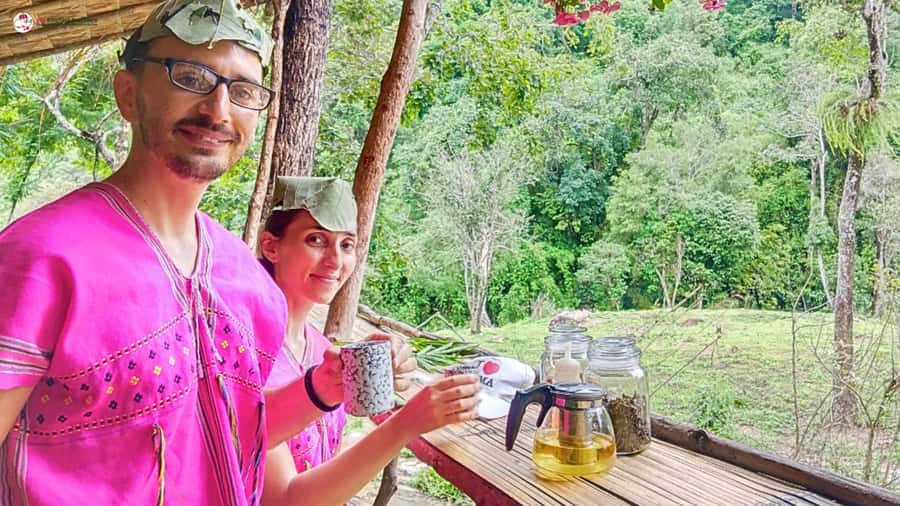
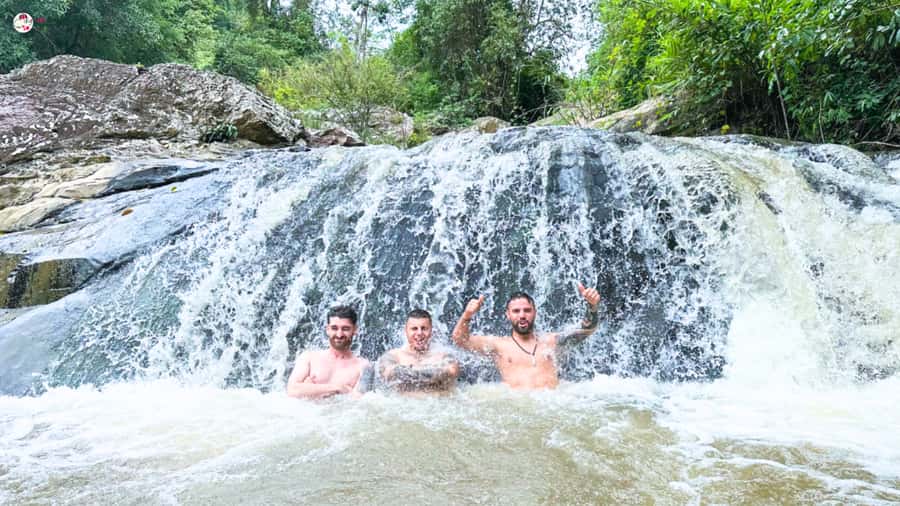
Mid-to-late in the sanctuary flow, you get a break with tea and a guided walk, plus a pause tied to a waterfall while you observe elephants nearby. This is the moment that turns the day from “activities” into “memories.” The waterfall stop adds sound and cool air to the experience, which helps you reset after feeding time.
You’re also given a workshop segment (about one hour) where you craft a Thai cultural handmade souvenir. This is a nice counterweight to the animal time: something you made with your hands, not something you bought quickly. It gives you a take-home reminder of the day’s theme—care, culture, and local practice.
Bring what they ask for because it makes sense on this schedule:
- Swimwear and a change of clothes: the waterfall stop makes this a practical suggestion
- Sandals: useful if the ground is damp, but still pair with comfortable footwear for walking
- Towel (included): you won’t need to pack one
Price and value: what $78 covers (and what it doesn’t)
At $78 per person for an 11-hour day, the price looks fair once you break down what’s included. You’re getting:
- Round-trip transfer from hotels within 5 km of Chiang Mai’s Old City
- An English-speaking tour guide
- Ticket for Doi Suthep
- Local meal plus lunch (regional food is included for breakfast too)
- Drinking water
- Elephant food and snacks
- Insurance
- Towel
- Alms offering set
That’s not just “a temple visit.” It’s transport, entry, guiding, meals, and a full sanctuary program with food-related participation. If you tried to piece these together yourself, the cost would likely rise once you add admission, a guide, and the practical transport logistics.
What isn’t included is also straightforward: accommodation and other personal expenses. So budget for snacks you might want between meals, plus anything you choose to buy during the souvenir time.
Bottom line: this feels like good value if you want both a meaningful temple morning and a serious elephant experience in one shot.
Who should book this tour (and who might skip it)
This works best if you:
- Want sunrise views and a guided cultural start, not just a daytime temple photo stop
- Care about ethical elephant tourism, especially programs that focus on observation and low-stress handling
- Like structured days where meals and key moments are built in
- Want a hands-on cultural souvenir workshop, not only sightseeing
It may not be the best fit if:
- You need wheelchair-accessible transport. The tour states it’s not suitable for wheelchair users.
- You hate early mornings or long days. This schedule is active, with multiple transitions and walking.
Should you book this tour? My call
If you’re choosing between a temple morning and an elephant day, I’d pick this combo. The reason is simple: Doi Suthep at sunrise gives you emotional payoff that most people only get on a late afternoon half-day. Then the sanctuary program gives you a chance to connect with elephants through observation and feeding in a way that’s meant to be calm and respectful.
Book it if you want one day that feels balanced—culture, nature, and a real Thai craft souvenir at the end. Skip it if you’re looking for a purely relaxed, couch-to-viewpoint day, because you’ll be moving and walking, and you’ll need to dress properly for the temple.
FAQ
How long is the Chiang Mai Elephant Sanctuary & Suthep Temple Sunrise tour?
It lasts about 11 hours.
Where is pickup included for this tour?
Pickup is included from accommodations within a 5 km radius of Chiang Mai’s Old City. Pickup starts from Mueang Chiang Mai District.
What kind of transportation is used during the day?
You ride in a 12-seater air-conditioned van, then switch to a roofed 4×4 truck for the last 10 minutes to reach the sanctuary.
Is the Doi Suthep temple ticket included?
Yes. The ticket for Doi Suthep is included.
What elephant-related activities are included?
You’ll get elephant’s food and snacks, and you’ll have time for feeding and observation as part of the sanctuary program.
Are meals included?
Yes. Local/regional breakfast and lunch are included, along with a complimentary local meal.
Do I need to bring towels or water?
Drinking water and a towel are included.
What should I bring for the tour?
Bring comfortable shoes, swimwear, a change of clothes, sandals, sunscreen, and insect repellent.
Is the tour suitable for wheelchair users?
No, it is not suitable for wheelchair users.
What’s the clothing rule for temples?
Shorts, short skirts, and sleeveless shirts are not allowed.
Is free cancellation available?
Yes. You can cancel up to 24 hours in advance for a full refund.