REVIEW · CHIANG MAI
Chiang Mai: Doi Suthep, Wat Pha Lat and Michelin Food Tour
Book on GetYourGuide →Operated by KO TRIP CNX · Bookable on GetYourGuide
Temples and Michelin food, all in one evening. You start with a peaceful Wat Pha Lat forest escape, then head up to Doi Suthep for hilltop views, finishing with Michelin Bib Gourmand street dishes in Chiang Mai. It’s a smart mix of culture and food, timed so you get both the spiritual sites and the flavors without burning your whole day.
I especially like that the pace is relaxed, with time for questions and photo stops, and the guide does the work of connecting dots for you. I also like that the food portion is built around named Michelin Bib Gourmand picks, not random guessing at stalls. Guides such as Nat are often singled out for attentive guidance and clear English, which makes the whole experience easier and more fun.
One thing to consider: this is still a temple and market outing, so you’ll be walking on uneven ground and spending time in a forest area. Bring insect repellent and wear comfy shoes. Also, it’s not suitable for wheelchair users or for people with food allergies, and it’s listed as not for pregnant women or kids under 2.
In This Review
- Key highlights you’ll feel right away
- A practical temple-and-food plan for Chiang Mai (4 hours, start-to-finish)
- Wat Pha Lat: the forest temple stop that slows your brain down
- Doi Suthep’s illuminated hilltop: golden pagoda + big views
- Warorot Market: where the Michelin street food makes sense
- Lunch option: Hakka-style pink noodles + rice skin dumplings
- Dinner option: Khao Soi + Teochew-style yam paste
- The food isn’t just eating; it’s a cultural translator
- Guide quality: why Nat-style attention changes the whole tour
- Price and value: is $75 worth it?
- What to bring (and what to do) so the day feels easy
- Who this tour fits (and who should choose something else)
- Should you book this Chiang Mai Doi Suthep and Michelin food tour?
- FAQ
- How long is the Chiang Mai tour?
- What stops are included in the experience?
- What Michelin Bib Gourmand dishes are included?
- Is hotel pickup and drop-off included?
- What’s the English-language guide like?
- What should I bring?
- Is the tour suitable for wheelchair users or people with mobility impairments?
Key highlights you’ll feel right away
- Golden pagoda views at Doi Suthep with illuminated temple lights and a big sky-and-city moment
- Wat Pha Lat’s forest calm, with Buddhist halls, statues, and waterfall scenery
- Michelin Bib Gourmand street food, tied to specific classic dishes and local ingredient stories
- Warorot Market stroll time, guided so you know what you’re eating and why it matters
- An easy-paced guided format, with time set aside so you don’t feel rushed
- Stops that balance temple photography and food in just about four hours
A practical temple-and-food plan for Chiang Mai (4 hours, start-to-finish)
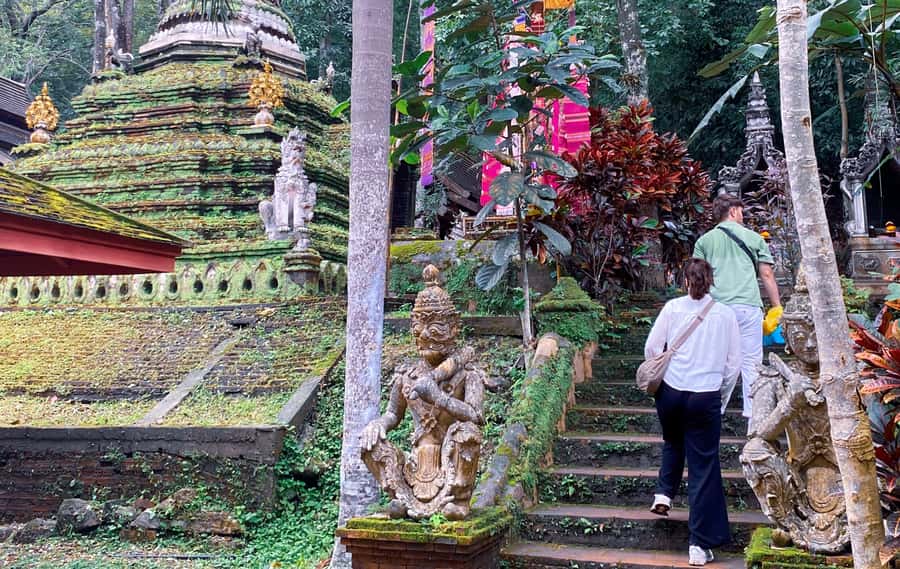
This tour is built for the “I want the highlights, but I also want good food” crowd. You’re not cramming in ten temples or chasing a half-day line of bus tours. Instead, you get two major temple experiences plus a market stop, all wrapped around Michelin Bib Gourmand street dishes.
Timing matters here. Doi Suthep is presented with its illuminated look, so you’re getting that nighttime-glow feeling along with the views. Then the food portion lands you at Warorot Market, where Chiang Mai street food is the main event, not background noise.
You’ll ride between stops, and the guide handles the flow. That’s a big deal if your Thai is limited (and it probably is). You can spend your energy on looking, listening, and eating, not on figuring out what to do next.
You can also read our reviews of more food & drink experiences in Chiang Mai
Wat Pha Lat: the forest temple stop that slows your brain down
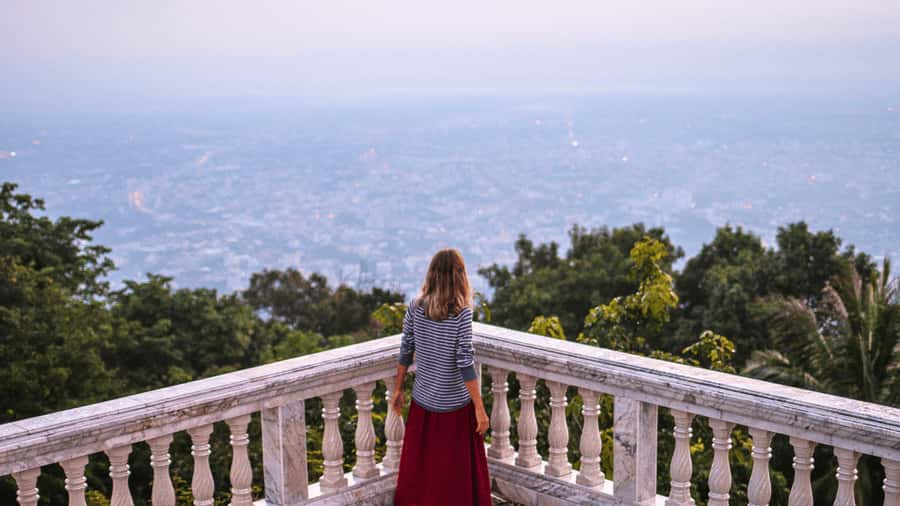
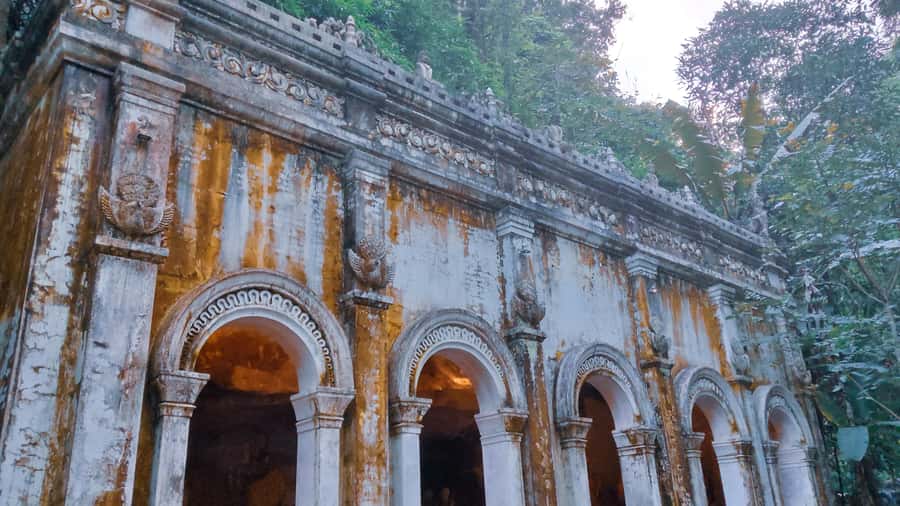
Wat Pha Lat is the quieter, calmer start. You’re heading to the “hidden temple” vibe, where the atmosphere is meant to feel like a retreat rather than a checklist stop.
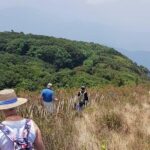
What makes this stop worth your time is the setting and the variety inside the grounds. You’ll see Buddhist halls and statues, and the area includes waterfall scenery. The guide gives context while you walk, and you get a short window of free time to take photos and absorb the place at your own speed.
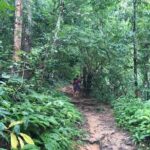
The main practical point: this is a forested area. That means insects can be an issue, and paths may feel damp or uneven. Bring insect repellent and expect to do some real walking. If you’re sensitive to bugs or hate sticky ground, pack repellent like it’s sunscreen.
Good shoes solve most problems here. A lightweight jacket can also help, because the tour info notes it can be useful in winter and rainy season.
Doi Suthep’s illuminated hilltop: golden pagoda + big views
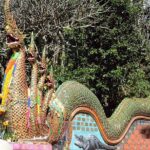
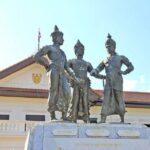
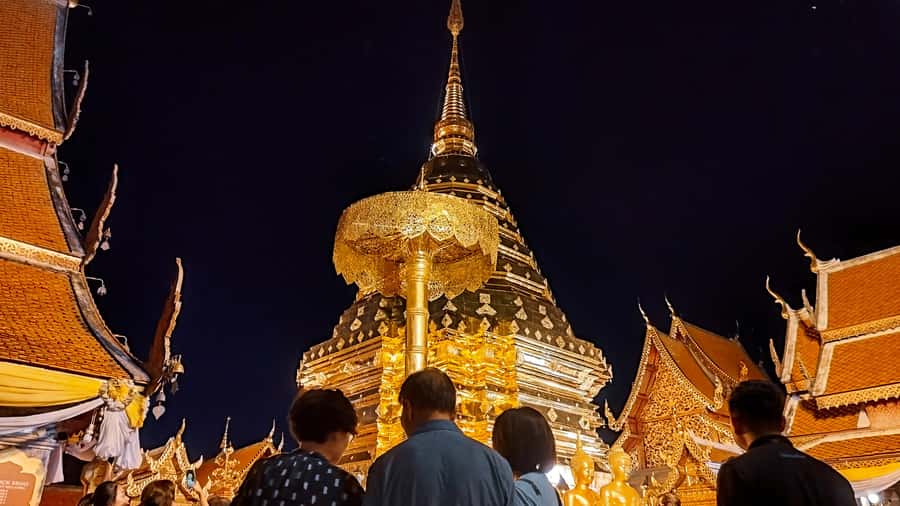
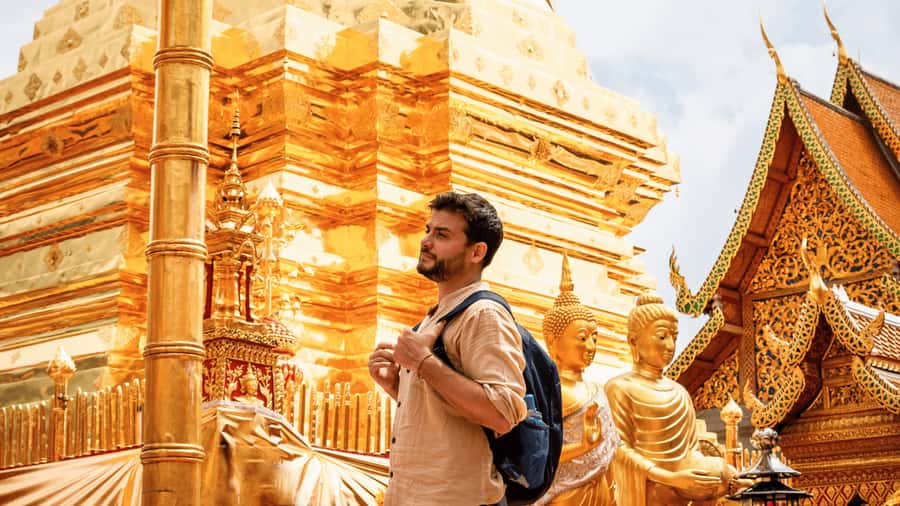
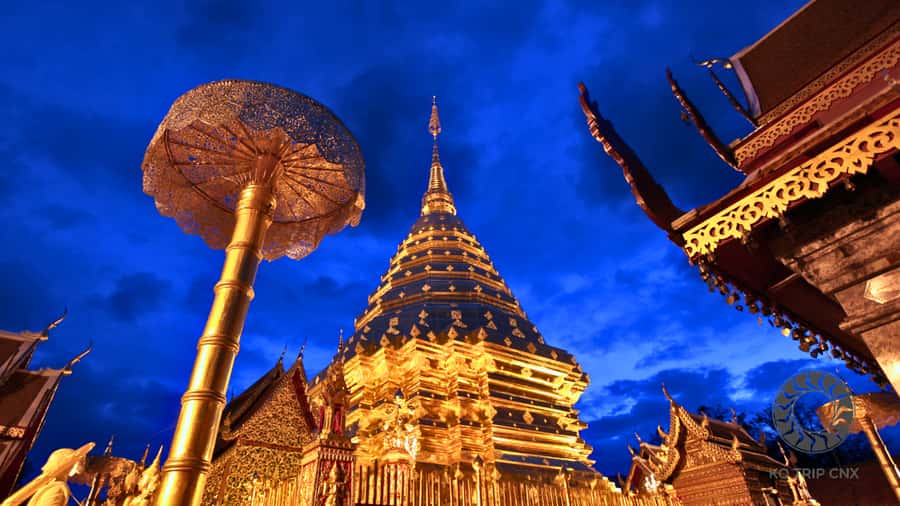
Next comes the famous one: Wat Phra That Doi Suthep. This is the temple people come to for the golden pagoda and the view, and it’s also framed as the most-sacred experience on this route.
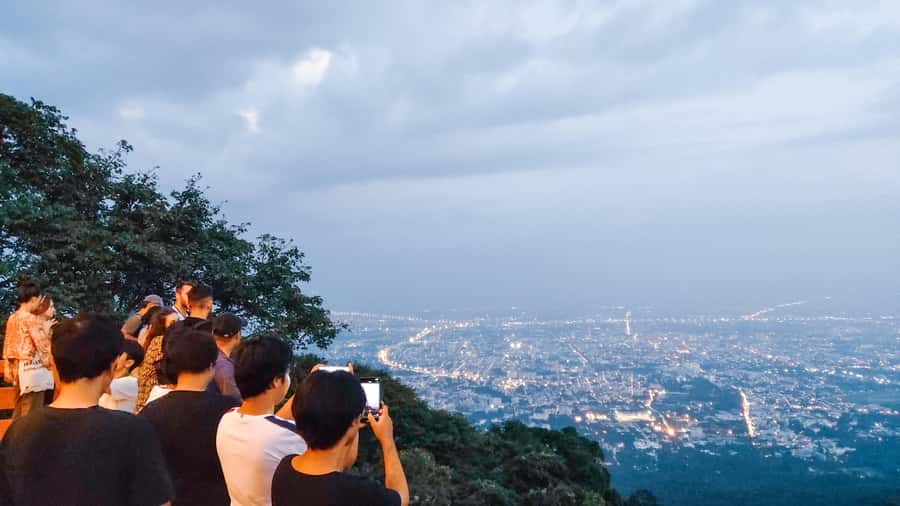
The highlight is the combination of temple atmosphere and panorama. You’re guided through what you’re seeing, then you get time to look around on your own. The temple is described as illuminated, with night lights giving it a mystical glow. Even if you’re not the type who loves temples, the lighting plus the hilltop perspective is the kind of visual that makes the stop feel special.
If you care about photos, this is a good place to use your camera. Bring it out early, because lighting can change quickly and you’ll want at least a couple of angles: one for the pagoda, one for the view below, and one that includes the mood of the stairs and terraces.
One more reality check: Doi Suthep can feel like a “climb with views” situation. You’re on uneven stone and stairs. If you have mobility limits, this tour is listed as not suitable for wheelchair users or people with mobility impairments, so don’t plan to tough it out.
Warorot Market: where the Michelin street food makes sense
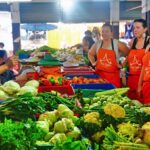
After the temple stops, the tour switches gears to food in a real local setting. Warorot Market is a classic Chiang Mai hub, and the experience is guided so you’re not just wandering hungry and hoping for the best.
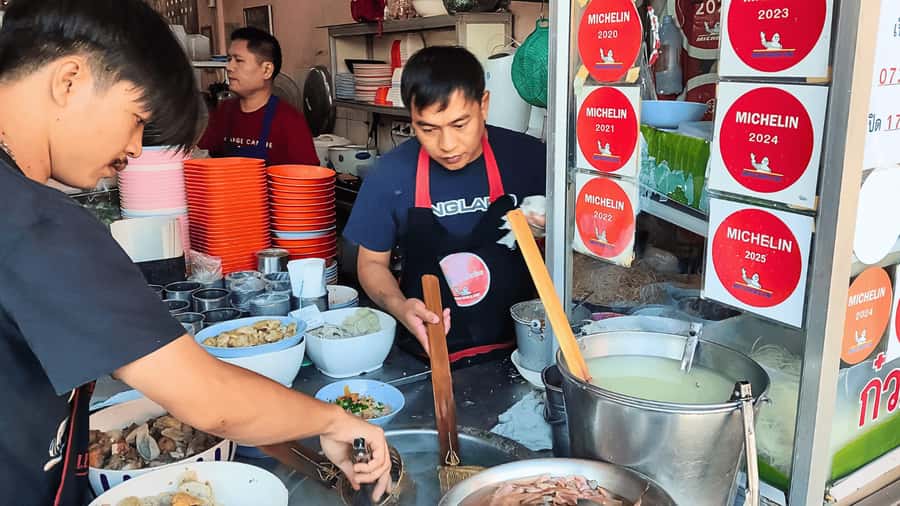
This is also where the Michelin Bib Gourmand story gets concrete. You’re served selected dishes that are tied to specific local classics, so the food has a name, a source, and a reason. That turns street food from random snacks into a mini food history lesson.
Here’s what you should expect based on the meal option:
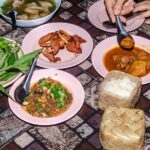
Lunch option: Hakka-style pink noodles + rice skin dumplings
- Hakka-style noodle known as Yen Ta Fo (from Thana Ocha)
- Steamed rice skin dumplings called Khao Kriab Pak Moh (with the recipe credited to Lung Khajohn Wat Ket)
A few more Chiang Mai tours and experiences worth a look
Dinner option: Khao Soi + Teochew-style yam paste
- Khao Soi (connected to Kanomjeen Sanpakoi)
- Teochew Yam Paste, also known as Orh Nee, credited to Jia Tong Heng
One detail I like: the Michelin Bib Gourmand dishes are described as selected by a local expert, so you’re not left holding a menu you can’t read. You still get choices based on lunch vs dinner timing, but you won’t need to decode every stall.
Also note the Michelin highlight mentioned for Yen Ta Fo: it’s described as a dish with Bib Gourmand recognition across multiple years. That’s useful context because it signals consistency, not one-off hype.
The food isn’t just eating; it’s a cultural translator
Street food tours can fall into two traps: either you get a menu tour with no meaning, or you get a food lecture with zero payoff. This experience tries to do both: eat well, then understand what you’re tasting.
The guide’s job is to connect the dishes to their culinary roots. You’ll get story-driven context while you’re on the move, not a long slideshow. That’s how it stays fun instead of turning into homework.
You’ll likely hear why certain flavors and textures show up in Chiang Mai cuisine, and why these particular dishes represent classic regional styles. For example, the Yen Ta Fo angle is Hakka-style, and the yam paste dish is tied to Teochew roots. That kind of background helps you notice differences instead of just judging food by salt level and spice.
And yes, spice levels matter. The tour doesn’t mention a specific heat adjustment policy, so if you’re sensitive, say something at the start. The dish list is fixed (Michelin selections), but your tolerance can still guide how you eat.
Guide quality: why Nat-style attention changes the whole tour
A huge part of value here is the guide. You’re paying for someone to manage the transitions and explain what you’re seeing and eating, and the reviews highlight that the guide experience can be excellent.
One name that comes up is Nat. The common thread in his description is that he’s attentive, speaks clear English, and encourages questions without rushing you. That’s exactly what you want on a short tour. When you only have about four hours, you don’t want to feel like you’re being herded.
The other practical benefit: an expert guide helps you know what matters at each stop. At temples, that can be the difference between photographing random corners and understanding why certain structures and symbols are meaningful. At markets, it helps you trust the choice and enjoy the dish instead of worrying you ordered the wrong thing.
Price and value: is $75 worth it?
Let’s talk money in plain terms. At $75 per person for about four hours, you’re paying for transportation between major stops, entry fees for Wat Pha Lat and Doi Suthep, a guided English experience, and the Michelin Bib Gourmand servings. You also get a bottle of water and accident insurance.
On a value level, the big reason this can be worth it is that you’re not separately buying:
- temple entry fees
- a guide’s time
- the Michelin-selected street dishes (with meal option dishes clearly listed)
If you were doing this solo, you’d still spend time and cash on getting to each place, figuring out what to eat for the evening, and paying for entry tickets one by one. Here, those pieces are bundled and structured into a tight route.
Could it be pricey if you’re picky or you skip the food option? Sure. But the tour is designed around the full package: culture + guided context + specific Michelin street foods. If you’re here for that combination, the pricing matches the workload you’d otherwise have to manage yourself.
What to bring (and what to do) so the day feels easy
Here’s your simple packing checklist based on the tour guidance:
- Comfortable shoes (temples and uneven surfaces are part of the deal)
- Camera (there are multiple photo moments, including the illuminated temple view)
- Water (you get a bottle, but you’ll still want to stay hydrated)
- Insect repellent (especially for the forest stop at Wat Pha Lat)
- A lightweight jacket if you’re going in winter or rainy season
Then, do these small things:
- Start with repellent before you get into the forest area.
- Bring your camera early at Doi Suthep, when the lights and views are at their best.
- If you have food allergies, this tour is listed as not suitable, so don’t try to “make it work.”
- If you’re sensitive to walking, decide early if the temple steps are your comfort zone. This is not a wheelchair-friendly plan.
Who this tour fits (and who should choose something else)
This tour fits best if you want a guided “greatest hits” route without losing time. It’s especially good for people who:
- want Doi Suthep and Wat Pha Lat in one outing
- care about street food but want it explained and guided
- prefer a calm pace over a rushed group shuffle
It’s listed as not suitable for:
- children under 2
- pregnant women
- people with mobility impairments, wheelchair users
- people with altitude sickness
- people with food allergies
If you fall into any of those categories, you’ll likely be better off choosing a different itinerary that matches your needs.
Also, pets are not allowed, so plan accordingly if you’re traveling with animals.
Should you book this Chiang Mai Doi Suthep and Michelin food tour?
If you’re doing a first-time Chiang Mai visit and you want a high-quality mix of temples plus named Michelin Bib Gourmand street dishes, I think this is a smart booking. The structure is tight, the food is tied to specific classic dishes and local ingredient stories, and the guide-led explanations can turn “I ate street food” into “I understood what I ate.”
I’d hesitate only if you don’t want to walk on temple grounds, you’re worried about insects in a forest setting, or you have food allergies. For everyone else, it’s a solid value way to see the spiritual side of Chiang Mai and the eating side in one clean package.
FAQ
How long is the Chiang Mai tour?
The tour duration is 4 hours.
What stops are included in the experience?
It includes Wat Pha Lat, Wat Phra That Doi Suthep, and Warorot Market, plus the Michelin Bib Gourmand street food experience.
What Michelin Bib Gourmand dishes are included?
The included dishes depend on whether you choose the lunch or dinner option. Lunch includes Hakka-style Yen Ta Fo and steamed rice skin dumplings (Khao Kriab Pak Moh). Dinner includes Khao Soi and Teochew Yam Paste (Orh Nee).
Is hotel pickup and drop-off included?
Hotel pickup and drop-off are available within 5 km from Thapae Gate of Chiang Mai old city, if you choose the private tour option. For small group options, pickup/drop-off is at a meeting point.
What’s the English-language guide like?
The tour includes a live English-speaking expert local guide.
What should I bring?
Bring comfortable shoes, a camera, water, and insect repellent. The tour also notes a lightweight jacket or jumper may be useful in winter and rainy season.
Is the tour suitable for wheelchair users or people with mobility impairments?
No. The tour is listed as not suitable for people with mobility impairments and wheelchair users.