REVIEW · CHIANG MAI
Chiang Mai: Doi Suthep and Hmong Village Half-Day Tour
Book on GetYourGuide →Operated by Oh-Hoo · Bookable on GetYourGuide
A morning drive with big views. This half-day Chiang Mai tour pairs Wat Phra That Doi Suthep (dating to 1383) with a hands-on look at Hmong village life, all without losing the whole day to traffic. I love how the schedule hits two very different sides of northern Thailand—temple legend up on the mountain, and living culture down closer to the village.
The second thing I like is the comfort factor: hotel pickup, an air-conditioned van, and a guide who gives you context so the sights feel connected, not random stops. One possible drawback: Doi Suthep can get busy, and the route is tightly timed—so if you want extra long photo breaks at every viewpoint, you may feel slightly rushed.
In This Review
- Key highlights at a glance
- Wat Phra That Doi Suthep: temples, legends, and skyline views
- The drive up: seeing Chiang Mai from the road
- Hmong village visit: culture you can actually see and ask about
- A possible extra at the village (waterfall and coffee)
- A good way to handle this stop respectfully
- What the 4-hour plan really feels like
- Comfort and logistics that make a difference
- Skip the ticket line
- Price and value: does $28 make sense?
- Small considerations that affect your experience
- Temple crowds are normal
- Bring modest attire
- Expect a fixed return time
- Hmong village time is walking time
- Should you book this Chiang Mai Doi Suthep and Hmong village tour?
- FAQ
- How long is the Doi Suthep and Hmong Village half-day tour?
- What time does the pickup happen?
- Where do you get picked up?
- How long do you spend at Wat Phra That Doi Suthep and at the Hmong village?
- Is there a ticket line to deal with?
- How do you reach the top of Doi Suthep: stairs or tram?
- What does the tour include in the price?
- What language is the guide?
- What should I bring for the tour?
- Is the tour suitable for pregnancy or mobility issues?
Key highlights at a glance
- Wat Phra That Doi Suthep (since 1383): temple legends tied to white elephants and sacred relics
- Views over Chiang Mai skyline: you get the mountain perspective without needing to organize transport
- 306 steps vs tram choice: pick your pace going up
- Hmong village visit: learn about everyday traditions and local craft ways
- Small-chunk timing: 4 hours means you can still plan the rest of your day
Wat Phra That Doi Suthep: temples, legends, and skyline views
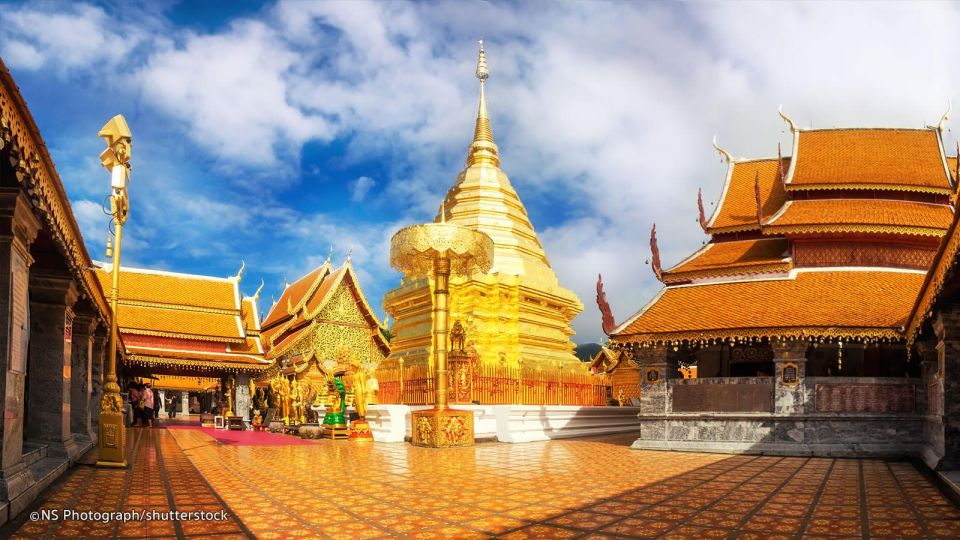
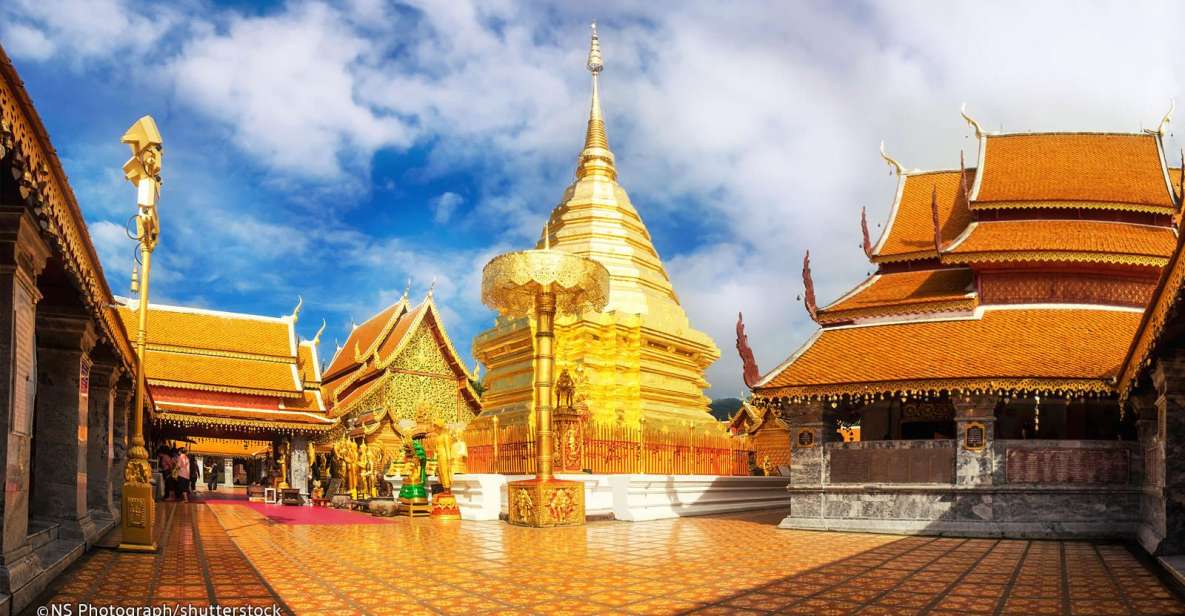
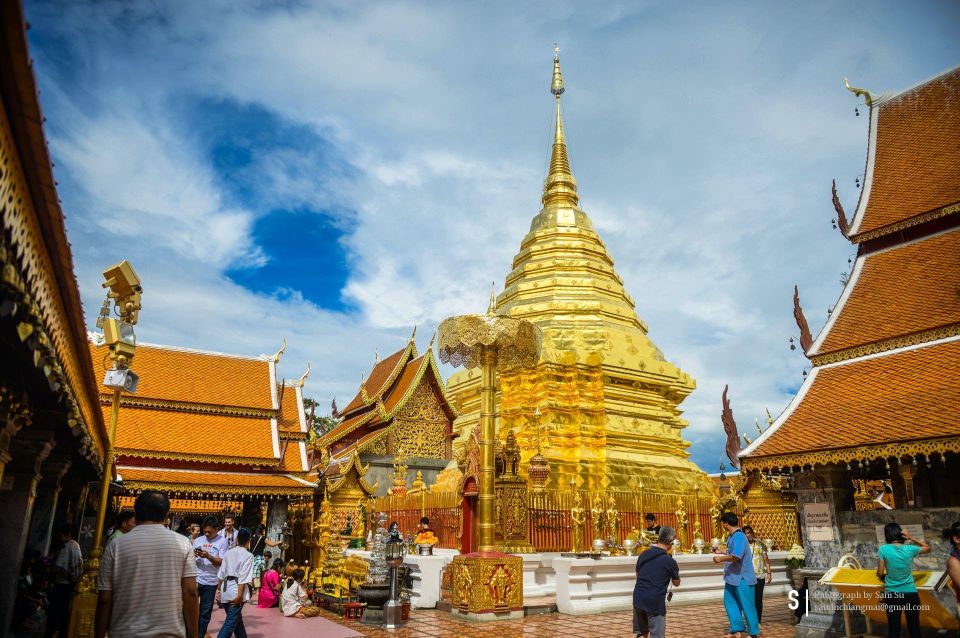
Wat Phra That Doi Suthep is the kind of place you understand fast. You see the temple area and you immediately get why people treat it as special. It sits on a mountain, and the payoff is the feeling that you’re high above Chiang Mai rather than just in it.
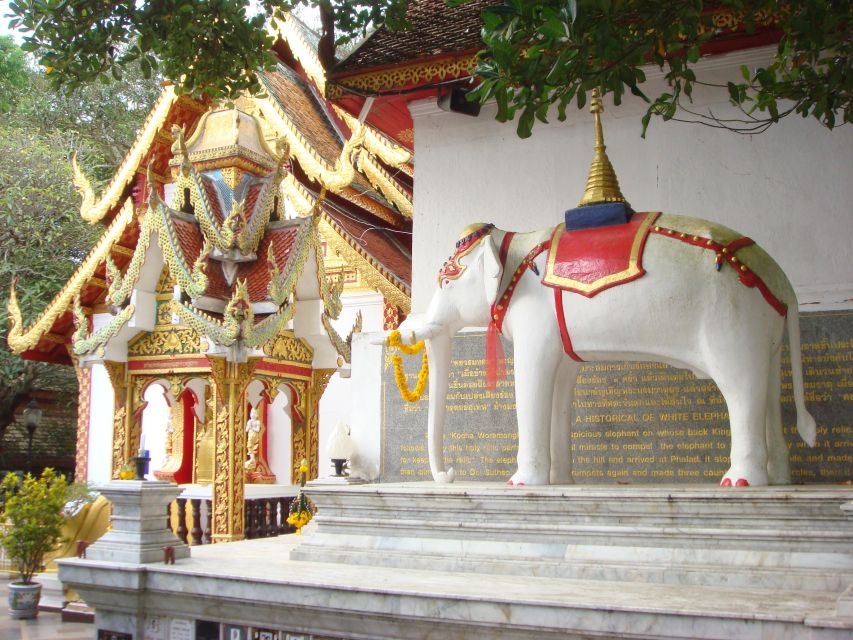
What makes this stop more than a quick photo stop is the story layer your guide adds. You’ll hear about the temple’s age—built in 1383—and the legends that circle it. Two of the most repeated themes are the white elephant connection and the idea that sacred Buddha relics are linked to the site. Even if you’ve visited temples before, this legend-style background tends to change how you look at the pagoda and the stairways: you’re not just looking at architecture, you’re following a cultural narrative people still talk about today.
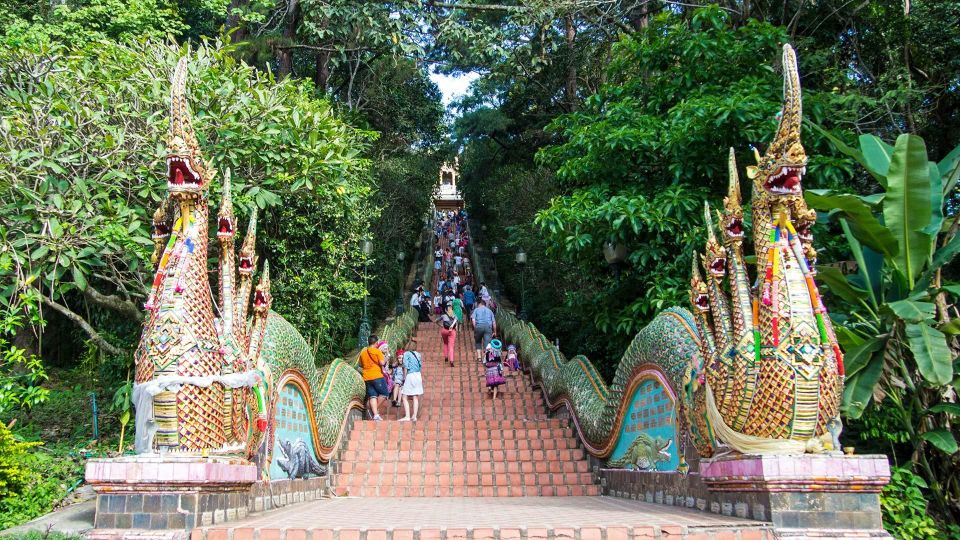
You’ll also have a very practical choice for getting to the top: you can take the symbolic 306-step ascent or use the tram for convenience. If your legs want an easier morning, the tram option is the way to keep the day comfortable. If you want the full temple approach (and don’t mind crowds on the stairs), walking up can feel like part of the ritual.
My advice: if you’re choosing stairs, wear shoes you can trust on uneven stone. If you’re choosing the tram, use the trip to get your bearings before you start climbing into the main viewing areas.
One more real-world note: this temple is popular. You should plan for other people around the main areas, especially if you’re aiming for that perfect view shot. That’s normal here, but it’s still something to keep in mind so you don’t feel disappointed when the space feels shared.
A few more Chiang Mai tours and experiences worth a look


The drive up: seeing Chiang Mai from the road
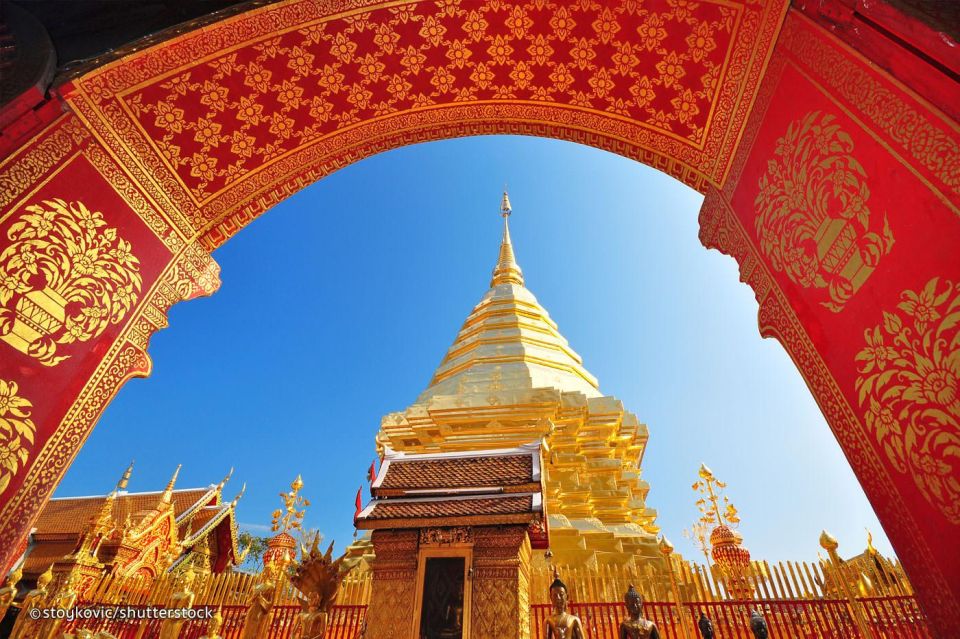
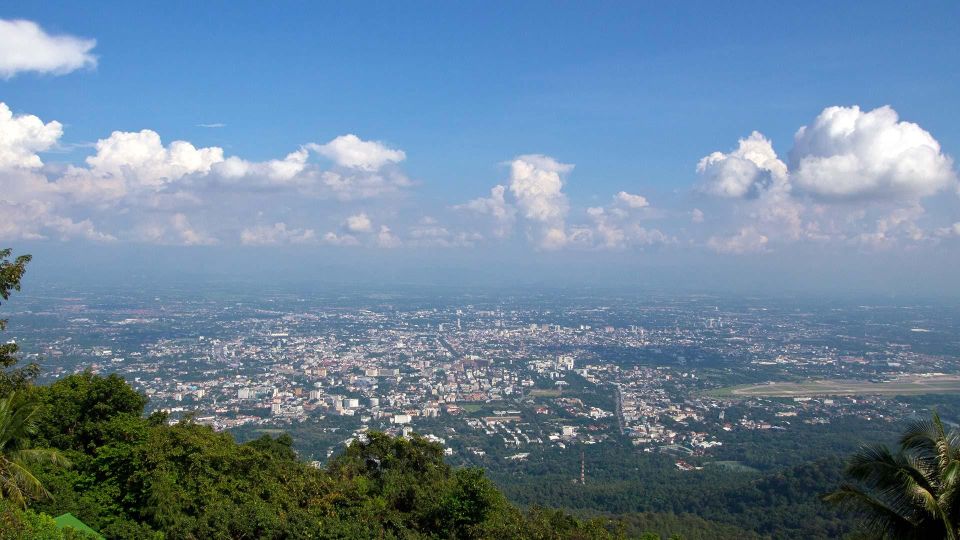
The tour includes a van ride up Doi Suthep mountain, and that matters more than it sounds. The mountain approach is when you start to sense how the elevation changes everything—the air feels different, the temperature can drop a little, and the city starts turning from “streets” into “pattern.”
On a half-day schedule, this kind of scenic movement helps you feel like the temple stop isn’t isolated. Instead, it becomes part of a bigger journey with a clear beginning, a middle, and an end.
If you’re the type who likes to understand a place visually (not just by reading history facts), you’ll probably enjoy this part. Even a short ride can help you connect where you were in the city to where you are on the hill.
Hmong village visit: culture you can actually see and ask about
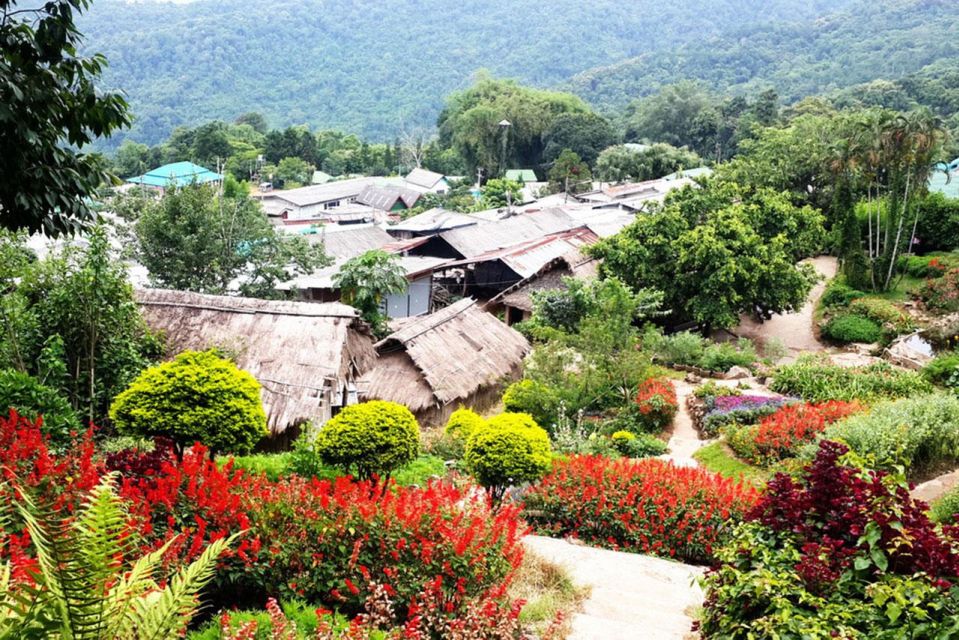
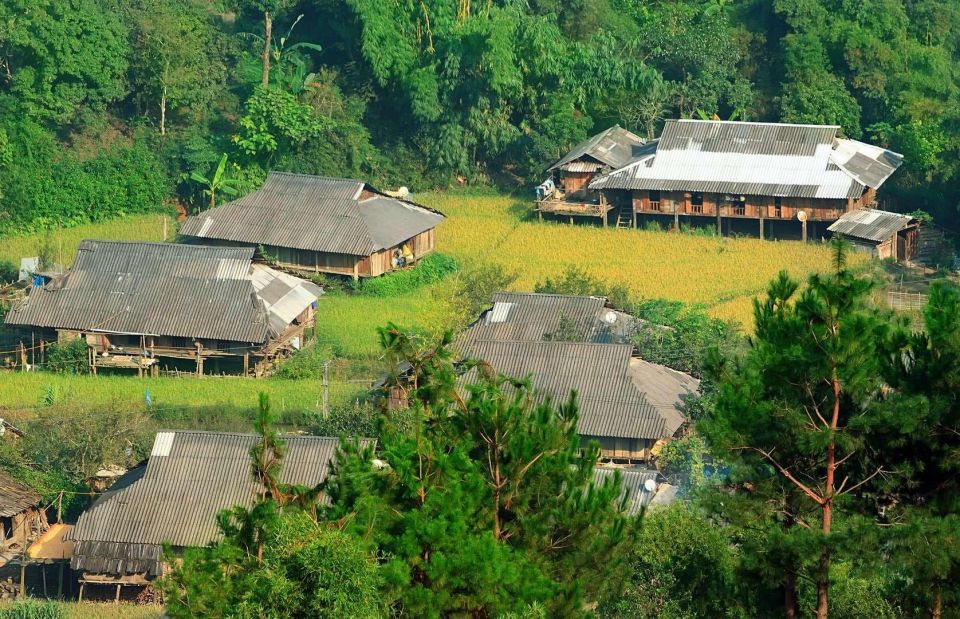
The Hmong village stop is where the tour shifts from temple legend to daily life. Here, you’re not watching a performance from a distance—you’re walking through a living community and picking up details through your guide’s explanations.
What I like about this visit is that it’s designed to be interactive in the everyday sense: you get time to walk around, look closely at how things are done, and ask questions through your guide. You’re also not expected to “know the background” in advance. The tour gives you enough context so you can make sense of what you’re seeing without turning the visit into a confusing museum experience.
The Hmong people have distinctive patterns in clothing, crafts, and household life. During your visit, you’ll be able to notice those differences and learn what they mean in local terms. That’s where the visit tends to become memorable: it’s not one big attraction, it’s lots of small observations that add up.
A possible extra at the village (waterfall and coffee)
One review highlight notes that while you’re at the village, you may have options like visiting a waterfall (with a small fee) and trying coffee produced there. If those are available during your visit day, it’s a nice bonus because it adds nature time without forcing you to scramble for it on your own later.
A good way to handle this stop respectfully
If you want the most from the Hmong village portion, keep these in mind:
- Be ready for walking and small uneven paths.
- Ask before taking close photos of people.
- Dress modestly, especially since this is still part of a culture-and-temple day.
Also note a timing reality: it’s still a half-day tour, so you won’t have hours and hours. You’ll want to decide quickly what you want to focus on—craft areas, clothing details, or general village life.





What the 4-hour plan really feels like
This is a 4-hour tour with hotel pickup and a morning flow. You’ll be picked up in the 8:00–8:30 am window (the operator confirms the exact time by email). From there, the day is built like this:
- Van ride up (around 30 minutes)
- Temple time (about 2 hours)
- Village time (about 2 hours)
- Van back (around 30 minutes)
- Return to your hotel around 1:00–1:30 pm, depending on traffic and location
That timing is the biggest value point for many people: you get a major temple experience plus a culture visit without sacrificing your afternoon. In Chiang Mai, afternoons are where you’ll want options—markets, massage, Thai cooking classes, or another short tour—so the half-day format helps you keep flexibility.
Where this plan can feel tight is if you prefer long, slow sightseeing. Temple crowds plus your choice between tram and stairs can shift how quickly you move, and the tour is still working against a set schedule.
Comfort and logistics that make a difference
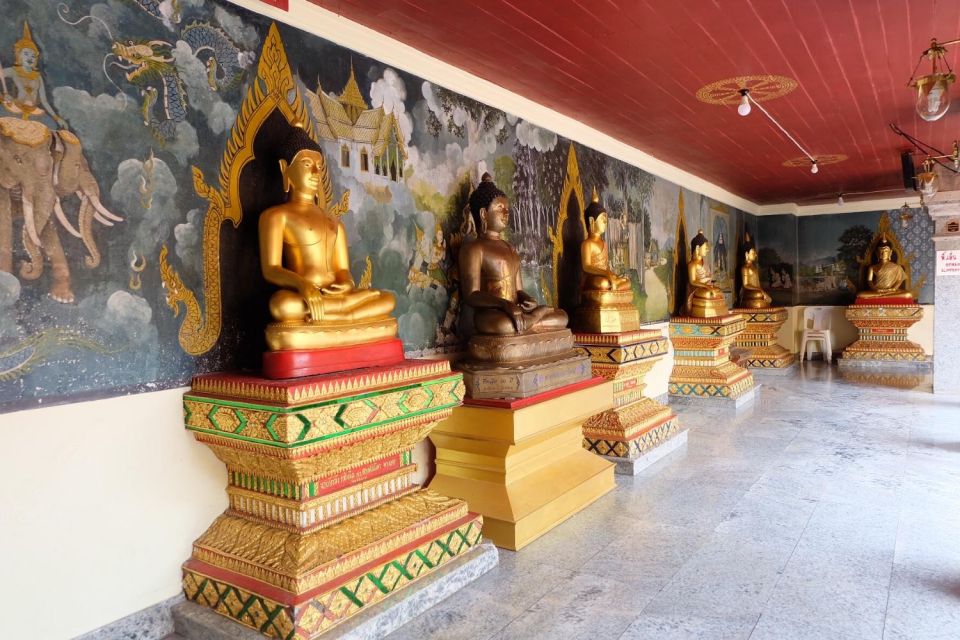
On paper, it’s “transport and a guide.” In real life, it changes your day. The tour includes:
- Air-conditioned transportation from Chiang Mai Old Town and Nimman area hotels
- A tour guide speaking Thai and English
- Admission fees included
- Life insurance included
That’s not just convenience. It’s also value. When you add up the cost of getting yourself to Doi Suthep, paying entry fees, and figuring out what to see (and how to do it in one morning), paying a single per-person rate can feel sensible—especially when the route is designed so you don’t waste time.
Skip the ticket line
The tour also notes a skip-the-ticket-line option. Lines happen at popular attractions, and in hot weather, time spent standing in line is time you don’t get back. Even if the line isn’t terrible when you arrive, having that built in helps you stay on pace.
Price and value: does $28 make sense?
For $28 per person (half-day, with A/C pickup, guide, admission, and insurance), the value depends on what you’d otherwise do.
If you’re staying in Old Town or Nimman and you don’t want to:
- negotiate rides up a mountain,
- sort out admission on your own,
- and piece together temple + village in one outing,
…then this price is pretty fair. You’re basically buying a guided plan with transport, so your “decision-making time” disappears.
If, however, you’re the type who already has a way to get to Doi Suthep and prefers independent wandering, you might find it cheaper to go solo. But you’d likely spend more time figuring out the culture context at the village stop. For many visitors, that context is exactly what they’re paying for.
Small considerations that affect your experience
Here are a few things worth planning for so your morning stays smooth.
Temple crowds are normal
Doi Suthep is famous. That means you’ll share the main areas with other people. If you want calmer moments, give yourself time and don’t judge the whole place based on the busiest stretch.
Bring modest attire
Temple rules matter here. You’ll want clothing that looks respectful and covers in the way temples expect. This is one of those “easy to fix before you go” details.
Expect a fixed return time
You’ll get back around 1:00–1:30 pm. That’s great for an early afternoon start elsewhere, but it does mean you shouldn’t plan an appointment that leaves no wiggle room.
Hmong village time is walking time
It includes sightseeing and walking. Your pace matters. If you’re slow-moving, still you’ll be fine—you just want to communicate your comfort level to your guide if needed.
Should you book this Chiang Mai Doi Suthep and Hmong village tour?
I’d book it if you want the best of Chiang Mai’s “old temple + local culture” mood in one half-day. It’s especially good for:
- First-timers who want structure without losing freedom for the afternoon
- People who like getting context from a live guide
- Anyone who prefers air-conditioned transportation and a plan that’s timed sensibly
I’d think twice if:
- You hate crowds and want long, quiet temple time
- You’re hoping for lots of extra viewpoint stops beyond the set flow
- You need a very accessible route (the info you were given is mixed about pregnancy and mobility suitability, so you should confirm with the operator directly)
If you can do a modest amount of walking and you’re okay with a busy temple morning, this tour is a solid, practical way to experience two sides of Chiang Mai fast—legend up on the mountain and living culture in the village.
FAQ
How long is the Doi Suthep and Hmong Village half-day tour?
The duration is about 4 hours.
What time does the pickup happen?
Pickup starts between 8:00 am and 8:30 am. The exact time is confirmed by email.
Where do you get picked up?
Pickup is available for hotels within Chiang Mai Old Town and Nimman areas.
How long do you spend at Wat Phra That Doi Suthep and at the Hmong village?
You’ll spend about 2 hours at Wat Phra That Doi Suthep and about 2 hours at the Hmong village.
Is there a ticket line to deal with?
The tour includes a skip-the-ticket-line benefit.
How do you reach the top of Doi Suthep: stairs or tram?
You can choose either a 306-step ascent or the convenience of a tram ride.
What does the tour include in the price?
It includes air-conditioned transportation, a tour guide, life insurance, and admission fees.
What language is the guide?
The guide speaks Thai and English.
What should I bring for the tour?
Bring a passport or an ID card (a copy is accepted).
Is the tour suitable for pregnancy or mobility issues?
The information provided is inconsistent: one section says pregnant women and persons with disabilities can join, while another section lists pregnant women and people with mobility impairments as not suitable. Check with the operator before booking to confirm for your situation.