REVIEW · CHIANG MAI
No.1 Chiang Mai: Stand Up Paddle Board through Mae Taeng Forest
Book on Viator →Operated by Chiang Mai Mountain Biking & Kayaks · Bookable on Viator
SUP on a jungle river is surprisingly easy. I love the calm Mae Ping River feel, with gentle water that helps you get your balance fast, plus real chances to spot birds and other wildlife along the way. I also like that the trip builds in beginner-friendly coaching right from the shop, with the option to switch to a kayak if you want the easiest route.
The one thing to watch is timing: the included lunch at the mango plantation can run late (so pack a small snack and plan for a slower finish than you might expect).
Key things I’d plan around
- Small-group pacing: capped at 5 travelers, with hotel pickup and drop-off for a smooth start.
- Real instruction, not just gear: you get a safety briefing and paddling tips before you hit the water.
- Beginner-friendly conditions: Class 1 currents and calm river sections make this a good first SUP.
- Flexible experience: kayak is available if you’d rather conserve energy or skip balance work.
- Lunch is included, but not always early: it’s at a Mango Plantation restaurant, and it can come later than you expect.
In This Review
- From Chiang Mai to the Mae Ping: what this half-day really feels like
- Pickup, timing, and what you’ll need before you even touch a board
- The shop briefing: how beginners get comfortable fast
- Launching on the Mae Ping River: calm water with real jungle surroundings
- Wildlife spotting and navigating Class 1 currents without stress
- Guide coaching that improves your balance (and your patience)
- Lunch at the Mango Plantation: included fuel, just plan around the timing
- SUP or kayak: which one should you pick?
- Who this tour fits best (and who might want a different plan)
- Price and value: is $71.98 worth it?
- Practical packing list for a smoother SUP day
- Should you book this Mae Taeng Forest SUP trip?
- FAQ
- How long is the stand up paddle board trip?
- What time does the tour start?
- Do you get hotel pickup and drop-off?
- Is lunch included?
- Do I need to be an experienced paddle boarder?
- Can I choose a kayak instead of paddle boarding?
- What safety gear is provided?
- What should I bring with me?
- Are water shoes included?
- What costs are not included?
From Chiang Mai to the Mae Ping: what this half-day really feels like
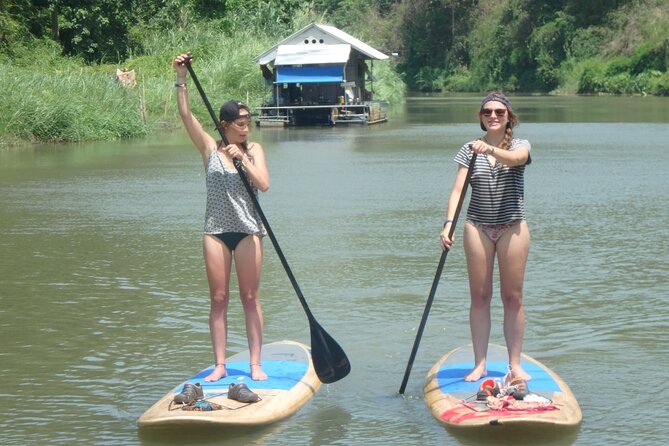
This is a straightforward half-day paddle that trades crowds for calm river time. You start with a hotel pickup in the Chiang Mai area, then ride north to the Mae Ngat valley area before you launch onto the Mae Ping River.
The vibe is simple: learn or steady your SUP skills, follow your guide at a relaxed pace, then get off the water and refuel at a local restaurant at a mango plantation. The river route goes through the Mae Taeng Forest Reserve, so even when you’re paddling slowly, it still feels like you’re in the jungle.
It’s also the kind of outing where the “active” part can match your mood. If you want an easy cruise and wildlife spotting, you’ll get that. If you want to try a harder workout, you can push your paddling harder (within reason on a Class 1 river).
Pickup, timing, and what you’ll need before you even touch a board
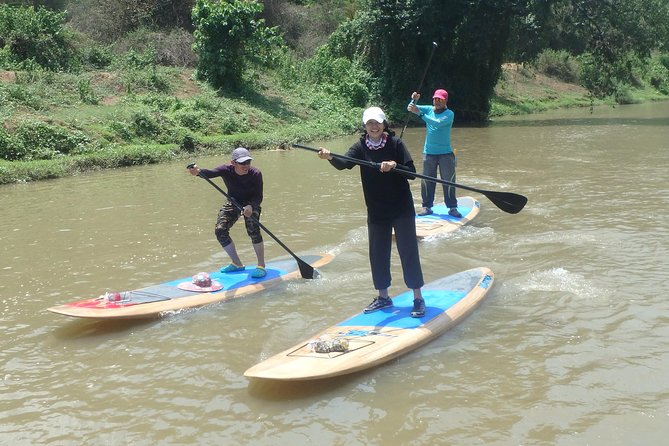
The start time is 8:30 am, and the whole thing runs about 4 hours. They handle hotel pickup and drop-off, so you’re not juggling tuk-tuks or shared taxis. That matters in Chiang Mai, because morning traffic and the logistics of getting to the river can eat into your actual time on the water.
What to bring (this part really affects comfort):
- Swimming gear
- A set of dry clothes to change into afterward
- If you can, water shoes (you might find it helps a lot for shore landings)
- A dry bag if you have one (phones and wallets don’t love splashes)
Equipment is included: you’ll get an inflatable paddle board or kayak, plus a life vest and helmet. Paddle boards are sized for beginners up to 220 lbs (100 kg), and water shoes in size 40–45 can be provided. If you’re heavier than the limit or smaller than the shoe sizes they carry, you may need to plan on bringing your own footwear.
One more practical note: you’re asked to provide your passport number at check-in for insurance ID, and river/insurance fees aren’t included. It’s not dramatic, but it is one of those details you’ll want to handle early so the morning stays smooth.
A few more Chiang Mai tours and experiences worth a look
The shop briefing: how beginners get comfortable fast
Before you head to the river, you’ll get instructions and a safety briefing at the shop. This matters because SUP can feel harder than it looks, especially if you’re used to waves or open water.
You’ll learn basic balance and how to handle the board behind your guide. If you choose the kayak option, you’ll still get safety guidance, just with a different comfort skill set. Either way, you’re not thrown into the water blind.
Then you travel north to the Mae Ngat valley area for about an hour. That transfer time might sound like “dead time,” but it’s part of why the route works: you’re not just staying near town, and it helps you reach the calmer river sections that make SUP beginner-friendly.
Launching on the Mae Ping River: calm water with real jungle surroundings
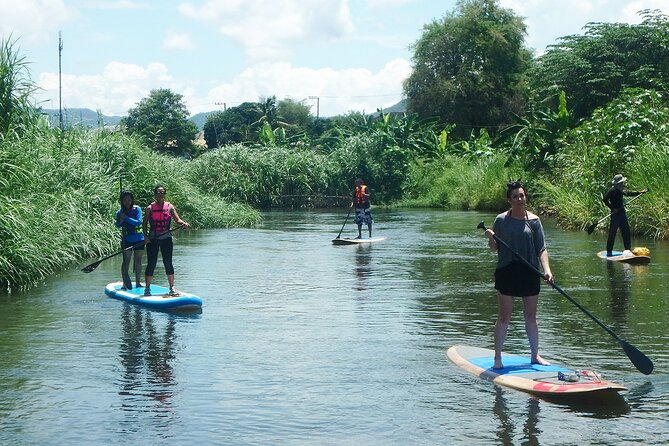
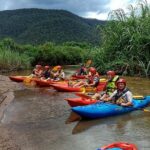
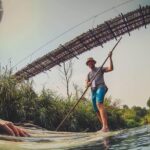
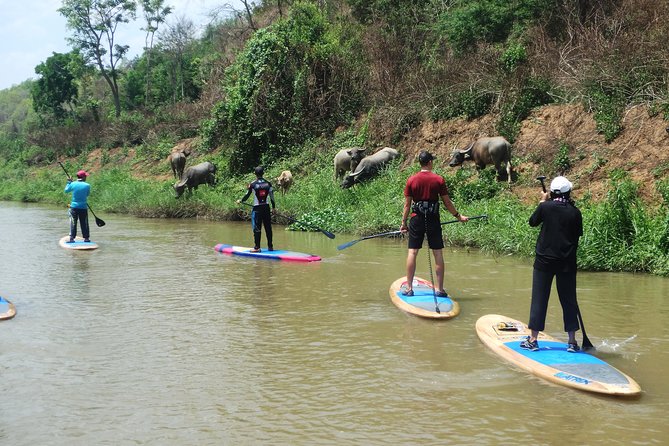
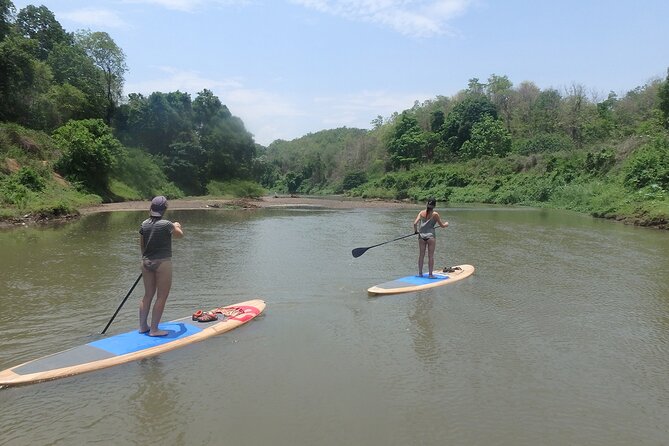
Once you arrive at the river, you collect your gear and set off behind your guide along the Mae Ping River. The water is described as calm, with seasonal variations possible. On a Class 1 stretch, the currents are there, but they’re not scary.
This is where SUP tends to click for new paddlers. The slow-moving water lets you learn balance without fighting strong waves. You can focus on small adjustments: where you’re standing, how you hold the paddle, and how you keep your eyes on the path ahead.
You’ll also have the option to sit or kneel on the board if conditions require it. That flexibility is huge for confidence. It means you’re not forced to “perform” standing up the whole time.
The river winds through the Mae Taeng Forest Reserve, so you’re not paddling through a sterile channel. You’re moving alongside greenery, and that’s where wildlife spotting becomes realistic.
Wildlife spotting and navigating Class 1 currents without stress
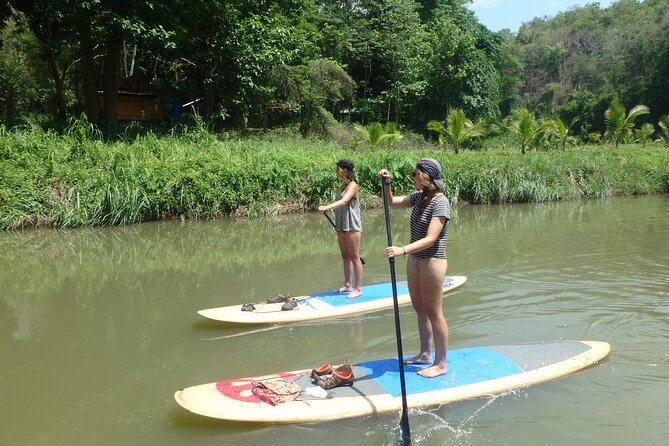
One of the best parts of this trip is the combination of easy paddling and nature time. Even when the river is calm, your senses stay engaged—birds flit overhead, and the guide’s attention helps you notice movement you’d otherwise miss.
Guides also help with navigating Class 1 currents and refining your technique. The coaching is the difference between “I stood up once” and “I can actually paddle with control.”
For many first-timers, the ocean comparison comes up a lot: calm river water is simply easier to manage than wave action. Here, you’re learning stability and direction, not bracing for unpredictable chop.
Keep your expectations right: you’re not on a whitewater adventure. This is more about controlled movement in a green, wildlife-rich area, with your guide making sure you stay safe and comfortable.
Guide coaching that improves your balance (and your patience)
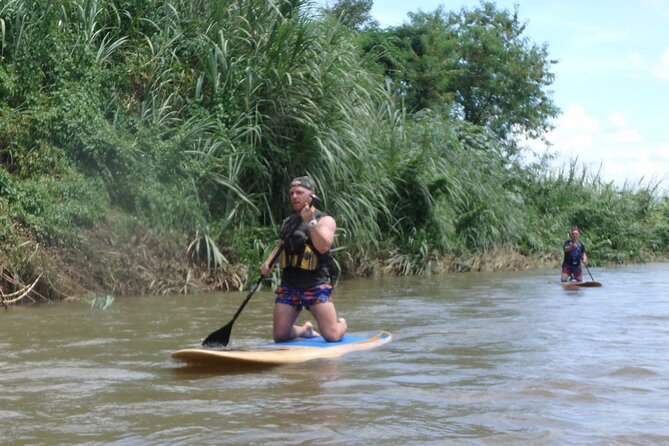
Instruction is part of the value here, not just a checkbox. Your guide walks you through what to do before the water, then stays with you as you practice.
The most useful coaching tends to be the practical kind: how to position your feet, how to pace your strokes, and what to do when the board tips slightly. It’s also where the small-group format helps. With fewer people, your guide can spot small issues and correct them quickly.
Some paddlers also choose a strategy after watching others. In one case, a guide advised doing kayak first and then SUP, which makes sense: you get comfortable with river movement before your brain has to handle balance too. If that sounds like something you’d like—progress at your own pace—that option is built into the day.
And if you’re thinking about energy levels: SUP can be tiring, even on calm water. The good news is the river section is long enough to feel like a real activity, but gentle enough that you aren’t constantly wiped out.





Lunch at the Mango Plantation: included fuel, just plan around the timing
Lunch is included, served at a restaurant at a Mango Plantation. After you paddle, you come ashore and refuel before the trip wraps up with your hotel drop-off.
Here’s the honest consideration: lunch can run later than you might expect—some people report it happening around the afternoon mark—so don’t assume you’ll be eating right after you land. Bring a snack if you get hungry easily, especially if you don’t usually eat breakfast-heavy on travel days.
It can also help to have a plan for your phone and valuables. The gear shop sells items like waterproof phone bags and waterproof shoe options, which can be worth it if you didn’t bring a dry bag. If you’re traveling light and protecting your phone matters, spending a little on waterproof protection can save you from the stress of constantly worrying about it.
SUP or kayak: which one should you pick?
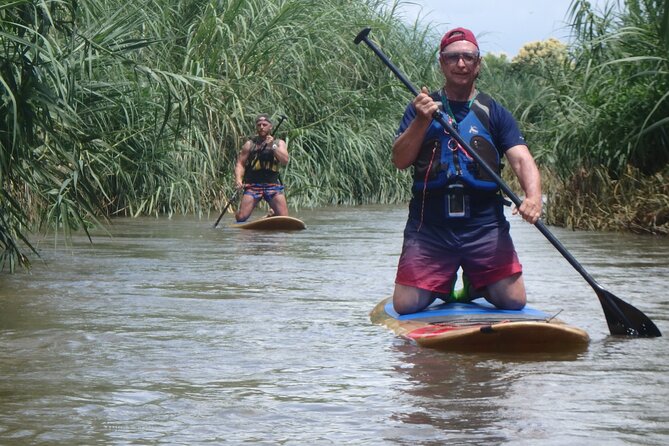
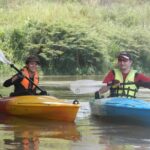
The trip is flexible: you can choose to paddleboard or kayak after the shop instructions. That choice is genuinely useful because people arrive with different goals.
Choose SUP if you want:
- The classic learning experience
- A workout that feels like balance + technique
- The chance to stand up and scan the scenery more easily
Choose kayak if you want:
- Less energy spent balancing
- A calmer entry into the river experience
- A way to enjoy the forest atmosphere without tiring your legs early
Some paddlers benefit from mixing strategies—kayak first to get comfortable with the current feel, then try SUP. Since the trip supports both options, you don’t have to force the experience into one mold.
Either way, your guide keeps the pace steady and the route simple.
Who this tour fits best (and who might want a different plan)
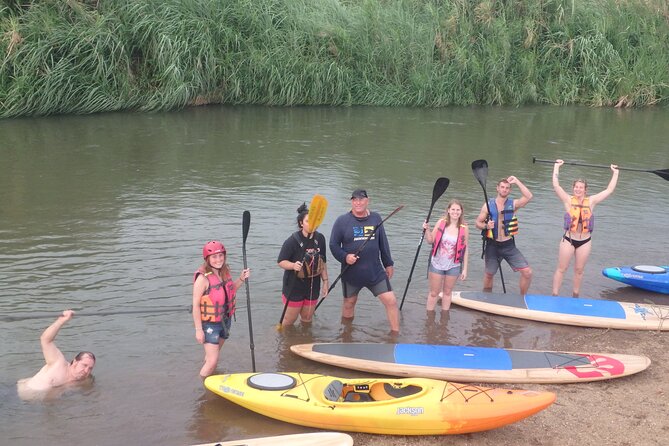
This is described as suitable for a moderate physical fitness level, and the conditions are made for beginners. Small-group format helps too—this isn’t a cattle-car excursion.
You’ll likely enjoy it most if:
- You’re trying SUP for the first time
- You want nature plus an activity, not just a workout
- You prefer calm, guided water over complicated boating conditions
- You like the idea of wildlife spotting without needing specialized gear
You might reconsider if:
- You need a strict schedule with early lunch timing
- You’re uncomfortable changing into dry clothes or keeping your belongings protected from splashes
- You’re over the beginner weight limit for the boards (the stated limit is 220 lbs / 100 kg)
Service animals are allowed, and the trip includes life vests and helmets, which adds comfort if safety gear helps you relax.
Price and value: is $71.98 worth it?
At $71.98 per person for about 4 hours, it’s a value play compared to tours that charge extra for transport, gear, and guide time. Here, hotel pickup and drop-off are included, as are the core essentials: paddle board or kayak, helmet, life vest, bottled water, and lunch.
What you’re really paying for is time and guidance:
- Learning support so you don’t spend the trip wobbling
- A guide who knows the river route and conditions
- A small-group experience that keeps attention on you
- Lunch included at the destination, not a random convenience store stop
The only extras to keep in mind are river/insurance-related fees and the passport detail for check-in. Still, compared to doing SUP independently, this tends to be a straightforward cost structure for a guided half-day.
Also, bookings happen about a week in advance on average, which suggests it’s popular. If you want a specific day, don’t wait until the last minute.
Practical packing list for a smoother SUP day
If you want the day to feel easy, pack for comfort more than for performance. SUP mornings in Chiang Mai can mean warm sun, and you’ll want to think about how you’ll manage sweat, sun, and gear protection.
Bring:
- Sunscreen (and plan to reapply)
- A dry set of clothes
- Swimming gear
- Water shoes if you have them
- A small snack in case lunch timing runs later
Optional but smart:
- Dry bag or waterproof phone protection
- A rash guard or swim shirt if you burn easily (not required, just helpful)
On-site, water shoes can be provided in certain sizes, and waterproof items may be sold at the pro shop. Still, bringing your own footwear is often the easiest way to avoid size surprises.
Should you book this Mae Taeng Forest SUP trip?
If you want a beginner-friendly SUP experience on the calm Mae Ping River, this is a strong choice. The combination of included coaching, calm water, forest scenery, and the kayak option makes it easier to match your comfort level than many “one-size-fits-all” tours.
Book it if:
- You’re new to SUP or coming from ocean SUP and want easier water
- You like guided nature time with wildlife-spotting potential
- You prefer small-group attention and included logistics
Skip it (or choose another activity) if:
- You’re tightly schedule-driven and can’t handle lunch running later
- You’re sensitive to the idea of changing into dry clothes and keeping your stuff protected
For most people, this is a fun way to get on the water without turning your day into a complicated project.
FAQ
How long is the stand up paddle board trip?
It runs for about 4 hours.
What time does the tour start?
The start time is 8:30 am.
Do you get hotel pickup and drop-off?
Yes. Hotel pickup and drop-off are included.
Is lunch included?
Yes. Lunch is served at a restaurant at a Mango Plantation.
Do I need to be an experienced paddle boarder?
No. The trip is set up for beginners, with calm river conditions and instruction. The boards are suitable for beginners up to 220 lbs (100 kg).
Can I choose a kayak instead of paddle boarding?
Yes. You can opt for a kayak rather than a stand up paddle board after instructions at the shop.
What safety gear is provided?
You’ll be provided with a life vest and a helmet.
What should I bring with me?
Bring swimming gear, a set of dry clothes, and if possible water shoes. Sunscreen is also a good idea.
Are water shoes included?
Water shoes aren’t automatically listed as included, but shoes in size 40–45 can be provided. They may also be purchasable at the pro shop.
What costs are not included?
River fee/insurance is not included, and you’ll provide your passport number at check-in for insurance ID.