REVIEW · CHIANG MAI
Chiang Mai: Doi Inthanon National Park & Waterfall Day Tour
Book on GetYourGuide →Operated by CHIANGMAI SIAM TRAVEL LTD.,PART. · Bookable on GetYourGuide
Cold air and big views start early. This day trip strings together King and Queen’s pagodas with a truly different mountain climate, and you get an English-speaking guide who keeps the stops clear and logical. The one real catch: the day is long, and the final waterfall stop can be wet and slippery.
I like that it’s built for people without a car. You’re picked up between 8:00 and 8:30 AM, ride about 1 hour 45 minutes to Doi Inthanon National Park, and you’re back around 6:00–6:30 PM—about 9 hours total—for $50 before entrance fees (unless your option includes them).
You’ll walk a short trail in the forest, eat a proper Thai lunch, and then shift into cultural stops at hill-tribe villages and terraced rice fields. The weather can swing between misty and chilly year-round at the high elevation, so pack like you mean it.
In This Review
- Key highlights worth planning around
- Getting out of Chiang Mai: the early start that pays off
- The drive to Doi Inthanon National Park (about 1 hour 45 minutes)
- Highest point vibes: cold air, high humidity, and a short nature walk
- King and Queen’s pagodas: the viewpoint stop with actual atmosphere
- Hmong Market: snacks, shopping, and learning the local rhythm
- Lunch (Thai set menu): a real rest before the hill-tribe portion
- Ban Mae Klang Luang: Karen hill tribes and terrace rice fields
- Wachiratharn Waterfall: the finale that’s worth getting wet for
- Price and logistics: what $50 buys, and what entrance fees may add
- Who should book this day tour from Chiang Mai?
- Practical tips I’d follow before you go
- Should you book the Chiang Mai: Doi Inthanon & waterfall day tour?
- FAQ
- How long is the Chiang Mai: Doi Inthanon & waterfall day tour?
- When does pickup happen in Chiang Mai?
- How far do you drive to Doi Inthanon National Park?
- What’s included in the tour price?
- Are entrance fees included for the park and Twin Pagodas?
- What time will the tour drop you back at Chiang Mai?
- Is the guide available in English?
- Where does hotel pickup work?
- Is this tour suitable for people with heart problems?
- Is there free cancellation?
Key highlights worth planning around
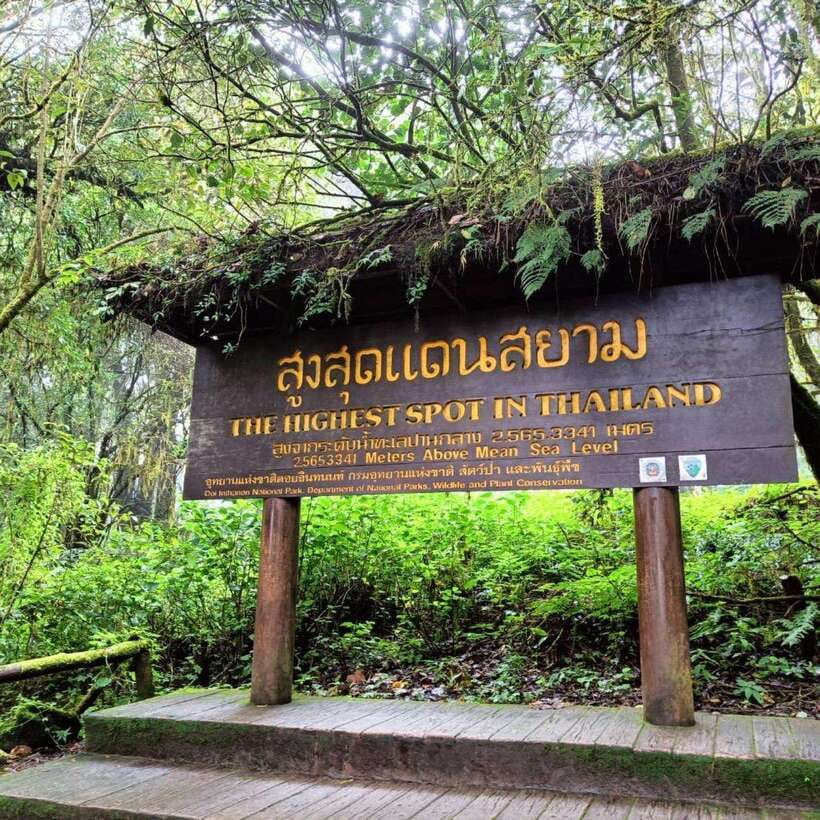
- Thailand’s highest point (about 2,565 m): cool temps and big views, even on a normal Chiang Mai day
- Ang Ga trail walk (25–30 minutes): a manageable forest stretch on a real national-park route
- King and Queen’s pagodas: excellent viewpoints plus calm, garden-style surroundings
- Hill-tribe visit at Ban Mae Klang Luang: terrace rice fields and a coffee stop using locally grown beans
- Wachiratharn Waterfall: the wet, exciting finale—bring shoes with grip
- Transport quality: air-conditioned comfort and strong feedback on driving (95% perfect scores)
Getting out of Chiang Mai: the early start that pays off
The day begins with pickup from your accommodation in the Chiang Mai old city area (within about 2 kilometers). If you’re farther out, you’ll meet at a listed meeting point. Either way, plan to be ready early—pickup runs 8:00 AM to 8:30 AM, and they ask you to arrive at the meeting spot about 5 minutes early.
Why start so early? Because Doi Inthanon is a serious altitude day, not a quick sightseeing hop. The higher you go, the more the weather matters: humidity, cool air, and sometimes mist are part of the deal. Going early helps you beat the day’s heat on the way up and gives you calmer conditions for photos and walking.
You can also read our reviews of more tours and experiences in Chiang Mai.



The drive to Doi Inthanon National Park (about 1 hour 45 minutes)
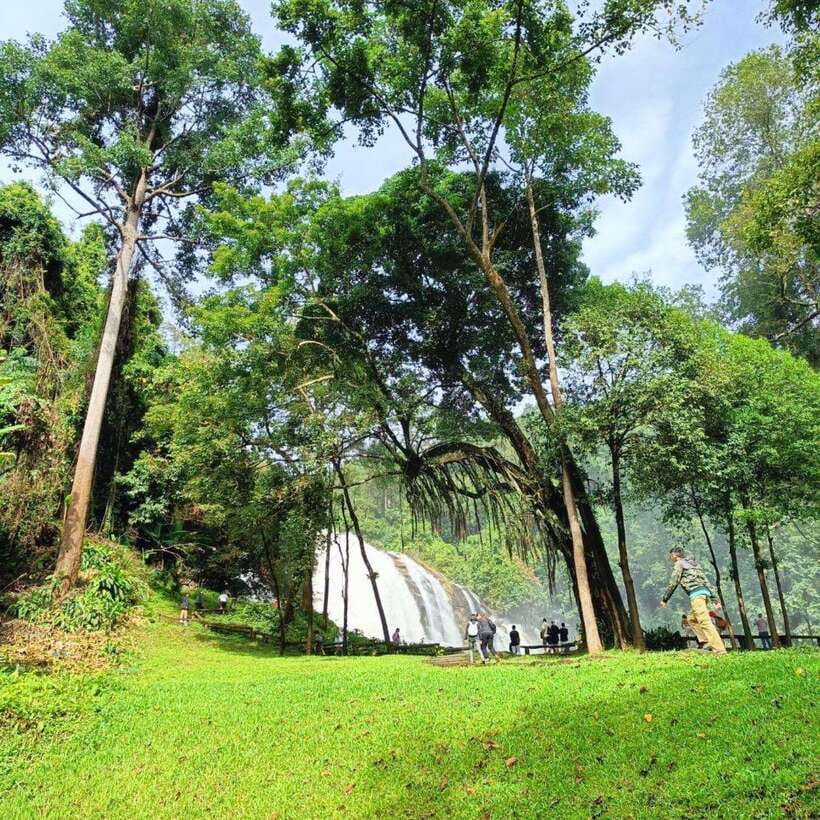
You’ll spend roughly 1 hour 45 minutes on the road after pickup. This is where a good guide makes a difference—because you’re not just passing scenery. You’re setting up expectations for what altitude and humidity do to your comfort level and your schedule.
Most of the experience hinges on pacing. The drive is long enough to feel like a trip, but not so long that you arrive stressed. And since transportation is in an air-conditioned vehicle, you’re not roasting before you even hit the cooler park air.
One practical tip: if you don’t share your WhatsApp/Thai phone number with the provider, you’ll make your life harder. They may use messaging to coordinate pickup smoothly.
Highest point vibes: cold air, high humidity, and a short nature walk
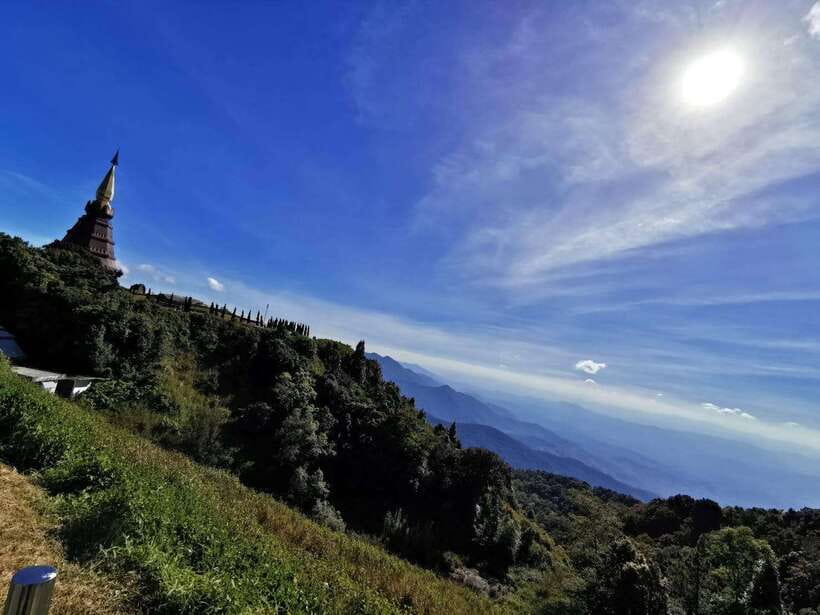
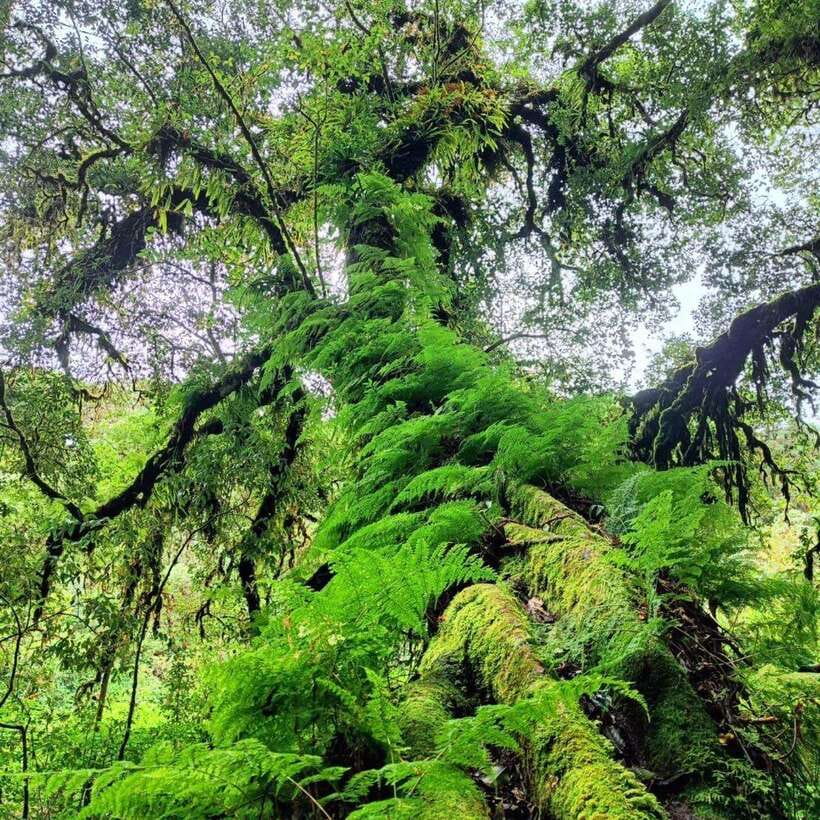
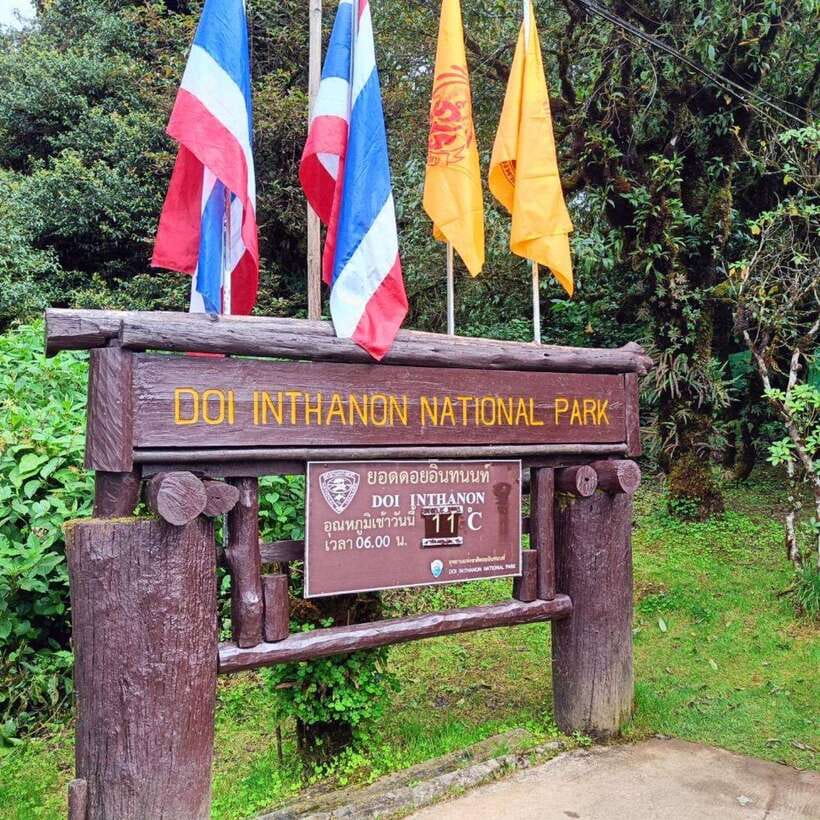
Doi Inthanon is known for being Thailand’s highest point, at about 2,565 meters above sea level. That translates into cold weather all year round. Even if Chiang Mai feels warm when you leave, the park can feel brisk once you gain elevation.
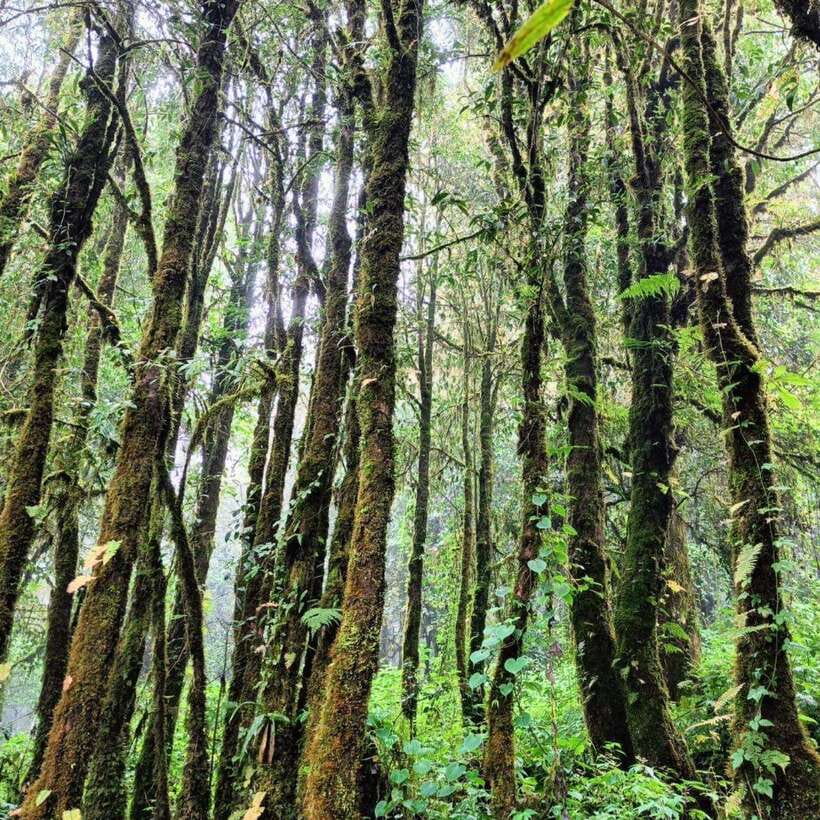
You’ll do a short walk on the Ang Ga trail, around 25–30 minutes. It’s not described as a marathon trek, but it’s still a walk through a lush forest environment. So treat it as a real footing situation, not a casual stroll—especially if it’s damp.
What I like about this design: it gives you nature time without turning your day into a hiking expedition. One review note that expectations can run ahead of the reality here—if you’re hoping for an epic cold-weather hike, you may be surprised by the shorter walk time. But if you want forest air, not exhaustion, this is a good balance.
King and Queen’s pagodas: the viewpoint stop with actual atmosphere

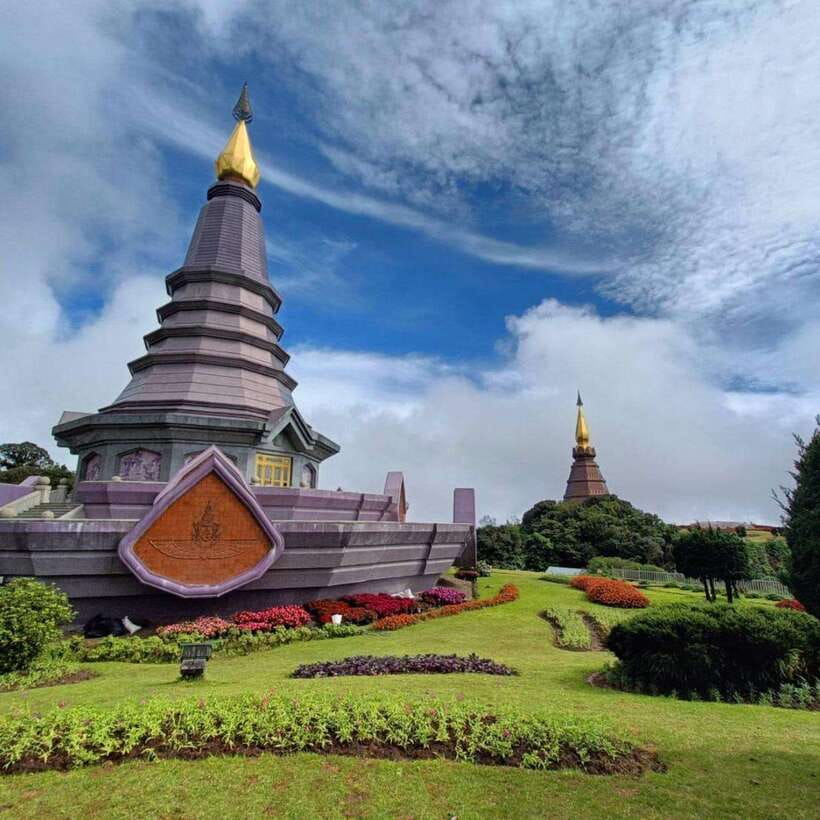
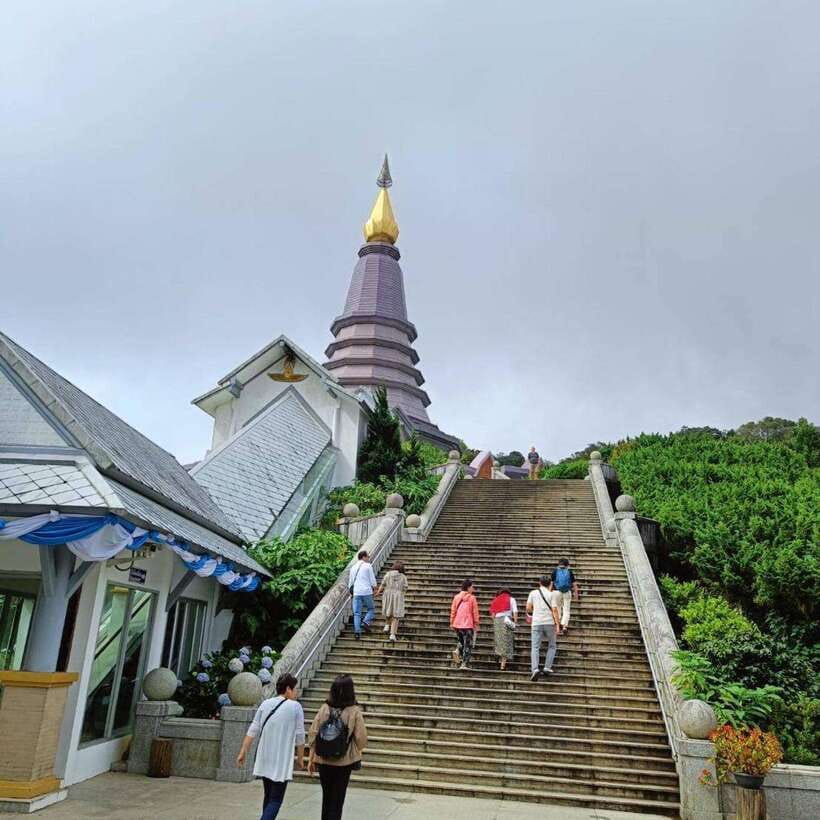
After the high-point nature time, the tour shifts to a quieter, scenic payoff: the King and Queen’s pagodas. You get very beautiful views, plus pleasant garden surroundings—so it’s not just standing somewhere and rushing away.
This stop tends to be the kind of place you appreciate most when you slow down. You’re elevated, the air feels different, and the grounds are the sort of place where your brain finally goes quiet for a few minutes. It’s also ideal for photos because you can step around and frame views naturally.
One note to plan for: pagoda and viewpoint weather can be changeable. Bring a hat and a layer you’re comfortable wearing for a while outdoors, even if you’re not expecting it to be that cold.
Hmong Market: snacks, shopping, and learning the local rhythm
Next up is the Hmong Market. I like this stop because it’s a sensory break between big nature moments and the more cultural village section later.
You should be ready to browse, sample, and decide what you actually want instead of buying at random. Some visitors enjoy this part because markets here are made for tasting and conversation—you’ll see people offering locally made items, and it’s a chance to ask questions through the guide.
If you’re sensitive to crowds, remember you’re in a market environment, not a quiet temple courtyard. But the tour approach tends to keep you moving with enough time to look without feeling chased.






Lunch (Thai set menu): a real rest before the hill-tribe portion
Lunch is served as a Thai set menu, and it’s included. There’s also drinking water during the tour.
This matters because Doi Inthanon isn’t a “quick in and out” schedule. You’ll be cold, walking, and then later spending more time at terrace and village areas. A sit-down lunch helps your energy hold steady for the rest of the day.
Good to know: vegetarian options were mentioned as accommodated on at least one occasion. If you have dietary needs, you’ll want to confirm ahead of time so they can match your meal with your group.
Ban Mae Klang Luang: Karen hill tribes and terrace rice fields
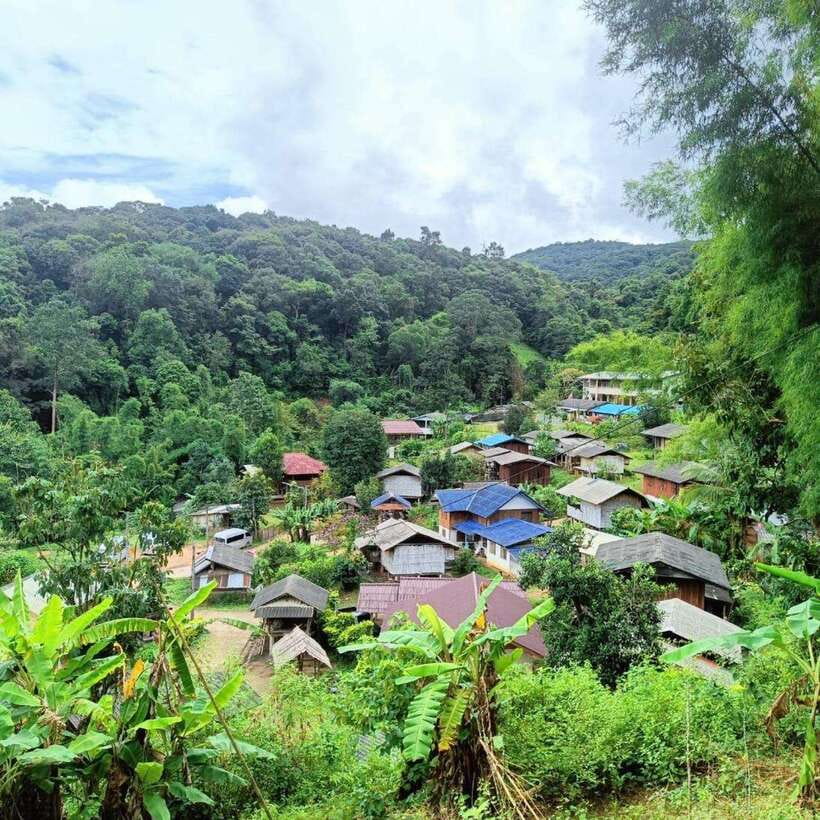
After lunch, the tour heads to Ban Mae Klang Luang for a Karen hill-tribe visit and terraced rice fields. This is one of those stops that changes how you think about the region. Instead of viewing the mountains as scenery, you start seeing them as home and livelihood.
The terraced rice fields are seasonal, so the rice-field visit depends on conditions at the time of year. If you’re visiting during a season when the fields are actively on display, you’ll likely get a more dramatic visual. If not, you’ll still get the cultural context and the explanation of how the terraces fit into local life.
One extra detail I appreciate here: you get a cup of freshly ground, locally grown coffee. That’s not just a random drink stop. It ties the day to something agricultural you can recognize—coffee isn’t everywhere on a Thai itinerary unless you specifically look for it.
Wachiratharn Waterfall: the finale that’s worth getting wet for
The last big highlight is Wachiratharn Waterfall. It comes before you head back to Chiang Mai, with drop-off around 6:00–6:30 PM.
And yes, you should expect to get wet. The water and spray can reach you, and the paths can be slick. One review called out safety needs around the waterfall paths, so don’t treat this like an easy photo walk in dry weather.
My practical advice:
- Wear shoes with grip, not smooth sneakers.
- Keep your legs covered with long pants if you can.
- Consider an umbrella or rain protection for your camera, but also be ready that you might still get wet close to the falls.
If you love waterfalls, this stop is the payoff. If you hate cold mist and wet shoes, you’ll want to come prepared anyway—because skipping the experience usually means missing the best “wow” moment of the day.
Price and logistics: what $50 buys, and what entrance fees may add
At $50 per person, this tour can be a good value because a lot is included: air-conditioned transport, lunch, drinking water, an English-speaking guide, and accident insurance. That’s a lot you’d otherwise pay for separately if you rented a car or hired multiple parts of a day.
Here’s the part to double-check: entrance fees can be extra depending on your option.
- National Park fee: 300 Thai baht per person
- Twin Pagodas fee: 100 Thai baht per person
If your booking includes entrance fees, great—you’ll avoid surprise costs. If it doesn’t, consider budgeting for them so you don’t have to scramble for cash at the park.
Also note: this tour is not ideal for everyone. People with heart problems are listed as not suitable. The altitude, walking, and long day can be too much for some conditions. If that’s you, it’s smart to choose a gentler alternative.
Who should book this day tour from Chiang Mai?
Book it if you want:
- A structured day beyond Chiang Mai city—without planning every stop
- A mix of nature + viewpoints + cultural villages
- A short forest walk rather than a long, punishing trek
- Strong odds of a comfortable day thanks to air-conditioned transport and careful driving
Skip it (or consider another format) if:
- You don’t handle cold mist well and don’t want to deal with wet, slippery waterfall steps
- You need a very short day with minimal walking
- You have heart problems
The tour also makes sense for first-timers. It hits the “big ideas” of Doi Inthanon—highest point, pagodas, hill-tribe culture, rice terraces, and Wachiratharn Waterfall—in one day with an English guide coordinating everything.
And it’s not just the route that seems strong. Multiple guides were mentioned with enthusiasm and good communication—names like Ize, Mumu, Piano, Pino, Porpia, Tomtam, and Austin show up in positive feedback. That’s a useful signal: the guiding style here tends to be upbeat and helpful, not just reciting facts.
Practical tips I’d follow before you go
Pack to match the weather shift. At the park altitude, you’ll want layers that keep you warm, especially around viewpoints and in misty areas.
Bring:
- Warm clothing, a jacket, and a long-sleeved shirt
- Long pants and sports shoes with grip
- A hat and an umbrella
- Insect repellent
- A camera
- Cash (useful for anything extra)
- Any personal medication you need
Also:
- Share your WhatsApp number or Thai telephone number with the provider for smoother coordination.
- If you’re prone to motion discomfort, bring whatever you normally use—because the day includes a long drive plus walking time. (Not a tour fault, just good travel sense.)
Should you book the Chiang Mai: Doi Inthanon & waterfall day tour?
If your goal is one well-paced day that mixes the cool altitude, the pagoda gardens, hill-tribe culture at Ban Mae Klang Luang, and the wet finale at Wachiratharn Waterfall, I think this tour is a strong choice. The value is helped by having transportation, lunch, water, an English guide, and accident insurance handled for you.
I’d only hesitate if you’re worried about cold conditions or if the idea of slippery waterfall paths makes you nervous. If that sounds like you, pick a different activity day or at least go in with the right shoes and clothing.
Overall: this is the kind of Doi Inthanon day trip that helps you see the region in full, without the hassle of driving yourself—so long as you come prepared for chilly air and a splashy ending.
FAQ
How long is the Chiang Mai: Doi Inthanon & waterfall day tour?
The duration is 9 hours.
When does pickup happen in Chiang Mai?
Pickup is between 8:00 AM and 8:30 AM. If you’re using the meeting point option, you should arrive about 5 minutes before 8:00 AM.
How far do you drive to Doi Inthanon National Park?
The drive is approximately 1 hour 45 minutes.
What’s included in the tour price?
You get hotel pickup and drop-off (if selected), air-conditioned transportation, a Thai set menu lunch, drinking water, an English-speaking guide, and entrance fees if that option is selected, plus accident insurance.
Are entrance fees included for the park and Twin Pagodas?
Entrance fees may be extra unless your option includes them. The National Park fee is 300 Thai baht per person and the Twin Pagodas fee is 100 Thai baht per person.
What time will the tour drop you back at Chiang Mai?
Drop-off is approximately 6:00 PM to 6:30 PM.
Is the guide available in English?
Yes, the tour includes an English-speaking guide.
Where does hotel pickup work?
Pickup is optional for the Chiang Mai old city area within a radius of 2 kilometers from the downtown old city. If you’re farther away, you should choose the meeting point option.
Is this tour suitable for people with heart problems?
No. The tour is not suitable for people with heart problems.
Is there free cancellation?
Yes. You can cancel up to 24 hours in advance for a full refund.