REVIEW · CHIANG MAI
Chiang Mai: 7-Hour Doi Suthep National Park Summit Hiking
Book on GetYourGuide →Operated by CHIANG MAI MOUNTAIN BIKING & KAYAKS · Bookable on GetYourGuide
Jungle steps. Temple stops. Big mountain views. This Doi Suthep hike links Chiang Mai’s temples with Doi Pui highland jungle life in a way that feels far from the city.
What I like most is how the day moves like a story: start with a climb, earn your temple moments, then finish with fresh-air panoramas on the way back down.
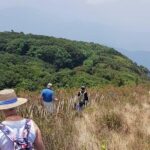
I’m a fan of the monk-trail style route to Wat Pha Lat, where short temple stops help you reset your legs and catch your breath. I also love the payoff views—those wide, 180° looks over the Mae Ping Valley—because they show you why people keep coming back to these mountains.
One drawback: this is not a gentle walk. You’ll hit steep, rocky, uneven sections, and the slower pace comes from the terrain, not from leisurely sightseeing.
In This Review
- Key things to know before you go
- Why this Doi Suthep hike feels different than a typical temple day
- From Chiang Mai to Wat Doi Suthep: the climb sets the pace
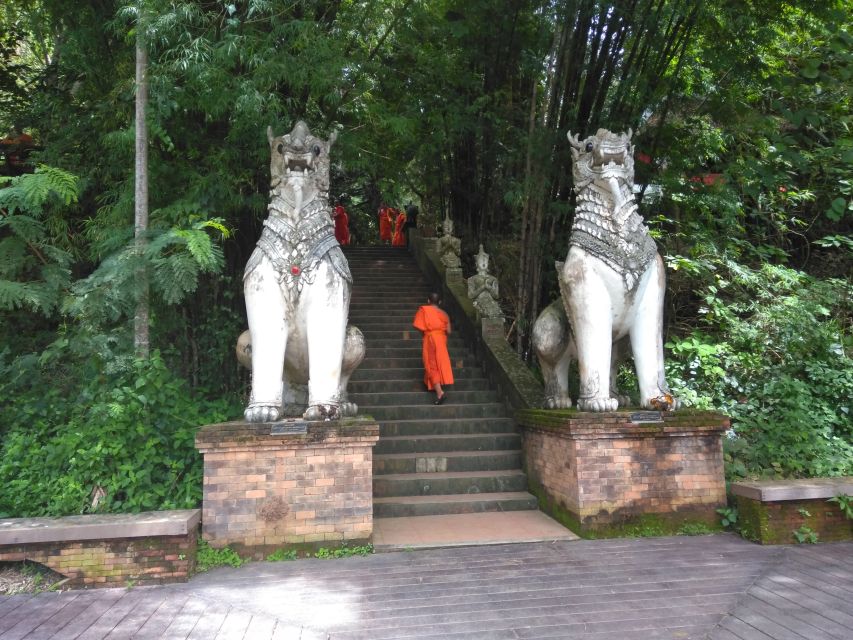
- Wat Pha Lat monk trail: the first real dose of temple-to-jungle walking
- Wat Phra That Doi Suthep: views and temple details before the tougher hiking
- Into Doi Suthep-Pui National Park: where the day earns its name
- Doi Pui highland village: a break with culture and open air
- Lunch timing, water, and that support-truck safety net
- What the trail feels like: steep, uneven, and worth training for
- Getting back down: the truck ride and postcard panoramas
- Price and value: why $60 makes sense for the amount of hiking
- Who should book this hike (and who should skip it)
- Should you book this one? My call
- FAQ
- How long is the hiking experience?
- Is hotel pickup included?
- What language is the tour guide?
- Is lunch included, and can I get vegetarian or vegan food?
- Do I need to bring hiking shoes?
- Will there be water along the hike?
- Is the national park fee included in the price?
- What’s the group size?
Key things to know before you go
- Steep jungle sections are real: expect sweat, mud, and uneven ground in places.
- Temple breaks help you keep going: Wat Pha Lat and Wat Phra That Doi Suthep are built into the route as recovery points.
- You’re going beyond the usual viewpoint: the route pushes into Doi Suthep-Pui National Park toward Doi Pui.
- Hydration and a support truck are part of the plan: water is available multiple times, and a truck can meet you along the way.
- Small group size (up to 15) makes the pacing feel more human.
- Lunch is later than you might expect—bring a small snack so you’re not hangry mid-hike.
Why this Doi Suthep hike feels different than a typical temple day
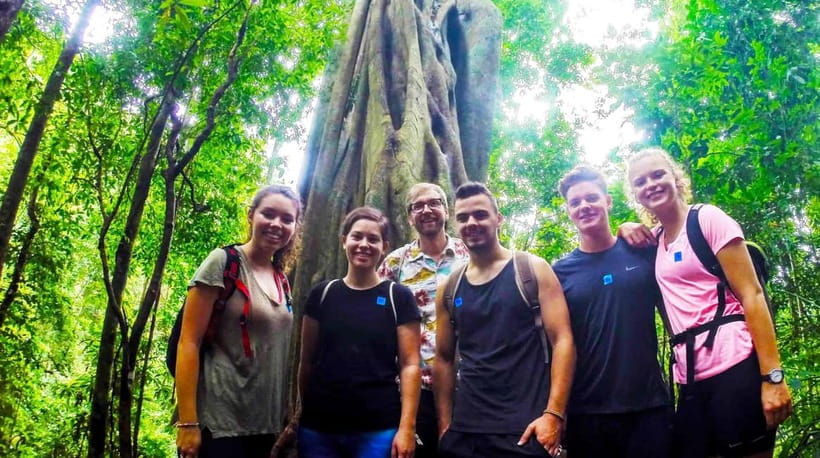
Doi Suthep is one of those places where you can do the easy version—drive up, take photos, go home. This outing takes the opposite approach. You trade shortcuts for a long trek through highland jungle, steep trails, and old footpaths that feel like they were designed for serious walking, not casual browsing.
The best part is the rhythm. You climb, pause at temples, climb again. Those temple stops aren’t just for views; they break up the hardest effort and give you moments to steady your breathing and reset your focus. Guides often set the tone early with a safety briefing and a plan that keeps everyone together.
I also like that this route doesn’t feel stuck at one famous spot. By the time you’re nearing Doi Pui, you’ve moved through enough terrain that the day feels like a journey, not a long line of monuments. Even if you end up tired, you’ll still feel like you earned it.
You can also read our reviews of more hiking tours in Chiang Mai

From Chiang Mai to Wat Doi Suthep: the climb sets the pace
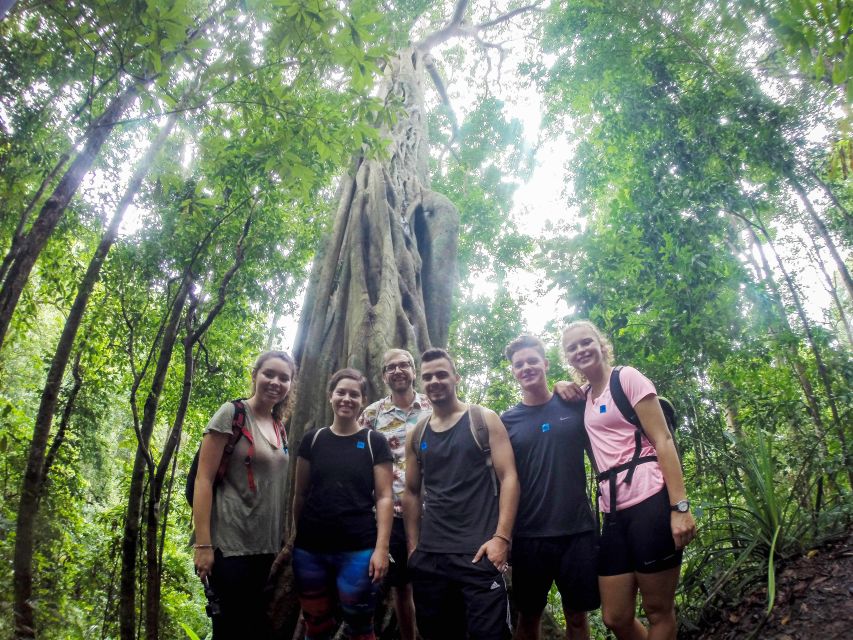
Your day starts with hotel pickup in Chiang Mai, then a drive up into cooler mountain air. The ascent to Wat Doi Suthep is about 2 hours, getting you to roughly 1,100 meters before you start trekking.
That early climb matters because it changes the whole feel of the day. You’re not just walking up stairs in a hot city mood. You’re starting at elevation, on a route meant for mountain travel. You’ll likely feel the effort sooner than you expect, but that’s also why the later stretches don’t feel like a total shock.
Around this part of the day, you’ll often hear from your guide about trail conditions and how they’ll keep the group comfortable. If weather or park management closes parts of the route, alternatives are typically used that match the same skill level and still deliver good scenery. That flexibility is useful in a park environment where conditions can change.
Wat Pha Lat monk trail: the first real dose of temple-to-jungle walking
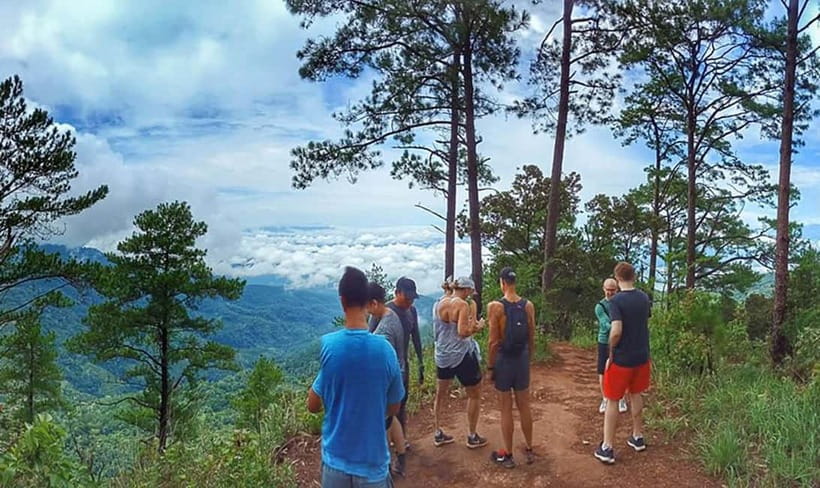
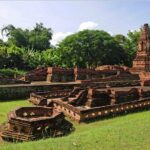
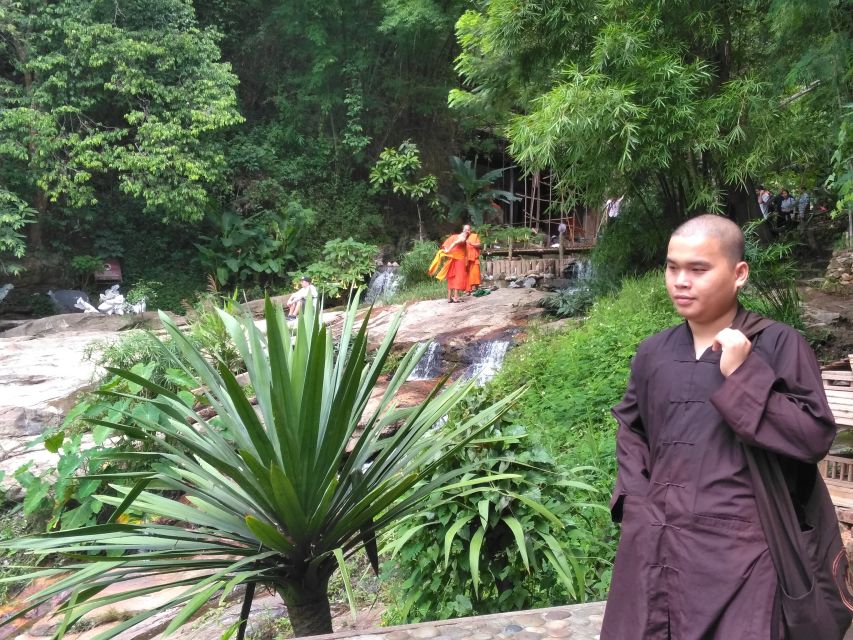
Wat Pha Lat is where the day becomes hiking, not sightseeing. You’ll follow the monk’s trail style route, with the guide bringing the temple experience down to earth: why the path is structured the way it is, what you might notice along the way, and how to read the terrain as you go.
This leg is about 1.5 hours, with a guided walkthrough and sightseeing along the way. Then you get a short stop at Wat Pha Lat for photos and a bit of breathing space.
What I like here is the timing. This isn’t a temple you hit after you’re already exhausted. You reach it while you still have enough energy to appreciate the atmosphere rather than just survive the next steep section.
Also, Wat Pha Lat tends to be the first moment when you’ll notice the trail’s personality: roots, uneven steps, and sections where you need to watch your footing. Firm shoes make a noticeable difference.
Wat Phra That Doi Suthep: views and temple details before the tougher hiking
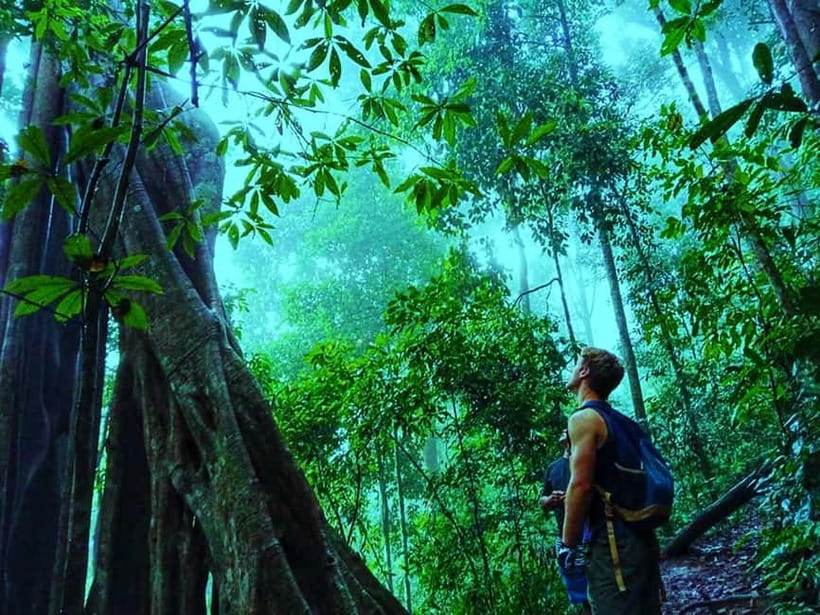
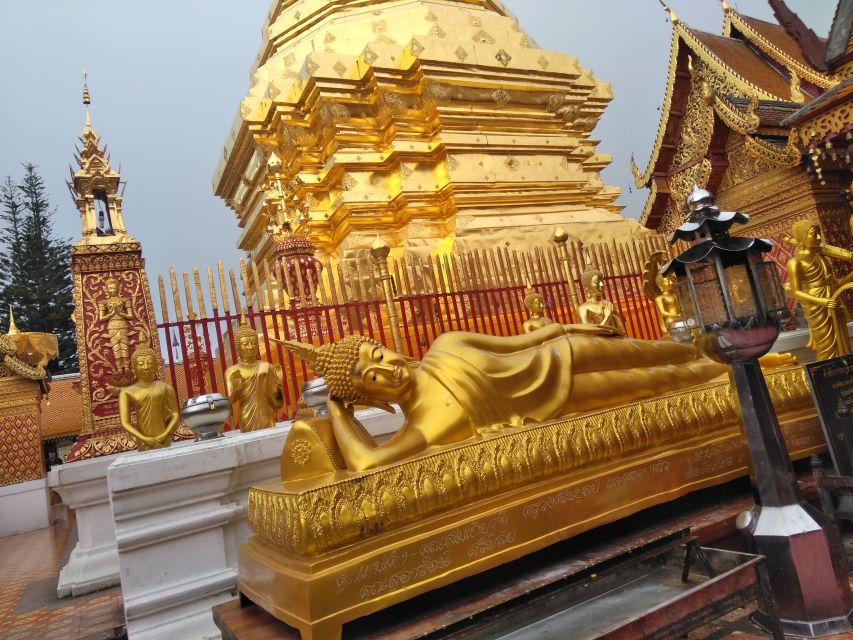
Next you reach Wat Phra That Doi Suthep, another short stop designed to give you both perspective and a recovery break. From here, you’re well positioned for sweeping views, but you also know the hard part is still coming.
Expect this segment to feel like a pause with purpose. You get time for photos and sightseeing, then you transition onward.
One practical note: the official temple areas can draw crowds on other days. In this kind of active route, the timing and pacing often mean you don’t just arrive and get bounced around by the biggest waves. You move through, notice details, take your photos, and keep your energy for the hike ahead.
Into Doi Suthep-Pui National Park: where the day earns its name
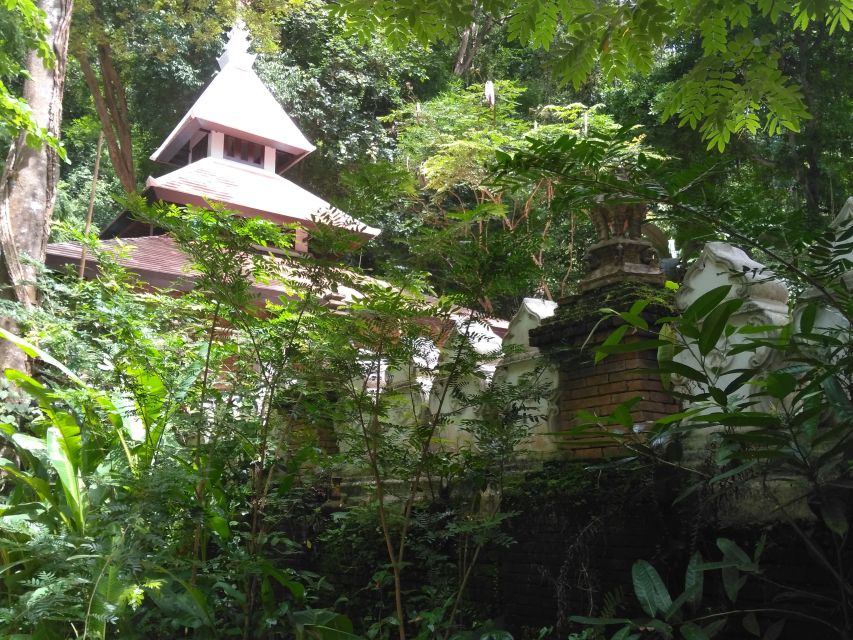
This is the core workout time. After the temple stops, you head into Doi Suthep-Pui National Park for roughly 2.5 hours of hiking toward the Doi Pui area.
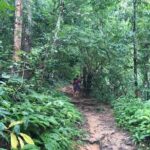
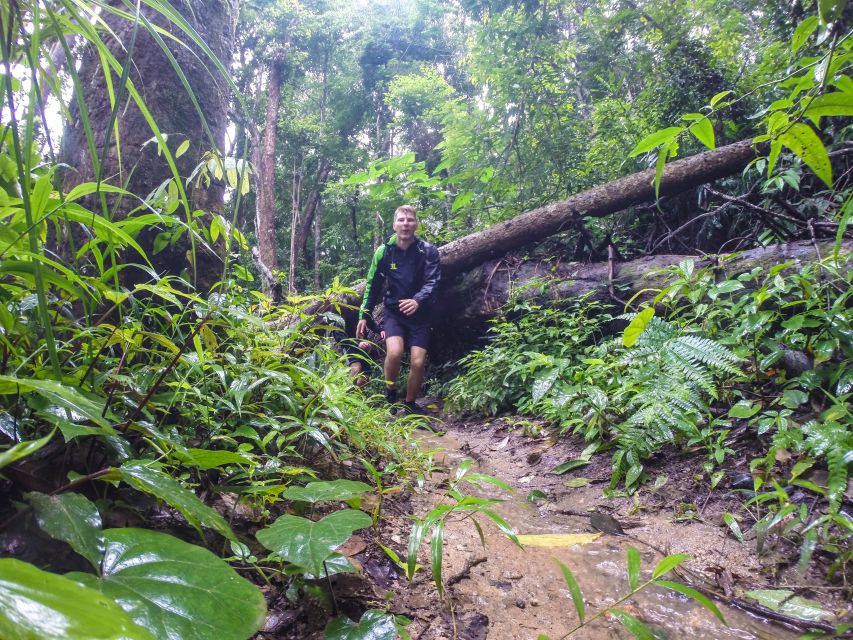
This is where the reviews strongly line up with real-world expectations: steep grades, uneven and sometimes muddy stretches, and plenty of spots where your legs get a workout. People often describe it as challenging even when they’re in decent shape. In other words, it’s not a “stroll to burn off brunch” outing.
You might also deal with insects. One review mentioned mosquitoes during a hard uphill section, so don’t treat bug spray as optional. The mix of jungle cover and wet-weather terrain can make things feel damp even when the forecast looks fine.
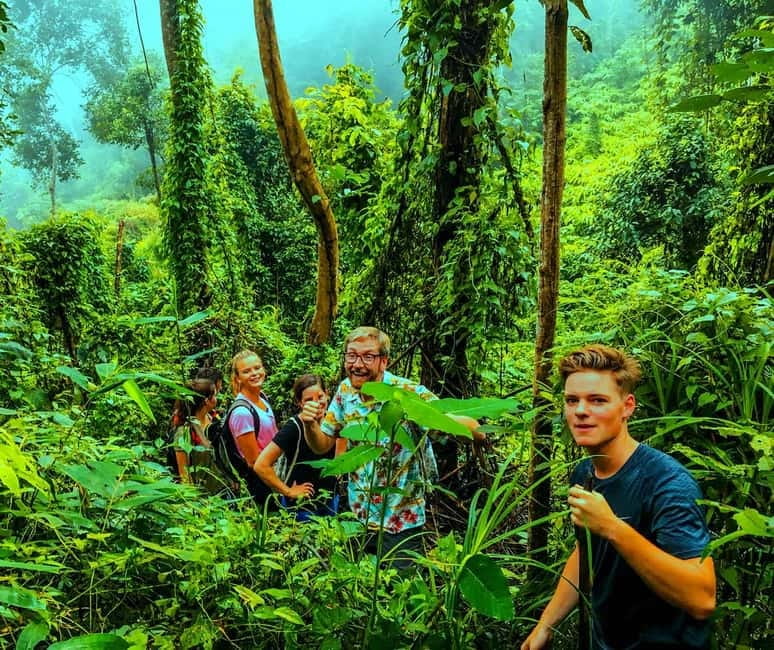
Good guides help you feel safe on the tricky parts. If you’re lucky enough to hike with guides such as A or Nop (names that show up in past groups), you’ll likely get clear pointers on where to place your feet and what to pay attention to—plants, animals, and trail features—without turning the walk into a lecture.






Doi Pui highland village: a break with culture and open air
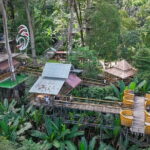
As you near Doi Pui, you get a real change of pace: a break time with photo opportunities, time to visit, and time to walk around. You’ll spend about 1 hour here.
Even if you’re not shopping or doing deep cultural activities, this stop matters. It gives you a sense of where the trail is leading: a highland community setting that feels different from temple steps and park paths. It’s a good moment to hydrate, cool down, and look at the scenery from a calmer angle.
On windy days, this is the part where you might feel the temperature shift. You’re already higher than Chiang Mai’s core, and the open-air feel can be surprisingly refreshing after a sweaty climb.
Lunch timing, water, and that support-truck safety net
Food and hydration are part of the design here, not an afterthought. You’ll get lunch with vegetarian and vegan options, plus ice-cold drinks.
One thing to plan for: lunch can land later than you expect. Some groups report serving lunch around late afternoon (often closer to 2/3 PM and sometimes later). That means a small snack in your daypack can save you from the mood spiral.
Water is provided multiple times, and you may also get a hydration backpack. A key detail: the support truck is standing by with secure storage for your valuables, and it can meet you at certain points. That’s a comfort factor when you’re hiking hard but don’t want to carry everything on your back.
If you have a bladder-style system, bring it. One past hiker noted their camelback froze overnight and they ended up using bottled water heavily. That’s a reminder that hydration comfort depends on your gear and the temperature where you store it the night before.
What the trail feels like: steep, uneven, and worth training for
Let’s be honest about the physical side. This hike has many strenuous steep sections. Even people who hike regularly still call it intense. If you aren’t used to uneven ground, this can feel harder than you expected, especially on rocky or muddy stretches.
Here’s how I’d describe it for planning:
- You’ll likely sweat a lot.
- Footing can be uneven and sometimes muddy.
- You’ll use a lot of glutes on the uphill.
- The pace is managed with breaks and temple stops, but the effort still adds up.
The good news: the route is paced so you’re not left to suffer alone. Guides set a rhythm with short stops and temple recovery points. That keeps the group moving and reduces the chance someone gets left behind.
Your best prep is simple: bring firm hiking shoes. Not slick sneakers. Not flip-flops. Shoes with grip and support.
Getting back down: the truck ride and postcard panoramas
After Doi Pui, you head back down by truck. There’s also a pause again at Wat Phra That Doi Suthep for panoramic photo stops on the way back.
That structure matters. It means you don’t finish the day with another long descent leg-by-leg. You get the views, then you get transported back to Chiang Mai without turning your legs into jelly.
Return time can vary based on group pace and route substitutions, but many groups report being back around early evening. If your plan is dinner right after, I’d still keep a little buffer.
Price and value: why $60 makes sense for the amount of hiking
At $60 per person, this hike isn’t cheap in the way a cheap taxi ride is cheap. It’s priced like an activity that includes real logistics: guided hiking, transportation, safety support, and meals.
Here’s what you’re paying for:
- Small group limit (15 people), which helps with pacing and safety.
- Professional escort and certified first aid/CPR instructors, which matters on steep terrain.
- Lunch with vegetarian and vegan options.
- Water and hydration gear, plus a support truck for safety.
- Hotel pickup and transportation (air-conditioned van as the main option, with 4×4 SUVs for smaller groups).
What’s not included is important too: the national park fee and insurance (250 baht). You’ll be asked for passport details at check-in. So your all-in cost is a little more than the headline price, but it’s still straightforward.
When the trail is steep and conditions can change, the “extra” money isn’t just paying for the guide’s smile. It’s paying for the plan, the rescue-ready setup, and the structure that turns a tough day into a safe one.
Who should book this hike (and who should skip it)
This one is best for you if:
- You’re a reasonably fit walker and not afraid of steep trails.
- You like temple sightseeing, but you want it on a route that earns it.
- You’re comfortable with long active days and can handle uneven ground.
- You enjoy getting out of the city and moving through real jungle trails.
Skip it if:
- You’re not used to hiking on uneven, rocky, or muddy terrain.
- You want an easy cultural day with minimal climbing.
- You’re worried about steeper climbs without much experience.
Should you book this one? My call
Book it if you want a mountain day that’s actually active. This is one of those experiences where you’ll feel tired at the end, but in the satisfying way—like you got something real out of the time.
I’d think twice only if you’re expecting a light temple walk. This hike has steep sections and uneven terrain. The payoff is strong: jungle trail time, temple stops that refresh your legs, Doi Pui, and those big views over the Mae Ping Valley.
If you’re ready for a workout and you pack right, this is a solid use of a Chiang Mai day.
FAQ
How long is the hiking experience?
The experience is listed as 7 hours. Many groups report a longer total day from pickup to drop-off due to travel time and the timing of stops.
Is hotel pickup included?
Yes. Hotel pickup is included from Chiang Mai.
What language is the tour guide?
The guide provides commentary in Thai and English.
Is lunch included, and can I get vegetarian or vegan food?
Yes. Lunch is included, with vegetarian and vegan options available.
Do I need to bring hiking shoes?
Yes. You should wear firm hiking shoes since the trail has steep and uneven sections.
Will there be water along the hike?
Yes. Water is provided for hydration packs and bottled water is available throughout the event.
Is the national park fee included in the price?
No. The Doi Suthep National Park fee and insurance (250 baht) are not included, and you’ll provide passport details at check-in.
What’s the group size?
It’s a small group, limited to 15 participants.