REVIEW · CHIANG MAI
Chiang Dao Cave & 5 Hill Tribe villages
Book on Viator →Operated by WanderSiam · Bookable on Viator
Lantern-lit caves in northern Thailand sound intense. This full-day Chiang Dao trip layers hill tribe village visits with a guided cave walk and a greenhouse stop for butterflies and orchids.
Two things I really like about this experience are the way the villages are explained by local guides and the fact that the cave is led with lanterns, so you’re not just rushing through in the dark. The other big plus is the practical pace: about 8 hours, with pickup and a small group size (up to 15).
One consideration: Chiang Dao Cave includes narrow passages where you must crawl, and it’s not a great fit if you’re claustrophobic or have mobility limits. The tour also expects moderate fitness, so wear shoes you trust.
In This Review
- Key highlights you’ll feel on the day
- A smart 8-hour combo: five cultures plus Chiang Dao Cave
- Ban Huai I-Ko: five hill tribe villages in one guided stop
- Chiang Dao Cave with lantern guides: stalagmites, stories, and real crawling
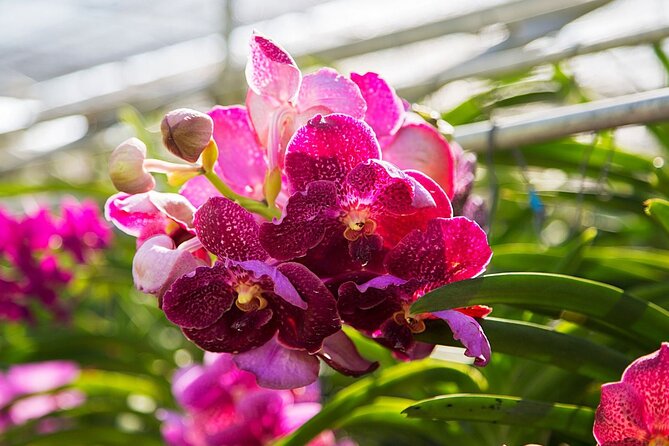
- Bai Orchid and Butterfly Farm: Thai orchids plus a calm greenhouse pause
- Transport, timing, and why the day feels organized
- Price and value: what’s included in $52.18
- How to visit hill tribe villages in a respectful way
- What to pack (so Chiang Dao Cave doesn’t ruin your day)
- Who this tour suits best (and who should rethink it)
- Should you book Chiang Dao Cave & 5 Hill Tribe villages?
- FAQ
- What time does the tour start, and how long is it?
- Do you get pickup and drop-off in Chiang Mai?
- Is the meal included?
- Are tickets included for all stops?
- Is Chiang Dao Cave suitable if I’m claustrophobic?
- What should I wear for the cave?
Key highlights you’ll feel on the day
- Ban Huai I-Ko shows five hill tribe groups in one stop: Akha, Meo, Lisu, Palong, and Karen
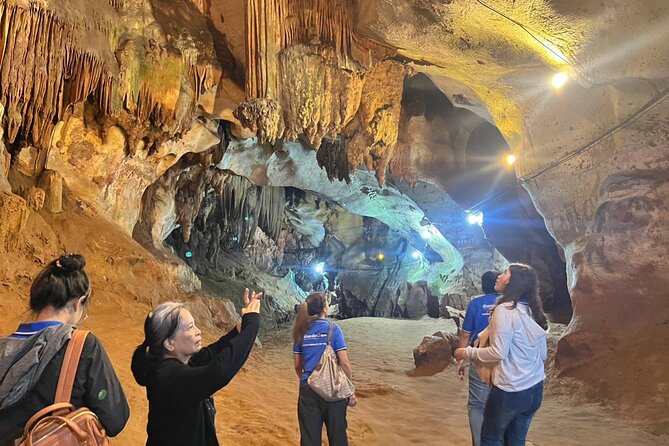
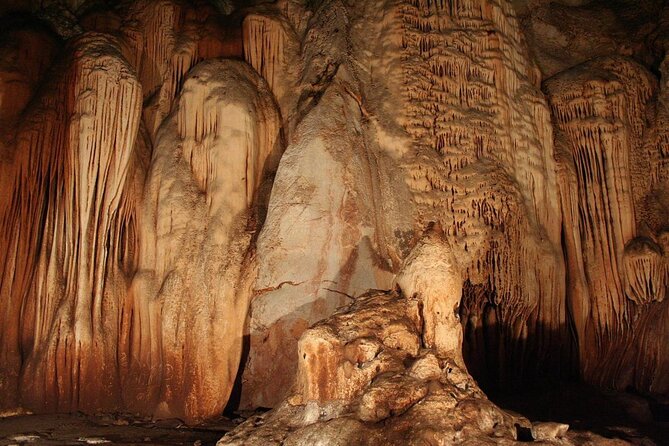
- Chiang Dao Cave is guided with lanterns, with famous stalagmites and stalactites
- Two crawl-through sections make the cave feel real, not like a theme park
- Bai orchid-and-butterfly farm adds nature time plus Thai orchids you can buy
- Small group size (max 15) helps the day feel organized instead of chaotic
A smart 8-hour combo: five cultures plus Chiang Dao Cave
This tour is built like a classic north-of-Chiang-Mai day trip: you get out of the city, see real countryside life, and end with the big wow factor—Chiang Dao Cave. It’s priced at $52.18 per person, and for that you’re not just paying for a ticket. You’re paying for transport, English guiding, and the cave entrance fee.
Here’s what your money covers: pickup and drop-off for Chiang Mai Old City area, an air-conditioned vehicle, a licensed English-speaking tour guide, plus local guides at the village stop and inside the cave. The cave entrance fee is included, which matters because cave sites can add up fast once you start stacking tickets.
The timing is also realistic: it runs about 8 hours and starts at 9:00 am, though your exact departure can land between 8:00 and 9:00 am based on the group. That’s the kind of flexibility you want on a day trip in Thailand, as long as you’re ready.
You can also read our reviews of more tours and experiences in Chiang Mai.



Ban Huai I-Ko: five hill tribe villages in one guided stop
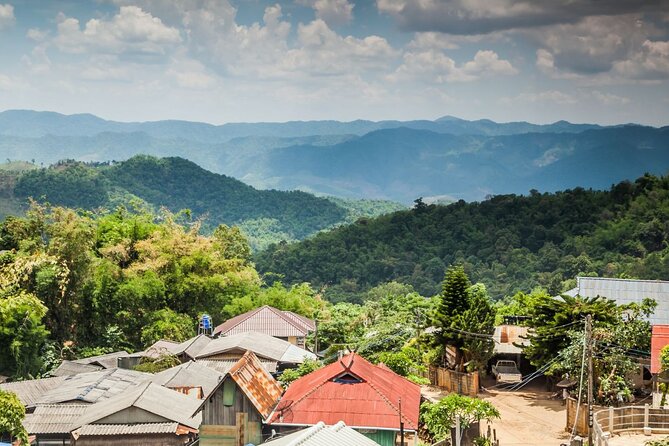
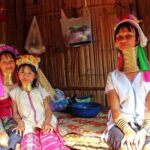
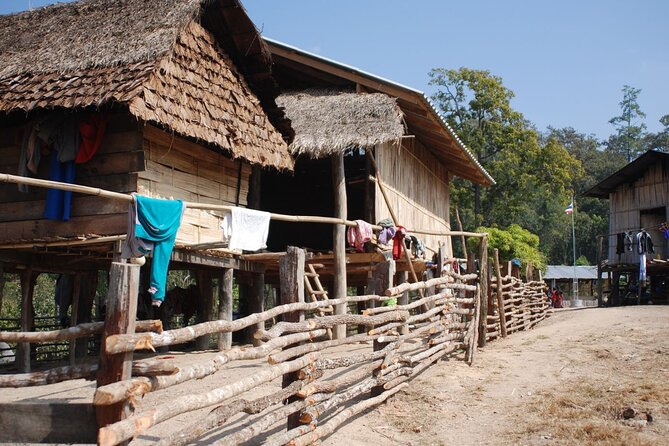
Your first major cultural stop is Ban Huai I-Ko, where you meet a display of how multiple hill tribe communities live. You’ll see five groups associated with northern Thailand: Akha, Meo, Lisu, Palong, and Karen. The idea here isn’t just name-dropping. It’s learning how their daily lives, beliefs, and traditions can differ from tribe to tribe.
I like this approach because it’s efficient. In one outing, you get a grounded sense that these communities are not interchangeable. Each group has its own way of working the land, using local knowledge, and structuring everyday life.
A possible drawback is that this is still a “village visit” format, not a private, long stay. Some people love the cultural explanations and home-made crafts. Others notice a bit of the sales pressure that can creep into any visitor-friendly stop. If you’re careful, you can handle this well: only buy what you truly want, and treat souvenirs as a choice—not an expectation.
Practical tip: bring some Thai baht for small purchases. Even when admissions are free for a stop, village goods are often paid on the spot.
Chiang Dao Cave with lantern guides: stalagmites, stories, and real crawling
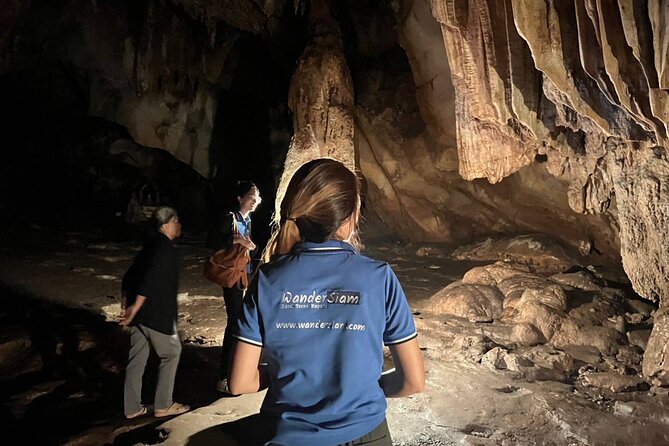
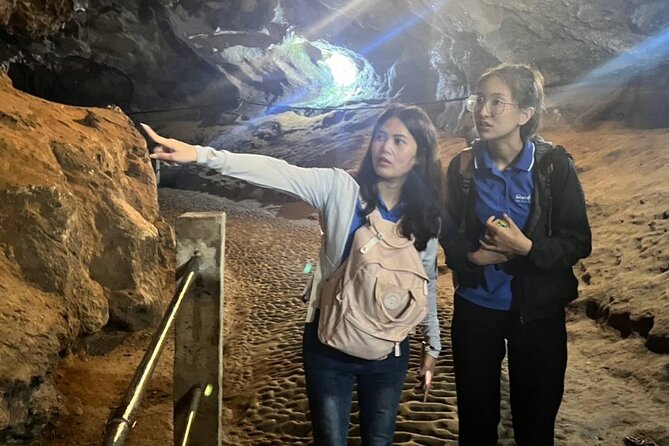
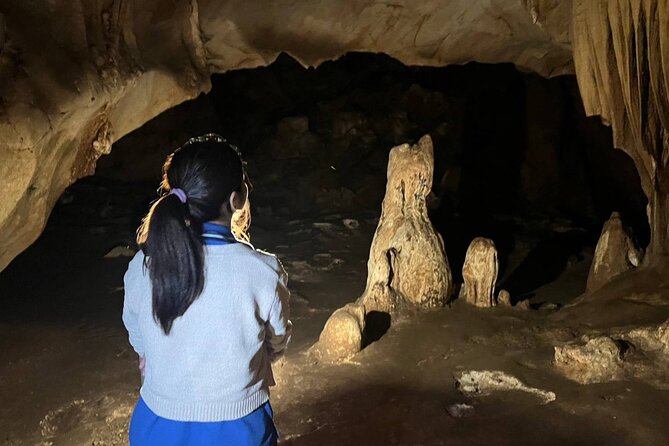
Then comes the main event: Chiang Dao Cave, widely known as one of the larger caves around Chiang Mai. You explore it with a local guide using lanterns, which changes the feel completely. It’s not bright and breezy like a mall. You feel the cave as a cave.
The formations are the headline: stalagmites and stalactites shaped over time. You’ll also hear stories tied to the site, and the experience often includes points where you move in a slightly awkward way because the cave is ancient, not engineered for crowds.
Do not skip the safety heads-up: the cave walk includes two narrow passages that require crawling. This hike isn’t recommended if you suffer from claustrophobia. It’s also a little tougher than people expect, especially for older visitors or anyone who isn’t comfortable with uneven ground.
What I recommend you do before you step in:
- Wear comfortable walking shoes (avoid flip-flops)
- Bring clothes you don’t mind getting a bit dusty
- If you like, bring a hat—reviews mention it helps in sun and also when you’re navigating parts of the day
- Keep valuables minimal and secured
Inside, you should expect humidity. Some parts may be darker than you’re ready for, and there’s a good chance you’ll go through sections where you hold onto the guidance of your guide and your footing. This is one of those experiences where preparation improves the whole mood.
Bai Orchid and Butterfly Farm: Thai orchids plus a calm greenhouse pause
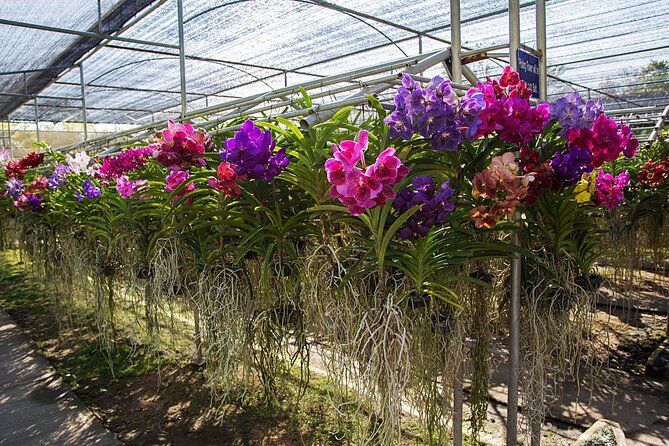
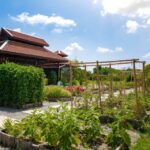
After the cave energy, the Bai Orchid and Butterfly Farm is a calmer reset. You enter a greenhouse setting with butterflies fluttering around plants and flowers, including orchids. It’s a nature stop that feels gentler after cave humidity and tight passages.
This stop is also one of the few chances on the day to take home something tangible. You can buy Thai orchids to bring back, which is a nice souvenir that’s also directly connected to what you saw.
A key point for your budget: the orchid-and-butterfly farm admission isn’t included. Also, based on recent feedback, this place may require Thai baht cash. If you want to buy orchids, plan ahead so you’re not scrambling at the counter.
Time on this stop is about 2 hours, which is enough to enjoy the butterflies and look closely at plants, without turning it into a long shopping session. If you’re the kind of person who likes slow photo time, give yourself room before the next stop.
Transport, timing, and why the day feels organized
This is a full-day plan, and the success of it depends on timing. The tour starts around 9:00 am, with a note that your departure time can shift between 8:00 and 9:00 am depending on participant numbers. On group tours, that matters because you want daylight for the cave approach and enough time for the farm.
You’ll also be dealing with normal Thailand weather. The tour runs rain or shine, and tropical showers can pass quickly. If rain picks up, the team tries to find shelter and continues once it calms down. Bring a poncho or raincoat during rainy season, not because the day will be cancelled, but because it makes walking much more comfortable.
Group size is capped at 15 travelers, which I appreciate. Smaller groups move better through a cave and keep the guide’s explanations clearer. It also tends to reduce the “everyone rushing, nobody listening” vibe.
One more detail to keep you stress-free: the tour can wait only about 10 minutes after the scheduled meeting time. If you’re late, the guide starts without you. Set an early “buffer” and you’ll enjoy the day more.



Price and value: what’s included in $52.18
At $52.18, this tour is positioned as value-focused rather than ultra-luxury. Here’s why it can feel like a good deal: the cost includes the harder-to-book pieces.
Included:
- Licensed English-speaking tour guide
- Pickup and drop-off in Chiang Mai Old City area
- Air-conditioned vehicle
- Local village guide and local cave guide
- Chiang Dao Cave entrance fee
Not included:
- Meal
- Personal expenses
- Gratuities (not mandatory)
- Orchid-and-butterfly farm admission
The big “value move” here is that you’re not trying to coordinate transport, entrance tickets, and bilingual context on your own. You’re buying a guided structure: you arrive, you’re explained, you’re led, and the cave logistics are handled.
Budget reality check: expect to pay for lunch and possibly pay for the greenhouse stop entrance and purchases. Some people are surprised by this, so I’d call it out plainly. If you arrive thinking it’s fully all-in, you’ll feel disappointed.
How to visit hill tribe villages in a respectful way
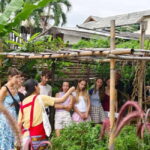
This part is worth your attention because “hill tribe villages” can mean different things on the ground. At Ban Huai I-Ko, you’re getting a guided look at community life and beliefs, and you can often buy handmade items.
I think the respectful approach is simple:
- Treat craft shopping as optional
- Decide your budget before you arrive
- If someone is explaining something, ask good questions and listen
Also, understand the power balance. Some visitors pick up on the fact that visitors bring money and locals provide access and stories. That can create a performance feel, especially if you’re pushed toward purchases you didn’t plan to make.
You can still support and enjoy. Just don’t let “being taken somewhere” trick you into spending. The best cultural visits I’ve experienced are the ones where you stay curious and keep purchases as choices.
If your guide mentions community support options, you can weigh it based on what you’re comfortable with. In the feedback you shared, people mentioned a school donation option, which you may hear about through your guide.
What to pack (so Chiang Dao Cave doesn’t ruin your day)
You’re dealing with sun at the village stop, dust and uneven ground near the cave path, and damp air inside the cave. Pack like you’re going on a light hike.
Bring:
- Walking shoes (not flip-flops)
- Comfortable clothing that can handle getting a little dirty
- A hat if you want extra sun coverage
- Water (even if you can buy or refill along the way, it’s safer to have it)
- Cash for the farm and for small purchases
If you’re worried about the crawl sections, don’t tough it out. The tour explicitly warns it’s not recommended for claustrophobia. Your day will be better if you choose the right fit for your comfort level.
Who this tour suits best (and who should rethink it)
This is a strong match if you want a single day that mixes nature + culture + a real adventure cave. It’s also a good option if you like having local context. Guides are repeatedly praised for connecting the cave experience and the village stories with practical detail, not just facts.
It can work for families too. One review mentioned a group with kids had a great time, which suggests it’s not only for serious hikers. Still, “kid-friendly” depends on your child’s comfort with uneven steps and crawling sections.
I’d rethink it if:
- You’re claustrophobic or dislike tight spaces
- You have mobility limitations and cannot comfortably crawl through narrow sections
- You want long, slow time at one village or one attraction (this day moves between multiple stops)
- You’re the type who hates any chance of feeling rushed if timing runs late
Some feedback also points to days where late starts can make the greenhouse portion feel quick. That’s not a flaw in the cave, but it affects how much time you get to linger.
Should you book Chiang Dao Cave & 5 Hill Tribe villages?
If you want an authentic north-Chiang-Mai day without hiring private drivers and sorting tickets yourself, I’d say yes. You get a strong package: local-guided hill tribe context, a lantern-lit cave with formations and narrow passages, and a greenhouse stop where you can enjoy butterflies and maybe buy orchids.
Book it especially if you’re excited by the cave’s hands-on feel. The lantern guiding is part of the magic, and the crawl-through sections make it more real than “cave sightseeing.”
But choose carefully if you’re uncomfortable in tight spaces. This cave walk isn’t built for claustrophobia, and shoes matter.
If you’re ready for a day of walking, respectful culture visits, and a cave that asks a bit of you, this is a good value way to spend your time near Chiang Mai.
FAQ
What time does the tour start, and how long is it?
The tour starts at 9:00 am and runs for about 8 hours. Your exact departure time can fall between 8:00–9:00 am depending on the number of participants.
Do you get pickup and drop-off in Chiang Mai?
Yes. Pickup and drop-off are offered for the Chiang Mai Old City area.
Is the meal included?
No. Meal is not included, so you’ll want to plan for lunch on your own (or bring money for the meal stop).
Are tickets included for all stops?
Chiang Dao Cave entrance is included. The orchid-and-butterfly farm admission is not included, so you may pay separately there.
Is Chiang Dao Cave suitable if I’m claustrophobic?
No, it’s not recommended for claustrophobia. There are narrow passages inside the cave where you need to crawl.
What should I wear for the cave?
Wear comfortable walking shoes and avoid flip-flops. You’ll be walking and navigating uneven, narrow areas in the cave.