REVIEW · BANGKOK
Bangkok: Street Art and Street Food Walking Tour
Book on GetYourGuide →Operated by TripGuru Thailand · Bookable on GetYourGuide
Bangkok’s street art tastes better.
This tour is built around street-food first planning, then pairs it with real Bangkok texture along Charoenkrung Road and through older neighborhoods. I like that you get 9 guided tastings (not just a couple of bites), and I also like the street art focus on the famous 150-year-old Charoenkrung corridor. One thing to keep in mind: on some days, market timing can affect what you see and how many stalls you get to, so don’t assume every stop will look the same.
You’ll walk with an English-speaking guide in a small group (up to 9), with a clear route that ends at River City for art-loving photo ops. It’s also a lower-impact style of tour: you get a glass bottle of drinking water, and carbon emissions are offset as part of the experience.
In This Review
- Key things that make this tour worth your time
- Why Charoenkrung and Talat Noi make this tour feel different
- Getting started at Saphan Taksin BTS Station (Exit 1)
- Klong San Market: where the food tour gets real
- The Charoenkrung Road walk: murals, history, and good pacing
- Side streets, temples, and street art you only notice with a guide
- Kalawar Church (Holy Rosary Church): a calm architectural pause
- Talat Noi and the River City finish for art photos
- The 9 dishes: how to plan your appetite and taste order
- Price and value: $61 for a guide, 9 tastings, and a responsible format
- Responsible sightseeing: glass water and carbon offsets
- Who should book, and who might skip this one
- Should you book this Bangkok street art and street food tour?
- FAQ
- Where is the meeting point for the tour?
- How long is the tour, and how big is the group?
- What food is included?
- Is the tour guide English-speaking?
- Do I need cash?
- Does the tour handle food restrictions?
Key things that make this tour worth your time
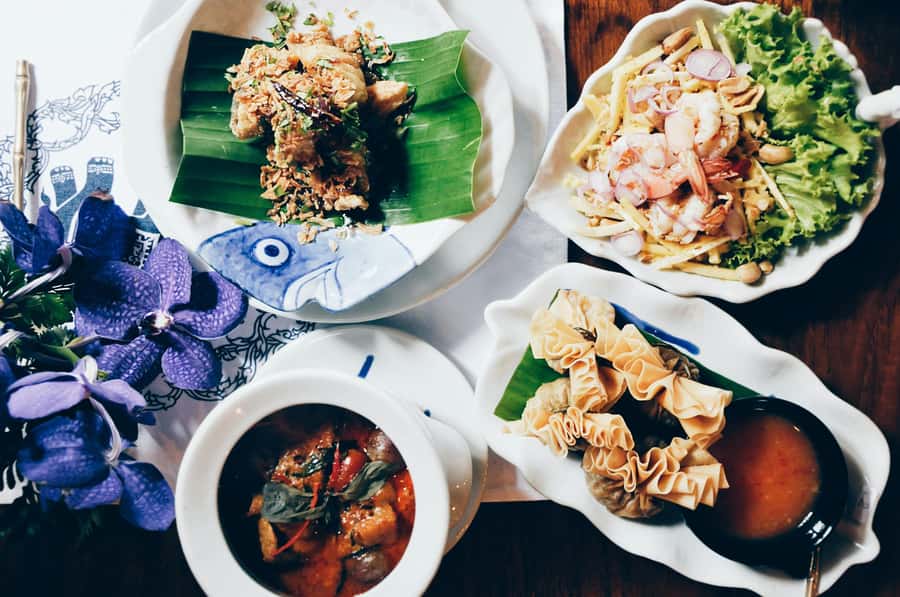
- 9 street-food tastings designed to pace you across multiple flavors instead of one big meal
- Charoenkrung Road murals on a historic 150-year-old stretch you can’t really appreciate at random
- Klong San Market stop where you’ll see local produce and sample food in the flow of the neighborhood
- Kalawar Church (Holy Rosary Church) for a strong contrast to the street-level chaos outside
- River City photo finish in a riverside spot where art culture and city views meet
Why Charoenkrung and Talat Noi make this tour feel different
Bangkok can be sensory overload in the best way, but it also helps to have a path. This tour takes you through older streets where you can actually connect the dots between food, daily life, and the wall art that reflects the city’s mood.
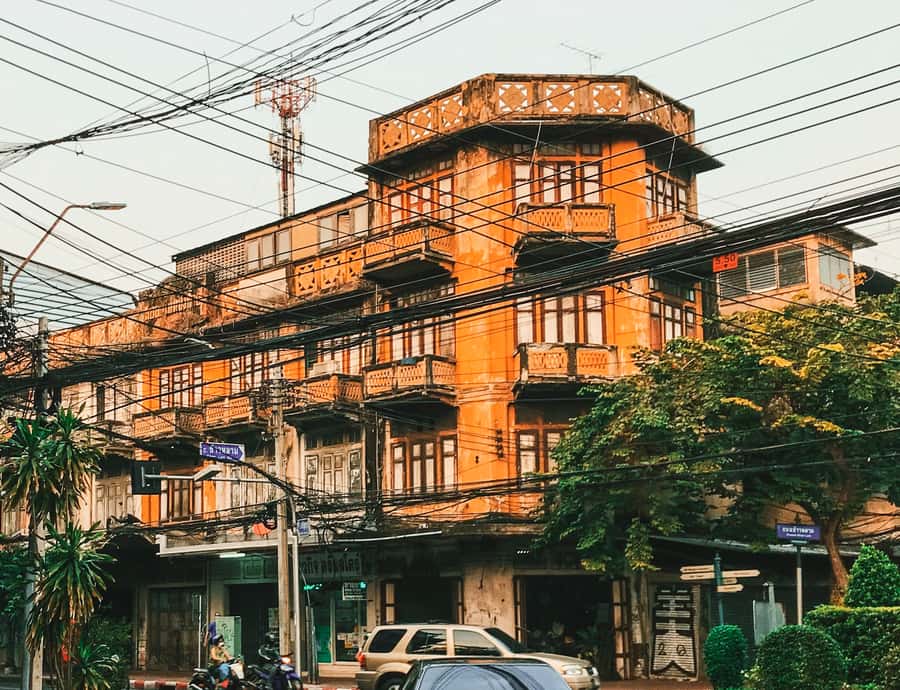
Charoenkrung Road is the anchor. You’re walking a stretch known for murals, and the guide’s job is to point out what you’re seeing and why it matters. Then Talat Noi adds the other side of Bangkok: narrower lanes, small local communities, and a more lived-in feel where street art sits alongside religious spaces.
The best part for me is that the street art isn’t treated like a museum checklist. It’s paired with food stops that force you to slow down, look at signage, watch how vendors work, and notice how the city functions block by block.
You can also read our reviews of more walking tours in Bangkok
Getting started at Saphan Taksin BTS Station (Exit 1)
Your meeting point is Saphan Taksin BTS Station, Exit 1. If you’ve arrived in Bangkok by transit, that’s a good sign: you’re not starting in a hard-to-reach corner of the city.
A couple of practical tips:
- Bring cash, since street stalls and markets often work easiest that way.
- Come 10 minutes early so the group can move on time. Small-group tours only stay small if the start is smooth.
- Your team emails the evening before with pickup time and meeting point confirmation.
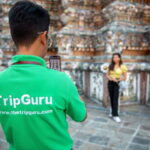
The guide will be holding a TripGuru sign, so you shouldn’t have to play guessing games at the station.
Klong San Market: where the food tour gets real
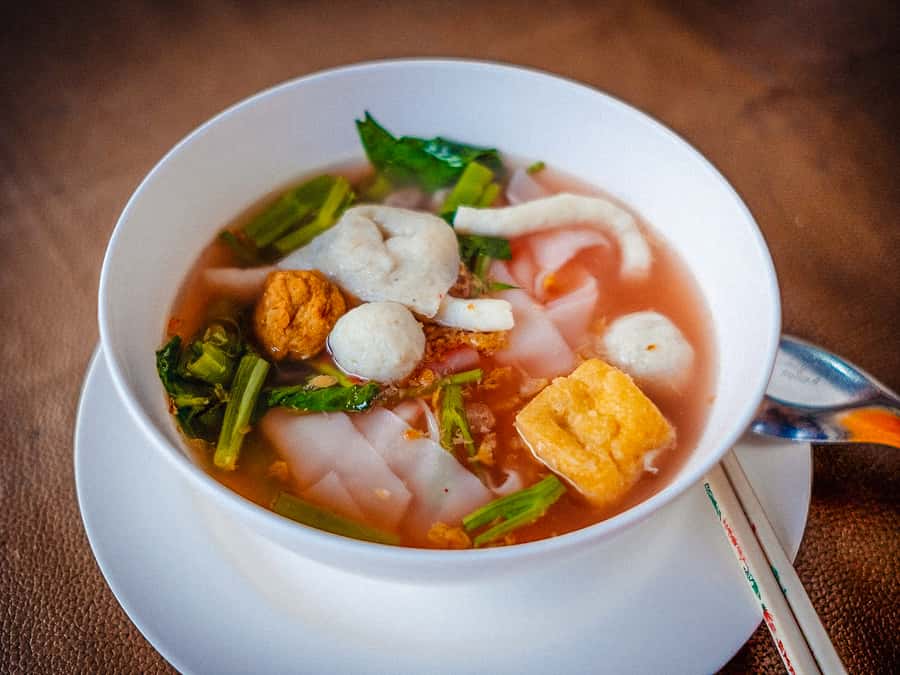
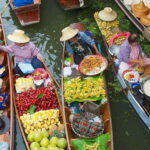
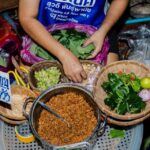
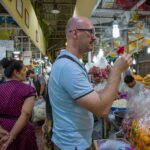
Klong San Market is where the tour resets your expectations from tourist Bangkok to neighborhood Bangkok. You’re there for about 50 minutes, which is long enough to see produce and enough to actually eat without feeling rushed.
The goal here is twofold:
- You try food that’s common and beloved in the area, not just trendy for photos.
- You learn what you’re looking at—local produce, how stalls operate, and what to order first.
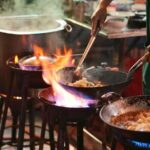
One specific first-meal anchor is roasted duck with rice from a long-running local restaurant that’s more than 100 years old. Even if you’re not a duck person, this stop is useful because it gives you a familiar baseline before the tour moves into more variety: papaya salad, sticky rice, stuffed pancakes, and Thai BBQ-style snacks.
If you have a sensitive stomach, start calm here. Markets can be overwhelming, and you’ll be doing multiple tastings afterward. Pace yourself, take water sips, and don’t force a huge first bite.
The Charoenkrung Road walk: murals, history, and good pacing
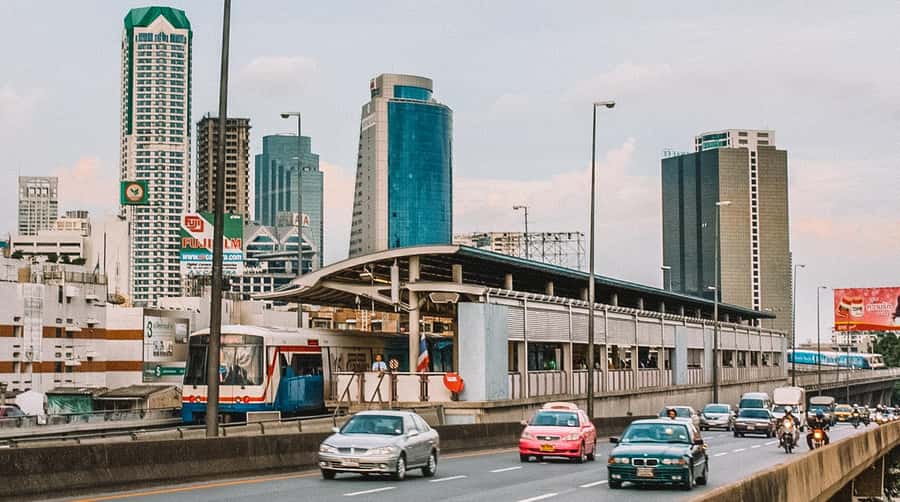
After the market, you shift to Charoen Krung Road for about 1.5 hours of sightseeing and walking. This is the big street art stretch, and it’s also a place where the scale of the city becomes obvious. Tall walls, long facades, and street-level energy all mix together, which is exactly why guided pointing-out helps.
What I like about this portion:
- You get a guided lens for what you’re seeing on the walls, so it doesn’t blur into generic street art.
- The route structure helps you connect the murals to nearby temples and side streets rather than treating them as separate stops.
Practical reality check: walking tours in Bangkok can be hot and slow down for shade. The pace can vary by guide and day. One review-style takeaway you should factor in is that if the group moves gently, you’ll still see a lot, but you may not get the same depth at every single planned-photo spot.
Also, if you’re sensitive to sound, note that there can be moments when the guide’s voice is harder to hear along the move—umbrellas and sun protection happen, especially in brighter weather. If hearing is important to you, try to stay close to the guide when you stop.
Side streets, temples, and street art you only notice with a guide
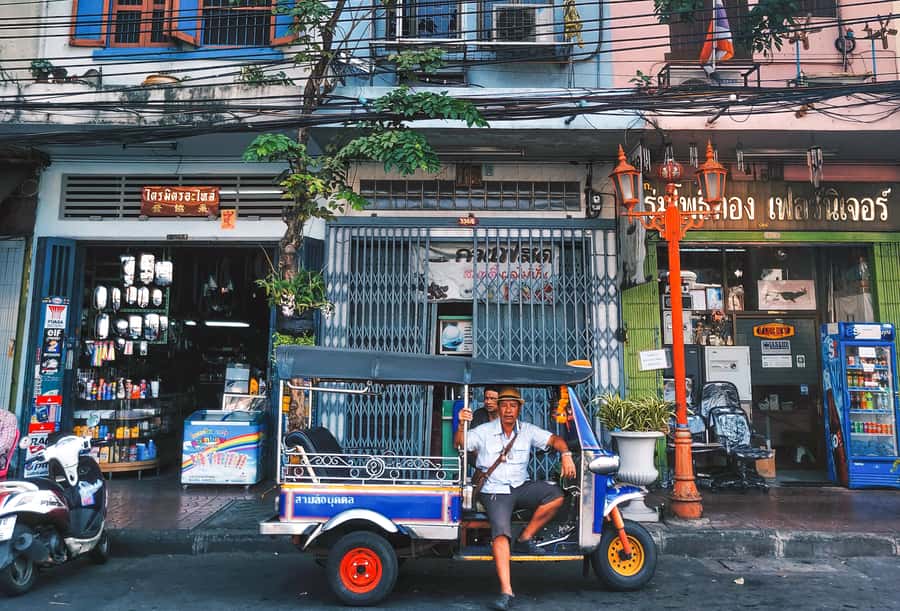
Once you’ve hit Charoenkrung, the tour threads into smaller lanes around the area. This is where Bangkok often becomes most rewarding: hidden Buddhist temples tucked between buildings, small local communities, and colorful street art that you’d walk right past without guidance.
A smart thing the guide does on this kind of route is tell you what you should look at before you reach it—so you can decide where to take photos and when to pay attention to the food plan.
Depending on the route day, you might pass landmarks such as Assumption College and the Marine Department Headquarters. Don’t count on exact visibility every time, but the overall feel stays the same: city life with some standout architecture mixed in.
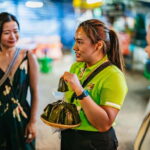
This portion is also where you’ll get more food bites. Expect favorites like:
- Thai milk tea
- Mataba (stuffed pancakes)
- Thai BBQ-style snack items
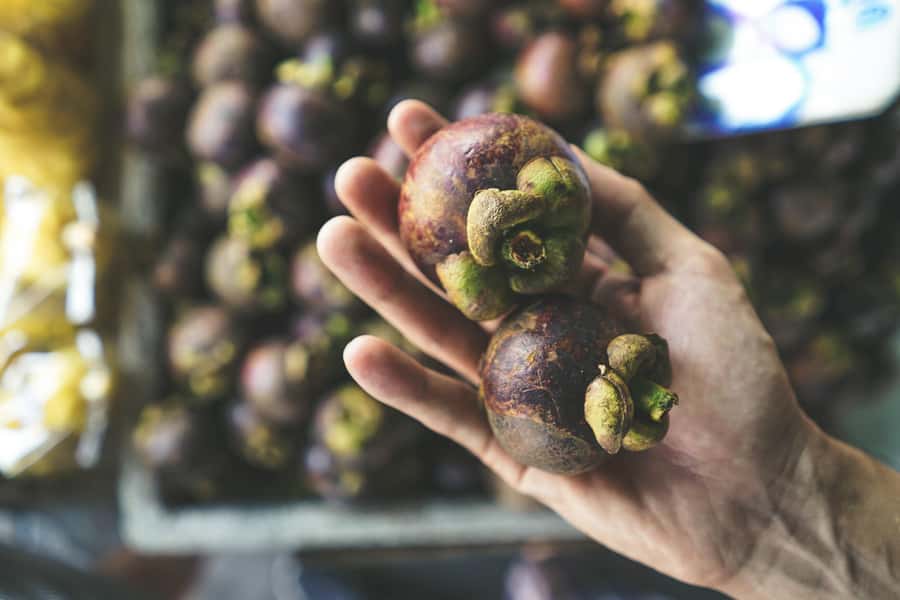
- fresh fruit
- papaya salad
- sticky rice
If you’re thinking about ordering, eat what the guide recommends first. The order matters because flavors like papaya salad and grilled snacks can hit strongly. If you have a preference, bring it up early in the tour so the guide can try to steer you toward the best matches across the 9 tastings.
You can also read our reviews of more food & drink experiences in Bangkok
Kalawar Church (Holy Rosary Church): a calm architectural pause
Then you get a break from the street-food rhythm with a stop at Holy Rosary Church (Kalawar Church) in an older neighborhood.
This is the kind of stop that works well inside a street-focused tour because it creates contrast. You shift from colorful street corners to Western-style architecture and a quieter atmosphere. It also gives you a visual reset before the final neighborhood walk.
If you’re the kind of traveler who likes context—how different communities shape Bangkok—this church stop is a useful moment. It also helps you understand that the city isn’t one aesthetic. It’s layers.
Talat Noi and the River City finish for art photos
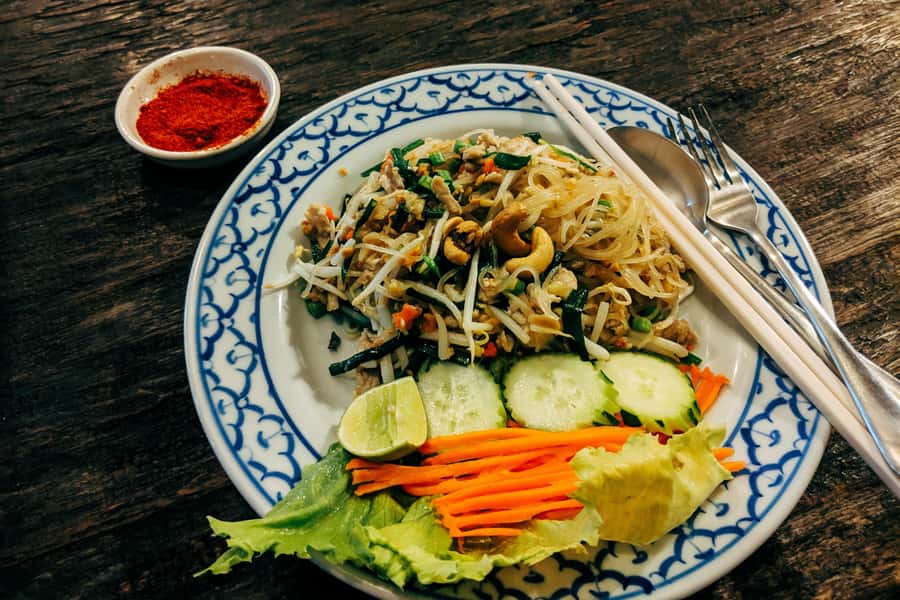
Talat Noi is next, with about 30 minutes in the neighborhood. This is where you see more of Bangkok’s older community layout and get time for street-level wandering. You’ll notice urban artwork here too, and the ethnic Chinese community presence is part of the atmosphere you’ll walk through.
Finally, the tour ends at River City, a riverside shopping center for art lovers. Expect postcard-style cityscape photos near the water.
One caution from real timing: sometimes the tour ends with a quick arrival and outdoor photo moments, and you might not have time to fully explore the inside shops. If River City indoor browsing matters to you, use your energy at the start for food and questions—so you’re not drained when you arrive.
The 9 dishes: how to plan your appetite and taste order
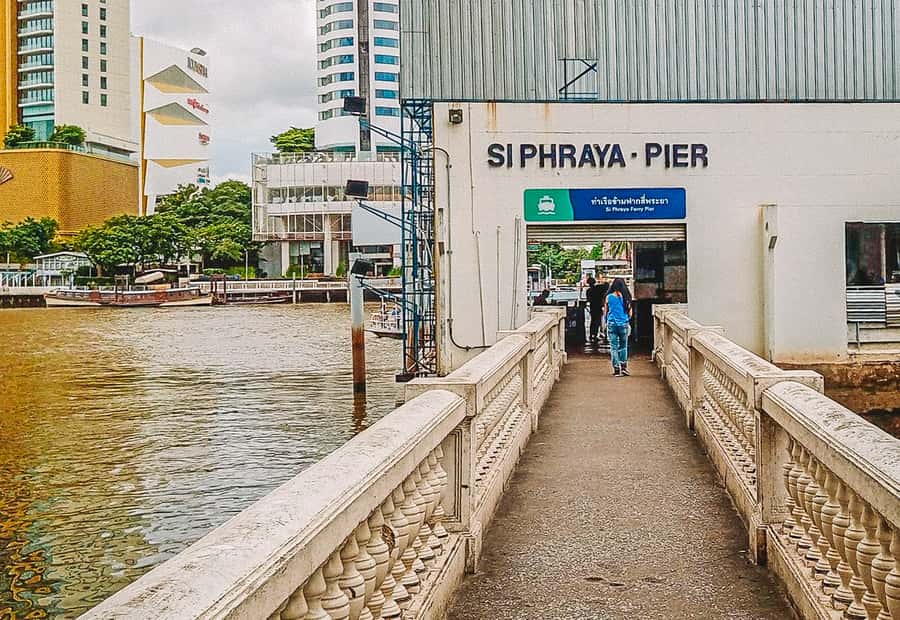
This tour is structured around food tastings (9 dishes). That’s a key difference from the shorter “snack crawl” style tours where you may only sample a few items.
Based on the described lineup and common stops, you’ll likely hit:
- roasted duck with rice
- Thai milk tea
- mataba (stuffed pancakes)
- Thai BBQ snacks
- fresh fruit
- papaya salad
- sticky rice
- and additional street-food bites chosen along the route
Because the tastings are spread across markets and streets, you don’t need to worry about getting one single huge meal late in the tour. You’ll be fed repeatedly, which helps you keep moving in Bangkok heat.
Still, come prepared:
- Eat a light breakfast or late lunch beforehand so you don’t feel stuffed by the time you reach dessert-like items.
- Bring a camera, but also keep a little space in your hands for your next bite.
- Ask early about what you really want to try if you have preferences. One guide-friendly advantage here is that food restrictions were reportedly handled without drama.
Price and value: $61 for a guide, 9 tastings, and a responsible format
At $61 per person for 4 hours, the value comes from the bundle of what’s included:
- an English-speaking guide
- 9 food tastings
- glass bottle drinking water
- insurance
- carbon emissions offset credits
What you’re really paying for is time and decision-making. Bangkok street food is everywhere, but the tough part is sorting what’s safe, what’s worth your money, and what to try first. A good guide reduces that guesswork and helps you taste a wider range than you’d pick on your own.
You’re also getting a small group (up to 9). That tends to make a difference on narrow streets and in markets where crowds slow everything down. You get more attentive routing and fewer bottlenecks at stalls.
Responsible sightseeing: glass water and carbon offsets
This is a low-impact way to explore, with specific details that matter in practice:
- water provided in glass bottles
- carbon emissions offset credits included for every tour
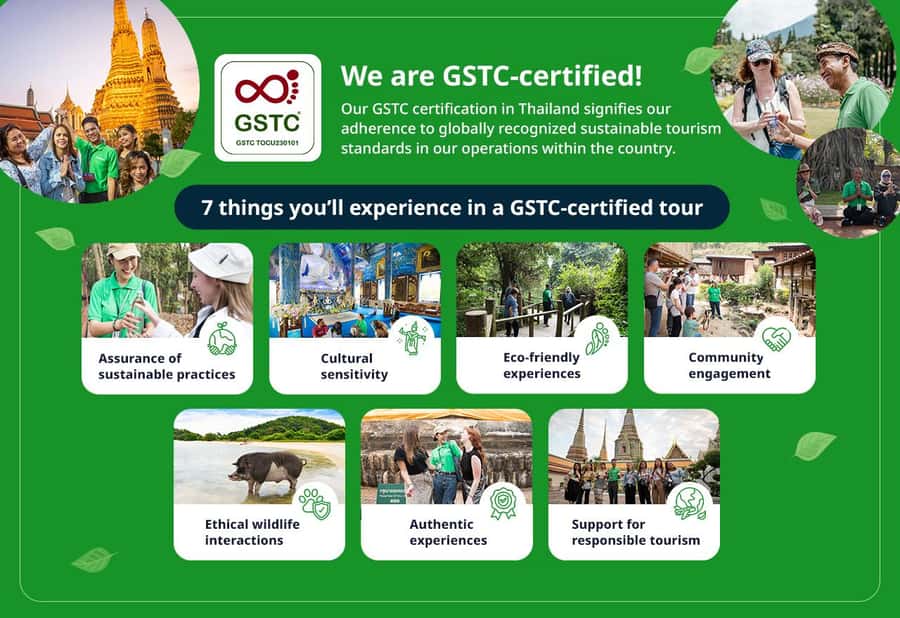
- the tour is described as GSTC-certified
That doesn’t change the taste of Thai food, of course. But it does mean the tour operator is thinking about footprint and material choices rather than treating sustainability as a throwaway line.
If that’s important to you, this tour’s structure supports it without turning the day into a lecture. You still walk. You still eat. You just do it in a more accountable framework.
Who should book, and who might skip this one
This Bangkok street art and street food walk is a good fit if:
- you want street art plus real eating in one plan
- you like the idea of 9 tastings instead of a few samples
- you’d rather have a guide handle pacing and stall selection
- you’re comfortable walking for around 4 hours with breaks for food and sightseeing
You might want to look for another option if:
- you need guaranteed market coverage every day, regardless of hours and timing
- you struggle in situations where a guide’s voice is hard to hear in movement or at sun-shielded stops
- you’re hoping River City time will include lots of inside browsing, since the finish can be more about photos than shopping
Should you book this Bangkok street art and street food tour?
I’d book it if you’re aiming for a balanced day: food first, street art alongside it, plus a classic architectural pause at Kalawar Church. The small-group size, included water, insurance, and carbon offset credits add up to more than just convenience.
If you’re picky about exact stall count and you’re visiting during a period where markets might run on shifting hours, go in flexible. This tour is designed to keep things moving, but not every date promises the same visible market setup.
FAQ
Where is the meeting point for the tour?
The meeting point is Saphan Taksin BTS (skytrain) Station, Exit number 1. The guide will be holding a TripGuru sign, and you should arrive about 10 minutes before pickup time.
How long is the tour, and how big is the group?
The tour runs for 4 hours and is kept to a small group with a maximum of 9 participants.
What food is included?
The tour includes food tasting of 9 dishes. You can expect items like roasted duck with rice, Thai milk tea, mataba (stuffed pancakes), Thai BBQ snacks, fresh fruit, papaya salad, and sticky rice.
Is the tour guide English-speaking?
Yes. The tour is described as having an English-speaking live guide.
Do I need cash?
Yes, it’s recommended to bring cash along with your camera and sunscreen.
Does the tour handle food restrictions?
The tour data notes that at least one booking had a food restriction and reported it wasn’t an issue with the guide, so it’s worth sharing your needs with the guide when you start.