REVIEW · BANGKOK
Bangkok: Grand Palace, Wat Pho, and Wat Arun Guided Tour
Book on GetYourGuide →Operated by DiscoverEase Tours · Bookable on GetYourGuide
Bangkok can feel like a blur. This tour slows it down with three of the city’s most iconic temple stops and a Chao Phraya boat ride. I like that it’s a small group (up to 10), so your guide can keep things moving without turning the day into a stampede.
Two things I’d put near the top: you get context, not just sightseeing, and you’ll see the 46-meter-long Reclining Buddha at Wat Pho. The guide stories can turn the details of palace art and Buddhist symbolism into something you can actually remember later.
One thing to think about first: temple rules are strict. You’ll need to follow the dress code (no shorts, short skirts, or sleeveless tops), and entrance fees aren’t included—plus Wat Pho and Wat Arun are cash-only, while the Grand Palace accepts card.
In This Review
- Key Highlights You’ll Feel During the Day
- Why This 5-Hour Temple Circuit Feels Like Bangkok’s Fastest Orientation
- Golden Place Tha Chang Pier: The Start, the River Feel, and Why the Meeting Point Matters
- Grand Palace and Wat Phra Kaew: The Royal Complex That Teaches You How to Look
- Wat Pho: Reclining Buddha Scale and the Thai Massage Connection
- Wat Arun: Climb the Steep Steps and Read the Porcelain Prang Up Close
- Price and Value: $24 Sounds Simple, But Fees Need Planning
- What to Wear and Bring (So You Don’t Get Turned Away)
- Pacing, Crowds, and the Role of the Guide (Names You Might Hear)
- Who Should Book This Tour—and Who Might Want to Skip It
- Should You Book This Grand Palace–Wat Pho–Wat Arun Tour?
- FAQ
- How long is the Bangkok Grand Palace, Wat Pho, and Wat Arun tour?
- How much does it cost?
- Is the tour free to cancel?
- What’s included in the price?
- Are entrance fees included?
- Can I pay by card at all the temples?
- Where do I meet and where does the tour end?
Key Highlights You’ll Feel During the Day
- Small group (max 10) means fewer bottlenecks and more chances to ask questions
- Boat ride on the Chao Phraya connects the stops in a very Bangkok way
- Grand Palace + Wat Phra Kaew (Emerald Buddha area) gives you the royal and sacred “why”
- Wat Pho’s 46-meter Reclining Buddha is big enough to reset your sense of scale
- Wat Arun’s porcelain-decorated prang and steep climb rewards you with close-up detail and views
- Entrance fees are not included and Wat Pho/Wat Arun require cash
Why This 5-Hour Temple Circuit Feels Like Bangkok’s Fastest Orientation
For first-time visitors, Bangkok’s biggest challenge is sorting what matters. This tour gives you a clean triangle: royal Bangkok at the Grand Palace, devotional Bangkok at Wat Pho, and picture-perfect Bangkok at Wat Arun—without leaving you to guess what you’re looking at.
You’re paying $24 per person for the structure: an English-speaking guide, a guided route, bottled water, and a boat ride. Entrance fees aren’t included, so you’re also paying attention at the gate (more on that below). The payoff is that you spend your limited time where the meaning is.
The day runs about 5 hours, starting at Golden Place (Tha Chang Pier Branch) and ending at Tha Tian Pier. You’re not doing a long bus tour with random stops—you’re doing the core things in a way that’s easy to follow, even in heavy crowds.
You can also read our reviews of more guided tours in Bangkok
Golden Place Tha Chang Pier: The Start, the River Feel, and Why the Meeting Point Matters
Your tour begins outside Golden Place (Tha Chang Pier Branch). This matters more than people think, because there are multiple tours meeting at the pier area, and you don’t want to lose time tracking the right group.
You’ll also want to arrive early because late joiners aren’t allowed. If you haven’t met the group and guide within 30 minutes after the start, you won’t be able to join. So build in buffer time, especially if traffic or weather slows you down.
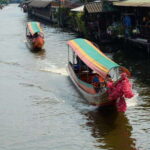
Then comes the part that makes Bangkok unique: the boat ride. Crossing the Chao Phraya turns the temples into something more than postcard buildings. Even if you’re not a “boat person,” it’s a useful way to understand how the city is laid out and why these riverside sites matter.
Grand Palace and Wat Phra Kaew: The Royal Complex That Teaches You How to Look
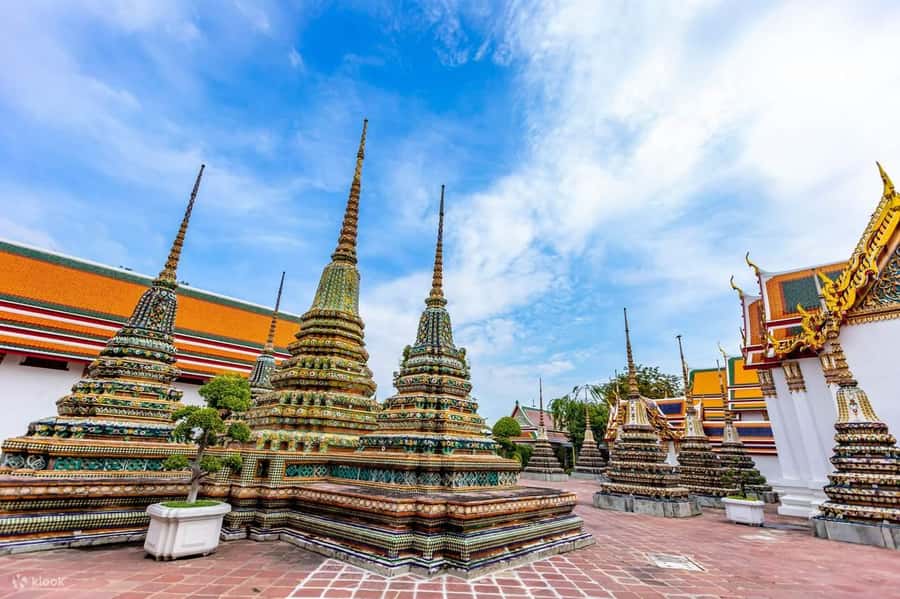
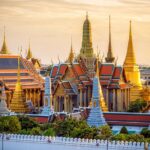
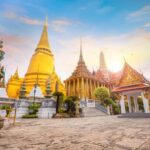
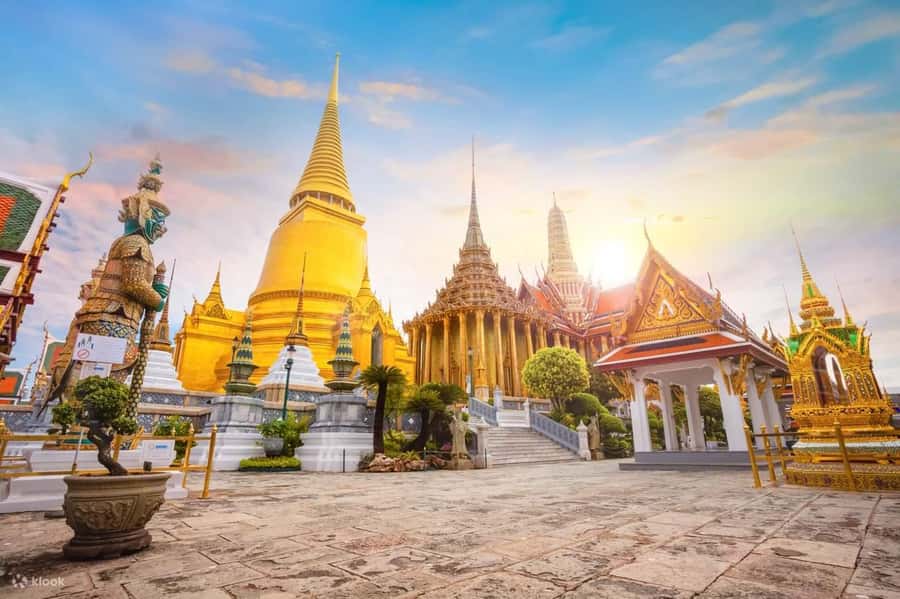
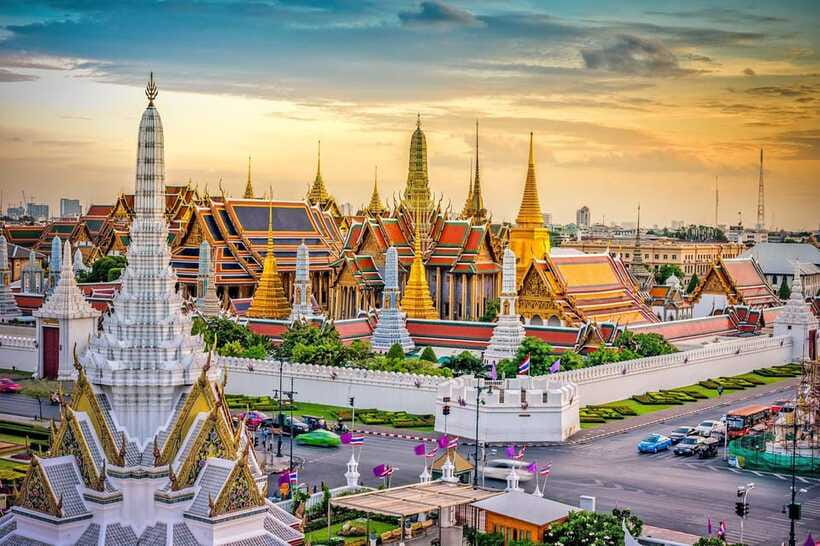
The day starts with the Grand Palace area, including Wat Phra Kaew (the Temple of the Emerald Buddha). This isn’t just an impressive place—it’s a living introduction to how Thai royal tradition and Buddhist devotion overlap.
As you walk through the palace grounds, you’ll notice how much of the design is about detail: golden spires, ornate surfaces, and murals that reward slow glances. The guide’s job is to help you connect the visual with the meaning, so you’re not just snapping photos at random angles.
You’ll also get a key moment of understanding through the Temple of the Emerald Buddha. This is one of Thailand’s most sacred Buddha images, and it helps explain why the whole complex carries such weight. If you’re the type who likes a “frame” for what you’re seeing, this stop will do that for you.
Possible drawback here: crowds. Even with a guide keeping the group moving, the Grand Palace/Wat Phra Kaew zone can be dense. Go in ready to pause often, stand your ground for photos, and accept that you’ll do a bit of weaving.
Wat Pho: Reclining Buddha Scale and the Thai Massage Connection
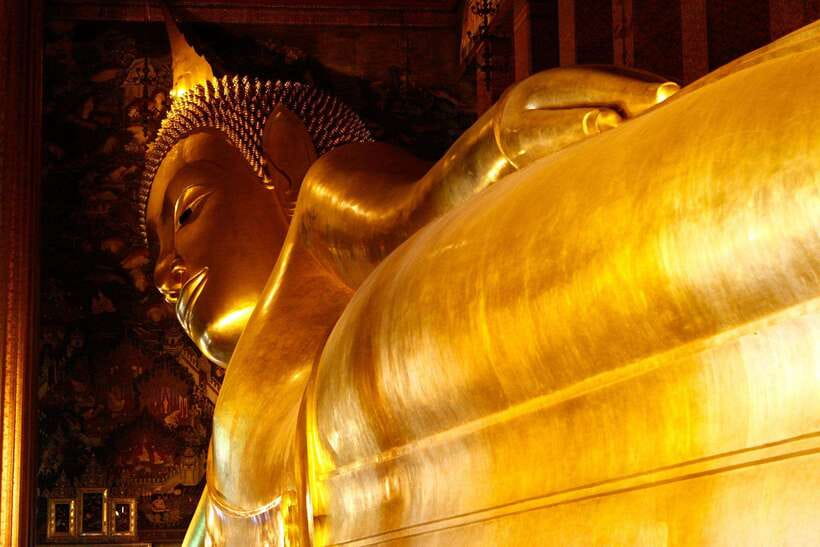
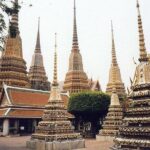
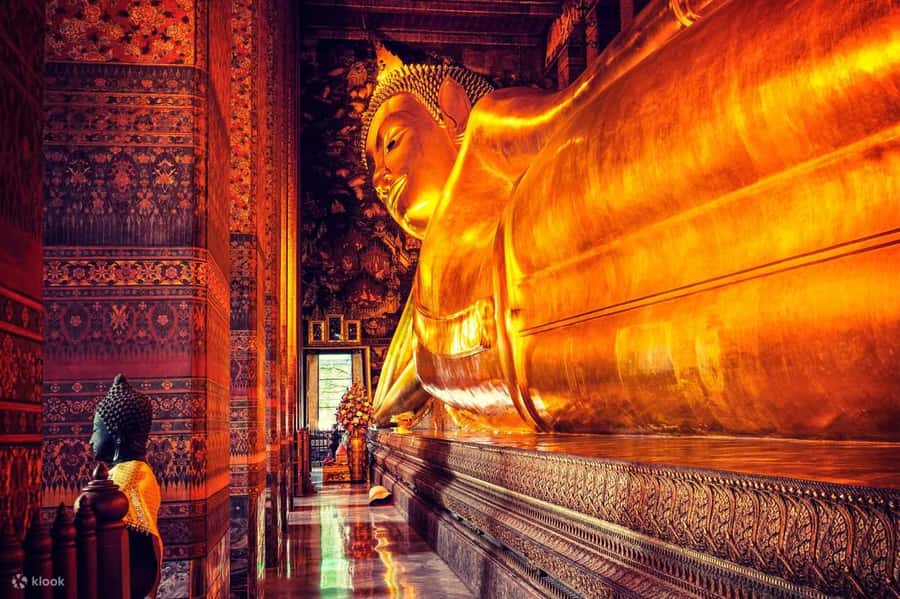
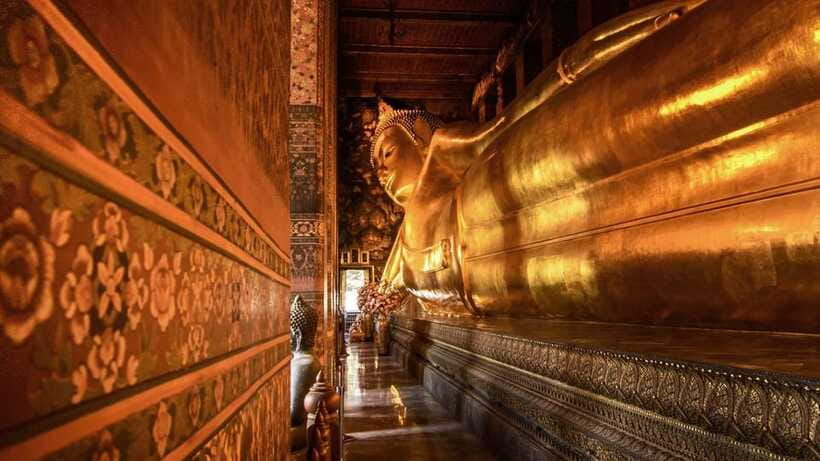
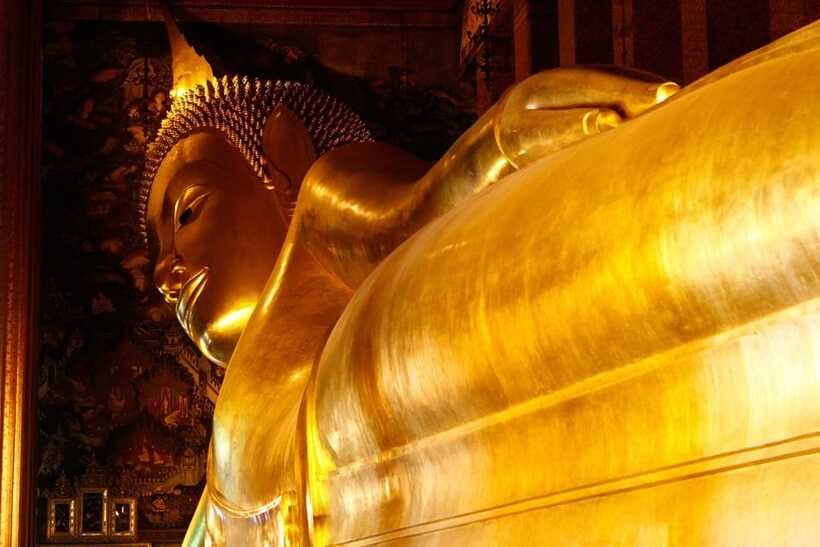
Next up is Wat Pho, home to the massive 46-meter-long Reclining Buddha draped in gold leaf. Seeing it in person is the kind of thing that hits you in the first minute. The size makes the space feel different, like you’re inside a monument rather than a temple.
Wat Pho is also famous as the birthplace of traditional Thai massage. That matters because it changes how you read the site: it’s not only about prayer and ceremony, it’s also part of how Thai culture treats healing, discipline, and wellbeing. If you’ve ever had a Thai massage and wondered where the tradition comes from, this is your direct connection.
What I like most about this stop is the practical pacing. You’re given time to take photos and explore, and the guide can point out what to notice so you don’t miss the best details while you’re surrounded by people.
What to watch for: stairs and uneven areas. Even if you’re steady on your feet, temple grounds can be slippery and packed. Comfortable shoes aren’t optional here—they’re your main tool for enjoying the day.
Wat Arun: Climb the Steep Steps and Read the Porcelain Prang Up Close
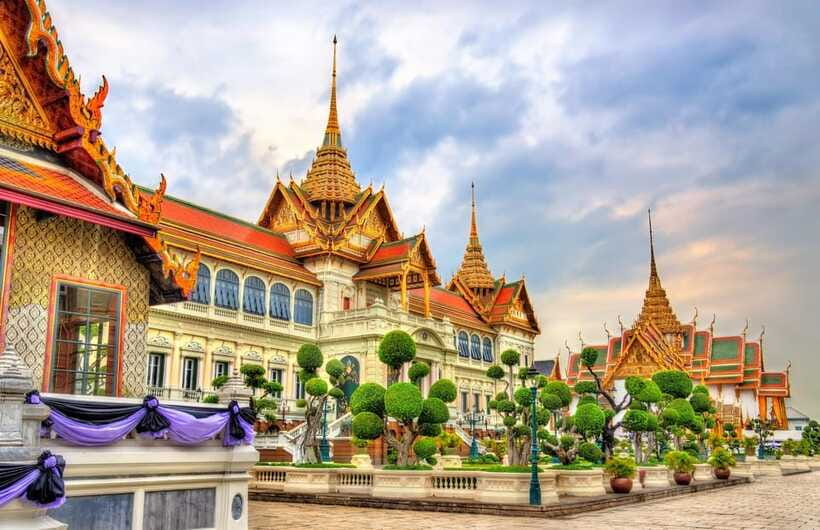
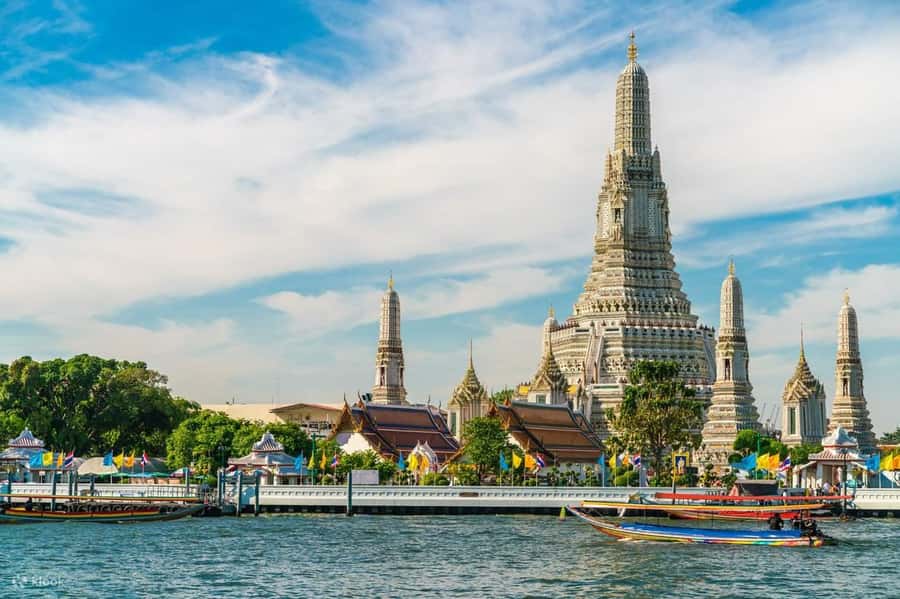
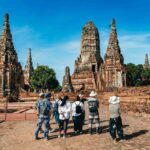
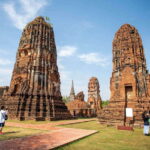
After Wat Pho, you cross to Wat Arun across the Chao Phraya River. Wat Arun is one of Bangkok’s most recognizable landmarks, mainly because of its tall prang (spire) covered in colorful porcelain decoration.
This is the stop where photos start to feel easy—because the shapes practically demand it. The guide can help you position the group for river views and better angles, especially when the crowds shift.
Then you climb the steep steps. This part is worth doing, because it changes your experience from “looking at a temple” to “standing on one.” Up close, the porcelain details and temple textures become much more real, and the views across the river and city help you understand where you are in Bangkok.
Consideration: the climb can be tiring. If you’re not into stairs, or you’re visiting during very hot weather, you’ll want to pace yourself and take breaks when you need them. You can also slow down inside the complex without derailing the day, since the tour is designed to give time for exploring.


Price and Value: $24 Sounds Simple, But Fees Need Planning
At $24 per person for a 5-hour small-group tour, the value is mainly in the guided experience. You’re not paying for a bus, you’re paying for an English-speaking guide, a boat ride, and bottled water—plus the ability to move efficiently between three major sites.
The catch is that entrance fees are not included. The Grand Palace accepts card, but Wat Pho and Wat Arun are cash-only. That means you should plan ahead so you don’t end up searching for an ATM mid-tour.
One smart detail: entrance to each temple isn’t mandatory during the tour. If you want to skip a site or leave early, you’re free to do it. That flexibility is helpful if heat, crowds, or energy levels change your plan.
If you hate decision fatigue, bring your cash and treat entrance fees as part of your day budget. If you like control, you can decide on the fly which stop feels most important to you.
What to Wear and Bring (So You Don’t Get Turned Away)
Temple dress codes in Thailand are not optional. For this tour, you’re not allowed to wear shorts, short skirts, or sleeveless shirts. That rule alone can decide whether the day feels smooth or stressful, because getting turned away wastes your time.
Bring:
- Comfortable shoes you can walk in for hours
- A sun hat
- Sunscreen
- A camera (there will be plenty of moments for it)
- Water (the tour provides bottled water, but heat in Bangkok can still surprise you)
A small practical tip: wear something breathable and easy to sit/stand in. Temple visits involve waiting, climbing, and standing around while crowds shift.
Also, keep an eye on timing. You meet outside Golden Place (Tha Chang Pier Branch), and being late can prevent you from joining once the day gets rolling.
Pacing, Crowds, and the Role of the Guide (Names You Might Hear)
What really makes this tour work is the guide’s pacing and how they explain what you’re seeing. In the group setting, this isn’t about reciting facts—it’s about giving you enough context to enjoy the details rather than rushing from sign to sign.
Guides who have led this tour include Sunday, CK, Luke, Guitar, Eve, Betty, Siri, Tack, and Peak. People often praise guides for staying organized, keeping the group engaged, and making sure everyone has time to take photos without feeling herded.
The best guides also help you “read” what you’re looking at—like why the Emerald Buddha area is such a focus, what Wat Pho’s Reclining Buddha symbolizes in the space, and what makes Wat Arun’s porcelain work so visually distinctive.
Crowd reality: the tour includes some ultra-busy areas, especially around the major temples. The upside is that you’re not alone in the chaos—you have someone helping you manage it.
Who Should Book This Tour—and Who Might Want to Skip It
This tour is a strong fit if:
- It’s your first time in Bangkok and you want a focused temple day
- You care about meaning and symbolism, not just photos
- You prefer a small group over large buses
- You’re okay walking and climbing a bit
It’s not a great fit if:
- You use a wheelchair (the tour is not suitable for wheelchair users)
- You don’t handle stairs well or you’re trying to avoid any uneven ground
- You’re short on cash and don’t want to plan for cash-only temple fees
Should You Book This Grand Palace–Wat Pho–Wat Arun Tour?
I think you should book it if you want a smart, time-efficient temple day with an actual guide explaining what you’re seeing. At $24, the structure is good value—especially because it bundles in the boat ride and keeps the group small.
Book it with eyes open if you’re sensitive to strict dress rules and you hate cash logistics. Bring proper clothes, plan for cash at Wat Pho and Wat Arun, and accept that crowds and heat are part of the deal in this part of Bangkok.
If you’re the type who wants your first Bangkok day to feel organized and meaningful, this is a very solid pick.
FAQ
How long is the Bangkok Grand Palace, Wat Pho, and Wat Arun tour?
The tour lasts 5 hours.
How much does it cost?
It costs $24 per person.
Is the tour free to cancel?
Yes, it has free cancellation up to 24 hours in advance for a full refund.
What’s included in the price?
You get an English-speaking guide, a guided tour, a boat ride, and bottled water.
Are entrance fees included?
No. Entrance fees are not included.
Can I pay by card at all the temples?
The Grand Palace accepts card. Wat Pho and Wat Arun are cash only.
Where do I meet and where does the tour end?
You start outside Golden Place (Tha Chang Pier Branch) and finish at Tha Tian Pier (ท่าเรือท่าเตียน).