REVIEW · BANGKOK
Bangkok Private Walking Food Tour with 10+ Tastings in Chinatown
Book on Viator →Operated by Secret Food Tours · Bookable on Viator
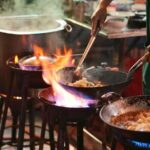
Street food in Bangkok is a team sport.
This private walk strings together Chinatown flavors with more than 10 tastings, so you’re not just sampling, you’re comparing tastes as you go. I also like how the format stays personal: only your group, led by locals who know which stalls are worth your attention and how to keep the pace realistic.
One thing to plan for: it’s a fair walk in humid weather, so comfortable shoes matter.
In This Review
- Key highlights at a glance
- Why this 3-hour food walk feels more Bangkok than a checklist
- Price and value: what $250 buys you (and what it doesn’t)
- Meeting point and timing: Hua Lamphong Rong Mueang to back again
- Stop-by-stop: malls, river views, Chinatown, and a dose of culture
- Step into the mall world before you hit the streets
- The open-air mall on old docks and the Chao Phraya angle
- Chinatown: where the food density goes up
- A major mall stop that shows Bangkok’s scale
- Bang Rak: love stories and practical city life
- Jim Thompson House: art and architecture as a palate cleanser
- What you’ll actually taste: the 10+ dish lineup (and how Monday differs)
- Tuesday through Sunday menu notes
- Monday menu notes
- The secret dish: why it’s worth the ticket
- The real Chinatown skill: how the guide keeps the pace and the variety
- Comfort tips you’ll thank yourself for
- Who should book this tour
- Should you book? My take
- FAQ
- How long is the Bangkok Private Walking Food Tour?
- How many food tastings will I get?
- Is this tour private?
- Where does the tour start?
- Is transportation included in the price?
- What if I have dietary requirements?
- Does the menu change by day?
- Will the itinerary and menu always be the same?
- What happens if the weather is poor?
- What is the cancellation policy?
- Final decision: pick your day and wear your walking shoes
Key highlights at a glance
- 10+ tastings in about 3 hours, including dumplings, buns, salads, and dessert
- Private small-group feel with only your group joining you
- Chinatown-focused route plus quick stops that explain the city’s mix of old and new
- Weekday menu swaps (Monday differs from Tue–Sun) so check what’s served on your day
- Black sesame dumplings in warm ginger tea to close on something cozy
- An exclusive secret dish that’s part of every tour
Why this 3-hour food walk feels more Bangkok than a checklist
Bangkok can overwhelm you fast. So I like tours like this one because they give you a tight, three-hour loop with built-in decision-making: you don’t have to hunt menus, translate dishes, or guess portions. Instead, you just show up and follow the route while the guide keeps you moving through the tastiest stops.
The biggest win is the variety. You’re not stuck on one category of food. You’ll likely try savory bites (like dumplings and noodles), crunchy-salty items (like papaya salad and Thai-style snacks), and then end with something warm and sweet (black sesame dumplings in ginger tea). That rhythm keeps the experience fun instead of food fatigue.
It also helps that the tour is private. You get a calmer pace, and you can ask questions without feeling rushed. In one set of experiences, guide Jan stood out for being genuinely helpful and for steering the group through the plan in a way that kept everyone fed and informed.
You can also read our reviews of more walking tours in Bangkok
Price and value: what $250 buys you (and what it doesn’t)
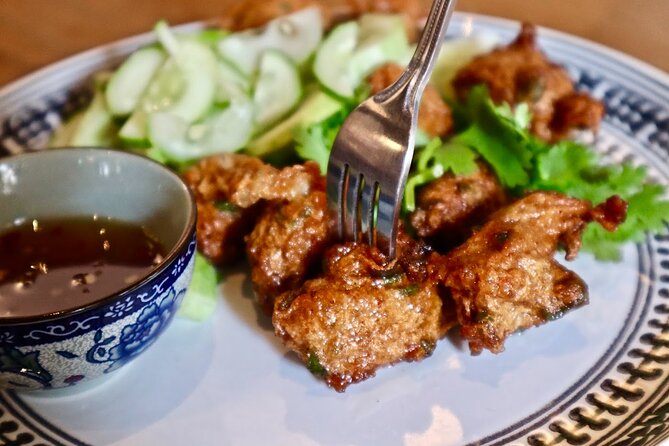
At $250 per person, this isn’t a budget stroll. But the value comes from what’s included. The tour lists specific dishes, drinks, and desserts across the route, including items like shrimp dumplings, steamed buns with red pork, and papaya salad, plus multiple mains and sweet finishes. On top of that, you get an exclusive secret dish as part of the experience.
Also, there’s a practical reason the price feels more reasonable in Bangkok: transportation isn’t included. If you’re paying for taxis every time you want to move between food stops, the costs stack up quickly. This tour handles the “how do I get there” problem by keeping you on a walkable route with structured stops back to the meeting point.
What it doesn’t include is gratuity and any travel between your hotel and the start. So if you’re staying far from Hua Lamphong, plan on getting to the meeting point by yourself.
Meeting point and timing: Hua Lamphong Rong Mueang to back again
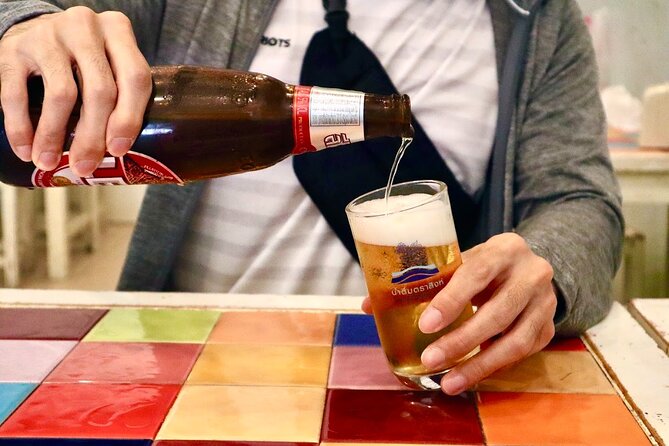
The tour starts and ends at Hua Lamphong Rong Mueang, Pathum Wan (near public transportation). That’s handy because it means you’re not stuck halfway across town at the end, guessing how to get back.
Expect about three hours of walking. The heat is the real variable. Even if you’re fit, Bangkok’s humidity can slow you down. I’d treat this as a “walk and eat” morning or afternoon, not a casual stroll. Bring water if you can, and wear shoes you won’t regret by stop number five.
Stop-by-stop: malls, river views, Chinatown, and a dose of culture
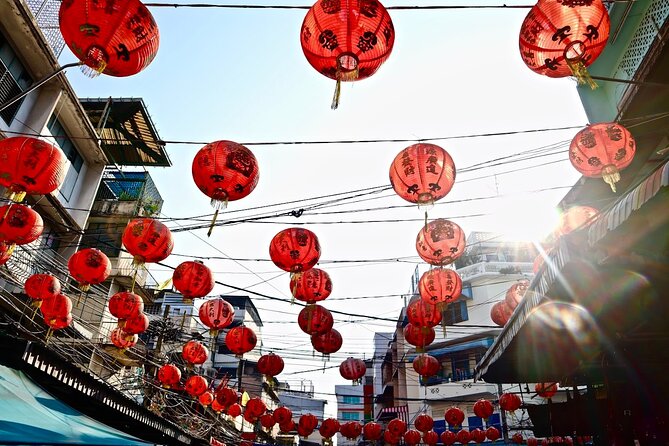
This tour’s route moves through both modern Bangkok and older food districts, so you see the city’s contrasts rather than only a single neighborhood.
Step into the mall world before you hit the streets
You’ll begin at a large shopping center in Bangkok: eight storeys, with around 2,000 shops, restaurants, and service outlets, including a Tokyu department store area. It sounds like a detour if you came only for street food, but it works as a warm-up. You get your bearings, see how busy the city gets indoors, and then transition out to the street-level markets with a clearer sense of the area.
Possible drawback: if you strongly prefer outdoors only, the mall segment can feel like a waiting period. The upside is that it helps manage the timing and keeps the group organized before the Chinatown portion.
You can also read our reviews of more food & drink experiences in Bangkok
The open-air mall on old docks and the Chao Phraya angle
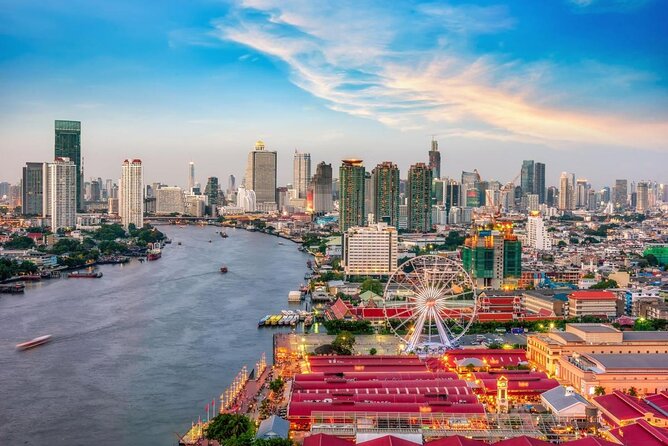
Next is a large open-air mall that occupies former docks of the East Asiatic Company. It faces the Chao Phraya River and Charoen Krung Road. Even if you don’t sit down to sightsee, the location gives you a visual story: Bangkok keeps reusing older spaces, and the city’s waterways still matter for commerce and life.
This is also a place where you might get brief pauses and a quick reset before you head toward the older food streets.
Chinatown: where the food density goes up
Then you enter one of the largest Chinatowns in the world. Today it’s a hub for Chinese culture and traditional goods, and it’s especially known as a food destination. This is where the tour stops feel like the main event rather than the prelude.
Chinatown’s advantage for a food tour is simple: lots of stalls, lots of repeat patterns in cooking, and lots of places to compare flavors side-by-side. That’s exactly what you want when you’re tasting more than 10 dishes. You’re not just collecting bites; you’re learning how similar ingredients show up in different textures and sauces.
A major mall stop that shows Bangkok’s scale
Another stop includes one of Thailand’s largest malls, in the same category as IconSiam, CentralWorld, and CentralPlaza WestGate. That reinforces how big Bangkok can feel, and it gives you a breather in air-conditioned space if the humidity is intense.
The trade-off is that malls aren’t where the most memorable bites happen. Use this time to regroup, not to expect street-food vibes.
Bang Rak: love stories and practical city life
Bang Rak can mean village of love, and the district is popular for marriage registrations, especially around Valentine’s Day. You’re not going there for romance-photo opportunities. You’re getting a quick look at how Bangkok brands its places and how culture shows up in everyday paperwork and local habits.
In a food tour, this stop also helps you understand the city as a lived-in place, not only a set of attractions.
Jim Thompson House: art and architecture as a palate cleanser
Finally, there’s a stop at the Jim Thompson House, a museum in central Bangkok that houses the art collection of Jim Thompson, an American businessman and architect. This part of the day works as a palate cleanser. After savory bites and sweets, it helps to step into a calmer environment where your senses can reset.
It’s also a reminder that Thailand’s story isn’t only about markets. It’s about design, collecting, and how ideas move through the city.
What you’ll actually taste: the 10+ dish lineup (and how Monday differs)
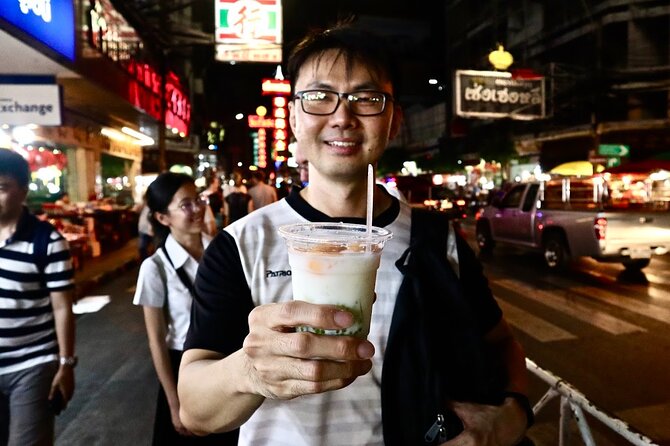
Food tours get judged by the menu. This one stands up because it mixes styles and textures, and it keeps returning to recognizable Thai flavor anchors.
Across tours, you’ll find core items like:
- Shrimp dumplings
- Steamed buns with red pork (served Tuesday–Sunday)
- Papaya salad, Thai style
- Chinese donut with pandan custard (Tuesday–Sunday)
- Satay with peanut sauce (Tuesday–Sunday)
- Black sesame dumplings in ginger tea (Tuesday–Sunday)
- Duck noodle soup (Tuesday–Sunday)
You’ll also get items tied to the specific day of your tour. Here’s how the menu changes so you can set expectations:
Tuesday through Sunday menu notes
If you’re on Tuesday through Sunday, you’re set up for a fuller “main-course plus dessert” flow. Expect spicy basil chicken over jasmine rice, shrimp dumplings, steamed buns with red pork, Chinese donuts with pandan custard, and duck noodle soup. The papaya salad usually shows up as a crisp, sour-salty counterpoint to all the rich foods.
You’ll finish with black sesame dumplings in warm ginger tea, which is a good closer because it’s comforting rather than heavy.
Monday menu notes
On Monday, the lineup shifts. You may taste spicy basil and steamed buns, plus stewed pork knuckle with rice. The sweet and refreshment side changes too, with options like banana roti, fruit, and a cold dessert. You might also see roll noodle soup with pork belly.
So if you have favorites (or strong dislikes), it’s worth checking the day-specific list before locking in.
The secret dish: why it’s worth the ticket
Every tour includes an exclusive secret dish. I’m glad it’s there because it adds surprise without making the meal feel random. It also gives you something you can’t easily replicate at a random stall. If you’re the type who likes to eat your way through a city’s best-known foods, the secret dish gives you a little extra credit with zero extra work.
The real Chinatown skill: how the guide keeps the pace and the variety
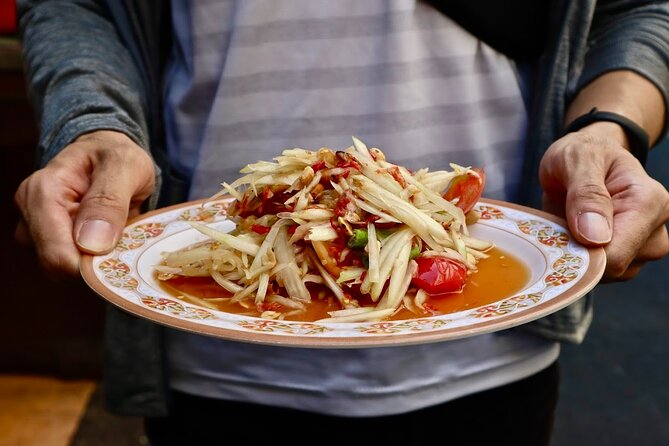
A food tour isn’t just about eating. It’s about timing. If you arrive hungry and you get too much sweet too soon, the day starts to slide downhill.
This tour’s built-in menu flow helps prevent that. Dumplings and buns give you texture variety early. Papaya salad acts like a reset—bright, sour, and salty. Noodles and rice items bring you back to a satisfying base. Then you close with ginger tea and black sesame dumplings so you leave feeling warm, not stuffed.
Comfort also comes from how you’re handled along the way. In one common theme from the experience feedback, the guide makes sure everyone is well taken care of and keeps the group moving through the plan without dropping anyone. Guide Jan is a clear example of that “helpful and on it” vibe.
Comfort tips you’ll thank yourself for
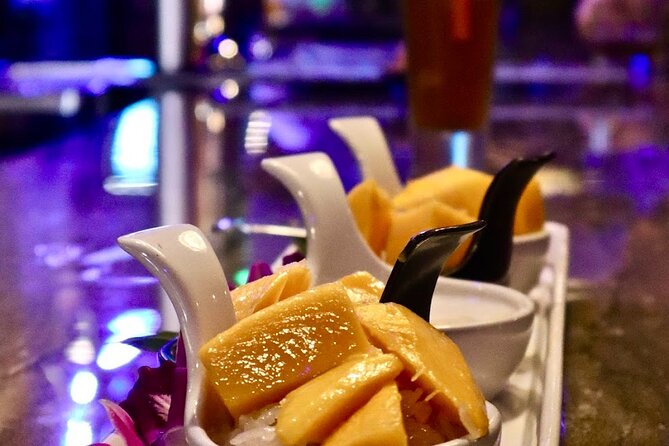
Bangkok humidity is real. Here’s how to make this walk enjoyable instead of sweaty misery:
- Wear comfortable shoes with grip. You’ll be walking enough that sore feet can ruin the food.
- Dress for heat, not style. Light layers help.
- Go lighter before the tour. If you’ve already eaten a big lunch, you’ll feel the meal volume faster.
- If you have diet needs, contact the team in advance. They ask that you reach out so they can cater best.
Who should book this tour
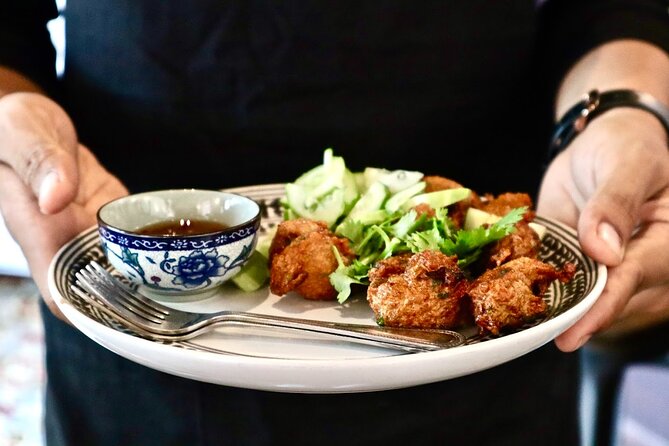
This is a strong fit if you want:
- A private food experience with more than 10 tastings
- Chinatown-focused eating, without doing the research yourself
- A mix of food and city context in a single three-hour block
- A day-by-day menu that changes depending on whether you go Monday or Tuesday–Sunday
It might be less ideal if you:
- Hate walking in humidity
- Want only outdoors street food (this route also includes major mall stops and museum time)
- Need very specific dietary accommodations and haven’t contacted the team ahead of time
Should you book? My take
If you like having someone else solve the hard parts—where to eat, what to order, and how to keep the tastings balanced—then yes, book it. The combination of 10+ tastings, the secret dish, and a clear finishing move with black sesame dumplings in ginger tea makes the price feel justified for a private, structured experience.
But if you’re not comfortable with heat and walking, or if you need transportation built in, you’ll want to adjust your expectations. Plan your timing, wear shoes you trust, and contact the team about dietary needs early.
FAQ
How long is the Bangkok Private Walking Food Tour?
It runs about 3 hours.
How many food tastings will I get?
The tour includes 10+ tastings.
Is this tour private?
Yes. Only your group will participate.
Where does the tour start?
It starts at Hua Lamphong Rong Mueang, Pathum Wan, Bangkok 10330, Thailand.
Is transportation included in the price?
No. Transportation is not included.
What if I have dietary requirements?
Contact the tour provider in advance so they can cater for you as best as possible.
Does the menu change by day?
Yes. The menu differs between Monday and Tuesday–Sunday for several included dishes.
Will the itinerary and menu always be the same?
No. The itinerary and menu are subject to change based on location availability, weather, and other circumstances.
What happens if the weather is poor?
The experience requires good weather. If it’s canceled due to poor weather, you’ll be offered a different date or a full refund.
What is the cancellation policy?
You can cancel for a full refund up to 24 hours before the experience’s start time. Within 24 hours, the amount paid isn’t refunded.
Final decision: pick your day and wear your walking shoes
Book if you want a private, structured way to eat your way through Chinatown and beyond, with a clear set of tastings and a warm sweet finish. Choose your day based on the menu difference (Monday versus Tue–Sun), and don’t underestimate the humidity—comfortable shoes are part of your ticket value here.