REVIEW · BANGKOK
Bangkok: Chinatown & Taladnoi Street Art Guided Walking Tour
Book on GetYourGuide →Operated by TRIPZA sightseeing · Bookable on GetYourGuide
Chinatown has a side you won’t see alone. This 4-hour guided walk links temples, markets, and street art with Thai-Chinese stories that explain how the area became what it is today. You also end by the river, so the day doesn’t have to stop when the tour does.
I like that the tour keeps moving through real neighborhoods, not just photo spots—starting at Wat Mangkon Kamalawat and threading onward through quieter lanes. I also like the human touch from guides such as Jenny, Nok, Mai, and Mariyah, who tend to slow down for questions and keep the storytelling clear.
One drawback to plan for: this is a walking tour. Wear comfortable shoes, expect sun, and note it’s not suitable for wheelchair users or pregnant women.
In This Review
- Key highlights worth showing up for
- Chinatown Without The Tourist Script
- Meeting Point And Pace: The 4 Hours Plan
- Starting At Wat Mangkon: Spiritual Bangkok’s Chinese Center
- The Morning Market Walk: Incense, Street Food, And Real Flow
- Tian Fah Foundation Hospital And The Human Side Of Heritage
- Wat Traimit’s Golden Buddha Moment
- Wat Pathum Khongkha: A Pause Before Talad Noi
- Talad Noi Ironworks Alleys: Where Craft Culture Lives
- Talad Noi Community Museum And Street Art Backstreets
- River City Bangkok Finish: Turn The Walk Into A Riverside Day
- Price And Value: What $19 Buys You In Bangkok
- Who This Tour Fits Best (And Who Should Skip It)
- The Most Praised Style Of Guidance (From What You Can Expect)
- Should You Book This Chinatown & Talad Noi Walk?
- FAQ
- Where does the tour start?
- Is the tour in English?
- How long is the walk?
- Does the tour include meals?
- Is pickup available?
- What should I bring?
- Is the tour suitable for wheelchair users or pregnancy?
Key highlights worth showing up for
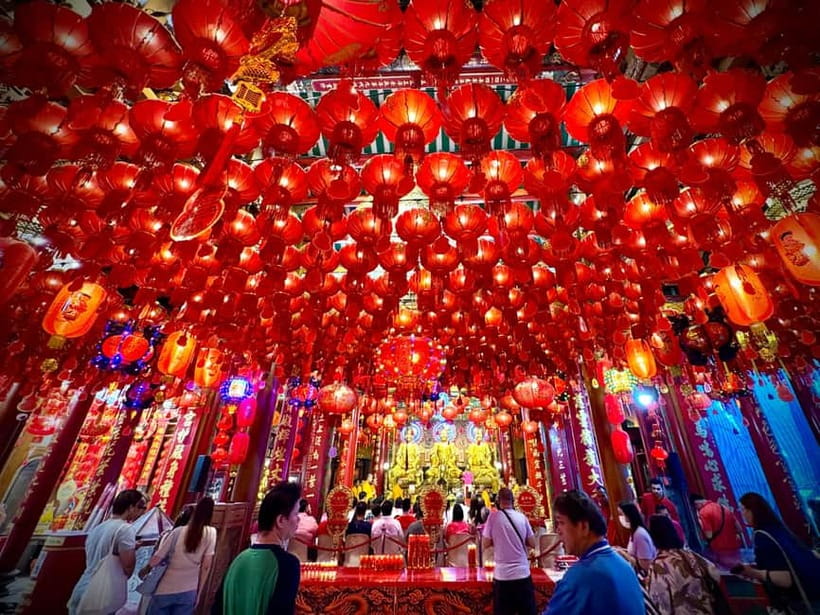
- Wat Mangkon Kamalawat: Chinese spiritual life in the heart of Yaowarat
- Morning market wandering: street food smells, incense, and local rhythm
- Wat Traimit’s Golden Buddha story: a turning-point moment in Thai-Chinese ties
- Talad Noi ironworks lanes + shrines: old trade routes you can still feel
- Talad Noi Community Museum street art: modern color over old metalworking streets
Chinatown Without The Tourist Script
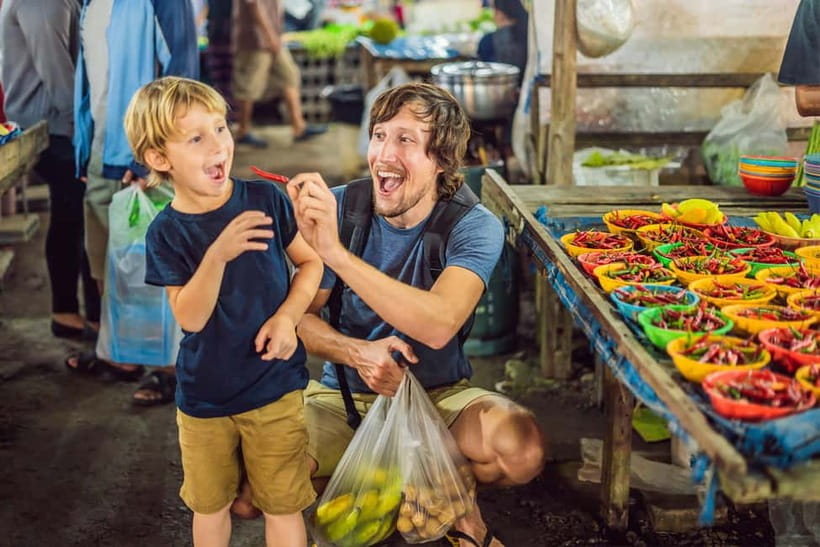
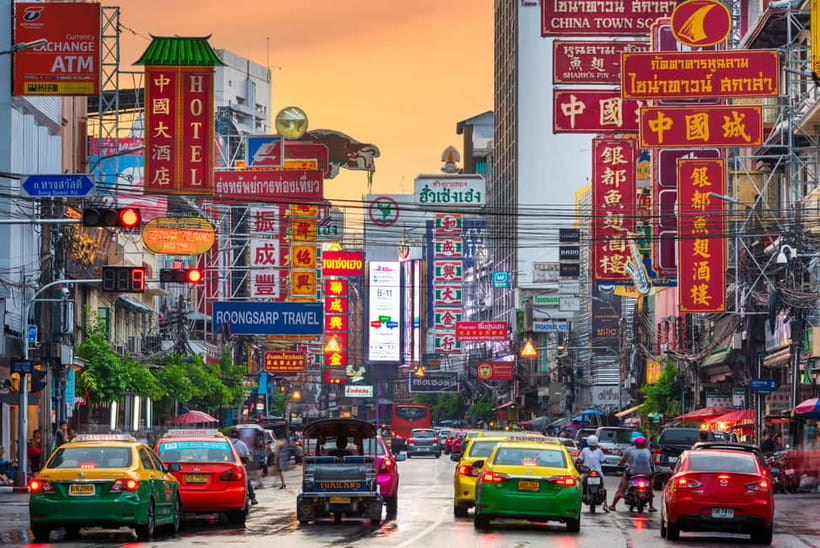
Bangkok’s Chinatown, or Yaowarat, is famous for a reason. But most first-time visits stay stuck near the busiest blocks and miss the quieter pockets where culture shows up in details: side shrines, family-run trade, and small lanes that never made it onto postcards.
This tour is built to get you past that wall of crowds. You start with major religious sites that anchor the neighborhood’s Chinese community, then you move into markets and backstreets where the “why” behind everything is easier to understand. The guide’s job here isn’t just facts—it’s making connections between immigration, commerce, and the everyday objects people still use.
And when you’re done, you’re not stranded. You finish at River City Bangkok on the Chao Phraya River, which is a smart way to transition from walking to the next part of your day.
You can also read our reviews of more walking tours in Bangkok

Meeting Point And Pace: The 4 Hours Plan
You meet at MRT Wat Mangkon Exit 3. If you choose pickup, you’ll wait in the hotel lobby at least 5 minutes before the scheduled time, and your guide will come with a sign holding your name.
The tour runs about 4 hours, with two main walking segments and short breaks along the way. Expect photo stops, guided stops inside or near temples and community spaces, and some free time in Talad Noi. That mix matters because you’ll get explanations when you need them, then you’ll have a chance to look around at your own speed.
Practical tip: bring a hat and sunscreen, and keep water handy even though the tour includes a bottle. The area can feel hot and busy, and you’ll be happier if you dress for walking rather than for photos.
Starting At Wat Mangkon: Spiritual Bangkok’s Chinese Center
The morning kicks off at Wat Mangkon Kamalawat, a major hub of Chinese spiritual life. This is the kind of place where the atmosphere teaches you quickly: you’ll see how religious practice, community identity, and neighborhood life overlap.
From there, you continue into the surrounding area where the guide guides you through the rhythms of daily life. You also visit the kind of spaces that locals associate with faith and family—shrines and temple corners that don’t always get attention on short sightseeing loops.
What I like about this start is that it gives you context early. Chinatown makes more sense once you see how spiritual life sits beside trade and street business.
The Morning Market Walk: Incense, Street Food, And Real Flow
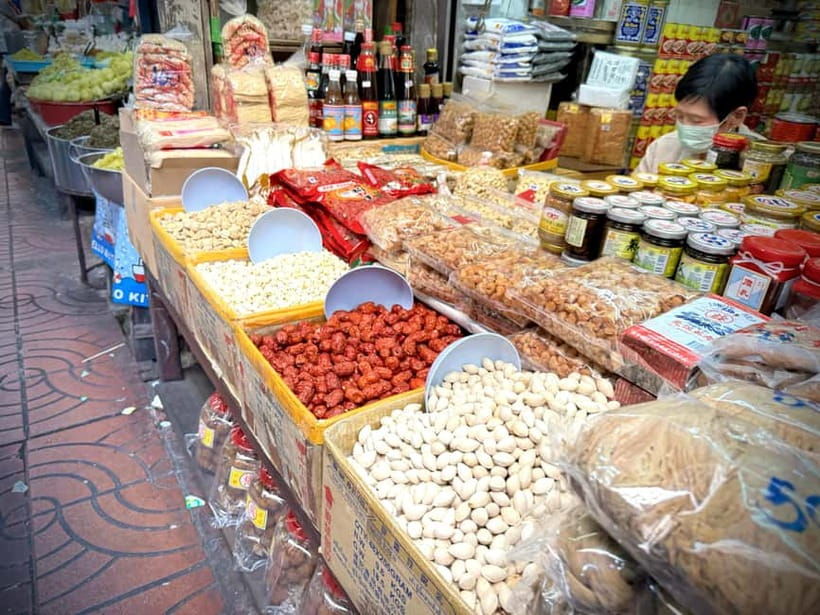
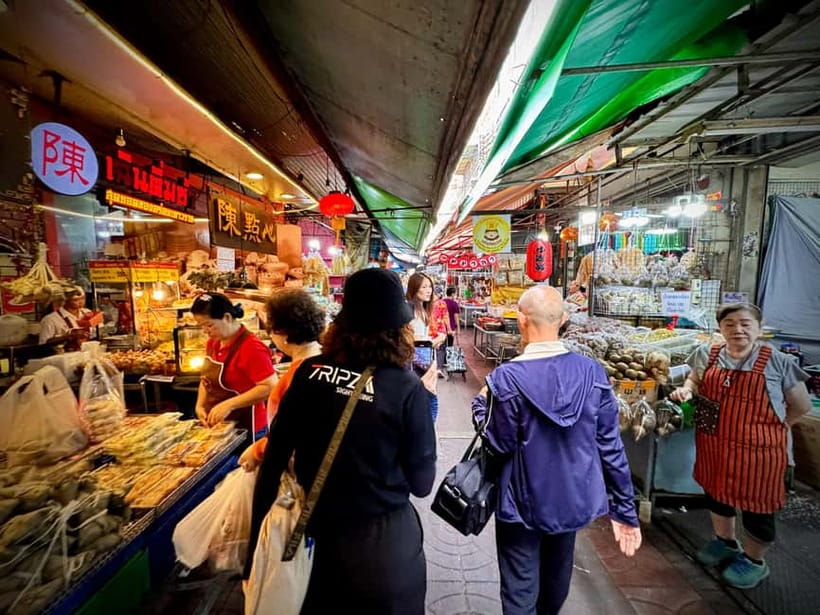
After the temple anchor, the route shifts into a morning market area. This is where you get the “you are here” feeling: street smells, incense, and the kind of casual energy that comes from people actually buying and selling, not just posing for cameras.
Even if you don’t plan to snack heavily, you’ll still learn a lot from watching what’s offered and how the area works. The guide’s stories help you connect what you see to broader patterns—how communities settle, how shops and kitchens cluster, and why certain goods appear in one block but not another.
If you’re sensitive to crowds or strong smells, pace yourself. Take your time at the edges of the market lanes and let the guide decide the best moments to move through.
Tian Fah Foundation Hospital And The Human Side Of Heritage
One of the more meaningful stops is the Tian Fah Foundation Hospital, described as Thailand’s first Chinese charitable hospital. This shifts the tour away from only temples and commerce and into something more grounded: community care.
It’s also a good reminder that heritage isn’t just old buildings and festivals. In Chinatown, the ties between Chinese immigrants and Thai society also show up in institutions—places built to support people, not just places built to impress visitors.
If you like tours that explain culture through everyday realities, this stop tends to land well. It gives you a fuller picture of why the community mattered and how it helped shape local life.
You can also read our reviews of more guided tours in Bangkok

Wat Traimit’s Golden Buddha Moment
Next comes one of Bangkok’s headline stories: the Golden Buddha at Wat Traimit. You’ll hear the tale behind it, and you’ll get a sense of why this image became such a big symbol in the Thai-Chinese narrative.
Even if you’ve seen pictures of the statue, the guided explanation helps you read the moment differently. It’s not just a gold object on display—it represents how faith, identity, and history can intersect in a single, visible symbol.
This is a good spot to slow down. Look around, then listen. The guide’s job is to connect what you see to the story you’ll carry into the next lanes of Talad Noi.
Wat Pathum Khongkha: A Pause Before Talad Noi
Before you get into the craft-focused streets of Talad Noi, the tour includes Wat Pathum Khongkha, described as peaceful and royal. This temple stop works like a breather in the itinerary.
You go from the market-and-history intensity into a quieter space where you can reset your focus. That matters because Talad Noi’s details—old alleys, craft heritage, and street art—reward attention, not rushing.
If you’re the type who likes to soak up atmosphere, this stop is where you’ll feel the contrast most.
Talad Noi Ironworks Alleys: Where Craft Culture Lives
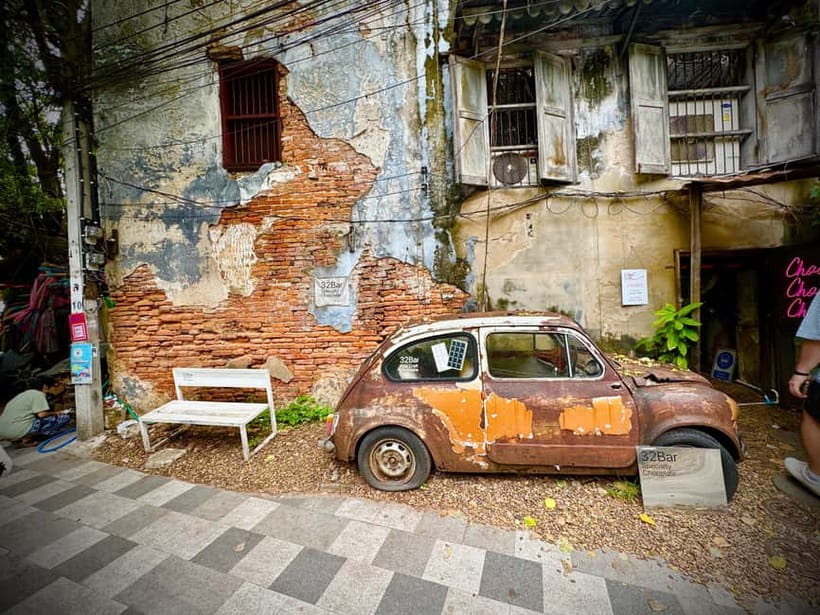
Talad Noi is where Chinatown shifts from big landmarks into the working lanes of the past. The tour takes you through the historic ironworks alleys, where skilled Chinese craftsmen once forged metal tools.
This isn’t just a story stop. The alley layout and the way buildings sit close together help you imagine older daily routines—work that depended on specialized skill, tools, and neighbors who understood the trade.
The guide also brings in immigration and commerce context along the way, so the craft history isn’t floating in air. It’s connected to why people came, what they needed, and how neighborhoods evolved into trade networks.
Talad Noi Community Museum And Street Art Backstreets
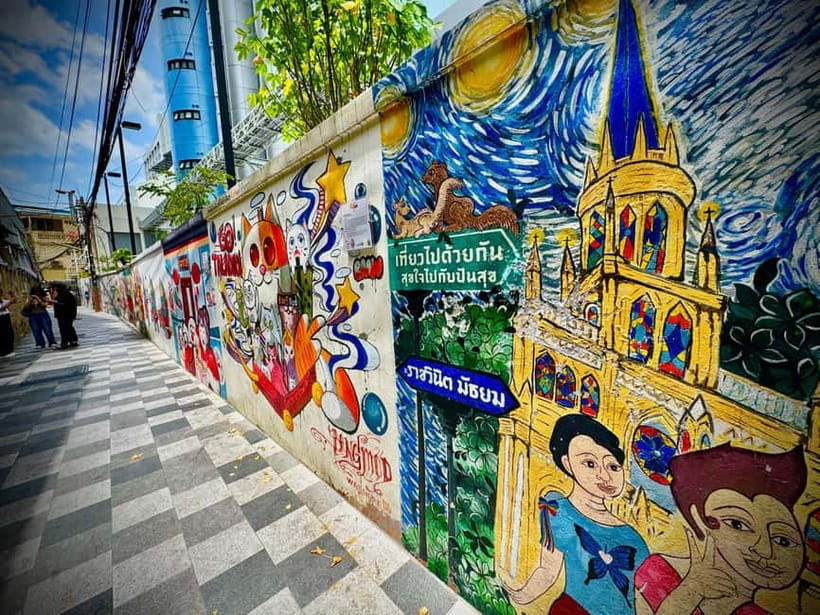
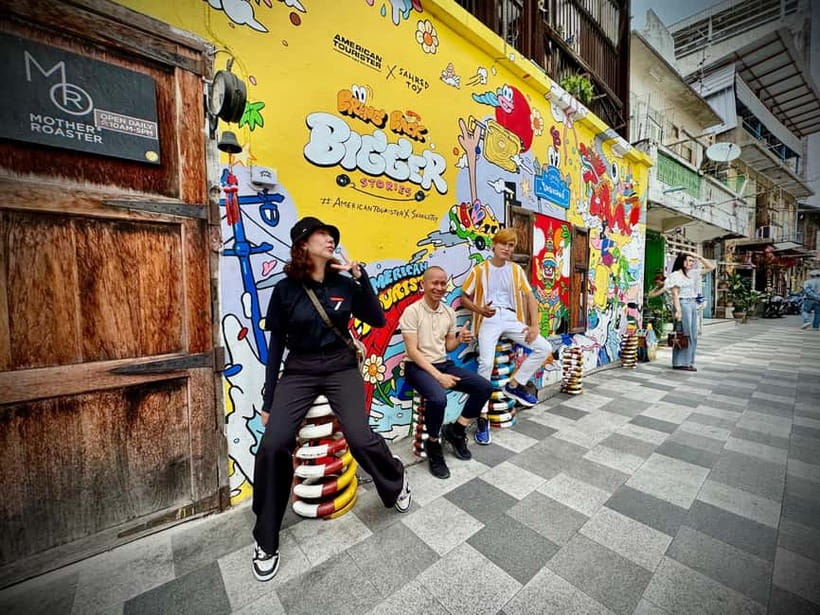
After the ironwork theme, you’ll step into the Talad Noi Community Museum, where you’ll see colorful street art and learn how the area frames its own identity today.
This part is useful if you like modern Bangkok, but don’t want to treat it like a separate world from the past. You’ll see how artists and residents use wall space to tell stories, honor local memory, and keep the neighborhood’s character visible.
Along the route, you also visit hidden shrines tucked between old buildings. That’s the kind of detail that makes you feel like the guide knows the area, not just the main sights.
Practical tip: street art photos look best in softer light. If you’re sensitive to glare, keep your camera protected and be ready for shade breaks.
River City Bangkok Finish: Turn The Walk Into A Riverside Day
The tour ends at River City Bangkok, right on the Chao Phraya River. This is a smart finishing point because it gives you choices immediately.
You can continue with a riverside lunch, wander nearby streets at your own pace, or take a scenic boat ride. Either way, you avoid the “what now” feeling that can happen after a morning tour.
If you plan to keep sightseeing, this ending spot makes it easier to shift modes from walking to river travel.
Price And Value: What $19 Buys You In Bangkok
At $19 per person for a 4-hour guided tour, the value comes from more than just price. You’re paying for a licensed English-speaking guide, a guided route that connects major sites with smaller lanes, and context that helps you understand what you’re seeing.
It also helps that the tour includes bottled water. That seems small, but in hot Chinatown walking, it removes one headache.
The only real cost you’ll add is time spent deciding on snacks or small purchases. Meals aren’t included, so you’ll likely buy your own food if you want to eat during the market portion.
If you’re trying to do Chinatown on your own, you can. But for many people, the guide’s explanations are the difference between a list of sights and a coherent story you can remember.
Who This Tour Fits Best (And Who Should Skip It)
This tour is a strong fit if you:
- Want Chinatown culture that goes beyond the main drag
- Like walking tours with temple visits and neighborhood stories
- Enjoy street art and craft-history themes
- Want a finish point that makes continuing your day easy
It’s not suitable for wheelchair users and pregnant women, based on the tour’s walking nature. If you have mobility limitations, it’s worth looking for a shorter, less walking-focused option.
Also, wear light clothing and shoes with real grip. The streets can be uneven, and you’ll be happier if your footwear feels dependable.
The Most Praised Style Of Guidance (From What You Can Expect)
Guides on this walk tend to be praised for clear explanations and strong attention to people in the group. Names that come up include Jenny, Nok, Mai, Mariyah, Ploy (in training), and Jib, with common themes like patience, friendliness, and flexibility.
That matters because Chinatown can shift quickly—crowds, smells, and tight lanes. A guide who can adjust the pace and route makes the difference between feeling stressed and feeling like you’re being shown the area by someone who actually cares.
If you want your tour to feel like conversation rather than a lecture, this route tends to support that style.
Should You Book This Chinatown & Talad Noi Walk?
Book it if you want a guided Chinatown experience that connects temples, charitable community stories, historic craft lanes, and street art in one smooth arc. The finish at River City Bangkok is also a big plus—you’ll have a practical place to continue, not a random drop-off.
Skip it if you’re looking for a low-walking, minimal-stress outing, or if the walking-based format won’t work for you physically. In that case, you’ll want a different style of tour that minimizes time on foot.
If you’re on the fence, my advice is simple: if you’re curious about how Thai-Chinese heritage shows up in everyday spaces, this is one of the better ways to see it without missing the quieter streets.
FAQ
Where does the tour start?
Meet your guide at MRT Wat Mangkon Exit 3.
Is the tour in English?
Yes. The tour includes a fully licensed English-speaking guide.
How long is the walk?
The tour lasts about 4 hours.
Does the tour include meals?
No. Meals are not included.
Is pickup available?
Pickup is optional. If you use it, be ready in the hotel lobby at least 5 minutes before the pickup time, and the guide will hold a sign with your name.
What should I bring?
Wear comfortable shoes and light clothing. Bring a hat and sunscreen, and carry a water bottle to stay hydrated.
Is the tour suitable for wheelchair users or pregnancy?
No. It’s not suitable for wheelchair users, and it’s also not suitable for pregnant women.