REVIEW · BANGKOK
Bangkok: Chao Phraya River Hop-on Hop-off Boat
Book on GetYourGuide →Operated by Chao Phraya Tourist Boat · Bookable on GetYourGuide
Bangkok glides better on the river. I like the way a hop-on hop-off ticket lets you move along the Chao Phraya with real river breeze, not gridlock, and you can jump between double-decker panoramic views at major piers. My favorite part is how quickly you can switch from one riverfront neighborhood to the next, especially when it’s hot and you want shade and a breeze.
The one catch to plan around: pier logistics can be a little messy. Some stops may be closed for renovation, and it can be confusing finding the correct boarding spot (and even the correct colored line, depending on what you’re expecting).
Boats run from 9:00 AM to 7:15 PM, and the all-day style ride is built for your own pace. If you time it right, you can use the evening extension to reach Asiatique and see the river as the city cools off.
In This Review
- Key things to know before you ride
- Why this Chao Phraya hop-on hop-off boat works in Bangkok
- Price and timing: how far $4.82 can really take you
- Getting on at the right pier: red ticket booth and avoiding boarding confusion
- The 11 piers along the route and what you’ll actually get from each
- Sathorn pier: your easiest starting point
- Iconsiam: a practical lunch and break
- Ratchawongse and Rajinee: neighborhood switches without traffic
- Wat Arun: the temple-side stop you can’t skip
- Tha Chang and Tha Maharaj: for the Grand Palace side of the river
- Prannok and Phra Arthit: finishing moves and river access
- Asiatique (evening extension): where the ride turns into night vibes
- The deck ride: photos, wind, and when to go
- Onboard comfort and info: booklet maps, limited commentary, and friendly staff
- The best way to use this ticket for maximum value
- Who should book this Bangkok river hop-on hop-off boat?
- Should you book this Bangkok river hop-on hop-off boat?
- FAQ
- What does the ticket include?
- How long is the boat route available?
- Where can I board the boat?
- How often do boats arrive?
- Which piers are on the route?
- Is there a guide on board?
- What languages are available?
- Is the boat accessible for wheelchair users?
- What if a pier is closed for renovation?
Key things to know before you ride
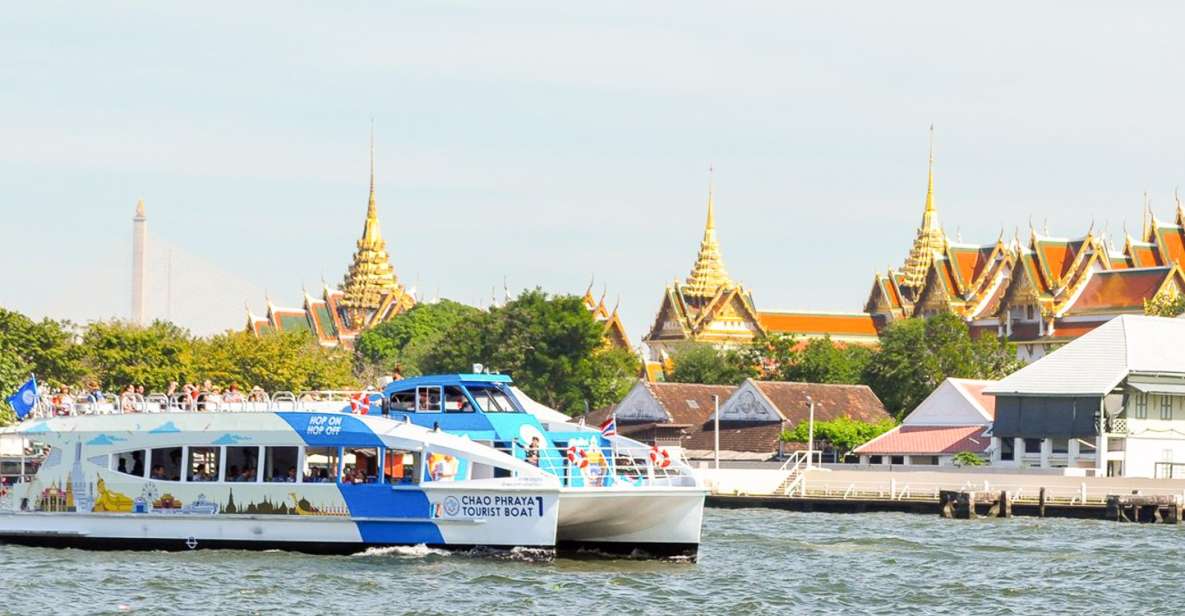
- You’re buying time-saving flexibility: hop on, hop off, and rearrange your plan as you go.
- Frequent boats keep your day moving: boats generally come about every half hour.
- 11 piers cover the classic river sights: including Wat Arun and the Grand Palace area by the river.
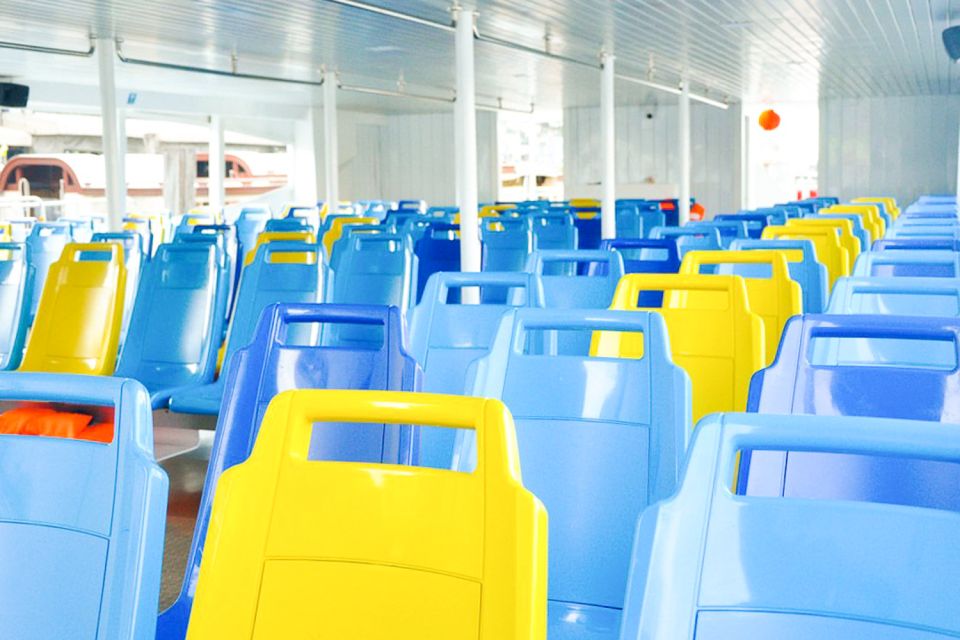
- Double-decker comfort helps in the heat: especially with air-conditioned seating downstairs (when you want it).
- Bring a little patience for pier changes: renovations and long lines can affect timing.
- You get a booklet, not a full narration: expect maps and short info, and use it to guide your stops.
Why this Chao Phraya hop-on hop-off boat works in Bangkok
Bangkok is famous for temples, markets, and riverside neighborhoods—but the city can also be exhausting. Roads crawl, taxis can be unpredictable, and even when you do everything right, you still lose time to traffic. This is why the river boat format feels so practical: you trade sitting in cars for floating on water.
The Chao Phraya Tourist Boat route is also one of the simplest ways to “read” Bangkok. From the deck, you can spot landmarks, understand where the big sights sit along the river, and connect that to where you’ll walk next. I like that you can do a lot without turning every move into a negotiation or a long ride across town.
And because it’s a hop-on hop-off setup, you’re not locked into a single loop. If you want an early temple, you can start there. If you decide you’d rather shop or stop for food at a pier-area mall, you can.
You can also read our reviews of more boat tours in Bangkok
Price and timing: how far $4.82 can really take you
At about $4.82 per person for the day, the value comes from repetition. This isn’t a one-and-done sight. You’re paying for multiple rides up and down the river, using the piers like stations.
So here’s the smart way to judge whether it’s worth it for you: plan on using it several times. If you only take it once or twice, you may feel it’s less efficient than a single taxi or a short ride. But if you’re doing a mix of temples plus at least one major stop in the afternoon, the math usually works out fast.
Timing also matters. Boats run 9:00 AM to 7:15 PM, and the frequency is designed for real day use. That matters for two reasons:
- You can adjust around crowds and heat.
- You avoid the stress of waiting too long at one pier for the next transfer.
If you’re aiming to cover the most famous sights and still enjoy the ride itself, give yourself a full day. You’ll get the best mix of temple-light (cooler mornings) and river-night (later evening views).
Getting on at the right pier: red ticket booth and avoiding boarding confusion
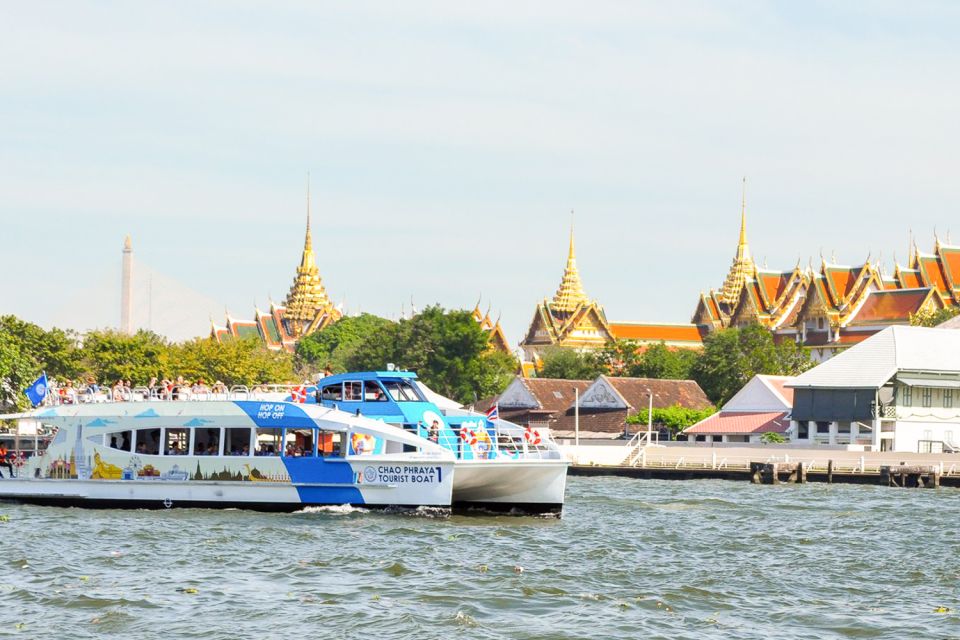
The meeting setup is straightforward, but Bangkok pier signage can be… flexible. You can go to any pier on the route, or you can start at the Chao Phraya Tourist Boat Sathorn Pier. Look for the red ticket booth or staff wearing red shirts.
Here’s the practical approach I’d use: before you commit, confirm the pier you’re standing at is on the hop-on hop-off route for your ticket. Some people found it confusing which line they were supposed to take (including mix-ups about colors). If you don’t see a clear match, ask the staff there right away.
Also keep in mind the real-world factor: piers may be closed for renovation. That can force a change in where you board or how you hop between stops. It’s not the end of the trip, but it can turn a smooth plan into a scramble if you don’t leave wiggle room.
The 11 piers along the route and what you’ll actually get from each
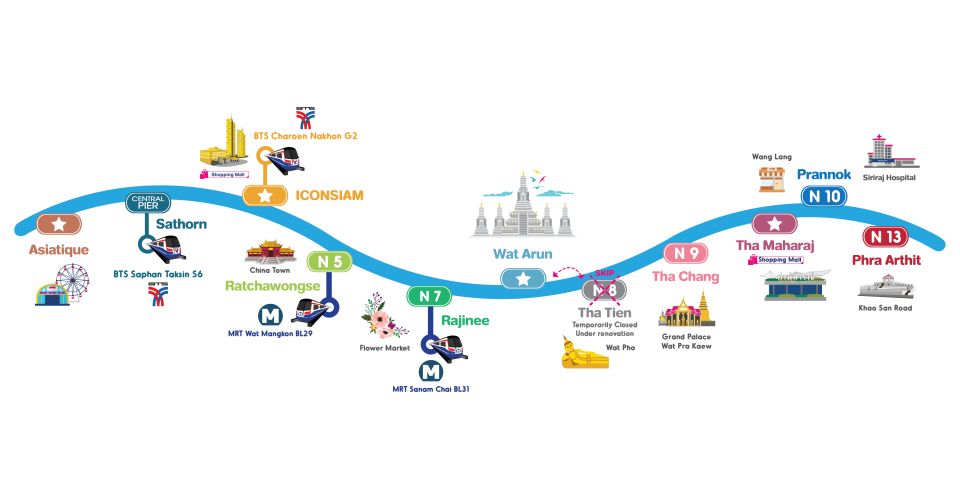
This is where the boat becomes more than a ride. It becomes an itinerary tool. The route includes piers at: Sathorn, Iconsiam, Ratchawongse, Rajinee, Wat Arun, Tha Chang, Tha Maharaj, Prannok, and Phra Arthit. In the evening, the route is extended with a stop at Asiatique.
Not every pier is the “main attraction.” Some are there so you can reach the riverfront sights without doing awkward long walks across busy roads. That’s the point.
Sathorn pier: your easiest starting point
Sathorn is a natural hub because it’s one of the most convenient places to begin. If you’re already using BTS, it’s usually a simpler jump to the river than crossing Bangkok from somewhere deeper inland.
Think of Sathorn as your base for mornings and your return option later in the day.


Iconsiam: a practical lunch and break
Iconsiam is a strong stop if you want air-conditioning and a reset. People commonly use it for lunch and shopping, which is exactly how you should use a hop-on boat: ride, explore, then cool off.
If the weather turns or the heat becomes too much, Iconsiam gives you a “downshift” without losing your river flow.
Ratchawongse and Rajinee: neighborhood switches without traffic
These pier stops help you change neighborhoods efficiently. They’re useful when you want to explore a river-adjacent area but don’t want to spend time crossing town by car.
What you’ll get from these stops is less about a single named monument and more about orientation—how Bangkok’s different pockets line up along the river.
Wat Arun: the temple-side stop you can’t skip
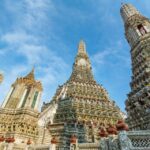
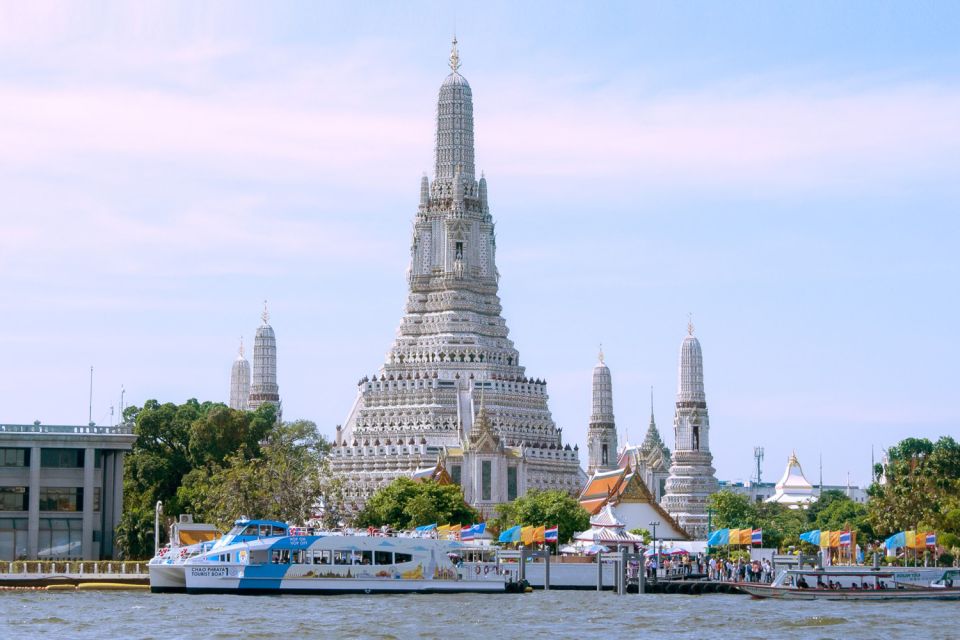
Wat Arun is the classic temple destination on this route. If you’re trying to hit the big-name sights, getting off here makes sense because it anchors your sightseeing day around a riverfront landmark.
It’s also a great stop for photos because the river view gives you angles you won’t get from a street-only visit.
Tha Chang and Tha Maharaj: for the Grand Palace side of the river
You’ll also see the Grand Palace area referenced as an easy reach from the river stops. The piers at Tha Chang and Tha Maharaj are the kind of points you use when you want to build your day around the most famous complexes without fighting traffic.
In practice, this is where you’ll want to plan your walking routes carefully. Wear shoes you can handle on uneven pavement, and give yourself time for ticket lines and entry procedures once you’re off the boat.
Prannok and Phra Arthit: finishing moves and river access
These stops help you cover additional riverfront stretches and keep your day flexible. They’re good for filling out your itinerary when you’ve done the big highlights and still want more river scenery.
If you’re thinking you might stay out late, these piers can also help you position yourself so you’re not racing back at the last minute.
Asiatique (evening extension): where the ride turns into night vibes
The evening route includes a stop at Asiatique. This is a popular way to turn a temple-and-market day into a nighttime river experience. One of the practical perks is that it’s easy to combine the river ride with dinner plans and wandering around the waterfront.
Some people also specifically called out the Ferris wheel area and quick bites there, which is exactly the kind of “easy evening” convenience you want after a hot day of temple stops.
The deck ride: photos, wind, and when to go
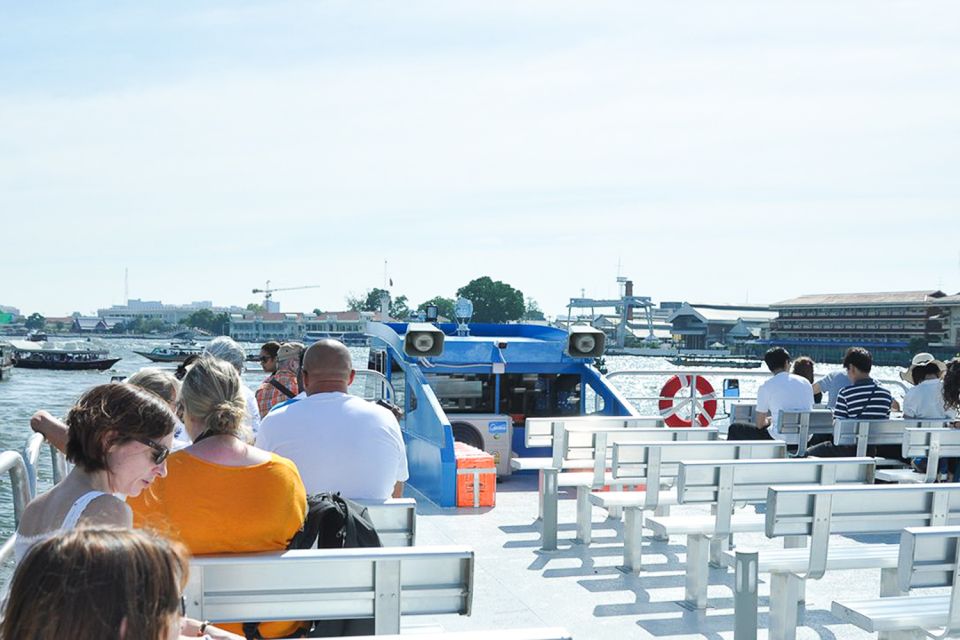
The whole pitch here is simple: you’re on the water, so you get wind and cooler air than you’d get walking Bangkok’s streets. On a double-decker boat, you can choose your comfort level—out on the deck when you want the views, and inside when you need shade or air-conditioning.
For photos, the deck is where the river becomes cinematic. You get broad views as you glide past the skyline and temple silhouettes. The boat ride also helps you avoid the “stop-start” feeling that comes from traffic lights and clogged roads.
If you have any control over your day, I’d do this pattern:
- Morning: focus on the outdoor temple areas while it’s cooler.
- Afternoon: hop, reset, and use Iconsiam-type stops for breaks.
- Late day/evening: shift your plan toward riverfront sights and Asiatique so you catch the river in lower light.
Even if your sunset doesn’t cooperate, the evening boat sections still tend to feel more relaxed than daytime street walking.
Onboard comfort and info: booklet maps, limited commentary, and friendly staff
Included on this ticket is a travel guide booklet. That’s useful because you’ll be hopping between different piers, and you need quick info to decide what to do once you step off.
What you should not assume: a full guided narrative. Some people found there was no guide or audio-style commentary, and the booklet did the heavy lifting. The upside is you’re free to explore at your own pace without being rushed through a script.
That said, staff can play a bigger role than you’d expect. Names that popped up include guides/staff like Tom, Aekapohl, and May, and people described them as attentive and helpful with questions. So if you happen to get a more guided-feeling ride, take advantage of it.
One more comfort detail: some boats have air-conditioned seating downstairs, which is a lifesaver when the sun is beating down.
The best way to use this ticket for maximum value
To make the most of the day, treat the boat as a transport tool, not just entertainment.
Here’s a strategy that fits how the route is set up:
- Pick 2 or 3 “anchor” stops you truly care about (Wat Arun and the Grand Palace side are the obvious anchors).
- Fill the gaps with shorter explorations near other piers.
- Use Iconsiam as your reset option when the heat gets too intense.
- Save Asiatique for later so your day ends with an easy evening plan.
Also, plan for the fact that queues and boarding can vary by pier and time of day. One practical tip that came up is that if waiting feels too long for your next ride, some people found it easier to buy a one-way option at the pier for the next boat rather than waiting out a longer line for the hop-on pace.
Who should book this Bangkok river hop-on hop-off boat?
This is a great match if you:
- Want to see the riverfront sights without the pain of Bangkok traffic
- Prefer self-paced exploring with a flexible plan
- Like the idea of building a day around multiple piers instead of one long single outing
- Are trying to save money compared with repeated taxi rides
It’s also a smart choice for first-timers who want to get their bearings fast. The river route gives you an overview of how the city is laid out along the water.
You might want to think twice if you:
- Only want one or two stops and don’t want to move around repeatedly
- Hate any chance of pier confusion or detours if a stop is closed for renovation
- Expect a detailed audio guide or a fully hosted tour format
Should you book this Bangkok river hop-on hop-off boat?
Book it if you want an efficient, low-stress way to see a lot of Bangkok’s riverfront highlights in one day. The combination of low cost, frequent service, and major access points like Wat Arun and the Grand Palace area is exactly what makes this a strong value play.
Skip it or consider alternatives if you’re the type who needs tightly structured guidance, or if you hate the idea that some piers could be affected by renovations. Also, if you’re only planning a single temple or a single ride, you may not get enough use out of the all-day setup.
If your goal is to move, see, cool off, and come back for a night river experience, this is one of the simplest ways to do it.
FAQ
What does the ticket include?
Your ticket includes the hop-on hop-off boat ride plus a travel guide booklet. Entrance fees, food and drinks, and hotel pickup or drop-off are not included.
How long is the boat route available?
The service runs from 9:00 AM to 7:15 PM, and the route is extended in the evening with a stop at Asiatique pier.
Where can I board the boat?
You can come to any of the piers on the route, or start at the Chao Phraya Tourist Boat Sathorn Pier. Look for the red ticket booth or staff wearing red shirts.
How often do boats arrive?
Boats are designed to arrive about every half hour, so you typically won’t have to wait long.
Which piers are on the route?
The route includes Sathorn, Iconsiam, Ratchawongse, Rajinee, Wat Arun, Tha Chang, Tha Maharaj, Prannok, and Phra Arthit. In the evening, there’s an additional stop at Asiatique pier.
Is there a guide on board?
You’ll receive a travel guide booklet. Some rides also have friendly staff or guides who can help, but the format is not guaranteed to be a fully guided tour with narration.
What languages are available?
The host/greeter and materials are available in Thai and English.
Is the boat accessible for wheelchair users?
Yes, the activity is wheelchair accessible.
What if a pier is closed for renovation?
The piers may be closed for renovation, so you may need to adjust where you board or hop on. Leaving some flexibility in your day helps.