REVIEW · CHIANG MAI
Two-Day Secret Adventure in Chiang Mai: Local Jungle Route
Book on GetYourGuide →Operated by Temple of Elephants · Bookable on GetYourGuide
Two days, no tourist shortcuts in Chiang Mai. What I love most is the private jungle routes and the way your guide explains Thai medicinal herbs while you’re walking, not in a classroom.
Here’s the trade-off: this is real trekking. You’ll cover 10–13 km each day on uneven jungle paths, plus a waterfall stop, so pack for mud, bugs, and sweat—and skip it if you’re nervous around heights or you don’t do well with insects.
In This Review
- Key Points at a Glance
- How This Private Jungle Route Works in Chiang Mai
- Day 1: Villages, Herbs, Banana-Leaf Lunch, and a Waterfall
- Your Bamboo House Overnight: Comfort, Family-Style Food, and Jungle Quiet
- Day 2: Sunrise Views, River Trails, Farms, and Another Lunch by a Waterfall
- Price and Value: What $167 Gets You (and What to Watch)
- What to Bring for Jungle Hiking (This Is Where People Win or Lose)
- Who This Tour Suits Best (and Who Should Skip It)
- Should You Book This Secret Jungle Adventure?
- FAQ
- How long is the experience?
- Where does the tour start and end?
- What time does pickup happen?
- What’s the trekking distance each day?
- What’s included for meals?
- What kind of accommodation is included?
- What languages is the guide available in?
- What activities should I expect?
- What should I bring?
- Who should not book this experience?
Key Points at a Glance
- Private, local routes that steer you away from the busiest paths
- Herb and plant learning tied to everyday Thai natural medicine
- Banana-leaf lunches and fresh seasonal fruit in the countryside
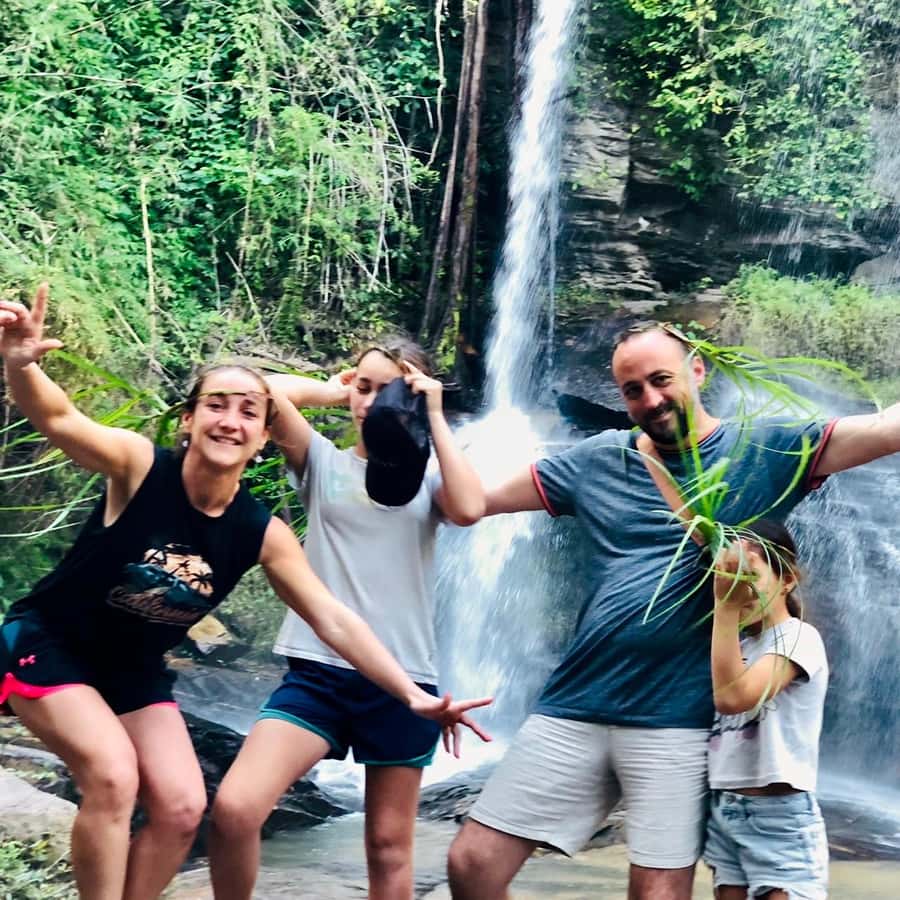
- Waterfall shower breaks built into both days
- Overnight in a bamboo house with a family-style Thai dinner
- English live guide leading you through jungle, farms, and rivers
How This Private Jungle Route Works in Chiang Mai
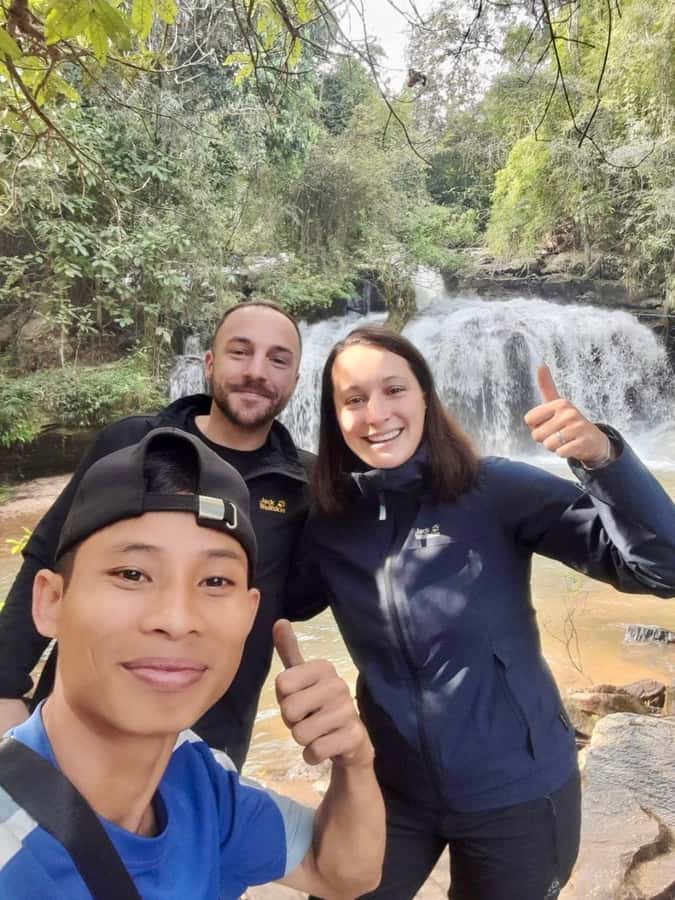
This tour is built around a simple idea: instead of sightseeing in a hurry, you hike through the real spaces between Chiang Mai villages—forest edges, plantations, rice fields, and river valleys. You’ll start with a hotel pickup and a ride by air-conditioned car to the mountain area where the hiking begins.
You’re not joining a crowd here. It’s a private group with a live English-speaking guide, which matters on jungle days. A smaller group makes it easier to move steadily, pause for questions, and stay flexible when the trail gets slippery or busy.
The distances are meaningful. Day 1 has about 4–5 hours of trekking after you reach the start point, and Day 2 adds another 10–13 km through mountains and rivers. That’s why the pace feels like a local walking rhythm, not a photo sprint.
You can also read our reviews of more tours and experiences in Chiang Mai.

Day 1: Villages, Herbs, Banana-Leaf Lunch, and a Waterfall
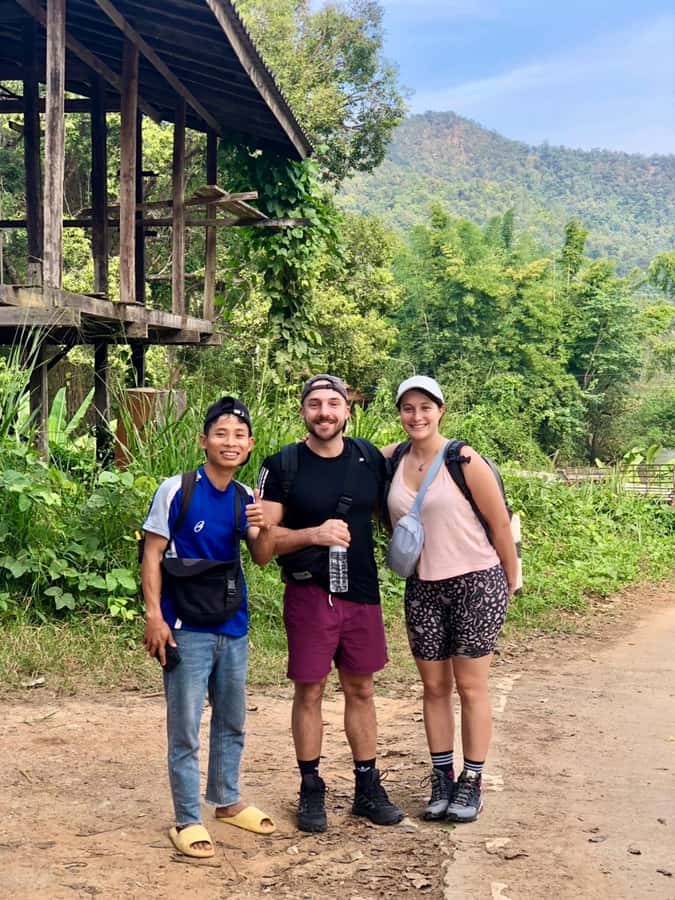
You leave Chiang Mai between 8:30 and 9:00 AM, then ride about 1.5 hours to a village area near the mountains. Once you’re there, you switch from road noise to birds, leaves, and that damp mountain air.
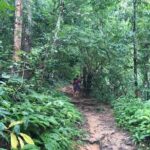
Your first trek runs roughly 10–13 km and is paced for learning and comfort, not just distance. Along the way you pass local villages and see plantations, which gives you a quick reality check: life here isn’t built around tourist loops. It’s built around growing food, managing land, and using what the forest provides.
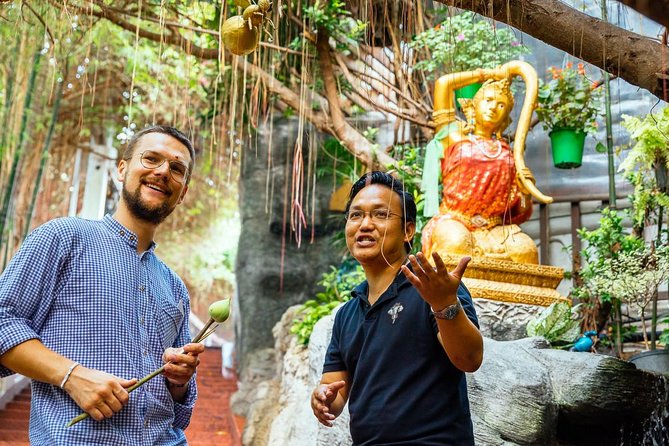
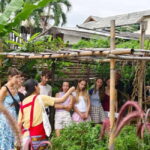
One of the best parts of Day 1 is the herb walk. Your guide points out plants used in Thai natural medicine and shares what they’re used for and why they matter. It’s not just names; it’s practical context—like how people think about health and wellness using local plant knowledge.
At some point in the hike, you stop for an authentic Thai lunch served on banana leaves, with seasonal fruits alongside. This is the kind of meal that makes hiking feel worth it. You’ll eat like you’re in the countryside, not like you’re speed-running a restaurant.
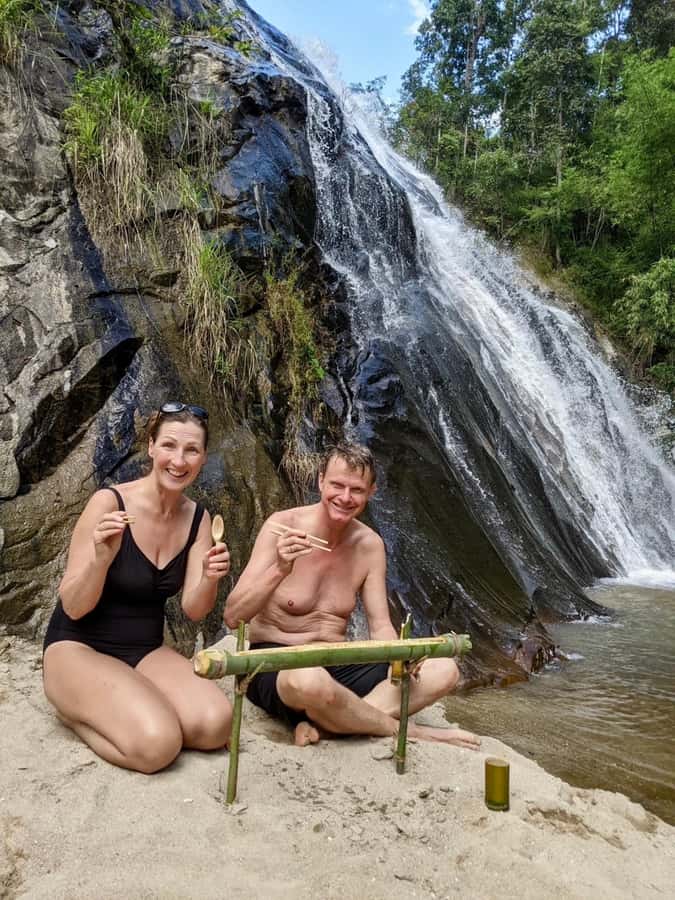
After lunch, the trail keeps moving. You continue through jungle and rice fields toward a waterfall. The payoff is a cooling swim-style break, with time to rinse off under the waterfall’s flow—more refreshing than most “sight stops” because you actually use the water.
By the end of the day, you walk a short distance to your bamboo house for the night. It’s a cozy setup with a family connection, and dinner is homemade Thai food. Expect a jungle night vibe, with fewer “tour noise” distractions and more real quiet.
Your Bamboo House Overnight: Comfort, Family-Style Food, and Jungle Quiet
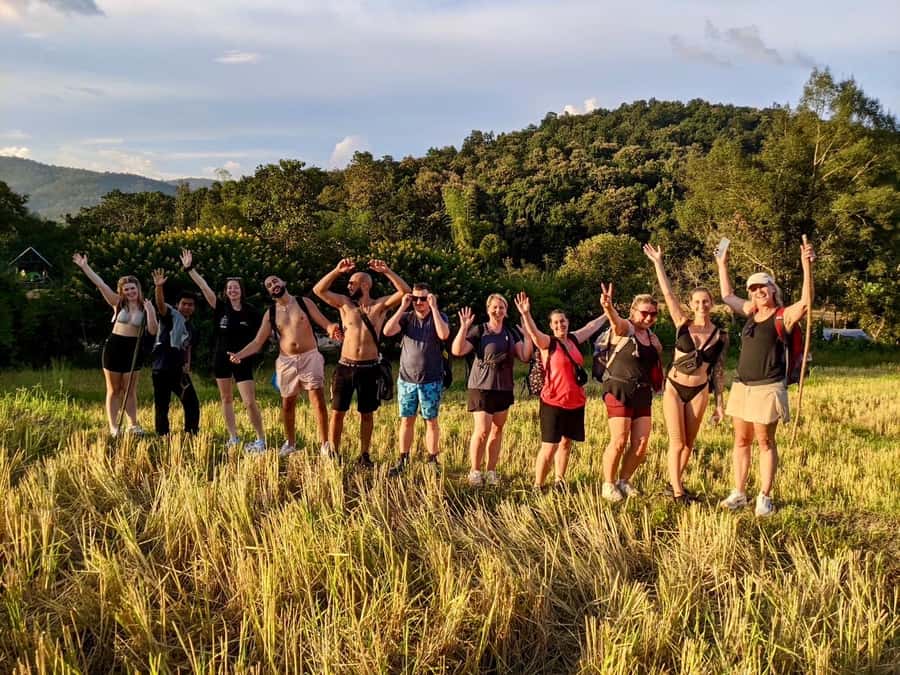
Sleeping arrangements here are designed to feel both local and workable after a hiking day. The overnight includes a stay in a bamboo house with an authentic local family experience. You’re also told the room includes air conditioning, towels, a TV, a fridge, and tea/coffee setup, plus a private bathroom.
That blend is useful if you’re planning to hike hard for two days. You’ll still get the bamboo-and-forest atmosphere, but you’re not doomed to sleep in pure roughing-it conditions after trekking.
Dinner is part of the experience, not a quick handoff. You’ll have a homemade meal with a real Thai flavor profile, and it’s the kind of evening where the day’s walking starts to feel like more than “exercise.”
One more practical note: this stay is the perfect time to plan for Day 2 gear. Rinse off what you can, let shoes dry as much as possible, and check that you have what you need for the next trek—especially if you used sunscreen or insect repellent heavily.
Day 2: Sunrise Views, River Trails, Farms, and Another Lunch by a Waterfall
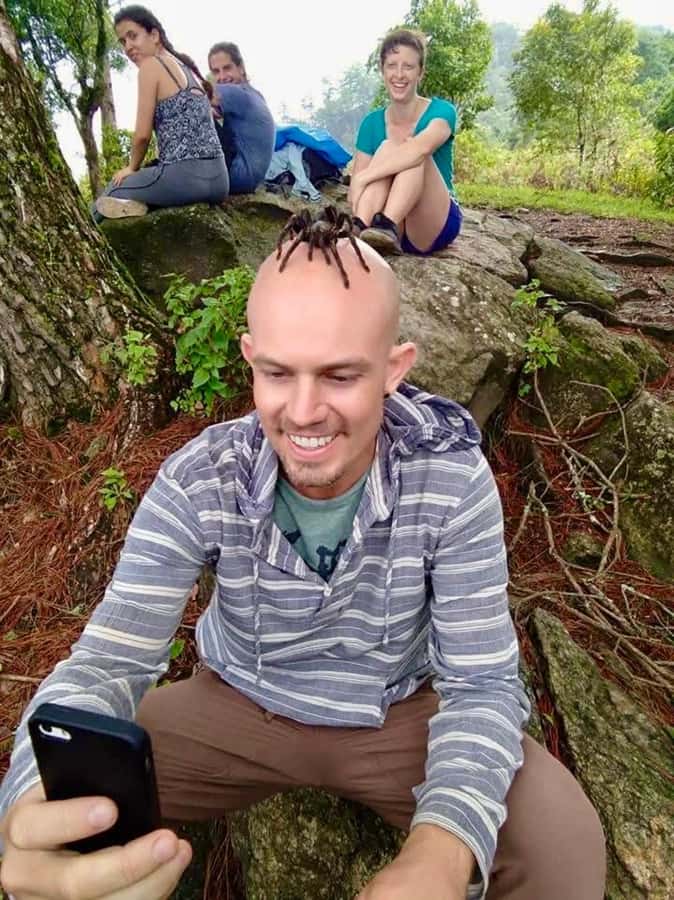
Day 2 starts early, with mountain views from the bamboo house. Breakfast is scheduled for 8:00 AM, and it includes coffee, tea, fruit, and toast. It’s simple, but that’s what you want before another long day.
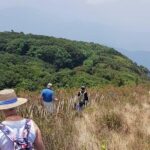
At 9:30 AM, you start trekking again for about 10–13 km. The focus shifts slightly from jungle plants to the landscape around rivers and local agriculture. You’ll pass rice fields and vegetable or flower farms, which keeps the scenery changing instead of repeating Day 1.
This is also where the “private local routes” idea really shows. The trail choices are described as routes known only to locals, which means you spend less time backtracking and more time moving through quieter, less “boxed-in” areas.
You’ll stop for lunch at 12:30 PM, and it’s another authentic Thai meal break plus a cool shower at a waterfall. That rhythm—walk, cool down, eat, then walk again—makes the day feel more manageable, even when the miles add up.
After lunch, the hike continues through jungle scenery back toward the starting point. You return to Chiang Mai at about 6:00 PM, which gives you a full evening back in the city rather than landing late at night.
Price and Value: What $167 Gets You (and What to Watch)
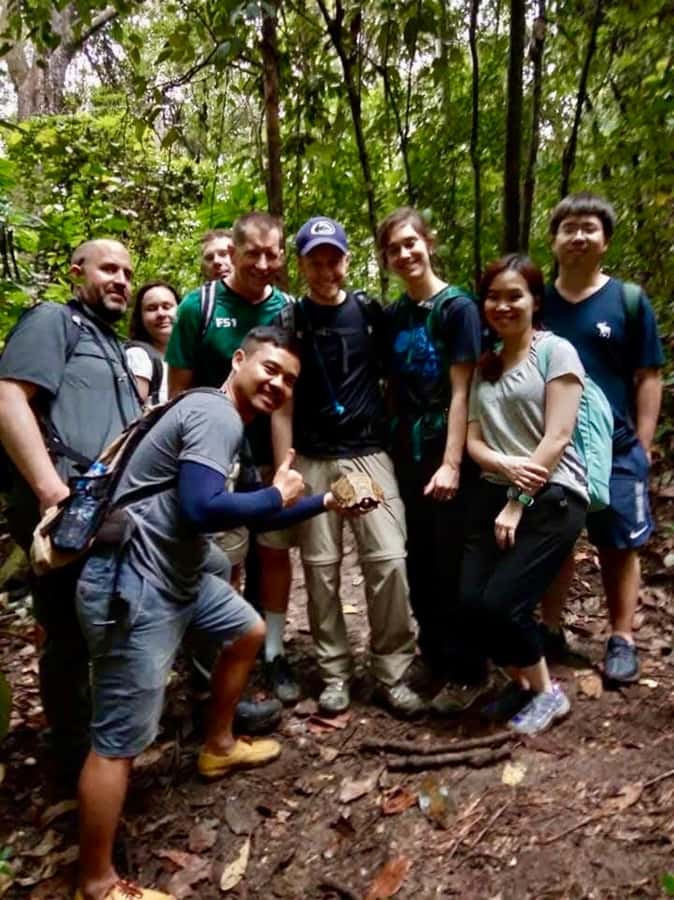
At $167 per person for two days, the value depends on what you’d otherwise pay for in Chiang Mai. Here, the package includes a lot of the expensive parts that usually add up fast: hotel pickup and drop-off, an air-conditioned transfer to the hiking area, a live English-speaking guide, Thai meals (2 lunches and 1 dinner plus 1 breakfast), and the bamboo house overnight.
You’re also paying for route quality. The tour emphasizes private and secret jungle routes away from tourist paths. That’s not just marketing. When you’re walking in smaller, quieter areas, the experience becomes less crowded and more focused on the land and people you’re passing.
The waterfall stops and guided plant/herb explanation are also part of what you get. You’re not just buying transportation and a bed. You’re paying for interpretation—learning about plants used in Thai natural medicine, plus information on herbs, plants, and insects.
One thing to consider: you’ll want to budget for personal items, and the tour list says a towel for showering isn’t included. Even though the room info mentions towels, I’d still pack a small towel so you’re not stuck halfway through if things don’t line up the way you expect.
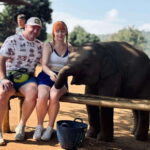
Finally, note that the tour operator is Temple of Elephants, and one booking mentioned an elephant reserve visit. That doesn’t appear in the day-by-day hiking description you’re given here, so if elephants matter to you, ask directly how (or if) that’s included on your exact departure.
What to Bring for Jungle Hiking (This Is Where People Win or Lose)
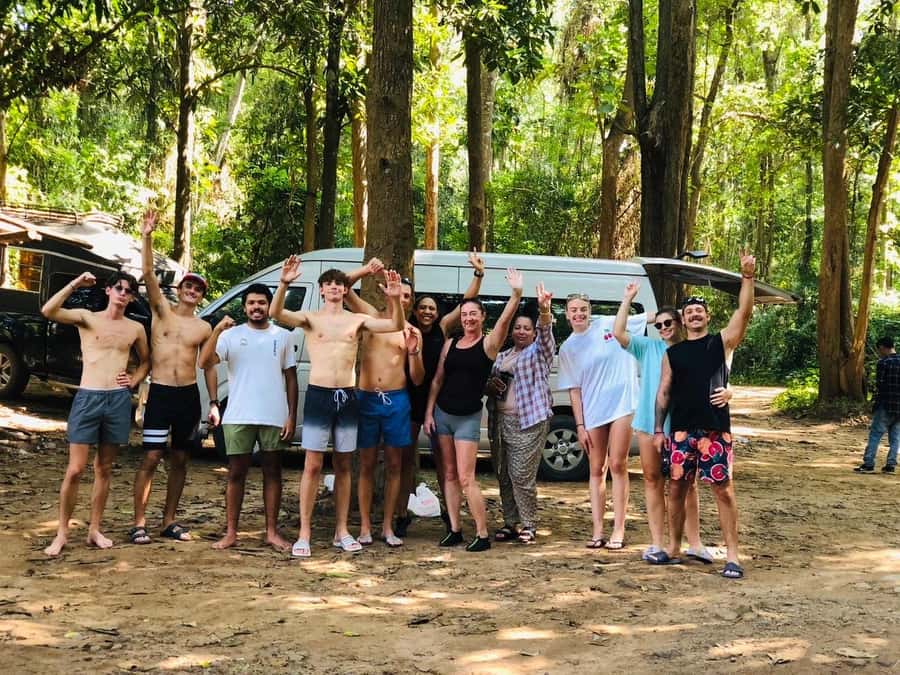
Jungle trekking is won with boring packing choices. I’d treat this like a muddy-rain hike, even if the forecast looks friendly.
Bring comfortable shoes you trust on uneven ground. If you only wear nice sandals, you’ll regret it quickly. A hat and sunglasses help because the sun can pop through the canopy, especially during farm and field sections.
Bring a change of clothes. You’ll sweat, and you’ll likely get splashed near waterfalls. Packing a daypack is smart, along with a reusable water bottle. Water needs come fast when you’re hiking 10–13 km days in a row.
The tour suggests flip-flops too. That’s a good idea for waterfall time and for switching out after the hike. For sunscreen and bug protection, you’ll get the best results from biodegradable products, since this is a nature-based experience where they care about not trashing the environment.
Insect repellent should be on your checklist—especially because the tour lists not being suitable for people with insect allergies. If that doesn’t apply to you, still plan to protect yourself. Bugs are part of the jungle equation.
Cash is also recommended. If you want snacks or small extras during the return to town, you’ll appreciate having it ready.
Who This Tour Suits Best (and Who Should Skip It)
This is a strong fit if you want an active two-day break from city sightseeing and you’re comfortable hiking for hours on natural trails. You should enjoy nature details, like plants and herbs, and you want more than a checklist of viewpoints.
It’s also a good fit if you like local food experiences. The banana-leaf lunches and family-style dinner make a difference because you’re eating where you’re walking, not in a tourist bubble.
But it’s not for everyone. The experience is listed as not suitable for:
- children under 5
- people with mobility impairments or wheelchair users
- pregnant women
- people with heart problems or respiratory issues
- people afraid of heights
- people with altitude sickness
- people with insect allergies
- plus limits related to age and weight (including people over 80, and several weight cutoffs)
If any of those apply, it’s worth choosing a gentler Chiang Mai option. Jungle trekking can be stunning, but it should match your comfort and health.
Should You Book This Secret Jungle Adventure?
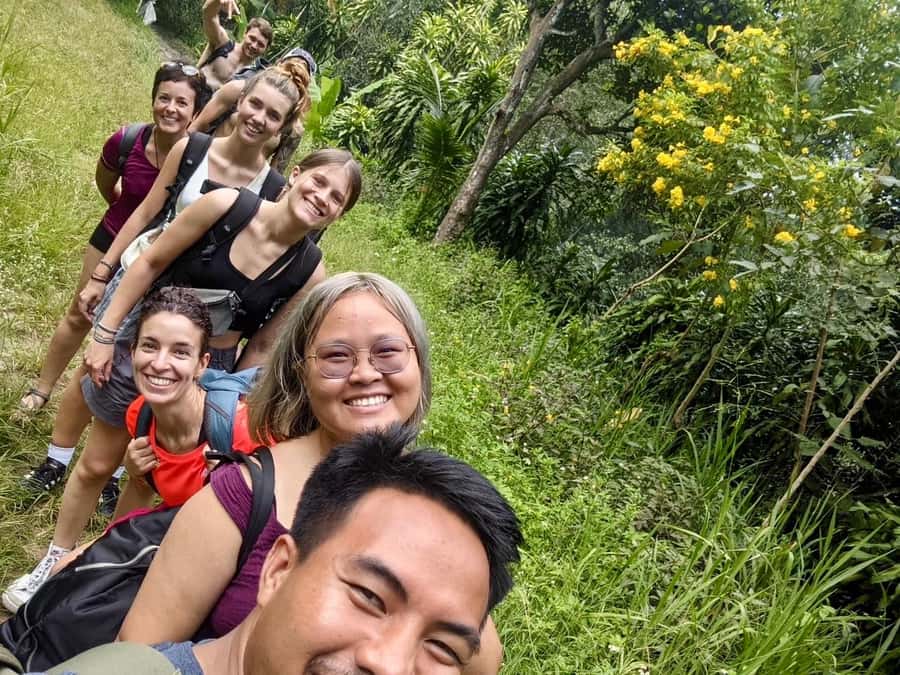
I think you should book it if you want a two-day hiking experience that feels guided, local, and grounded in real landscapes—villages, rice fields, river routes, and bamboo-house evenings. The herb and plant learning adds real value because you come away with usable context, not just photos.
Skip it if you want an easy stroll with lots of flat, paved paths. This is distance and uneven ground, plus insect and weather exposure. Also, if a precise “waterfall shower” experience is a must for you, you’ll likely love the included breaks—but go in knowing it’s nature, so conditions can vary.
If you do book, ask one question before you go: whether your specific departure includes the elephant reserve mention you’ve seen connected with this operator. Then you’ll know exactly how to plan your expectations for the full two days.
FAQ
How long is the experience?
It runs for 2 days.
Where does the tour start and end?
Pickup is in Chiang Mai, and the tour returns to Chiang Mai around 6:00 PM on day 2.
What time does pickup happen?
Pickup is scheduled for 8:30–9:00 AM, depending on the number of groups.
What’s the trekking distance each day?
Day 1 is about 10–13 km. Day 2 is also about 10–13 km.
What’s included for meals?
You get 2 lunches, 1 dinner, and 1 breakfast.
What kind of accommodation is included?
An overnight stay in a bamboo house with an authentic local family is included, and the room details list air conditioning, towels, TV, fridge, kettle, and a private bathroom.
What languages is the guide available in?
The live tour guide speaks English.
What activities should I expect?
You’ll hike private and secret jungle routes, visit waterfalls, learn about herbs, plants, and insects, and enjoy sunrise or sunset scenic moments.
What should I bring?
Comfortable shoes, a hat, sunglasses, a change of clothes, a daypack, a reusable water bottle, biodegradable sunscreen, biodegradable insect repellent, flip-flops, and cash.
Who should not book this experience?
It’s not suitable for children under 5, pregnant women, people with mobility impairments or wheelchair users, people with heart problems, people afraid of heights, people with respiratory issues, people with altitude sickness, and people with insect allergies, among other listed limits.