REVIEW · CHIANG MAI
Rantong elephant sanctuary Chiangmai
Book on GetYourGuide →Operated by Rantong elephant sanctuary · Bookable on GetYourGuide
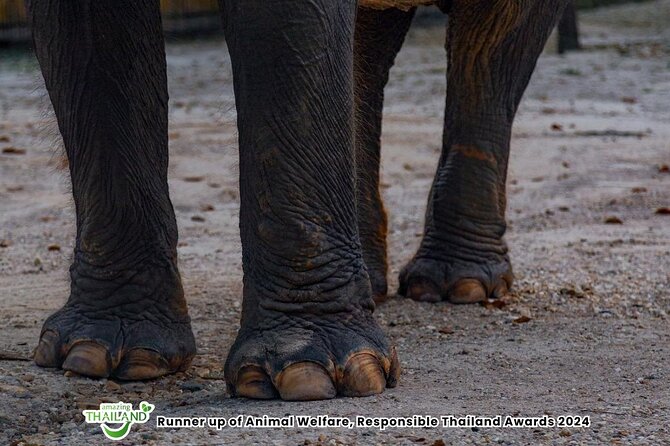
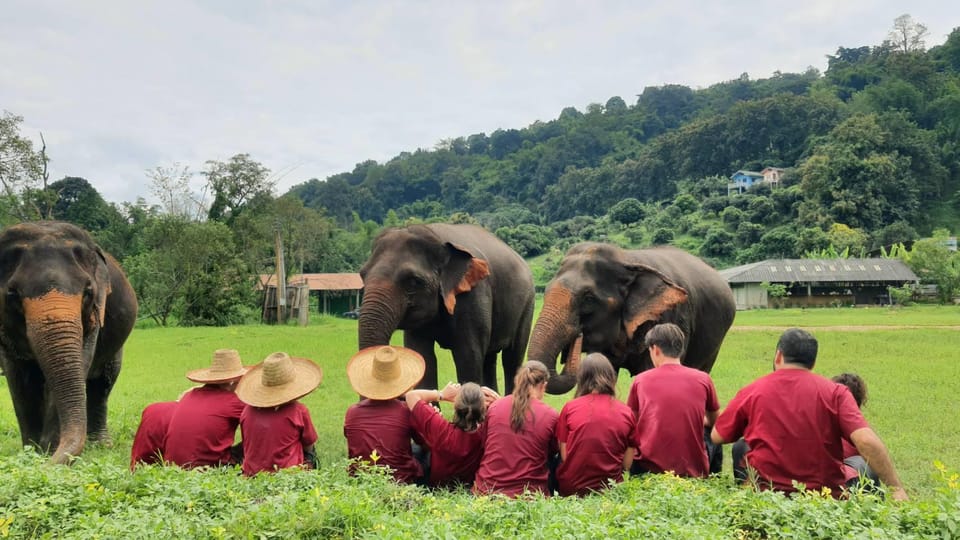
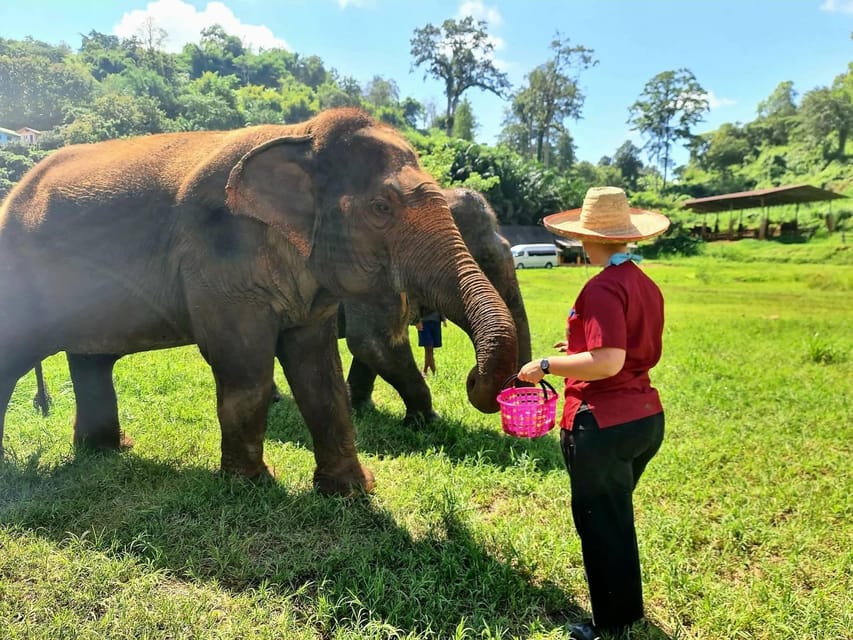
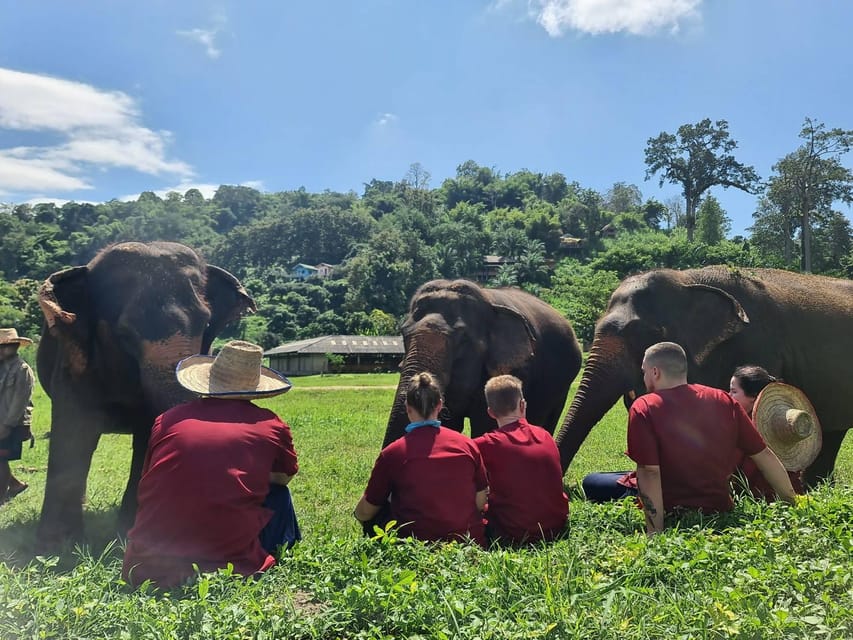
Elephants, closer than you expect. At Rantong Elephant Sanctuary, you’ll walk among rescued elephants and hand-feed them, plus join bath time, all with no horseback riding. It’s the kind of hands-on day that feels powerful because you’re not just watching from a distance.
Two things I really like: the focus on rescued, injured, and maltreated elephants needing love and understanding, and the chance to see them as gentle, intelligent animals in a big space (including the fun surprise of baby elephants in at least one visit). One thing to consider: the program is built around close tourist interaction, and if you feel uneasy about that ethical question, you should ask how the experience is managed and what limits are in place.
If you’re coming from Chiang Mai’s Old City, the logistics are refreshingly simple: hotel pickup, time in camp, then back to the Old City. You’ll come away tired in a good way, and also a bit thoughtful about what it means to “help” from the inside.
In This Review
- Key things to know before you go
- A four-hour elephant day near Chiang Mai’s Old City
- What you do with the elephants (no riding, plenty of interaction)
- Hand-feeding and walking among the elephants
- Bath time (it’s part of the activity, not a side show)
- No horseback riding
- The route: pickup, cultural ride, then camp time
- Food, drinks, and the gear that keeps you comfortable
- Price and value: is $57 for 4 hours fair?
- The ethics question: how to think about close tourist contact
- Who this elephant camp suits best (and who should skip it)
- Quick practical notes before you book
- Should you book Rantong Elephant Sanctuary?
- FAQ
- How long is the Rantong Elephant Sanctuary program?
- Is horseback riding included?
- What meals are included?
- Where do they pick you up in Chiang Mai?
- What languages will the guide speak?
- Can I cancel for a refund?
Key things to know before you go
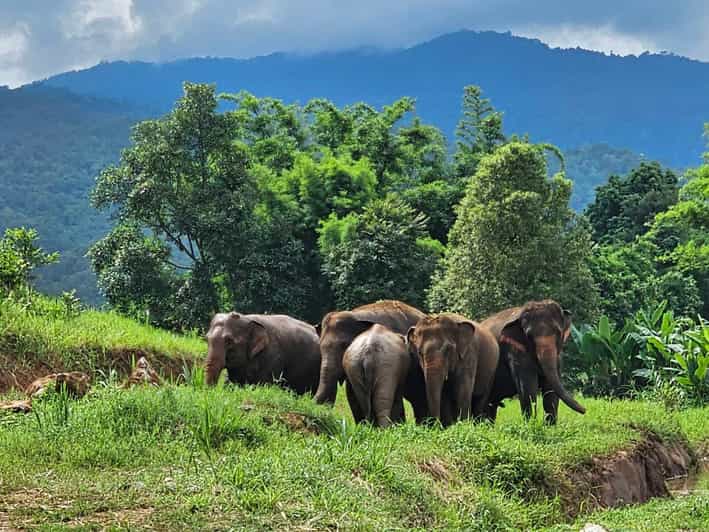
- Close contact without riding: feeding, walking, and bathing, but no elephant on a saddle.
- Rescue-centered mission: the camp states it cares for abused, injured, and maltreated elephants.
- You get wet, then you get cleaned up: bath time plus towels and shower gel have shown up in the experience.
- Transport + meal included: hotel pickup and a traditional Thai lunch or dinner depending on your half-day program.
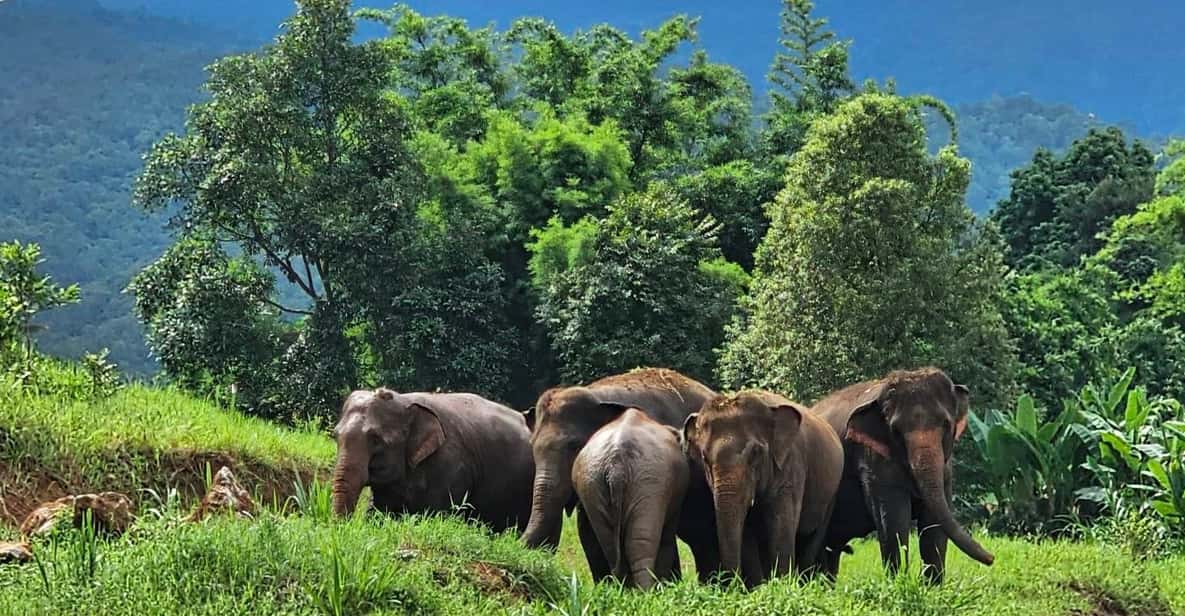
- Elephants roam freely: at least one visit noted elephants walking around freely in a very open setting.
A four-hour elephant day near Chiang Mai’s Old City
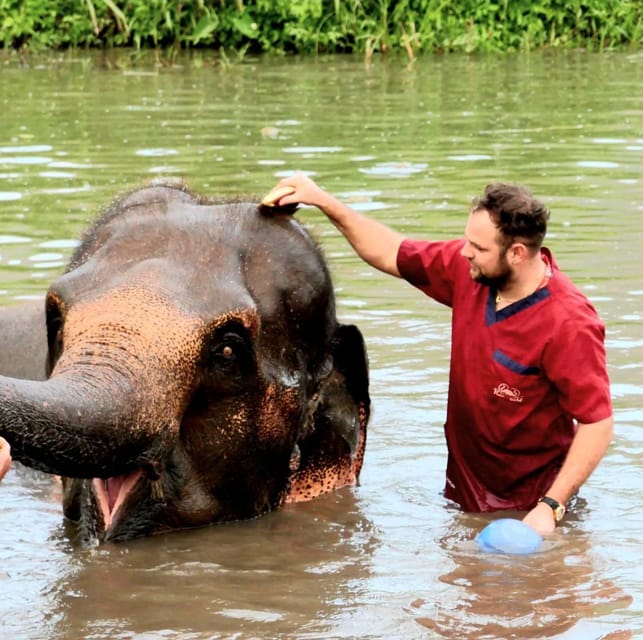
Rantong Elephant Sanctuary is designed for a half-day stretch that fits neatly into most Chiang Mai itineraries. Expect about 4 hours total, with pickup and drop-off in the Old City area. That timing matters. It means you can do the elephant visit and still have energy for night markets, temples, or a long Thai massage session after.
The big pull here is the format: you’re not sitting on a lookout. You’re walking around with the elephants, feeding them, and taking part in bathing. That’s a very different feeling than the usual “tour bus viewpoint” style of animal tourism.
Also, the camp runs with a live guide (English and Chinese). Having a person translate and explain on the spot is useful because elephants aren’t a “one size fits all” animal. The guide helps you understand what you’re seeing and how to act around the herd.
You can also read our reviews of more tours and experiences in Chiang Mai.


What you do with the elephants (no riding, plenty of interaction)
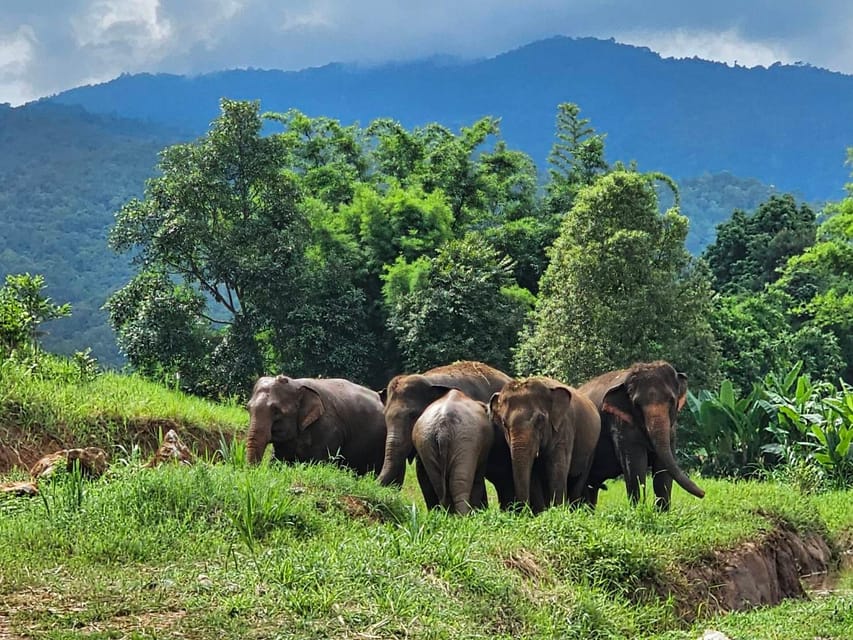
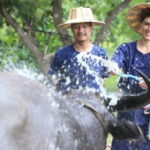
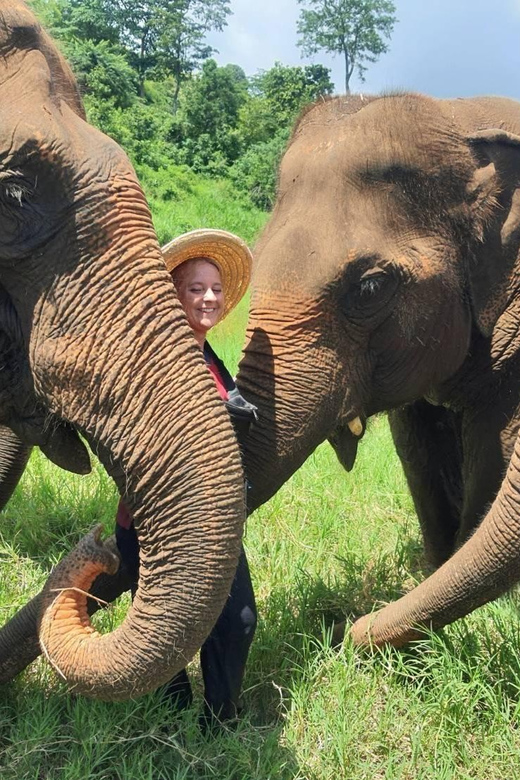
Here’s the heart of the experience. The camp program is built around hands-on time: you’ll feed, interact, and bath with the elephants. You’ll also do a guided walk as part of the camp activities.
Hand-feeding and walking among the elephants
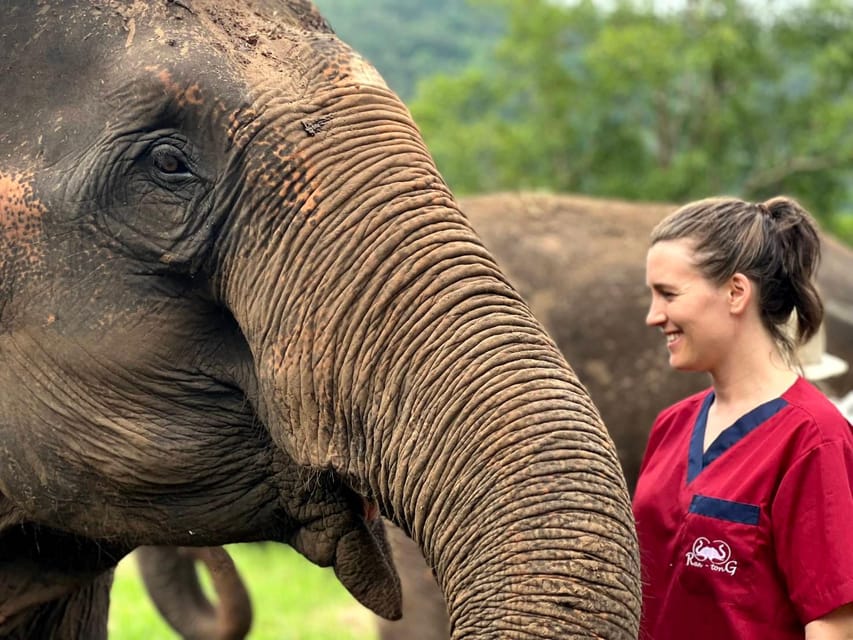
One of the most praised parts is the feeling of being right there—feeding and walking among the animals instead of staying distant. In one reported highlight, the elephants were described as very gentle, with rescued elephants living freely and moving around naturally. Another visitor specifically enjoyed feeding and walking between the elephants.
What that means for you: you should be ready for close proximity and lots of eye contact. Elephants are strong, but the program is framed around gentleness and trust-building. Still, your job is to follow your guide closely and move calmly.
Bath time (it’s part of the activity, not a side show)
Bathing is another standout. You’ll be part of the elephant bath process during the camp activities. One review also mentioned the practical perks afterward—towels and shower gel—so plan on doing a full reset after you get wet.
This is where people often underestimate the body factor. If you show up in brand-new clothes or shoes you love, the day will punish your optimism. Wear what you don’t mind getting damp.
No horseback riding
If you’ve been filtering elephant tours with one clear rule—no riding—this one fits. The program highlights that it doesn’t require horseback riding. That alone is a big reason many people consider it.




The route: pickup, cultural ride, then camp time
You start in Chiang Mai’s Old City area. The pickup is included and covers hotels or accommodations within 3 kilometers of the Old City. Then you’ll head to the sanctuary, and the transportation experience is described as including a cultural view of Chiang Mai.
This part is more than just getting from A to B. It helps you avoid the “where do we meet and how do we get there” headache, especially if you’re staying close to the Old City walls. You also don’t have to worry about arranging separate transport for a 4-hour activity.
The day ends the same way: you return to the Old City. That matters for planning dinner. You can book something nearby without factoring in extra commute time.
Food, drinks, and the gear that keeps you comfortable
You’ll get more than just elephant time. The program includes drinking water and items to change during the activity. That’s important because bath time turns a “short day” into a “wet day,” and you’ll be grateful for anything that helps you transition afterward.
You should also expect meals included in the experience:
- The information states lunch for a half-day morning program.
- It also states dinner for a half-day afternoon program.
In reviews, dinner showed up as a highlight, and one visitor mentioned towels plus shower gel for the end of the day. In other words, the day doesn’t end at the gate. It aims to close the loop with food and cleanup.
Practical tip: if you’re sensitive to strong scents or prefer your own toiletries, bring your own small travel soap. But if you’re not picky, the provided setup seems to handle basics well.
Price and value: is $57 for 4 hours fair?
At around $57 per person for a 4-hour program, the value here comes from bundled services. You’re not paying only for elephant access. You’re also paying for:
- pickup and transportation,
- a live guide in English or Chinese,
- insurance,
- food (lunch or dinner depending on the program timing),
- water and change materials,
- and the camp activity time itself (feeding, interacting, bathing).
When you look at it that way, the price starts to make sense. Many day tours in Chiang Mai charge similar money for transport and a guide—then you’re expected to pay extra for the main attraction and meals. Here, the main pieces are packed into one ticket.
That said, “value” isn’t only math. It’s also about the kind of experience you want. If you strongly prefer zero-contact or minimal-contact elephant tourism, you may not see this as good value because the program is built around close interaction.
The ethics question: how to think about close tourist contact
One review raised a real concern: the person felt internal conflict about the term ethical sanctuary and believed some activities might not be appropriate for a tourist experience.
That’s worth taking seriously, even if you’re excited. “Sanctuary” can mean different things in the real world—some places protect elephants primarily from exploitation, while others use close interaction as part of the selling point.
So how do you handle this fairly?
Here’s the approach I’d recommend:
- Ask questions before you arrive. You want to know how the elephants’ well-being is prioritized during feeding and bathing.
- Watch your own comfort level. If you feel pressured to do something that doesn’t feel right, you’re allowed to slow down or opt out of certain steps (within the limits of the program).
- Focus on outcomes, not marketing words. The camp describes its mission as rescuing abused, injured, and maltreated elephants, with a goal of giving them a life they deserve. You can support that mission, but you should still expect transparency.
This isn’t about being judgmental. It’s about being smart. The elephant is the whole reason for the trip. Make sure the experience matches your ethics as well as your curiosity.
Who this elephant camp suits best (and who should skip it)
This program is a great fit if:
- you want hand-feeding and walking as the main attraction,
- you care about rescue-focused messaging (as the camp states),
- you don’t want horseback riding,
- you want a structured half-day with transport and meals handled.
It may not be the best match if:
- you feel strongly that any tourist interaction is too much,
- you’re uncomfortable with getting wet and dealing with cleanup after bath time,
- you dislike close contact with large animals even when guides are present.
Also, if you’re traveling in a group that includes different comfort levels, you’ll want everyone aligned in advance. Elephant days move fast once you’re in the middle of it.
Quick practical notes before you book
A few details from the program info that help you plan:
- Pickup and return happen through the Old City area (within the stated 3 km radius).
- The visit is wheelchair accessible.
- The live guide speaks English and Chinese.
- The camp includes insurance as part of the activity.
If you have any special needs, confirm them with the provider before you go. The program lists accessibility, but specifics like the smoothness of paths and water areas aren’t detailed. A quick check avoids unpleasant surprises.
Should you book Rantong Elephant Sanctuary?
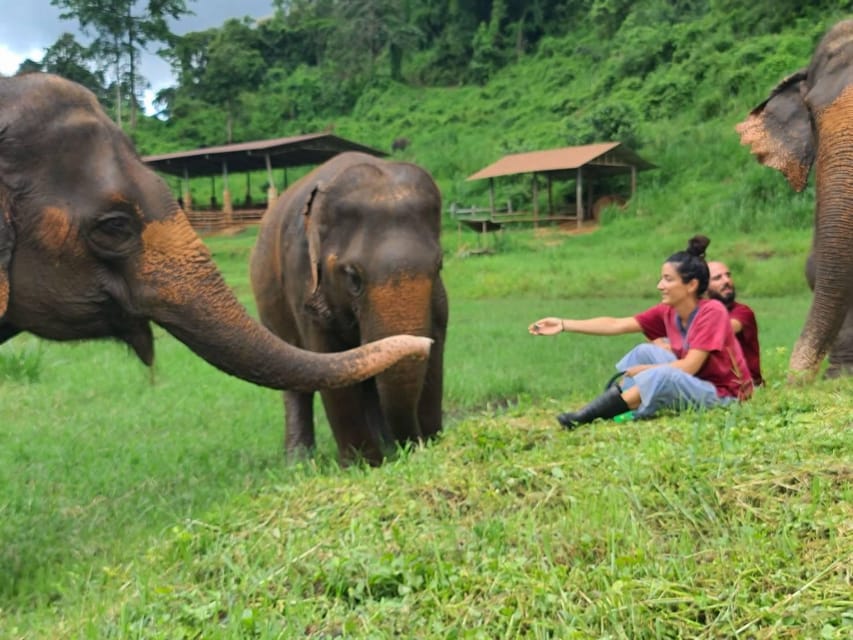
If you want a hands-on elephant day in Chiang Mai that includes walking among elephants, hand-feeding, and bath time—with no horseback riding—this is a strong option for your short list. The included transport, guide, water, and meal help make the $57 price feel more reasonable for a full half-day experience.
I’d book it if you can handle close animal interaction calmly, and if the camp’s rescue mission resonates with you. I’d slow down and ask questions if ethics is your biggest concern, because one review shows that not everyone feels comfortable with close tourist contact even at a place claiming sanctuary values.
If you’re the type who likes to understand what’s happening and then make your peace with your own choices, this tour is likely to be a memorable day—not just for photos, but for how direct it feels.
FAQ
How long is the Rantong Elephant Sanctuary program?
The experience runs for about 4 hours. Start times depend on availability.
Is horseback riding included?
No. The program does not require horseback riding.
What meals are included?
Lunch is included for the half-day morning program, and dinner is included for the half-day afternoon program.
Where do they pick you up in Chiang Mai?
Pickup is included from hotels or accommodations within 3 kilometers of Chiang Mai Old City. Drop-off is back at the Old City.
What languages will the guide speak?
The live tour guide provides English and Chinese.
Can I cancel for a refund?
Yes. Free cancellation is available up to 24 hours in advance for a full refund.