REVIEW · CHIANG MAI
Private Doi Inthanon, Nature Trail, Wat Phra That Doi Kham
Book on GetYourGuide →Operated by CHIANGMAI SIAM TRAVEL LTD.,PART. · Bookable on GetYourGuide
There’s something about cold air at the top. This private Doi Inthanon day pairs the highest point of Thailand with a guided 2-hour nature trail trek, plus temple stops that feel like time travel. I especially like the mix of crisp mountain scenery and hands-on hilltribe guiding, and I really value that the day includes both viewpoints and waterfalls. The main drawback is simple: you’ll be in humid, cool mountain weather and doing walking that isn’t wheelchair-friendly.
I also like the way the day is guided end-to-end with an English-speaking host, because you don’t just get photos—you get context. In the feedback I saw, guides like Austin and Bird were singled out for being patient and explaining things clearly, which matters on a day with multiple stops and small timing windows. If you’re the type who likes your itinerary to run smoothly without constant map-checking, this fits.
One more thing to plan for: altitude. Even though the program doesn’t spell out a strict difficulty grade, Doi Inthanon’s high elevation and the outdoor walking mean you should pace yourself—especially if you’re arriving from Chiang Mai city heat.
In This Review
- Key highlights you’ll actually feel
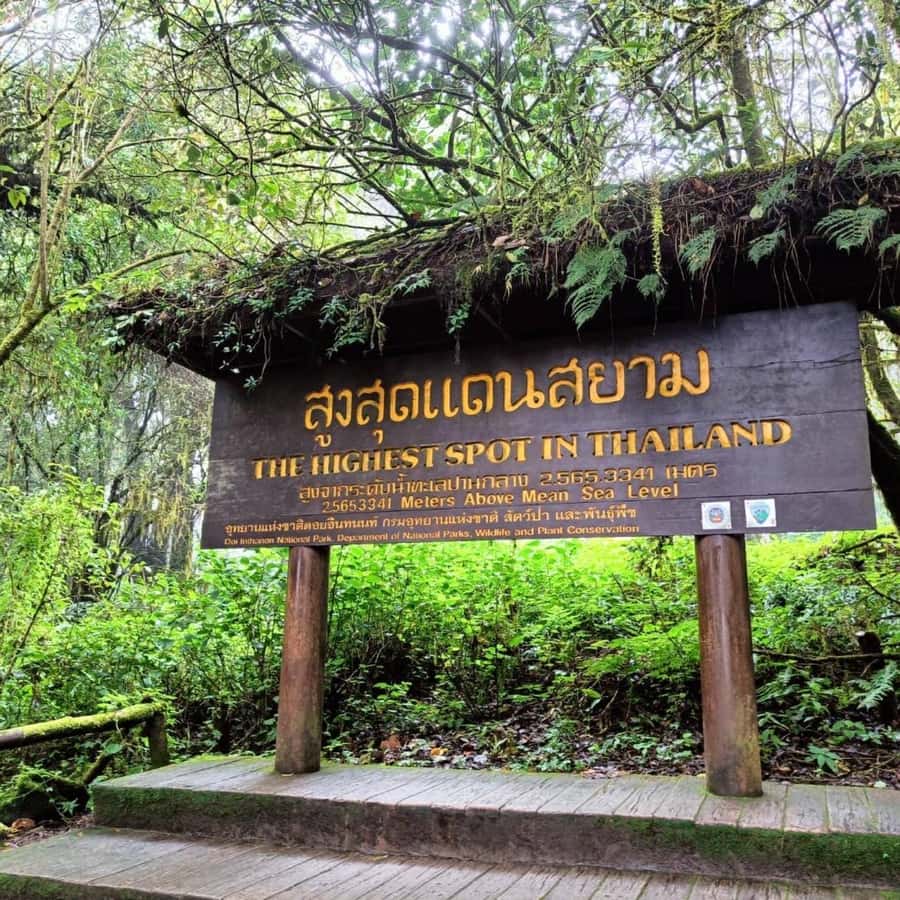
- Doi Inthanon’s 2,565 meters: cold air, big atmosphere
- The Pha Dok Siew Nature Trail trek: a manageable 2-hour walk
- What to expect physically
- End payoff: Karen village coffee
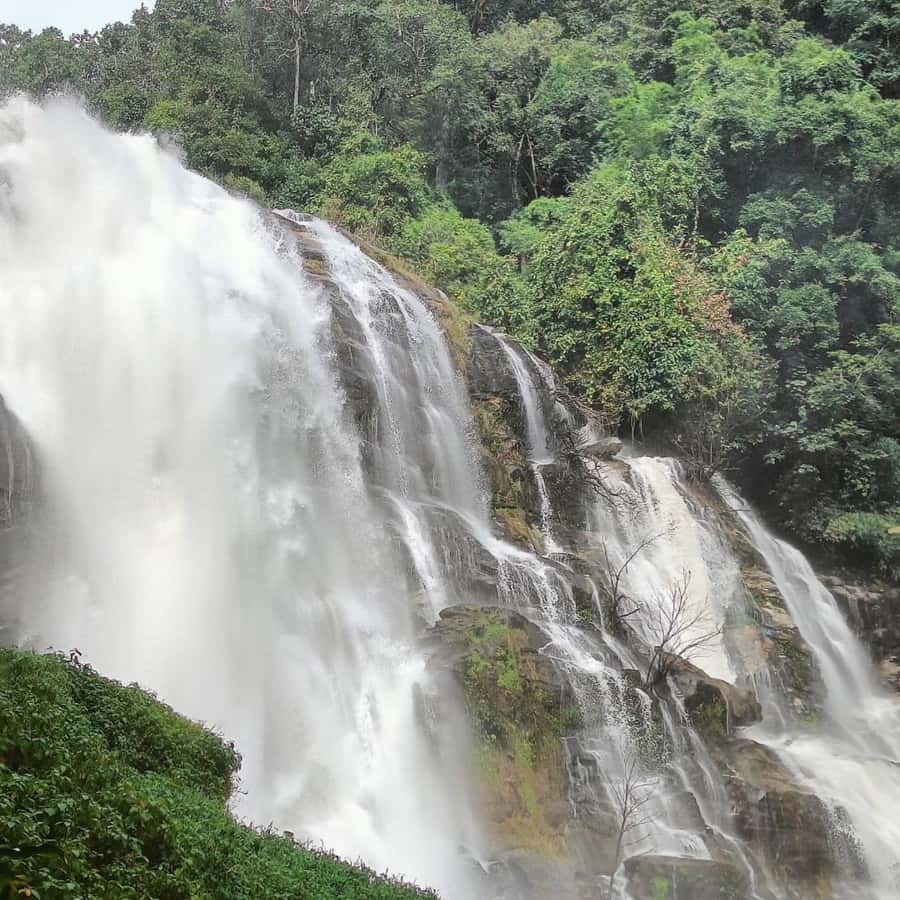
- Waterfalls with a reality check: Rak Jung and Wachiratharn
- King & Queen’s pagodas: gardens plus mountain views
- Wat Phra That Doi Kham: over 1,300 years old, with a big city view
- Price and value: what you’re paying $167 for
- Logistics that matter: timing, pace, and what to bring
- Should you book this private Doi Inthanon and Doi Kham combo?
- FAQ
- FAQ
- How long is the Doi Inthanon, Nature Trail, and Wat Phra That Doi Kham tour?
- What is included in the price?
- Is hotel pickup included?
- How long is the trek on Pha Dok Siew Nature Trail?
- Can I swim at Rak Jung Waterfall?
- Do I need swimwear and a towel?
- What should I bring for the day?
- Is this tour wheelchair accessible?
- How much does the tour cost per person?
Key highlights you’ll actually feel
- Doi Inthanon’s 2,565m high point with chilly, humid mountain conditions year-round
- Pha Dok Siew Nature Trail trek (~2 hours) with a local hilltribe guide
- Rak Jung and Wachiratharn waterfalls, with swimming possible at Rak Jung depending on water levels
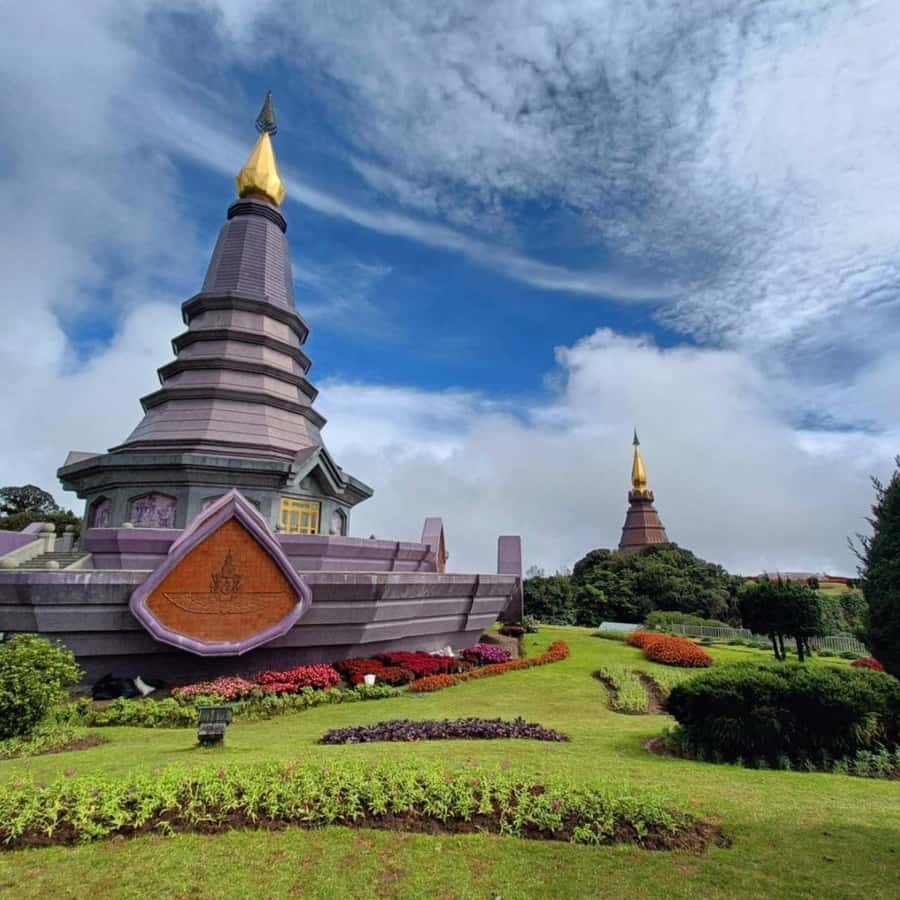
- King & Queen’s pagodas for sweeping views and well-kept gardens
- Wat Phra That Doi Kham (over 1,300 years old) plus a viewpoint over Chiang Mai
- Karen hill tribe village coffee after your trek
Doi Inthanon’s 2,565 meters: cold air, big atmosphere
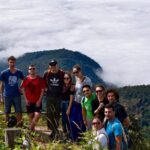
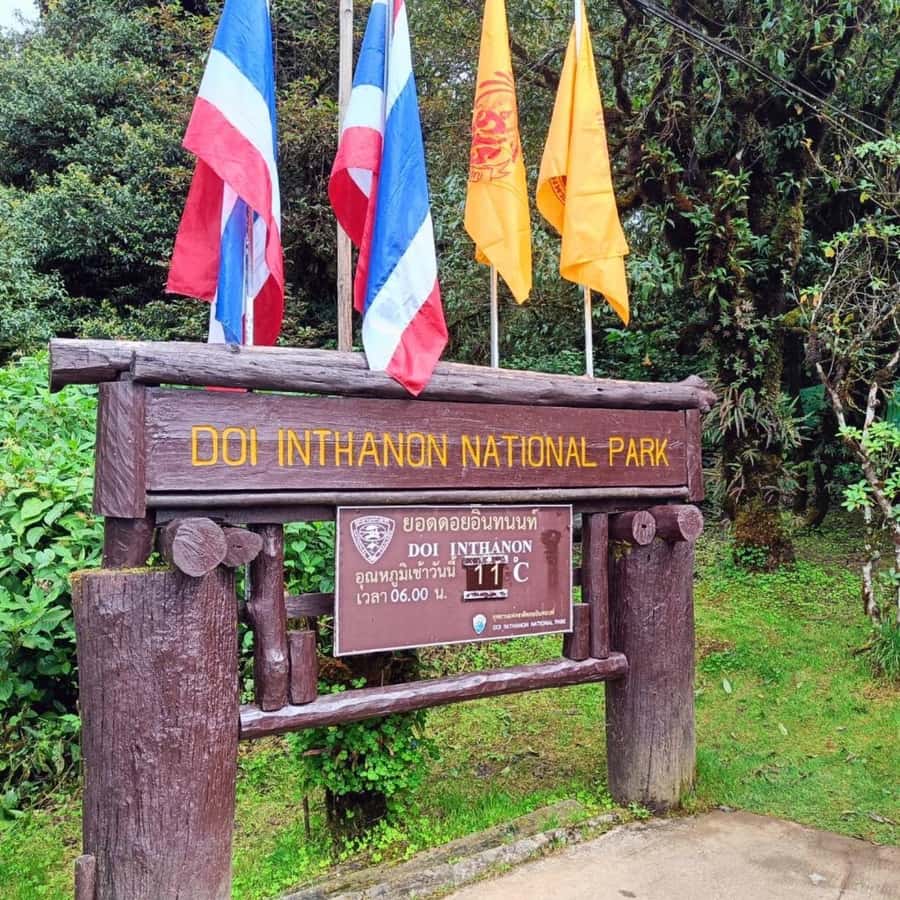
Your day starts with pickup in Chiang Mai, then a drive that’s long enough to knock the jet-lag feeling out if you have any. Once you reach Doi Inthanon National Park, the altitude hits early in the best way. The high spot is 2,565 meters above sea level, and the park is described as having cold weather all year round. Yes, even outside peak season, you’re trading city warmth for mountain chill.
At the same time, the park is also described as high humidity, so don’t assume it will feel like crisp dry winter air. The practical move is to dress in layers you can adjust fast: a warm top plus something light you can vent if you get moving. I’d also expect that fog or mist can happen around the higher areas, which can be great for atmosphere but not ideal for super-crisp, long-distance photos.
This stop is valuable because it sets the tone for everything else. When the day begins at the highest point of Thailand, your trek and temple viewpoints feel less like random sightseeing and more like a continuous climb—literally and emotionally.
You can also read our reviews of more private tours in Chiang Mai

The Pha Dok Siew Nature Trail trek: a manageable 2-hour walk
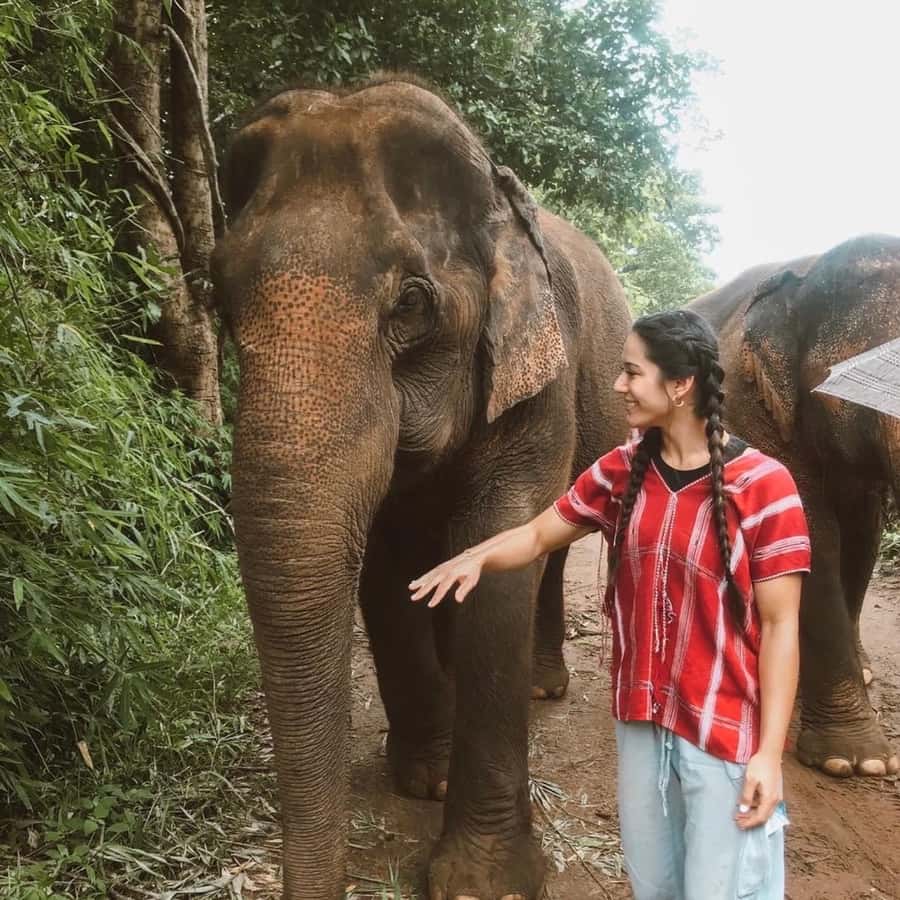
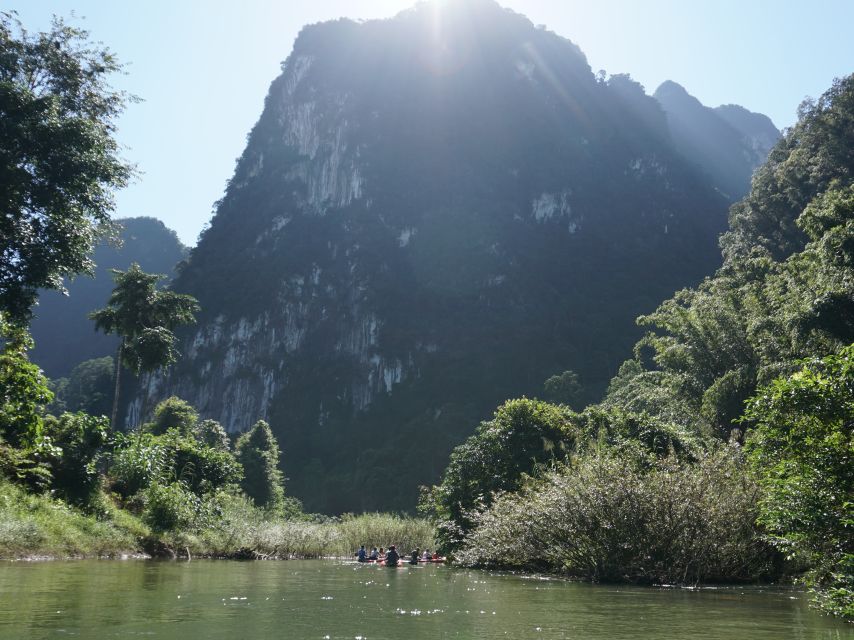
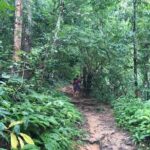
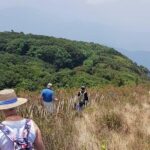
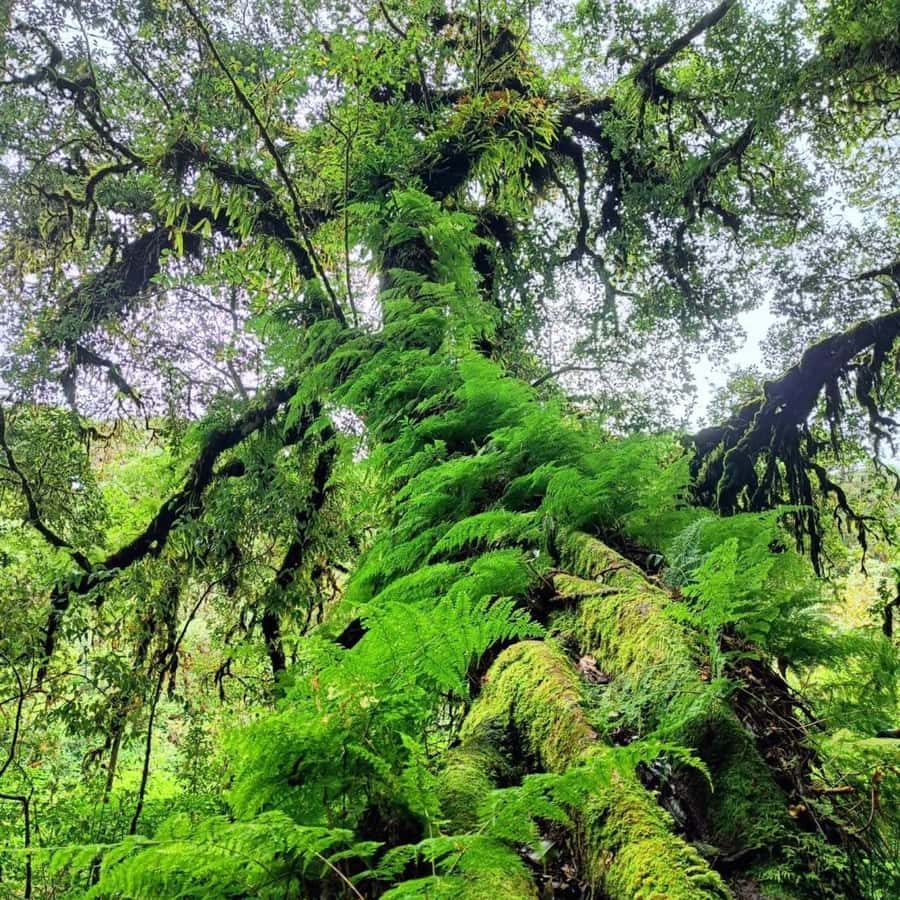
The heart of the day is the trek on the Pha Dok Siew Nature Trail. You’ll meet a local hilltribe guide, then set out for about two hours of walking through forest and hillside farmland. This is the part that’s hardest to fake with DIY planning, because the guide’s local knowledge is the difference between seeing trees and understanding what you’re seeing.
What I like about this trek is how it’s framed. It’s not just a hike through scenery. You learn about different plants and trees, and you pass through areas that connect forest with everyday hillside life—small local farms and the ways people grow food on slopes.
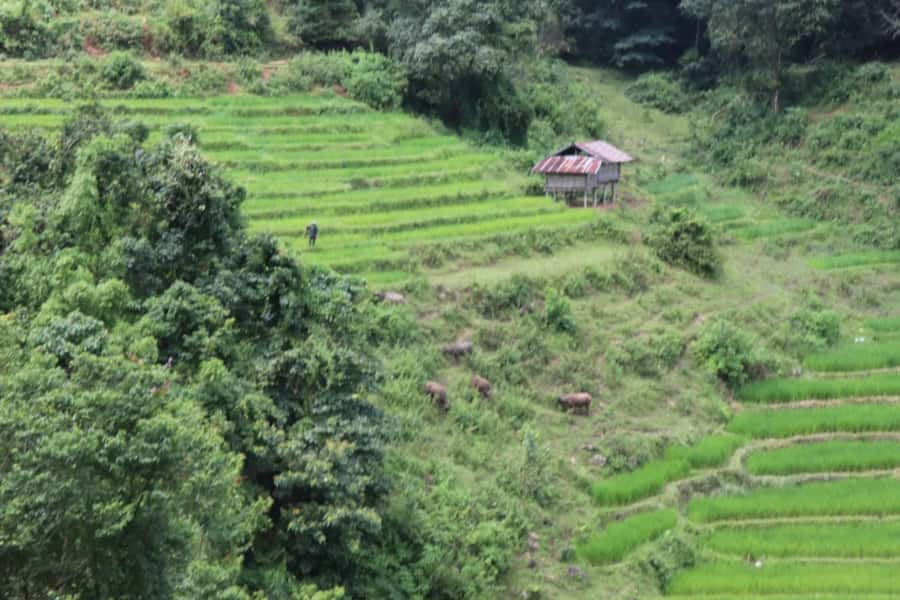
A key detail: you’ll also see rice field layers and mountains at Ban Mae Klang Luang. But the rice fields depend on the season. That’s not a problem; it’s just reality. Your best strategy is to think of it as a seasonal photo story. When the fields are green and full, you’ll get that classic layered look. When they aren’t, you’ll still get the hillside shape and planting rhythms that make the region look the way it does.
What to expect physically
This is described as trekking for about two hours, so it’s not a short “stretch your legs” walk. It’s also not framed as a technical climb. Still, you should wear grippy shoes and plan for uneven ground. If you tend to get tired in humid weather, slow down at the start and don’t try to keep pace with the fastest walkers.
End payoff: Karen village coffee
When you finish the trek, you reach a white Karen hill tribe village. The program includes a cup of freshly grounded locally grown coffee. I like this kind of finish because it’s not just a souvenir stop. It’s a small, local reset after physical effort—something warm and real while you’re still buzzing from the hike.
Waterfalls with a reality check: Rak Jung and Wachiratharn
Waterfall time comes in two parts, and the program is refreshingly honest about conditions.
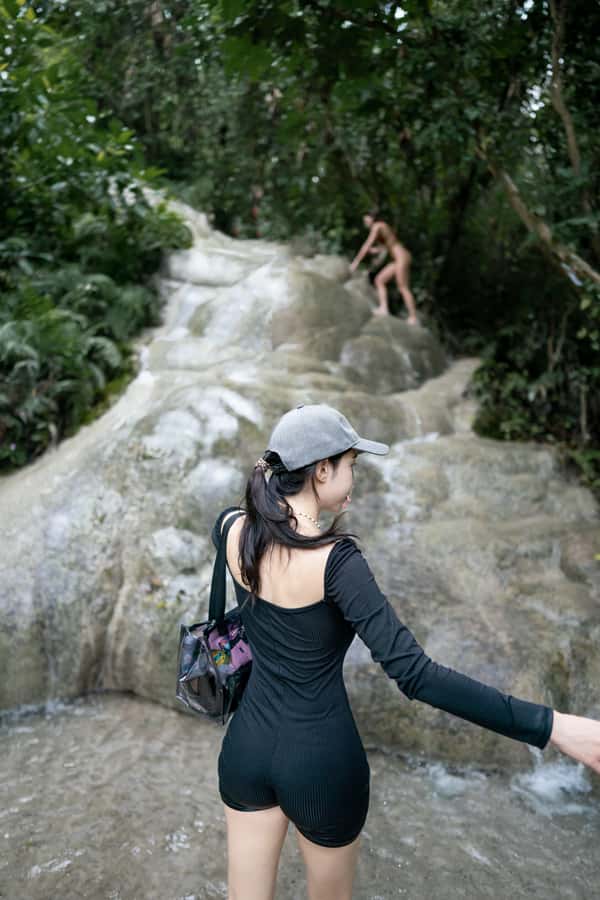
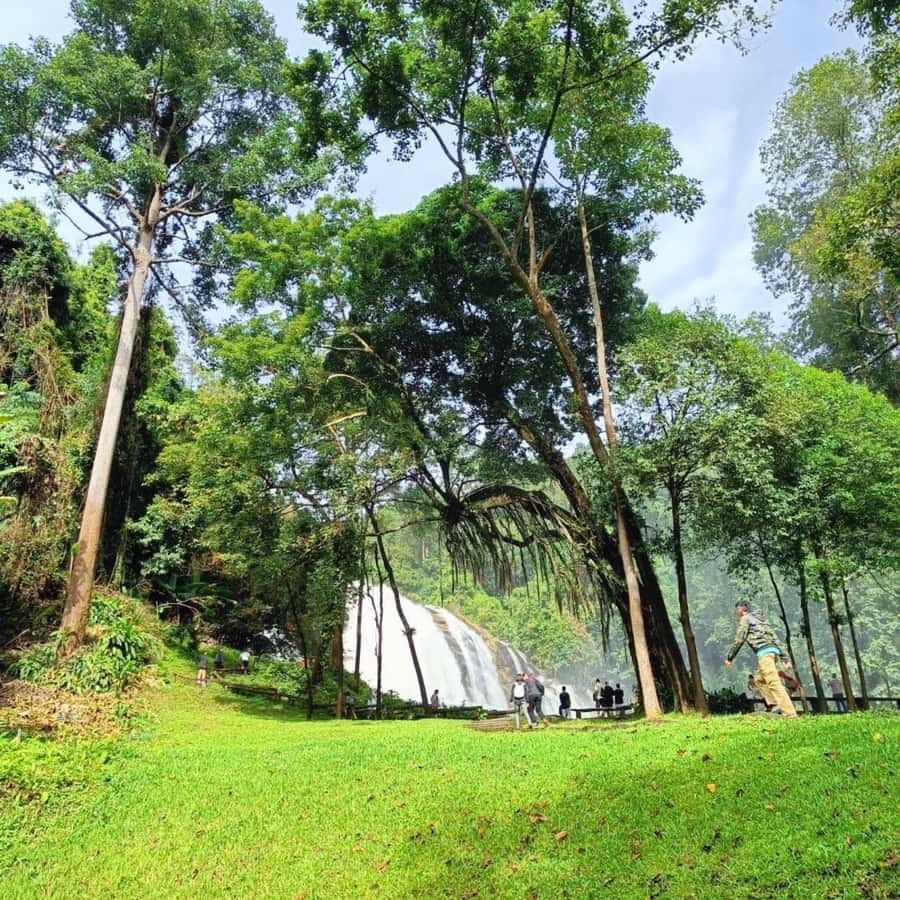
At Rak Jung waterfall, you can optionally swim if weather conditions and water levels are right. The inclusion of swim gear advice makes sense because when conditions aren’t ideal, you’ll still be able to enjoy the setting, even if you skip the water. The practical takeaway: pack swimwear, but don’t treat swimming as a guarantee.
Then there’s Wachiratharn Waterfall, which is included as another visit point. Unlike Rak Jung, there’s no swimming detail attached to Wachiratharn in the provided info, so your mindset should be: come for the view and cooling air, and let the water situation dictate how far you go.
Why are waterfalls worth building into a day like this? Because they break up the schedule. You go from high-altitude park air, to forest trek, to a sensory change—sound, mist, and that short moment where you stop thinking and just watch water move.

King & Queen’s pagodas: gardens plus mountain views
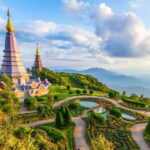
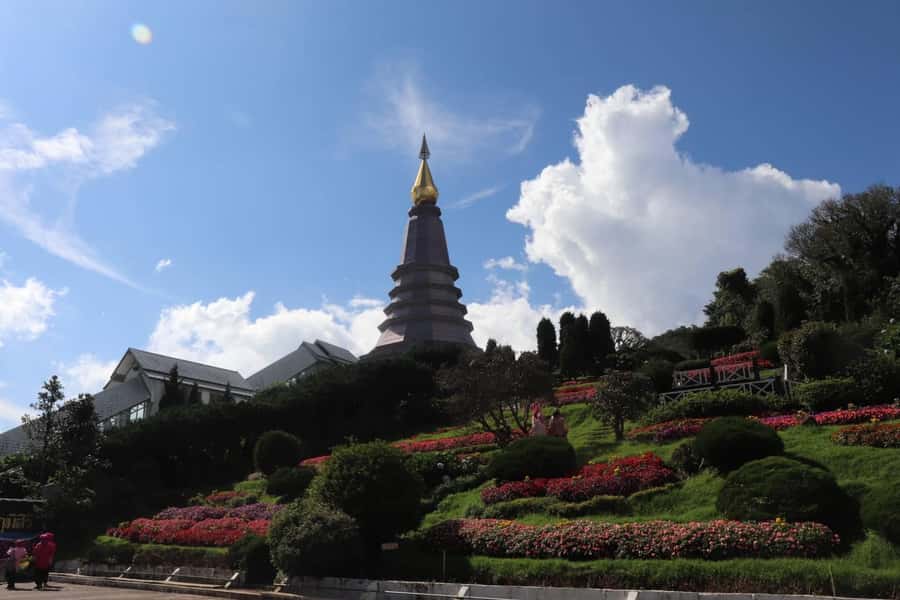
After the active trekking segment, you visit the King & Queen’s pagodas. These are known for two things that you’ll feel in your body as soon as you arrive: beautiful views and pleasant gardens.
The views matter because the mountain setup around Doi Inthanon and the Chiang Mai region naturally creates sightlines. You’re not just looking at a temple building—you’re looking out over a wider world than you’ve probably seen all day. Gardens matter because they give you a calmer pace. This stop isn’t about sprinting for the perfect photo; it’s about slowing down long enough to notice the details around the pagodas and take in the air.
This is also a strong choice for photography. Even if weather changes, pagoda viewpoints tend to keep offering something—light shifts, cloud cover creates mood, and the gardens stay visually interesting.
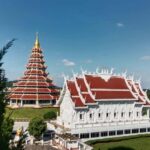
Wat Phra That Doi Kham: over 1,300 years old, with a big city view
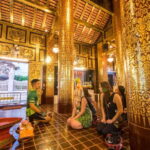
The day wraps with a temple that has serious age behind it: Wat Phra That Doi Kham, over 1,300 years old. It sits on Doi Kham hill, behind the Royal Ratchaphruek Park, which also helps explain why the site has a viewpoint character.
The numbers are part of the appeal here. The temple sits about 140 meters above the Chiang Mai plain and about 465 meters above sea level. That matters because your temple visit turns into a panoramic break from earlier mountain stops. You’re back looking at the urban layout and surrounding terrain from up high.
Inside, the program highlights Phra Chao Than Jai, described as a Buddha image that grants wishes instantly, and noted as being over five hundred years old. That detail gives your visit a specific focus: you’re not just admiring architecture, you’re encountering a revered image connected to local belief.
If you like moments where the day feels anchored in place and time, this is the stop. Everything else is outdoor nature. This one brings history and spirituality into the same frame.
Price and value: what you’re paying $167 for
At $167 per person for an 11-hour private experience, you’re paying for more than transport. This is a whole-day structure with mountain driving, guided interpretation, and multiple included stops.
Here’s what’s included based on the details you provided:
- Private pickup and drop-off by air-conditioned vehicle (with a radius note for downtown areas)
- Entrance fees
- Lunch
- Drinking water
- English speaking guide
- Accident insurance
That combination is where the value comes from. DIY versions of this day often fall apart in small ways: you spend energy figuring out logistics, lose time, and end up with a half-explained trek. A private guide also lets you keep the pacing aligned with your group—especially important when you’re combining a trek plus waterfall plus temples in one long day.
One caution on value: you’re paying to go big on variety in a single day. If you’d rather focus deeply on just trekking, or just temples, you might prefer a shorter specialty tour. If you want the full package—mountain air, hilltribe trail, waterfalls, pagodas, and a 1,300-year-old temple—this price starts to feel reasonable.
Logistics that matter: timing, pace, and what to bring
This is an 11-hour day, and the schedule is built around a sequence that keeps you moving without feeling like you’re only driving. The drive to Doi Inthanon is about 1 hour 45 minutes, and then you’re out in the park and on the trek before returning to the city later, with hotel drop-off around 18:30.
It’s a private group, so you won’t have the hassle of waiting on strangers or getting dragged uphill by someone who wants to speed through everything. Still, it’s not a stroll day. Bring what you need for outdoors:
- Swimwear, change of clothes, and towel (for the waterfall option at Rak Jung)
- Camera
- Sunscreen and insect repellent
- Personal medication
- Comfortable layers, since it’s cold up high
Also note: it’s listed as not suitable for wheelchair users. If mobility is a concern, the trek and general park paths are the obvious issue.
Finally, there’s a simple packing mindset that helps: treat the day like you’ll be outdoors for hours, with cool air in the mountains and warmer conditions back in town.
Should you book this private Doi Inthanon and Doi Kham combo?
Book it if you want a full mountain day that’s more than check-the-box sightseeing. The standout ingredients are the hilltribe-guided Pha Dok Siew trek, the coffee finish at the Karen village, the pagoda viewpoint + gardens, and the history of Wat Phra That Doi Kham with its panoramic setting.
You might skip it if you dislike long days (this is 11 hours), you need step-free access, or you want zero physical activity beyond easy walking. And if you’re only chasing one type of experience—just temples, just trekking, just waterfalls—this format may feel like too many boxes in one day.
FAQ
FAQ
How long is the Doi Inthanon, Nature Trail, and Wat Phra That Doi Kham tour?
The total duration is 11 hours.
What is included in the price?
Pickup and drop-off by private air-conditioned car, entrance fees, lunch, drinking water, an English-speaking guide, and accident insurance are included.
Is hotel pickup included?
Yes, pickup is included from your hotel in Chiang Mai city within a 5-kilometer radius of downtown. If your place is farther than 5 kilometers, extra transportation cost may apply.
How long is the trek on Pha Dok Siew Nature Trail?
The trek time is about 2 hours.
Can I swim at Rak Jung Waterfall?
Swimming is optional and depends on weather conditions and water levels.
Do I need swimwear and a towel?
It’s recommended, since the tour suggests bringing swimwear and a towel for the Rak Jung waterfall option.
What should I bring for the day?
You should bring swimwear, a change of clothes, a towel, camera, sunscreen, insect repellent, and any personal medication.
Is this tour wheelchair accessible?
No, it is not suitable for wheelchair users.
How much does the tour cost per person?
The price is $167 per person.
—
If you want, tell me your travel dates and your comfort level with walking, and I’ll help you decide how to pack and whether this pace fits you.