REVIEW · CHIANG MAI
Private Chiang Mai City Tour including Wat Doi Suthep, Wat Suan Dok (SHA Plus)
Book on Viator →Operated by Sightseeingbangkok.com · Bookable on Viator
Six temples in one well-paced day. This private Chiang Mai tour takes you out of the traffic headaches and into the North’s most famous temple sights, with hotel pickup and an English-speaking guide. You’ll hit Wat Phra That Doi Suthep, then roll through classic Lanna-era temples inside and around the old city.
I really like how the day is built for real viewing time, not just fast stops. Each place gets about 30 minutes, and the guide brings the murals, carvings, and temple meanings into focus while you’re there. I also appreciate the included extras that make the heat easier to handle, like cold towels and a steady supply of cold water bottles.
The main thing to plan for is effort. Doi Suthep involves a stair climb to reach the temple, so comfortable shoes matter, and you’ll want light, breathable clothing for a full day outdoors.
In This Review
- Key Things I’d Focus On
- Wat Phra That Doi Suthep: Morning Views and the 306 Steps
- Wat Ched Yot: A Royal Lanna Temple With Cross-Culture Architecture
- Wat Suan Dok: Flower-Garden Temple and Its 48-Meter Golden Chedi
- Wat Phra Singh and Wat Chedi Luang: Lions, Monks, and a Pagoda With a Scar
- Wat Chiang Man: Chiang Mai’s Oldest Temple, Right at the Start
- Price and Time: What $107.55 Gets You (and Why It Feels Fair)
- What a Day Like This Feels Like on the Ground
- Small Practical Tips for a Smooth Temple Day
- Who This Private Tour Fits Best
- Should You Book This Chiang Mai Temple Circuit?
- FAQ
- What’s included in the private Chiang Mai city tour?
- How long does the tour take?
- What time does the pickup start?
- Which temples are visited during the day?
- Is the tour really private?
- Is it SHA Plus certified?
Key Things I’d Focus On
- 306 steps to Doi Suthep, plus Nagas balustrades and big-city views when the day is clear
- Admissions included, so you can skip ticket math and just enjoy the temples
- English-speaking guide, with explanations that connect architecture and Buddhist meaning
- Six temple stops in one loop, which saves you time compared to piecing rides together
- Comfort touches like cold towels and cold bottled water during the day
- Private format for just your group, which makes it easier to ask questions and set your pace
Wat Phra That Doi Suthep: Morning Views and the 306 Steps
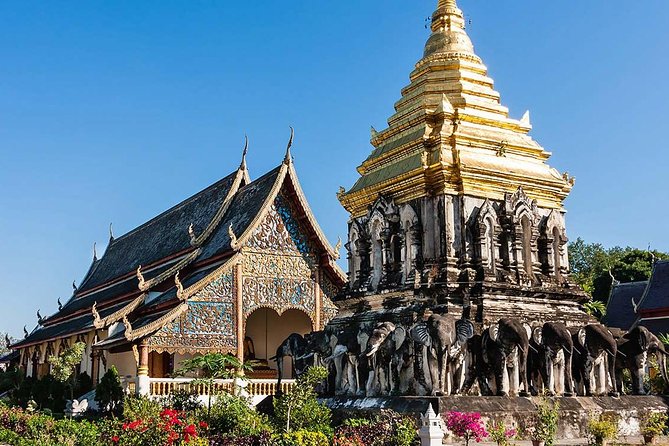
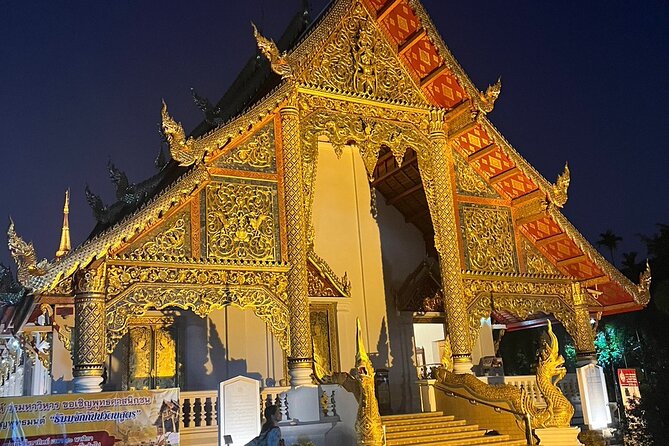
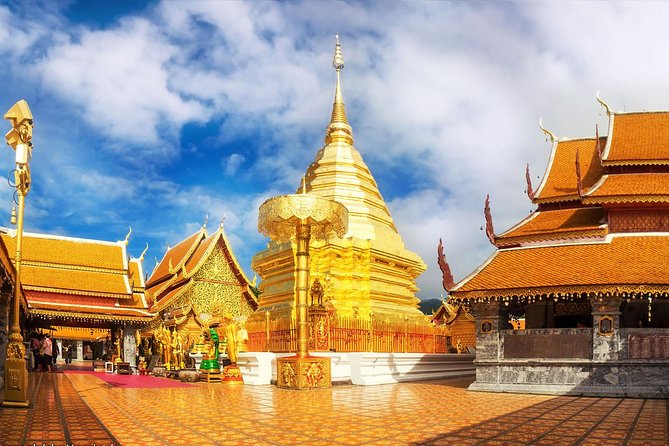
You start the day at 8:30am with round-trip pickup from your hotel, then head up to Wat Phra That Doi Suthep. This is Chiang Mai’s best-known temple in the north and it’s famous for two reasons: the sacred religious site and the views. If the sky is clear, the panorama over the city from the temple area is the kind of payoff that makes the ride feel worth it.
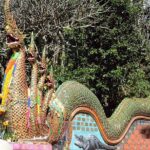
To reach the temple, you’ll climb 306 steps. The staircase is lined with mythical Nagas balustrades on both sides, so it’s not just a workout—it’s part of the experience. At the top, you’ll find a holy relic of the Buddha, which is the reason the place draws pilgrims and visitors alike.
Your timing also matters. Starting earlier helps you avoid some of the harshest sun, and it gives you a better shot at those clear-day views. Even though you’ll have about 30 minutes here, the temple complex is worth using that time for both photos and quiet moments in the courtyard.
Quick consideration: if stairs are hard for you, ask your guide what pace works best. This isn’t the place to “power through” just to be polite.
You can also read our reviews of more city tours in Chiang Mai

Wat Ched Yot: A Royal Lanna Temple With Cross-Culture Architecture
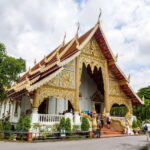
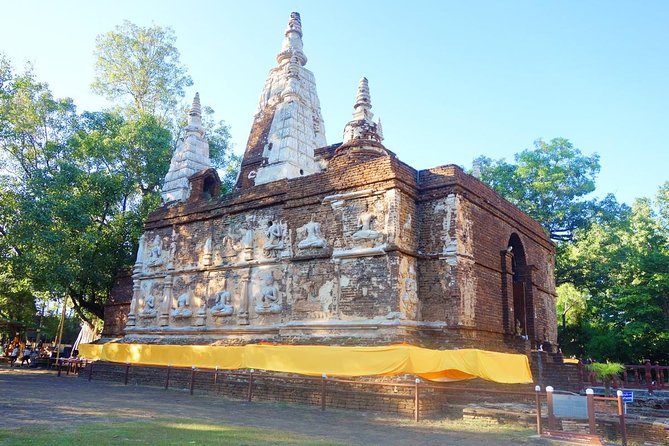
Next up is Wat Ched Yot (also known as Wat Chet Yod). This sits in the outskirts of Chiang Mai and feels like a step away from the biggest crowds, even while still being an important stop. What I like here is how the temple’s design shows layers of influence.
The temple complex is tied to the 15th century, during the reign of King Tilokkarat of the Lanna Kingdom (1441 to 1487). The architectural style is described as a blend of Lanna, Rattanakosin, Lao, Chinese, and Indian influences. So instead of seeing one “look,” you’re seeing how different artistic currents met in Northern Thailand.
There’s also a strong royal connection. The kings ashes are enshrined in a chedi on the temple grounds, which helps you understand why this temple matters beyond pretty buildings. It’s the kind of stop where your guide’s explanations really pay off, because you start to notice details you might otherwise gloss over.
You’ll typically have around 30 minutes. That’s enough to walk the key areas, check out the unique structure, and get a sense of the overall site without feeling rushed.
Wat Suan Dok: Flower-Garden Temple and Its 48-Meter Golden Chedi
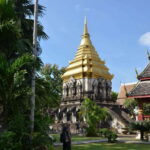
After that, you head to Wat Suan Dok, just west of the old walled area of Chiang Mai. The temple’s name means flower garden temple, and it traces back to when the area was used as royal flower gardens by the ruler of Chiang Mai. That context changes how you think about the place: it’s not only a religious site, it’s also tied to royal space and tradition.
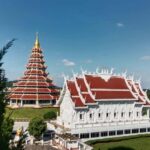
The standout feature is the large number of chedis (pagodas). One of the most noticeable is the tallest golden chedi in Sri Lankan style, reaching about 48 meters high, which contains a relic of the Buddha. Around it are many smaller white chedis, and those hold ashes of members of several generations of the Chiang Mai Royal Family.
This stop is great for slow looking. You’ll see how the colors and shapes signal different roles—relic chedi versus family remembrance—without needing an art degree. And again, the guide’s English explanations help connect the symbolism to what you’re seeing in front of you.
Since you’ll have roughly 30 minutes, I suggest using the first few minutes to orient yourself, then focus on one or two chedi groups rather than trying to photograph everything.
Wat Phra Singh and Wat Chedi Luang: Lions, Monks, and a Pagoda With a Scar
Back inside the old city area, you visit Wat Phra Singh. This temple is known as the monastery of the Lion Buddha (and sometimes called the temple of the Lion Buddha). It’s an active temple, so you’ll notice monks and novices going about their routines. There are hundreds of monks and novices living there, which keeps the atmosphere grounded rather than purely sightseeing.
This is also a place with older Buddha images housed in the complex. If you pay attention to what’s being displayed and how people behave around the shrines, you’ll get a sense for why this temple functions as a living religious center.
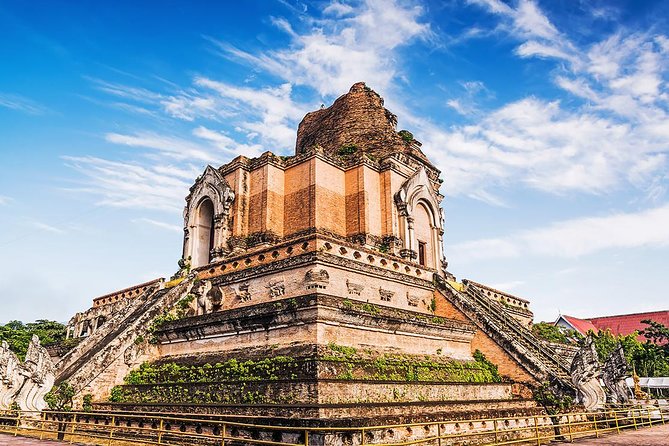
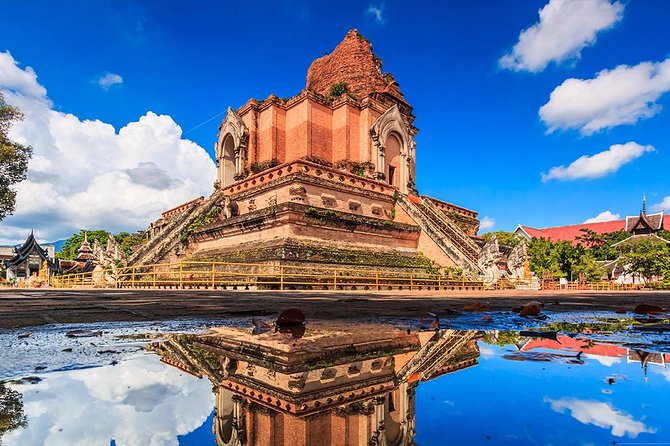
Then the day moves to Wat Chedi Luang Varavihara. This is all about the massive chedi dominating the area. It was ordered by King Saen Muang Ma to enshrine his father’s ashes. Construction began in 1391 and lasted nearly a century, finishing in 1475 during the reign of King Tilokkarat. When it was complete, it reached about 85 meters tall and about 44 meters wide, making it the largest structure of Chiang Mai.
Then nature had its say. In 1545, a massive earthquake damaged the top of the chedi, taking off about 60 meters. Today, about 60 meters remains of the structure’s height. The chedi was partially restored in the 1990s, so you can see both the original ambition and the long memory of disaster and rebuilding.
Practical note: because this is a dominant structure, you can spend time just looking—then turn and take photos from different angles. The guide can point out what changed over time, and that turns the story from history into something you can actually visualize.
Wat Chiang Man: Chiang Mai’s Oldest Temple, Right at the Start
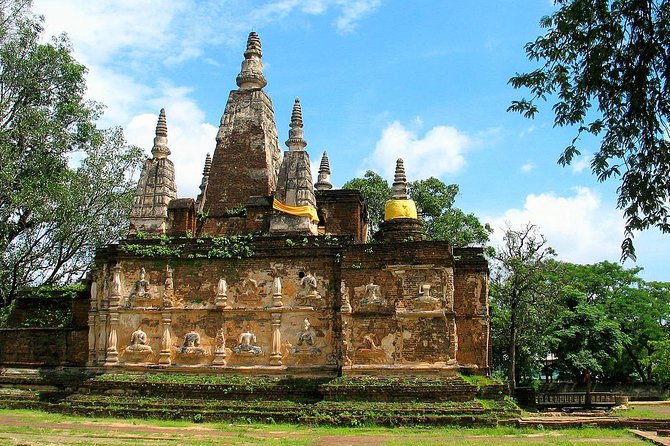
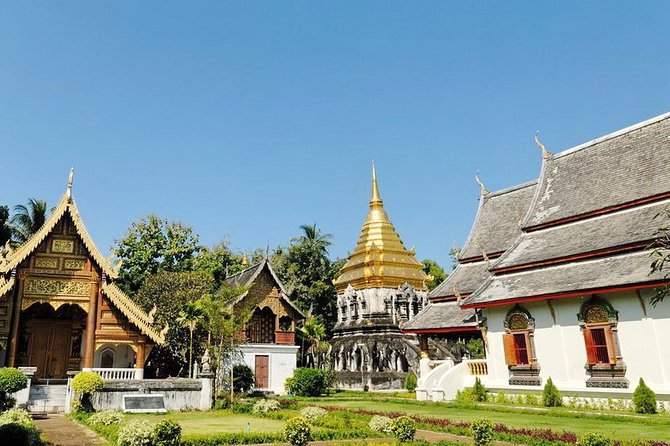
Your final major temple stop is Wat Chiang Man. This one is simple to love because it feels like the starting point. It’s described as the oldest temple in Chiang Mai, dating back to the founding of the city in 1296.
The story goes back to King Mengrai, who decided to build a new city and make it the capital of the Lanna Kingdom. Wat Chiang Man was built as the first temple of the new city on the site where he supervised construction. That timing gives the temple a different “energy” than places built later—like you’re standing in the early chapter of the city.
The temple holds several very old and important Buddha images. With about 30 minutes here, you’ll want to slow down a touch. If you’ve followed the day up to this point, you’ll notice how the temples you saw earlier connect to the same ongoing traditions—just expressed in different designs and eras.
When the clock hits about 16:30 to 17:00, you head back to your hotel. It’s a full day, but the sequence keeps it logical: mountain temple first, then the old city core.
You can also read our reviews of more private tours in Chiang Mai




Price and Time: What $107.55 Gets You (and Why It Feels Fair)
At $107.55 per person for about 8 hours, the value comes from stacking what’s included. You’re not just paying for a car. You’re also getting an English-speaking guide plus all admission fees, plus lunch. You’re essentially buying one ticket that covers the moving parts that usually turn a temple day into a headache.
That matters because temple visits in Chiang Mai often involve a mix of short walks, longer rides, and entry fees that add up fast. With this tour, you don’t have to negotiate tickets on the spot or wonder whether you’re missing an admission requirement. You also don’t have to organize six separate stops and transfers on your own.
The private format is another value driver. You’re not sharing the experience with random strangers. That makes it easier to ask questions, adjust your pace, and spend a few extra minutes where you feel like you need it.
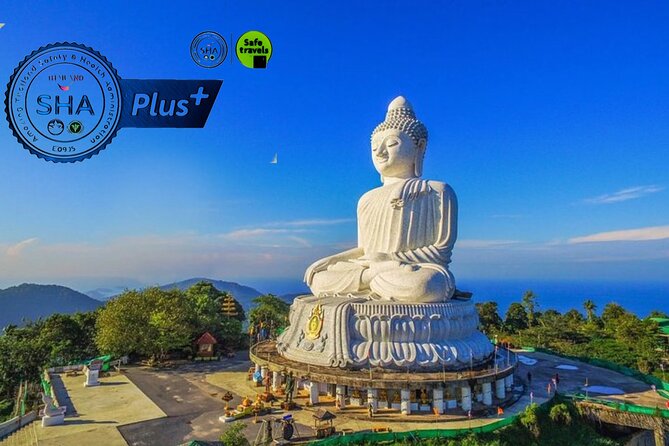
One more detail I like: the tour is marked SHA Plus certified, which signals approved health and prevention protocols. It’s not the reason to book, but it’s reassuring when you’re spending a full day on the move.
Finally, it’s booked pretty far in advance on average, which usually means this temple circuit is popular. If you have a tight schedule, locking in sooner can be smart.
What a Day Like This Feels Like on the Ground
You’ll spend the day in a rhythm: arrive, look, listen, then move on. Each stop is about 30 minutes, which is short enough to keep energy up but long enough to learn something meaningful. Lunch is included, so you’re not hunting for food between temples.
The guide makes a difference here. You’re not just watching buildings; you’re hearing how temple architecture connects to Buddhist practice and royal traditions. On a private tour, that explanation can actually match what you’re seeing in front of you instead of being one generic script.
And yes, the heat is real. One of the nicer comforts is that cold towels and cold water are part of the day’s setup. That small touch can be the difference between enjoying Doi Suthep and feeling wiped out.
Small Practical Tips for a Smooth Temple Day
- Wear shoes you can walk in on stairs. Doi Suthep is the big test.
- Dress with temple rules in mind: cover shoulders and knees.
- Bring sunscreen and a hat. Even with stops, you’ll still be in open air.
- If you want the best views at Doi Suthep, don’t assume it will be clear. Ask your guide what conditions look like.
- Keep one or two “photo goals,” not ten. You’ll enjoy each stop more if you’re not sprinting.
Because the day is structured, you’ll get the most out of it by staying present. It’s a temple crawl, but it’s also a story of Chiang Mai’s city beginnings, royal power, and religious tradition.
Who This Private Tour Fits Best
This tour is a strong fit if you want a guided route that covers the major temple highlights without stressing over directions. It’s also ideal if you like learning while you walk—someone who explains the meanings of carvings and temple features makes a difference when the buildings are unfamiliar.
I’d especially recommend it for:
- Couples or friends who want a calmer, private pace
- First-timers to Chiang Mai who want the “best of” temples in one day
- People who prefer English explanations over self-guiding
If you’re traveling ultra-light or you want to linger for hours at each site, you might find the 30-minute stop rhythm a bit tight. But for most people, it’s the sweet spot.
Should You Book This Chiang Mai Temple Circuit?
If you want an efficient, well-organized day with hotel pickup, a guide who explains what you’re seeing, and admissions handled for you, this is an easy yes. The big reason to book is the mix of mountain temple views and old-city temples in one loop—without you doing the planning.
I’d skip or adjust the plan if stairs and long days are a problem for you, since Wat Phra That Doi Suthep involves climbing. Otherwise, it’s a solid choice for getting your bearings fast and understanding why these temples matter in the Chiang Mai story.
FAQ
What’s included in the private Chiang Mai city tour?
The tour includes an English-speaking guide, round-trip transfer from your hotel, admission fees, and lunch.
How long does the tour take?
The tour runs about 8 hours.
What time does the pickup start?
Pickup starts at 8:30am, and you’ll return to your hotel area around 16:30 to 17:00.
Which temples are visited during the day?
You’ll visit Wat Phra That Doi Suthep, Wat Ched Yot, Wat Suan Dok, Wat Phra Singh, Wat Chedi Luang Varavihara, and Wat Chiang Man.
Is the tour really private?
Yes. It’s a private tour/activity, and only your group participates.
Is it SHA Plus certified?
Yes. The tour is SHA Plus certified, which indicates approved Covid-19 health and preventative protocols in place and that 70% or more of employees have been fully vaccinated.
If you want, tell me your travel dates and whether stairs are an issue for you, and I’ll suggest the best way to pace the Doi Suthep part of the day.