REVIEW · PHUKET
Half-Day Phuket Easy Thai Cooking
Book on Viator →Operated by Phuket Easy Thai Cooking · Bookable on Viator
Thai cooking skills start at the market. This half-day class in Phuket mixes hotel pickup with a small-group kitchen lesson, so you’re not just watching food being made. You’ll shop for ingredients, learn the logic behind the flavors, and then cook a real Thai meal you can remake at home.
I especially like the hands-on focus, especially making curry paste from scratch instead of copying a shortcut. I also like that you leave with practical tools like a take-home recipe book and leftovers you can box up for later.
One heads-up: the cooking space can be basic, and a few classes note it can feel cold and that basics like aprons might not be provided.
In This Review
- Key things I’d highlight before you book
- Hotel pickup, a half-day rhythm, and what “easy” really means
- The local market stop: where your Thai cooking starts making sense
- Curry paste and the “hands-on” part that you’ll actually repeat at home
- What you’ll cook: Pad Thai, curries, salads, and the meal payoff
- Pad Thai
- Thai curries (including green and Massaman)
- Tom Yum and soup
- Mango sticky rice
- Papaya salad
- Class size, teacher style, and what the kitchen setup feels like
- Value for $69: what’s included, and why it’s not just a cooking show
- Who this Phuket cooking class suits best
- Should you book Phuket Easy Thai Cooking?
- FAQ
- How long is the Half-Day Phuket Easy Thai Cooking class?
- Does the tour include hotel pickup and drop-off?
- Do I get to choose between morning and afternoon classes?
- What dishes will I learn to cook?
- Is there a limit on group size?
- What if someone in my group doesn’t want to cook?
Key things I’d highlight before you book
- Hotel pickup and drop-off saves you time and keeps the class stress-free
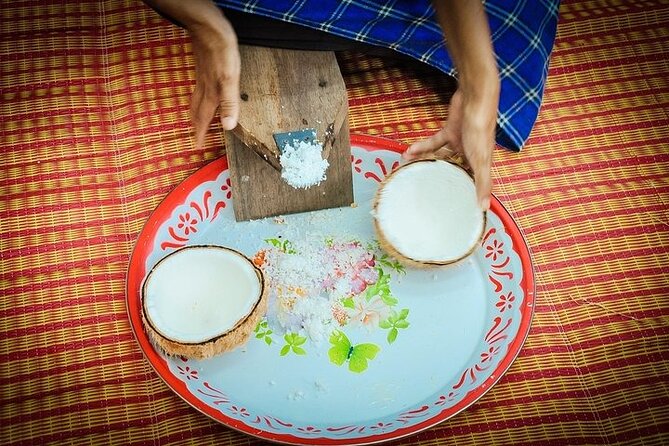
- Local market shopping helps you learn what good ingredients look like
- Curry paste practice is built into the experience, not an afterthought
- Small group sizes (up to 10) mean more attention while you cook
- You eat what you cook, with lunch or dinner included
- Extra charge for non-cooking participants if someone is tagging along
Hotel pickup, a half-day rhythm, and what “easy” really means
This is a half-day Phuket experience focused on getting you competent fast. The class runs about 3–4 hours and works either as a morning or afternoon session. You’ll get round-trip hotel transport, which matters in Phuket because travel time can eat up your fun.
The big idea behind “easy Thai cooking” is repetition with guidance. You’re not stuck watching a chef do everything. You’ll handle the ingredients, follow simple steps, and adjust flavors as you go so the food tastes right even if you’re a total beginner.
One more reason this works well: the class design is built around a meal. By the time you’re done, you’re eating your own Pad Thai and curries (or another matching set), not just collecting cooking photos.
You can also read our reviews of more cooking classes in Phuket

The local market stop: where your Thai cooking starts making sense
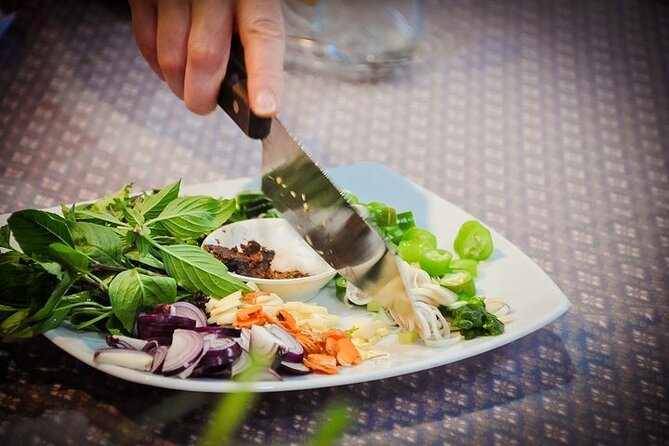
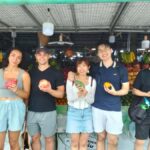
Most classes begin with a market visit where you pick ingredients with the teacher’s help. This is where you learn the difference between ingredients that are common in Thai kitchens and the ones that might be harder to spot back home.
You’ll get shown what to buy and why. One of the most useful things is how the teacher helps you choose fresh produce for the flavors you’re targeting, not just what looks good. That matters because Thai cooking isn’t only about recipes. It’s about balance: sour, salty, sweet, and heat.
You may also get a chance to see how local sourcing works beyond the market. In some classes, the teacher includes extra touches like a herb or garden stop where you pick plants for the dishes. In one account, the class included a garden in front of the kitchen, plus time to learn what’s growing there and how it relates to what’s on your plate.
Also, the market phase tends to make the whole class feel grounded. You stop thinking of Thai food as a mystery and start thinking of it as ingredients and technique.
Curry paste and the “hands-on” part that you’ll actually repeat at home
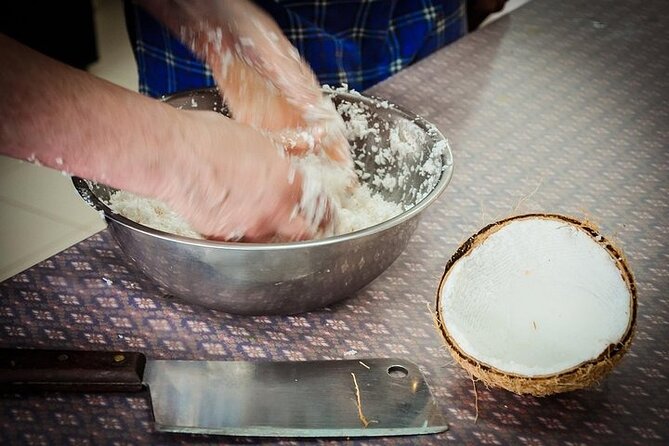
If you want the skill that makes Thai food click, aim for the session that includes homemade curry paste. Multiple class accounts highlight that this is a key focus, and it’s why this type of lesson is worth the money.
In practice, you’ll learn the basics of building the paste and preparing it so it can bloom into curry. Even if you don’t get every flavor exactly right on day one at home, you’ll understand the method enough to make smart adjustments. That’s the real value: you can cook again later without needing a restaurant shortcut.
This is also where the teachers shine. Names that show up across classes include Karn, Kaan, Tik, and Kam. Most are praised for being patient, funny, and clear in English. You’ll also get tips on pacing—Thai cooking moves fast—but the teacher keeps the process manageable for beginners.
One extra practical touch: you’ll be taught how to work with what you have. Some accounts note the difference between traditional preparation and easier methods with everyday equipment, so you can still succeed at home without recreating a Thai kitchen setup.
What you’ll cook: Pad Thai, curries, salads, and the meal payoff
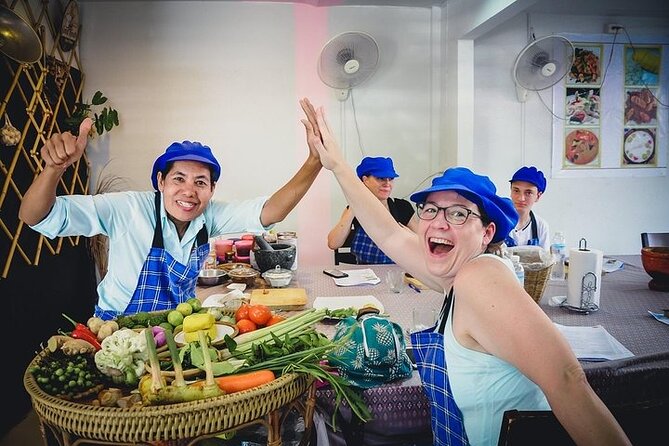
Your exact menu can vary by session, but the course is designed around classic Thai favorites. The cooking list often includes items like Pad Thai, papaya salad, and Massaman curry, plus dishes such as Tom Yum soup, green curry, satay, Panang curry, and mango sticky rice. Expect the course to include a mix of soup, main dishes, and a dessert.
Pad Thai
Pad Thai is usually part of the experience because it’s iconic and teachable. The lesson focus is on balancing tamarind-sweetness, saltiness, and heat, then getting noodles to the right texture without overcooking.
A few more Phuket tours and experiences worth a look





Thai curries (including green and Massaman)
When curries are on your menu, you’ll get the biggest payoff for learning curry paste and cooking technique. Green curry is frequently mentioned, and Massaman shows up as a classic option. In most cases, you’ll learn how to use your paste and build curry flavors instead of just heating pre-made sauce.
Tom Yum and soup
Some classes include Tom Yum, which is great for learning the sour-heat profile Thai cooks aim for. If you like bold, punchy flavors, soup often ends up being one of the most memorable parts.
Mango sticky rice
Dessert is part of the included meal. Mango sticky rice comes up repeatedly, usually with coconut sauce. It’s not just a sweet ending—it’s also a chance to see how Thai desserts balance coconut richness with fruit brightness.
Papaya salad
If your session includes papaya salad, you’ll learn the classic sour-salty-sweet balance, usually with a mortar-and-pestle approach. It’s hands-on and a little messy—in a good way.
After cooking, you eat the dishes you made. That’s the moment where the lesson turns from skill-building into a full meal.
Class size, teacher style, and what the kitchen setup feels like
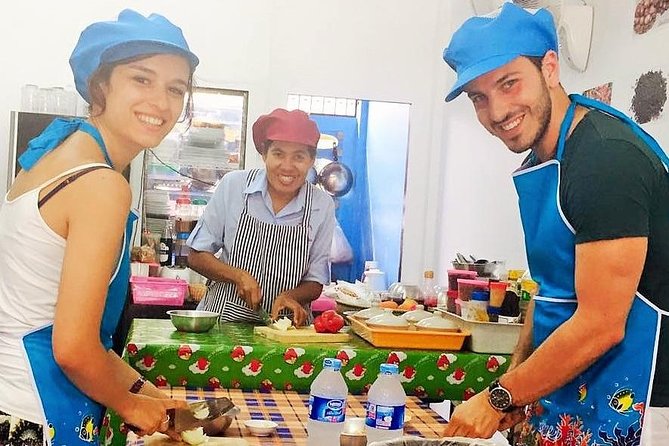
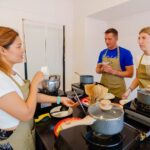
You’ll be in a small group, with a cap around 10 participants and some schedules showing an even tighter maximum. The benefit is simple: you get more attention while you’re chopping, stirring, and tasting. That’s especially useful if you don’t cook much at home.
Most accounts praise the teachers for keeping things friendly and structured. Many mention humor and patience, and some highlight personalized help during prep and cooking. If you worry about language barriers, English instruction seems to be common across these classes.
Kitchen setup is where opinions diverge slightly. A few people describe the setup as a bit primitive, and one common note is that a room can be cold. Another note mentions that there weren’t aprons. None of this seems to ruin the experience, but it can affect comfort if you’re sensitive to cold or you like kitchen gear.
What I’d do in your packing plan:
- wear clothes you don’t mind getting spice-splashed
- bring a small towel if you like wiping hands fast
- consider a light layer if you run cold in kitchens
- if you have one, bring a simple apron, just in case
Value for $69: what’s included, and why it’s not just a cooking show
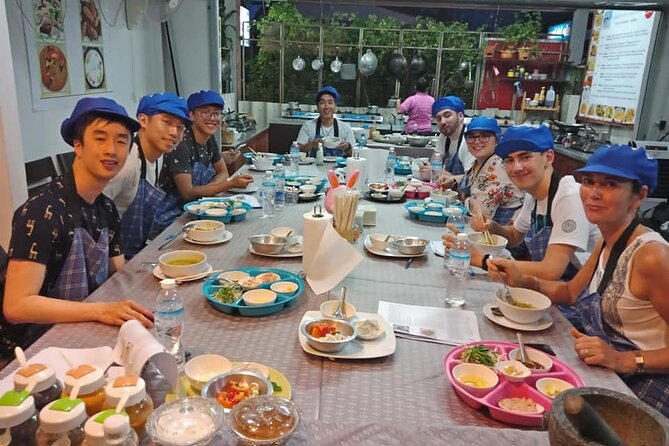
At about $69 for roughly half a day, the value comes from what you actually receive, not the label of a “cooking class.”
You’re paying for:
- round-trip hotel transport
- market shopping time with ingredient guidance
- hands-on cooking of multiple Thai dishes
- lunch or dinner from what you cook
- a take-home recipe book
- a small-group setting, so you’re not stuck in a crowd watching
That package is hard to beat if you want a mix of food education and a meal. If you tried to recreate this solo, you’d be spending time shopping anyway, plus you’d still miss the instruction on paste, noodle timing, and balancing flavors.
It also helps that the reviews strongly lean toward repeatable results. People specifically mention leaving excited to cook again at home, not just “having a good day.”
If you’re bringing someone who doesn’t cook, there’s an extra charge (THB 1,100) for non-cooking participants. That’s worth factoring if you’re traveling as a pair and one person just wants the experience atmosphere.
Who this Phuket cooking class suits best
You’ll likely love this class if you want Thai food that goes beyond ordering it. The market phase is ideal if you enjoy food shopping and learning what ingredients matter. The curry paste work is ideal if you want a real skill, not just assembling dishes.
This is also a strong fit for:
- beginners who want step-by-step help
- couples who want a shared activity that ends with a meal
- solo travelers who want a small group with real interaction
- anyone who likes practical travel experiences with take-home value
It may be less ideal if you expect a glossy, high-end kitchen environment. A basic setup, possible cold room, and missing aprons are the kind of details you should keep in mind.
Should you book Phuket Easy Thai Cooking?
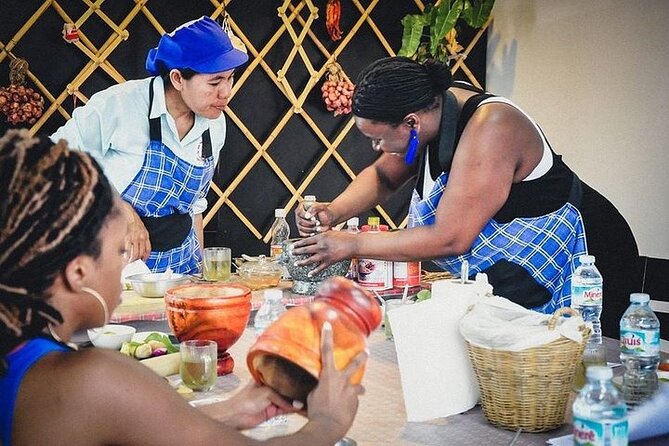
Yes, I’d book it if your goal is to learn Thai cooking you can repeat, and you want a half-day format that doesn’t swallow your whole schedule. The standout strengths are the market visit, the curry paste focus, and the fact that you eat what you cook right after.
Before you go, decide what matters most to you:
- If you want skills you can recreate, this is one of the better bets in Phuket.
- If you’re picky about kitchen comfort, consider bringing a layer and a towel.
- If you’re traveling with a non-cooking friend, check the THB 1,100 fee so there are no surprises.
Also, cancellation is free up to 24 hours in advance, so you have some flexibility if your Phuket plans shift.
FAQ
How long is the Half-Day Phuket Easy Thai Cooking class?
It runs for about 4 hours (approximately), often described as 3–4 hours.
Does the tour include hotel pickup and drop-off?
Yes. Hotel pickup and drop-off are included.
Do I get to choose between morning and afternoon classes?
Yes. You can select a morning or afternoon class.
What dishes will I learn to cook?
You’ll prepare classic Thai dishes such as Pad Thai, papaya salad, and Massaman curry. Some classes also include options like Tom Yum soup, green curry, satay, Panang curry, and mango sticky rice, depending on the session.
Is there a limit on group size?
Yes. The class is capped at 10 people per booking and is kept very small (some schedules show up to 8 travelers).
What if someone in my group doesn’t want to cook?
There’s an extra charge of THB 1,100 for non-cooking participants. Children under 7 are free if accompanied by an adult.
If you tell me your travel dates and whether you prefer morning or afternoon, I can help you think through what menu mix you’re most likely to enjoy based on the typical dish set.