REVIEW · PHUKET
Phuket: Half Day Easy Thai Cooking Class & Local Market Tour
Book on GetYourGuide →Operated by Phuket Easy Thai Cooking · Bookable on GetYourGuide
A market tour plus a real cooking lesson beats eating your way through Phuket. This half-day class pairs hotel pick-up with a hands-on kitchen session, including picking fresh ingredients from a small kitchen garden and cooking classic dishes like tom yam, pad thai, curry, and mango sticky rice. The vibe is friendly and practical, especially with instructors like Tik (and her team), who help you understand what you’re doing and why it tastes right.
Two things I really like: you start in a local market and choose your ingredients for the day, so the dishes feel connected to Thai life, not like a demo. And it’s built for beginners—stations are set up for you, you cook in the process (not just watch), and you end up with more food than you’ll finish on the spot. One possible drawback is logistics: you need to plan around your pickup time, and if you’re coming from areas not covered in the base transport, you’ll pay extra.
In This Review
- Key things that make this Phuket class worth your time
- Phuket Thai cooking class with market shopping and a small-group kitchen
- Morning or afternoon: how the schedule changes what you’ll do
- The local market stop: the fastest way to understand Thai flavor
- What to look for during the market walk
- The kitchen garden: small plot, big “aha” factor
- Cooking setup: clean stations, air-conditioned prep, and real hand work
- What you actually cook: day-by-day menu choices
- Monday
- Tuesday
- Wednesday
- Thursday
- Friday
- Saturday
- Special Sundays
- The food part: huge portions and leftovers you’ll thank yourself for
- Price and value: why $68 feels fair for what you get
- Transport and pickup: what to plan, what might cost extra
- Who this class is best for (and who should choose differently)
- Practical notes before you go
- Should you book Phuket Easy Thai Cooking?
- FAQ
- How long is the Phuket half-day Thai cooking class?
- Do I have to choose a morning or afternoon class?
- How many people are in each class?
- Is there hotel pickup included?
- What language is the instructor?
- What do I cook in the class?
- What is the Special Sunday class?
- Are ingredients included?
- Is alcohol or pets allowed?
Key things that make this Phuket class worth your time
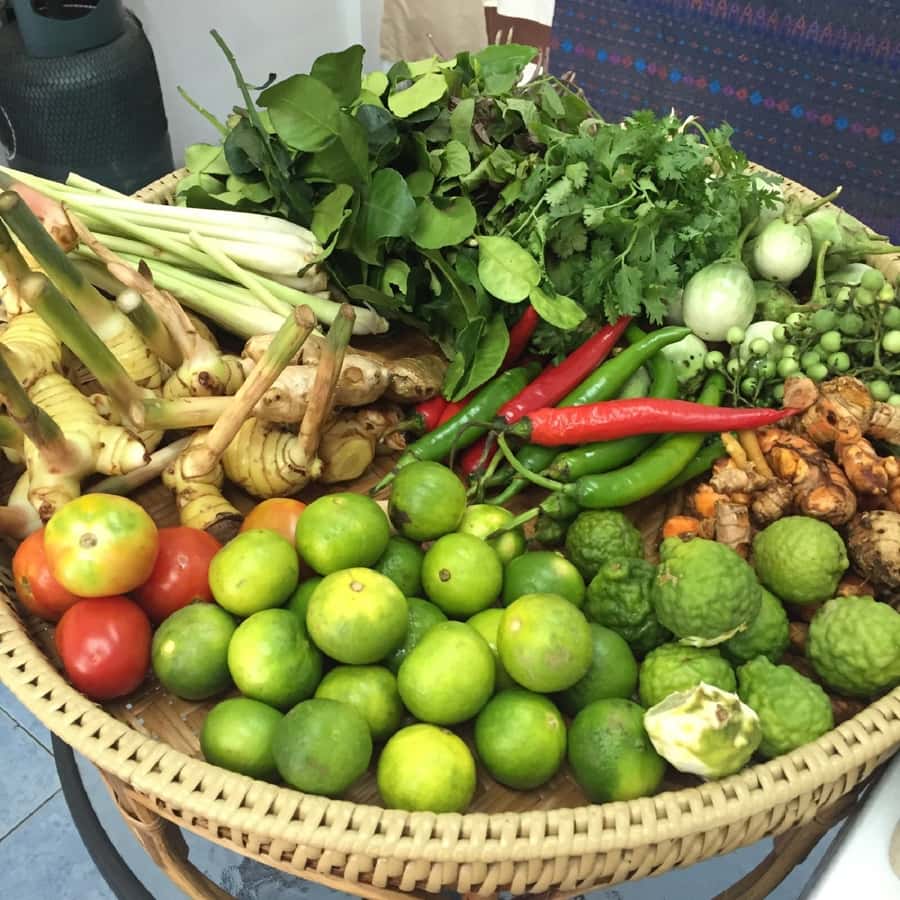
- Market-first ingredient shopping: you select what you’ll cook, not random pantry staples
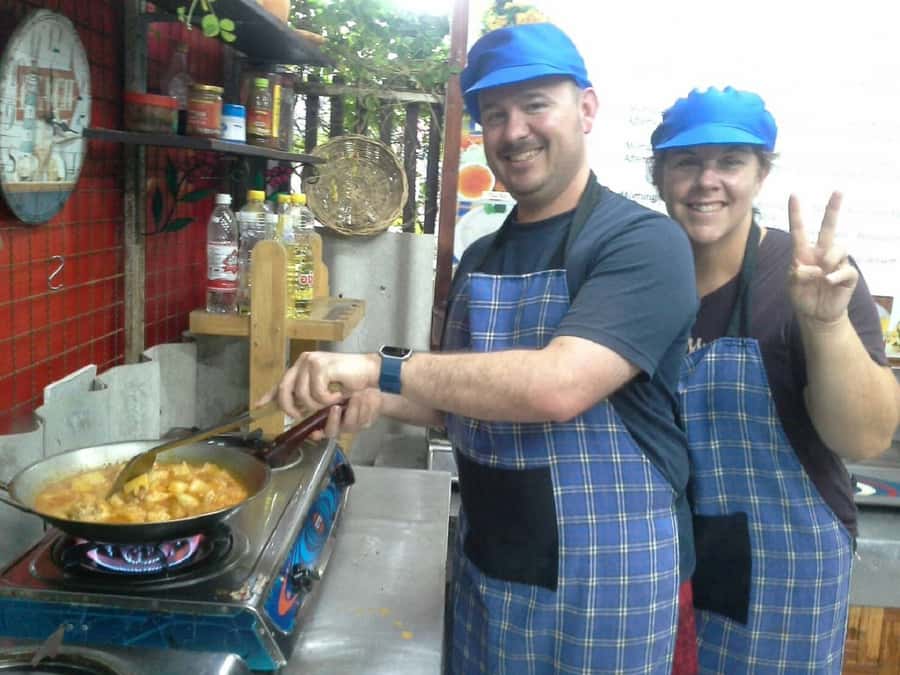
- Small group setup (up to 10): everyone gets hands-on time at their own station
- Fresh-from-the-garden moments: you get to use ingredients straight from their kitchen plot
- Sanitary prep workflow: clean prep area plus a separate cooking space
- Serious leftovers: you’ll likely pack take-home boxes
- Day-based menus (and Special Sundays): what you cook depends on which class you pick
Phuket Thai cooking class with market shopping and a small-group kitchen
If you want Thai food that tastes like you actually understand it, this is the format that helps. You get a real rhythm: tour, pick ingredients, prep, cook, eat. And because it’s small-group and hands-on, you’re not stuck watching someone else do all the work.
The experience runs for about 4 hours, with two daily options. You can choose the morning class or the afternoon class, and your pickup timing matches the start—so you’re moving through the day instead of waiting around.
You can also read our reviews of more shopping tours in Phuket
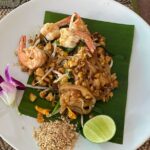
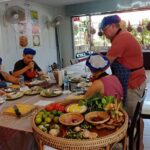
Morning or afternoon: how the schedule changes what you’ll do
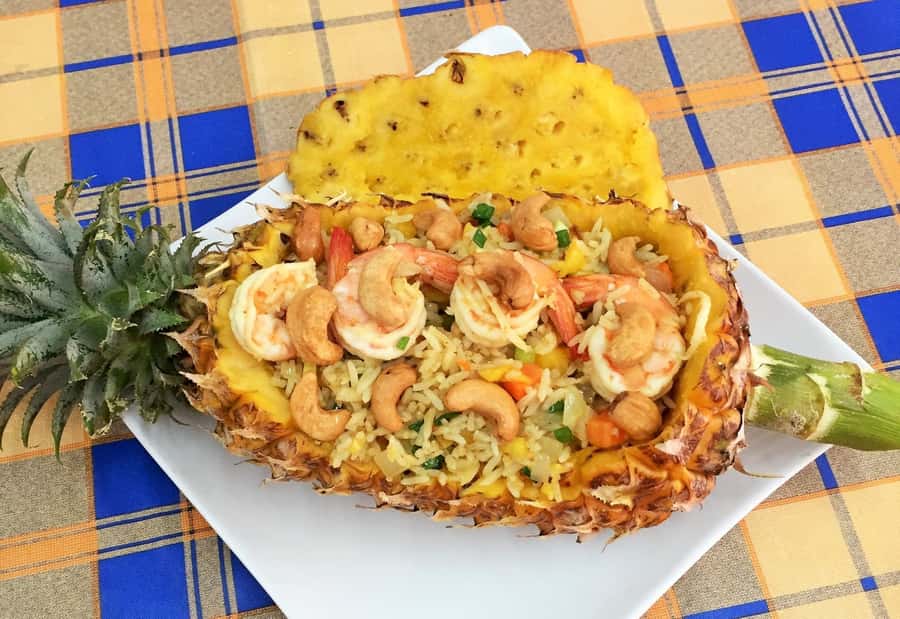
You choose between these starts:
- Morning class: starts at 9:30 AM, pickup 9:00 AM
- Afternoon class: starts at 2:30 PM, pickup 2:00 PM
Why this matters: the market visit and cooking flow are paced for that block of time. If you’re the type who likes a full morning before heat and crowds spike, pick the morning. If you’re more comfortable eating a little later and don’t want an early start, the afternoon is smoother.
Also, your menu depends on the day you go. That’s part of the fun, but it’s also how you avoid disappointment. If you have a must-cook dish, line it up with the correct day.
The local market stop: the fastest way to understand Thai flavor
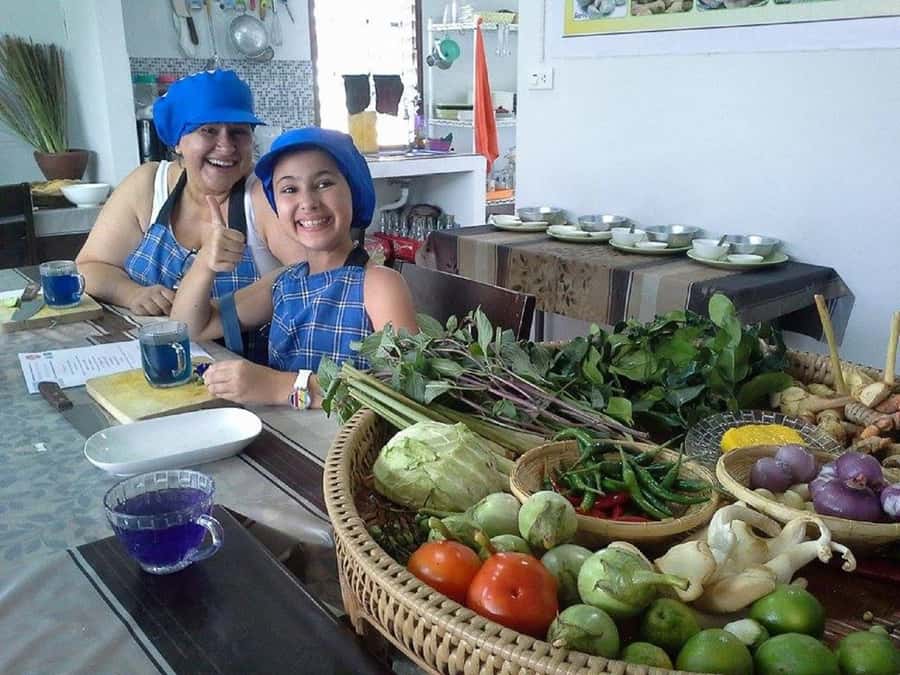
This is where the class earns its keep. Before you cook anything, you walk through a local market with your English-speaking guide (Tik is a common instructor, and other guides like Rosa, May, and Mei show up in the same style of teaching). You learn what ingredients are, what they do, and how they show up in Thai cooking.
A standout detail: you don’t just get told what to buy. You’ll often taste components along the way, so when you later cook with them, your brain already knows what you’re aiming for. That’s how flavors become learnable instead of mysterious.
What to look for during the market walk
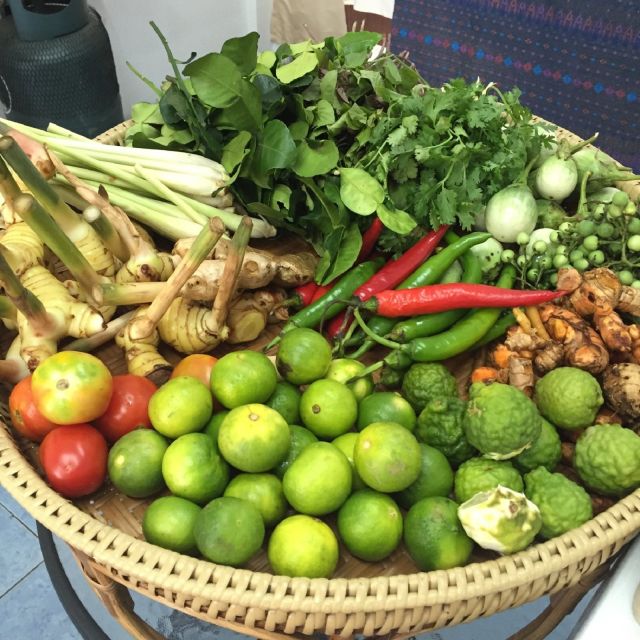
- Fresh aromatics (the base of many Thai curries and stir-fries)
- Thai herbs and vegetables that are hard to replace at home
- Ingredients that explain why Thai food can taste bright and layered, not just spicy
This part also sets you up for the kitchen garden bit. When the class uses ingredients they grow, it makes the lesson feel real and local, not theatrical.
The kitchen garden: small plot, big “aha” factor
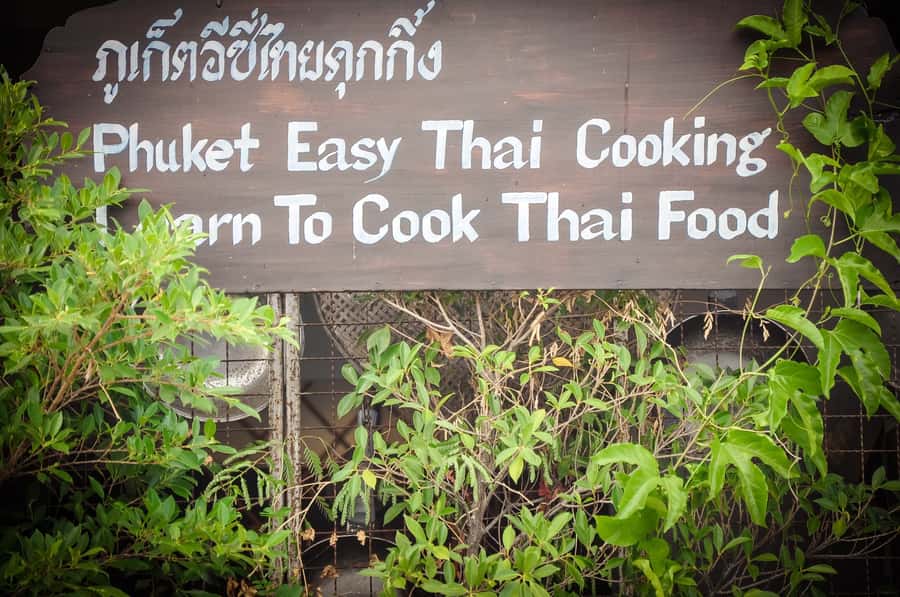
The class includes picking fresh ingredients from a small but impressive kitchen garden. It’s not a huge farm-tour experience, but it’s memorable in a practical way: you see the connection between ingredient freshness and flavor.
This also helps explain why Thai cooking leans hard on fresh herbs and building flavors at the right stage. When you handle the ingredient yourself, it’s easier to recreate later.
A few more Phuket tours and experiences worth a look

Cooking setup: clean stations, air-conditioned prep, and real hand work
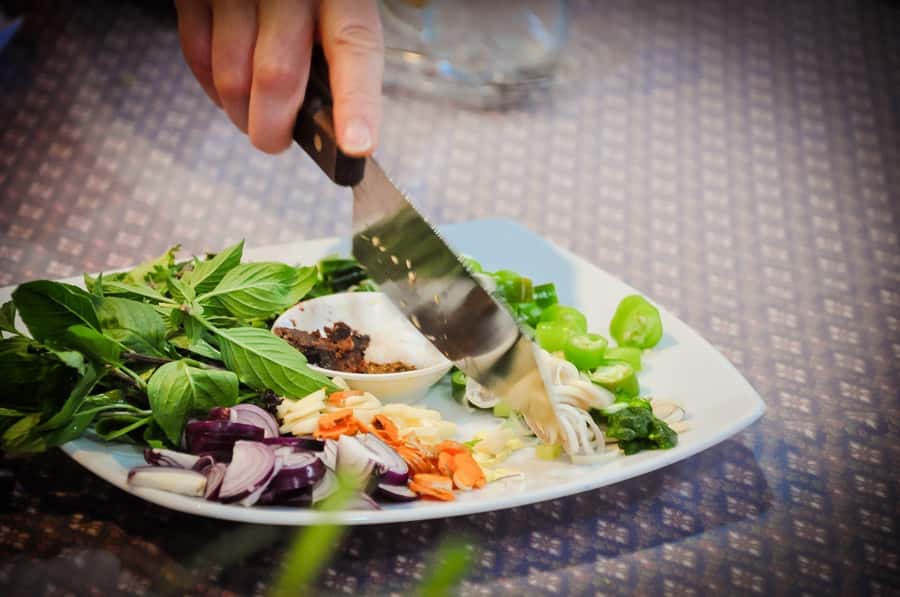
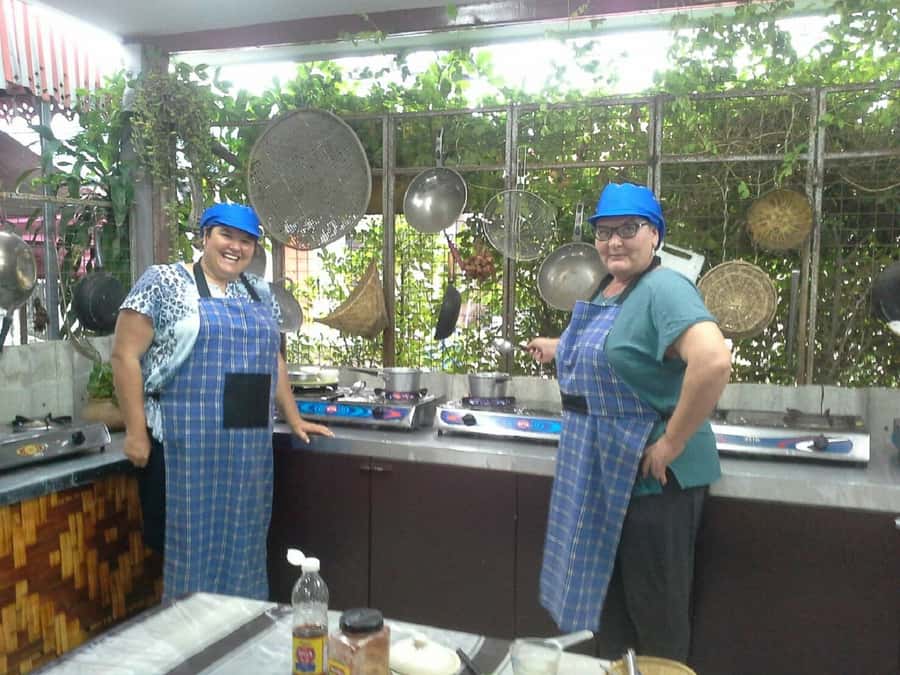
Once you arrive at the kitchen (in the Chalong area, depending on your route), you get a structured workspace. The prep area is air-conditioned, while the cooking area is not—so you’ll understand why prep comfort matters in Thailand’s heat.
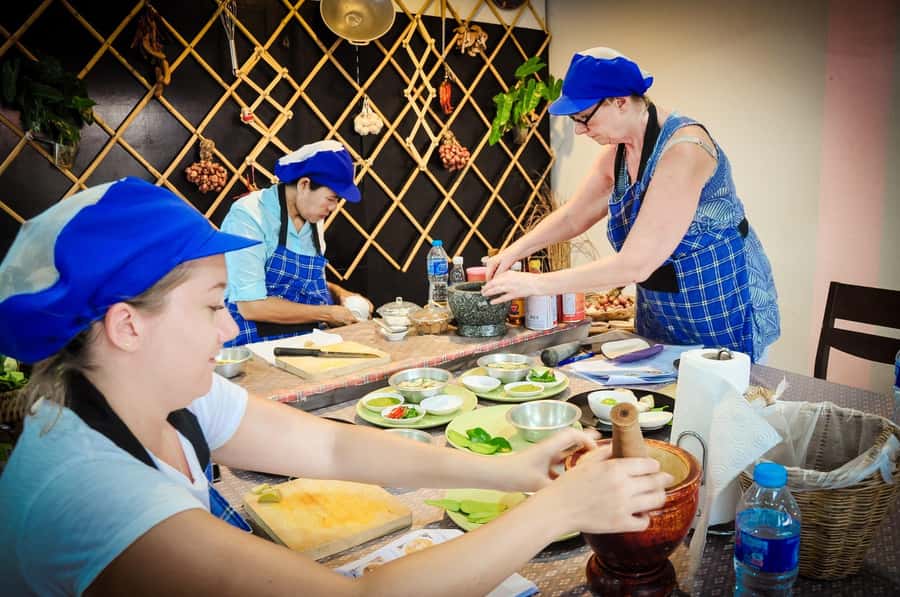
One of the best parts: you usually get your own station. You’ll be shown how to clean, cut, and prep ingredients, then you cook with guidance. Helpers are there, too, so beginners don’t feel lost.
And yes, you learn key tools and techniques along the way. Several participants mention learning with a wok for the first time, and the class makes it feel doable.
What you actually cook: day-by-day menu choices
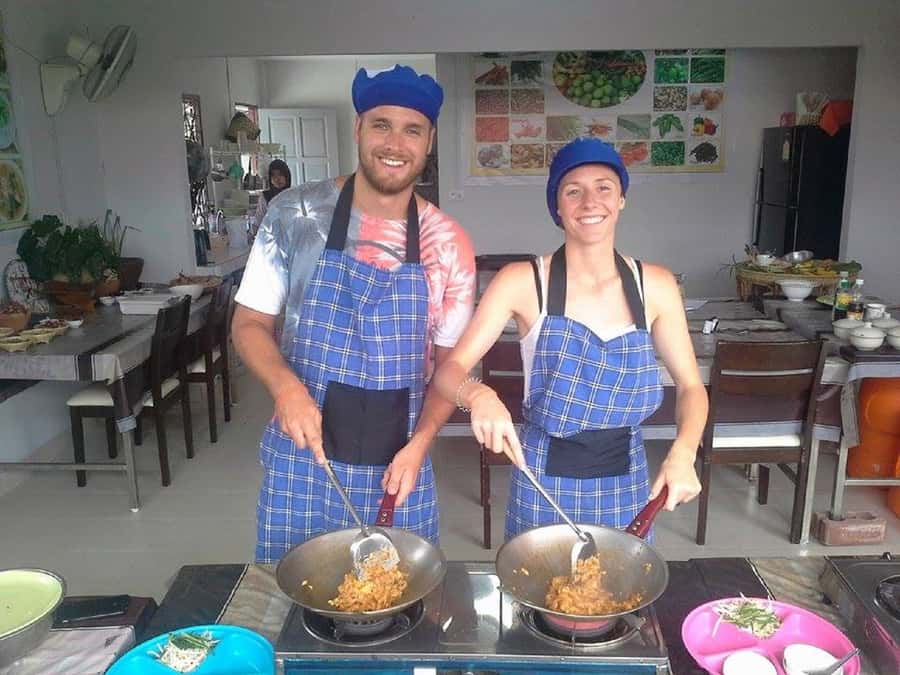
Here’s the menu structure: you cook several dishes in your half-day block, and the set of dishes depends on the day and whether it’s a standard class or a Special Sunday.
Monday
- Morning: tom yam kung, pad thai, green curry, mango sticky rice
- Afternoon: chicken satay, tom kha kai, pad see-ew, mango sticky rice
Tuesday
- Morning: fish cake, papaya salad, panang curry, deep-fried banana
- Afternoon: tom yam kung, pad thai, green curry, deep-fried banana
Wednesday
- Morning: tom yam kung, pad thai, green curry, banana in coconut milk
- Afternoon: fried chicken cashew nut, tom kha kai, fried basil leaves, banana in coconut milk
Thursday
- Morning: spring rolls, panang curry, tom kha kai, mango sticky rice
- Afternoon: tom yam kung, pad thai, green curry, mango sticky rice
Friday
- Morning: tom yam kung, pad thai, green curry, deep-fried banana
- Afternoon: fried chicken in oyster sauce, spring rolls, tom kha kai, deep-fried banana
Saturday
- Morning: massaman curry, spring rolls, tom yam kung, banana in coconut milk
- Afternoon: red curry, larb, tom kah kai, banana in coconut milk
Special Sundays
This one is different. You choose 3 Thai main course dishes plus a Thai dessert. It requires a minimum of 2 people.
Tip for choosing your day
If you’re trying to match your spice comfort level or avoid too many fish sauces or coconut-heavy plates, use the menu list like a cheat sheet. The class doesn’t hide what you’ll cook, which is nice.
The food part: huge portions and leftovers you’ll thank yourself for
You don’t just learn—you eat. Expect portions big enough that many people end up packing leftovers. Take-home boxes are appreciated for a reason: you’ll likely cook and eat more than one normal meal.
It’s also not just food quantity. The teaching style focuses on how ingredients and techniques create taste. People often call out the way seasonings and spice blends feel approachable, even if you’re new to Thai cooking.
And for after-class support, you may receive an e-cookbook or recipes by email, which helps you recreate the dishes later without guessing.
Price and value: why $68 feels fair for what you get
At $68 per person, this isn’t the cheapest thing on Phuket. But it’s also not a show. You’re paying for a full half-day workflow:
- market shopping with ingredient guidance
- small-group cooking (limited to 10 participants)
- all ingredients included
- roundtrip transport from several key areas
If you’d otherwise buy ingredients plus pay for multiple meals and a tour, the math starts to look better fast. The biggest value jump is the hands-on instruction. A Thai cooking class that keeps you chopping and cooking (not just watching) is the one you’ll actually remember.
Transport and pickup: what to plan, what might cost extra
Pickup is included from:
- Kata, Karon, Patong, Rawai, and Phuket town
If you’re staying farther out, the base deal may not cover you. Additional roundtrip pickup is listed as:
- THB300 per person from Kamala, Surin, Ao Makham, Cape Panwa, or Koh Sirah
- THB400 per person from Bang Tao or Laguna
- THB600 per person from Nai Yang beach, Nai Ton beach, Mai Khao, or Ao Por
- or THB1500 per car for Nai Yang beach, Nai Ton beach, Mai Khao, or Ao Por
Practical advice: confirm your pickup area before you book, especially if you’re in a resort zone. In Phuket, small distance differences can mean big “covered or not covered” changes.
Who this class is best for (and who should choose differently)
This is a great fit if you:
- want a hands-on activity that teaches you what you’re eating
- prefer small groups and direct help at your station
- like Thai food enough to cook it more than once after your trip
It’s also smart for couples and families, since the group size is tight and the instruction supports beginners.
If you hate heat, the kitchen cooking area won’t be air-conditioned. You’ll still prep in cool space, but cooking happens in warmer conditions. Plan for that.
Practical notes before you go
You’ll be cooking with an English-speaking instructor. The class is designed for non-drinkers and non-drug use—alcohol and drugs aren’t allowed, and pets aren’t allowed either.
Also, try not to eat a big meal right before you start. The experience naturally turns into a second and third meal, and you’ll want room for mango sticky rice and whatever fried item your menu includes that day.
Should you book Phuket Easy Thai Cooking?
Book it if you want more than a nice lunch and a photo. This class teaches Thai cooking in a way that makes ingredients make sense—especially because you shop the market first and then cook the dishes yourself.
You should also book if you enjoy learning by doing. The station setup, the helper support, and the clear step-by-step approach make it feel beginner-friendly without turning it into a watered-down experience.
Skip it only if you’re short on time and would rather spend that half-day on the beach, or if you’re unwilling to handle travel timing and a menu that changes by day.
FAQ
How long is the Phuket half-day Thai cooking class?
It lasts about 4 hours.
Do I have to choose a morning or afternoon class?
Yes. There are two options: a morning class starting at 9:30 AM or an afternoon class starting at 2:30 PM.
How many people are in each class?
The group is small, limited to 10 participants.
Is there hotel pickup included?
Roundtrip transportation is included from Kata, Karon, Patong, Rawai, and Phuket town. Other pickup areas are available for extra fees.
What language is the instructor?
The instructor speaks English.
What do I cook in the class?
You cook a set menu that changes by day. Dishes include items like tom yam kung, pad thai, green curry, red curry, tom kha kai, spring rolls, mango sticky rice, and more depending on the day and class time.
What is the Special Sunday class?
Special Sunday lets you choose 3 Thai main course dishes and a Thai dessert. It requires a minimum of 2 persons.
Are ingredients included?
Yes. All ingredients are included.
Is alcohol or pets allowed?
Alcohol and drugs aren’t allowed, and pets aren’t allowed.